In the fast-paced world of manufacturing and product distribution, efficiency, hygiene, and cost-effectiveness are paramount. This is where Vertical Form Fill Seal (VFFS) packaging machines become indispensable assets. These automated systems are the backbone of modern packaging lines for a vast array of products, from food items like snacks and coffee to pharmaceuticals, hardware, and pet food. Understanding the intricacies of VFFS machines—their types, how they work, their benefits, and the critical factors in selecting the right one—is essential for any business looking to optimize its packaging operations. This comprehensive guide delves into all these aspects to provide you with the knowledge needed to make an informed decision.
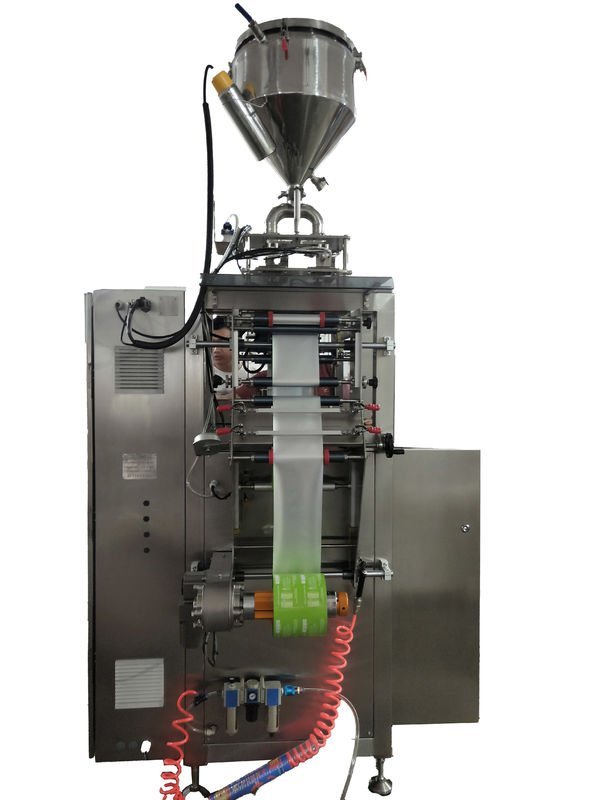
What is a VFFS Packaging Machine?
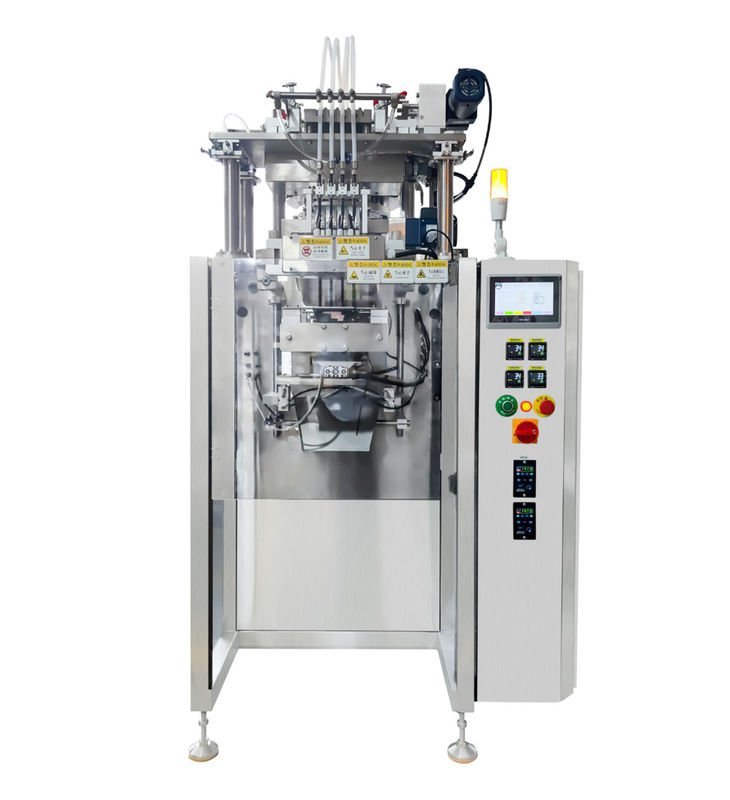
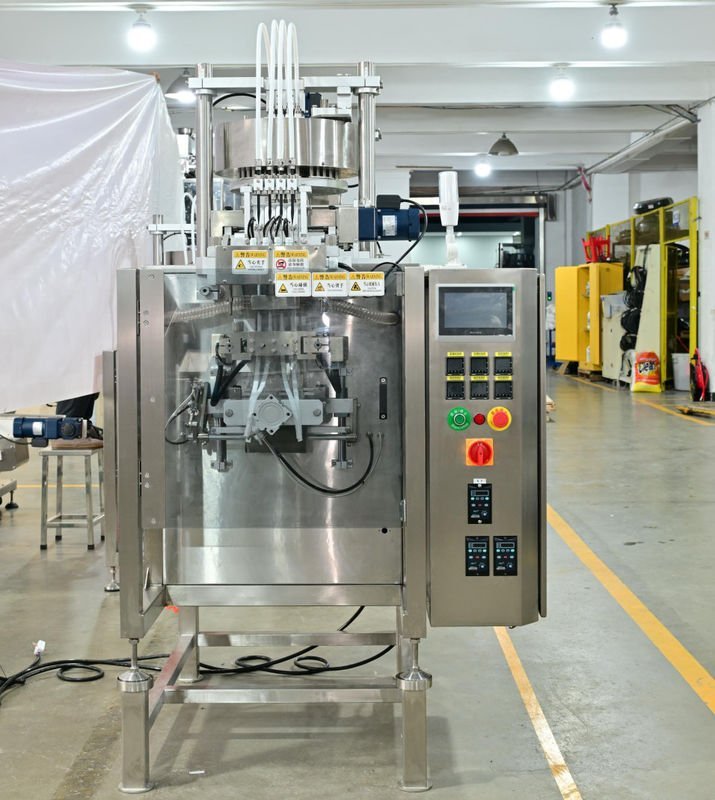
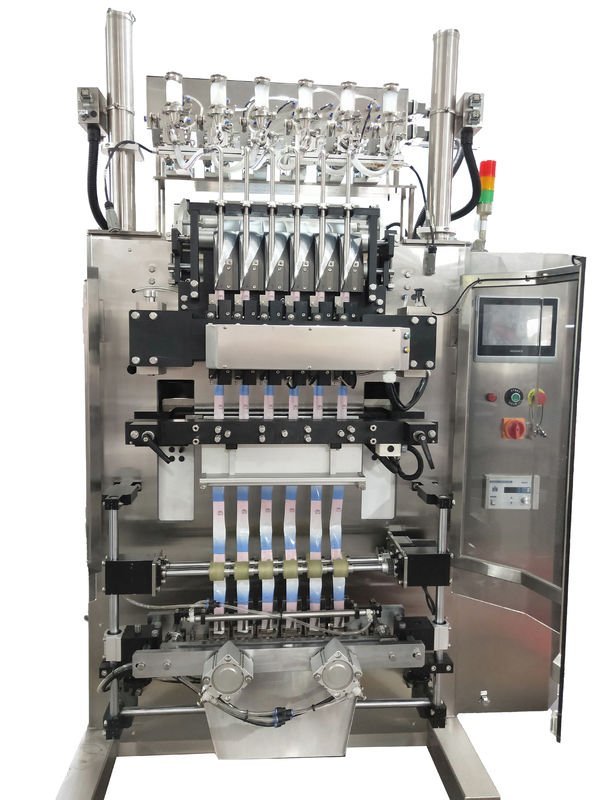
A Vertical Form Fill Seal machine is a fully automated packaging system designed to form a bag from a roll of flat packaging film, fill it with a precise amount of product, and then seal it—all in a continuous vertical process. The “vertical” aspect refers to the film traveling downward from the roll, which is ideal for free-flowing granular, powdery, or small solid products. These machines are celebrated for their high-speed operation, versatility in bag styles, and ability to maintain excellent product freshness and integrity. For businesses seeking a complete solution, exploring integrated Filling & Packaging Lines that incorporate VFFS technology can be a transformative step.
Core Advantage:
The primary strength of a VFFS machine lies in its continuous motion operation. Unlike horizontal systems, it uses gravity to its advantage, allowing for faster cycle times and a smaller machine footprint, which saves valuable factory floor space.
Main Types of VFFS Packaging Machines
VFFS machines are not one-size-fits-all. They are categorized based on their weighing technology and the type of bag they produce, allowing them to be tailored to specific product and market needs.
1. By Weighing System
The heart of any packaging machine’s accuracy is its weighing system. The choice here directly impacts your product give-away and compliance.
- Auger Filler Systems: Perfect for fine powders, spices, and non-free-flowing products. A rotating auger screws the product into the bag with exceptional precision.
- Volumetric Cup Filler Systems: Ideal for uniform, free-flowing products like rice, seeds, or pellets. They use pre-measured cups for fast, consistent filling.
- Multi-Head Weigher Systems: The gold standard for accuracy, especially for snack foods, frozen vegetables, or irregular items. Product is distributed across multiple weigh buckets, and a computer calculates the optimal combination to hit the exact target weight every time. For complex systems, specialized Weighing & Packaging Systems offer sophisticated solutions.
2. By Bag Style
The final package presentation is crucial for shelf appeal and functionality.
- Pillow Bags: The most common and economical style, with seals at the back and both ends. Widely used for chips, pasta, and hardware.
- Gusseted Bags: Feature expandable sides, allowing the bag to stand upright on shelves. Excellent for coffee, pet food, and bulk products.
- Flat Bottom Bags (Block Bottom): Provide a very stable, box-like structure for superior shelf presence, often used for premium food products and gifts.
- Zipper Bags: Incorporate a resealable zipper for product freshness, a highly desirable feature in consumer markets.
To explore machines dedicated to specific pouch types, you can review options for Bag & Pouch Packaging Machines.
How Does a VFFS Machine Work? The Step-by-Step Principle
The operation of a VFFS machine is a marvel of mechanical synchronization. It follows a consistent, cyclical process:
- Film Unwinding & Forming: A roll of packaging film (laminated or co-extruded) is mounted. The film is pulled over a forming collar, which shapes it into a vertical tube around the filling tube.
- Vertical Sealing: The longitudinal back seal of the tube is created by a heated vertical sealer.
- Product Filling: At the precise moment, the product is dispensed through the central filling tube into the waiting film tube below.
- Horizontal Sealing & Cutting: Two heated horizontal seal jaws close simultaneously. They perform two functions: they seal the top of the filled bag below them and the bottom of the next empty tube above them. A knife within the jaws then cuts the two seals apart, releasing the finished bag.
- Discharge: The completed bag is discharged onto a conveyor or collection bin, and the cycle instantly repeats.
🔍 Key Component Spotlight: The Forming Collar
This is arguably the most critical mechanical part. Its precise design determines how smoothly the flat film transitions into a perfect tube without wrinkles or stress marks, which is vital for seal integrity and bag appearance. Different bag styles require uniquely designed collars.
Significant Benefits of Using VFFS Technology
Investing in a VFFS packaging system delivers a compelling return on investment through multiple channels:
- High Speed & Efficiency: Capable of producing dozens to hundreds of bags per minute, dramatically outpacing manual or semi-automatic methods.
- Reduced Material Costs: Using film from rolls minimizes waste compared to pre-made bags and allows for on-demand bag size changes.
- Superior Product Protection: Creates a hermetically sealed environment, protecting against moisture, contaminants, and oxidation to extend shelf life.
- Operational Flexibility: Quick changeover between bag sizes and films enables production of short runs and multiple SKUs on the same machine.
- Labor Savings & Hygiene: Full automation reduces direct labor requirements and minimizes human contact with the product, enhancing hygiene standards—a critical factor in food and pharmaceutical sectors.
How to Choose the Right VFFS Machine: A Practical Guide
Selecting a VFFS machine is a significant decision. Here are the key factors to evaluate systematically:
1. Product Characteristics
This is the starting point. Is your product granular, powdery, liquid, sticky, or abrasive? Its flowability, density, and particle size will dictate the necessary filling system (auger, volumetric, multi-head weigher).
2. Production Requirements
You must define your current and near-future needs.
Speed (bags/minute): Match machine capability to your output targets.
Bag Size Range: Ensure the machine can handle your smallest and largest bag dimensions.
Accuracy: Determine the legal and commercial weight tolerance required.
3. Film Material & Bag Style
Confirm the machine is compatible with your desired packaging material (e.g., PET/PE, metallized film, paper laminates) and can produce the bag style (pillow, gusset, stand-up) you need for your market. For specialized needs like small-portion packaging, investigating Sachet & Stick Pack Machines is advisable.
4. Automation & Integration Level
Consider how the VFFS will fit into your line. Does it need integrated checkweighers, date coders, or robotic case packing? Opt for a machine with a robust control system (often PLC-based) that allows for future upgrades and easy integration with other Auxiliary Packaging Equipment.
5. Supplier Reliability & Support
The machine is only as good as the company behind it. Choose a manufacturer with a proven track record, like Packmate Machinery, which offers comprehensive support from installation and training to ongoing spare parts and maintenance. Reviewing a supplier’s Case studies can provide real-world evidence of their capabilities and reliability.
Pro Tip: Think Long-Term
When evaluating cost, look beyond the initial purchase price. Consider total cost of ownership, which includes energy consumption, expected maintenance, ease of cleaning (affecting downtime), and the machine’s build quality and durability. A slightly higher initial investment in a robust, versatile machine often leads to lower long-term costs and greater productivity.
Frequently Asked Questions (FAQs)
1. What is the typical maintenance required for a VFFS machine?
Regular maintenance includes daily cleaning of product contact parts, lubrication of moving components as per the manual, and periodic inspection/replacement of wear parts like sealing jaws, Teflon seal strips, and cutting blades. A well-maintained machine ensures consistent seals, reduces downtime, and extends equipment life.
2. Can one VFFS machine handle different products and bag sizes?
Yes, most modern VFFS machines are designed for flexibility. Changing bag size requires switching the forming collar and adjusting the film width and seal jaw positions, which can often be done relatively quickly if the machine has digital settings and tool-less changeover features. Changing products, especially to a different type (e.g., powder to granules), may require changing the filling system.
3. How accurate are VFFS machines in filling weight?
Accuracy depends heavily on the filling system and the product. Multi-head weighers can achieve accuracies within ±0.5-1 gram. Auger fillers for powders can be very precise, often within ±0.5% of the target weight. Volumetric fillers are generally less accurate but are fast and cost-effective for non-critical applications.
4. What packaging films can be used with a VFFS machine?
VFFS machines are compatible with a wide range of heat-sealable films, including polyethylene (PE), polypropylene (PP), laminates (e.g., PET/PE, OPP/CPP), metallized films, and even some biodegradable materials. The key is that the film must have a heat-sealable layer and the tensile strength to run reliably at high speeds on the machine.
5. What safety features should I look for?
Essential safety features include emergency stop buttons at multiple points, protective guarding around moving parts and heating elements, safety interlocks that prevent operation when guards are open, and overheat protection on sealing jaws. Always ensure the machine complies with relevant local and international safety standards.