In the fast-paced world of manufacturing, the packaging machine operator is a vital link in the production chain. This role is crucial for ensuring that products from food and pharmaceuticals to consumer goods are sealed, protected, and ready for distribution efficiently and safely. For anyone considering a career in this dynamic field or looking to understand its scope, this guide provides a comprehensive overview of the duties, required skills, salary expectations, training pathways, and the potential career trajectory for a packaging machine operator.
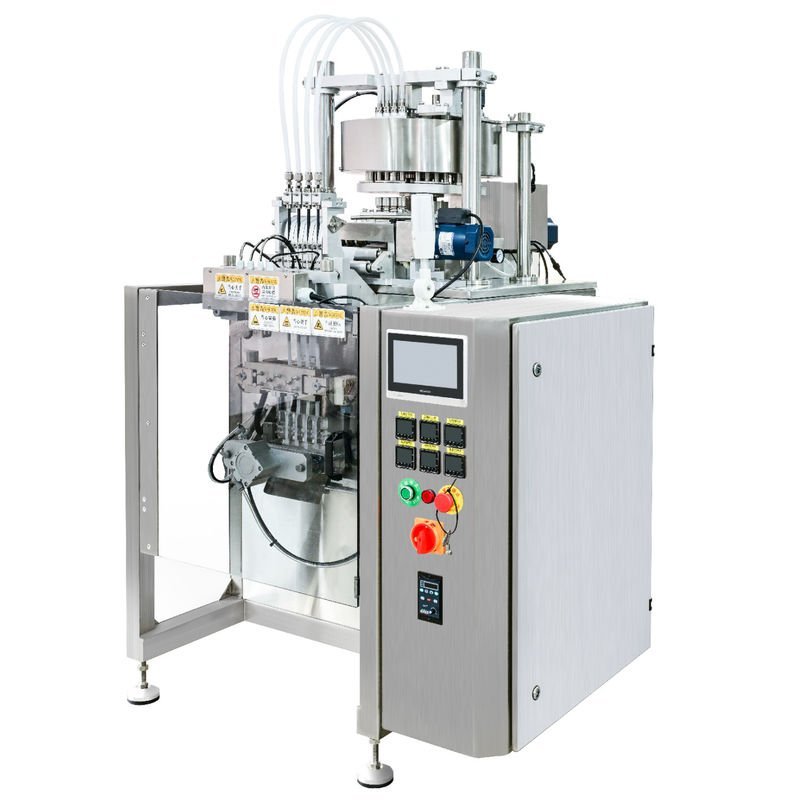
Core Duties and Responsibilities
The day-to-day work of a packaging machine operator is both technical and hands-on. Primary responsibilities include:
Setting up machinery at the beginning of a production run, which involves installing the correct packaging materials (like films, pouches, or cartons), calibrating settings for weight, fill volume, and seal temperature, and conducting initial tests.
Monitoring the equipment during operation to ensure consistent quality, checking for proper sealing, accurate filling, and correct labeling. Operators must be vigilant for any jams, misfeeds, or mechanical irregularities.
Performing routine maintenance and basic troubleshooting. This includes cleaning machines, lubricating parts, and replacing worn components like sealing jaws or cutter blades. When a machine faults, the operator is often the first responder, diagnosing issues based on error codes or unusual sounds.
Maintaining strict records of production output, downtime, and any quality control checks performed during the shift. Adherence to Good Manufacturing Practices (GMP) and standard operating procedures (SOPs) is non-negotiable, especially in regulated industries like pharmaceuticals.
Ensuring a safe working environment by following all lockout-tagout (LOTO) procedures during maintenance and being aware of potential hazards.
Specialized Context: The Guangdong Manufacturing Hub
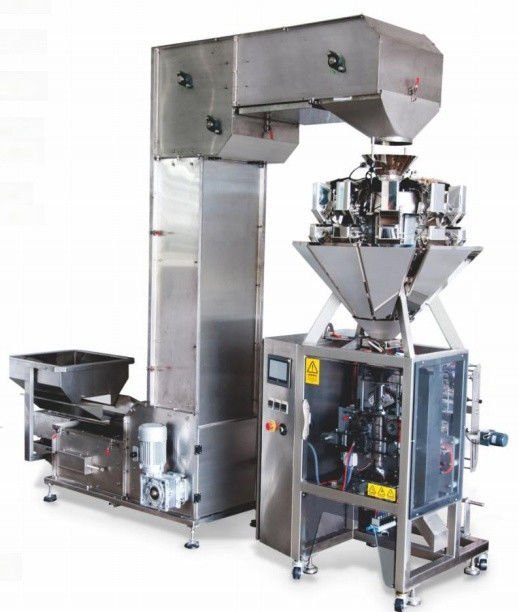
In manufacturing powerhouses like Guangdong, China, the role takes on additional nuances. The local work culture, influenced by a strong emphasis on efficiency, precision, and collective productivity, means operators often work within highly integrated, automated lines. Familiarity with advanced equipment from leading regional manufacturers, such as the comprehensive solutions offered by Packmate Machinery, is a significant advantage. The pace can be demanding, reflecting the province’s status as a global export leader, requiring operators to be highly adaptable and technically proficient.
Essential Skills and Qualifications
Success in this role hinges on a blend of hard technical skills and crucial soft skills.
Technical Skills
➤ Mechanical Aptitude: Understanding how machines work is fundamental. This includes reading mechanical diagrams and understanding pneumatics, conveyors, and drive systems.
➤ Basic Technical Knowledge: Familiarity with programmable logic controllers (PLCs), human-machine interfaces (HMIs), and sensor technology is increasingly important.
➤ Quality Control: Keen attention to detail to spot defects in packaging, such as weak seals, misprints, or incorrect weights.
➤ Computer Literacy: Basic skills for entering production data and interfacing with machine control panels.
Soft Skills
➤ Problem-Solving: The ability to quickly diagnose and resolve mechanical issues to minimize downtime.
➤ Reliability & Safety Consciousness: Consistent attendance and a steadfast commitment to safety protocols.
➤ Teamwork: Coordinating with line supervisors, quality inspectors, and maintenance technicians is essential for smooth operations.
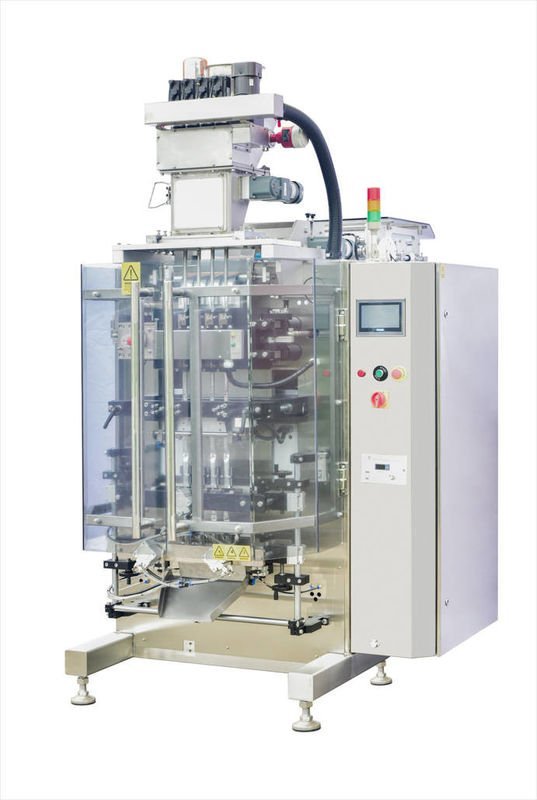
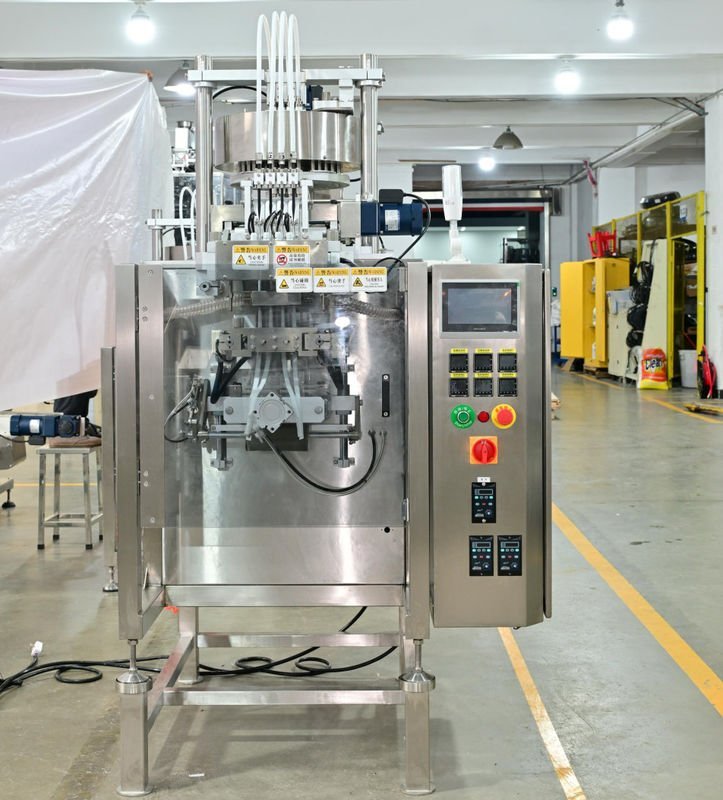
➤ Adaptability: Willingness to learn new technologies and adapt to different types of machinery, from sachet and stick pack machines to large filling and packaging lines.
Salary and Compensation Outlook
Salaries for packaging machine operators vary based on location, industry, experience, and the complexity of the machinery operated.
In the United States, the median annual wage is approximately $38,000, with entry-level positions starting around $30,000 and experienced operators in high-tech or unionized environments earning over $50,000. In manufacturing hubs like Guangdong, compensation is competitive within the local market, often including performance bonuses tied to production efficiency and output quality. Benefits typically include health insurance, paid time off, and opportunities for overtime.
Factors that can increase earning potential include specialization in high-demand sectors (e.g., pharmaceuticals, nutraceuticals), certification in operating specific advanced machinery, and taking on leadership responsibilities such as training new hires.
Training and Certification Pathways
While a high school diploma or GED is often the minimum requirement, structured training is key to advancement.
On-the-Job Training (OJT)
Most operators begin with extensive OJT, shadowing experienced colleagues to learn specific machines, safety procedures, and company protocols. This hands-on approach is invaluable.
Technical and Vocational Schools
Community colleges and trade schools offer certificate or associate degree programs in mechatronics, industrial maintenance, or manufacturing technology. These programs provide foundational knowledge in electronics, hydraulics, and blueprint reading.
Manufacturer-Specific Training
Equipment manufacturers often provide specialized training. For instance, partnering with a supplier like Packmate for their weighing and packaging systems can lead to certified operator status, making an individual highly valuable to employers using that equipment.
Professional Certifications
While not always mandatory, certifications from bodies like the Manufacturing Skill Standards Council (MSSC) as a Certified Production Technician (CPT) can validate skills and enhance employability.
Career Advancement Path
A position as a packaging machine operator is rarely a dead-end job; it’s a launchpad for several rewarding career paths within industrial and manufacturing settings.
1. Senior Operator / Lead Operator: With experience, operators can become leads, responsible for overseeing a shift or a specific production line, mentoring juniors, and handling more complex setups.
2. Maintenance Technician: Those with strong mechanical and problem-solving skills can transition into dedicated maintenance roles, focusing on repairing and overhauling packaging equipment.
3. Quality Control Inspector / Technician: The keen eye for detail developed on the line is perfect for moving into QC, ensuring products meet all specifications and standards.
4. Production Supervisor: Demonstrating leadership, reliability, and a deep understanding of the production process can lead to supervisory or management positions, overseeing entire departments.
5. Specialization in Advanced Machinery: Becoming an expert in operating and troubleshooting sophisticated equipment, such as integrated bag and pouch packaging lines, can command higher pay and make an operator indispensable.
Continuous learning is the thread that runs through all these paths. Embracing new automation technologies, robotics, and data analytics (Industry 4.0) will define the future of this role and open the most doors.
Frequently Asked Questions (FAQs)
Q1: What is the most challenging part of being a packaging machine operator?
A: Many operators cite troubleshooting under pressure as the biggest challenge. When a high-speed line goes down, quickly diagnosing the problem—whether mechanical, electrical, or a material feed issue—to minimize costly downtime requires deep knowledge and calm thinking.
Q2: Is this a job that is at risk of automation?
A: While automation is increasing, the role is evolving rather than disappearing. Machines still require skilled humans to set up, monitor, maintain, and reprogram. The job is shifting from manual operation to machine oversight and technical support.
Q3: What industries hire the most packaging machine operators?
A: The highest demand comes from the food and beverage, pharmaceutical, medical device, and consumer goods industries. Any sector that produces a physical product requires packaging expertise.
Q4: What personal qualities make someone excel in this job?
A: Beyond technical skill, successful operators are typically patient, detail-oriented, mechanically inclined, and able to perform repetitive tasks with consistent focus. Strong problem-solving instincts and a commitment to safety are paramount.
Q5: How can I get experience if I’m new to the field?
A: Look for entry-level “packaging helper” or “production assistant” roles. Apprenticeship programs, vocational school co-ops, and even temporary agency placements in warehouses or factories can provide the crucial first step to gaining hands-on experience with industrial machinery.