In the demanding sectors of food and pharmaceutical manufacturing, the right packaging machinery is not just a convenience—it’s a critical component of product integrity, safety, and market success. From the granular texture of instant coffee to the fine powder of pharmaceuticals and the precise viscosity of liquid supplements, each product type presents unique challenges. This comprehensive guide explores the specialized packaging solutions for granules, powders, and liquids, highlighting the technology and expertise that ensure efficiency, compliance, and consumer trust.

Core Packaging Challenges in Food & Pharma
Both industries share a non-negotiable focus on hygiene, accuracy, and shelf-life preservation. However, their priorities diverge. The food industry often emphasizes speed, cost-effectiveness, and attractive presentation to drive consumer appeal. In contrast, the pharmaceutical sector is governed by stringent regulatory standards (like cGMP and FDA guidelines), where contamination prevention, dose accuracy, and tamper-evidence are paramount. A packaging system must be meticulously designed to meet these specific, often rigorous, demands.
Granule Packing Systems: Precision for Discrete Particles
Granular products, such as sugar, seeds, nuts, and certain medicinal granules, require systems that handle their free-flowing yet abrasive nature. The primary goal is to maintain particle integrity while achieving high-speed, accurate filling.
Modern granule packing machines often utilize multi-head weighers or cup filler systems. Multi-head weighers use a combination of hoppers and precise load cells to achieve astonishing speed and accuracy, ideal for snack foods. Cup fillers, on the other hand, are excellent for consistent volumetric dosing of uniform granules. A key advancement is the integration of vibration technology and anti-bridging hoppers to ensure a consistent flow without clogging, crucial for maintaining production line uptime. For more on automated weighing solutions, explore our Weighing & Packaging Systems.
Key Features of Advanced Granule Packers:
- Gentle Handling: Designed to prevent granule breakage or dust generation.
- High-Speed Operation: Capable of hundreds of packs per minute to meet large-scale demand.
- Easy Changeover: Quick adjustments for different pack sizes and granule types.
Powder Packing Systems: Containing the Finest Particles
Powder packaging, encompassing products like milk powder, spices, protein supplements, and pharmaceutical powders, is arguably the most challenging. Issues like dust, caking, segregation, and static charge must be meticulously controlled.
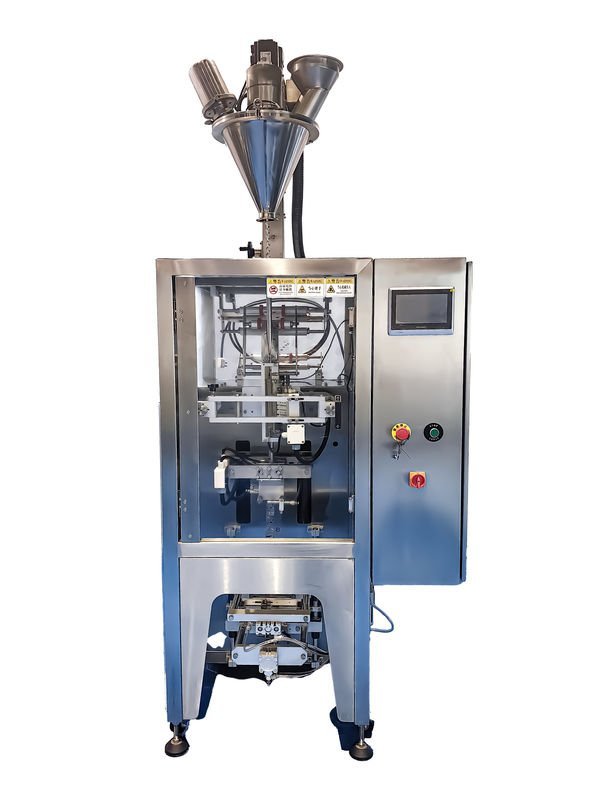
The technology cornerstone for powders is the auger filler. A rotating screw within a tube delivers a highly precise volumetric dose. The precision of the auger pitch, the tooling design, and anti-backlash mechanisms are critical for accuracy, especially with expensive pharmaceutical actives. For hygroscopic or cohesive powders, systems incorporate de-aeration and tamping features to achieve consistent pack density. Furthermore, integrated dust extraction ports are essential to maintain a clean production environment and protect sensitive products. Discover our specialized solutions in Filling & Packaging Lines.
💡 Did You Know?
The most advanced powder fillers for pharmaceuticals often feature “clean-in-place” (CIP) systems, allowing for thorough sanitation without disassembling the machine, a critical factor for compliance and reducing downtime.
Liquid & Viscous Product Packing Systems
This category ranges from water-thin juices to thick pastes, sauces, and oils. The filling principle shifts from volumetric to piston pump or gravity-flow filling. The consistency of the product dictates the technology.
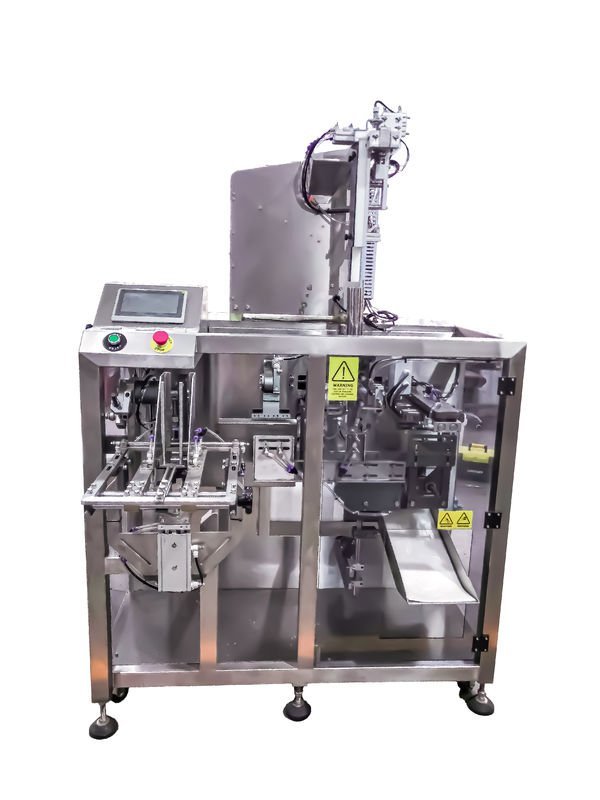
For thin liquids, gravity or pressure-assisted fillers offer high speed and accuracy. For viscous products like honey, creams, or ointments, piston fillers are king. A piston draws a precise volume of product from a cylinder and dispenses it into the package, unaffected by viscosity changes. A critical consideration is drip prevention. Nozzle design, with features like suck-back or positive cut-off, ensures a clean seal without product waste or package contamination. This technology is vital for both food aesthetics and pharmaceutical purity. For packaging formats like pouches, see our Bag & Pouch Packaging Machines.
Choosing the Right Liquid Filler:
- Product Characteristics: Viscosity, acidity, presence of particulates.
- Container Type: Bottles, flexible pouches, stick packs, or sachets.
- Hygiene Level: Sanitary design with compatible materials (e.g., 316L stainless steel).
The Packmate Advantage: Integrated Solutions from a Trusted Partner
Selecting individual machines is one step; ensuring they work harmoniously in a complete line is another. This is where the experience of a seasoned manufacturer like Packmate (GuangDong) Co., Ltd. becomes invaluable. With over 30 years of specialization in food and pharma packaging, Packmate doesn’t just sell machines—it delivers turnkey solutions.
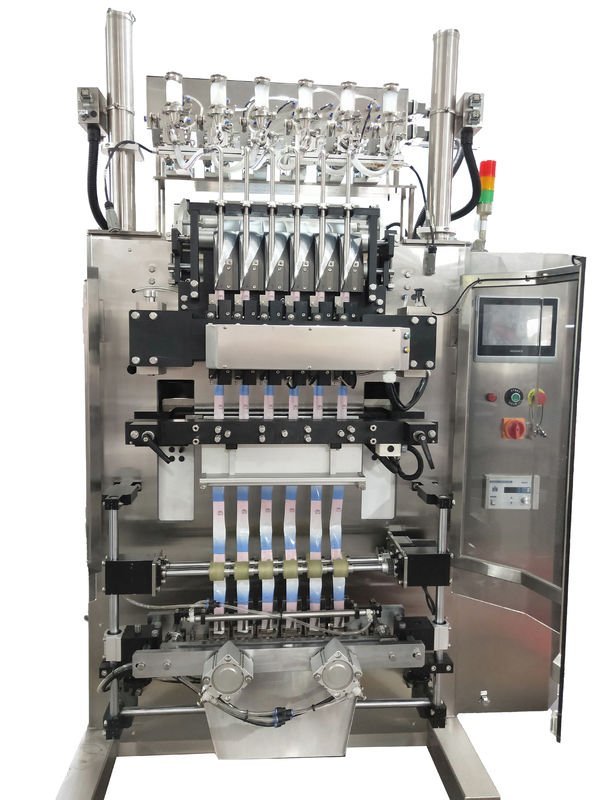
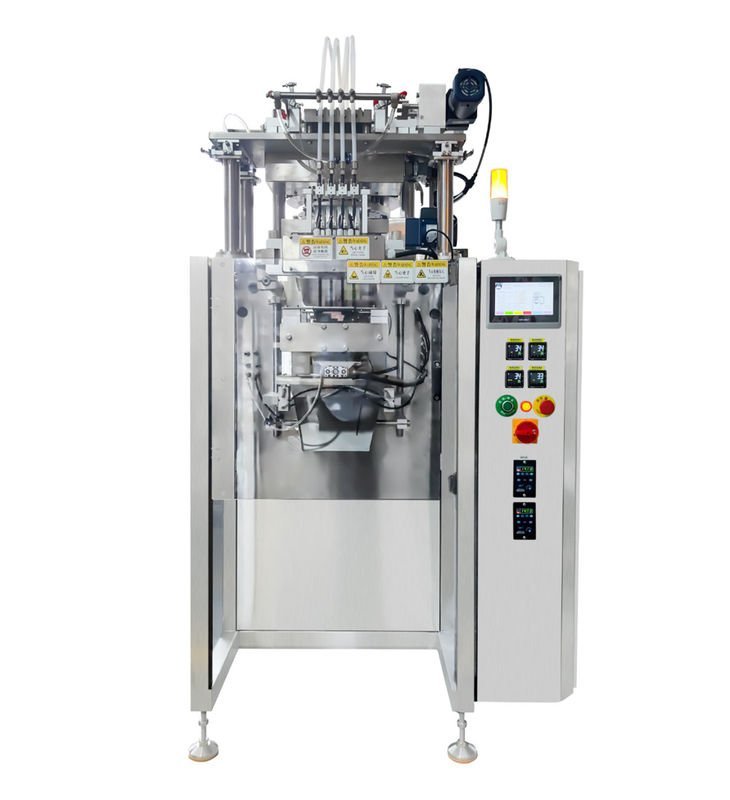
Our expertise lies in understanding the entire workflow—from product infeed and filling to sealing, coding, and cartoning. We engineer compatibility and seamless communication between each module, whether it’s a high-speed sachet & stick pack machine for single-serve powders or a fully automated liquid filling line. Our 20,000㎡ modern facility is equipped to design, build, test, and support these integrated systems, ensuring they meet the specific throughput, accuracy, and hygiene standards our global clients require. Learn about our complete project approach on our Home page.
Future-Proofing Your Packaging Operation
Investing in packaging machinery is a long-term decision. The trend is moving towards greater connectivity (Industry 4.0), flexibility for short runs, and sustainable packaging formats. When evaluating systems, consider not just today’s needs but also:
- Data Connectivity: Machines that provide OEE (Overall Equipment Effectiveness) data for proactive maintenance.
- Quick Changeover: Designs that minimize downtime when switching products or pack sizes.
- Material Compatibility: Ability to run recyclable or compostable films as regulations evolve.
Frequently Asked Questions (FAQs)
1. What is the main difference between food-grade and pharmaceutical-grade packaging machinery?
While both require high hygiene, pharmaceutical-grade machines have more stringent design criteria. They often feature polished stainless steel surfaces, validated cleaning procedures (like CIP), and documentation for regulatory compliance (e.g., IQ/OQ/PQ protocols). The precision tolerance for filling accuracy is also typically tighter for pharmaceuticals.
2. Can one machine handle granules, powder, and liquids?
Generally, no. The core filling technology is fundamentally different for each product state. However, some flexible modular platforms allow for the swapping of filling heads (e.g., from an auger to a piston pump), making a production line adaptable for different product lines with significant changeover effort.
3. How important is after-sales service and parts availability?
It is critical. Packaging machines are complex and require maintenance. Choose a manufacturer like Packmate with a proven global service network, readily available spare parts, and comprehensive training. This minimizes costly downtime and ensures the long-term productivity of your investment.
4. What key factors determine the speed (output) of a packaging line?
Speed is determined by the slowest machine in the line (the bottleneck). It’s influenced by the filling technology, package format complexity, and the integration of downstream equipment like checkweighers and vision systems. A holistic line design from a single supplier ensures balanced speeds.
5. How do I choose between a stick pack, sachet, or pouch for my product?
The choice depends on product characteristics, dosage, consumer convenience, and shelf presence. Stick packs are great for single-serve powders (e.g., drink mixes), sachets are versatile for powders and liquids, and pouches offer more surface area for graphics and are suitable for larger volumes or multi-serve products. We can advise on the optimal format for your needs.