In today’s fast-paced food industry, efficiency, hygiene, and consistency are non-negotiable. Automated food packaging machines have become the backbone of modern production lines, transforming how products from snacks and spices to sauces and beverages are prepared for the market. This guide provides a comprehensive overview of the types of machines available, their key features, and a strategic framework for selecting the perfect system for your operation.
Core Types of Automated Food Packaging Machines
The landscape of automated packaging is diverse, with each machine type designed for specific product forms and packaging styles. Understanding these categories is the first step toward a successful investment.
Vertical Form-Fill-Seal (VFFS) Machines
These are among the most versatile and widely used systems. A VFFS machine forms a bag from a roll of flat packaging film, fills it with the product, and then seals it—all in a continuous vertical motion. They are ideal for a vast range of granules, powders, liquids, and small solid items like nuts or candies. Their flexibility in bag size and relatively compact footprint make them a popular choice.
Horizontal Form-Fill-Seal (HFFS) Machines
HFFS machines operate on a horizontal plane and are typically used for more rigid or pre-formed packaging structures. They excel at creating pillow packs, flow wraps for bars or biscuits, and bundling multiple items together. If your product requires a specific shape or a high-quality printed film presentation, an HFFS system is often the solution.
Sachet and Stick Pack Machines
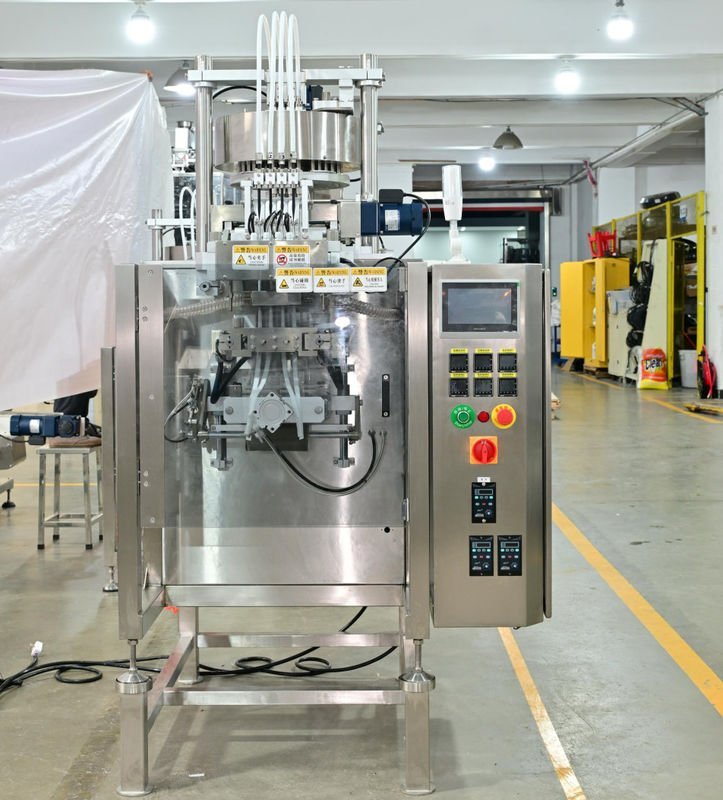
Designed for single-serve portions, these machines are crucial for products like sugar, instant coffee, ketchup, or pharmaceuticals. They create small, sealed packets from roll stock at extremely high speeds. Multi-lane versions can produce dozens of sachets simultaneously, making them incredibly efficient for high-volume applications. For businesses looking into this efficient format, exploring dedicated Sachet & Stick Pack Machines is highly recommended.
Tray Sealing and Thermoforming Machines
For fresh produce, ready meals, or dairy products, tray sealing systems are essential. They use pre-formed plastic or pulp trays, fill them, and apply a lidding film. Thermoforming machines take this a step further by heating and forming the tray from a plastic roll right on the production line before filling and sealing, offering excellent barrier properties and a tailored package shape.
Bagger and Pouch Packaging Systems
For larger quantities, such as family-sized bags of chips, rice, or frozen vegetables, automated baggers and pouch machines are used. These systems can handle pre-made bags (open-mouth bagging) or form robust stand-up pouches with zippers or spouts. They often integrate sophisticated Weighing & Packaging Systems to ensure precise fill weights.
Essential Features and Technological Advancements
Modern machines go beyond basic functions. Key features to evaluate include:
Weighing and Dosing Accuracy
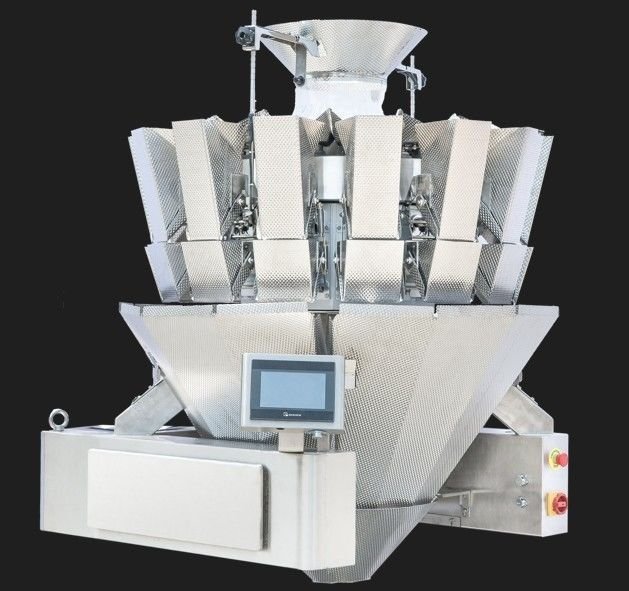
The heart of any packaging line is its accuracy. Look for systems with multi-head weighers, auger fillers, or liquid piston fillers that offer precision measured in fractions of a gram. This minimizes product giveaway and ensures compliance with regulatory net weight requirements.
Speed and Production Capacity
Measured in bags, pouches, or cycles per minute (CPM), speed must align with your upstream and downstream processes. A machine that is too slow creates a bottleneck, while an overly fast machine for a small operation may be an unnecessary capital expense.
Flexibility and Changeover Time
Can the machine handle multiple bag sizes or products with minimal tooling change? Quick-change mechanisms for forming tubes, sealing jaws, and film reels are critical for manufacturers with diverse SKUs, as they drastically reduce downtime between production runs.
Hygiene and Cleanability
Food-grade stainless steel construction, smooth surfaces without crevices, and designs that allow for easy access and cleaning (CIP – Clean-in-Place systems for liquids) are mandatory. This is vital for maintaining food safety standards and preventing cross-contamination.
Integration and Smart Controls
Today’s machines are part of the Industry 4.0 revolution. Features like touchscreen HMIs (Human-Machine Interfaces), PLC (Programmable Logic Controller) automation, data tracking, and connectivity to plant-wide monitoring systems are becoming standard. They enable predictive maintenance, real-time OEE (Overall Equipment Effectiveness) tracking, and remote troubleshooting.
How to Choose the Right Packaging System: A Step-by-Step Guide
Selecting an automated packaging machine is a significant investment. A methodical approach ensures you choose a system that delivers a strong return on investment (ROI).
Step 1: Define Your Product and Packaging Specifications
Start with the basics. What is the physical form (powder, granule, liquid, solid)? What are its characteristics (abrasive, oily, sticky, fragile)? Determine your desired package type (stick pack, stand-up pouch, vacuum bag), material, and size range. This is the foundation of your search.
Step 2: Analyze Your Production Requirements
Be realistic about your output needs. Calculate your required average and peak speeds (units per minute/hour). Consider your available factory space (footprint), utilities (electrical, compressed air), and future growth plans. Will you need a complete Filling & Packaging Line or a standalone machine?
Step 3: Evaluate Machine Capabilities and Supplier Credentials
Match your specs from Step 1 and 2 against potential machines. Request product trials using your actual material. Crucially, assess the supplier. A company like Packmate (GuangDong) Co., Ltd., with over 30 years of experience and a broad portfolio from Bag & Pouch Packaging Machines to specialized systems, can offer reliable, tested solutions and vital technical support.
Step 4: Consider Total Cost of Ownership (TCO)
Look beyond the initial purchase price. Factor in installation, training, ongoing maintenance costs, spare parts availability, energy consumption, and expected machine lifespan. A slightly more expensive, robust machine from a reputable supplier often has a lower TCO than a cheaper, less reliable alternative.
Step 5: Plan for Integration and Support
Ensure the machine can integrate smoothly with your existing conveyors, upstream feeders, and downstream labeling or case-packing equipment. Confirm the details of the warranty, availability of after-sales service, training programs for your operators, and the supplier’s lead time on spare parts.
Conclusion and Future Outlook
Investing in the right automated food packaging machine is a strategic decision that directly impacts productivity, product quality, and profitability. By thoroughly understanding the different machine types, prioritizing key technological features, and following a disciplined selection process, you can implement a system that not only meets today’s demands but also scales for future growth. The trend is moving toward even greater automation, smarter data-driven machines, and sustainable packaging solutions, making it an exciting time for the industry.
Frequently Asked Questions (FAQs)
What is the typical lead time for receiving an automated packaging machine?
Lead times vary significantly based on machine complexity, customization, and supplier capacity. For standard models, it can range from 8 to 16 weeks. For highly customized or large packing machine systems, it may take 20 weeks or more. Always confirm timelines with your supplier during the quotation process.
How can I ensure the machine will work with my specific food product?
The most reliable method is to request a product test or trial run at the supplier’s facility or your own plant. Provide them with a sufficient sample of your exact product and packaging material. This live test will validate speed, accuracy, and sealing quality before purchase.
What are the most important maintenance routines for these machines?
Daily cleaning and inspection of sealing jaws, film paths, and product contact parts are essential. Regularly scheduled maintenance includes lubricating moving parts, checking pneumatic filters, calibrating scales, and inspecting electrical components. Always follow the manufacturer’s detailed maintenance manual.
Can one machine handle multiple different package sizes or products?
Many machines offer flexibility, but there are limits. “Quick-changeover” features allow for size adjustments within a defined range. However, switching between vastly different product types (e.g., from a fine powder to a whole nut) may require different feeding mechanisms and tooling, which can be more complex.
What training is provided for our operators and maintenance staff?
Reputable suppliers typically provide comprehensive training. This includes on-site installation and commissioning training for operators and basic maintenance personnel. Some also offer advanced training courses at their facilities. Ensure training scope and duration are clearly defined in your purchase agreement.