In the dynamic and highly regulated worlds of food and pharmaceutical manufacturing, packaging is far more than just a final step—it’s a critical component of product integrity, safety, and market appeal. The demand for precise, hygienic, and efficient packaging solutions has never been greater. This is where specialized machinery providers like Packmate (GuangDong) Co., Ltd. step in, offering advanced automated systems designed to meet these stringent requirements. With a focus on automatic sachet, stick pack, and bag packing solutions, they provide the technological backbone for modern production lines.

Meeting the Unique Demands of Food & Pharma Packaging
The packaging needs of the food and pharmaceutical industries, while sharing some common ground, present distinct challenges that require tailored engineering solutions.
Pharmaceutical Packaging: Precision and Compliance are Paramount
In pharma, packaging is a guardian of patient safety. Machines must operate in environments that often require compliance with Good Manufacturing Practices (GMP). This means designs that prevent contamination, facilitate easy cleaning, and ensure dosing accuracy down to the milligram. Whether it’s powder antibiotics, granular supplements, or liquid syrups, the packaging must be tamper-evident, hermetically sealed, and clearly labeled. Automated systems from providers like Packmate are built with these non-negotiable standards in mind, integrating features like stainless-steel contact parts and precision auger fillers.
Food Industry Packaging: Speed, Freshness, and Consumer Appeal
For food producers, the priorities shift towards maintaining product freshness, achieving high-speed throughput for cost-effectiveness, and creating attractive packaging that stands out on retail shelves. Stick packs for instant coffee or sugar, sachets for sauces and dressings, and bags for snacks all require reliable sealing to lock in flavor and prevent spoilage. The machinery must be versatile enough to handle a variety of products—from oily powders to sticky granules—without compromising on speed or seal quality. Exploring a range of sachet and stick pack machines can reveal solutions optimized for these specific food applications.
Core Packaging Solutions: Sachet, Stick Pack, and Bag Systems
Doboy, represented by Packmate Machinery, specializes in three primary packaging formats that are pillars of the food and pharma sectors. Each system offers unique benefits for different product types and market needs.
Automatic Sachet Packaging Machines
Ideal for single-serve portions, powders, liquids, and creams, sachet packaging is immensely popular. Modern automatic sachet machines form, fill, and seal packages from a roll of film in one continuous operation. Key advantages include:
➤ High Efficiency: Capable of producing hundreds of sachets per minute, dramatically increasing output.
➤ Reduced Waste: Precise cutting and sealing minimize material waste compared to pre-made pouches.
➤ Excellent Barrier Properties: Using multi-layered films ensures protection against moisture, oxygen, and light, crucial for sensitive pharmaceuticals and perishable food items.
These machines are often the heart of integrated filling and packaging lines, working seamlessly with feeders and cartoners.
Automatic Stick Pack Packaging Machines
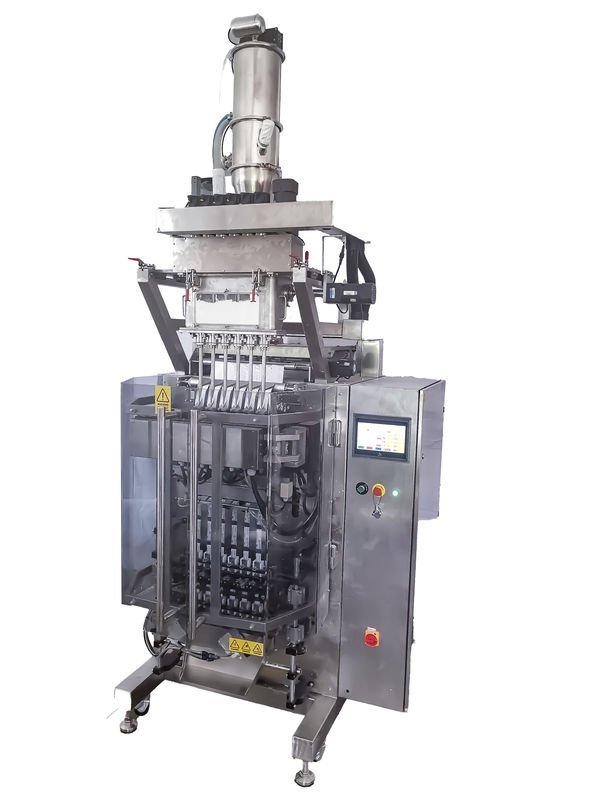
The sleek, elongated design of stick packs makes them perfect for free-flowing powders like instant drinks, protein supplements, and pharmaceutical granules. Stick pack machines offer similar benefits to sachet machines but with a format that is often easier to open and pour. Advanced multi-lane stick pack machines can double or triple output by running several lanes simultaneously. This technology is essential for manufacturers looking to scale up production without a proportional increase in floor space.
Automatic Bag & Pouch Packaging Systems
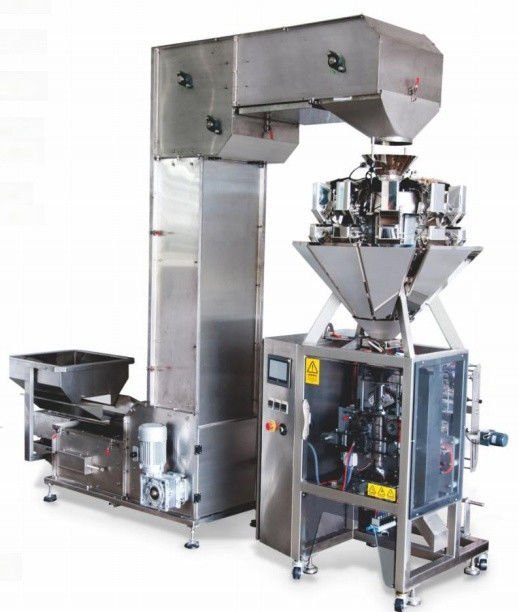
For larger quantities, whether it’s a 1kg bag of rice or a 500g pouch of medical-grade powder, automatic bagging systems are the solution. These robust systems typically involve a vertical form-fill-seal (VFFS) process, where bags are formed from a roll of film, precisely filled by sophisticated weighing systems, and then sealed. They are highly versatile, capable of producing various bag styles, including pillow bags, gusseted bags, and stand-up pouches with zippers or spouts. For a comprehensive look at these solutions, you can review dedicated bag and pouch packaging machines.
The Packmate Advantage: Engineering Reliability for Global Markets
Behind every reliable machine is a company with a strong foundation. Packmate’s journey from a visionary workshop in 1993 to a modern manufacturer with a 20,000㎡ facility underscores a commitment to innovation and quality. This evolution is detailed in their company history. Their focus on the food and pharma sectors means their engineering team is acutely aware of the industry’s pain points.
Key strengths that define Packmate’s solutions include:
• Turnkey Integration: They provide more than just a machine; they offer complete production line solutions, from feeding and weighing to packaging and cartoning.
• Material Flexibility: Machines are designed to handle a wide range of packaging materials, including laminates, aluminum foil, and polyethylene, allowing brands to choose the best barrier for their product.
• User-Centric Design: With intuitive touchscreen HMIs (Human-Machine Interfaces), quick-changeover parts, and easy-access maintenance points, they prioritize operator efficiency and reduce downtime.
• Global Support: Understanding that a machine is a long-term investment, they back their equipment with comprehensive after-sales service, technical support, and readily available spare parts.
Driving Efficiency and Growth in Your Packaging Operations
Implementing an automated packaging system from a specialist like Packmate is a strategic investment that delivers tangible returns. The transition from manual or semi-automatic packing to a fully automated line transforms operational metrics.
Tangible Benefits for Your Business:
1. Significant Labor Cost Reduction: One automated line can replace multiple manual stations, reallocating human resources to more value-added tasks like quality control.
2. Unmatched Consistency and Quality: Machines eliminate human error in dosing and sealing, ensuring every single sachet, stick pack, or bag is identical—enhancing brand reputation and reducing product giveaway.
3. Enhanced Production Scalability: When market demand increases, automated systems can run at higher speeds for longer periods, allowing you to scale up output without a linear increase in costs or complexity.
4. Improved Safety and Hygiene: Automated systems minimize direct human contact with the product, a critical factor in pharmaceutical packaging and food safety protocols.
Frequently Asked Questions (FAQs)
1. What types of products are best suited for stick pack vs. sachet packaging?
Stick packs are typically ideal for free-flowing, granular, or fine powdered products like instant coffee, sugar, drink mixes, and pharmaceutical powders due to their shape, which facilitates easy pouring. Sachets offer more flexibility in shape and are better suited for viscous products, creams, liquids, or coarser granules, such as sauces, shampoo samples, or oatmeal. The choice often depends on product characteristics and consumer usage patterns.
2. How do I ensure the packaging machine meets pharmaceutical GMP standards?
Look for machines constructed with GMP-compliant materials, primarily 304 or 316L stainless steel for product contact parts. Design features should include smooth, crevice-free surfaces for easy cleaning and sanitization, enclosed mechanisms to prevent contamination, and documentation supporting material safety. Reputable manufacturers like Packmate design specific models with these regulatory requirements as a foundation.
3. Can one machine handle different packaging sizes and materials?
Yes, most modern automatic machines are designed for quick changeover. This is achieved through interchangeable forming tubes, sealing jaws, and film unwinding units. By using recipe storage on the machine’s PLC, operators can switch between different product packages in minutes, making short production runs economical and boosting overall line flexibility.
4. What is the typical lead time for a custom packaging line?
Lead times vary based on complexity and customization. A standard machine might be delivered in 8-12 weeks. A fully customized, integrated turnkey line with specific feeding, weighing, and robotic palletizing systems can take 16-24 weeks or more. It’s crucial to engage with the supplier early to define specifications and establish a realistic project timeline.
5. What kind of after-sales support should I expect?
Comprehensive support is vital. Expect a package including on-site installation and commissioning by factory engineers, detailed operator and maintenance training, and access to a readily available inventory of spare parts. Additionally, reliable suppliers offer remote technical support via phone or video call and may have service engineers available in major global regions. Always clarify the warranty period and support terms before purchase.