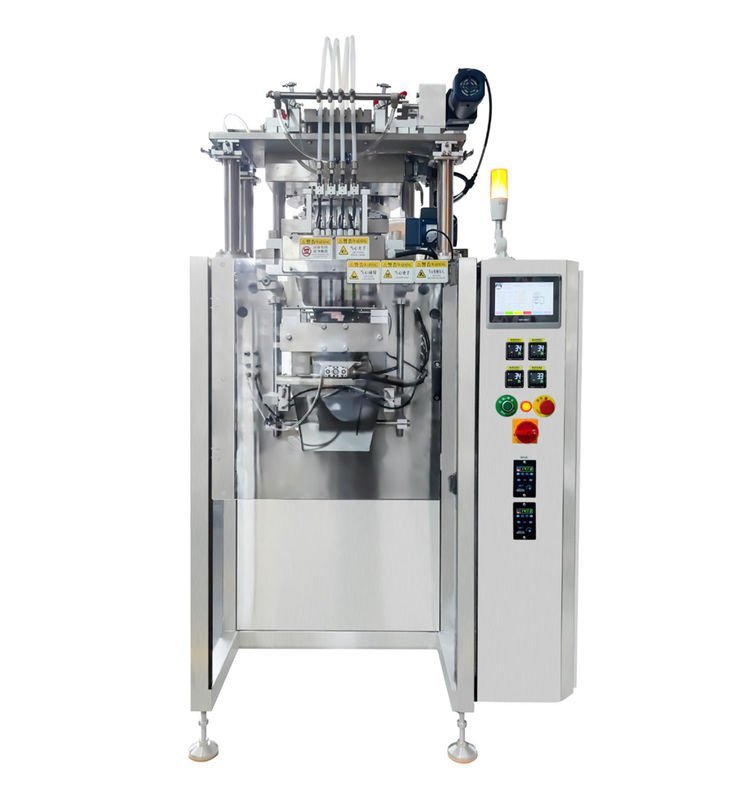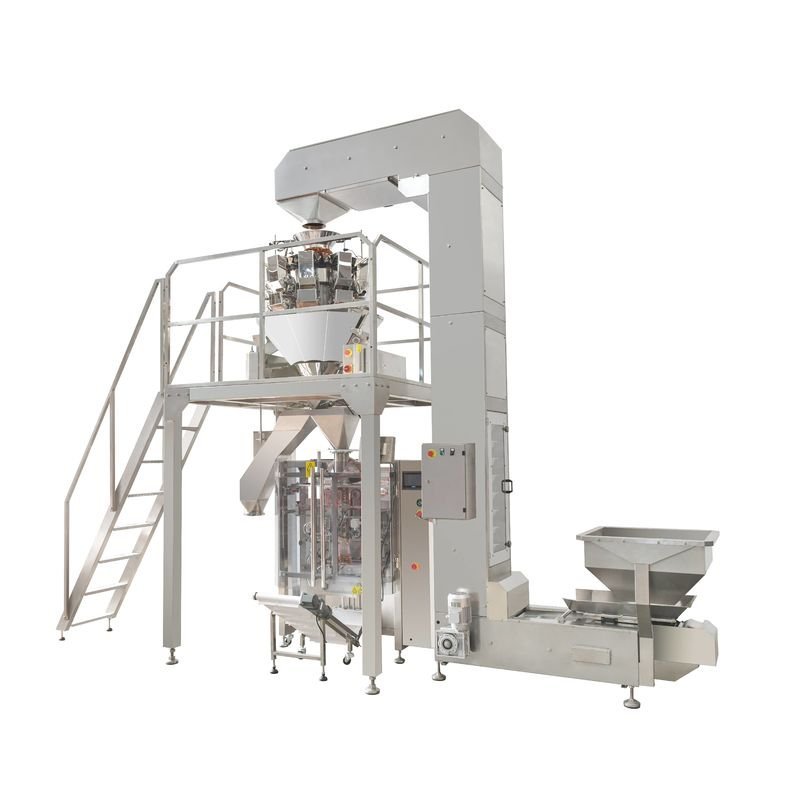
Selecting the right shampoo packaging machine is a critical decision for any personal care or cosmetics manufacturer. An automatic liquid filling and packing solution directly impacts your production efficiency, product quality, and overall operational costs. With a myriad of options available, from simple filling machines to complex integrated lines, making an informed choice requires a clear understanding of your specific needs and the technology available.
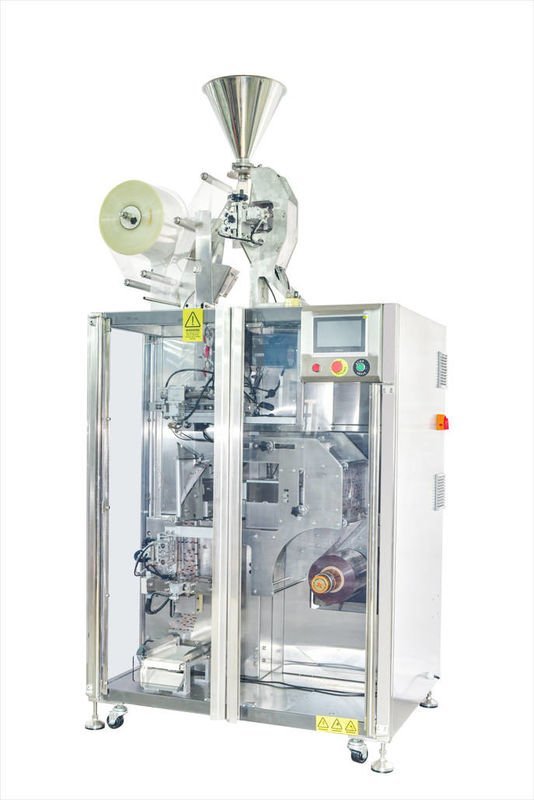
Understanding Your Production Requirements
Before diving into machine specifications, a thorough analysis of your production landscape is essential. This foundational step ensures the chosen solution aligns perfectly with your business goals.
Key Factors to Assess
→ Production Volume & Speed: Are you a startup with modest output or an established brand requiring high-speed, 24/7 operation? Your required output in bottles or pouches per minute (BPM/PPM) will dictate the machine’s capability level.
→ Product Characteristics: Shampoo viscosity, presence of particulates (like exfoliating beads), and foaming tendencies significantly influence the filling technology choice. A shear-sensitive natural shampoo requires a gentler filling method than a standard viscous formula.
→ Container Types & Sizes: Will you be filling bottles (PET, HDPE, glass), flexible pouches, or sachets? Machines are often specialized. Consider if you need a versatile machine that can handle multiple container shapes and sizes with quick changeovers.
→ Level of Automation: Determine your integration needs. Options range from semi-automatic fillers requiring manual bottle handling to fully automatic lines that include unscrambling, filling, capping, labeling, and case packing.
Pro Tip:
Always plan for future growth. Investing in a slightly more capable machine or a modular system from a supplier like Packmate can save costly upgrades later. Consider your 3-5 year product roadmap.
Core Technologies in Liquid Filling
The heart of any shampoo packaging machine is its filling system. Selecting the right technology is paramount for accuracy, speed, and maintaining product integrity.
Volumetric Filling
This method dispenses a predetermined volume of liquid. It’s cost-effective and suitable for a wide range of viscosities.
- Piston Fillers: Highly accurate and excellent for viscous products like thick creams and shampoos. A piston draws product from a hopper and discharges it into the container.
- Diaphragm Fillers: Ideal for sterile or aggressive chemicals as the product only contacts the diaphragm, preventing contamination and corrosion.
- Peristaltic Pump Fillers: Use rotating rollers to compress a flexible tube, making them perfect for shear-sensitive, foamy, or sterile products. Easy to clean and maintain.
Gravimetric (Weight-Based) Filling
This method fills by weight, offering supreme accuracy, especially for high-value products or those where precise net content is legally critical. A load cell weighs the container during filling and stops at the target weight.
Level Sensing Filling
Often used for transparent bottles, this method uses sensors (ultrasonic or optical) to detect the liquid level and stop filling, ensuring a consistent fill height regardless of minor container volume variations.
Technology Comparison Snapshot
For Standard Viscosity Shampoo: Piston or overflow (level sensing) fillers are industry standards.
For Premium/Foamy Shampoo: Peristaltic or gravity-pressure fillers minimize foam and shear.
For Maximum Accuracy & Compliance: Gravimetric fillers are the gold standard.
Integrating the Complete Packing Line
A filling machine is just one component. A complete packaging line integrates several units for a seamless workflow.
Typical Line Components:
- Bottle Unscrambler: Oriients bulk bottles and feeds them singularly onto the conveyor.
- Automatic Liquid Filler: The core unit that precisely doses the shampoo.
- Capping or Sealing Machine: Applies screw caps, snap-on lids, or heat-seals pouches.
- Labeling Machine: Applies front, back, and wrap-around labels accurately.
- Inspection Systems: Check for fill level, cap presence, and label alignment.
- Case Packing & Palletizing: Automatically packs finished bottles into cartons and onto pallets.
Choosing a supplier capable of providing a synchronized turnkey solution ensures compatibility between all modules and simplifies maintenance and support.
Critical Selection Criteria Beyond the Machine
The technical specs are vital, but the manufacturer’s support and the machine’s build quality are equally important for long-term success.
Build Quality & Materials
Machines in constant contact with shampoo must be constructed from food-grade, corrosion-resistant materials like 304 or 316L stainless steel for product contact parts. Robust frame construction minimizes vibration at high speeds.
Changeover & Flexibility
Quick changeover between different bottle sizes or products is crucial for manufacturers with diverse SKUs. Look for machines with tool-less adjustments or quick-change parts.
Hygiene & Cleanability
A machine designed with smooth surfaces, minimal crevices, and easy disassembly (CIP – Clean-in-Place capabilities) drastically reduces downtime for cleaning and sanitation.
Supplier Support & Service
Partner with a reputable manufacturer like Packmate Machinery that offers comprehensive after-sales service, readily available spare parts, operator training, and reliable technical support. Their global experience in supplying packaging solutions can be invaluable.
Final Checklist Before Purchase
- ✅ Have you tested your actual product on the machine?
- ✅ Does the supplier provide a detailed performance guarantee?
- ✅ Are maintenance manuals and training included?
- ✅ What is the lead time for critical spare parts?
- ✅ Is the machine compliant with relevant local and international safety standards?
Frequently Asked Questions (FAQs)
1. What is the typical accuracy of a shampoo filling machine?
Modern automatic fillers can achieve very high accuracy. Volumetric piston fillers typically offer ±0.5% to ±1.0% accuracy by volume, while gravimetric (weight-based) fillers can achieve ±0.1% or better, making them ideal for high-precision requirements.
2. How do I handle foamy shampoo during filling?
Foaming is a common challenge. Solutions include using filling technologies that minimize product agitation, such as bottom-up filling (where the filling nozzle enters the bottle and fills from the bottom) or peristaltic pumps. Some machines also feature foam recovery systems or programmable “fill-pause-fill” cycles to allow foam to settle.
3. Can one machine handle both bottles and pouches?
Generally, bottle fillers and pouch form-fill-seal machines are specialized. While some flexible modular systems can be adapted, it often requires significant changeover. For high-volume production of both formats, dedicated lines are usually more efficient. Discuss your specific needs with your equipment provider.
4. What is the average lifespan of a quality packaging line?
With proper maintenance and servicing, a well-built automatic packaging line from a reputable manufacturer can have an operational lifespan of 15 to 20 years or more. Key components may need replacement or upgrading over time, but the core frame and drive systems are built for long-term use.
5. How important is after-sales service when choosing a supplier?
Extremely important. The machine is a long-term capital investment. Reliable, responsive after-sales service for troubleshooting, spare parts supply, and technical updates is crucial for minimizing costly production downtime. Always evaluate a supplier’s service network and reputation before purchasing.