In the high-stakes environments of food and pharmaceutical manufacturing, precision, hygiene, and reliability are non-negotiable. Automated packing systems are the backbone of modern production, and their performance hinges on the critical components that drive them. Among these, pneumatic solutions stand out as a cornerstone technology, providing the clean, precise, and efficient motion control essential for sensitive applications. This article delves into the world of pneumatic solutions for packaging machinery, exploring their vital role, key components, and the significant advantages they bring to automated packing lines in these regulated industries.
The Critical Role of Pneumatics in Modern Packaging
Pneumatic systems utilize compressed air to create motion and force. In packaging machinery, this translates to the precise opening and closing of grippers, the smooth actuation of sealing jaws, the accurate placement of products, and the controlled cutting of film. For industries where contamination is a primary concern, such as food and pharmaceuticals, pneumatics offer a distinct advantage: they are inherently clean. Unlike hydraulic systems that use fluid, pneumatic actuators use air, eliminating the risk of fluid leaks that could compromise product safety and facility hygiene.
Key Advantage: The use of air as a power medium makes pneumatic systems exceptionally clean and dry, a fundamental requirement for maintaining the sterile or hygienic conditions mandated in food and pharmaceutical packaging lines. This directly supports compliance with stringent global standards like GMP (Good Manufacturing Practice) and HACCP (Hazard Analysis Critical Control Point).
Core Pneumatic Components in a Packaging Machine
A typical pneumatic circuit in a packaging system is an orchestra of specialized components working in harmony. Understanding these parts is key to appreciating the system’s reliability.
1. Actuators: The Muscle of the Machine
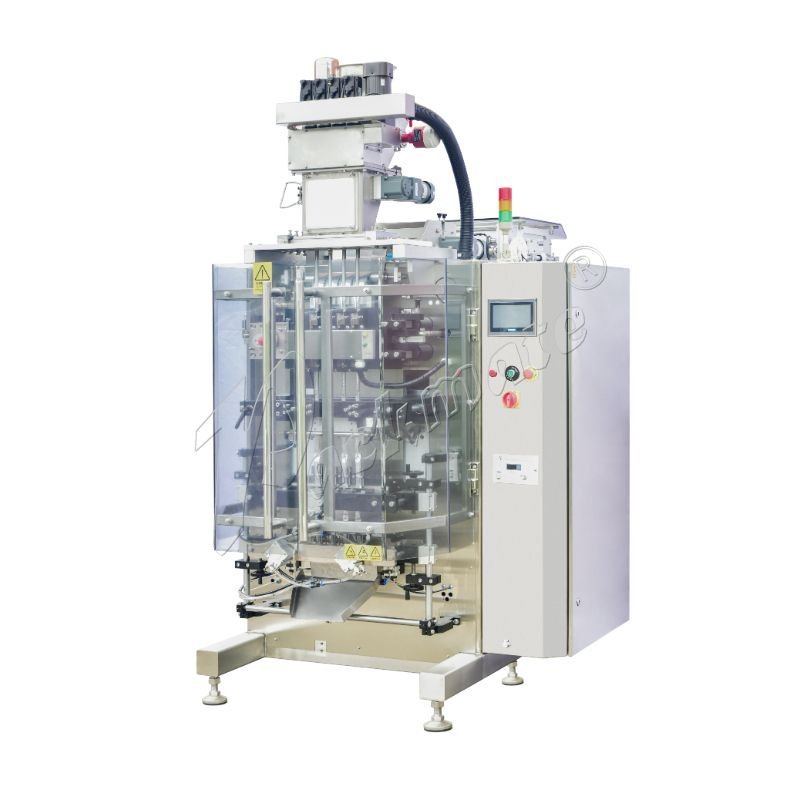
Actuators, primarily cylinders, convert compressed air energy into linear or rotary motion. In a stick pack machine, for instance, pneumatic cylinders are responsible for the precise vertical movement needed to form, fill, and seal each individual stick pack with consistent accuracy.
2. Valves: The Control Center
Directional control valves act as the nervous system, directing the flow of air to the actuators. Solenoid valves, controlled by the machine’s PLC (Programmable Logic Controller), enable high-speed, repeatable sequencing crucial for fast-paced automated lines.
3. Air Preparation Units: The Foundation of Health
This trio—filter, regulator, and lubricator (FRL unit)—is vital. The filter removes contaminants and moisture from the compressed air, the regulator ensures consistent pressure, and the lubricator provides a fine mist of oil to reduce wear on moving parts. Proper air preparation is the single most important factor for maximizing the lifespan and reliability of the entire pneumatic system.
Why Pneumatics Excel in Food & Pharma Applications
The synergy between pneumatic technology and the needs of food and pharmaceutical packaging is profound. Beyond cleanliness, these systems offer explosion-proof safety—a critical feature in environments with flammable powders or solvents. Their simplicity and durability lead to easier maintenance and less downtime. Furthermore, pneumatic components can be designed with smooth, crevice-free surfaces that are easy to clean and sanitize, preventing bacterial harborage points. This design philosophy aligns perfectly with the operational protocols of facilities producing everything from snack foods to sterile medical powders.
Integration into Automated Packing Systems
Pneumatic solutions are not standalone units; they are seamlessly integrated into complex automated systems. From the initial product feeding and weighing systems to the final cartoning stage, pneumatics provide the tactile, mechanical actions required. In a fully integrated turnkey packaging line, the synchronization between servo motors (for precise positioning) and pneumatic actuators (for forceful, discrete actions) creates a highly efficient and flexible production cell.
Case in Point: Enhancing Sachet Packaging
Consider a high-speed sachet packaging line for condiments or pharmaceutical granules. Pneumatic systems manage the film unwind tension, actuate the forming shoulders, drive the cross-sealing jaws with consistent heat and pressure, and finally, operate the cutting mechanism to separate individual sachets. The speed, hygiene, and repeatable force of pneumatics make such high-volume, consistent-quality production possible.
The Packmate Advantage: Experience in Motion
With over 22 years of experience in designing and manufacturing automated packaging equipment, Packmate (GuangDong) Co., Ltd. deeply understands the critical role of component selection. Our engineering philosophy prioritizes reliability at every level. This means specifying and integrating high-quality, industrial-grade pneumatic components from trusted suppliers into our machines, such as our range of bag and pouch packaging machines. Our modern 20,000㎡ facility allows for rigorous testing of these systems, ensuring that every machine delivers not just in theory, but in the demanding reality of 24/7 production environments.
We recognize that the best machinery is built on a foundation of the best components. By focusing on robust pneumatic solutions, we build packaging systems that offer our clients in the food and pharmaceutical sectors reduced maintenance costs, higher overall equipment effectiveness (OEE), and unwavering compliance with industry hygiene standards. This commitment transforms compressed air into a reliable partner for productivity.
Frequently Asked Questions (FAQs)
1. Why are pneumatic systems preferred over electric actuators in some packaging applications?
Pneumatics are often chosen for applications requiring simple, high-force, linear motion at high speed and in a clean environment. They are generally more cost-effective for such duties, offer inherent overload safety (they simply stall), and are better suited for wet or washdown areas commonly found in food processing.
2. How often should the filters and lubricators in a pneumatic system be maintained?
Maintenance frequency depends on air quality and usage. As a rule, filters should be drained daily and elements changed as indicated by a pressure drop or annually. Lubricators should be checked weekly and refilled as needed. Always consult your machine’s specific maintenance manual for detailed schedules.
3. Can pneumatic systems be made even more hygienic for pharmaceutical use?
Yes. For advanced pharmaceutical applications, components can be specified with stainless steel bodies, FDA-approved seals, and polished surfaces. Dedicated air dryers can be added to the system to ensure exceptionally low dew points, preventing any moisture-related microbial growth within the air lines themselves.
4. What are common signs of a problem in a packaging machine’s pneumatic system?
Common indicators include slower actuator speed (caused by low pressure or leaks), reduced force (from regulator issues or internal cylinder wear), erratic movement (often a valve or solenoid issue), and excessive moisture at exhaust ports (pointing to a failed filter/dryer). Unusual hissing sounds usually indicate an air leak.
5. How does Packmate ensure the reliability of the pneumatic systems in its machines?
Packmate selects components from reputable international brands known for durability. Our assembly process follows strict protocols for tube cutting, bending, and fitting installation to prevent leaks. Every machine undergoes comprehensive running tests before shipment, where the pneumatic system’s performance, speed, and consistency are validated under simulated production conditions.