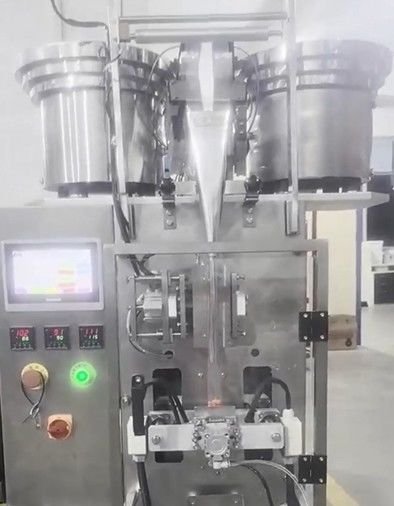
The global landscape of manufacturing and consumer goods is undergoing a rapid transformation, driven by the relentless pursuit of efficiency, sustainability, and product differentiation. At the heart of this evolution lies the automatic flexible packaging machine market. These sophisticated systems are no longer mere tools but strategic assets, enabling businesses to adapt to shifting market demands, reduce operational costs, and enhance brand appeal through innovative packaging formats. From single-serve sachets in bustling Asian markets to resealable pouches favored in Western households, the application of flexible packaging is as diverse as the cultures it serves.

This article delves into the core dynamics of this vital market, exploring the global demand drivers, key applications across industries, and providing a comprehensive guide for businesses considering an investment in this transformative technology.
Understanding Global Demand Drivers
The surge in demand for automatic flexible packaging machines is not a localized phenomenon but a global trend fueled by several interconnected factors.
Consumer Preferences and Lifestyle Shifts
Modern consumers, from the convenience-focused markets of North America to the rapidly urbanizing populations in Southeast Asia, demand portability, portion control, and extended product freshness. Flexible packaging, often incorporating advanced barrier materials, meets these needs perfectly. The rise of e-commerce has further accelerated this demand, as lightweight, durable flexible packs reduce shipping costs and damage rates compared to rigid alternatives.
Key Insight: The demand for sachet and stick pack machines has seen exceptional growth in regions with high single-person households and an on-the-go culture, catering to the need for affordable, single-use portions of products like coffee, condiments, and shampoo.
Regulatory and Sustainability Pressures
Globally, governments and consumers are pushing for reduced packaging waste and improved recyclability. This has spurred innovation in machine design to handle monomaterial films and recyclable substrates efficiently. Automatic machines with precise control minimize material waste during production, aligning with both environmental goals and cost-saving objectives. In regions with strict food safety regulations, such as Europe and North America, the hygienic, automated nature of these machines ensures consistent compliance.
Industrial Automation and Cost Efficiency
Across all manufacturing sectors, the drive to reduce labor costs, improve production speed, and ensure consistent quality is paramount. Automatic flexible packaging machines represent a significant leap in automation, capable of performing forming, filling, and sealing operations at high speeds with minimal human intervention. This is crucial for industries like pharmaceuticals and food, where precision and hygiene are non-negotiable. Integrating a complete weighing and packaging system can streamline the entire process from raw material to final palletizing.
Key Applications Across Major Industries
The versatility of flexible packaging allows it to penetrate virtually every consumer-facing industry. Here’s how different sectors leverage this technology.
Food and Beverage Industry
This is the largest application segment. Machines produce stand-up pouches for snacks, vacuum bags for coffee and meats, and flow-wrap packs for confectionery. The ability to incorporate features like zippers, spouts, and tear-notches adds tremendous consumer convenience. For liquid products like sauces, oils, or dairy, advanced filling and packaging lines ensure leak-proof seals and accurate fill volumes.
Pharmaceutical and Healthcare
Here, the stakes are exceptionally high. Machines must operate in controlled environments, handling powders, granules, and tablets with utmost accuracy and under strict hygienic conditions. Blister packs for pills, sachets for powder supplements, and sterile medical device pouches are all produced on automatic lines. The traceability and contamination prevention offered by automation are critical in this field.
Personal Care and Home Care
From shampoo sachets in hotels to detergent pods in laundry rooms, flexible packaging dominates this space. The market demands machines that can handle a variety of product viscosities—creams, gels, liquids—and create eye-catching packaging that stands out on retail shelves. The trend towards eco-friendly refill pouches for products like hand soap is also creating new opportunities for machine manufacturers.
Specialized Niches: Snus and Beyond
Certain products have unique packaging requirements that drive specialized machine development. For instance, the snus and nicotine pouch market requires precise portioning and sealing to maintain moisture and flavor. Machines for this niche are engineered for high-speed, consistent production of these small, sensitive pouches, demonstrating how flexible packaging technology adapts to specific product needs.
The Essential Buying Guide: Choosing the Right Machine
Investing in an automatic flexible packaging machine is a significant decision. This guide outlines the critical factors to consider to ensure you select equipment that delivers a strong return on investment.
1. Define Your Product and Packaging Specifications
Start with the end in mind. Be crystal clear about:
• Product Type: Is it a powder, granule, liquid, or solid? What is its viscosity and flow characteristics?
• Packaging Material: What type of film or laminate will you use? (e.g., PET/AL/PE, OPP/CPP). The machine must be compatible.
• Bag/Pouch Style: Do you need three-side seal pouches, stand-up pouches, stick packs, or other bag styles?
• Production Speed: What are your required outputs in packs per minute (PPM)?
2. Evaluate Machine Capabilities and Technology
Look beyond the brochure. Assess:
• Accuracy and Precision: What is the filling accuracy (e.g., ±0.5-1%)? Consistent dosing is crucial for cost control and compliance.
• Flexibility and Changeover: How quickly can the machine switch between different bag sizes or products? Quick changeovers minimize downtime.
• Control System: A user-friendly, programmable logic controller (PLC) with a touchscreen HMI is essential for easy operation and recipe management.
• Hygiene and Construction: For food or pharma, check for stainless steel contact parts, easy-clean designs, and IP ratings.
Pro Tip: Think System, Not Just Machine
Consider the upstream and downstream needs. Will you need auxiliary equipment like checkweighers, metal detectors, or cartoning machines? Reputable suppliers like Packmate Machinery often provide complete turnkey solutions, ensuring all components work seamlessly together, which is far more efficient than piecing together equipment from different vendors.
3. Assess Supplier Credibility and Support
The machine is only as good as the company behind it. Investigate:
• Experience and Reputation: How long has the manufacturer been in business? Review their case studies and client testimonials.
• Technical Support and Training: What is the scope of installation, training, and after-sales service? Is local technical support available?
• Spare Parts Availability: Ensure critical spare parts are readily available to avoid prolonged production stoppages.
• Customization Ability: Can the supplier tailor the machine to your specific, non-standard requirements?
4. Analyze Total Cost of Ownership (TCO)
Look at the long-term picture, not just the purchase price. TCO includes:
• Initial machine cost.
• Installation and commissioning fees.
• Energy and compressed air consumption.
• Maintenance costs and spare parts.
• Material waste rate (a more accurate machine wastes less film and product).
A slightly higher initial investment in a robust, efficient machine from a reliable supplier often results in a lower TCO over 5-10 years.
Frequently Asked Questions (FAQs)
1. What is the typical lead time for receiving an automatic flexible packaging machine?
Lead times can vary significantly based on machine complexity, customization level, and manufacturer backlog. For standard models, it may range from 8 to 16 weeks. For highly customized or large integrated lines, it can extend to 20 weeks or more. Always confirm the detailed production and delivery schedule with your supplier during the quotation process.
2. How can I ensure the machine will work with my specific packaging film?
This is a critical step. Reputable manufacturers will request samples of your exact packaging material (film roll) for testing in their factory. They will run trials to optimize sealing parameters (temperature, pressure, time) and ensure consistent, strong seals. Never assume compatibility; always insist on a material test run before finalizing the purchase.
3. What are the most common maintenance requirements for these machines?
Regular preventive maintenance is key to longevity and uptime. Common tasks include daily cleaning of sealing jaws and product contact parts, weekly lubrication of moving components as per the manual, and periodic inspection/calibration of weighing systems and sensors. Training your operators to perform basic daily maintenance is highly recommended.
4. Can one machine handle multiple different product types?
Many machines offer a degree of flexibility, but limits exist. A machine designed for fine powders may not handle viscous pastes well without significant modification. The primary flexibility often lies in handling different bag sizes within a similar product category (e.g., different sizes of coffee powder). Discuss your need for product changeovers explicitly with the supplier to find a suitable model.
5. What training is provided for our operators and maintenance staff?
A comprehensive supplier should provide on-site training during installation and commissioning. This typically covers safe operation, routine maintenance, troubleshooting common faults, and how to perform changeovers. Quality manuals and video guides are also valuable resources. Ensure the training scope is clearly defined in your purchase agreement.