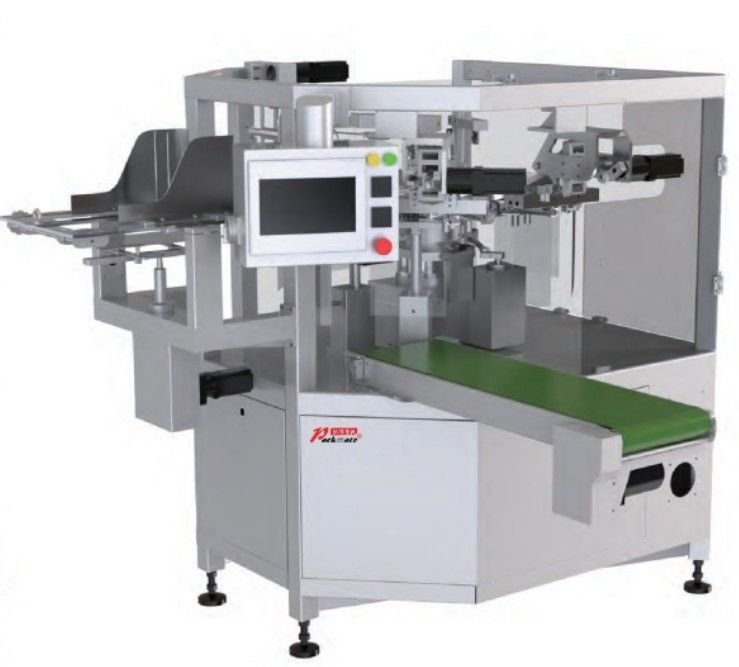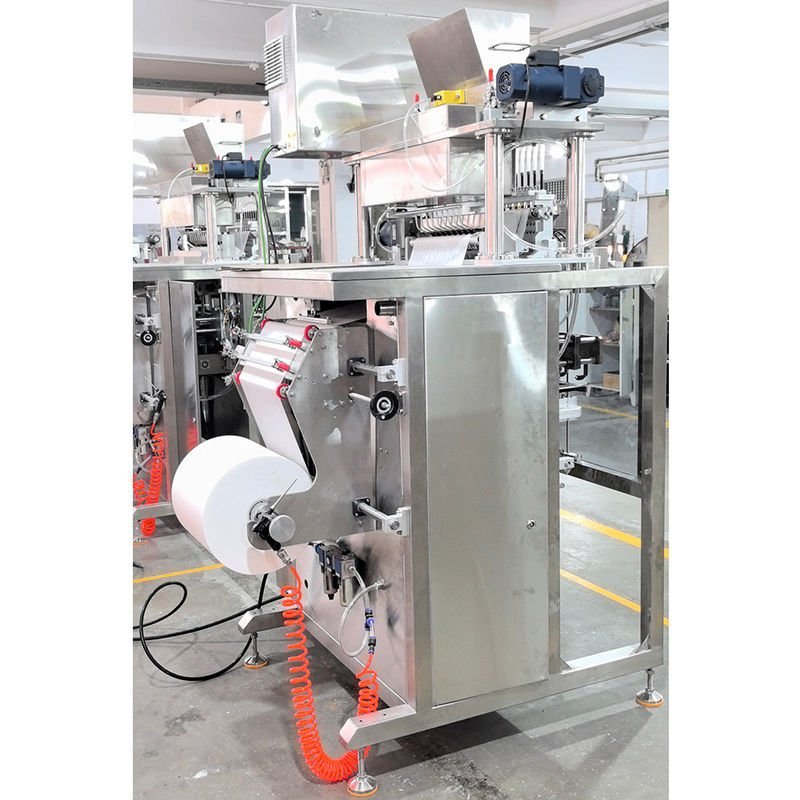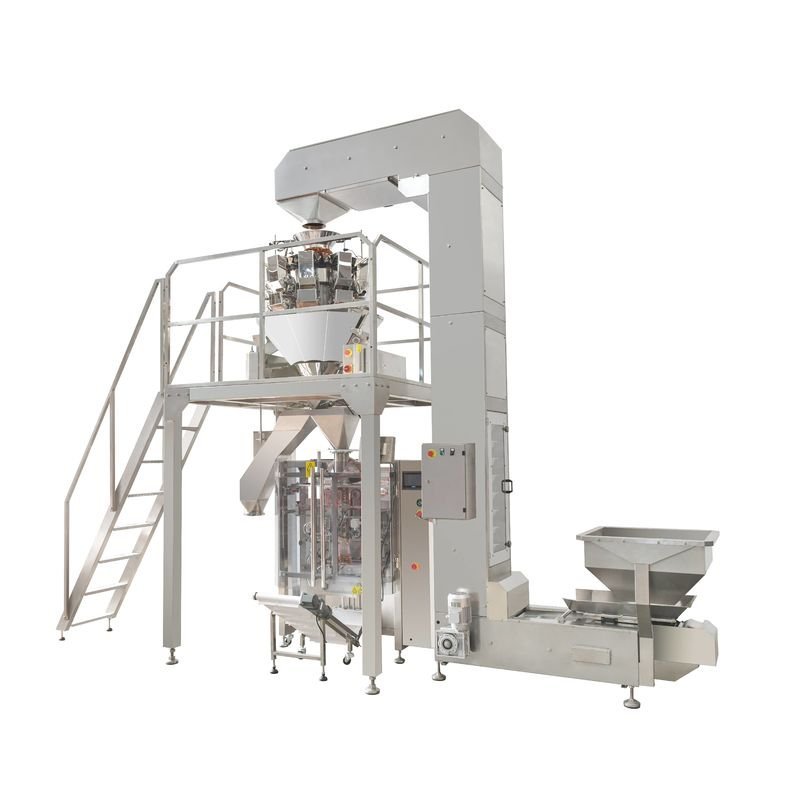
The world of food production is a symphony of precision, and at the heart of many dairy and confectionery operations lies a crucial component: butter. Ensuring this delicate product reaches consumers fresh, protected, and appealing requires specialized technology. Modern butter packaging equipment encompasses a spectrum of solutions, from individual automatic machines to fully integrated filling lines and complete packing systems. These technologies are vital for maintaining product integrity, enhancing shelf life, and meeting the rigorous demands of both retail and food service markets.
The Core of Automation: Key Butter Packaging Machines
Automation is no longer a luxury but a necessity for efficiency and hygiene in butter packaging. The journey begins with specific machines designed for each critical step.
Automatic Butter Wrapping Machines
These are the workhorses of the packaging line, designed to take pre-formed butter portions—blocks, sticks, or pats—and encase them in protective materials. Modern wrappers handle materials like foil, parchment paper, or laminated films with high speed and consistent accuracy. Key features often include precise temperature controls to prevent the butter from sticking to the wrapping mechanism and sophisticated sealing systems that ensure airtight closures to prevent oxidation and preserve flavor.
Butter Filling and Forming Equipment
For operations that package butter from a bulk, softened state, filling machines are essential. These systems accurately deposit measured amounts of butter into cups, tubs, or molds. Advanced filling and packaging lines integrate forming, filling, and lidding into one seamless process. They are particularly crucial for portion-controlled products like individual catering pats or spreadable butter in single-serve containers, ensuring each unit contains the exact weight and volume.
Why Precision Matters
In butter packaging, precision is paramount. Even minor deviations in weight can lead to significant financial loss over high-volume production runs. Furthermore, inconsistent seals compromise the barrier against air and moisture, directly impacting product quality and shelf life. Investing in calibrated, reliable machinery from experienced manufacturers is the foundation of a profitable operation.
Building the Line: Integrated Butter Packaging Solutions
While individual machines are powerful, their true potential is unlocked when integrated into a coordinated line. A complete butter packaging line synchronizes multiple processes.
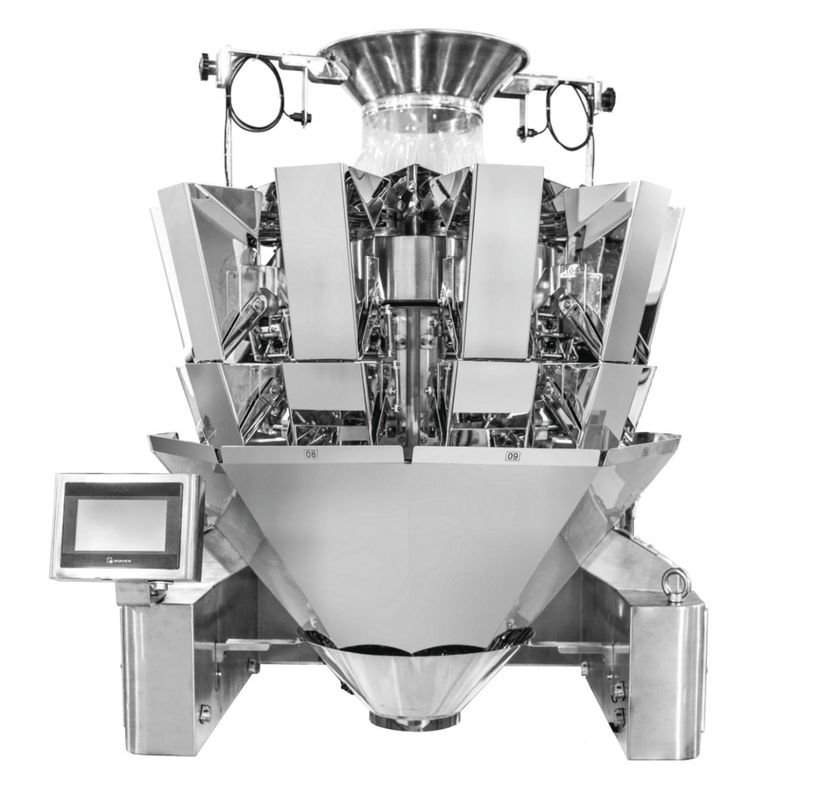
A typical integrated line might start with a cooling tunnel to solidify extruded or formed butter portions to the ideal temperature for handling. The portions then move to the wrapping or filling station. Subsequently, a cartoning or case packing system groups the individual packages into retail boxes or shipping cases. The integration of weighing and packaging systems at various checkpoints ensures quality control throughout.
The Role of Auxiliary Equipment
The efficiency of a main packaging line is often dependent on robust auxiliary systems. This includes product handling conveyors with gentle transfer points to avoid damaging soft butter portions, metal detectors and checkweighers for critical safety and compliance checks, and code printers for applying batch numbers and expiry dates. Sourcing compatible auxiliary packaging equipment is a key step in designing a holistic solution.
Choosing the Right Packaging Solution: A Strategic Decision
Selecting the optimal equipment is not just about the machine specs; it’s a strategic business decision. Factors to consider include:
- Production Volume & Speed: The required output (packages per minute) will dictate the level of automation and machine model needed.
- Product Format: The shape and size of the final product (block, stick, cup, tub) determine the type of forming, filling, and wrapping technology required.
- Packaging Material: Equipment must be compatible with the chosen film, foil, or rigid container to ensure consistent sealing and presentation.
- Flexibility: For producers with multiple product lines, the ability to quickly change over between different package sizes or formats is a valuable feature.
- Hygiene & Sanitation: Equipment designed with smooth surfaces, easy disassembly, and compatibility with cleaning protocols is essential for food safety.
Partnering with a manufacturer that offers complete packaging solutions can streamline this process. They can provide a single point of responsibility for designing, supplying, and integrating the various components into a turnkey system tailored to specific operational goals.
The Packmate Advantage in Packaging Machinery
With over 22 years of industry experience, Packmate (GuangDong) Co., Ltd. embodies the evolution of packaging automation. From its beginnings focusing on precision sachet machines, the company has expanded its expertise to develop robust systems suitable for a range of products. Their modern 20,000㎡ facility and commitment to innovation allow them to engineer reliable equipment. For businesses seeking dependable partners, exploring their range of packing machines is a step toward optimizing production efficiency and product quality.
Future Trends in Butter Packaging Technology
The landscape of packaging is continuously evolving. Emerging trends influencing butter packaging equipment include a stronger focus on sustainability, driving demand for machines that can handle biodegradable or compostable films. Smart manufacturing principles are being integrated through IoT-enabled sensors that monitor machine performance, predict maintenance needs, and provide real-time production data. Additionally, the need for ultra-hygienic design continues to grow, with equipment featuring even smoother surfaces and easier cleaning access to meet the highest global food safety standards.
Ultimately, investing in the right butter packaging equipment is an investment in brand consistency, operational efficiency, and consumer trust. From a simple automatic wrapper to a fully automated, smart filling line, the technology serves as the critical link between production and the end-user, ensuring a premium product arrives in perfect condition.
Frequently Asked Questions (FAQs)
1. What types of butter can be packaged with automatic equipment?
Modern automatic equipment is versatile and can handle various butter types, including salted, unsalted, whipped, spreadable, and butter blends. The key is choosing a machine configuration (like a filler for soft butter or a wrapper for solid blocks) that matches your product’s consistency and temperature profile at the point of packaging.
2. How important is the choice of packaging material for machine performance?
Extremely important. The packaging material (foil, parchment, laminated film, rigid plastic) directly affects the machine settings for sealing temperature, tension, and forming. Always consult with your equipment supplier to ensure your chosen material is compatible with their machine’s capabilities for optimal seal integrity and runnability.
3. Can one packaging line handle multiple butter package sizes?
Yes, many modern lines are designed with changeover flexibility. This is achieved through adjustable forming pockets, interchangeable filling nozzles, and programmable logic controllers (PLCs) that store settings for different products. The speed and complexity of the changeover process vary by machine design.
4. What are the key hygiene considerations for butter packaging machines?
Hygiene is critical. Look for equipment constructed with food-grade stainless steel, designed with minimal crevices or dead spaces where product can accumulate. Features like easy-access panels, tool-free disassembly of contact parts, and compatibility with CIP (Clean-in-Place) or SIP (Steam-in-Place) systems are major advantages for maintaining food safety standards.
5. Where can I see examples of similar packaging solutions in action?
Reviewing real-world applications can provide valuable insight. Many equipment manufacturers, including Packmate, showcase their technology through detailed case studies and project examples on their websites, demonstrating how their systems solve specific packaging challenges for various clients.