In the high-stakes world of modern manufacturing, automated packing systems are the backbone of efficiency and productivity. However, the true measure of a packaging line’s success extends far beyond the initial purchase and installation. It lies in the comprehensive, ongoing support that ensures these complex systems operate at peak performance, day in and day out. This is where a complete service, maintenance, and turnkey solution framework becomes not just an advantage, but an absolute necessity for businesses aiming to protect their investment and maintain a competitive edge.
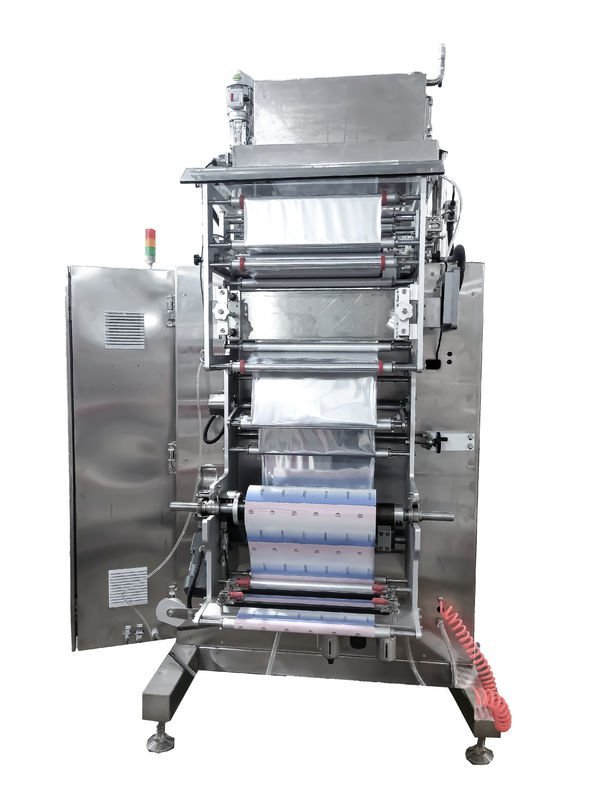
The Foundation: Proactive and Preventive Maintenance
The most critical component of packaging equipment support is a robust maintenance program. Reactive repairs after a breakdown are costly, causing unplanned downtime, production delays, and potential product loss. A strategic, proactive approach is essential.
Scheduled Maintenance Plans
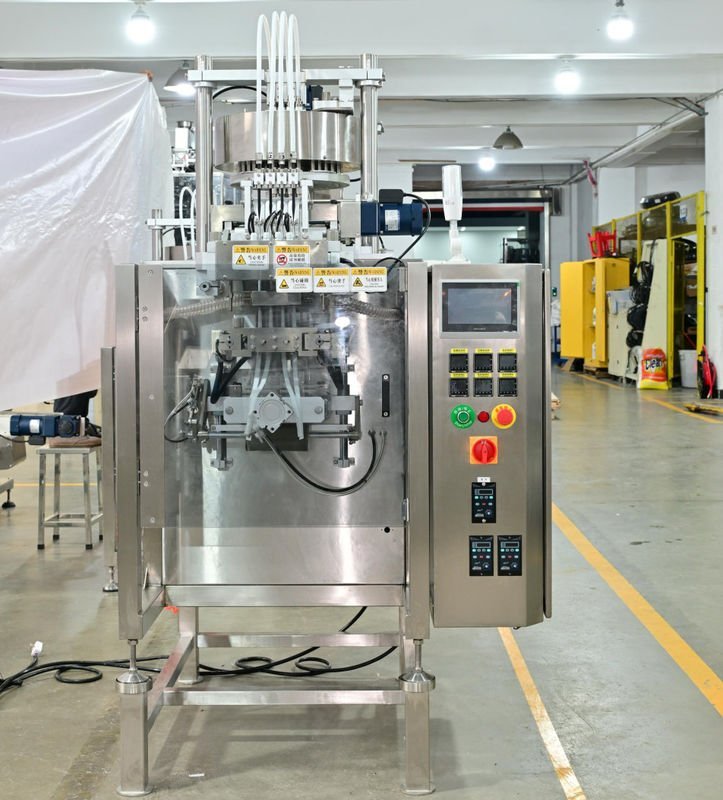
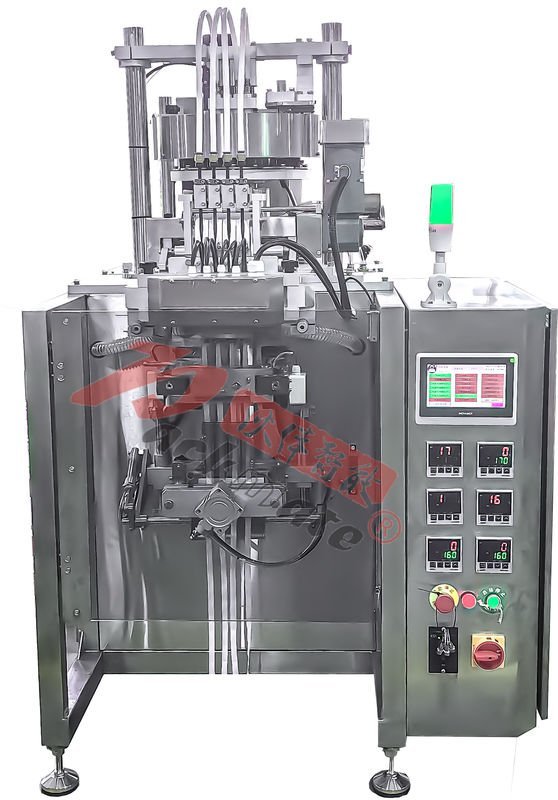
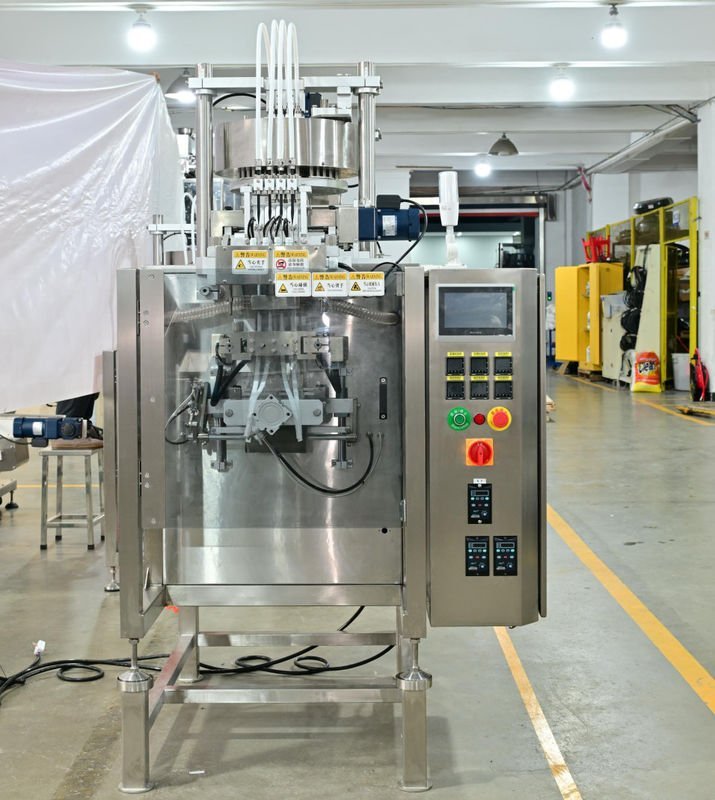
Customized maintenance schedules are tailored to your specific equipment, such as our Sachet & Stick Pack Machines or high-speed Bag & Pouch Packaging Machines. These plans involve regular inspections, lubrication, calibration, and wear-part replacements performed by certified technicians. This proactive care prevents minor issues from escalating into major failures, significantly extending the machinery’s operational lifespan.
Critical Maintenance Checkpoints
- Mechanical System Inspection: Checking drives, chains, gears, and bearings for alignment and wear.
- Pneumatic & Electrical Audit: Ensuring valves, cylinders, sensors, and PLC components function correctly.
- Sealing System Calibration: Verifying temperature, pressure, and timing on heat sealers for perfect package integrity.
- Weighing & Filling Accuracy: Recalibrating scales and fillers to maintain precise dosing, crucial for Weighing & Packaging Systems.
Beyond Repairs: Complete Technical Service & Support
True support encompasses a 360-degree service ecosystem designed to resolve issues swiftly and empower your team.
24/7 Remote Diagnostics & Troubleshooting
Modern packaging equipment often features IoT connectivity, allowing support engineers to perform remote diagnostics. This capability can identify software glitches, parameter errors, or sensor faults in real-time, often resolving issues without a physical site visit, minimizing downtime dramatically.
On-Demand Field Service & Repair
When hands-on intervention is required, a global network of skilled field service engineers is vital. Providers like Packmate, with over 22 years of development, ensure that expert help is available. These engineers carry common spare parts and possess deep knowledge across a range of equipment, from auxiliary units to complete Filling & Packaging Lines.
Comprehensive Training Programs
Empowering your operators and maintenance staff is a key service pillar. Effective training programs cover:
- Safe machine operation and daily startup/shutdown procedures.
- Basic troubleshooting and alarm interpretation.
- Routine cleaning, lubrication, and minor adjustments.
- Proper mold and format changeover techniques to enhance flexibility.
The Turnkey Solution: From Concept to Production
The highest level of packaging equipment support is the provision of end-to-end turnkey solutions. This approach removes the complexity and risk from the client, managing the entire project lifecycle.
Phases of a Successful Turnkey Project
1. Consultation & Design: Experts analyze your product, output goals, and factory layout to design the optimal system, integrating various machines like form-fill-seal units, cartoners, and robots.
2. Manufacturing & Factory Acceptance Test (FAT): Equipment is built and assembled in a controlled environment, such as Packmate’s 20,000㎡ facility. You are invited to witness the FAT, where the line runs with your materials to verify performance before shipment.
3. Installation & Commissioning: Engineers supervise installation at your site, ensuring proper utility connections and foundation work. They then commission the line, fine-tuning it for your specific products and materials.
4. Production Validation & Handover: The line runs extended production trials to validate speed, efficiency, and package quality. Only after your team is fully trained and satisfied is the project officially handed over.
Spare Parts Management: The Lifeline of Uptime
An efficient spare parts supply chain is the lifeline that sustains production continuity. Leading suppliers maintain extensive inventories of genuine OEM parts.
Advantages of an OEM Parts Program:
- Guaranteed Compatibility: Parts are engineered to exact specifications, ensuring perfect fit and function.
- Quality Assurance: Materials and manufacturing processes meet original standards, offering reliability that generic parts cannot match.
- Priority Shipping: Critical parts are often available for expedited or overnight delivery to restore operations quickly.
- Technical Support: Ordering the correct part is simplified with support from technical experts.
Leveraging Technology for Advanced Support
The future of equipment support is digital. Augmented Reality (AR) guides can overlay repair instructions directly onto a technician’s field of view via smart glasses. Digital twin technology creates a virtual model of your packaging line, allowing for simulation, performance monitoring, and predictive analytics to forecast potential failures before they occur.
Conclusion: Partnership as the Ultimate Support
Ultimately, comprehensive packaging equipment support transcends transactional service. It evolves into a long-term partnership. A provider invested in your success will offer continuous optimization suggestions, upgrades for new packaging trends, and act as a reliable resource throughout the machine’s lifecycle. This partnership ensures your automated packing systems remain a source of strength, agility, and profitability for years to come. For a deeper look at how such partnerships are built, explore our Company Profile and commitment to client success.
Frequently Asked Questions (FAQs)
Q1: What is typically included in a preventive maintenance contract for packaging machinery?
A comprehensive contract includes scheduled on-site visits (quarterly, bi-annually), inspection of all mechanical, pneumatic, and electrical systems, calibration of weighing and sealing units, lubrication, replacement of designated wear parts, a detailed service report, and often priority access to technical support and spare parts.
Q2: How quickly can I expect a response for emergency technical support?
Reputable providers offer tiered support. Critical emergency lines often guarantee an initial callback from an engineer within 1-2 hours to begin remote diagnostics, with options for dispatching a field service technician based on the diagnosed issue and your location.
Q3: What are the key benefits of choosing a turnkey solution over purchasing machines separately?
Turnkey solutions offer single-point accountability, ensured compatibility between all line components, streamlined project management, optimized line layout for efficiency, and a validated performance guarantee before the line is fully handed over, reducing overall project risk and timeline.
Q4: Why should I use OEM spare parts instead of cheaper generic alternatives?
OEM parts guarantee precise fit, maintain machine warranties, and are made from materials specified for the original design, ensuring longevity and performance. Generic parts may cause improper function, increased wear on other components, and potentially void service agreements, leading to higher long-term costs.
Q5: Can existing packaging lines be upgraded or retrofitted with new technology?
Yes, many older lines can be upgraded with new servo drives for better accuracy, modern touch-screen PLCs for improved usability, enhanced vision inspection systems, or robotic integration for loading/unloading. A service audit can determine the most cost-effective upgrades to boost your line’s performance and capabilities.