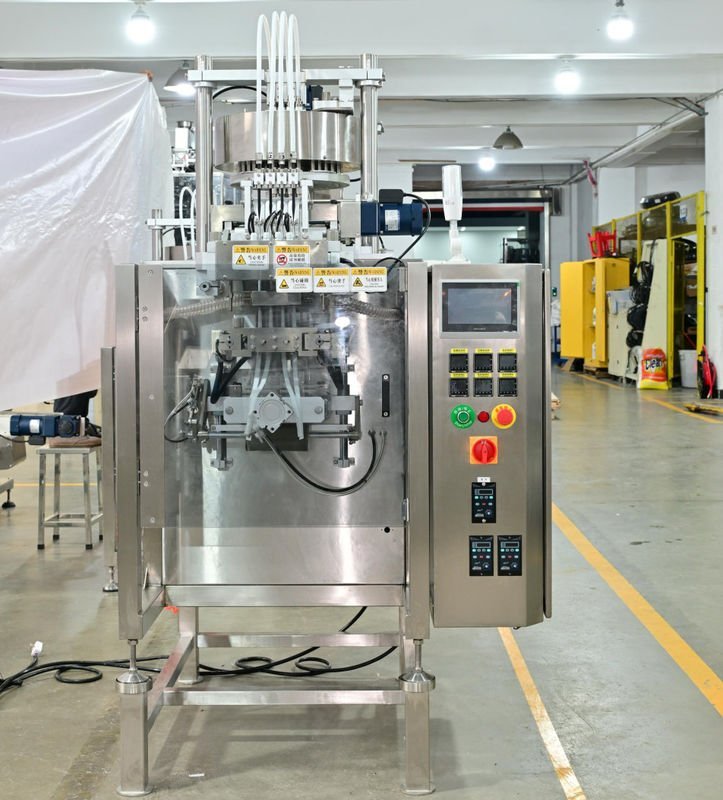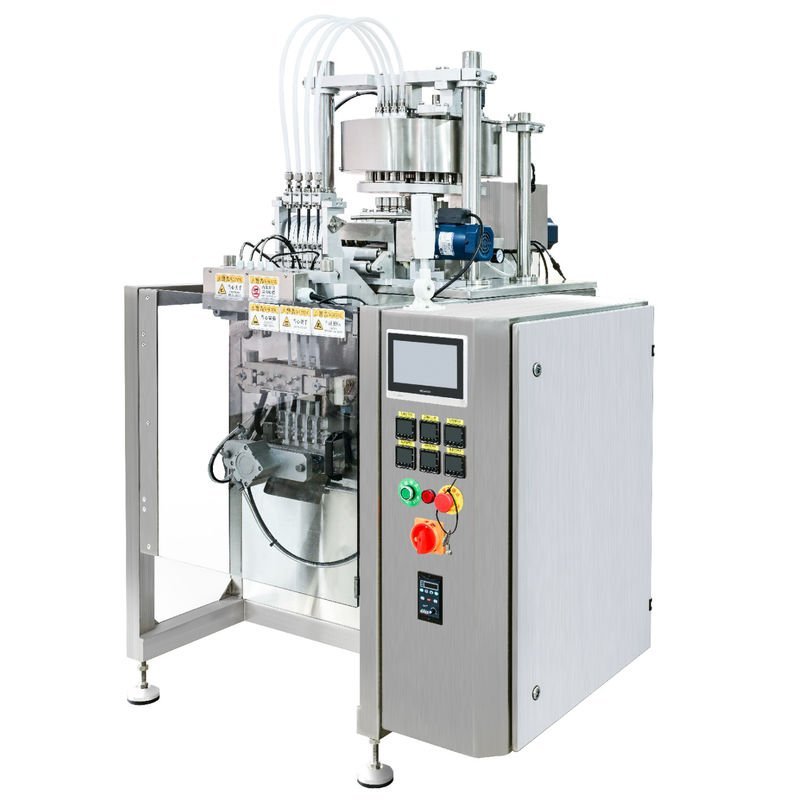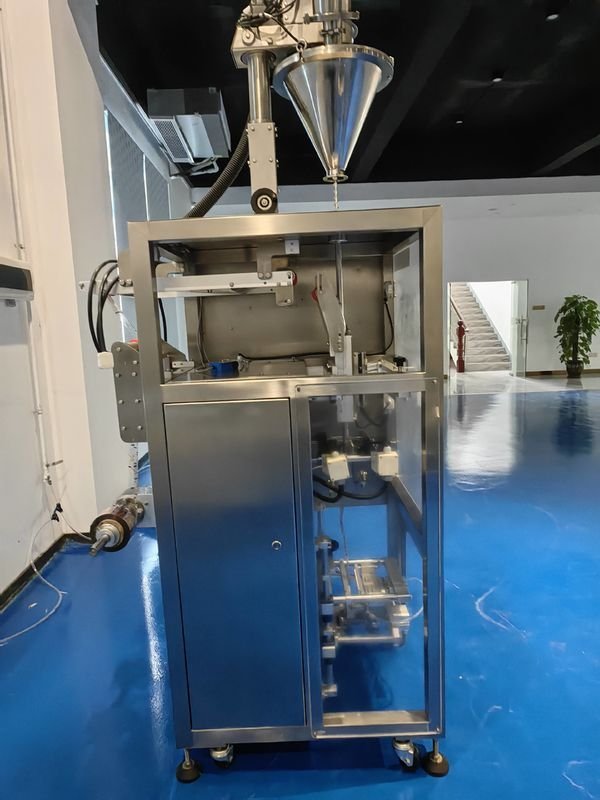
Effective operation of packaging machinery is the cornerstone of a productive and profitable production line. Whether you’re managing a high-speed sachet packaging machine or a complex multi-lane system, comprehensive training for your operators and maintenance teams is non-negotiable. This guide serves as a complete resource for mastering the operation, maintenance, and optimization of your packing equipment, ensuring peak performance, extended machine life, and consistent output quality.
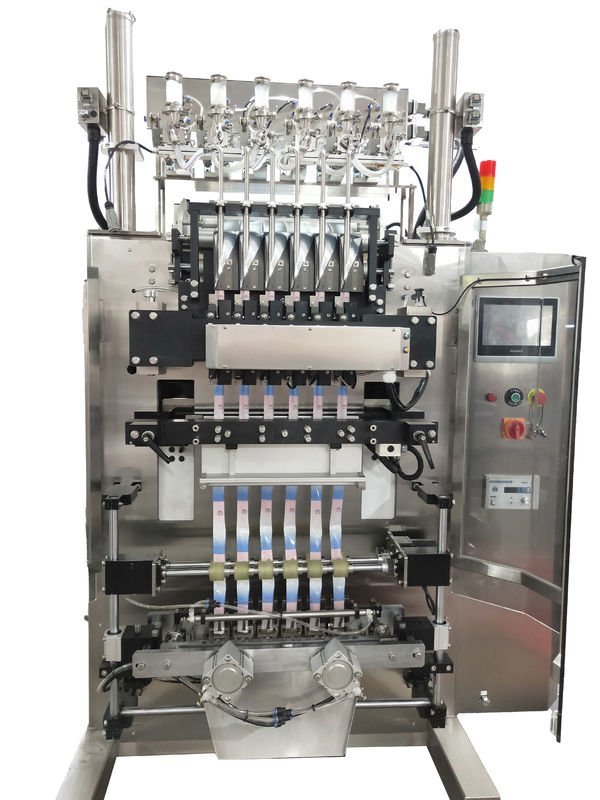
Fundamentals of Packaging Machine Operation
Before diving into complex procedures, a solid grasp of the basics is essential. Every operator must be intimately familiar with the machine’s control panel, safety features, and startup/shutdown sequences.
⚠️ Safety First: Always ensure all safety guards are in place and emergency stop buttons are functional and accessible before initiating any operation. Never bypass safety interlocks.
Step-by-Step Startup Procedure
A systematic startup prevents damage and ensures consistency:
1. Pre-Start Inspection: Visually check for loose parts, debris in the sealing jaws, and proper film loading. Verify that all tools from previous maintenance are removed.
2. Power & Air Supply: Turn on the main power and ensure the compressed air supply is within the machine’s specified pressure range (typically 0.5-0.7 MPa).
3. Parameter Setting: Load the correct product recipe from the HMI (Human-Machine Interface). This includes bag length, sealing temperature, filling weight, and speed.
4. Test Run: Run the machine without product for several cycles to confirm timing and sealing. Then, conduct a short production run to verify weight accuracy and seal integrity.
Routine Maintenance: The Key to Reliability
Proactive maintenance is far more cost-effective than reactive repairs. A disciplined schedule minimizes unplanned downtime.
Daily Maintenance Tasks
These tasks should be performed at the beginning or end of each shift:
- Cleaning: Wipe down all surfaces, especially sealing jaws and product contact areas, with approved cleaning agents.
- Lubrication: Apply lubricant to designated guide rails, cams, and bearings as per the machine manual. Use only recommended oils and greases.
- Inspection: Check for wear on cutting blades, sealing jaws, and film pull belts. Listen for unusual noises during operation.
Weekly & Monthly Maintenance
Deeper checks to ensure long-term stability:
Weekly Focus Areas
• Tighten all bolts and fasteners on moving assemblies.
• Clean and inspect photoelectric sensors for alignment and clarity.
• Check and calibrate the weighing system if your machine is a weighing and packaging system.
Monthly Focus Areas
• Replace air filters and check pneumatic cylinders for smooth operation.
• Inspect drive belts and chains for tension and wear.
• Perform a full machine timing synchronization check.
Advanced Optimization Techniques
Once operations are stable, focus shifts to optimization for maximum efficiency and minimal waste.
Optimizing for Speed & Efficiency
Increasing line speed isn’t just about turning a dial. It requires balancing multiple factors:
Film Tension Control: Incorrect tension causes wrinkles or tears. Adjust the dancer arm or brake system for smooth, consistent film feed. For advanced bag and pouch packaging machines, servo-driven tension control offers superior precision.
Sealing Parameter Fine-Tuning: Sealing temperature, pressure, and dwell time must be optimized for your specific packaging material. A perfect seal is strong but without burn-through or distortion.
Reducing Material Waste
Material waste directly impacts profitability. Key strategies include:
Precise Length Control: Regularly verify and calibrate the film registration system to minimize trim waste.
First-In-First-Out (FIFO) for Materials: Use older rolls of packaging film first to prevent degradation that can cause sealing issues.
Reject Management: Configure the machine’s rejection system to only discard truly defective packs, saving good product. Integrating with a checkweigher or vision system can automate this precisely.
Troubleshooting Common Issues
Even well-maintained machines encounter problems. A logical troubleshooting approach gets you back online fast.
Problem: Poor Seal Integrity
Possible Causes & Solutions:
• Cause: Contaminated sealing jaws (product residue, dust).
Solution: Stop machine, clean jaws thoroughly with alcohol and a soft cloth.
• Cause: Incorrect temperature or pressure.
Solution: Refer to film supplier’s specifications and adjust parameters. Perform test seals.
• Cause: Worn or damaged jaw surface.
Solution: Inspect for pits or grooves. Replace jaws if necessary.
Problem: Inconsistent Filling Weight
For volumetric fillers, check for product bridging in the hopper. For auger fillers, ensure the auger is not worn and the fill time is consistent. For advanced net weight systems, ensure vibration isolation and check load cell calibration. Explore our range of precision filling and packaging lines for solutions designed for accuracy.
Building a Culture of Continuous Improvement
Training shouldn’t end with the basics. Foster an environment where operators are encouraged to log observations, suggest improvements, and participate in periodic refresher training. Documenting every change, maintenance action, and unusual event creates a valuable knowledge base for your team and is a hallmark of professional operations, much like the ethos behind Packmate’s company story of innovation and problem-solving.
Mastering your packaging equipment is an ongoing journey. By investing in thorough training, adhering to a rigorous maintenance schedule, and continuously seeking optimization, you transform your packaging line from a cost center into a reliable, efficient, and competitive asset. The return on investment is measured not just in reduced downtime, but in higher quality output, lower waste, and greater overall operational confidence.
Frequently Asked Questions (FAQs)
1. How often should we replace critical wear parts like sealing jaws or cutting blades?
There’s no universal timeframe, as it depends on materials packaged, machine speed, and hours of operation. The best practice is to inspect them weekly for signs of wear (grooves, dull edges) and keep a log of their service life. Most manufacturers provide an estimated lifespan in the manual. Always have spare parts on hand to avoid extended downtime.
2. Our machine is running slower than its rated speed. What could be the cause?
Several factors can limit speed: incorrect film tension causing misfeeds, poorly optimized sealing parameters requiring longer dwell time, mechanical wear in drives creating hesitation, or product feeding issues (e.g., an inconsistent supply from upstream equipment). A systematic check of mechanical timing, pneumatic pressure, and material flow is required.
3. What is the single most important daily maintenance task?
Thorough cleaning is paramount. Residual product, dust, and grease on sealing jaws, forming tubes, and scales are the leading cause of seal failures, weighing inaccuracies, and eventual corrosion. A clean machine is more reliable, produces better quality packs, and makes other potential problems easier to spot.
4. Can we use any type of packaging film on our machine?
No. Machines are designed and calibrated for specific film types and thickness ranges (e.g., laminates for snacks, cast polypropylene for biscuits). Using an incompatible film can lead to poor seals, frequent tears, and machine jams. Always consult your machine manual and test new film materials extensively before full-scale production.
5. When should we consider professional training or service instead of in-house troubleshooting?
Seek professional support for: Complex electrical or software faults (PLC errors, servo drive alarms), major mechanical overhauls (replacing a main drive shaft), annual comprehensive safety and performance certifications, or when implementing a major product or material change. The expertise of the manufacturer’s service team, like that offered by Packmate, can resolve issues faster and prevent costly incorrect repairs.