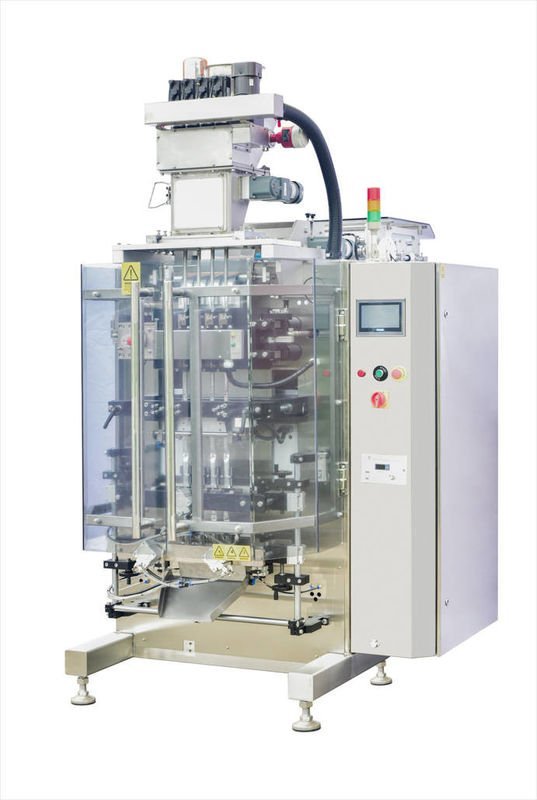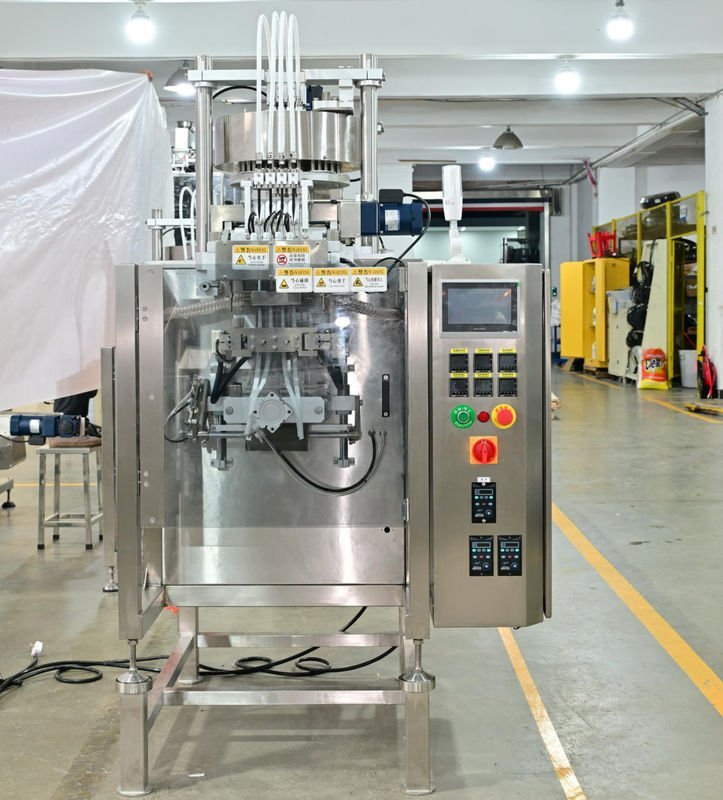
The intricate world of cigarette manufacturing relies heavily on precision automation, where the packaging machine is the final, critical stage. Understanding the components of a cigarette packaging machine is not just about maintenance; it’s about ensuring product consistency, regulatory compliance, and operational efficiency. This complete guide delves into the core parts, their functions, and essential replacement tips to keep your production line running smoothly.
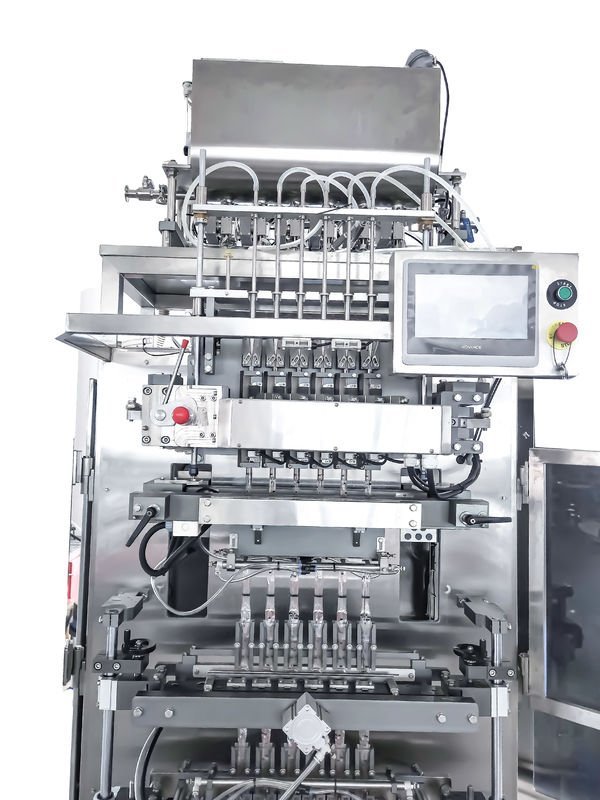
The Core Components of a Cigarette Packaging Machine
Every cigarette packaging machine is a symphony of mechanical, electrical, and pneumatic parts working in unison. The main systems can be broken down into several key areas.
1. Feeding and Hopper System
This is where the process begins. The hopper stores a bulk supply of loose cigarettes, typically fed from a preceding making machine or auxiliary equipment. An agitator or vibratory mechanism ensures cigarettes are oriented and fed smoothly onto a conveyor or feeding channel to prevent jams and ensure a consistent flow to the grouping section.
Key Part: Hopper Agitator Blades
Function: Gently stirs the cigarette mass to prevent bridging and ensures a steady, singular feed.
Replacement Tip: Inspect for wear or bending. Worn blades can cause irregular feeding, leading to group formation errors. Replace in sets for balanced operation.
2. Group Formation and Transfer Unit
This unit organizes loose cigarettes into the precise configuration required for the pack (e.g., 7-6-7 for a standard 20-pack). Pushers, forming pockets, and guide rails work together to create a neat cigarette group. A transfer arm or pusher then carefully moves this formed group into the waiting blank—the pre-cut and folded cardboard that will become the inner frame and outer box.
3. Wrapping and Sealing Stations
This is a multi-stage process involving several critical parts:
- Inner Liner (Foil) Wrapper: Wraps the cigarette group in aluminum foil or metallized paper.
- Inner Frame Tuckers: Fold the cardboard inner frame around the foil-wrapped group.
- Outer Blank Feeders and Gluing Systems: Apply the printed outer cardboard blank. Precision glue nozzles or wheels apply adhesive to specific tabs.
- Folding Box and Compression Belts: A series of folding plates, rails, and belts meticulously form the box, tuck in flaps, and apply pressure for a secure seal.
4. Drive and Transmission System
The heart of the machine’s movement. This includes the main drive motor, gearboxes, camshafts, drive belts, chains, and bearings. These components convert rotational power into the complex, timed linear and rotary motions needed for every step of the packaging process.
⚠️ Critical Maintenance Point: Cams and Followers
These are high-wear components. The cam profile dictates the motion path (like the lift of a pusher). The follower (often a roller) rides on the cam. Regular lubrication and inspection for scoring or pitting are essential. A worn cam can cause timing errors, leading to catastrophic mis-feeds or crushing of products.
5. Control and Detection System
Modern machines are governed by a Programmable Logic Controller (PLC) and monitored by an array of sensors (photoelectric, proximity, capacitive). These sensors detect missing cigarettes, misaligned blanks, glue presence, and final package integrity. They are the machine’s “eyes and nervous system,” ensuring only perfect packs proceed.
Essential Functions of Key Parts
Understanding the why behind each part’s function aids in troubleshooting and proactive maintenance.
Gluing System Nozzles/Wheels
Function: To apply a precise, consistent amount of adhesive to specific areas of the inner frame and outer blank. A failure here results in packs opening (too little glue) or messy, gummed-up machinery (too much or leaking glue).
Cutting Knives (for foil or tear tape)
Function: To provide a clean cut of the foil web or to perforate/apply the tear tape. Dull knives cause ragged edges, tears, or incomplete cuts, leading to packaging defects and machine stoppages.
Suction Cups and Grippers
Function: To pick and place blanks, foil, or other materials with precision. Made from polyurethane or rubber, they wear out and lose vacuum integrity. Cracked or worn cups cause mis-picks and misfeeds.
Proactive Replacement and Maintenance Tips
A reactive “run-to-failure” approach is costly. Implementing a proactive parts management strategy is key.
1. Establish a Preventive Maintenance (PM) Schedule
Based on the machine manual and operational hours, create a checklist. This should include daily cleaning, weekly inspection of grippers and guides, and monthly checks of drive components and sensors. For high-speed lines like those used in stick pack production, intervals may need to be shorter.
2. Monitor High-Wear Components
Keep a log for parts with known lifespans:
▶ Sealing Jaws/Bands: Check for groove wear and temperature consistency.
▶ Belts and Chains: Look for stretching, cracking, or wear.
▶ All Bearings and Bushings: Listen for unusual noise and check for heat.
▶ Sensor Lenses: Clean regularly to prevent false readings.
3. Use Genuine or High-Quality Compatible Parts
While third-party parts may seem cost-effective, they can cause more downtime due to improper fit, material fatigue, or tolerance issues. Sourcing from the OEM or a reputable supplier like Packmate Machinery ensures compatibility and reliability, protecting your larger investment in the packaging line.
4. Keep a Critical Spares Inventory
Don’t wait for a breakdown to order. Based on your PM findings and machine criticality, stock essential spares:
• Common Sensors (photoelectric, proximity)
• Set of Suction Cups/Grippers
• Drive Belts for main axes
• Fuser Sleeves or Heater Bands
• Gluing Nozzle Set
This minimizes downtime waiting for shipments, especially for international operations.
5. Train Your Operators and Technicians
They are the first line of defense. Train them to recognize early signs of part failure—unusual sounds, slight changes in package appearance, minor increases in reject rates. Early detection prevents minor issues from escalating into major breakdowns.
Common Questions (FAQ)
Q1: How often should I replace the sealing jaws on my cigarette packer?
A: There’s no fixed hour count. It depends on production volume, film type, and jaw material. Inspect them weekly for wear, pitting, or loss of surface finish. A drop in seal integrity or an increase in leakers is a clear sign they need replacement or re-surfacing.
Q2: What is the most common cause of misfeeds in the group formation area?
A: The most frequent culprits are worn or misaligned guide rails and channels, or failing/dirty sensors that mis-count cigarettes. Also, check the condition of the pusher heads and the tension on any feeding belts. Regular cleaning to remove tobacco dust is crucial.
Q3: Can I use generic grease and oil for lubrication?
A: No. Always use the lubricants specified in the machine manual. Using the wrong type can damage seals, attract more dust, or fail to protect components under specific pressures and temperatures, leading to premature failure.
Q4: Our glue seams are sometimes weak. Is it always the glue pump?
A: Not necessarily. First, check the simple things: glue nozzle for clogging, glue pot temperature, and glue viscosity. Then inspect the folding mechanism—if the box isn’t folded squarely under proper pressure, even perfect glue won’t hold. Finally, investigate the pump and valve seals.
Q5: Where can I find reliable replacement parts and technical support?
A: For consistent quality and expert support, partnering with the original equipment manufacturer or an authorized service provider is recommended. Companies with extensive experience, such as Packmate with over two decades in packaging machinery, offer genuine parts, detailed documentation, and technical assistance to ensure your machine’s longevity and performance.