In the competitive world of confectionery manufacturing, efficiency and presentation are paramount. Hard candy, a timeless treat enjoyed globally, requires packaging that protects its quality, enhances its appeal, and ensures efficient production. Choosing the right hard candy packaging machine is a critical decision that impacts your output, product integrity, and bottom line. This comprehensive guide will walk you through the different types of machines, their key features, and the essential factors to consider when selecting the perfect solution for your production line.

Understanding the Core Types of Hard Candy Packaging Machines
The packaging process for hard candy can vary significantly based on the desired final product format. Here are the primary types of machinery used in the industry.
Vertical Form-Fill-Seal (VFFS) Machines
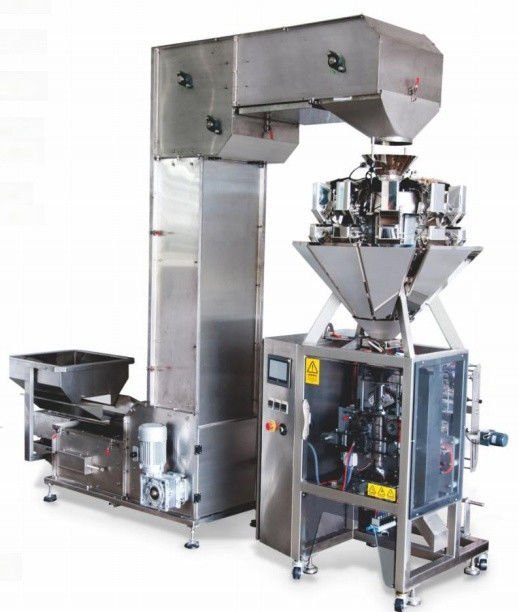
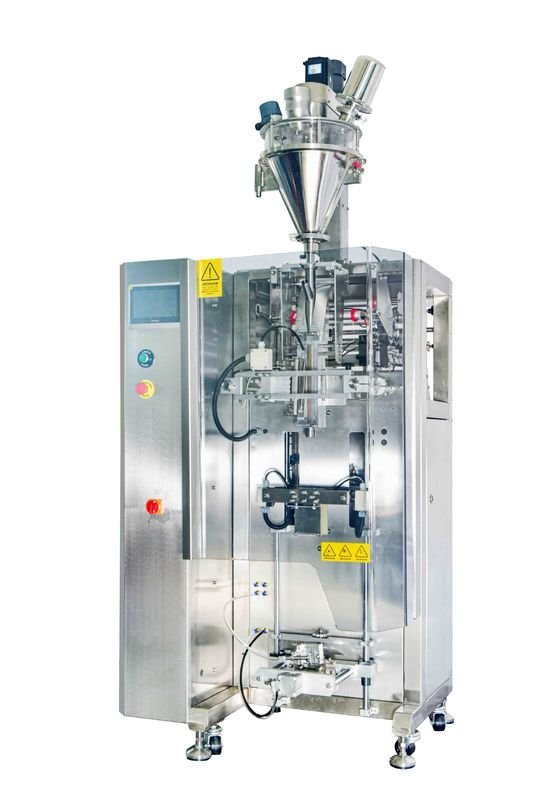
These are the workhorses of flexible packaging. A VFFS machine forms a roll of packaging film into a tube, fills it with a pre-measured amount of candy, and then seals it to create individual bags or pouches. They are incredibly versatile and can produce various bag styles, such as pillow bags, gusseted bags, or stand-up pouches. This type is ideal for packaging loose hard candies in bulk or smaller retail quantities.
Horizontal Flow Wrappers
If your hard candies are individually shaped or wrapped, a horizontal flow wrapper is often the go-to solution. This machine wraps products in a single sheet of film, creating a tight, secure seal around each piece. It’s perfect for wrapping candies that have already been formed into specific shapes like discs, balls, or sticks, providing a sleek and professional finish that is common in retail environments.
Stick Pack and Sachet Packaging Machines
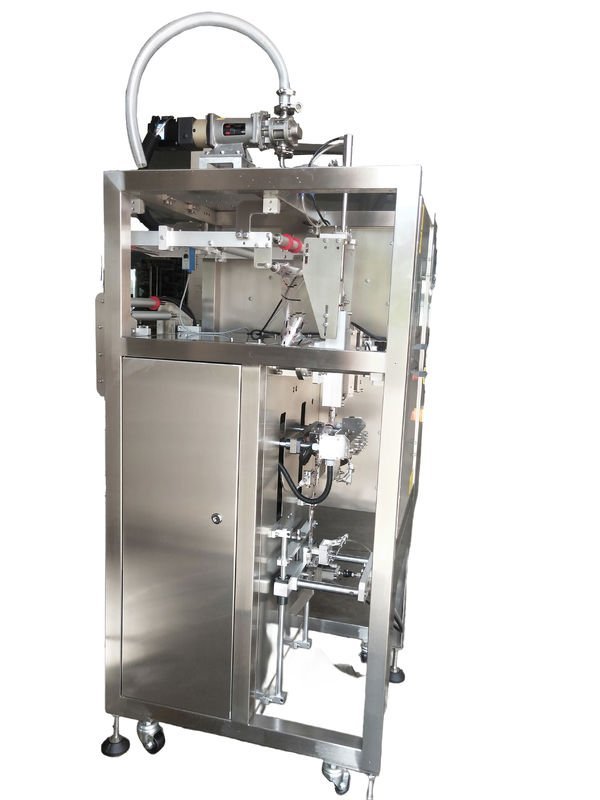
For single-serve portions or promotional items, stick pack and sachet machines are ideal. These machines create small, elongated stick packs or flat sachets, which are perfect for packaging powdered drink mixes that might accompany candy or for small, individual candy servings. They offer excellent barrier properties to keep products fresh.
Multi-Lane and High-Speed Automated Lines
For large-scale production, multi-lane machines and integrated packaging lines are essential. These systems combine several packaging functions—such as counting, weighing, filling, and sealing—into one synchronized operation across multiple lanes, dramatically increasing output. They represent the pinnacle of automation for major candy manufacturers.
Key Takeaway:
The choice between a VFFS machine, a flow wrapper, or a sachet machine fundamentally depends on your candy format (loose vs. individual) and your desired package type (bag, stick, or wrapped piece). Assessing your primary packaging goal is the first step in the selection process.
Essential Features to Look for in a Packaging Machine
Beyond the basic type, several features determine a machine’s performance, reliability, and suitability for your specific needs.
Precision Weighing and Filling Systems
Accuracy is non-negotiable. Look for machines equipped with advanced multi-head weighers or auger filler systems that ensure each package contains the exact weight of candy, minimizing product giveaways and ensuring compliance with retail regulations.
Versatile Sealing Technology
A strong, consistent seal is critical for product freshness and shelf life. Machines should offer robust heat sealing capabilities, with adjustable temperature and pressure controls to handle different packaging materials, from basic polypropylene to complex laminated films.
User-Friendly PLC Control Interface
Modern machines are governed by Programmable Logic Controllers (PLCs). A clear, intuitive touchscreen interface allows operators to easily change parameters, monitor production speeds, track output, and diagnose issues quickly, reducing downtime.
Quick Changeover Capabilities
Market demands flexibility. Machines designed with tool-less or quick-change parts allow you to switch between different candy sizes, shapes, or packaging materials with minimal downtime, enabling smaller, more frequent production runs.
Hygienic and Easy-to-Clean Design
Food safety is paramount. Machines should be constructed with stainless steel in product contact areas and feature a smooth, open design that prevents material buildup and allows for thorough and efficient cleaning between production batches.
How to Choose the Right Hard Candy Packaging Solution
Selecting a machine is an investment. A systematic approach will ensure you choose equipment that delivers a strong return for years to come.
1. Analyze Your Production Requirements
Start with concrete numbers. Define your required output speed (packages per minute), the size and weight range of your candy products, and the type of packaging material you plan to use. This forms the non-negotiable foundation of your search.
2. Evaluate Machine Durability and Build Quality
Inspect the construction. A machine built with high-grade stainless steel and precision-engineered components from a reputable manufacturer like Packmate will withstand 24/7 operation with less wear and tear, leading to lower long-term maintenance costs and higher overall equipment effectiveness (OEE).
3. Consider Integration with Existing Lines
The machine should be a team player. Ensure the new packaging unit can seamlessly integrate with your existing upstream equipment (like candy formers or coolers) and downstream systems (like cartoners or case packers) to create a smooth, continuous production solution.
4. Prioritize Supplier Support and Service
The relationship with your supplier is crucial. Choose a provider known for comprehensive after-sales service, including readily available spare parts, detailed technical documentation, and responsive support teams. This ensures help is available when you need it most.
5. Plan for Future Growth and Flexibility
Think ahead. While your current needs are important, consider a machine that can accommodate moderate increases in speed or handle a slightly wider range of package sizes. This “future-proofs” your investment as your business evolves.
📌 Pro Tip: Request a Live Test
Never buy based on specifications alone. The most reliable method is to provide your actual candy product and packaging materials to the manufacturer for a live production test. This demonstrates the machine’s real-world performance, seal quality, and speed with your specific materials.
Conclusion: Packaging as a Strategic Advantage
Selecting the optimal hard candy packaging machine is far more than a simple equipment purchase; it is a strategic decision that influences production efficiency, product quality, and brand perception. By thoroughly understanding the different machine types, prioritizing key features like precision and hygiene, and following a disciplined selection process that emphasizes durability and supplier partnership, you can secure a packaging solution that not only meets today’s demands but also supports your confectionery brand’s growth for the future. For a closer look at specific machine models and capabilities, exploring a manufacturer’s product portfolio is an excellent next step.
Frequently Asked Questions (FAQs)
What is the typical production speed of a hard candy packaging machine?
Speeds vary widely based on the machine type and package complexity. Basic vertical form-fill-seal machines may run at 40-60 bags per minute, while high-speed multi-lane stick pack machines or flow wrappers can exceed 400 pieces per minute. Your required speed is a primary factor in machine selection and cost.
Can one machine handle different shapes and sizes of hard candy?
Many modern machines are designed for flexibility. Machines with quick-changeover features allow you to switch between different product dimensions by changing forming tubes, buckets, or feed systems. However, significant shape differences (e.g., from a ball to a long stick) may require a different machine type altogether.
How important is the packaging material choice for machine operation?
Extremely important. The machine’s sealing jaws must be calibrated for the specific thickness and composition of your film or laminate. Using an incompatible material can lead to poor seals, jams, or machine damage. Always consult with both your material supplier and machine manufacturer for compatibility.
What kind of maintenance do these machines require?
Regular maintenance is key to longevity. Daily cleaning, weekly lubrication of moving parts, and periodic inspection of seals, sensors, and wear components are standard. Choosing a machine with easy access for cleaning and maintenance from a supplier that offers clear manuals and spare parts support is crucial.
Where can I see these machines in operation or get a custom quote?
Reputable manufacturers often have showrooms or video demonstrations. The best approach is to contact the supplier directly with your specific product and output requirements. You can reach out to experienced providers through their contact page to discuss a live test or a tailored quotation for your project.