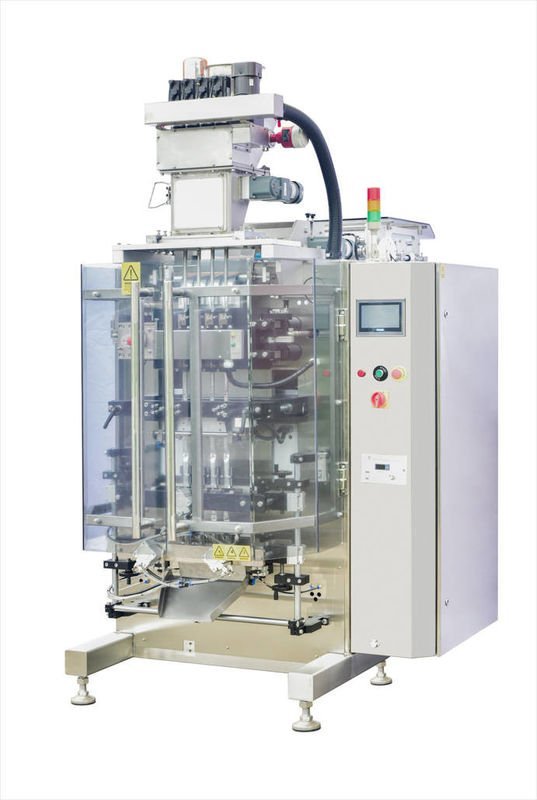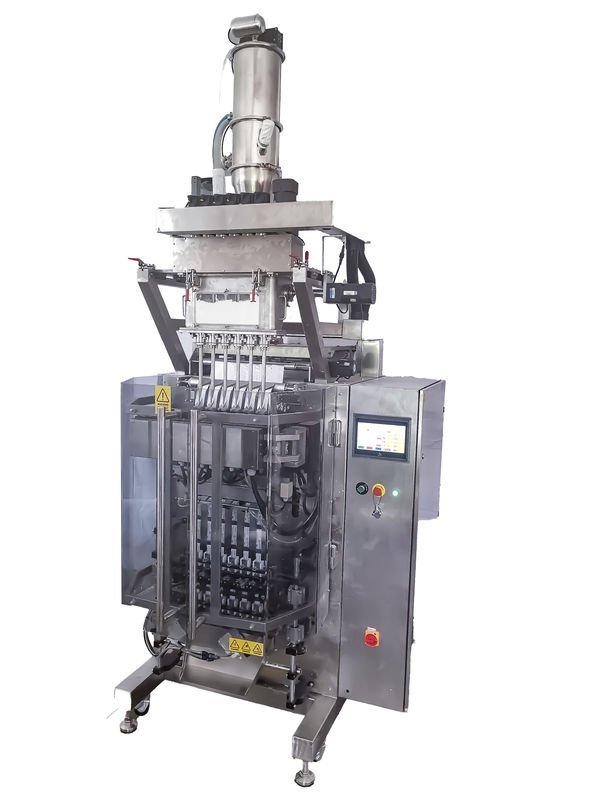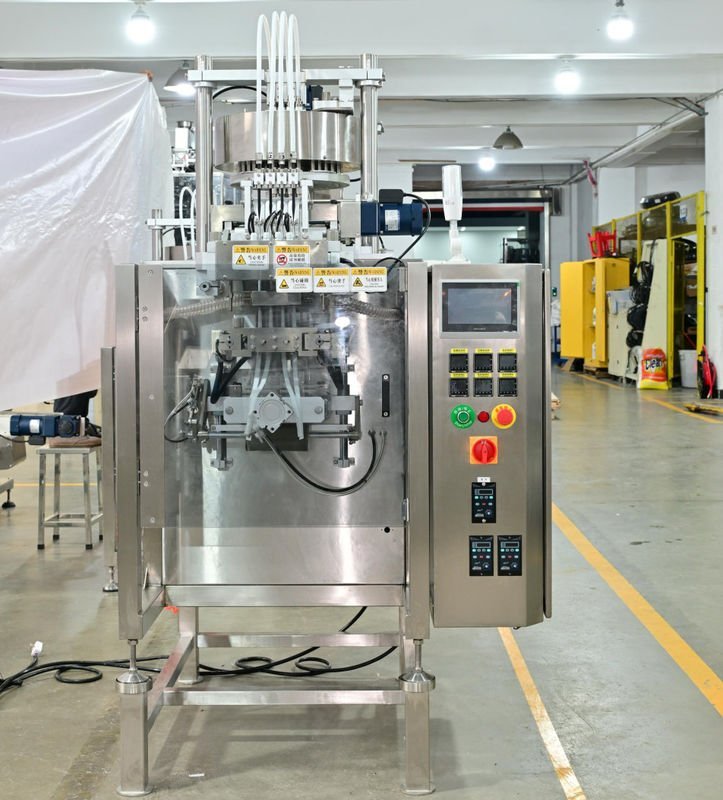
Investing in a Modified Atmosphere Packaging (MAP) machine is a significant decision for food processors, meat packers, and pharmaceutical companies aiming to extend shelf life and maintain product quality. The price of such equipment is not a single figure but a spectrum influenced by a complex interplay of factors. This comprehensive guide will navigate you through the key cost determinants, explore the various types of machines available, and provide essential buying tips to ensure you make an informed investment that aligns with your production needs and budget.
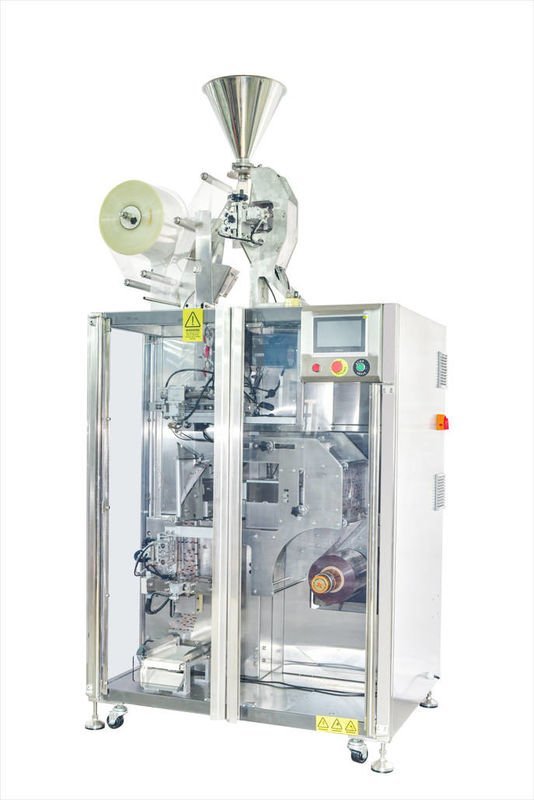
Understanding the Core Cost Factors
The price range for MAP machines is vast, from tens of thousands for basic models to several hundred thousand dollars for fully integrated, high-speed lines. Breaking down the cost factors helps clarify this range.
1. Machine Type and Automation Level
The fundamental choice between machine types dictates the base price. Manual or semi-automatic tray sealers are the most affordable entry point, suitable for low to medium-volume operations. They require an operator to load the product and tray. Fully automatic machines, which integrate product loading, gas flushing, and sealing into one continuous process, command a higher price but offer vastly superior output and consistency.
2. Production Capacity and Speed
Speed directly correlates with cost. Machines are rated by cycles per minute or packages per hour. A machine designed for 10 cycles per minute will be considerably less expensive than one capable of 40 cycles. It’s crucial to match the machine’s speed with your current and projected future production demands to avoid under or over-investing.
3. Chamber Size and Configuration
The physical dimensions of the sealing chamber determine the maximum tray size you can process. Larger chambers that accommodate big retail trays or multiple small trays per cycle are more complex to engineer and thus more costly. The configuration—whether it’s a single chamber, double chamber (allowing loading while another seals), or rotary design for continuous motion—also significantly impacts the price.
4. Gas Mixing System Sophistication
The heart of MAP is the gas mixture. Basic machines may use pre-mixed gas from cylinders. Mid to high-end machines incorporate on-board gas mixers that blend nitrogen, carbon dioxide, and oxygen from individual sources with high precision. This feature adds cost but provides flexibility and can reduce long-term gas expenses.
5. Material and Build Quality
Durability is paramount in a production environment. Machines constructed with high-grade stainless steel (e.g., 304 or 316), featuring precision-machined components and industrial-grade seals, will have a higher initial cost but offer far greater longevity and lower maintenance costs than models with inferior materials.
6. Brand, Origin, and After-Sales Support
Established European brands often carry a premium due to decades of engineering heritage. However, manufacturers from industrial hubs like Guangdong, China, such as Packmate (GuangDong) Co., Ltd., now offer highly competitive alternatives by combining advanced technology with cost-effective manufacturing. Crucially, the price should include comprehensive after-sales support, installation, training, and warranty. A cheaper machine with poor support can become a very expensive liability.
Exploring Different Types of MAP Machines
Your application dictates the machine type. Here’s a breakdown of common configurations.
Tray Sealing Machines
The most common type, ideal for fresh meat, poultry, ready meals, and cheese. They heat-seal a lidding film over a pre-formed plastic or pulp tray after the air has been replaced with the protective gas mix. These range from simple bench-top units to large in-line systems.
Horizontal Form-Fill-Seal (HFFS) with MAP
These versatile machines form the package from a roll of film, fill it with product (like snacks, coffee, or grated cheese), flush it with gas, and then seal it. They are perfect for bulk packs or products that don’t require a rigid tray. Integrating MAP capability into an HFFS line increases its complexity and cost.
Snorkel-Type (Compensated Vacuum) Machines
Used for packaging soft or delicate products in flexible pouches or bags (e.g., salads, shredded cheese). The machine inserts “snorkels” into the bag, evacuates the air, injects the gas mix, and seals. They are gentler than chamber vacuum sealers and allow for very low residual oxygen levels.
Thermoforming MAP Machines
A high-end, integrated solution. The machine thermoforms the tray from a roll of plastic sheet inline, places the product inside, applies MAP, and seals it with lidding film. This is a highly efficient but capital-intensive system for very high-volume producers.
Essential Buying Tips for Your Investment
Navigating the purchase process strategically can save money and prevent operational headaches.
1. Conduct a Thorough Needs Analysis
Before contacting suppliers, define your exact requirements: product dimensions, desired shelf life, daily output volumes, types of film/trays you plan to use, and available factory space. This clarity will prevent you from being upsold on unnecessary features or buying an underpowered machine.
2. Prioritize Total Cost of Ownership (TCO)
Look beyond the sticker price. Calculate energy consumption, expected maintenance costs, ease of cleaning (downtime), and compatibility with affordable packaging materials. A robust, efficient machine from a reliable supplier like Packmate Machinery often has a lower TCO than a cheaper, less reliable alternative.
3. Insist on Product Testing
Never buy a MAP machine without testing it with your actual product and packaging materials. A reputable supplier will offer this service. The test will verify seal integrity, achievable gas levels, and overall machine suitability. It’s the best way to de-risk your purchase.
4. Scrutinize the After-Sales Package
Ensure the quote includes clear terms for installation, commissioning, operator training, and warranty (typically 12-24 months). Availability of spare parts and technical support response time are critical. Ask for references from existing clients in your region.
5. Consider Future-Proofing and Flexibility
If you plan to expand your product range, consider a machine with some adaptability, such as an adjustable chamber or a versatile gas system. Investing in a slightly more capable machine than you currently need can be more economical than replacing it in two years. Explore different packaging solutions to understand the full scope of available technology.
6. Evaluate the Supplier’s Expertise
Choose a supplier with proven experience in your specific industry segment. A company that understands the challenges of packaging fresh fish, for example, will provide better guidance than a generalist. Review their company history and project portfolio thoroughly.
Frequently Asked Questions (FAQ)
What is the typical price range for a commercial MAP machine?
Prices vary widely. A basic semi-automatic tray sealer can start around $15,000 – $30,000. A fully automatic, mid-volume tray sealer typically ranges from $50,000 to $120,000. High-speed, fully integrated thermoforming or HFFS MAP lines can cost from $200,000 to over $500,000. Always request a detailed quotation based on your specifications.
Can I retrofit MAP capability to my existing packaging machine?
It depends on the machine type. Some horizontal form-fill-seal machines can be retrofitted with a gas flushing system. For tray sealers, retrofitting is usually not feasible or cost-effective; it’s better to purchase a machine designed for MAP from the outset. Consult with an experienced equipment manufacturer for an assessment.
What are the ongoing costs associated with running a MAP machine?
Major ongoing costs include packaging materials (trays and lidding film), gas mixtures (N2, CO2), electricity, routine maintenance (sealing jaws, filters, seals), and labor. The cost of gas and film typically represents the largest recurring operational expense.
How critical is the gas mixer, and do I need one?
An on-board gas mixer is highly recommended for most applications. It provides precise control over the gas composition, which is essential for optimizing shelf life for different products. It also offers operational flexibility and can be more economical than buying pre-mixed gas cylinders, especially at higher volumes.
What key performance metrics should I look for in a machine trial?
Focus on: Residual Oxygen Level (%): How low can it consistently go? Seal Integrity & Strength: No leakers and a strong seal. Cycle Time Consistency: Stable output speed. Ease of Operation & Changeover: How long to switch tray sizes? Film/Tray Waste: Efficiency of material use.