In today’s fast-paced market, the efficiency of your packaging line is not just an operational metric; it’s a critical competitive advantage. Aging or outdated packaging machinery can become a significant bottleneck, limiting throughput, increasing waste, and inflating operational costs. Modernizing your packaging line through strategic upgrades is a powerful investment that directly translates to higher speed, greater efficiency, improved reliability, and enhanced product quality. This guide will walk you through the key considerations and actionable steps for successfully modernizing your packaging operations.
Assessing Your Current Packaging Line: The Foundation for Upgrade
Before investing in new technology, a thorough assessment of your existing line is paramount. This diagnostic phase helps identify the true pain points and opportunities.
Key areas to evaluate include:
• Speed & Throughput: Measure your current line’s output (units per minute/hour). Is it meeting demand, or are you constantly running overtime to fulfill orders?
• Downtime & Reliability: Track unplanned stoppages. Frequent jams, mechanical failures, or lengthy changeovers are clear indicators of machinery nearing the end of its optimal life.
• Changeover Time: How long does it take to switch from packaging one product SKU to another? Lengthy manual adjustments kill productivity in multi-product environments.
• Material Waste: Calculate film waste, product giveaway from inaccurate filling, and rejected packages. Inefficient machines are often wasteful machines.
• Labor Intensity: Does the line require constant manual intervention for feeding, monitoring, or correction? This ties up valuable human resources.
Documenting these metrics creates a baseline against which you can measure the return on investment (ROI) of any upgrade. For a comprehensive look at modern systems that address these issues, explore our range of Filling & Packaging Lines.
Core Strategies for Modernization: Beyond Just Buying a New Machine
Modernization doesn’t always mean a complete line replacement. Strategic upgrades can be implemented in phases. Here are the most impactful areas to focus on.
1. Integrating Automation and Robotics
Automation is the cornerstone of modern packaging. Replacing manual tasks with automated systems drastically increases speed and consistency.
• Automated Feeding & Loading: Implement robotic pick-and-place systems or automated bulk feeders to continuously supply product to the packaging machine, eliminating bottlenecks at the infeed.
• Robotic Case/Tray Packing: After primary packaging, robots can efficiently collate, orient, and load products into shipping containers with unmatched speed and precision, reducing labor and injury risk.
• Vision Inspection Systems: Integrate high-speed cameras to automatically check for fill levels, label placement, seal integrity, and product defects. This ensures 100% quality control at line speed.
2. Upgrading to Servo-Driven Technology
Replacing older mechanical or pneumatic drives with servo motors is one of the most transformative upgrades for speed and flexibility.
Benefits of Servo-Driven Packaging Machines:
Higher Speeds: Servo systems allow for smoother, faster, and more precise movements, directly increasing cycle rates.
Quick Changeovers: Recipe-based changeovers stored in the machine’s PLC allow operators to switch formats in minutes by calling up a program, rather than manually swapping cams and parts.
Reduced Maintenance: With fewer mechanical parts like cams, gears, and chains, servo-driven machines experience less wear and require less lubrication and adjustment.
Enhanced Precision: Superior control over motion profiles leads to more accurate filling, cutting, and sealing, minimizing product waste. Our advanced Weighing & Packaging Systems leverage this technology for exceptional accuracy.
3. Implementing Smart Controls and IIoT (Industrial Internet of Things)
The modern packaging line is a data hub. Upgrading the control system is critical for unlocking efficiency gains.
• Modern PLCs & HMIs: Upgrade to programmable logic controllers (PLCs) with intuitive touch-screen human-machine interfaces (HMIs). These provide easier operation, detailed diagnostics, and data logging capabilities.
• OEE Monitoring: Integrate software that tracks Overall Equipment Effectiveness (OEE) in real-time, breaking down performance into availability, performance, and quality metrics. This data is invaluable for continuous improvement.
• Predictive Maintenance: Sensors monitoring vibration, temperature, and motor current can predict component failures before they cause unplanned downtime, allowing for scheduled maintenance.
• Cloud Connectivity: Enable remote monitoring of line performance by factory managers or even by the machine supplier’s service team for proactive support.
4. Enhancing Flexibility for Market Demands
Consumer trends shift rapidly. A modern line must be agile enough to handle different package sizes, formats, and materials without major reinvestment.
• Quick-Change Tooling: Invest in machines designed with tool-less or single-tool changeover systems for forming shoulders, fillers, and seal jaws.
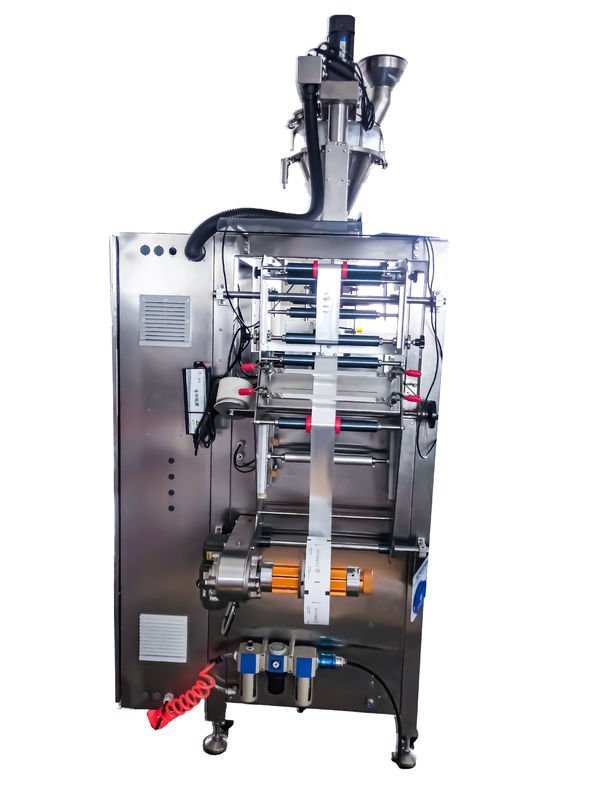
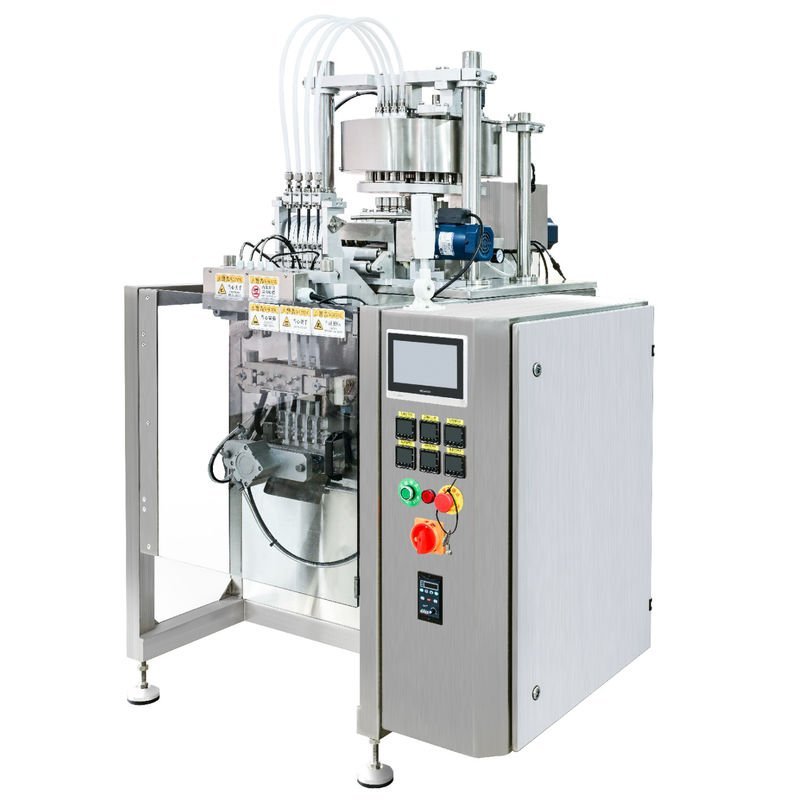
• Versatile Machine Platforms: Consider machines capable of handling a wide range of package types. For instance, a high-quality Sachet & Stick Pack Machine can often be configured for various sizes and materials, from single-serve condiments to pharmaceutical powders.
• Sustainable Material Compatibility: Ensure new or upgraded equipment can run mono-material films, recyclable plastics, or compostable materials that are becoming market standards.
Planning and Executing Your Upgrade Project
A successful modernization project requires careful planning and partnership.
1. Define Clear Objectives & ROI: Be specific. Is the goal a 20% speed increase, a 30% reduction in changeover time, or lower film waste? Calculate the expected financial return from these improvements.
2. Partner with an Experienced Supplier: Work with a manufacturer like Packmate, who has a proven track record. They can provide a comprehensive solution, not just a machine. Review their case studies to see similar successful upgrades.
3. Phased Implementation: For minimal disruption, consider a phased approach. Upgrade the most critical bottleneck first, then move downstream or upstream in subsequent phases.
4. Train Your Team: New technology requires new skills. Ensure comprehensive training for operators, mechanics, and line supervisors on the new equipment’s operation, maintenance, and troubleshooting.
5. Validate Performance: Once installed, rigorously test the upgraded line against your original baseline metrics to confirm it meets all objectives.
Frequently Asked Questions (FAQs)
1. What is the typical ROI period for a packaging line upgrade?
The payback period varies greatly based on the scope of the upgrade and current inefficiencies. Targeted upgrades (like adding a single servo axis or a vision system) can show ROI in 6-18 months. A full line modernization might have a 2-4 year ROI, justified by massive gains in output, labor savings, and waste reduction.
2. Can I upgrade my old mechanical machine, or do I need to replace it entirely?
It depends. Some components, like drives or controls, can often be retrofitted. However, if the core frame and mechanisms are worn or fundamentally limit speed, a full machine replacement is usually more cost-effective and reliable in the long run. A qualified supplier can perform an audit to advise on the best path.
3. How do I ensure the new equipment will integrate with my existing line?
This is a critical question for your supplier. Provide them with detailed specs of your upstream and downstream equipment (conveyor heights, speeds, communication protocols). A reputable supplier will design the upgrade to interface seamlessly, potentially supplying custom conveyors or control interfaces as part of a complete line solution.
4. What are the biggest challenges during a line upgrade project?
The main challenges are production downtime during installation, ensuring staff competency with the new technology, and managing the initial teething problems that can occur with any new system. Mitigate these by planning the installation during a scheduled shutdown, investing in thorough training, and choosing a supplier with strong local service support.
5. How can I future-proof my investment?
Choose equipment with modular designs and open communication standards (like OPC UA). Opt for suppliers committed to innovation who provide regular software updates. Select machines with inherent flexibility to handle a range of package sizes and materials, giving you agility to adapt to future market changes.