The cosmetics industry thrives on presentation, precision, and speed. As consumer demand for beauty products grows globally, manufacturers face immense pressure to deliver flawless, consistent, and attractive packaging at scale. Manual processes simply cannot keep up. This is where automated beauty packaging equipment becomes not just an advantage, but a necessity for competitive survival and growth. This guide explores the critical automated solutions for the core stages of cosmetics packaging: filling, sealing, and labeling.
The Imperative for Automation in Cosmetics Packaging
Modern beauty brands operate in a fast-paced, visually-driven market. Automation addresses several fundamental challenges:
Hygiene & Contamination Control: Automated systems minimize human contact, drastically reducing the risk of product contamination—a non-negotiable standard in cosmetics.
Unmatched Precision & Consistency: Whether filling a precious serum or a vibrant eyeshadow, automated equipment ensures each unit receives the exact same amount, guaranteeing product quality and compliance with labeled quantities.
Scalability & Speed: To meet market demands and launch cycles, production lines must be capable of high output. Automation enables rapid scaling without a linear increase in labor or errors.
Cost Efficiency: While the initial investment is significant, automation reduces long-term costs associated with labor, waste from overfilling, and recalls due to packaging errors.
Automated Filling Systems: The Heart of Precision
Filling is arguably the most critical step. Cosmetics come in a vast array of viscosities—from watery toners to thick creams and loose powders—requiring specialized filling technologies.
Liquid & Cream Fillers
For products like lotions, serums, and foundations, piston fillers and peristaltic pump fillers are industry standards. Piston fillers offer exceptional accuracy for medium to high-viscosity products, while peristaltic pumps are ideal for sterile, shear-sensitive fluids as the product only contacts the tube.
Powder & Granule Fillers
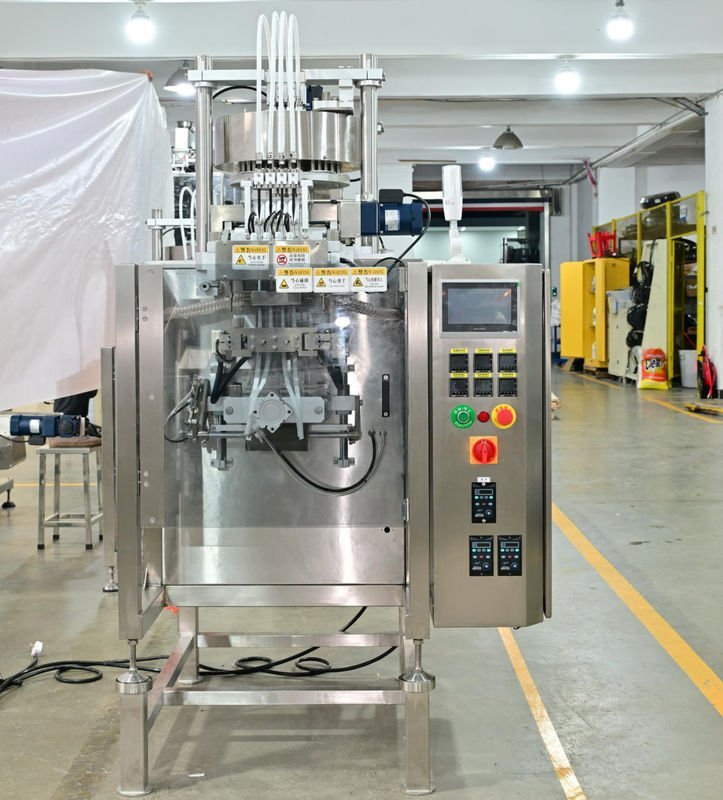
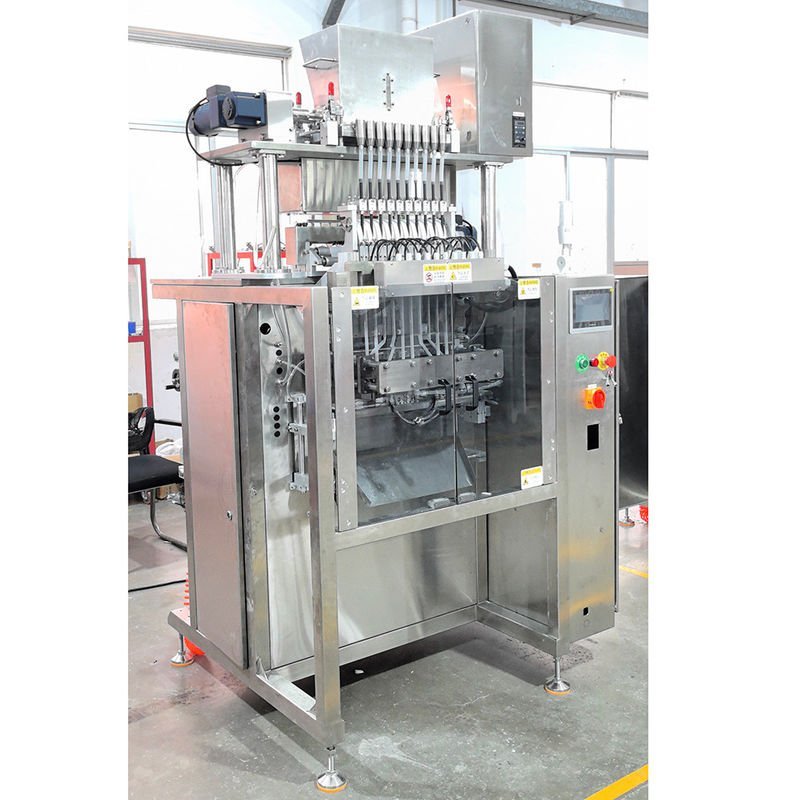
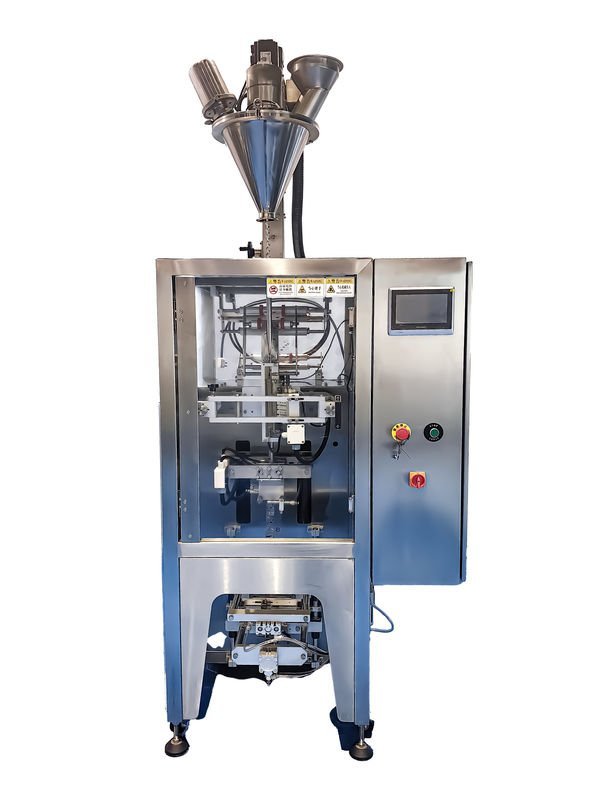
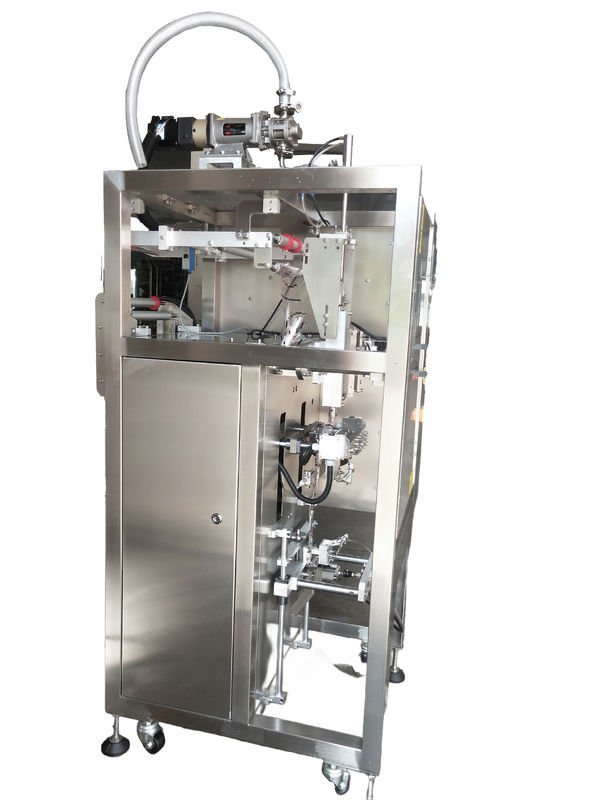
Filling eyeshadows, blushes, or loose powders requires technology that handles dust and ensures consistent volume. Auger fillers use a rotating screw to dispense powder volumetrically and are highly accurate when paired with modern control systems. For stick packs or single-serve sachets of bath powder, integrated sachet & stick pack machines provide a complete form-fill-seal solution.
Specialized Filling Solutions
Unique products demand unique solutions. Lipstick molding and filling lines automate the entire process, while dual-chamber systems are used for products that must mix components upon application, such as certain hair dyes or epoxy-based adhesives (in analogous packaging).
Automated Sealing & Capping: Ensuring Integrity and Appeal
A perfect fill is worthless without a secure and tamper-evident seal. This stage protects the product and enhances user experience.
Heat Sealing: Common for pouches, sachets, and tubes. Automated systems apply precise heat and pressure to create a hermetic seal. Induction sealing for bottles creates a tamper-evident foil liner seal under the cap without contact.
Capping & Screw Capping: Robotic cappers pick and place caps onto bottles, jars, and tubes with consistent torque. This prevents leaks and ensures the cap is neither too loose nor too tight for the consumer. These are often a key component of a full filling & packaging line.
Ultrasonic Sealing: Used for synthetic materials, it uses high-frequency vibrations to create a strong seal without excessive heat, ideal for sensitive formulations.
Automated Labeling: The Final Touch of Branding
The label is the product’s voice on the shelf. Automated labeling ensures this voice is clear, straight, and flawless every time.
Pressure-Sensitive Labelers
These apply pre-printed self-adhesive labels to containers. Wrap-around labelers are perfect for cylindrical bottles, while front-and-back labelers handle more complex labeling needs. High-speed versions can handle hundreds of products per minute.
Shrink Sleeve & Stretch Labelers
These provide 360-degree branding and a tamper-evident seal. A sleeve is applied to the container and then passed through a heat tunnel, causing it to shrink snugly to the container’s contours, offering stunning graphic potential.
Smart & RFID Labeling
Beyond aesthetics, automation facilitates smart packaging. Labelers can integrate RFID or NFC tags for supply chain tracking, anti-counterfeiting, and engaging consumers directly through their smartphones.
Integrating into a Complete Packaging Line
The true power of automation is realized when individual machines are integrated into a synchronized packaging solution. A typical automated line for a cosmetic cream might include:
- An unscrambler to orient empty jars.
- A piston filler for precise cream dispensing.
- A screw capper to apply and tighten lids.
- An induction sealer for tamper evidence.
- A pressure-sensitive labeler.
- A cartoning or case packing system for final distribution.
This integration, managed by a central PLC, creates a continuous flow that maximizes efficiency and minimizes downtime. For businesses looking to expand their capabilities, exploring a range of packing machine options is the first step toward designing such a system.
Choosing the Right Equipment Partner
Selecting machinery is a strategic decision. Key considerations include:
- Product & Container Flexibility: Can the machine handle your current and foreseeable range of product viscosities and container shapes?
- Speed & Output Requirements: Match the machine’s capacity (units per minute) to your production goals.
- Changeover Time: In an era of small batches and limited editions, how quickly can the line switch between different products or container sizes?
- Hygienic Design & Compliance: Equipment should be easy to clean and constructed from materials compliant with FDA or other relevant regulations.
- Supplier Expertise & Support: Partner with a manufacturer known for reliability and strong after-sales service. A company with a proven track record, like Packmate, which brings decades of engineering experience to the table, can be invaluable for installation, training, and ongoing maintenance.
Future Trends: The Next Wave of Automation
The future of beauty packaging automation is intelligent and sustainable. AI and machine vision systems will perform real-time quality control, rejecting units with fill-level errors, misapplied labels, or defective seals. Collaborative robots (cobots) will work alongside humans for flexible, complex tasks like assembling gift sets. Furthermore, equipment is increasingly designed to handle eco-friendly, recyclable, or refillable packaging materials, aligning with the industry’s green revolution.
Investing in automated packaging equipment is an investment in your brand’s future. It safeguards product quality, enhances brand perception through consistency, provides the scalability to seize market opportunities, and ultimately improves your bottom line. By understanding the solutions for filling, sealing, and labeling, beauty brands can make informed decisions to build a packaging operation that is as innovative and dynamic as the products they create.
Frequently Asked Questions (FAQ)
1. What are the main benefits of automating my cosmetics packaging line?
The core benefits include dramatically improved consistency and accuracy in fill volumes and label placement, enhanced hygiene by reducing human contact, significant increases in production speed and output, and lower long-term operational costs through reduced labor and material waste.
2. How do I choose between a piston filler and a peristaltic pump filler?
The choice depends on your product. Use a piston filler for creams, gels, and thicker liquids (medium to high viscosity). Choose a peristaltic pump filler for sterile, abrasive, or very shear-sensitive watery products (low viscosity), as it offers a completely sealed pathway and easy tube replacement.
3. Can one automated line handle different product types and container sizes?
Yes, many modern lines are designed for quick changeover. This involves interchangeable parts like filling nozzles, capping heads, and labeler attachments. When selecting equipment, prioritize models with tool-less or quick-release changeover features to minimize downtime between production runs.
4. How important is the supplier’s after-sales service?
Extremely important. Reliable technical support, availability of spare parts, and operator training are critical for maintaining uptime. A reputable supplier will offer comprehensive service plans and have a responsive support team to help troubleshoot any issues promptly.
5. Is automation feasible for a small or medium-sized beauty brand?
Absolutely. Automation is scalable. You don’t need a massive, multi-million dollar line to start. Many suppliers offer compact, semi-automatic, or benchtop machines that automate a single key process (like filling) with high precision. This allows smaller brands to gain the benefits of automation at an accessible entry point and scale up equipment as the business grows.