The demand for precise, hygienic, and efficient material packaging has never been higher, especially within the stringent environments of the food and pharmaceutical industries. These sectors are governed by rigorous standards where product integrity, safety, and shelf life are paramount. Complete automated packaging solutions have emerged as the definitive answer, transforming production lines by enhancing speed, ensuring consistency, and minimizing human intervention. This evolution is critical for meeting global supply demands while adhering to the strict compliance requirements of health and safety regulations.
The Critical Role of Specialized Packaging Equipment
Packaging in the food and pharmaceutical sectors serves far beyond mere containment. It is a vital process that protects products from contamination, preserves freshness, provides accurate dosing information, and ensures tamper evidence. Manual or semi-automated processes are increasingly inadequate, being prone to errors, variability, and higher risks of contamination. This is where specialized packaging equipment becomes indispensable, designed specifically to handle the unique challenges of powders, granules, liquids, and sterile products.
Core Advantages of Automation
Implementing a fully automated line offers transformative benefits:
→ Unmatched Consistency & Accuracy: Automated weighing, filling, and sealing eliminate human error, guaranteeing every sachet, stick pack, or pouch contains the exact specified weight and volume.
→ Enhanced Hygiene & Safety: Closed systems and reduced human contact drastically lower the risk of microbial and particulate contamination, a non-negotiable in pharmaceutical and food processing.
→ Dramatically Increased Productivity: High-speed machines can run 24/7, outputting thousands of units per minute, seamlessly scaling to meet market demands.
→ Significant Cost Reduction: While the initial investment is substantial, automation reduces long-term labor costs, material waste, and costly product recalls due to packaging faults.
Complete Solutions for Every Packaging Format
A complete automated solution is not a single machine but an integrated line tailored to the product and output goals. Key components include:
1. Primary Packaging Systems
These machines form, fill, and seal the primary product container. The choice depends heavily on the product format and industry requirements.
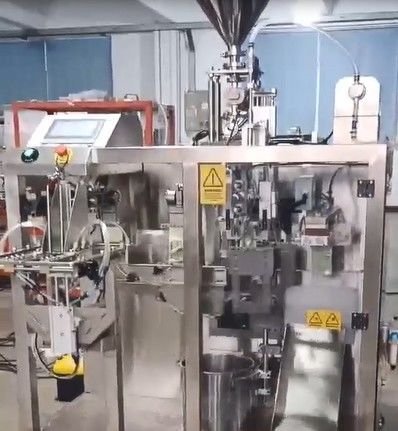
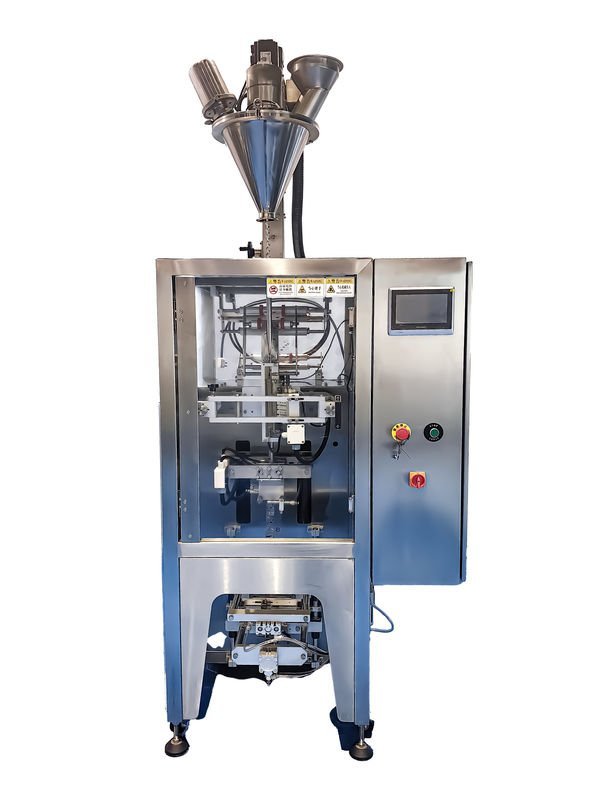
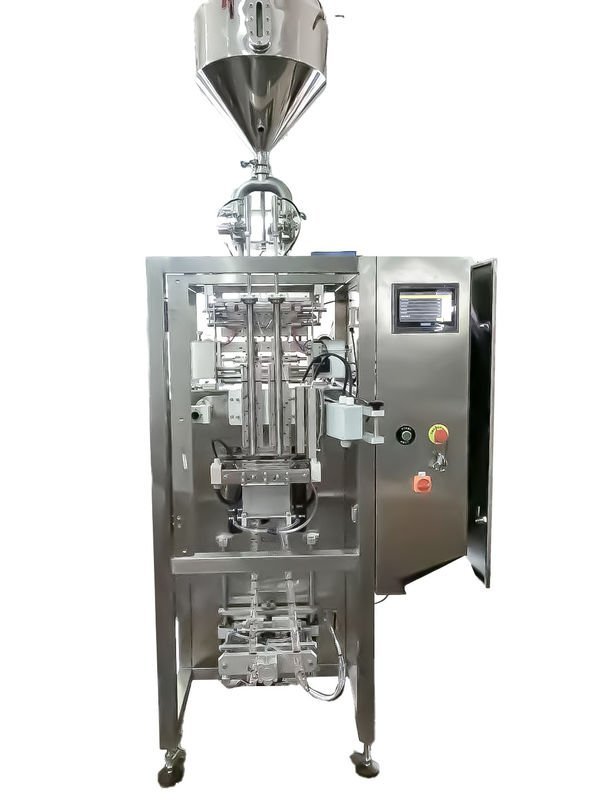
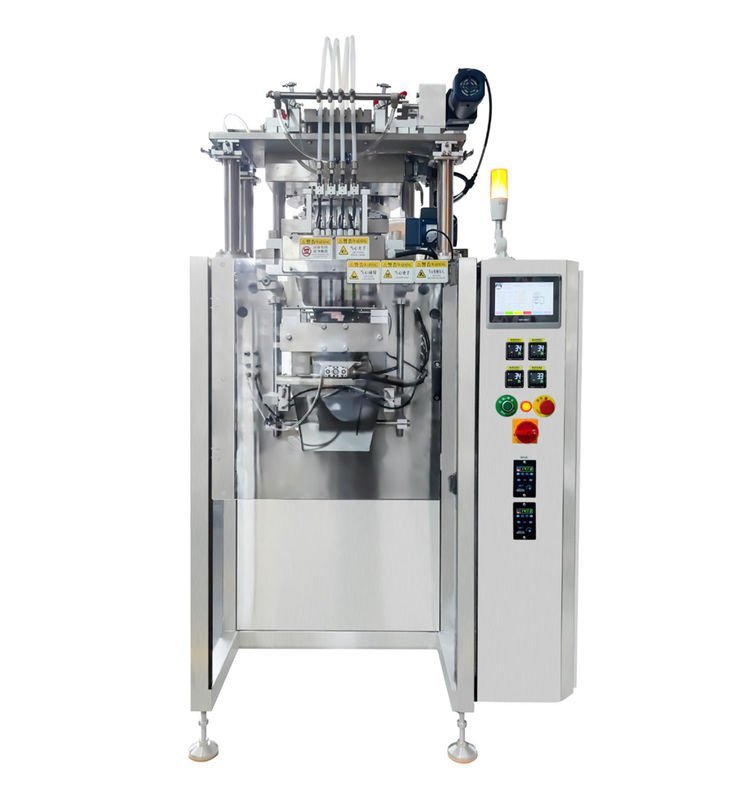
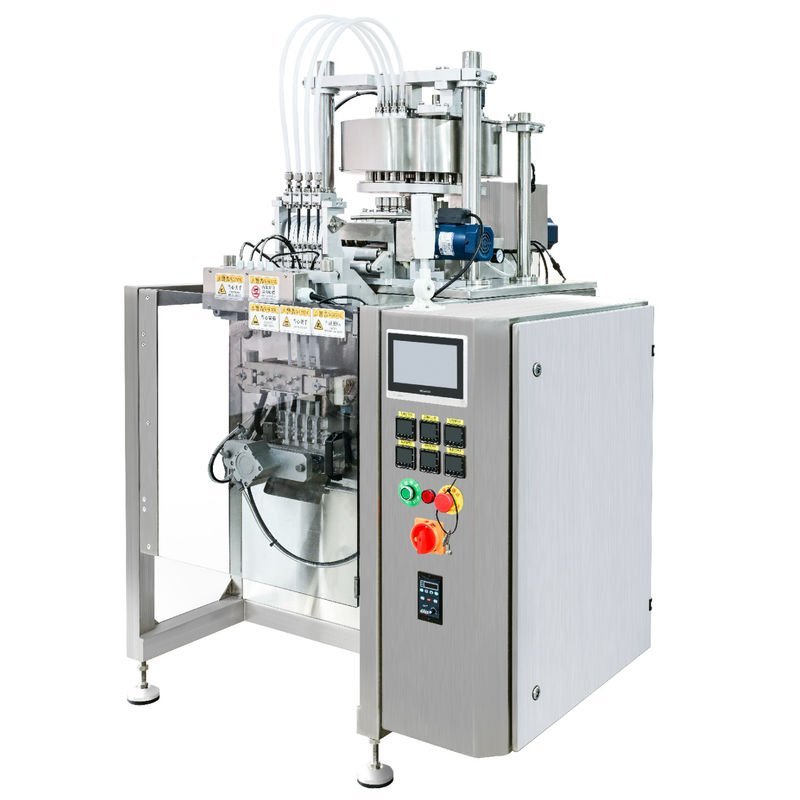
- Sachet & Stick Pack Machines: Ideal for single-serve portions of powders, granules, or liquids. They are incredibly versatile for products like instant coffee, sugar, pharmaceuticals, and condiments. Explore our range of sachet and stick pack machines designed for high-speed, precision output.
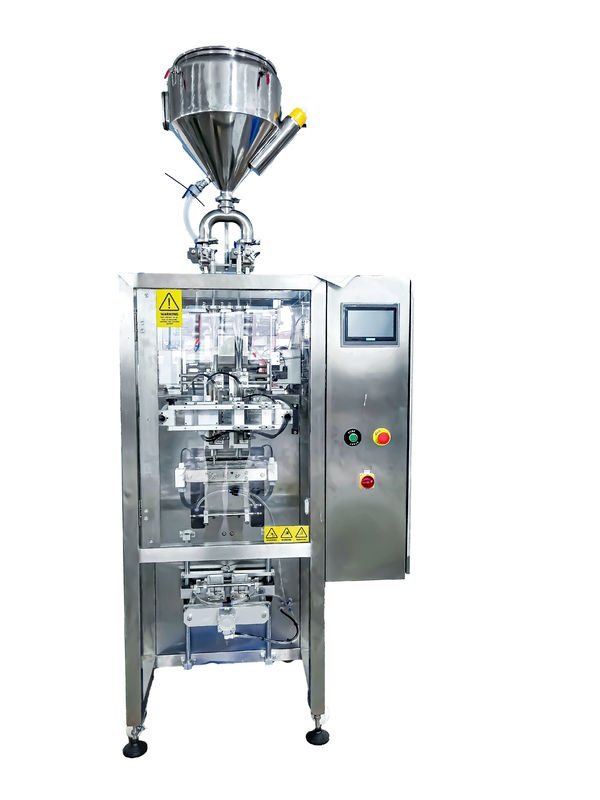
- Bag & Pouch Packaging Machines: Used for larger quantities, these systems can handle everything from stand-up pouches for snacks to vacuum bags for dried foods. They often incorporate advanced features like gas flushing for modified atmosphere packaging (MAP). Discover our bag and pouch packaging solutions.
- Specialized Machines: For niche markets, such as the growing snus and nicotine pouch sector, specialized snus packaging machines ensure precise filling and sealing of moisture-sensitive products.
2. Precision Weighing & Dosing Systems
The heart of accuracy in packaging. Multi-head weighers, auger fillers, and liquid pumps ensure each package receives the exact predetermined amount of product, crucial for compliance and consumer trust.
3. Integrated Filling & Packaging Lines
This is where synergy creates efficiency. A complete filling and packaging line seamlessly connects primary packaging machines with upstream and downstream processes—like product feeding, checkweighing, metal detection, labeling, and cartoning—creating a continuous, synchronized flow from raw material to shipping case.
4. Auxiliary & Support Equipment
No line is complete without robust support systems. This includes auxiliary equipment like air compressors, dust extraction systems, conveyor belts, and control software that monitors performance and collects production data for analysis and optimization.
Meeting Global Standards: A Manufacturer’s Commitment
Selecting a packaging equipment provider is a strategic partnership. A reliable manufacturer like Packmate (GuangDong) Co., Ltd. brings over 22 years of focused experience in serving the food and pharmaceutical sectors. Operating from a modern 20,000㎡ facility in the heart of China’s Greater Bay Area manufacturing hub, Packmate embodies the regional ethos of precision engineering, scalability, and relentless innovation.
The company’s journey, from a dedicated workshop in 1993 to a formalized enterprise in 2003, mirrors the growth of automation in Asia’s industrial landscape. With a portfolio of over 50 machine models and a team of 125+ professionals, their philosophy is rooted in developing complete turnkey solutions. This means they don’t just sell machines; they engineer, install, and support integrated systems tailored to a client’s specific product, output target, and regulatory environment. This holistic approach ensures that from the first granule to the final pallet, the process is seamless, compliant, and efficient. Learn more about their journey and capabilities on the About Us page.
Implementation and Future Trends
Implementing a complete automated line requires careful planning: a thorough analysis of the product characteristics, desired packaging materials, required output speed, and factory floor space. The future of material packaging is leaning towards even greater connectivity and intelligence. The integration of Industry 4.0 principles, with IoT sensors and AI-driven analytics, allows for predictive maintenance, real-time quality control, and dynamic adjustment of machine parameters, pushing efficiency and traceability to new heights.
For businesses in the food and pharmaceutical industries, investing in a complete automated packaging solution is no longer a luxury but a strategic necessity for competitiveness, compliance, and growth. It represents a commitment to quality, safety, and operational excellence that resonates with consumers and regulators alike.
Frequently Asked Questions (FAQs)
1. What are the key factors when choosing packaging equipment for pharmaceutical products?
The paramount factors are hygienic design (often requiring CIP/SIP capabilities), material compatibility (for sterile or aggressive substances), and compliance with standards like cGMP and FDA regulations. Accuracy in dosing and impeccable traceability of each batch are also critical.
2. Can one automated line handle different product types or packaging sizes?
Yes, many modern lines are designed with changeover flexibility. Quick-change parts, programmable settings, and modular design allow the same line to be reconfigured for different product formats or bag/pouch sizes with minimal downtime, maximizing ROI.
3. How does automated packaging improve sustainability?
Automation enhances sustainability by dramatically reducing product waste through precise filling, optimizing material usage, and enabling the use of newer, thinner, recyclable or compostable packaging films that might be difficult to run on older equipment.
4. What kind of support can we expect after purchasing a complete packaging line?
A reputable provider offers comprehensive after-sales support, including installation supervision, operator training, readily available spare parts, remote troubleshooting, and on-site maintenance services to ensure maximum uptime and longevity of the equipment.
5. Are these solutions suitable for small to medium-sized enterprises (SMEs)?
Absolutely. The market offers scalable solutions. Manufacturers provide modular and compact lines that offer a high degree of automation perfect for SMEs looking to grow, improve quality, and reduce labor dependency without the footprint or investment of a massive industrial line.