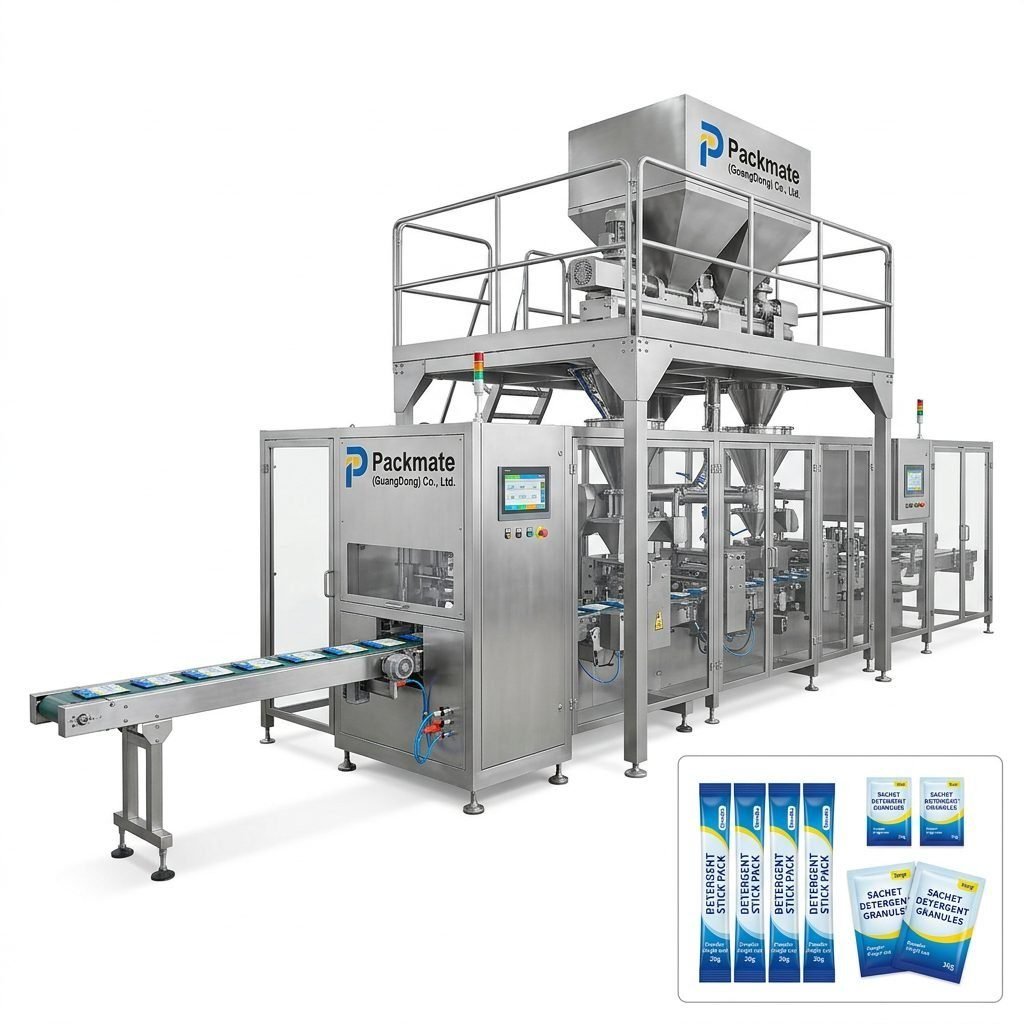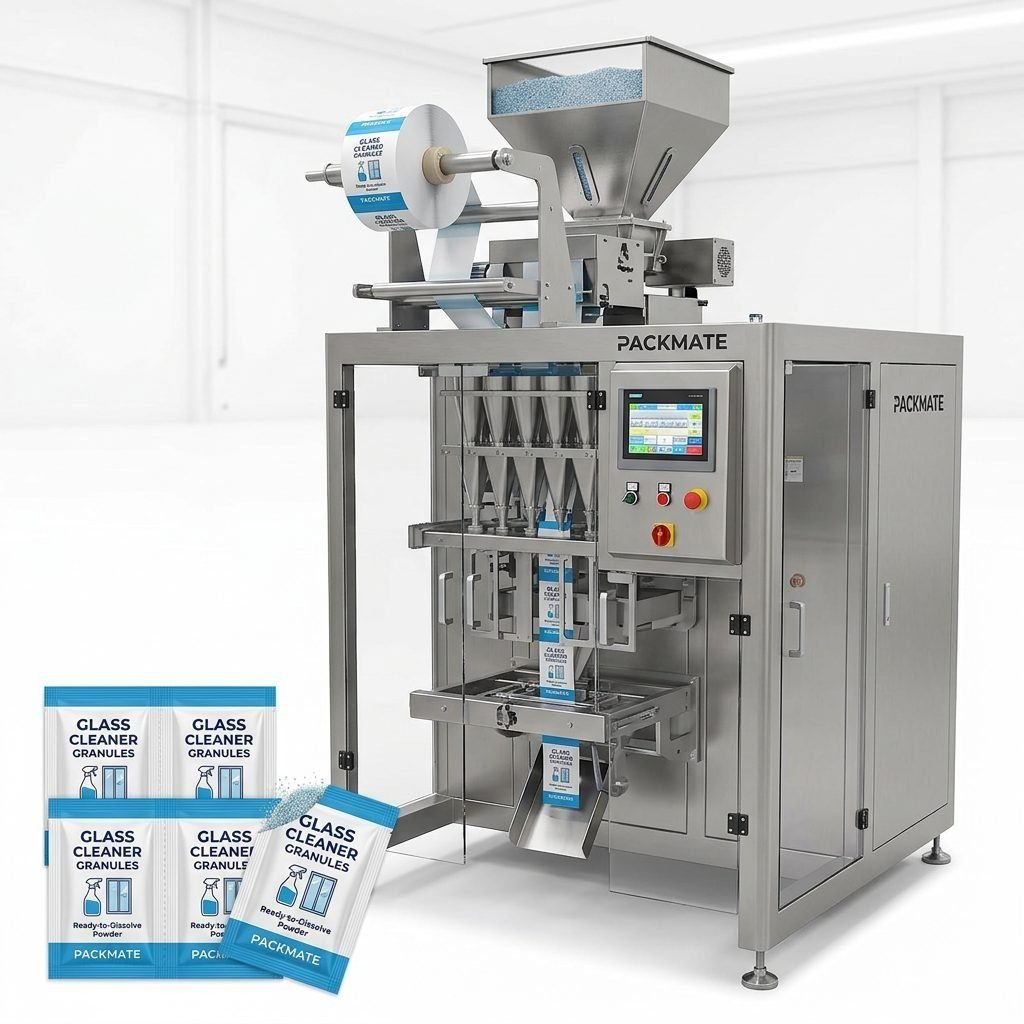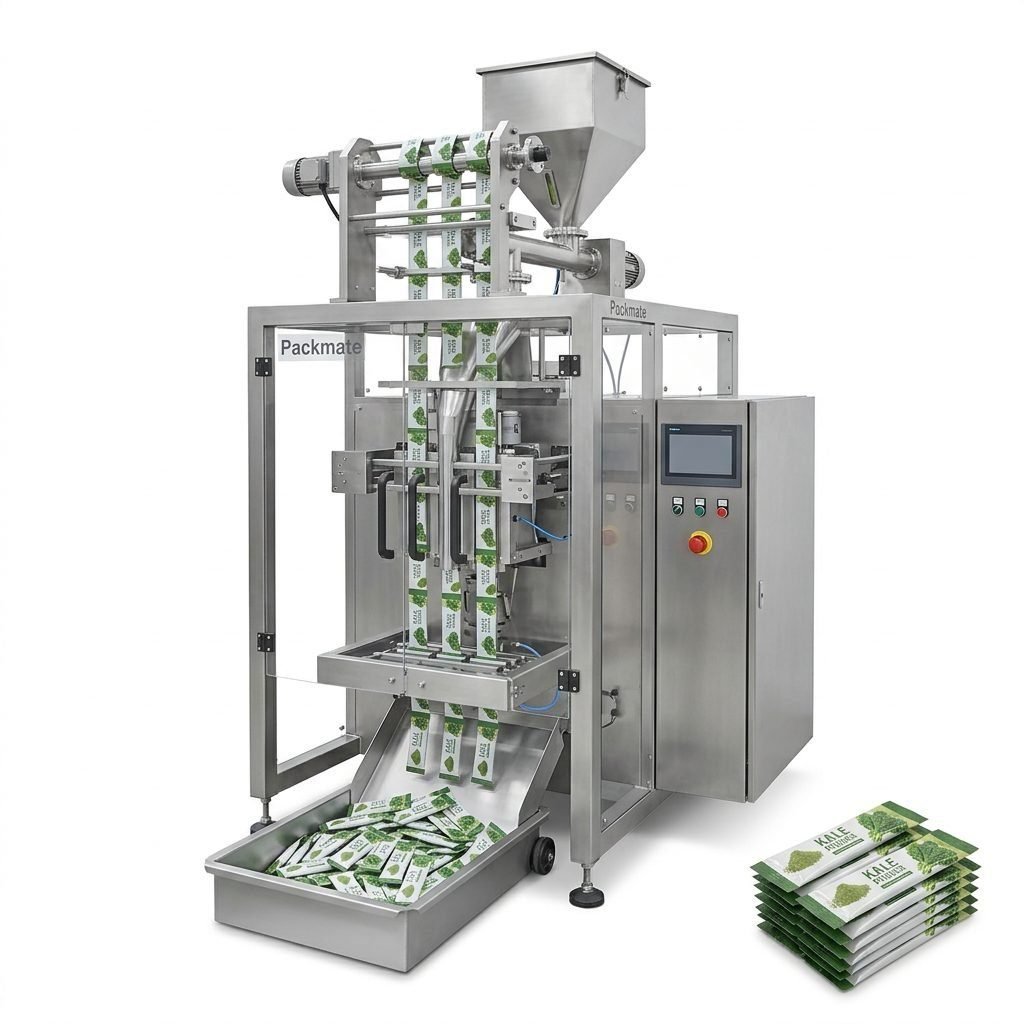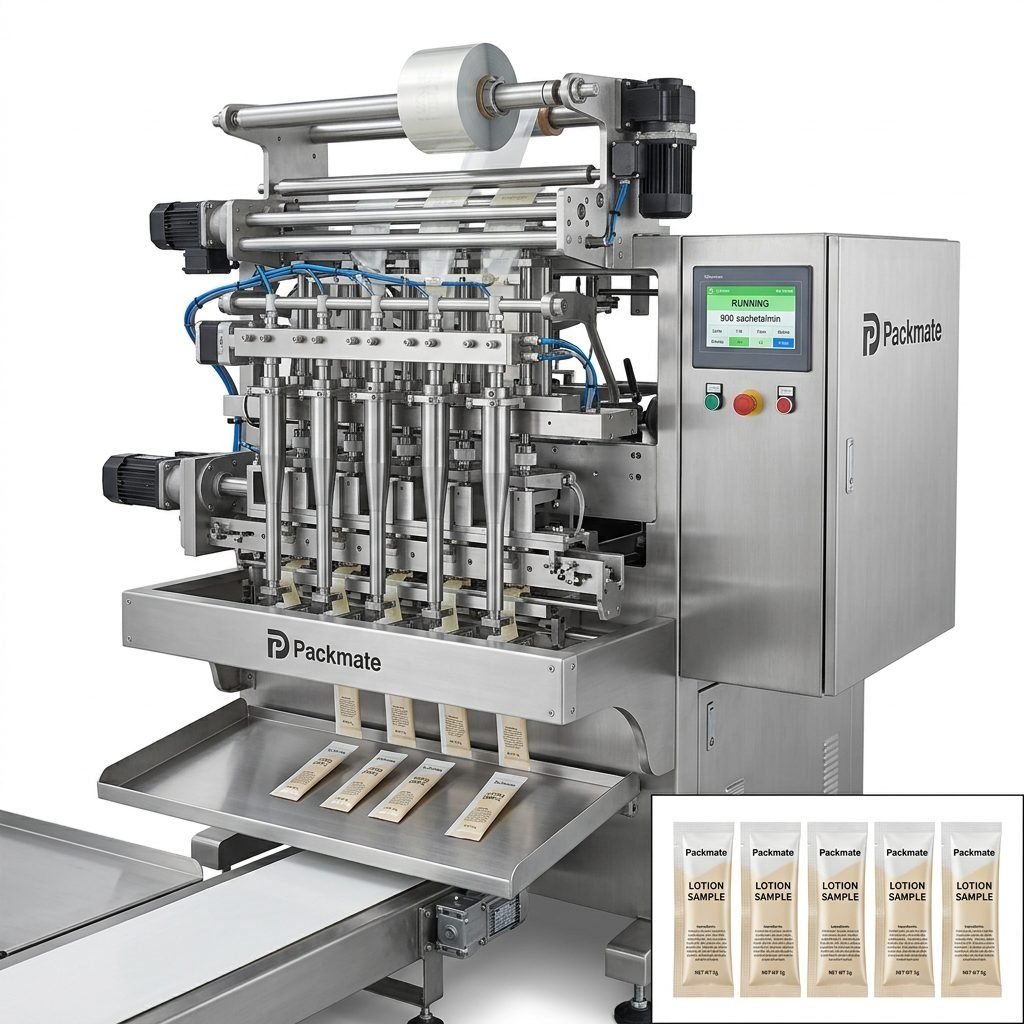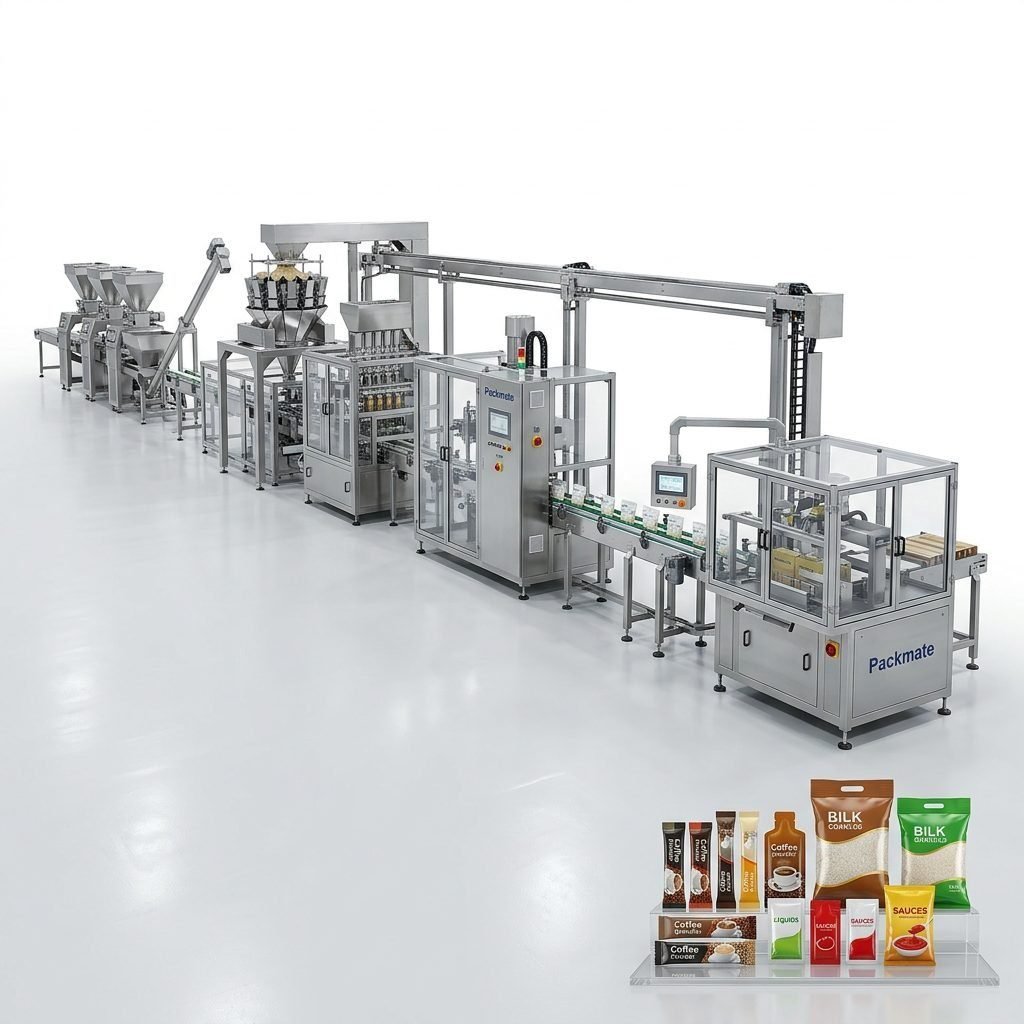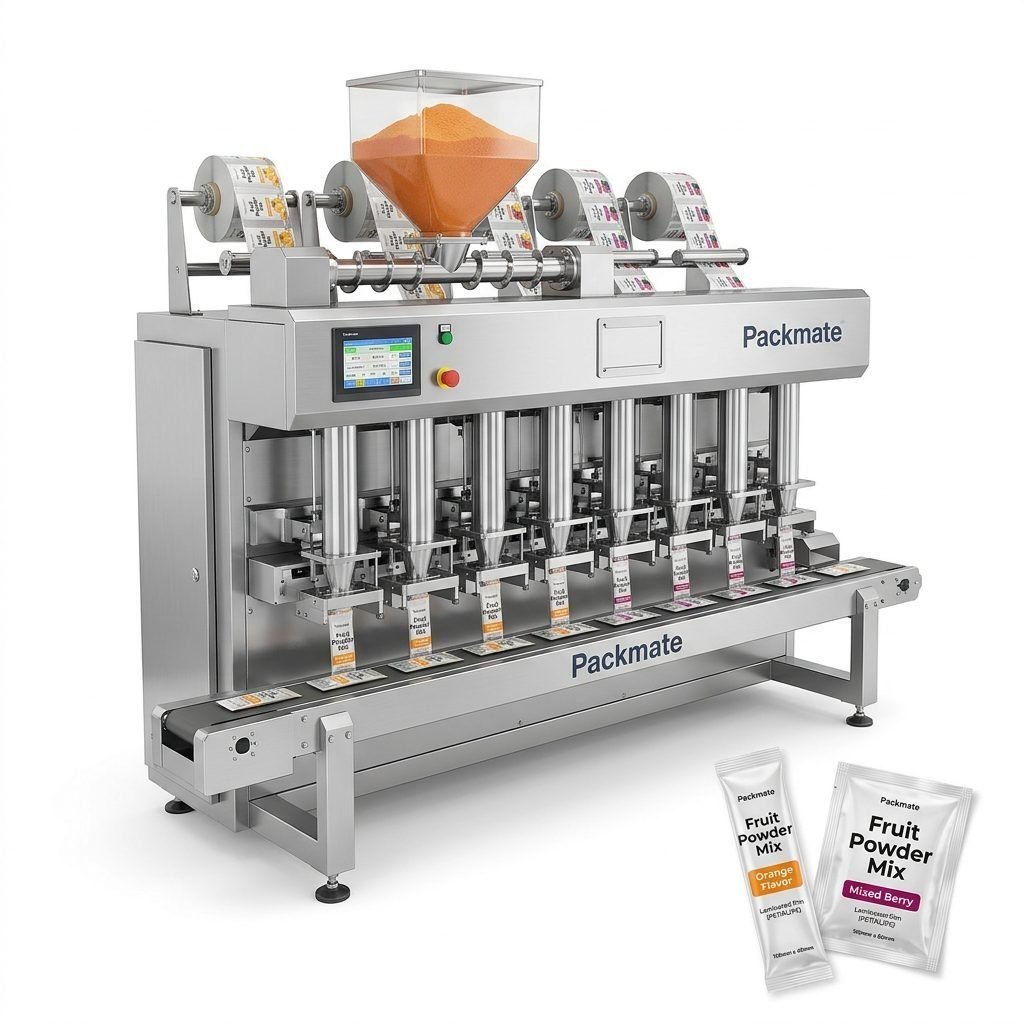
In today’s fast-paced manufacturing world, efficiency and precision are paramount. For producers of powders, granules, liquids, and pastes in sectors like food, pharmaceuticals, nutraceuticals, and chemicals, a small sachet filling machine is often the cornerstone of a successful packaging operation. These compact yet powerful systems automate the process of forming, filling, and sealing individual single-serve or portion-control packets, driving consistency, speed, and significant cost savings.
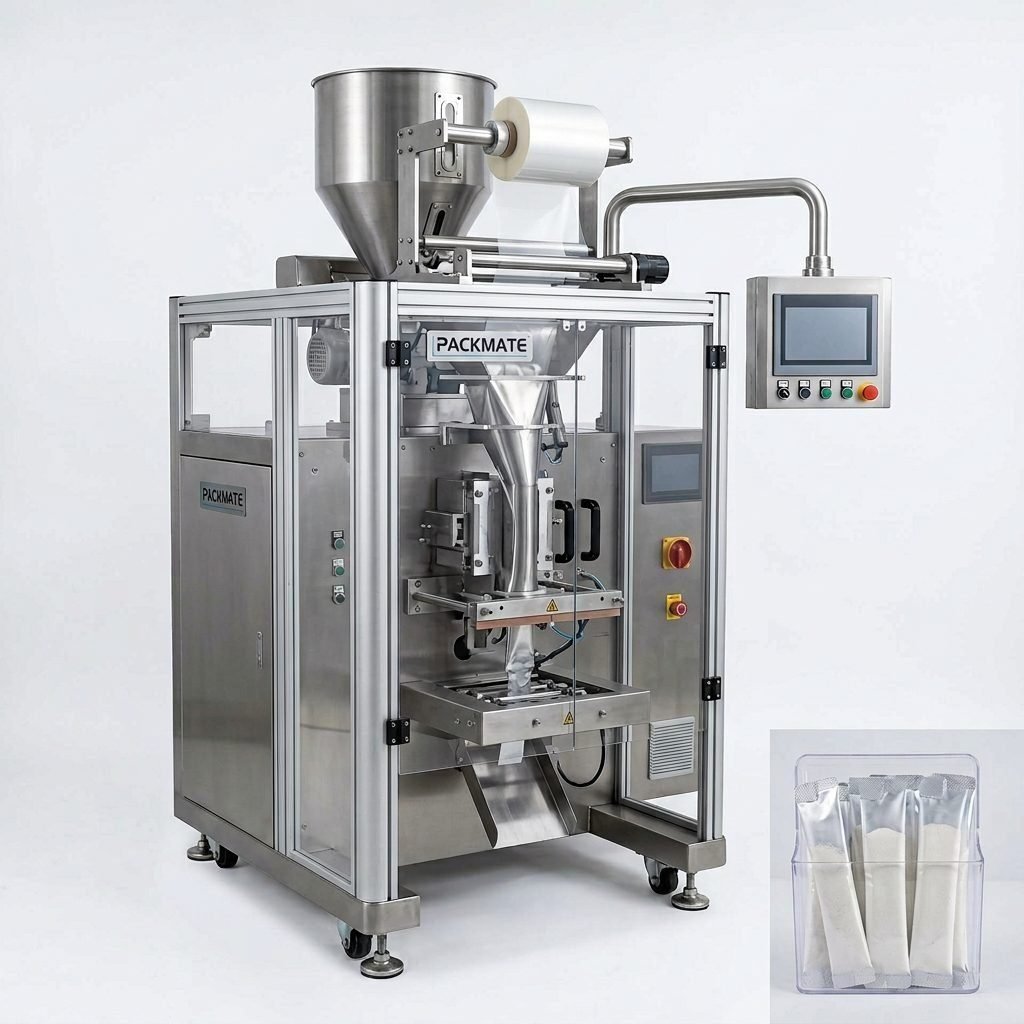
This guide delves deep into the world of small sachet filling machines. We’ll explore how to choose the right equipment for your specific needs, best practices for operation, and essential maintenance routines to ensure longevity and peak performance. Whether you’re packaging instant coffee in Europe, spice mixes in the Middle East, or pharmaceutical powders in North America, the principles of selecting and maintaining efficient machinery remain consistent, though regional preferences for materials and formats may vary.
Understanding Small Sachet Filling Machines
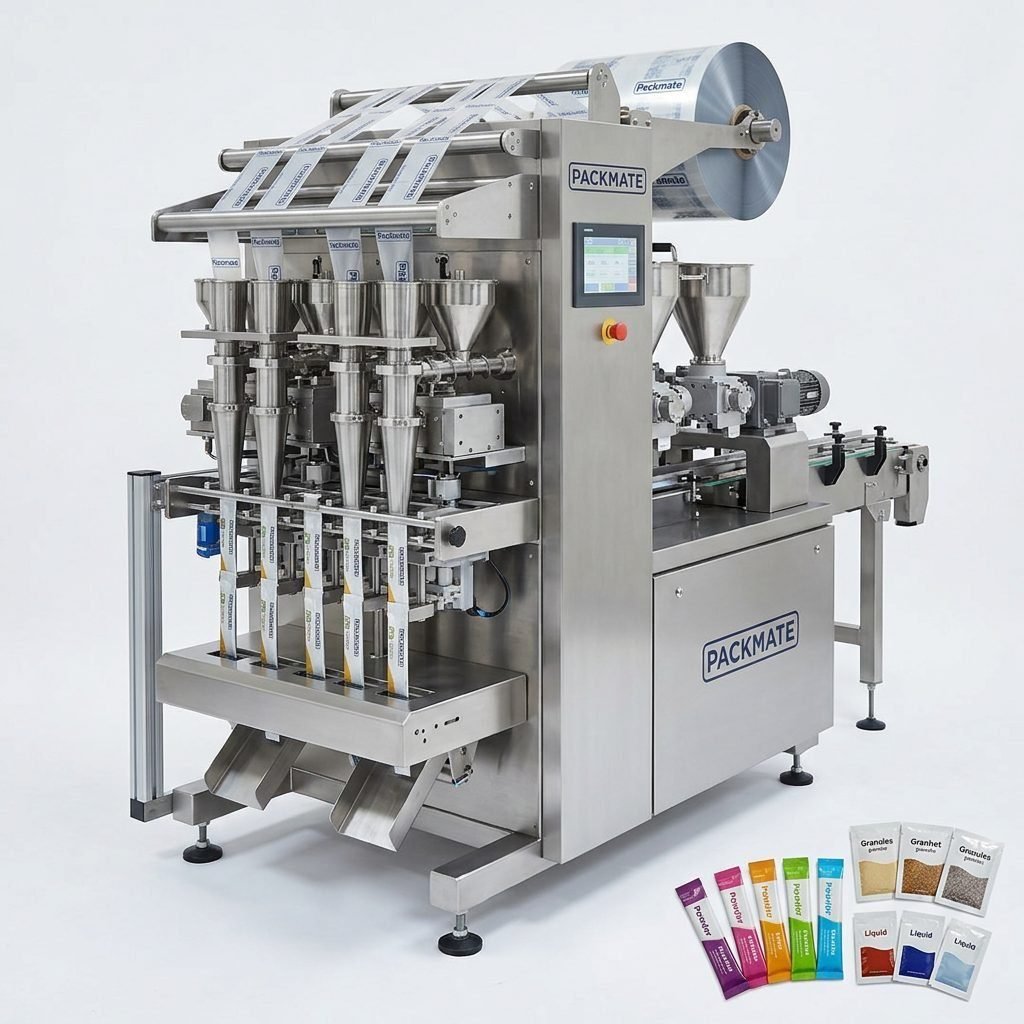
A small sachet filling machine is a type of vertical form-fill-seal (VFFS) machine specifically designed for producing small, flat pouches. The process is continuous and automated: a roll of packaging film is formed into a tube, sealed along the vertical edge, filled with a pre-measured dose of product, and then sealed horizontally to create the individual sachet before being cut apart.
Key Advantages: These machines excel at high-speed production of uniform sachets, minimizing product waste, ensuring accurate dosing, and reducing labor costs. They are highly adaptable to different sachet sizes, shapes, and materials, making them ideal for a diverse range of products from ketchup and shampoo samples to electrolyte powders and medicinal creams.
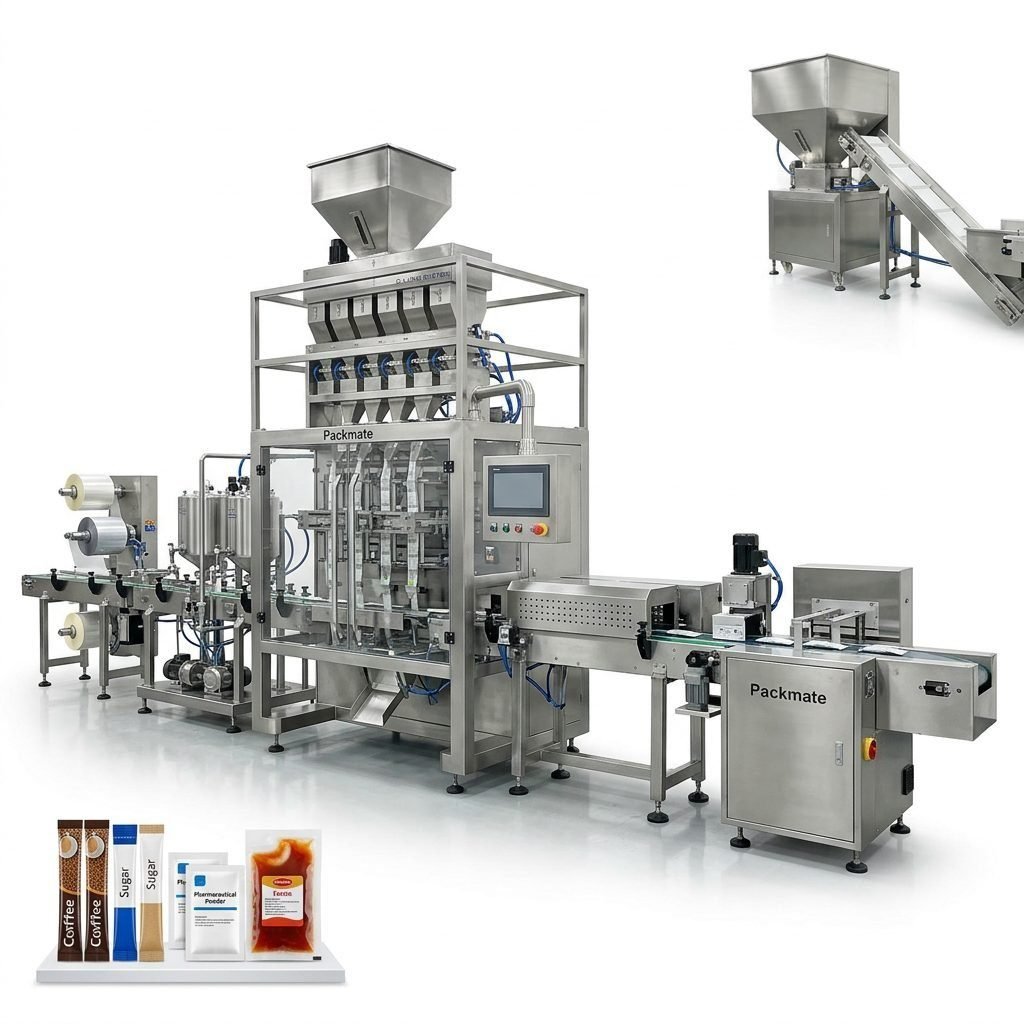
Key Components and Their Functions
- Film Unwind System: Holds and feeds the roll of packaging material (laminate, foil, paper).
- Forming Shoulder: Shapes the flat film into a cylindrical tube.
- Vertical Sealing Jaw: Creates the back seal of the sachet.
- Product Dosing System: The heart of the machine; accurately measures and dispenses the product. Types include volumetric cup fillers, auger fillers (for powders), liquid pumps, and net weight scales.
- Horizontal Sealing Jaws: Create the top and bottom seals of each sachet and cut them apart.
- Control Panel (HMI): The user interface for setting parameters like sachet length, speed, fill volume, and temperature.
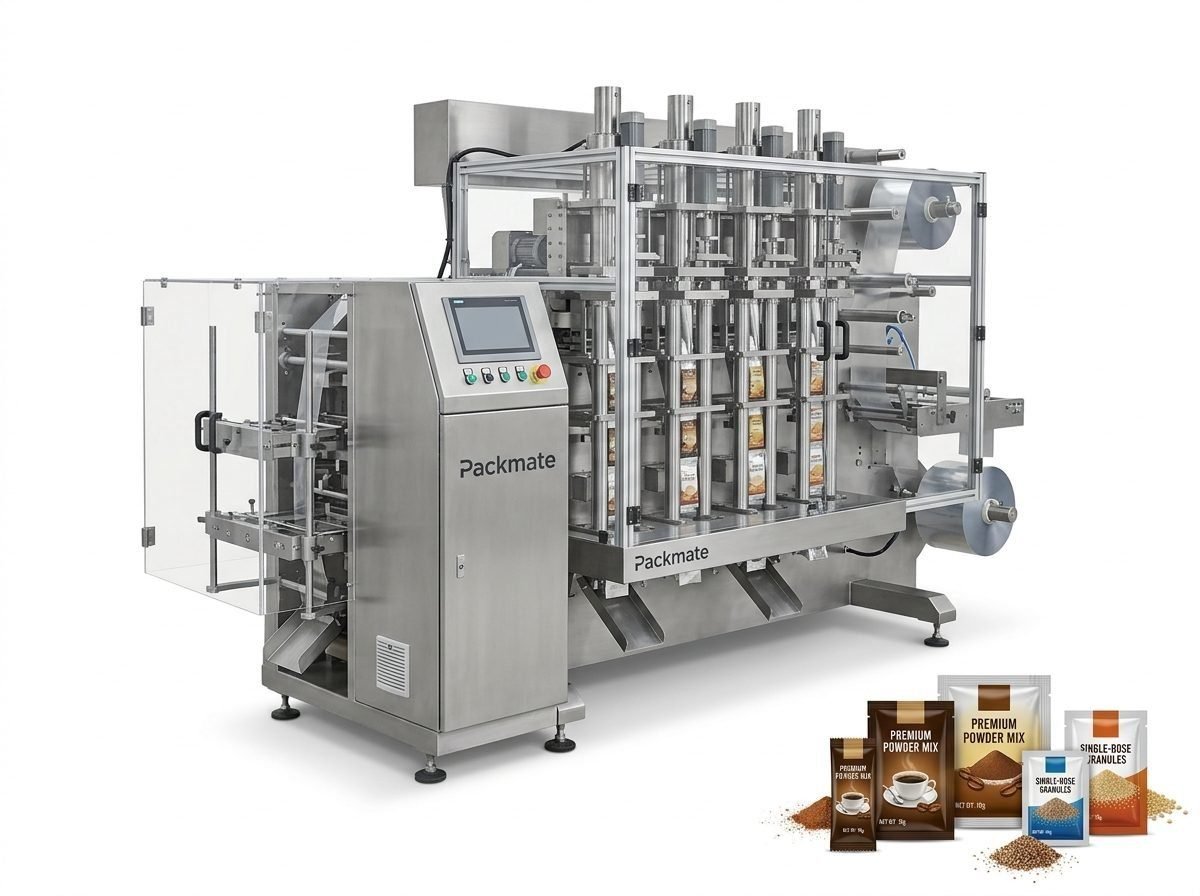
How to Choose the Right Sachet Filling Machine
Selecting the optimal machine requires a careful analysis of your product, production goals, and operational environment. Rushing this decision can lead to inefficiency, product waste, and frequent downtime.
1. Define Your Product Characteristics
The nature of your product dictates the type of filling system you need.
| Product Type | Recommended Filling System | Key Considerations |
|---|---|---|
| Fine Powders (e.g., protein, spices) | Auger Filler with Anti-Bridging | Dust control, powder flowability, precision screw design. |
| Granules (e.g., instant coffee, sugar) | Volumetric Cup or Auger Filler | Particle size uniformity, potential for breakage. |
| Liquids (e.g., sauces, oils) | Liquid Pump Filler (Piston or Gear Pump) | Viscosity, foaming tendency, need for drip-less nozzles. |
| Pastes & Creams (e.g., ointments, toothpaste) | Piston Filler | High viscosity, product stickiness, ease of cleaning. |
2. Determine Your Production Requirements
- Output Speed (Sachets per Minute): Match the machine’s capacity to your current and projected demand. A machine from Ludyway might offer different speed models suitable for both pilot plants and high-volume factories.
- Sachet Size and Format: Define the minimum and maximum dimensions (length, width) and the type of seal (3-side seal, 4-side seal, pillow pouch).
- Packaging Material: The machine must be compatible with your film (e.g., PET/AL/PE, paper laminate). Consider barrier properties for moisture or oxygen sensitivity.
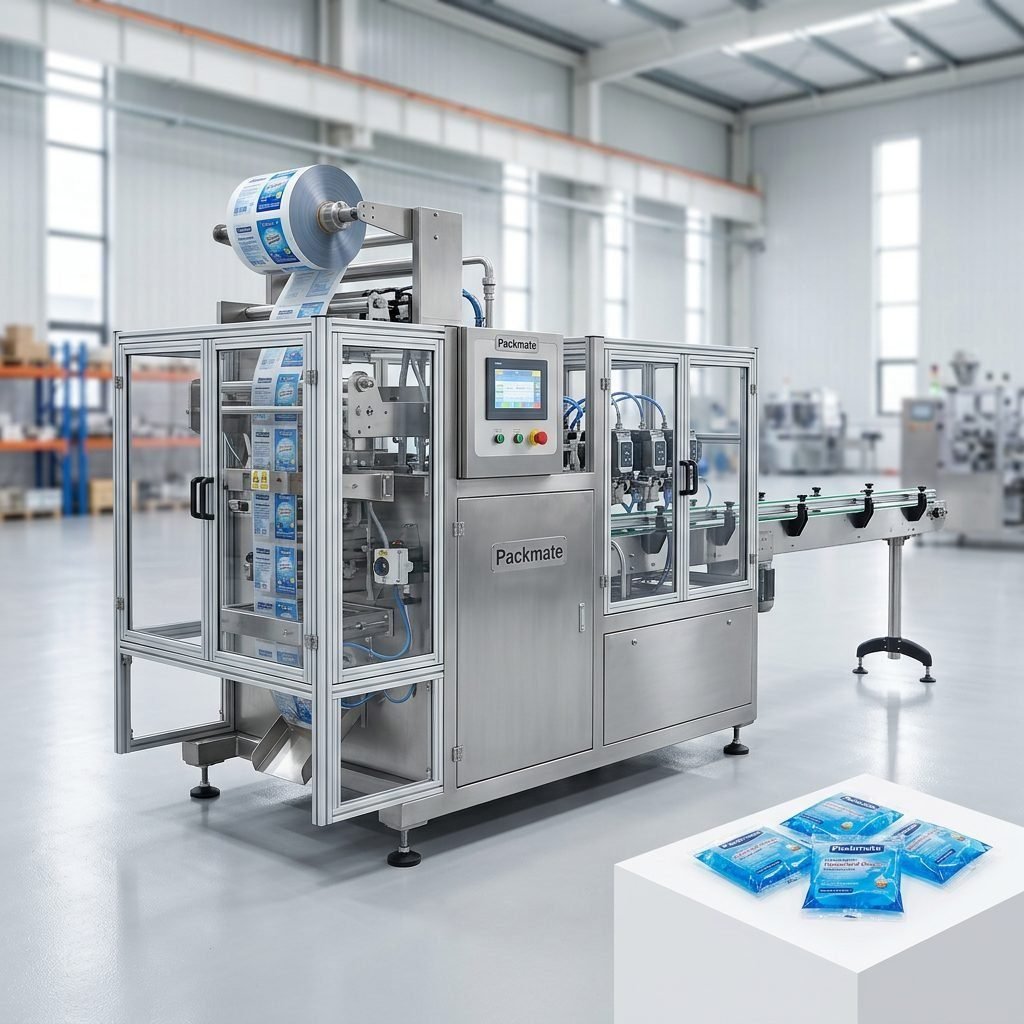
3. Evaluate Machine Features and Build Quality
Look for features that enhance efficiency and hygiene:
- Construction: Stainless steel (especially 304 or 316 grade) contact parts are essential for food and pharmaceutical applications for durability and cleanability.
- Control System: A user-friendly PLC-based touchscreen HMI allows for easy recipe storage, changeover, and diagnostics.
- Changeover Time: Quick-change parts for forming shoulders and sealing jaws minimize downtime between production runs.
- Accuracy: What is the fill weight tolerance? High-precision machines from suppliers like Packmate Machinery often incorporate feedback systems for consistent dosing.
- Safety & Compliance: Ensure the machine meets relevant safety standards (CE, UL) for your target market, such as Europe or North America.
4. Consider Integration and Support
Think beyond the standalone machine. Will it need to integrate with upstream mixers or downstream cartoners? For a complete line solution, a PacklineOEM can provide a fully synchronized system. Crucially, assess the supplier’s after-sales support: availability of spare parts, technical documentation, and service network in your region, be it Southeast Asia, South America, or Africa.
Best Practices for Operation and Maintenance
Proper operation and diligent maintenance are non-negotiable for maximizing the lifespan and efficiency of your sachet machine.
Daily Operation
- Startup Check: Visually inspect the machine for any loose parts, debris, or film jams. Ensure all safety guards are in place.
- Warm-up & Parameter Setting: Allow sealing jaws to reach the correct temperature. Input the correct recipe (film type, sachet length, fill weight).
- Test Run: Run a few cycles without product to check film tracking and seal integrity. Then, run with product and check the first 20-30 sachets for weight accuracy and seal quality.
- Monitor During Run: Regularly check fill weight, seal strength, and sachet appearance. Listen for unusual noises.
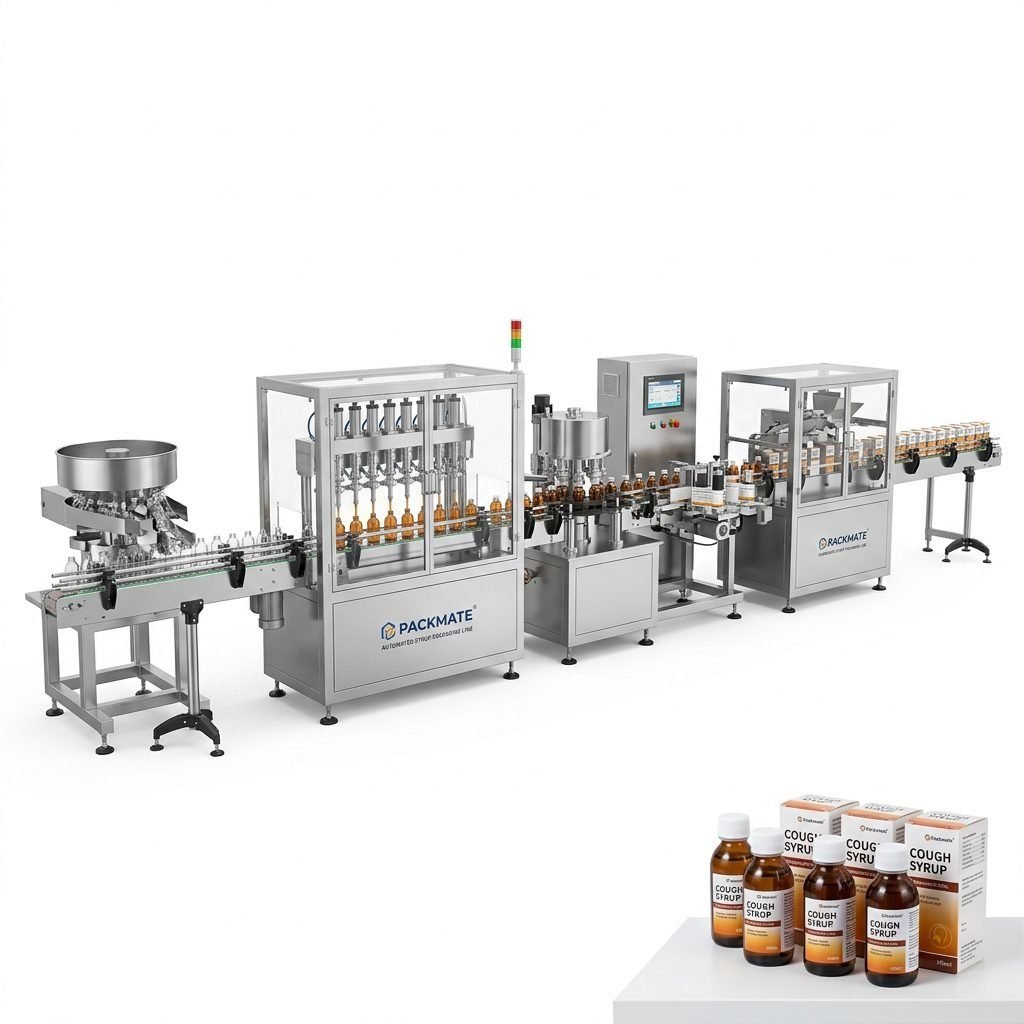
Preventive Maintenance Schedule
A proactive maintenance schedule prevents catastrophic failures. Always follow the manufacturer’s manual. For specialized machines, like those for nicotine pouches from SnusMachinery, follow their specific guidelines for cleaning and component checks.
| Frequency | Maintenance Tasks |
|---|---|
| Daily | Clean product contact parts (hoppers, augers, nozzles). Wipe down the exterior. Lubricate guide rails and chains as specified. |
| Weekly | Inspect sealing jaws for wear, residue, or damage. Check drive belts for tension and wear. Clean film sensors and photocells. |
| Monthly | Check and calibrate the weighing system (if equipped). Inspect electrical connections for tightness. Verify the performance of all safety interlocks. |
| Annually | Perform a comprehensive inspection by a qualified technician. Replace worn components like jaw seals, bearings, and filters. |
Troubleshooting Common Issues
- Poor Seals: Check jaw temperature, pressure, and dwell time. Ensure jaws are clean and parallel. The film material may be incorrect or of poor quality.
- Inconsistent Fill Weight: For powders, check for clumping or bridging in the hopper. For auger fillers, ensure the auger is the correct type and speed for the product. Calibrate the dosing system.
- Film Wrinkling or Misalignment: Adjust the film unwind brake tension. Check the alignment of the forming shoulder and guide rollers.
- Machine Jamming: Immediately stop the machine. Clear the jam carefully, following lock-out/tag-out procedures. Investigate the root cause (film splice, product clump, mechanical obstruction).
Maximizing Efficiency and ROI
To get the most from your investment, focus on optimization:
- Operator Training: Well-trained operators are your first line of defense against downtime and waste. Ensure they understand setup, operation, cleaning, and basic troubleshooting.
- Optimize Changeovers: Use standardized tooling and implement a Single-Minute Exchange of Die (SMED) methodology to reduce downtime between product runs.
- Preventive Spare Parts: Keep critical spare parts (sealing jaws, heater bands, fuses, sensors) in stock to minimize repair delays.
- Data Tracking: Monitor key performance indicators (KPIs) like Overall Equipment Effectiveness (OEE), which combines availability, performance, and quality rates.
- Consider Customization: For unique products or challenging materials, a PackingMachineOEM can provide tailored solutions that standard machines cannot, potentially offering a better long-term ROI through higher yield and less waste.
Frequently Asked Questions (FAQ)
What is the typical speed range for a small sachet filling machine?
Speeds vary widely based on the machine type, sachet size, and product. Basic single-lane machines may run at 40-80 sachets per minute (spm), while advanced multi-lane machines can exceed 600 spm for simple products. It’s crucial to match speed expectations with your product’s characteristics and the machine’s dosing system capabilities.
Can one machine handle both powders and liquids?
Some machines are designed as multi-purpose and can be configured with interchangeable filling systems (e.g., swapping an auger for a liquid pump). However, this requires a complete changeover, including deep cleaning. For frequent switching between vastly different product types, dedicated machines are often more efficient.
How do I ensure the sachets are sealed properly and are leak-proof?
Proper sealing depends on the correct combination of temperature, pressure, and dwell time on the sealing jaws, matched to your specific packaging film. Conduct seal integrity tests regularly (e.g., burst tests, dye tests). Using high-quality, consistent film from a reliable supplier is equally important.
What is the difference between a volumetric filler and a net weight scale filler?
A volumetric filler (like a cup or auger) dispenses a consistent volume of product, which is cost-effective and fast. A net weight scale filler weighs each dose on a micro-scale, offering superior accuracy (±0.1% or better) for high-value products but is generally slower and more expensive. The choice depends on your product value and accuracy requirements.
How important is after-sales support when purchasing a machine?
Extremely important. A machine is a long-term investment. Reliable technical support, availability of spare parts, and comprehensive training are critical for minimizing downtime. When evaluating suppliers, prioritize those with a proven track record in your region and responsive customer service, as offered by established manufacturers with global export experience.