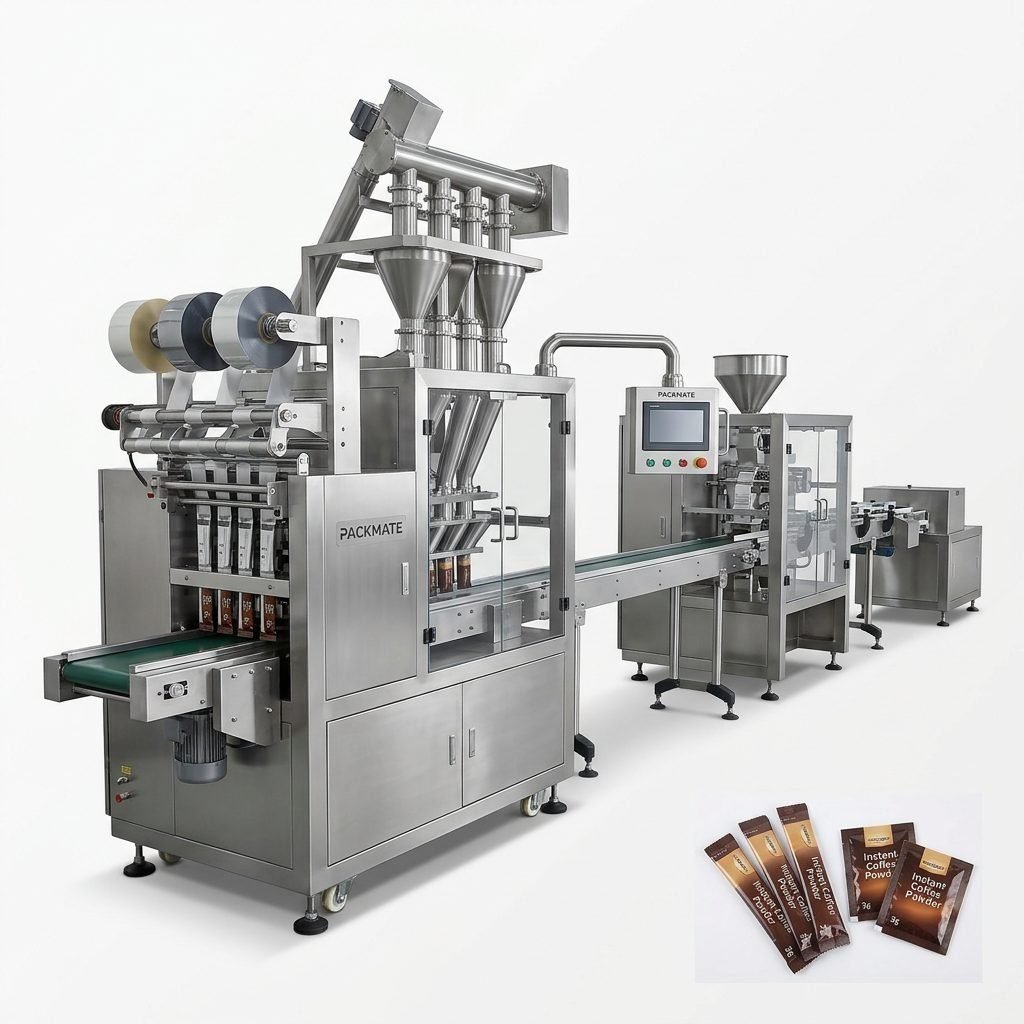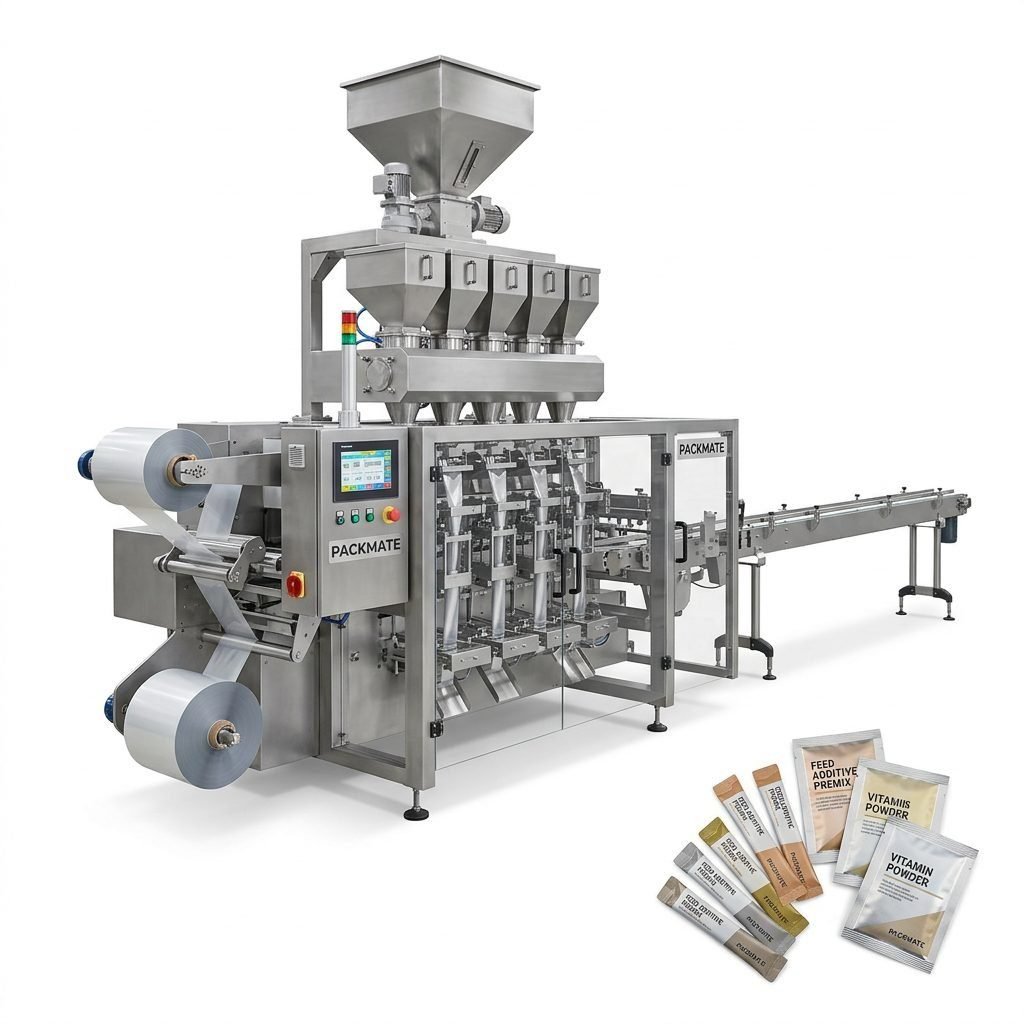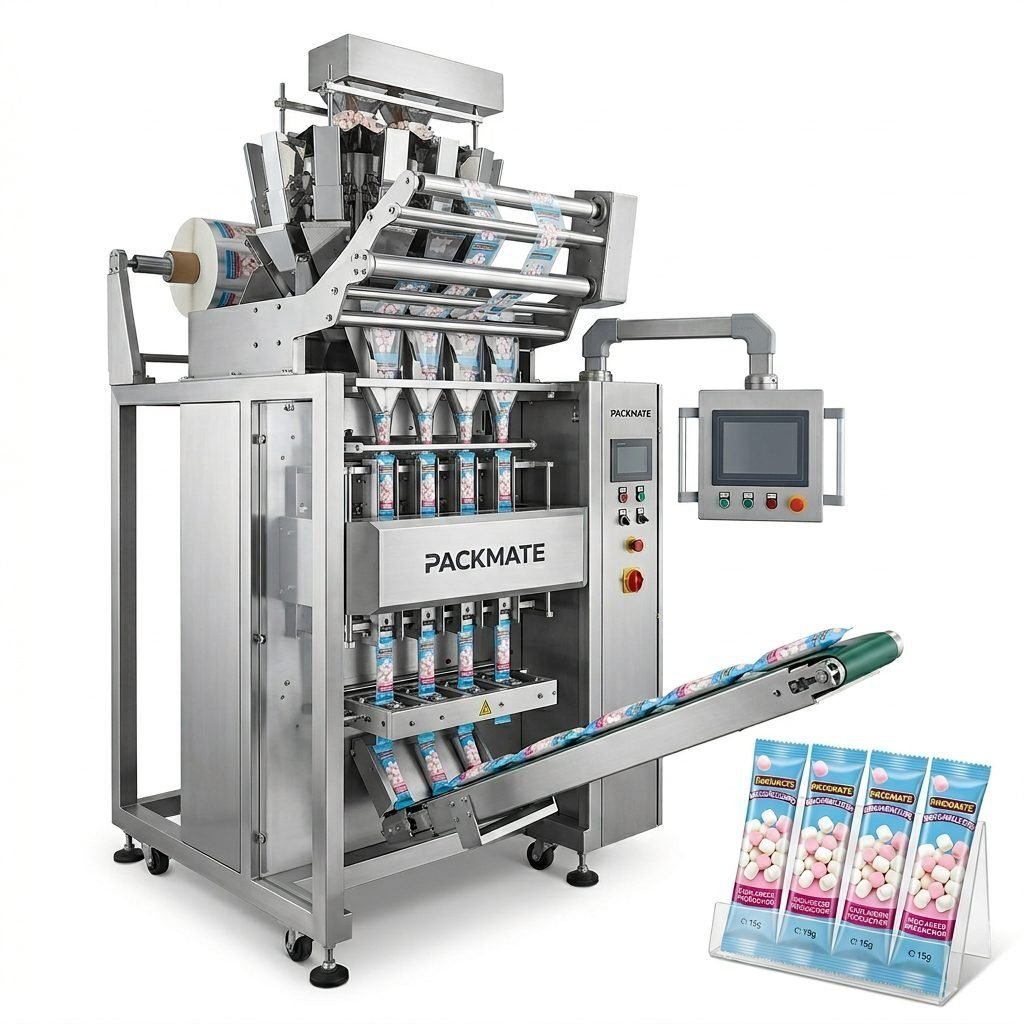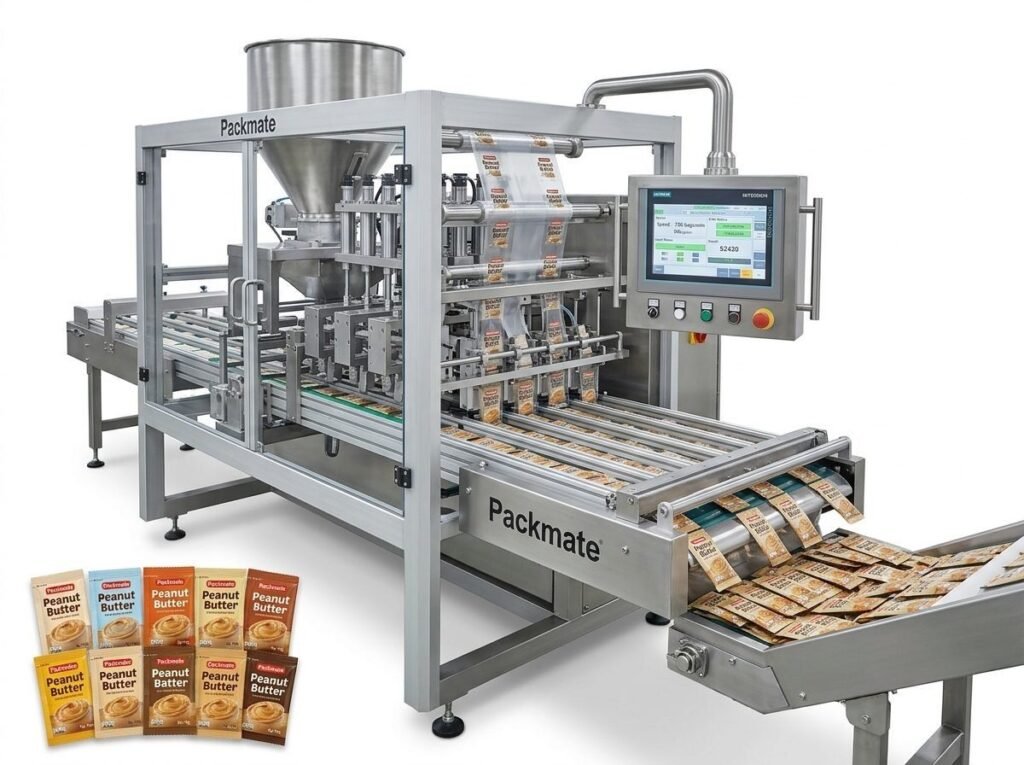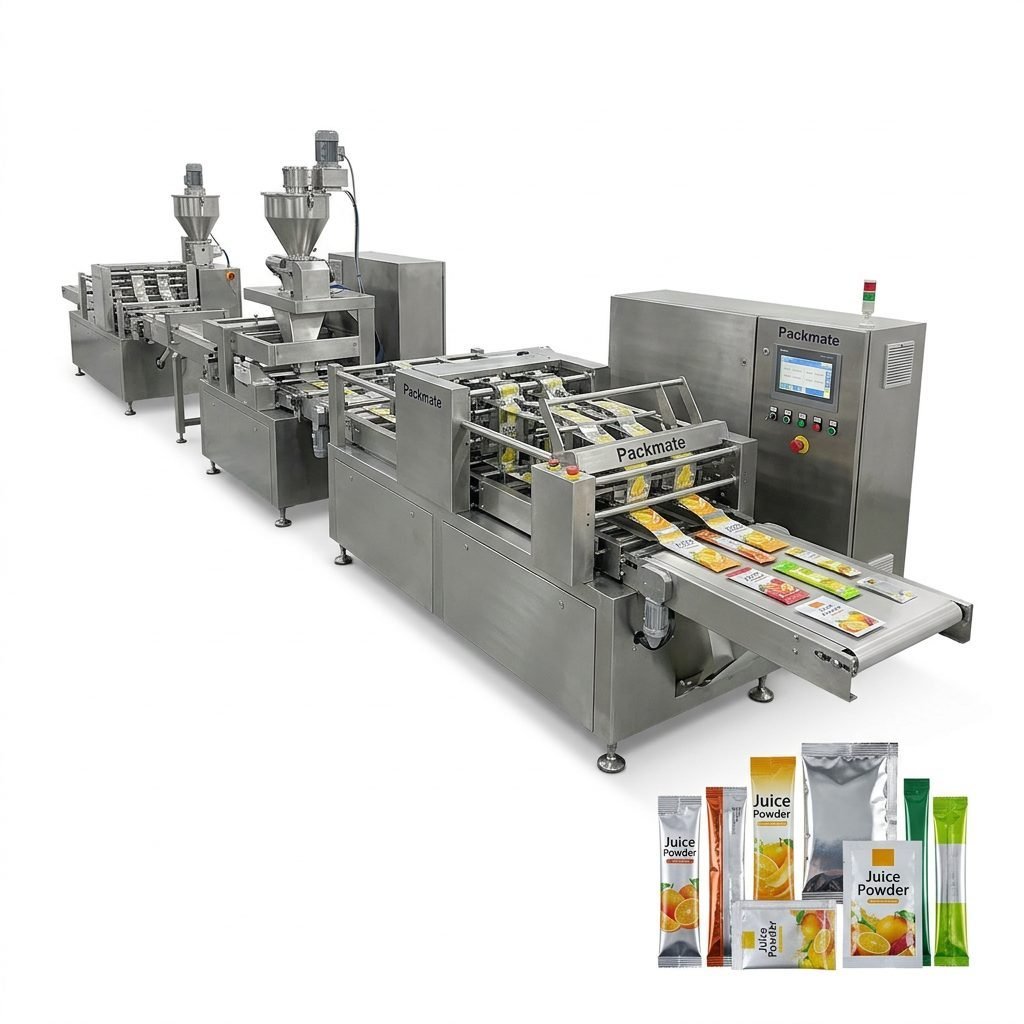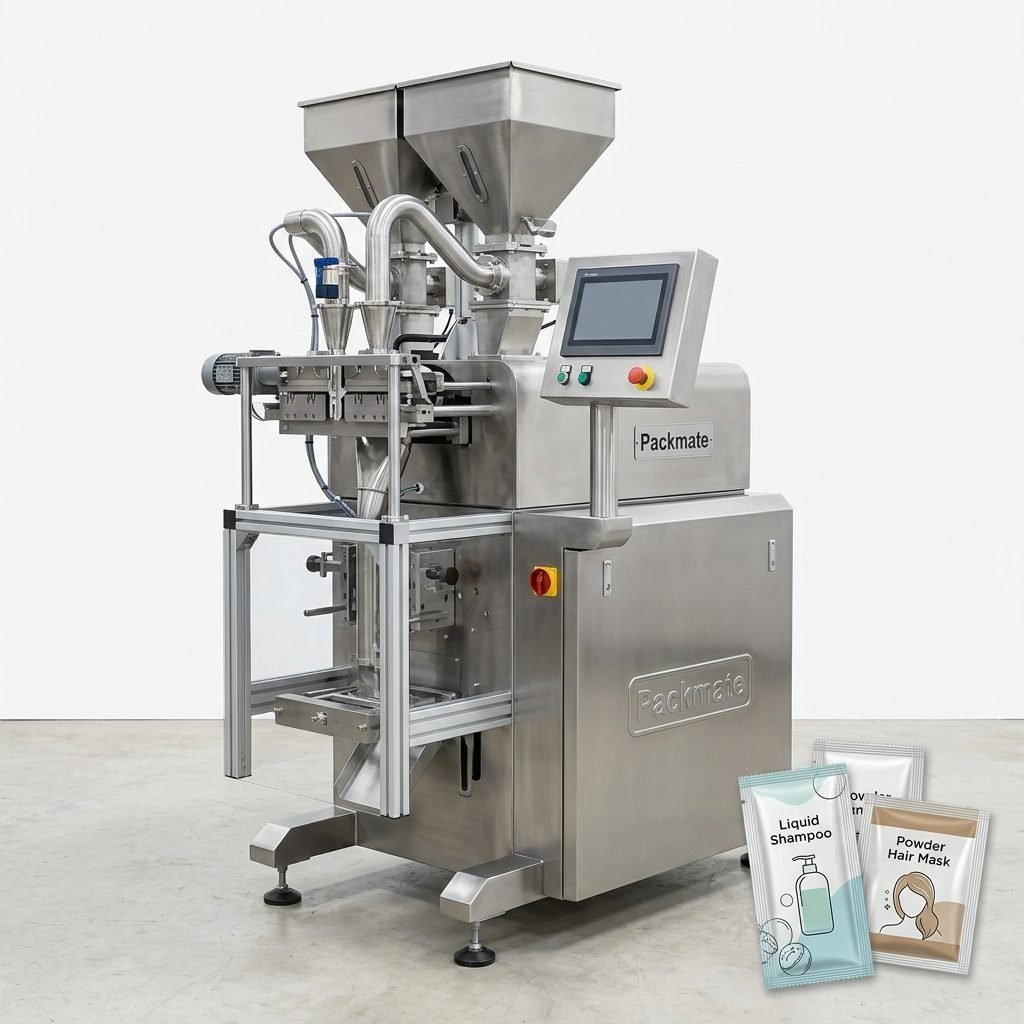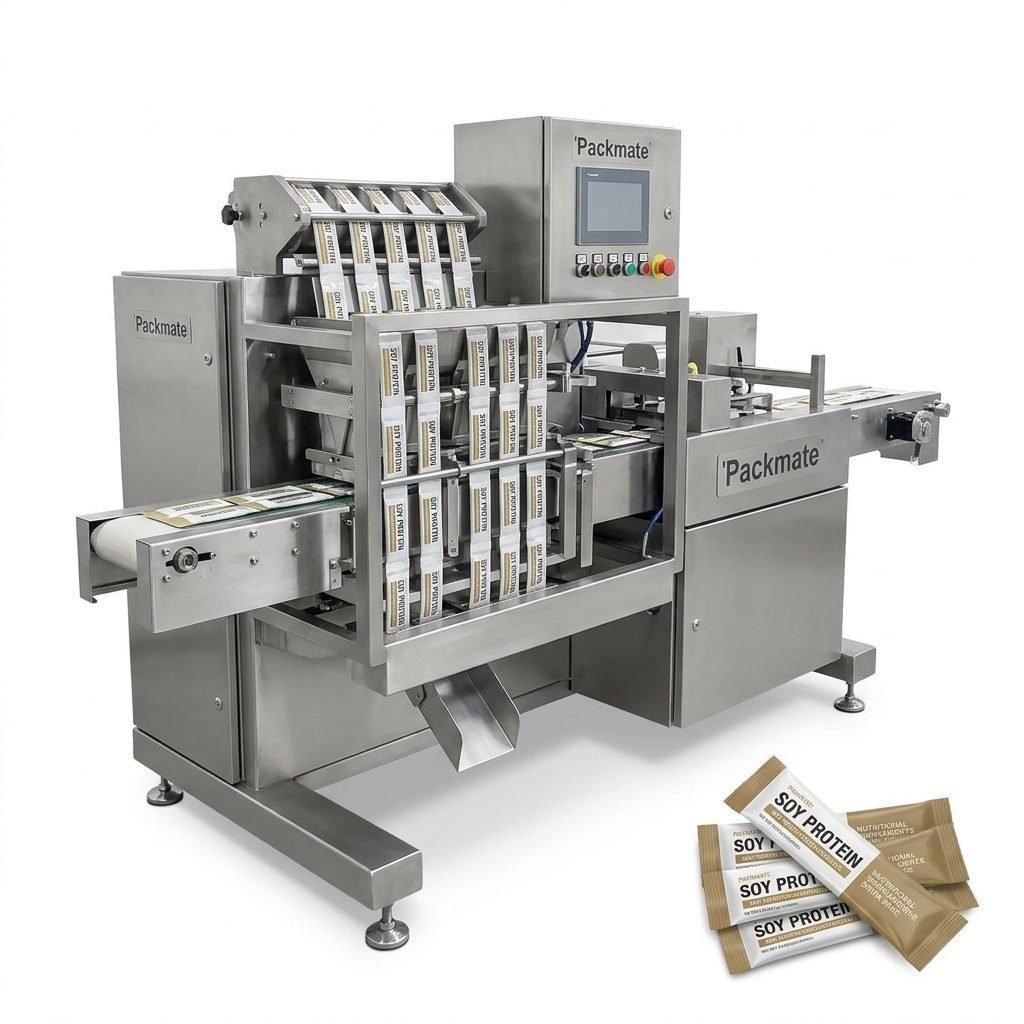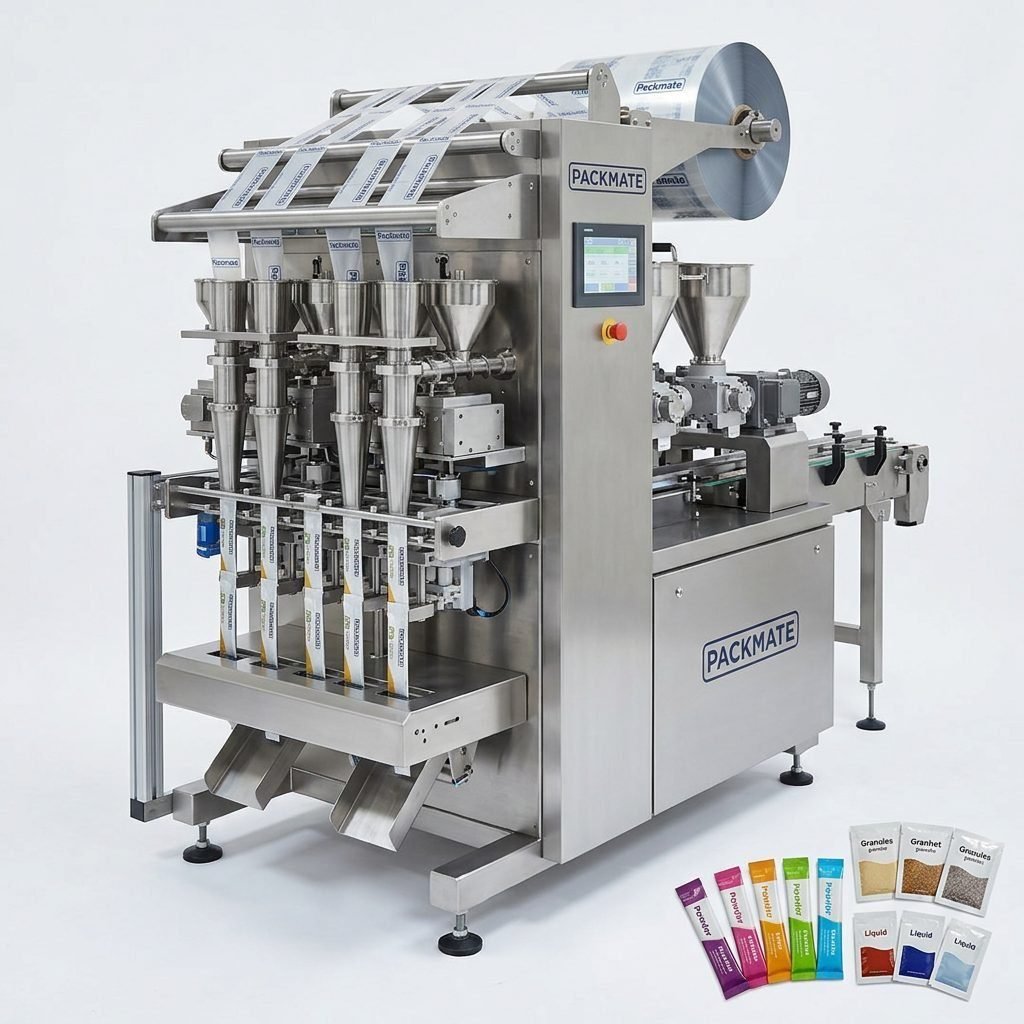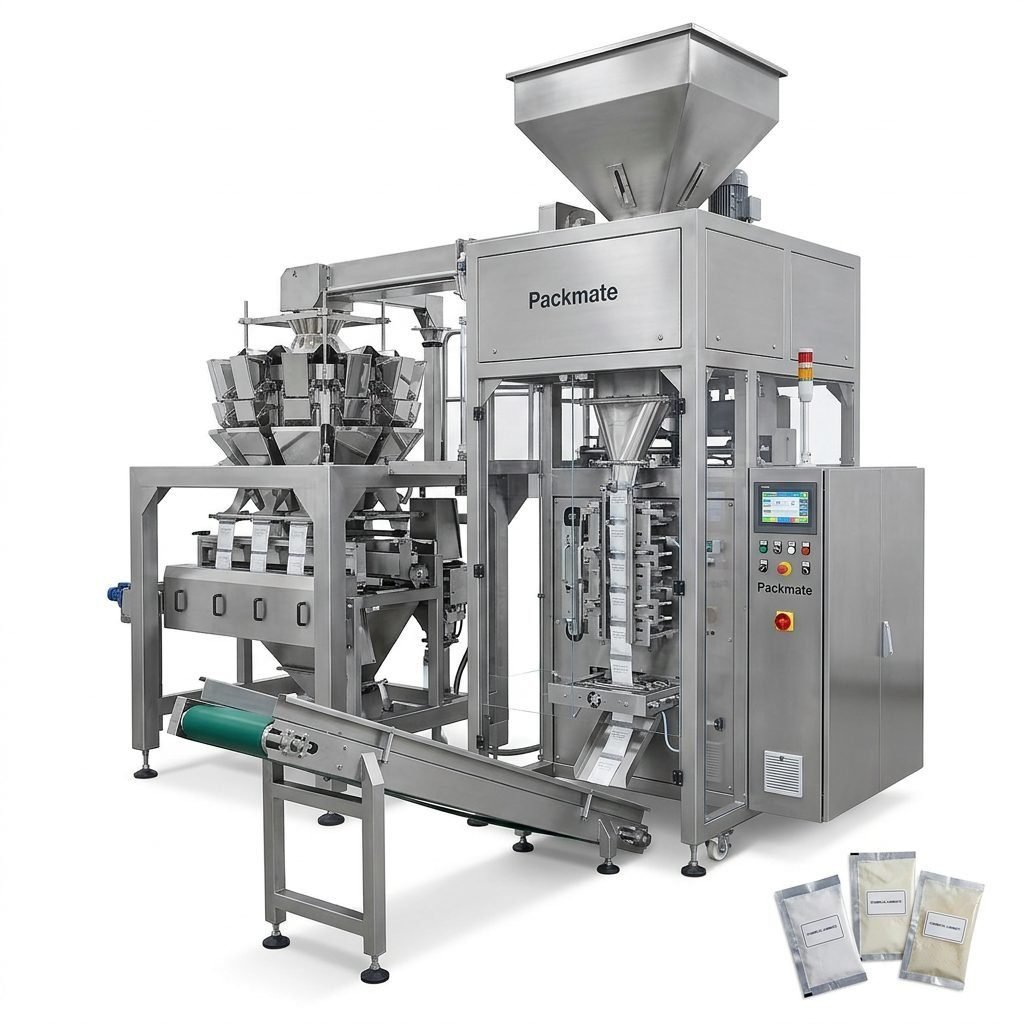
Indonesia’s manufacturing and consumer goods sectors are experiencing significant growth, driving demand for efficient and reliable packaging solutions. For business owners, production managers, and procurement specialists in the archipelago, selecting the right packaging machine manufacturer is a critical strategic decision. It impacts production efficiency, product quality, operational costs, and ultimately, market competitiveness. The choice becomes even more nuanced when considering Indonesia’s diverse industrial landscape, which ranges from large-scale food and beverage processing to burgeoning pharmaceutical and nutraceutical production, alongside a vibrant SME sector.
Key Factors for Indonesian Businesses to Consider
When evaluating potential suppliers, Indonesian companies should look beyond just the machine price. The local operational environment, characterized by specific power standards, humidity levels, and availability of technical support, necessitates a partner who understands these practicalities.
Product & Material Compatibility: The machine must handle your specific product form—whether it’s granules for instant coffee or spices, powders for milk or seasoning, liquids for sauces or cosmetics, or pastes. Consider material characteristics like flowability, hygroscopicity, and abrasiveness.
Required Output & Speed: Clearly define your current and projected production volumes. A machine that is under-capacity creates bottlenecks, while an oversized one represents an unnecessary capital outlay.
After-Sales Support & Spare Parts: Reliable local technical support and accessible spare parts inventory are paramount. Downtime in a fast-moving market like Indonesia can be extremely costly. Inquire about the manufacturer’s support network within Indonesia or Southeast Asia.
Customization & Flexibility: Can the supplier adapt standard machines to your unique packaging format, bag size, or factory layout? This is especially important for businesses with distinctive product lines or those planning future diversification.
Budget & Total Cost of Ownership (TCO): Look at the long-term picture. A lower upfront cost might lead to higher maintenance expenses, energy consumption, or material waste. Calculate the TCO, including installation, training, maintenance, and potential utility costs.
Understanding Your Packaging Needs: A Self-Assessment
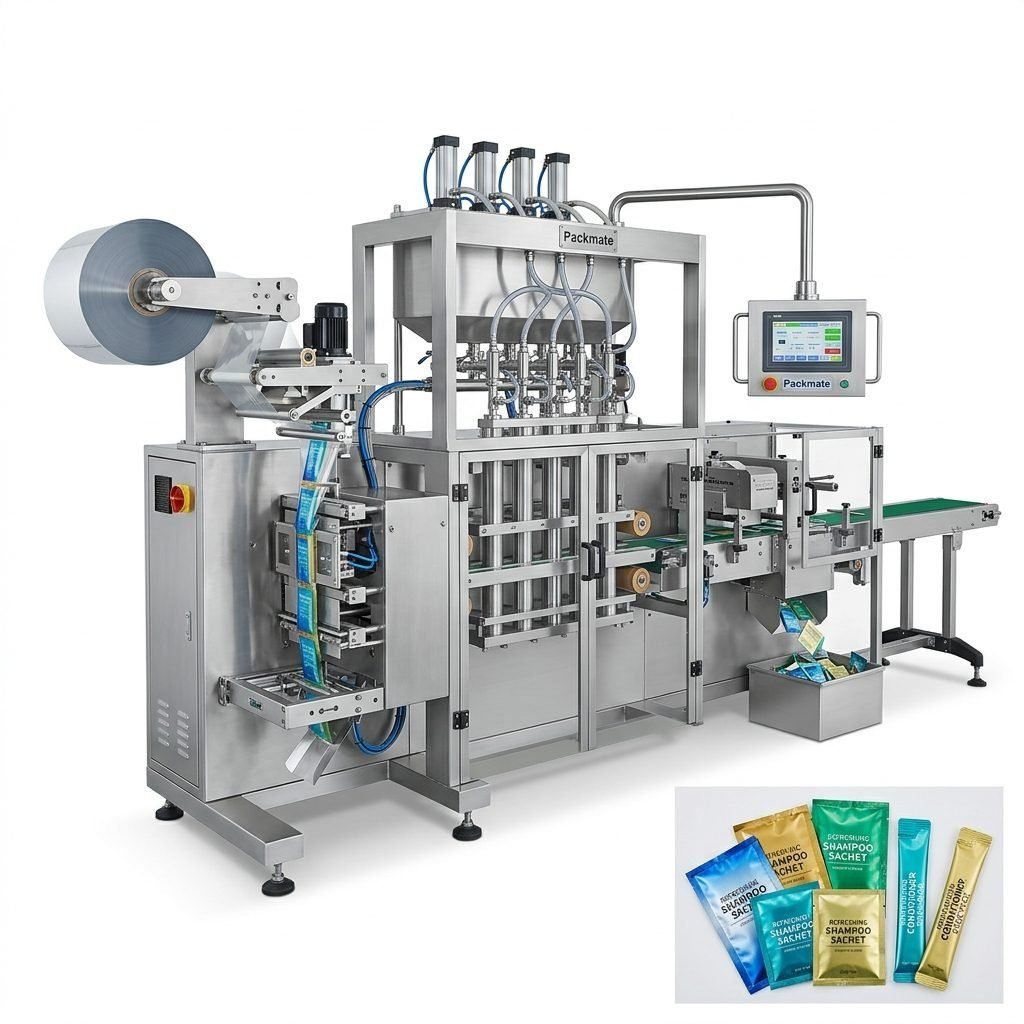
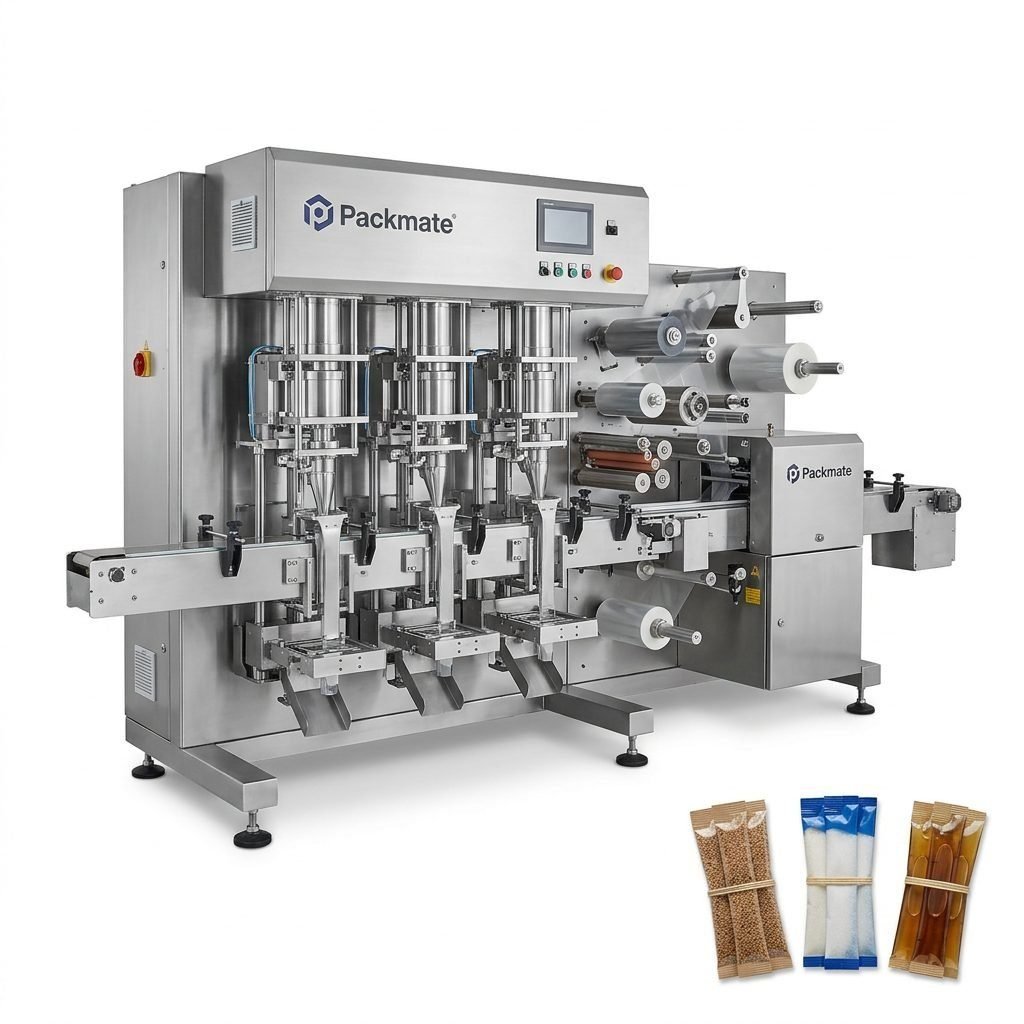
Before contacting manufacturers, conduct an internal assessment. Define your primary goal: is it labor reduction, speed increase, accuracy improvement, or entering a new packaging format? Also, consider your workforce’s skill level for operation and maintenance. This clarity will help you communicate effectively with potential partners like Ludyway or Packmate Machinery, who can then propose the most suitable solution.
Evaluating Manufacturer Credentials and Capabilities
The manufacturer’s background is a strong indicator of reliability and expertise. Key aspects to verify include:
Industry Experience & Company History: Manufacturers with decades of experience, such as those with over 30 years in business, have likely encountered and solved a wide array of technical challenges. This depth of knowledge is invaluable.
Manufacturing Scale & Quality Control: Visit the factory if possible, or request virtual tours and audit reports. A sizable, modern manufacturing facility (e.g., 20,000 sq. meters) with in-house machining often indicates better quality control and production consistency.
International Export Experience: A supplier with a strong export record to regions like Europe or North America typically adheres to higher international standards for machine safety, construction, and documentation. This experience often translates to better preparedness for the Indonesian export-oriented market as well.
Product Portfolio Range: Does the manufacturer offer a broad range of machines, from single vertical form-fill-seal units to complete turnkey packaging lines? A wide portfolio suggests strong R&D capability and the ability to scale solutions with your business growth.
References & Case Studies: Ask for references from clients in similar industries or, ideally, from within Indonesia or Southeast Asia. Case studies provide concrete evidence of problem-solving ability.
The Importance of Specialization vs. Generalization
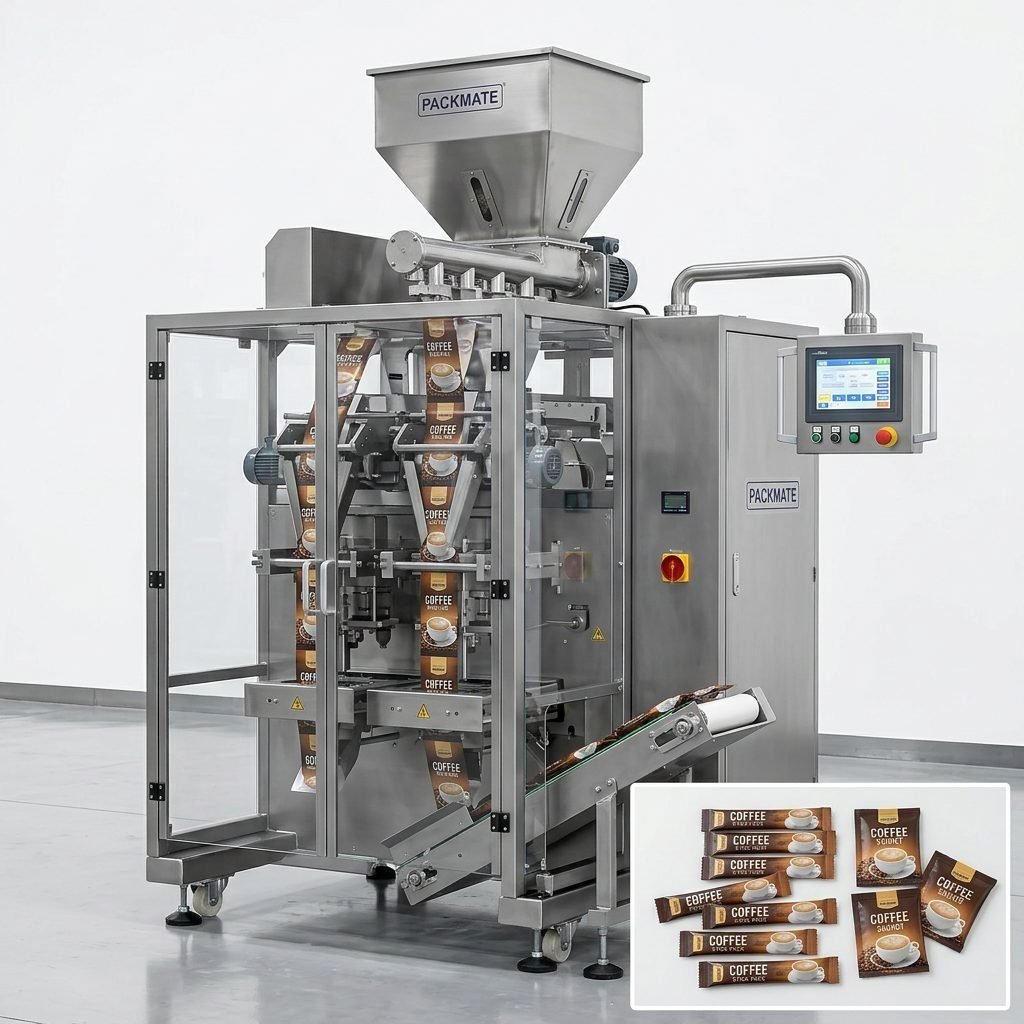
Some manufacturers are generalists, offering machines for a wide array of industries. Others are specialists, focusing on niche segments. For example, if your business is in the growing smokeless tobacco or nicotine pouch sector, a specialist like SnusMachinery might offer deeper application-specific knowledge. For broader food or pharmaceutical applications, a generalist with a wide track record may be more appropriate.
Technical Considerations and Machine Specifications
Delve into the technical details. The machine’s construction, components, and control system determine its durability, precision, and ease of use.
| Specification | What to Look For | Impact on Operation |
|---|---|---|
| Frame & Construction | Sturdy, reinforced steel frame; stainless steel contact parts for food/pharma. | Long-term stability, reduced vibration, compliance with hygiene standards. |
| Drive System & Motors | Servo-driven systems for precision and flexibility; reputable brand motors (Siemens, Mitsubishi, etc.). | Higher accuracy, easier changeovers, energy efficiency, and smoother operation. |
| Control System & HMI | User-friendly touchscreen interface (HMI), programmable logic, data recording capability. | Simplified operation, recipe storage, production monitoring, and troubleshooting. |
| Weighing & Dosing System | Type of filler (auger, volumetric, pump) suitable for product; checkweigher integration. | Directly affects product give-away (cost) and compliance with labeled weight regulations. |
| Sealing System | Heated jaw design, temperature control accuracy, cooling options. | Ensures strong, hermetic seals critical for product shelf-life and preventing leaks. |
Customization and OEM Services
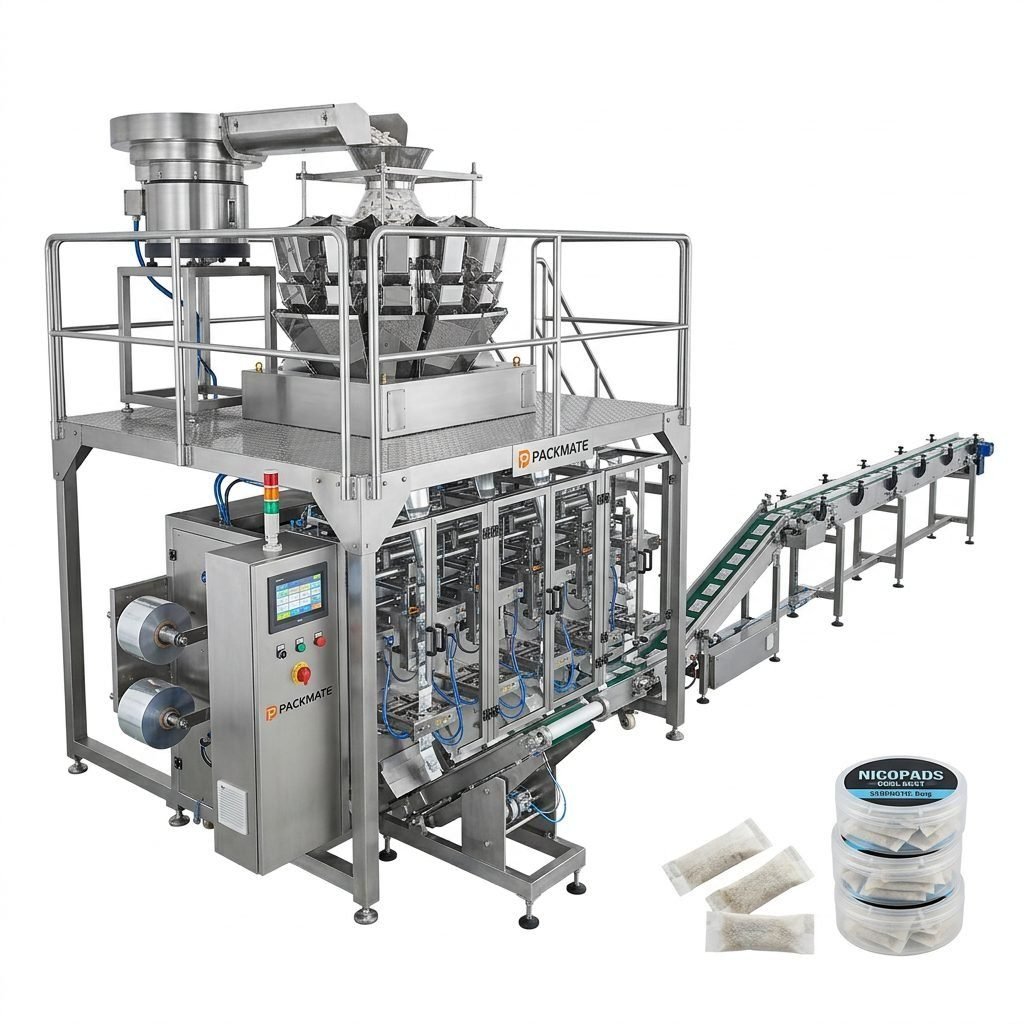
For businesses with unique products or those seeking to create a distinctive brand through packaging, the ability to customize is key. Manufacturers that offer strong OEM and non-standard customization services can develop solutions for special bag shapes, intricate filling processes, or integration with existing production lines. This collaborative engineering approach can provide a significant competitive advantage in the dynamic Indonesian market.
Navigating the Procurement Process in Indonesia
The procurement journey involves several key steps: initial inquiry, technical proposal, factory audit (virtual or in-person), negotiation, contract signing, manufacturing, factory acceptance test (FAT), shipping, installation, and training.
Always Request a Factory Acceptance Test (FAT): Insist on testing the machine at the manufacturer’s facility with your own product samples (or close equivalents). This is the best way to verify performance against the agreed specifications before shipment.
Clarify Shipping and Incoterms: Understand exactly what is included in the price (FOB, CIF, etc.). Factor in costs for import duties, customs clearance, and inland transportation within Indonesia.
Plan for Installation & Training: Ensure the contract includes clear terms for installation supervision by factory engineers and comprehensive training for your operators and maintenance staff. Knowledge transfer is essential for long-term success.
Spare Parts Strategy: Negotiate a recommended spare parts list for the first year of operation. Establish a clear protocol for ordering and receiving critical spare parts to minimize future downtime.
Building a Long-Term Partnership
Viewing your packaging machine supplier as a long-term partner rather than a one-time vendor can yield substantial benefits. A reliable partner will provide ongoing support, offer upgrades for your existing equipment, and keep you informed about new technologies that could improve your operations. Companies with a long-term vision, such as Ludyway with its extensive export history, are often structured to foster these lasting relationships, supporting Indonesian businesses as they scale and evolve.
Frequently Asked Questions (FAQs)
Q: How important is it that the manufacturer has existing clients in Indonesia?
A: While not absolutely critical, it is a significant advantage. It means the manufacturer is familiar with Indonesian import procedures, voltage/power standards, and may have local service contacts. It also provides accessible references.
Q: Should I choose a local Indonesian agent or buy directly from an overseas manufacturer?
A: Buying directly from a reputable overseas manufacturer often provides better pricing and direct access to factory engineers. However, a competent local agent can handle logistics, customs, and provide quicker on-site support. Evaluate the agent’s technical capability and the manufacturer’s backup support to the agent.
Q: What is the typical lead time for a packaging machine from overseas?
A: Lead times vary based on machine complexity and customization. For standard models, expect 30-60 days after order confirmation. For customized or complete turnkey lines, 90-150 days is more common. Always confirm this in the contract.
Q: How can I estimate the potential Return on Investment (ROI) for a new packaging machine?
A: Calculate savings from reduced labor, lower material waste (from improved accuracy), increased output capacity, and reduced downtime. Compare these annual savings against the total investment cost (machine, installation, training) to determine the payback period.
Q: What are the common pitfalls to avoid when selecting a manufacturer?
A: Key pitfalls include: focusing solely on the lowest price, neglecting to check references, not conducting a Factory Acceptance Test (FAT), underestimating the importance of after-sales support, and failing to clearly define all technical requirements and expectations in the purchase contract.