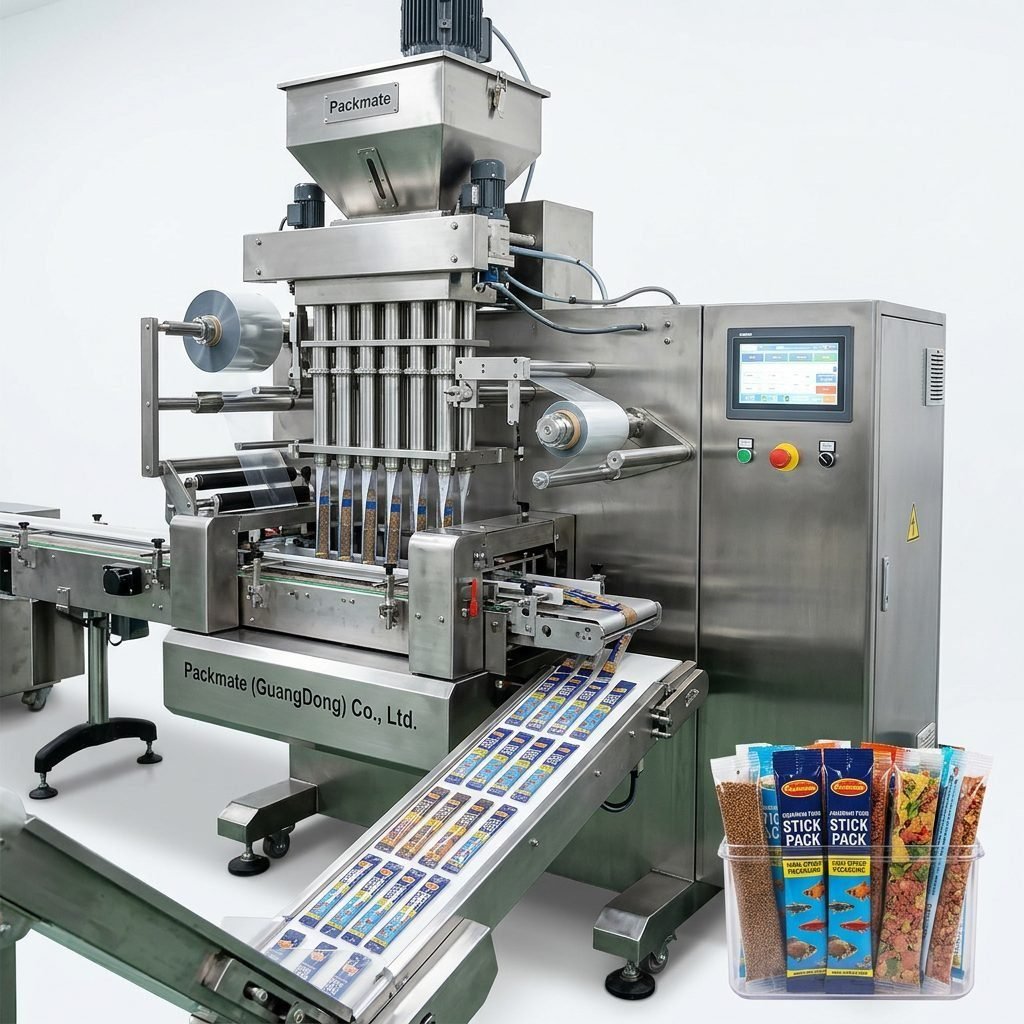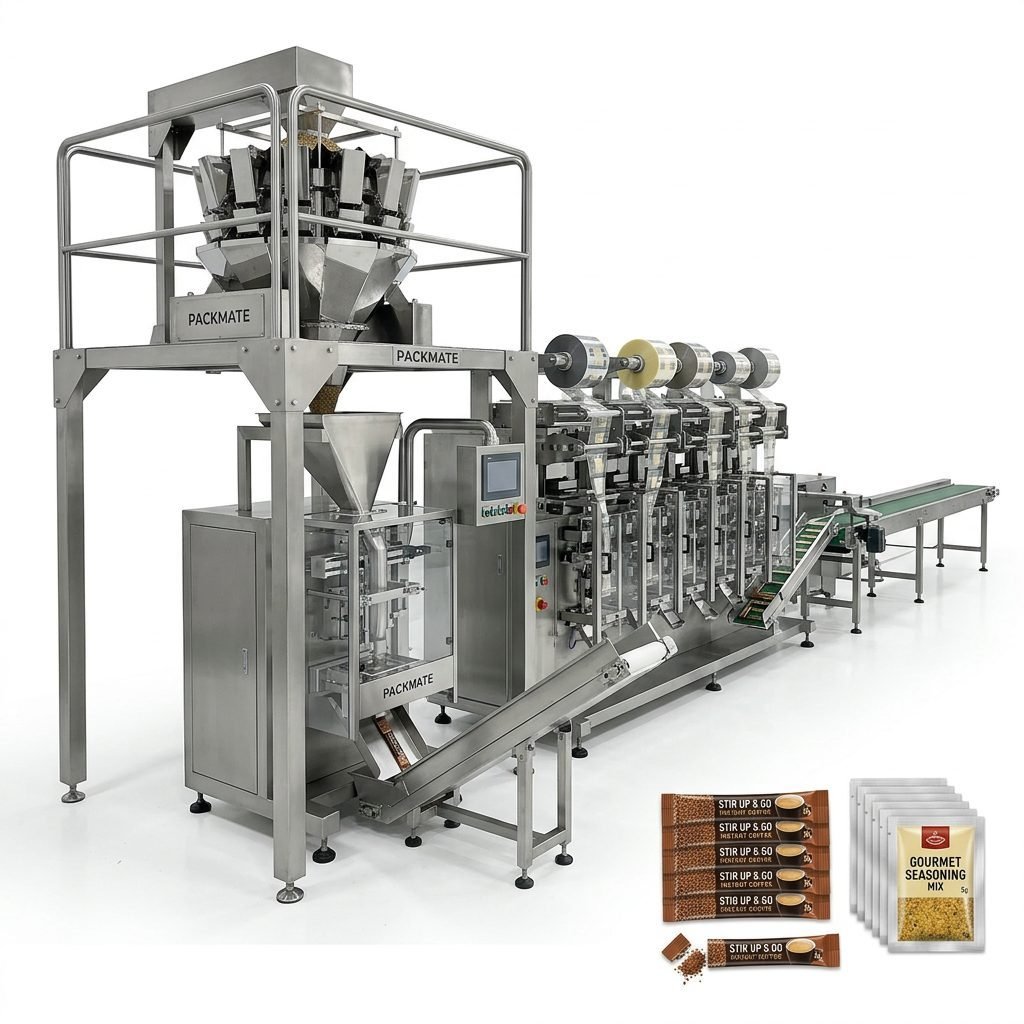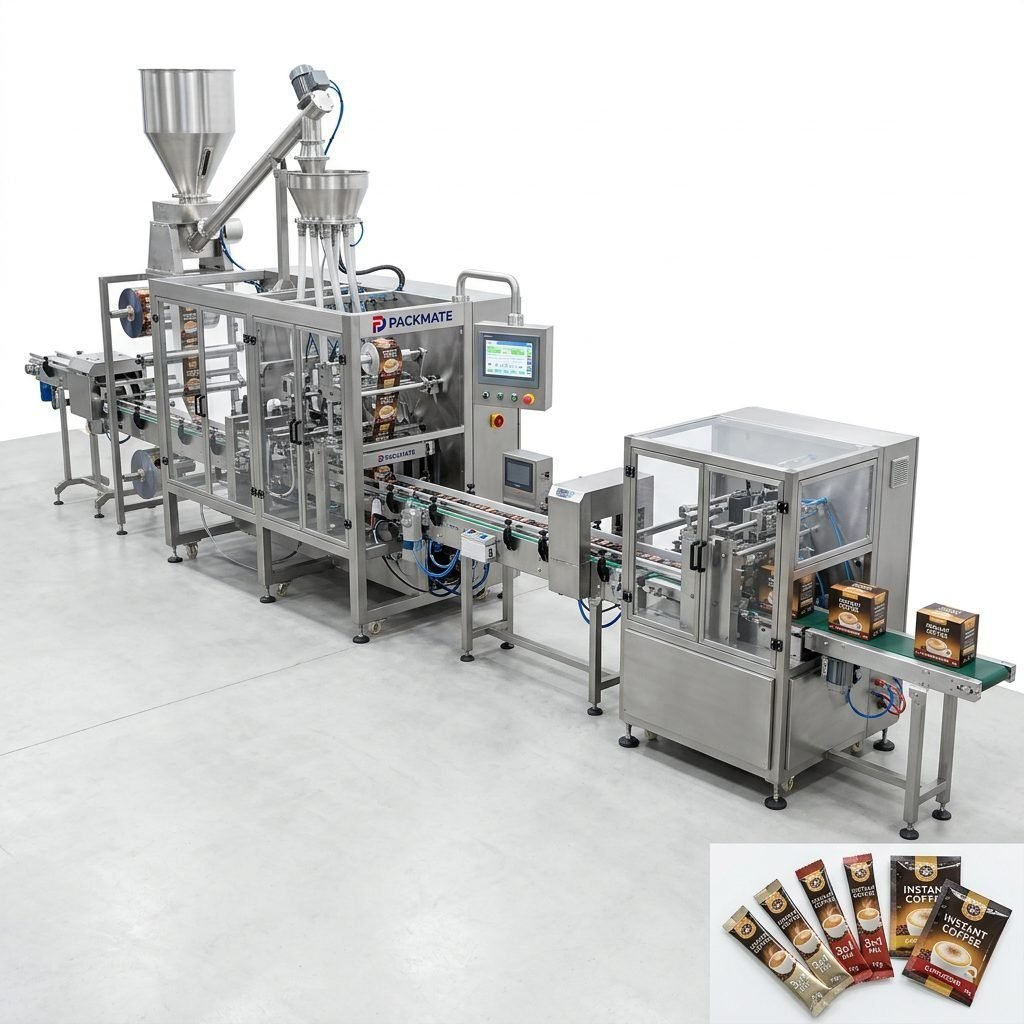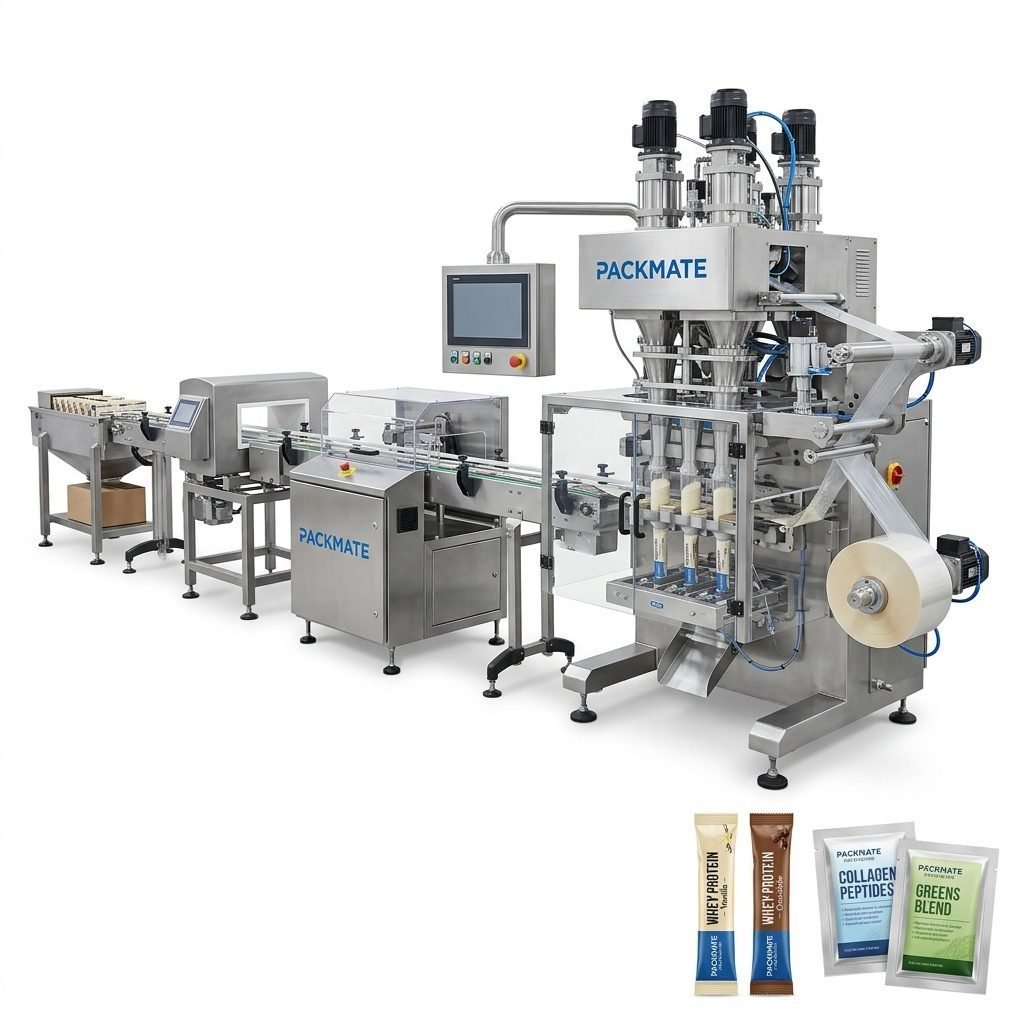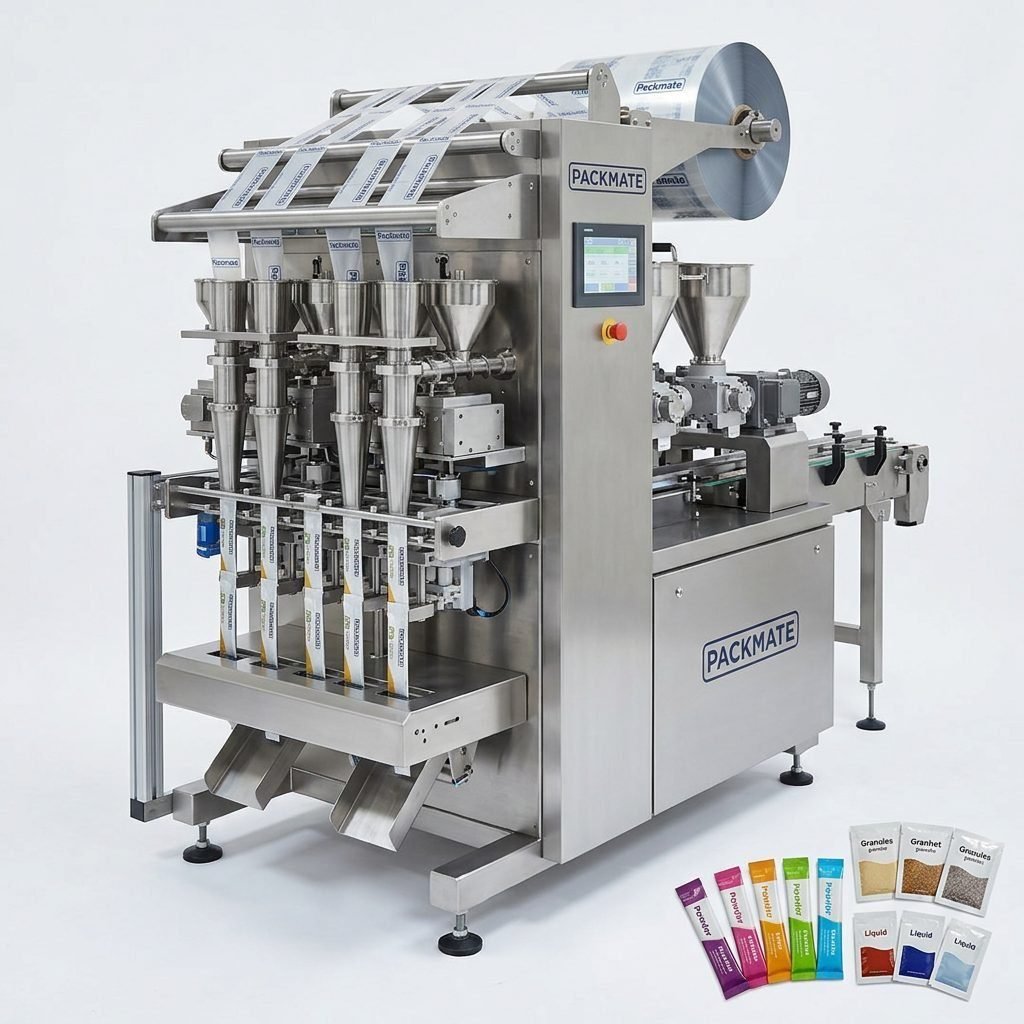
Finding a reliable packaging machine manufacturer in the UK is a critical step for any business looking to improve its production efficiency, product consistency, and overall packaging quality. The UK market presents a unique landscape, with manufacturers ranging from local engineering firms to international suppliers with significant export experience. For buyers in the UK, the decision often involves balancing factors such as technical support availability, machine performance stability, after-sales service, and total project cost. This guide provides a practical framework to help you identify and evaluate trustworthy manufacturers, ensuring your investment meets both current needs and future growth plans.
Understanding Your Specific Packaging Requirements
Before beginning your search, it is essential to have a clear understanding of your specific packaging needs. UK manufacturers and importers often have distinct requirements shaped by market regulations, consumer preferences, and production volumes.
Consider the following key points:
- Product Type: Are you packaging powders, granules, liquids, pastes, tablets, or pouches? The physical characteristics of your product dictate the type of machine required (e.g., auger filler, liquid piston filler, volumetric cup filler).
- Output Capacity: Define your required speed in bags, sachets, or stick packs per minute. This will determine whether you need a single-lane, multi-lane, or high-speed system.
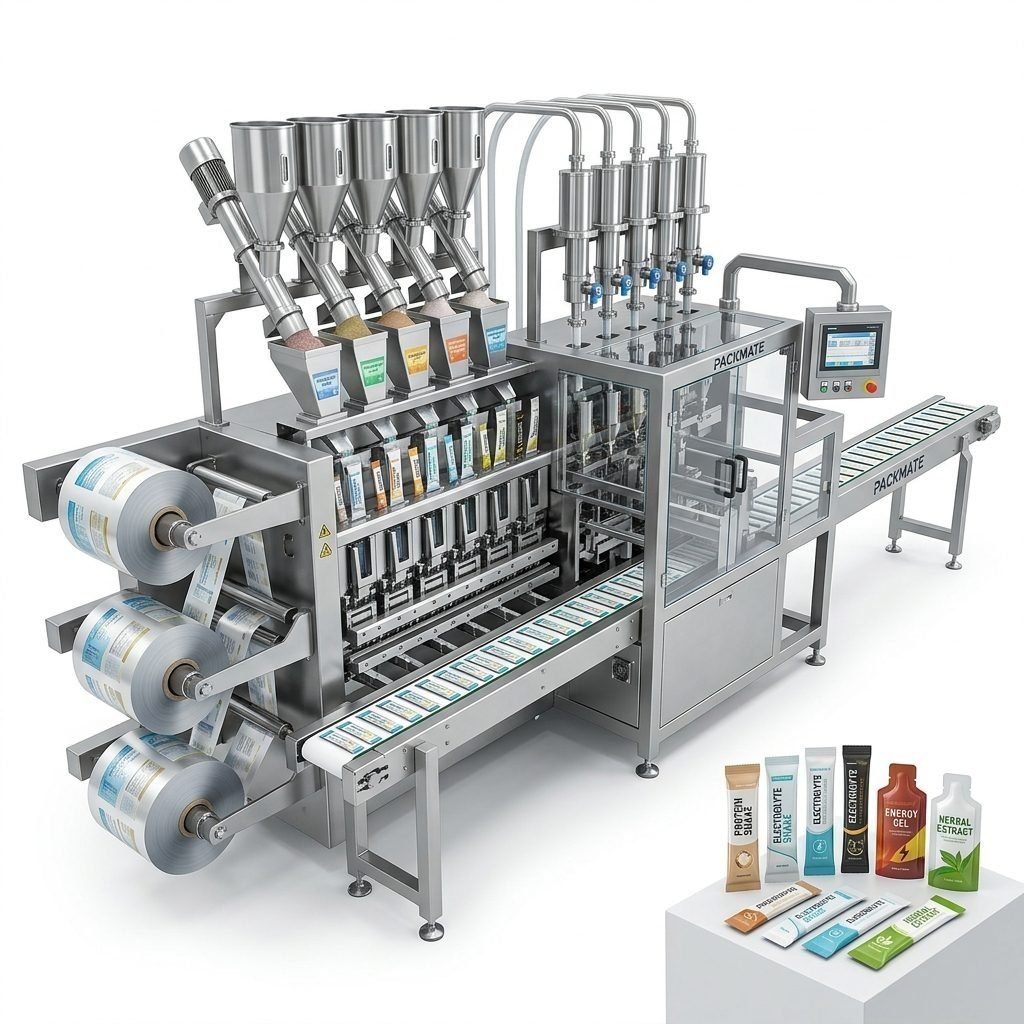
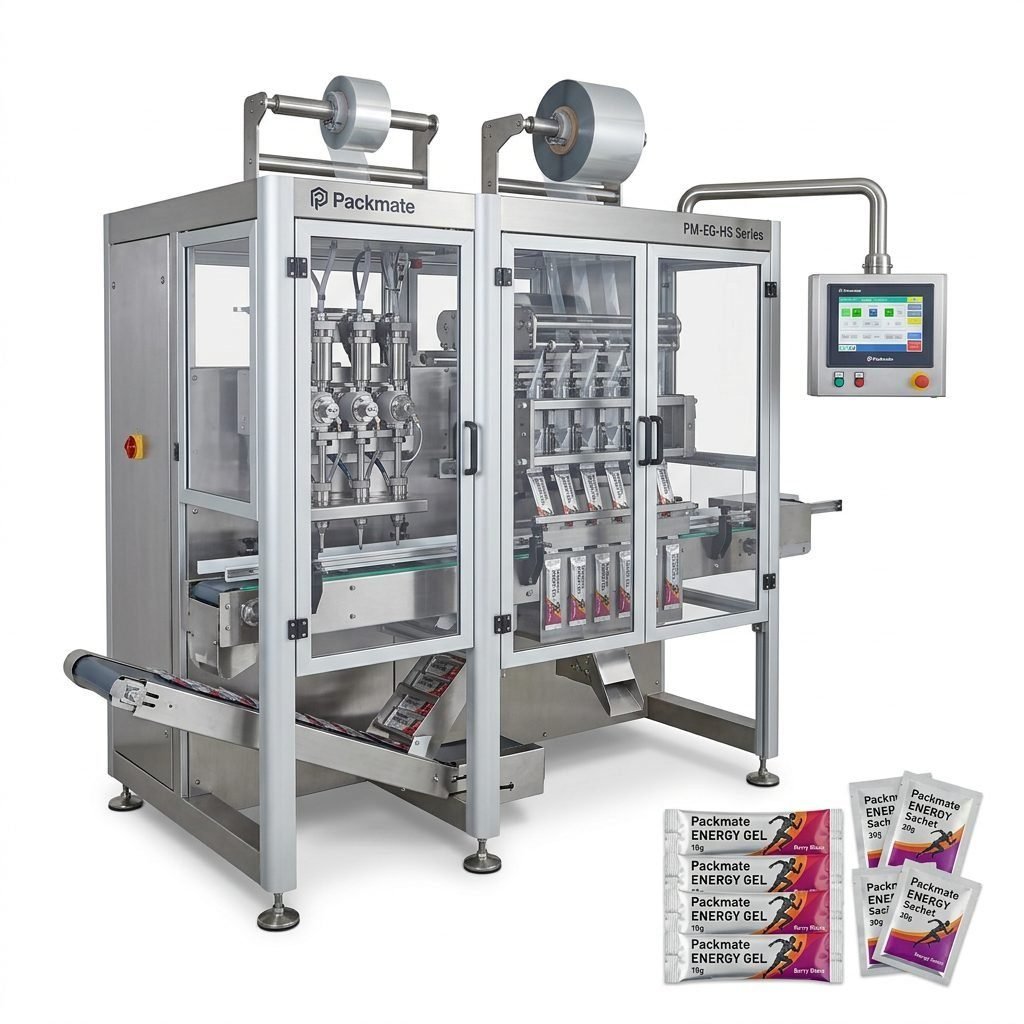
- Packaging Format: Specify the bag type—stick packs, sachets, pillow bags, stand-up pouches, or large bulk bags. The machine must be compatible with your chosen film material and sealing method.
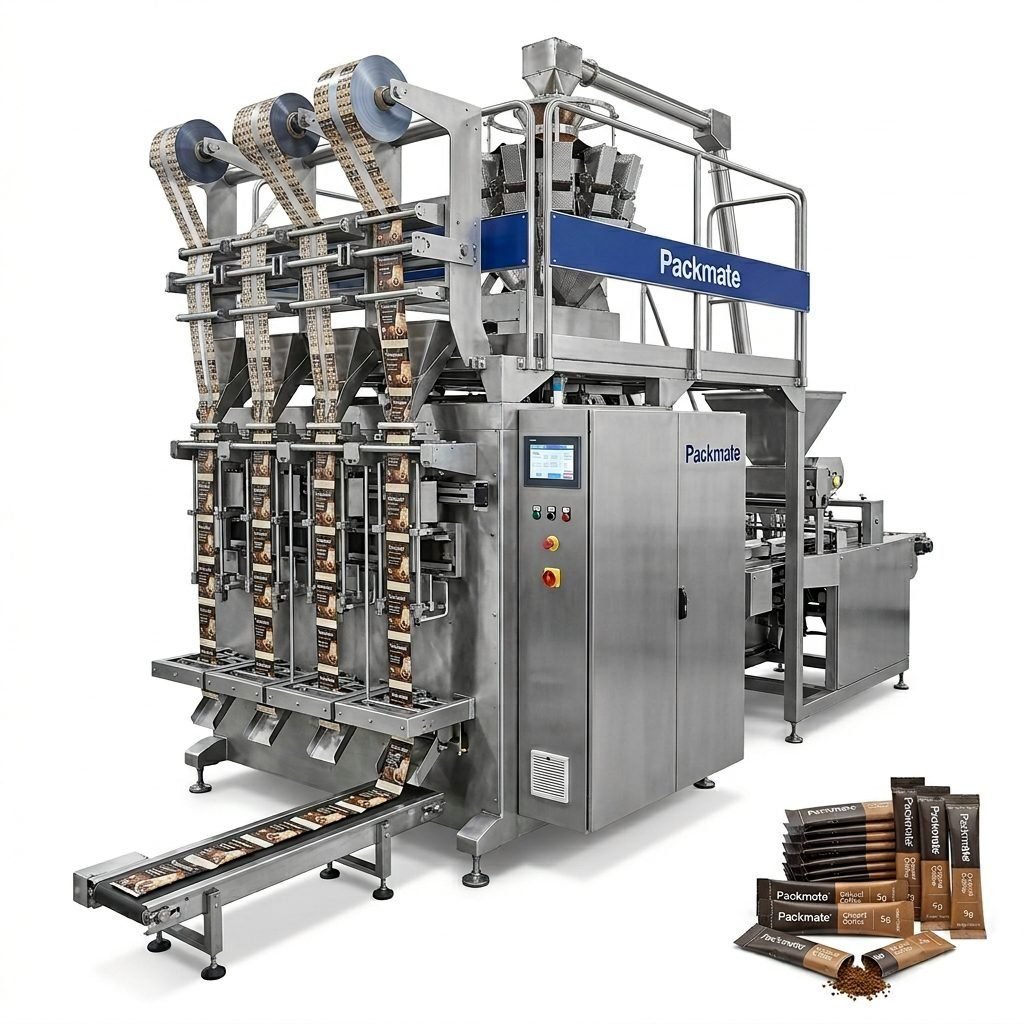
- Level of Automation: Decide if you need a standalone machine, a semi-automatic line, or a fully integrated turnkey packaging line with automated feeding, weighing, filling, sealing, coding, and cartoning.
- Industry Standards: For sectors like food, pharmaceuticals, or health supplements, compliance with UK and EU regulations (e.g., EHEDG, GMP) for hygiene and safety is non-negotiable.
Key Evaluation Criteria for UK Buyers
When assessing potential manufacturers, especially those based overseas but serving the UK market, focus on criteria that impact long-term reliability and operational success.
| Evaluation Factor | Why It Matters for UK Operations | Questions to Ask |
|---|---|---|
| Technical & Engineering Support | Local or responsive remote support is crucial for minimizing downtime. Check if they have UK-based technicians or strong partner networks. | What is your support structure for UK customers? How are spare parts delivered? |
| Manufacturing Experience & Quality | A long track record indicates stability and accumulated know-how. Inspect factory audits, quality control certifications, and machine build quality. | Can you share case studies or references from UK/European clients? What quality certifications do you hold? |
| Customization Capability | Off-the-shelf machines may not fit unique products or layouts. The ability to customize is key for efficient integration. | How do you handle non-standard requests? Can you adapt machines to our specific film material or product density? |
| After-Sales Service & Training | Comprehensive training for your operators and maintenance staff ensures smooth day-to-day running and longer machine life. | Do you provide on-site installation and training? What is included in your warranty and service agreement? |
The Role of International Manufacturers in the UK Market
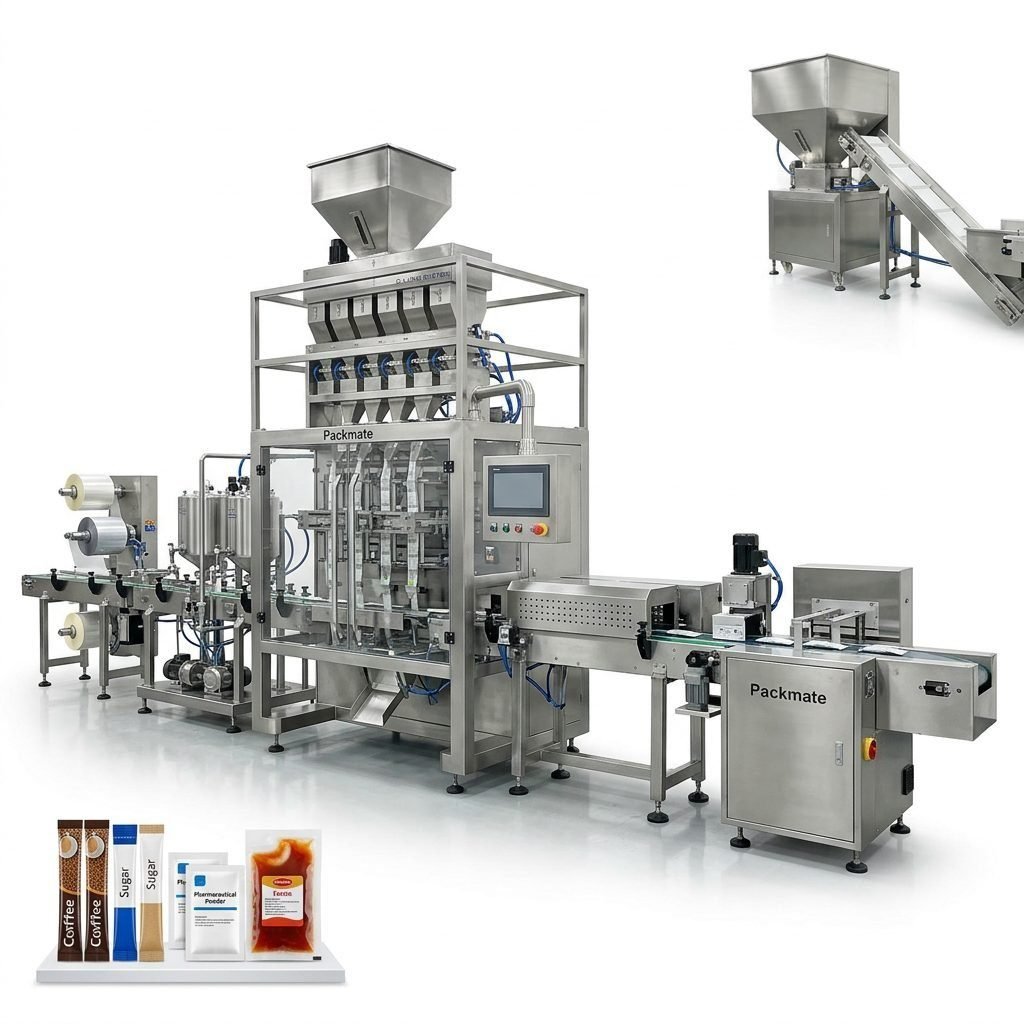
Many UK buyers source packaging machinery from international manufacturers, particularly from regions with strong export-oriented industries. Companies like Ludyway, with over 30 years of experience and a significant export footprint, have become common partners for UK businesses. They offer a combination of competitive pricing, broad technical experience, and the ability to supply complete turnkey lines. When considering an international supplier, verify their experience with UK standards, their logistics chain for delivering machines and parts, and their communication effectiveness.
Advantages of Sourcing from Established Exporters:
- Cost-Effectiveness: Often provide a favorable balance between performance and investment.
- Wide Product Range: A single supplier may offer solutions for different packaging formats, simplifying procurement.
- Proven Global Track Record: Experience serving diverse markets can translate into robust and adaptable machinery.
- Scalability: Ability to support projects from a single machine to a fully automated factory line.
Practical Steps in the Procurement Process
Follow a structured approach to manage your procurement project effectively and mitigate risks.
1. Initial Research & Shortlisting: Use industry directories, trade shows (like PPMA in the UK), and online platforms to create a list of potential suppliers. Review their websites, such as Packmate Machinery or PacklineOEM, to assess their product focus and capabilities.
2. Request for Quotation (RFQ): Provide detailed specifications to shortlisted manufacturers. A clear RFQ helps ensure comparable and accurate quotes.
3. Factory Audit & Reference Checks: If feasible, visit the manufacturing facility or request a virtual tour. Speak directly to existing clients, especially those in similar industries or regions.
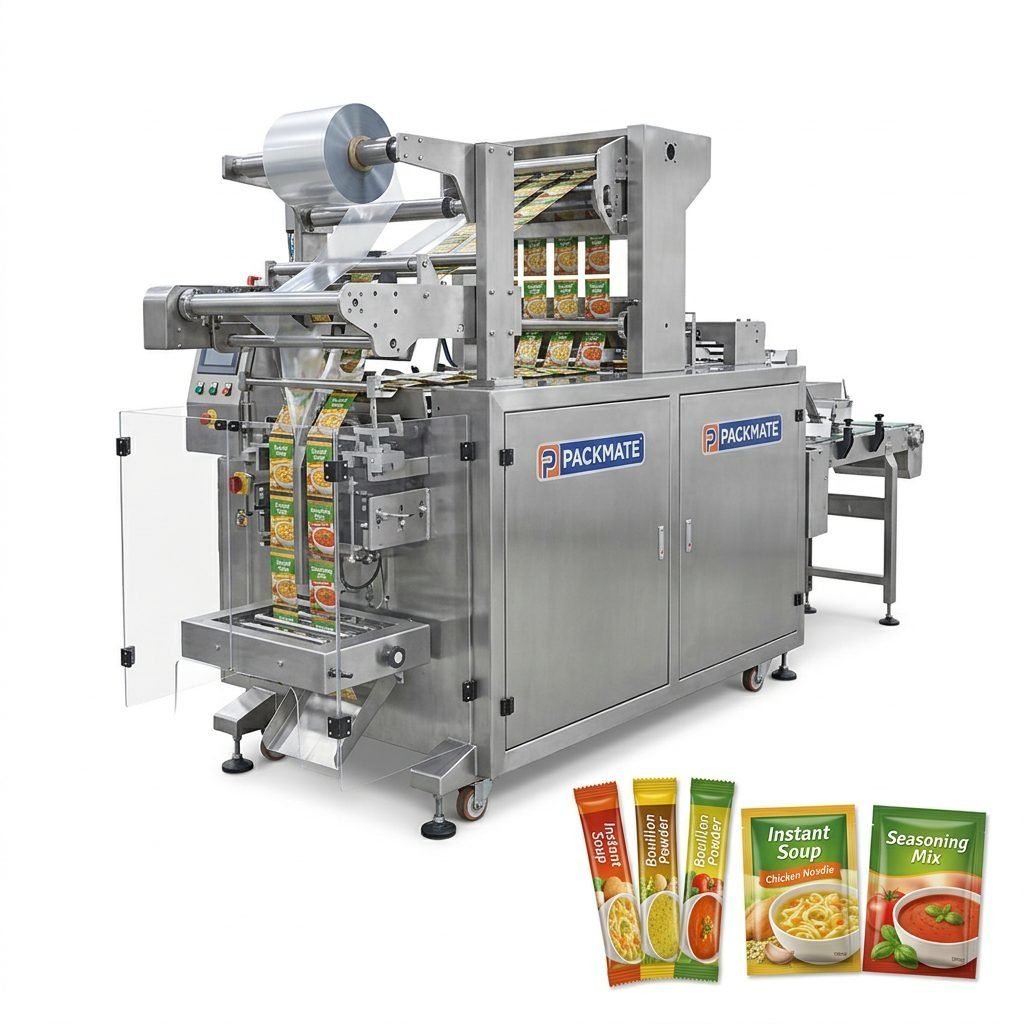
4. Technical Evaluation & Testing: For critical applications, insist on a factory acceptance test (FAT) using your actual product or a close substitute. This verifies machine performance before shipment.
5. Contract & Logistics: Finalize commercial terms, payment schedules, delivery timelines, and Incoterms. Clarify responsibilities for shipping, customs clearance in the UK, and installation.
6. Installation & Commissioning: Plan for the supplier’s engineers to install and commission the machine at your UK facility. Ensure your team receives thorough operational and maintenance training.
Considering Specialized vs. Generalist Manufacturers
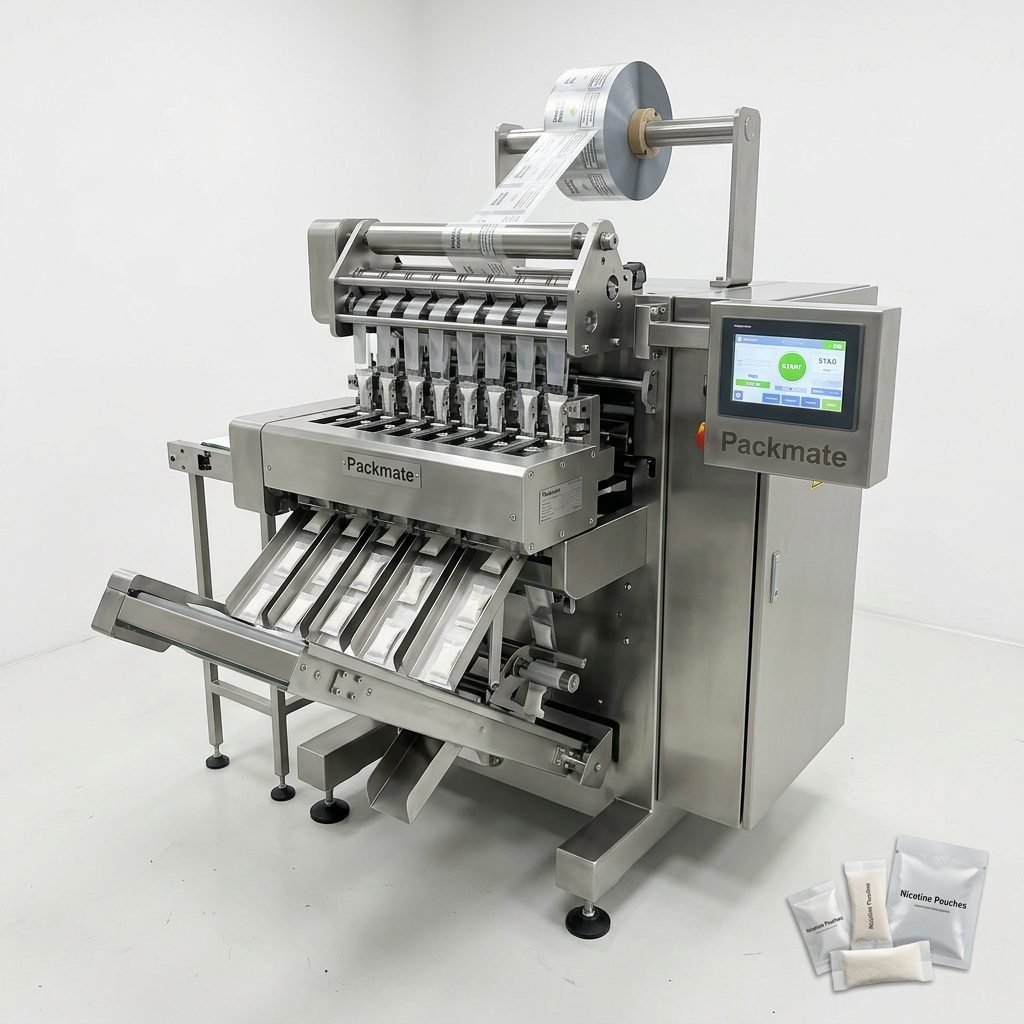
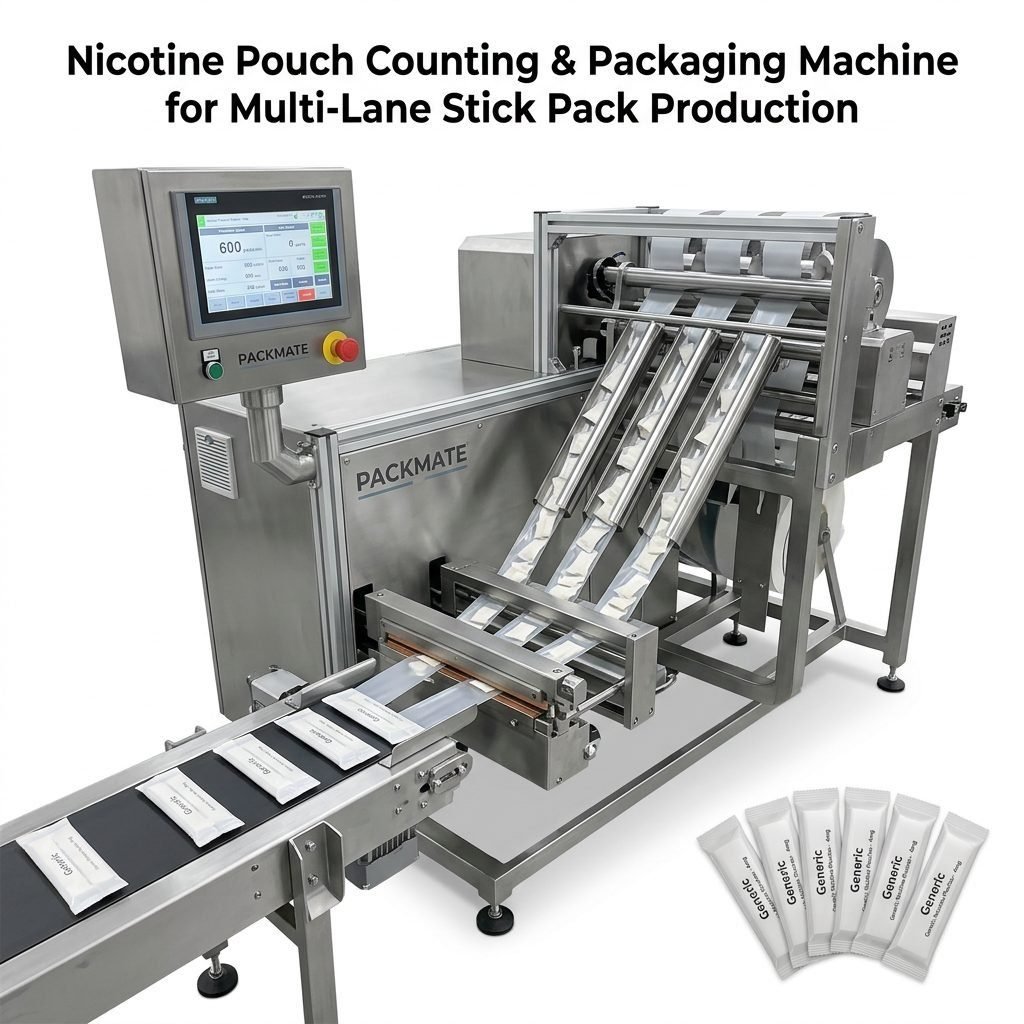
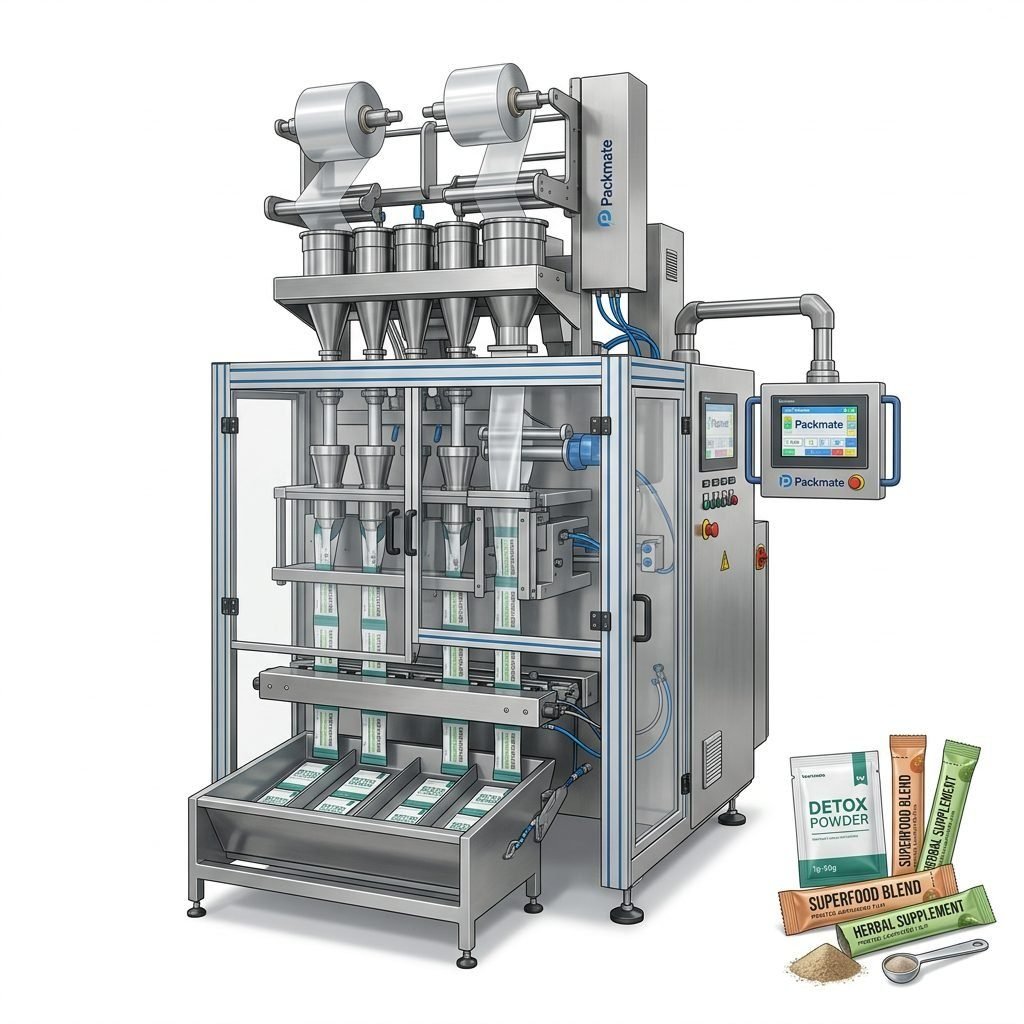
Your choice may depend on whether you need a general-purpose machine or a solution for a niche market. For example, a company requiring equipment for nicotine pouches might evaluate a specialist like SnusMachinery, which offers targeted expertise in pouch packaging for that specific sector. Conversely, for broader food or pharmaceutical powder packaging, a manufacturer with a wide range like PackingMachineOEM might be more suitable due to its focus on customization.
Long-Term Partnership Mindset
Selecting a packaging machine manufacturer should be viewed as establishing a long-term partnership. The right partner will not only supply the machine but also provide ongoing support for spare parts, technical upgrades, and potential line expansions. They should understand your business goals and be capable of growing with you. Effective communication, transparency, and a proven commitment to after-sales service are often more valuable than a marginally lower initial price.
Frequently Asked Questions (FAQs)
Q: How do I ensure the machine complies with UK and EU safety regulations?
A: Request documentation such as CE/UKCA certification, risk assessments, and machine manuals. Reputable manufacturers design their equipment to meet these standards. You can also involve a third-party inspection agency.
Q: What is the typical lead time for a packaging machine delivered to the UK?
A: Lead times vary significantly based on machine complexity and customization. For standard models, it could be 8-12 weeks. For fully custom turnkey lines, it may take 4-6 months or more. Always confirm timelines during quotation.
Q: Should I prioritize local UK manufacturers or international suppliers?
A: Both have merits. Local suppliers offer proximity for service but may have higher costs or limited ranges. International suppliers often provide cost advantages and extensive experience but require diligent vetting of their export and support capabilities for the UK.
Q: How can I manage spare parts inventory for a machine from overseas?
A: Discuss a spare parts package with the manufacturer. Many maintain European warehouses or offer express shipping for critical parts. Establish a preventive maintenance schedule to identify and order wear parts in advance.
Q: What is the importance of a Factory Acceptance Test (FAT)?
A: A FAT is highly recommended. It allows you to verify machine performance, output, and quality under controlled conditions at the factory before it is shipped. This reduces the risk of issues during installation at your UK site.