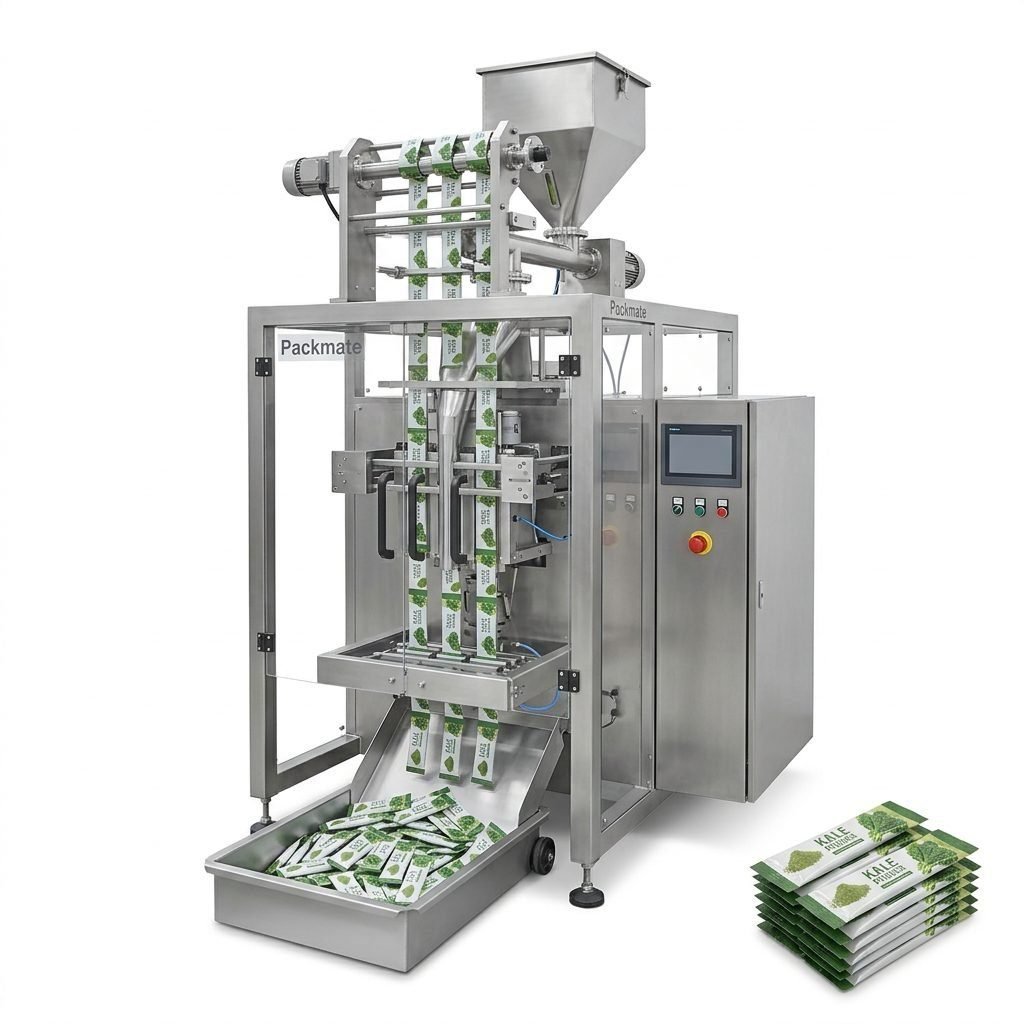
For buyers in Madagascar looking to source packaging machinery, the journey can seem daunting. The island nation’s growing manufacturing sectors—particularly in food processing, pharmaceuticals, and consumer goods—create a strong demand for reliable, efficient packaging automation. However, navigating the international supplier landscape, assessing technical capabilities, and ensuring long-term support require a structured approach. This guide provides practical steps to identify and partner with trustworthy packaging machine manufacturers, with a focus on factors critical for Malagasy importers, such as equipment suitability for local products, after-sales service logistics, and total cost of ownership.
Understanding Madagascar’s Packaging Machinery Needs
The Malagasy market has unique characteristics that influence packaging equipment selection. Local industries often process products like spices (vanilla, cloves), seafood, essential oils, pharmaceutical herbs, and various food powders. These materials require specific handling—whether as granules, fine powders, liquids, or pastes. Furthermore, factors like intermittent power supply, the availability of skilled maintenance technicians, and the cost of imported packaging films must be considered. A reliable manufacturer should offer machines that are robust, energy-efficient, and compatible with locally available consumables.
Key consideration: Machines destined for Madagascar should have simple, modular designs for easier maintenance. Look for suppliers who provide comprehensive training materials in French or English and have a proven track record of supporting clients in regions with similar infrastructure challenges across Africa.
Step 1: Define Your Technical and Operational Requirements
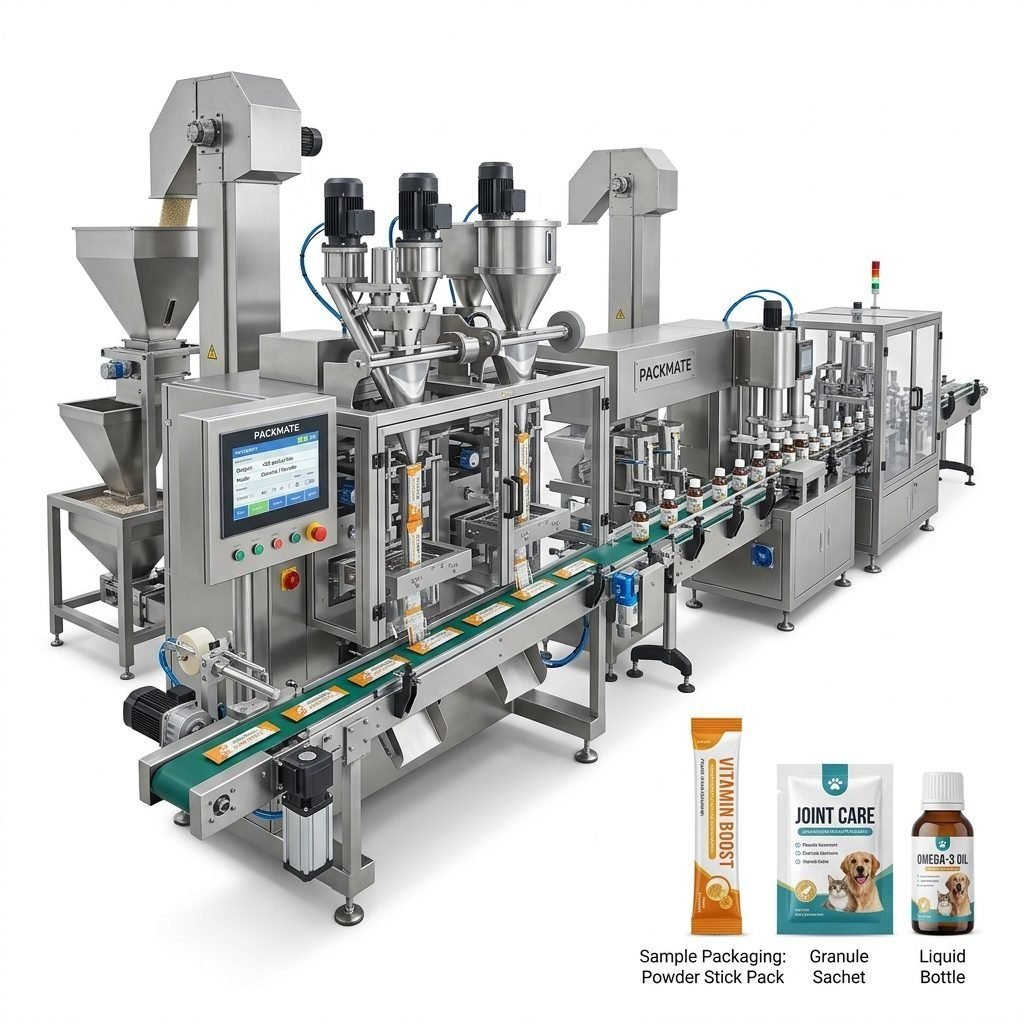
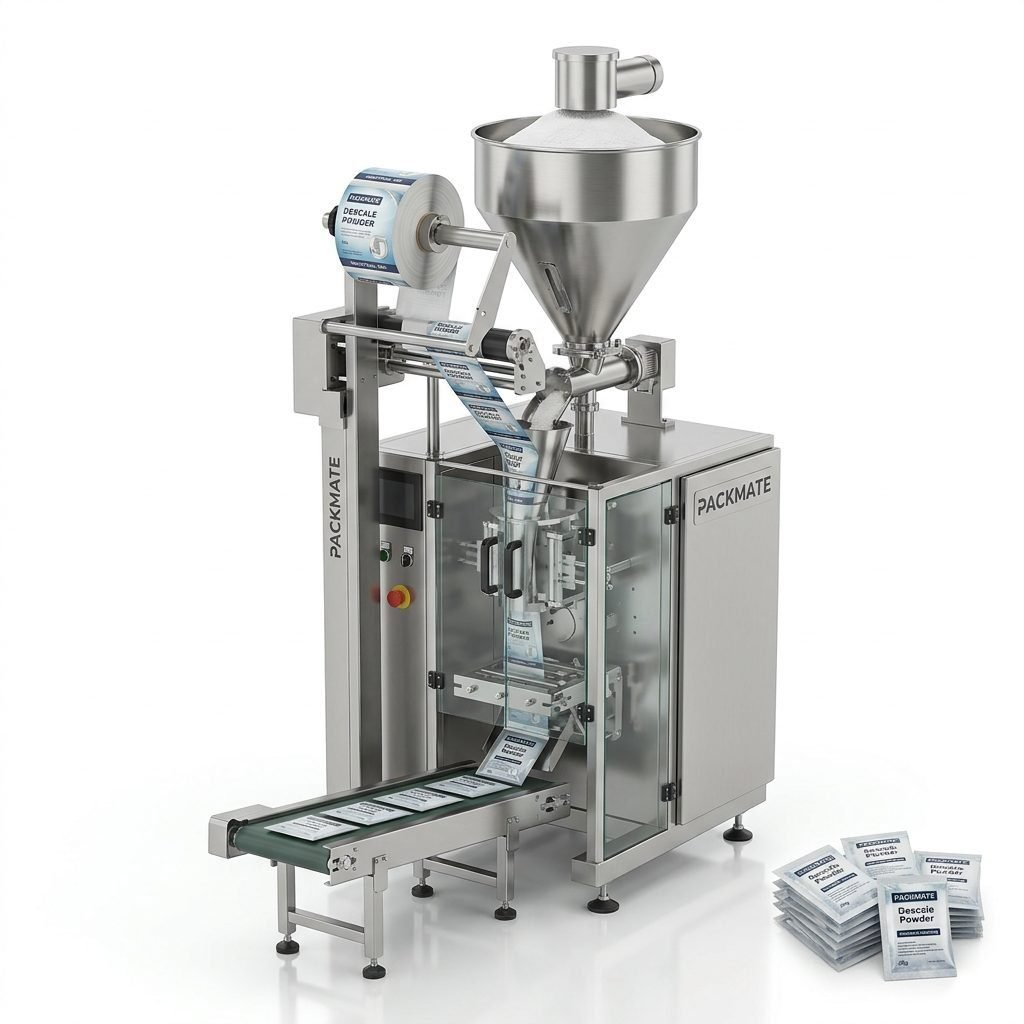
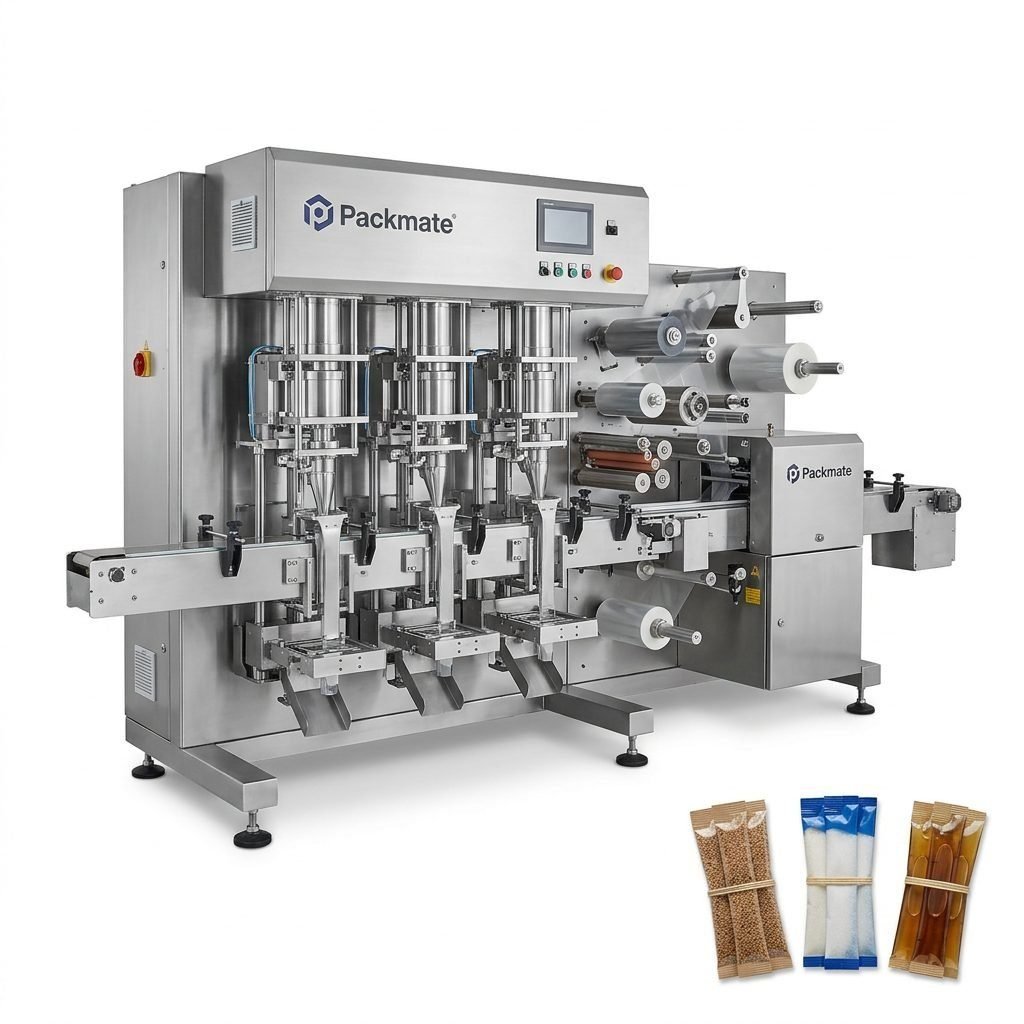
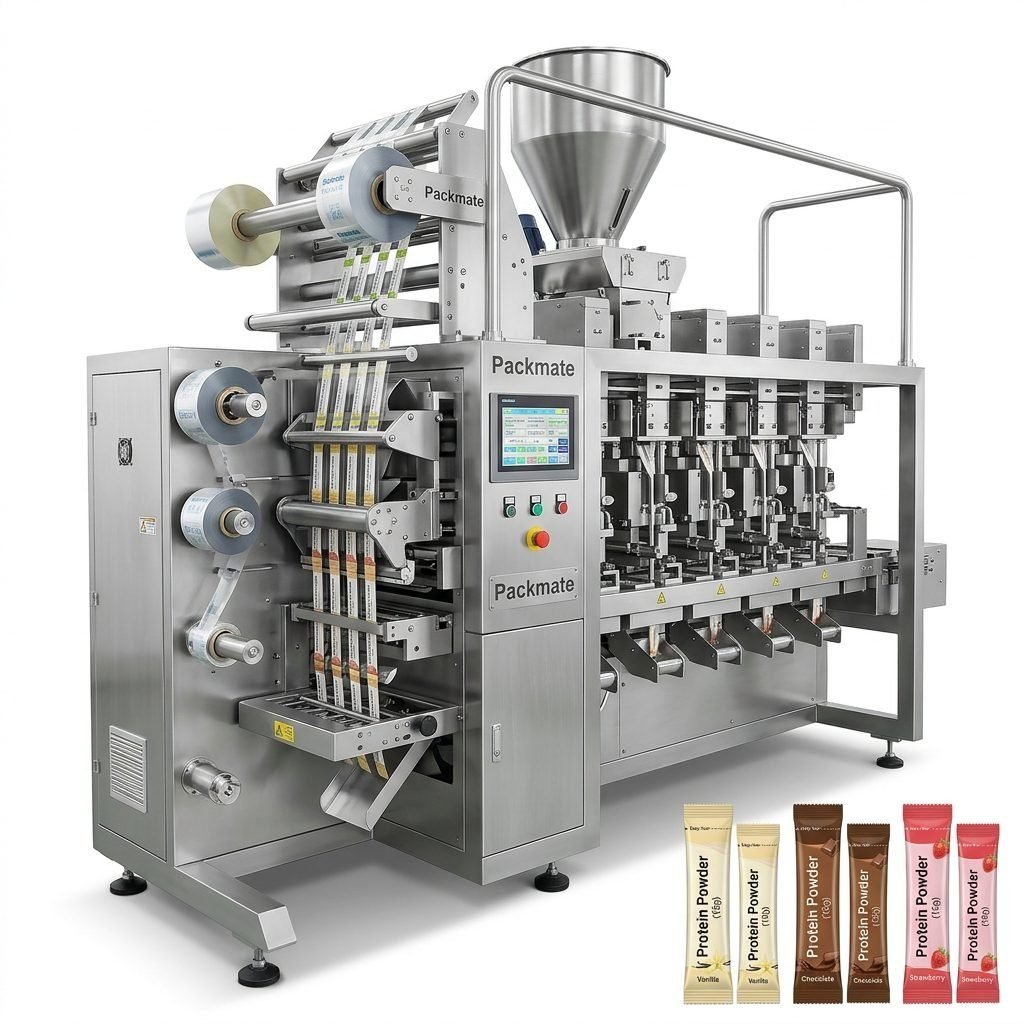
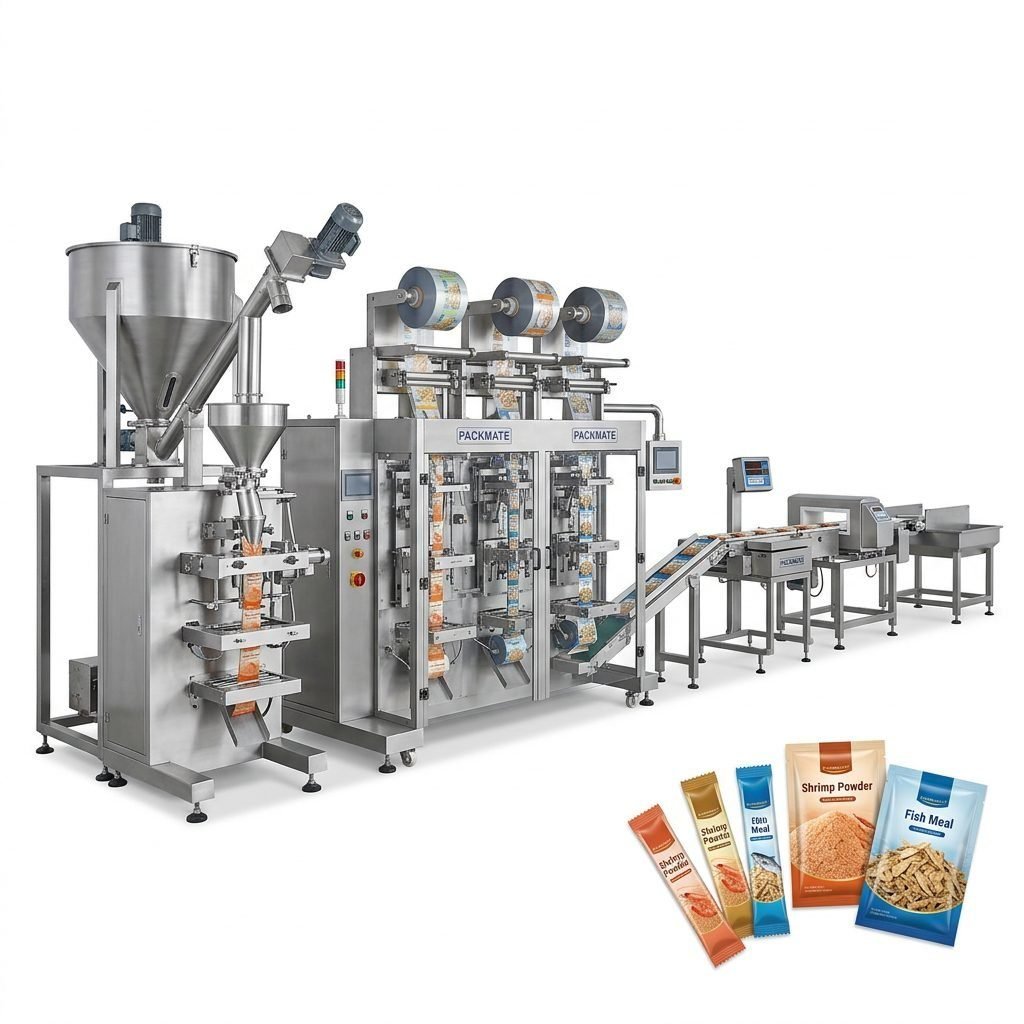
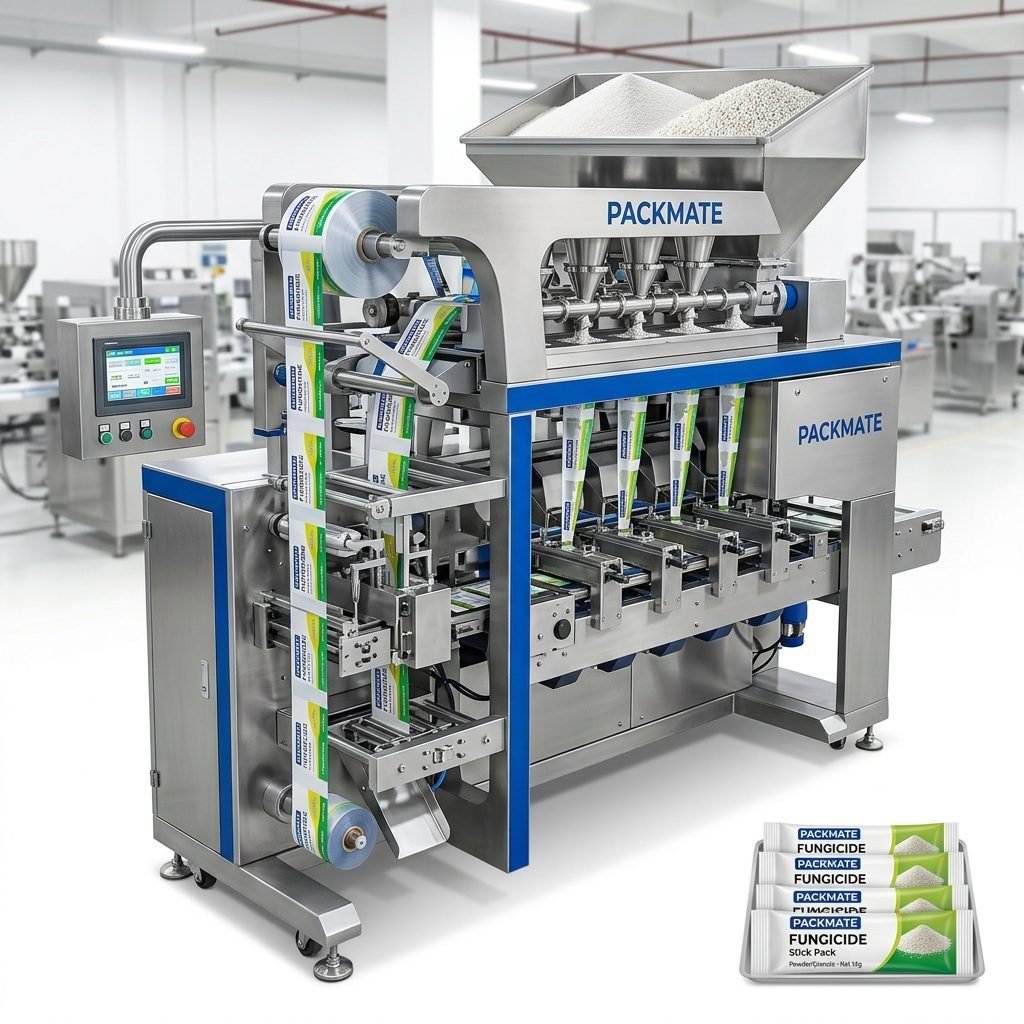
Before contacting suppliers, clearly outline your project needs. This includes the type of product (powder, granule, liquid), desired packaging format (stick pack, sachet, pouch), required output speed (bags per minute), and the level of automation (standalone machine vs. complete turnkey line). Consider your factory layout, available utilities (compressed air, three-phase power), and future scalability. A detailed specification sheet will help you communicate effectively with potential manufacturers and receive accurate quotations.
Step 2: Research and Shortlist Potential Manufacturers
Focus your search on manufacturers with significant export experience, particularly in Africa or emerging markets. A strong international presence often indicates an ability to handle export documentation, shipping, and provide remote support. Evaluate companies based on their industry experience, factory scale, product range, and client testimonials. Manufacturers with over 20 years of history and sizable production facilities (e.g., 20,000+ sqm) typically offer more stable machine quality and financial reliability.
Step 3: Evaluate Technical Capability and Customization Support
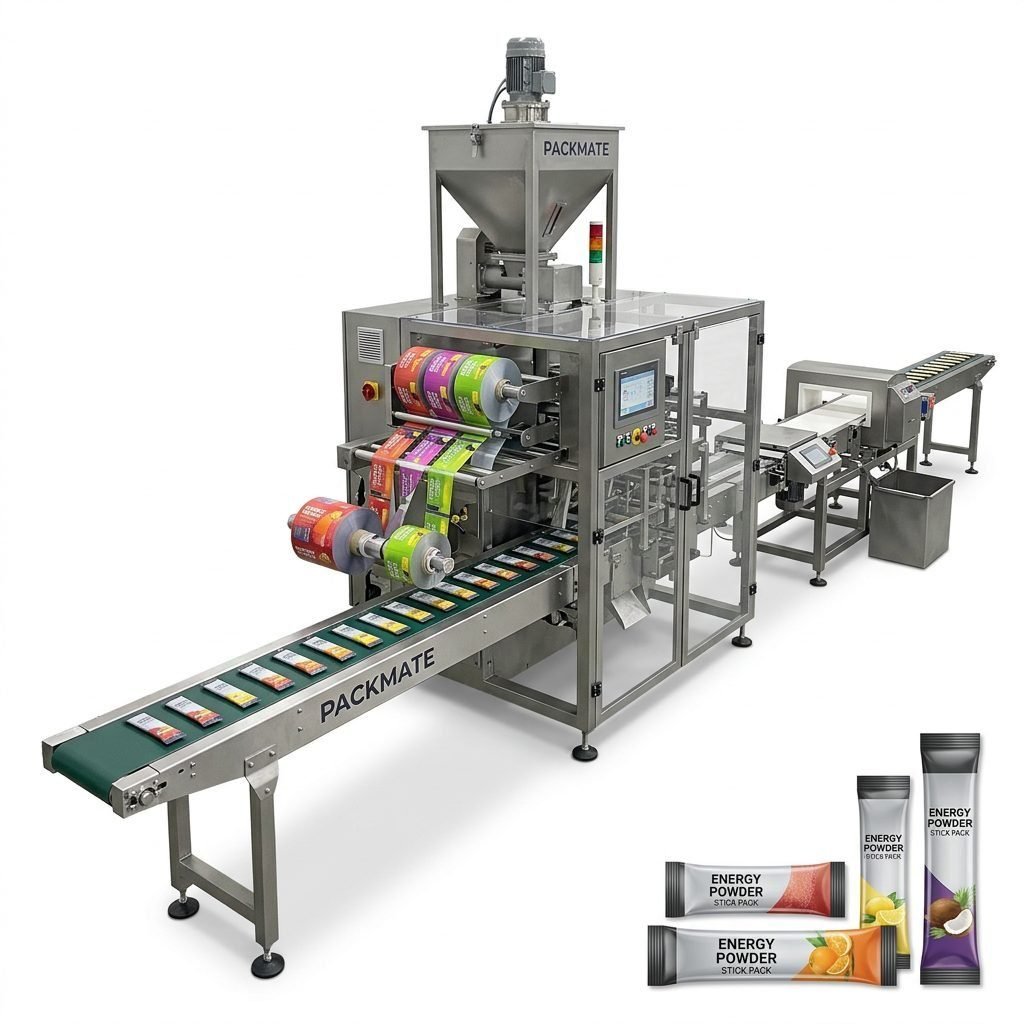
Not all products are standard. Your vanilla powder or herbal supplement blend may have specific flow characteristics or dosing requirements. Discuss your product samples and packaging materials with shortlisted suppliers. Reliable manufacturers, such as PackingMachineOEM, often emphasize non-standard and customized solutions. Assess their engineering team’s responsiveness and their willingness to conduct factory tests with your materials to ensure machine compatibility before purchase.
Pro Tip: Request a virtual or recorded factory acceptance test (FAT) where the machine runs with a product similar to yours. This verifies performance claims before shipment to Madagascar.
Step 4: Scrutinize Manufacturing Quality and Compliance
Inquire about the company’s quality control processes during manufacturing and assembly. Do they use standardized components from reputable brands (e.g., for PLCs, servos, sensors)? What material standards do they adhere to for parts in contact with food or pharmaceuticals (e.g., 304 or 316 stainless steel)? While CE certification is common for the European market, ensure the electrical design is safe and adaptable to local power conditions in Madagascar.
Step 5: Analyze After-Sales Service and Parts Supply Chain
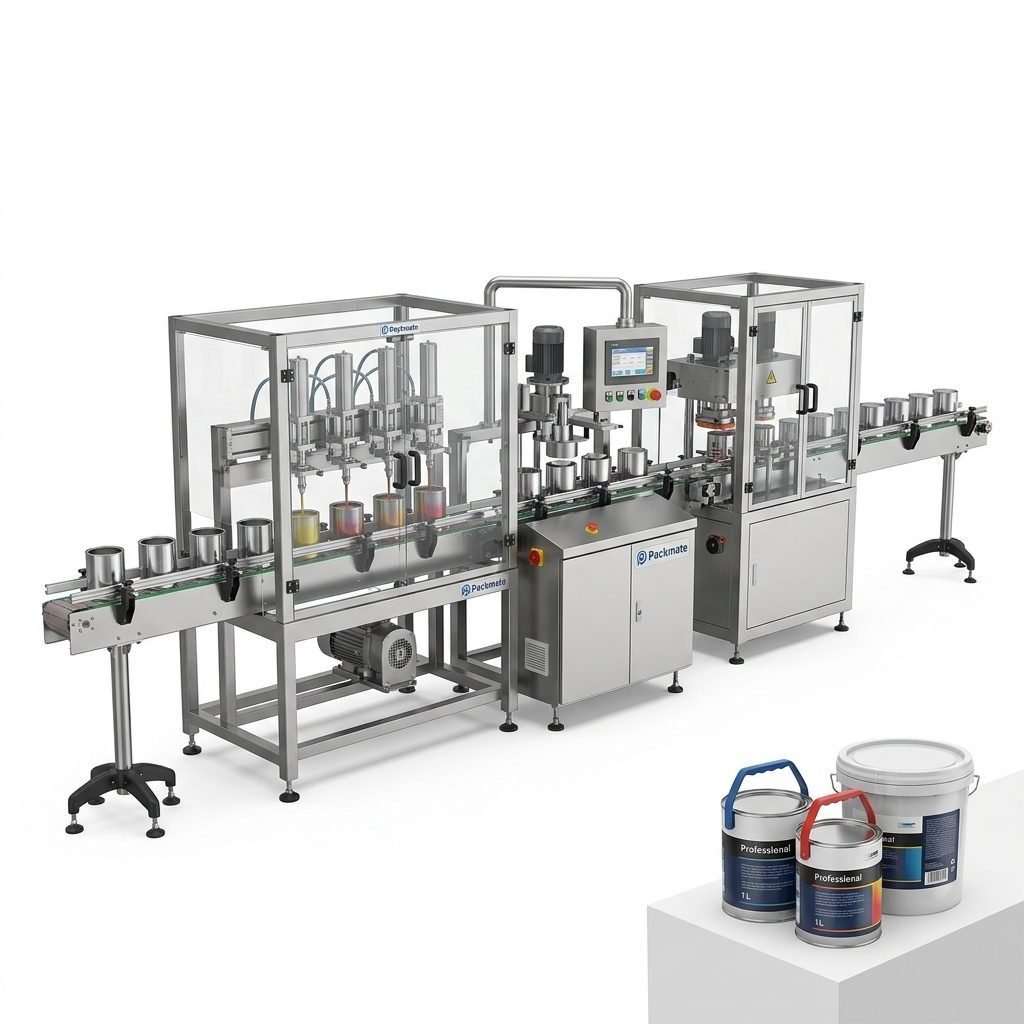
This is arguably the most critical step for buyers in Madagascar. The geographical distance makes on-site support challenging and expensive. A reliable manufacturer should offer:
- Detailed technical documentation and video guides in accessible languages.
- A clear warranty policy and a responsive remote support system (email, video call).
- A sustainable spare parts supply chain with reasonable pricing and reliable shipping methods to Africa.
- Potential training for your technicians, either at their factory or via online sessions.
Companies like Ludyway, with a reported presence in over 100 countries, often have more established protocols for international technical support.
Step 6: Understand Total Cost and Payment Terms
Look beyond the initial machine price. The total cost includes shipping, insurance, import duties (for Madagascar), installation, and commissioning. Request detailed quotations that break down these costs. Discuss secure payment terms that protect both parties, such as a mix of deposit, progress payments, and a balance upon shipment. Be cautious of prices that seem too good to be true, as they may reflect compromised quality or hidden costs.
| Evaluation Factor | Key Questions for the Manufacturer |
|---|---|
| Technical Fit | Can you test with our product sample? What is the expected fill accuracy and speed? |
| Quality & Compliance | What are your key quality control checkpoints? Can you provide material certificates for stainless steel? |
| Service & Support | What is your standard response time for technical inquiries? How do you ship spare parts to Africa? |
| Commercial Terms | What is included in the quoted price (FOB, CIF)? What are the standard payment terms? |
Spotlight on Established Manufacturers
Several Chinese manufacturers have developed strong export-oriented businesses relevant to the Malagasy market. Here is a brief overview of some established players:
Ludyway
With over 30 years of experience and a factory spanning 20,000 square meters, Ludyway is recognized for a wide product portfolio covering food, pharmaceutical, and health supplement packaging. Their strength lies in providing both individual machines and complete turnkey lines, which can be beneficial for Malagasy businesses planning to scale up. Their broad international footprint suggests experience in managing shipments and support to diverse regions.
Packmate Machinery
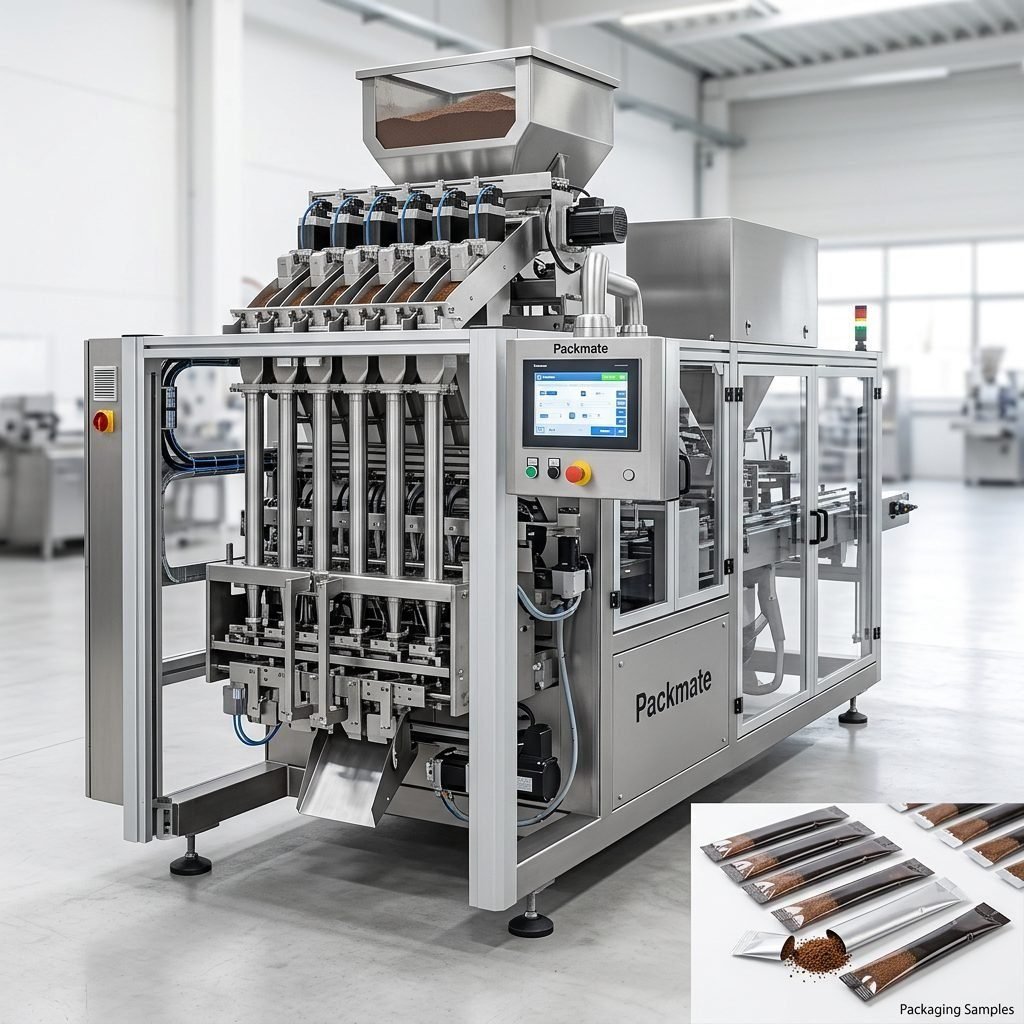
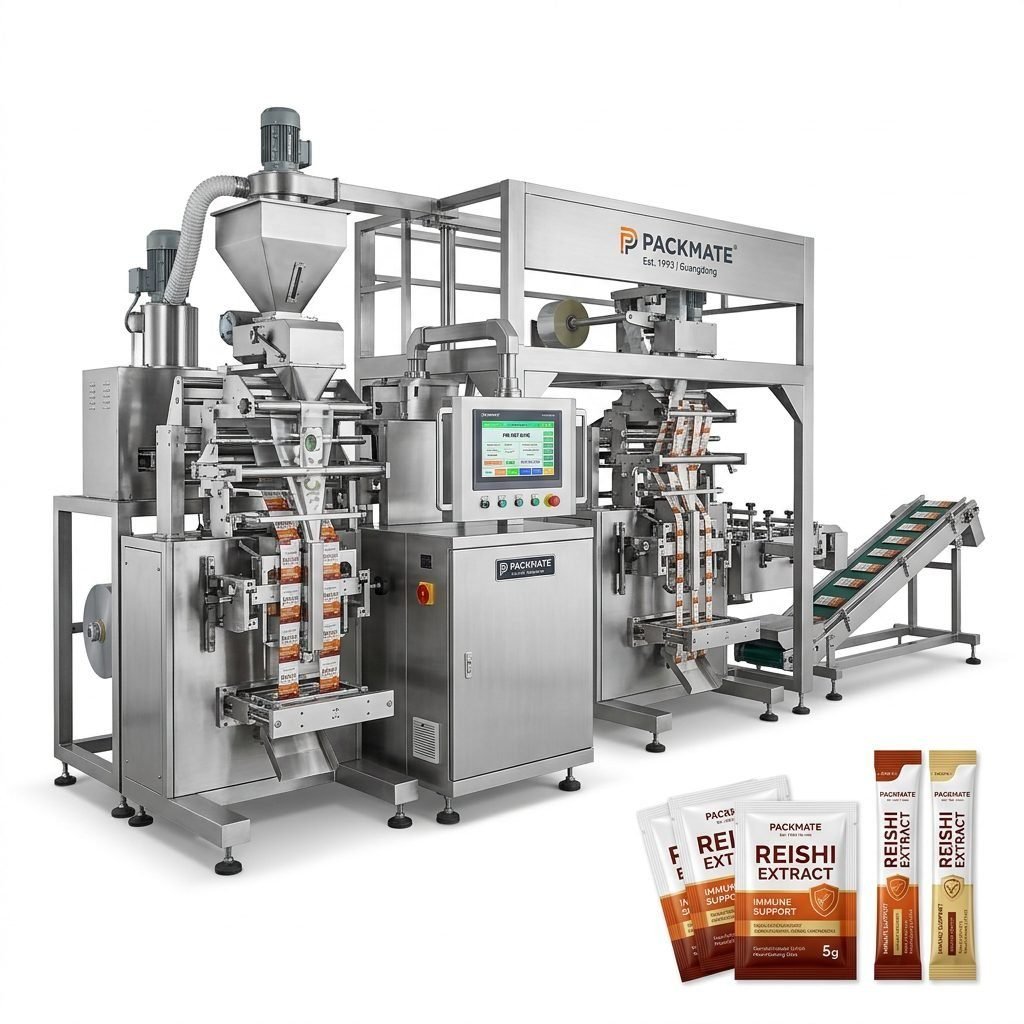
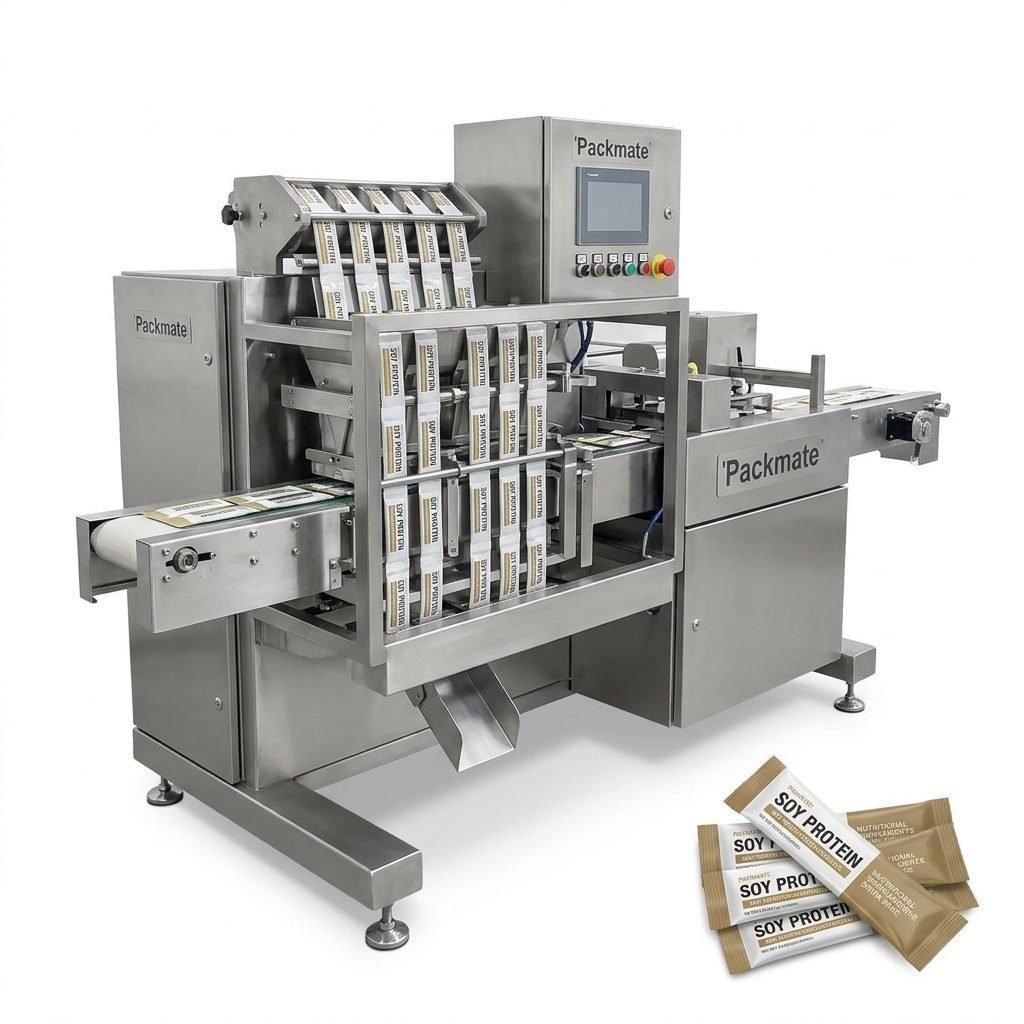
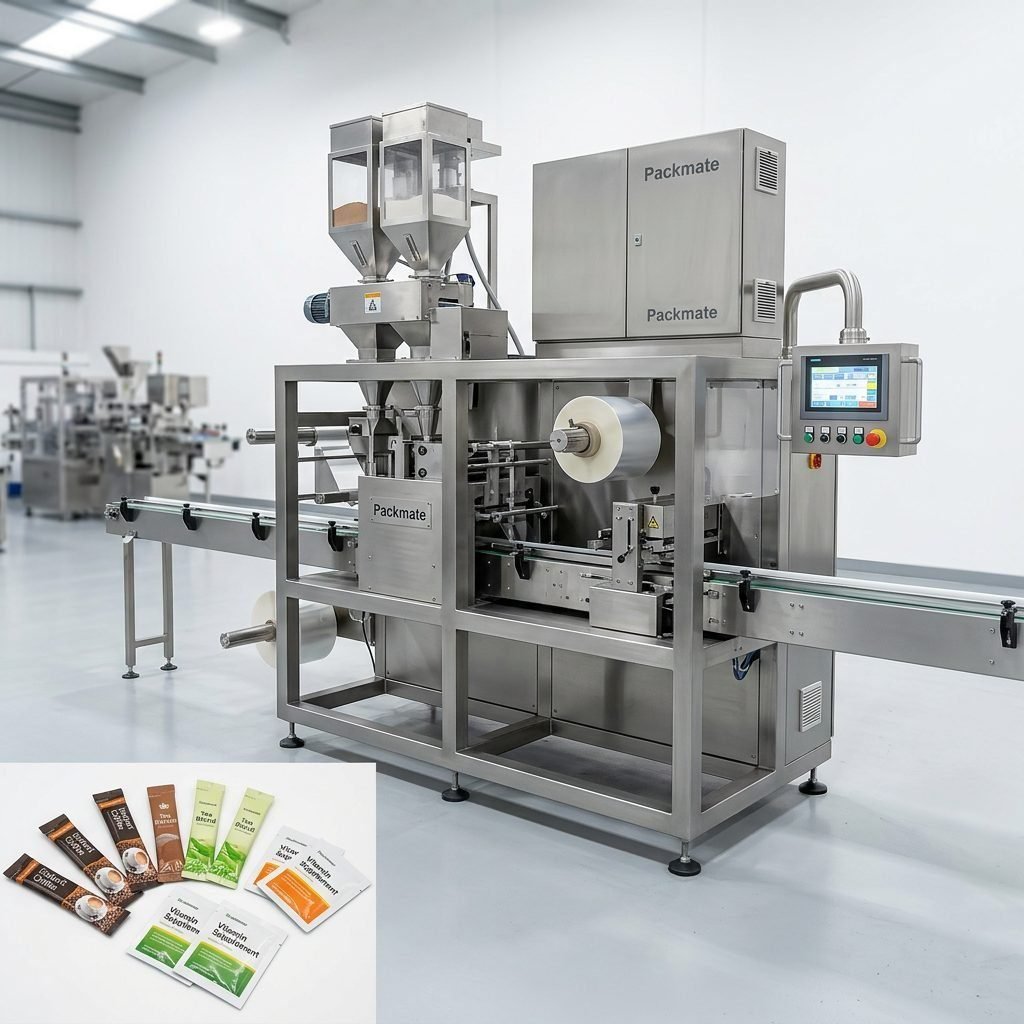
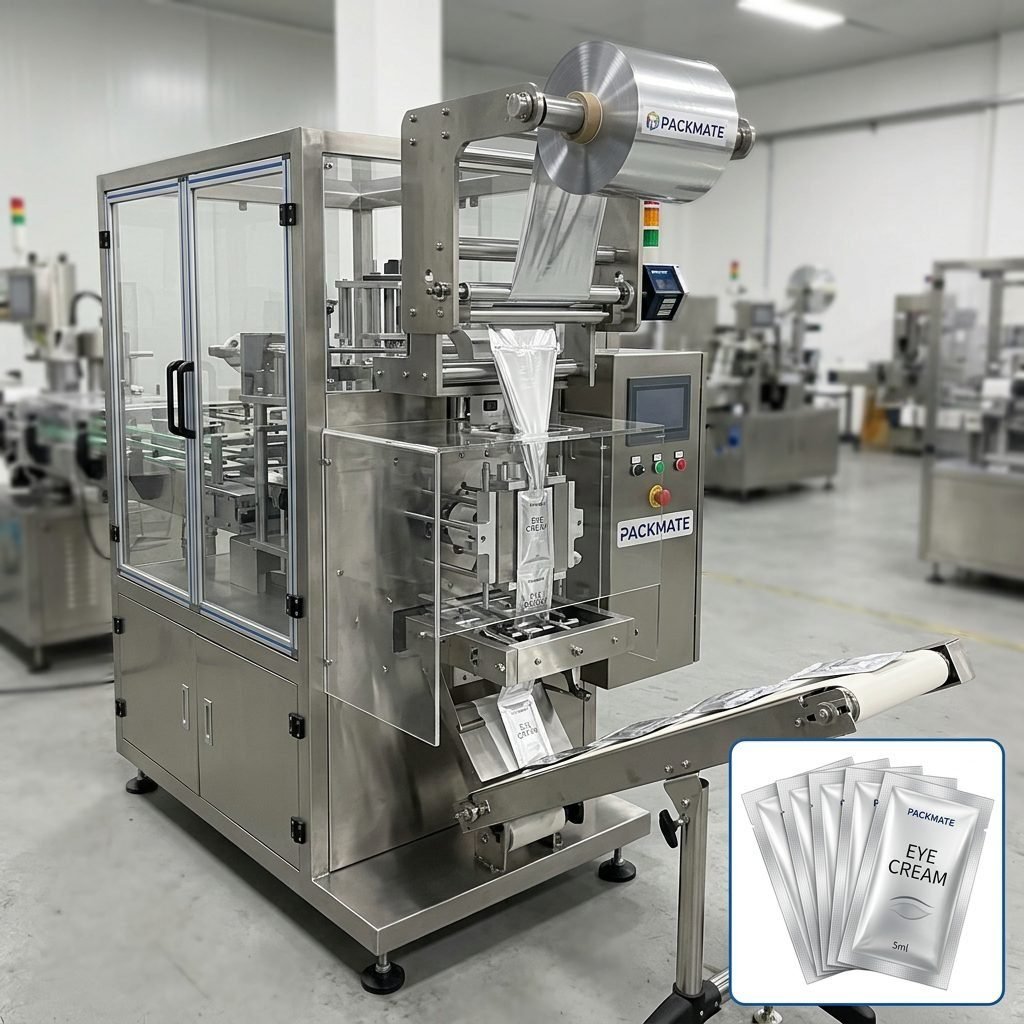
Packmate Machinery offers over 80 machine models focused on granule, powder, and liquid packaging. With more than three decades in the industry, they are known for a good balance between cost performance and technical reliability. Their experience in export markets makes them a practical option for buyers seeking stable performance without excessive complexity.
PacklineOEM
For buyers whose primary need is a fully integrated production line rather than a single machine, PacklineOEM is a strong contender. They specialize in turnkey packaging lines, handling integration from feeding and weighing to end-of-line packaging. This is suitable for larger-scale operations in Madagascar looking for a high degree of automation.
PackingMachineOEM
As the name suggests, PackingMachineOEM focuses on customized and non-standard packaging solutions. This is particularly valuable for Malagasy companies with unique products that require tailored engineering. Their flexibility in machine configuration can address specific challenges related to local product characteristics.
SnusMachinery
For businesses in niche sectors like nicotine pouches or specialized pouch products, SnusMachinery offers targeted expertise. While serving general food and pharma markets, their specialized knowledge in precise pouch dosing and sealing for demanding applications can be a significant advantage for relevant ventures in Madagascar.
Finalizing the Partnership and Managing Delivery
Once you have selected a manufacturer, ensure all agreements are detailed in a contract. This should cover technical specifications, delivery timeline (Incoterms), payment schedule, warranty terms, and scope of after-sales support. Plan for the logistics of shipping to Madagascar, including working with a reliable freight forwarder experienced in handling machinery imports to the island. Upon arrival, schedule the installation and commissioning, which may involve a factory engineer (consider visa requirements) or detailed remote guidance.
Frequently Asked Questions (FAQs)
1. What is the typical lead time for a packaging machine from China to Madagascar?
Lead times vary based on machine complexity and customization. For standard models, expect 30-60 days for production after order confirmation, plus 30-45 days for sea freight shipping to a port like Toamasina. Customized or complete line projects may take 90-120 days or more.
2. How can we ensure machine quality without a pre-shipment factory visit?
Reputable manufacturers will provide detailed photos and videos of the manufacturing process, material certificates, and a live or recorded Factory Acceptance Test (FAT). You can also ask for references from existing clients in Africa or similar markets.
3. What are the main challenges in maintaining packaging machines in Madagascar?
Key challenges include timely access to genuine spare parts, potential voltage fluctuations, and finding local technicians with specific machine knowledge. Mitigate this by ordering a critical spare parts kit with the machine and insisting on comprehensive digital training materials from the supplier.
4. Is it better to buy a single machine or a complete turnkey line?
This depends on your production volume, budget, and automation goals. A single machine is a lower-risk starting point. A turnkey line from a supplier like PacklineOEM offers higher efficiency and integration but requires a larger investment and more complex project management.
5. How do we handle customs clearance and taxes for machinery in Madagascar?
It is highly recommended to engage a licensed Malagasy customs broker or freight forwarder. They can guide you on required documentation (proforma invoice, bill of lading, certificate of origin), applicable import duties, and VAT. Ensure your supplier provides all necessary, accurately completed shipping documents.