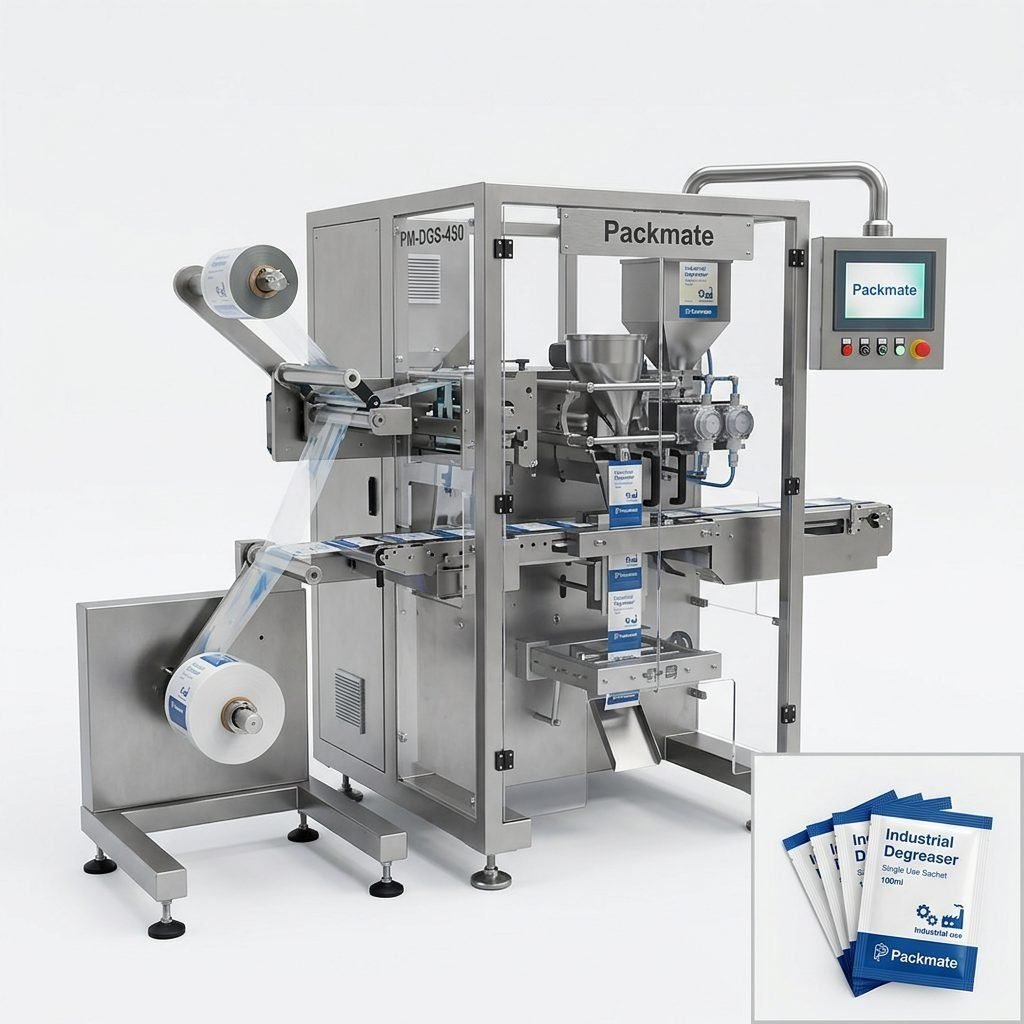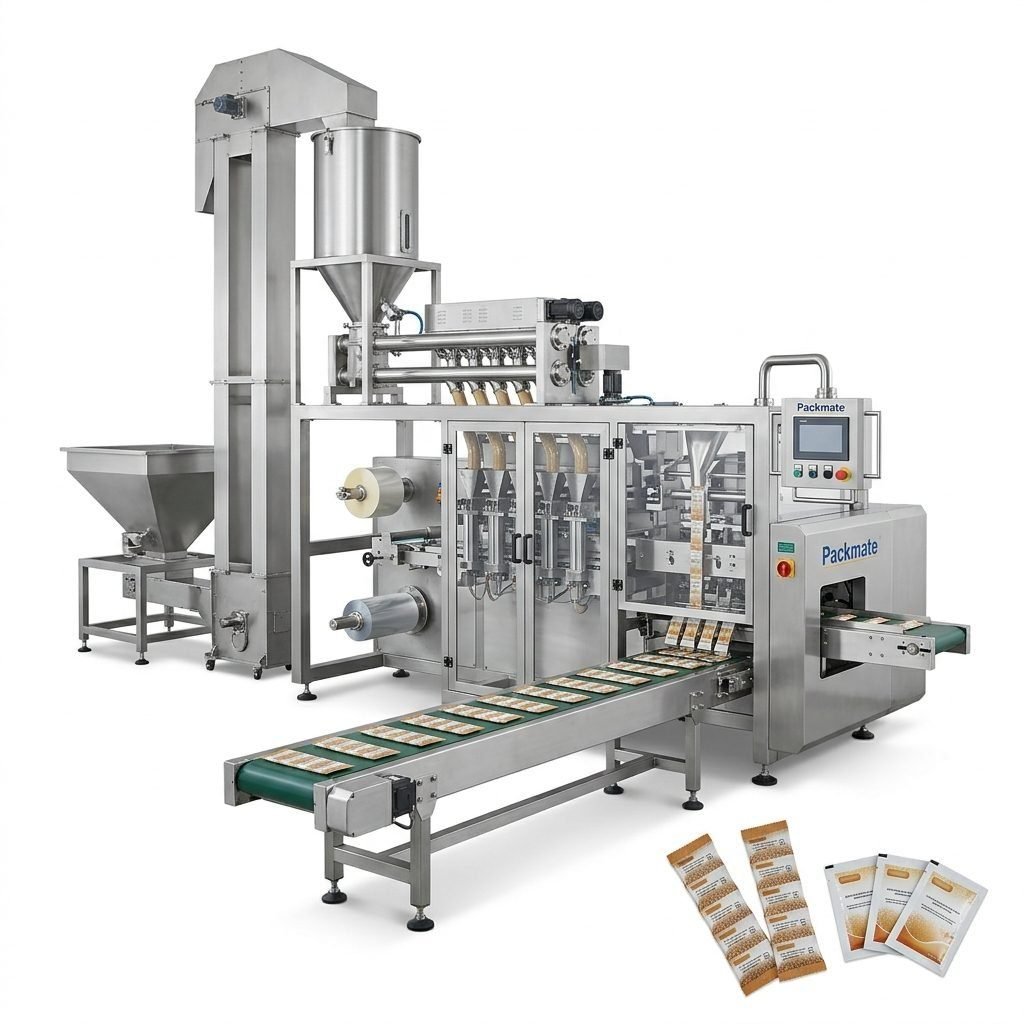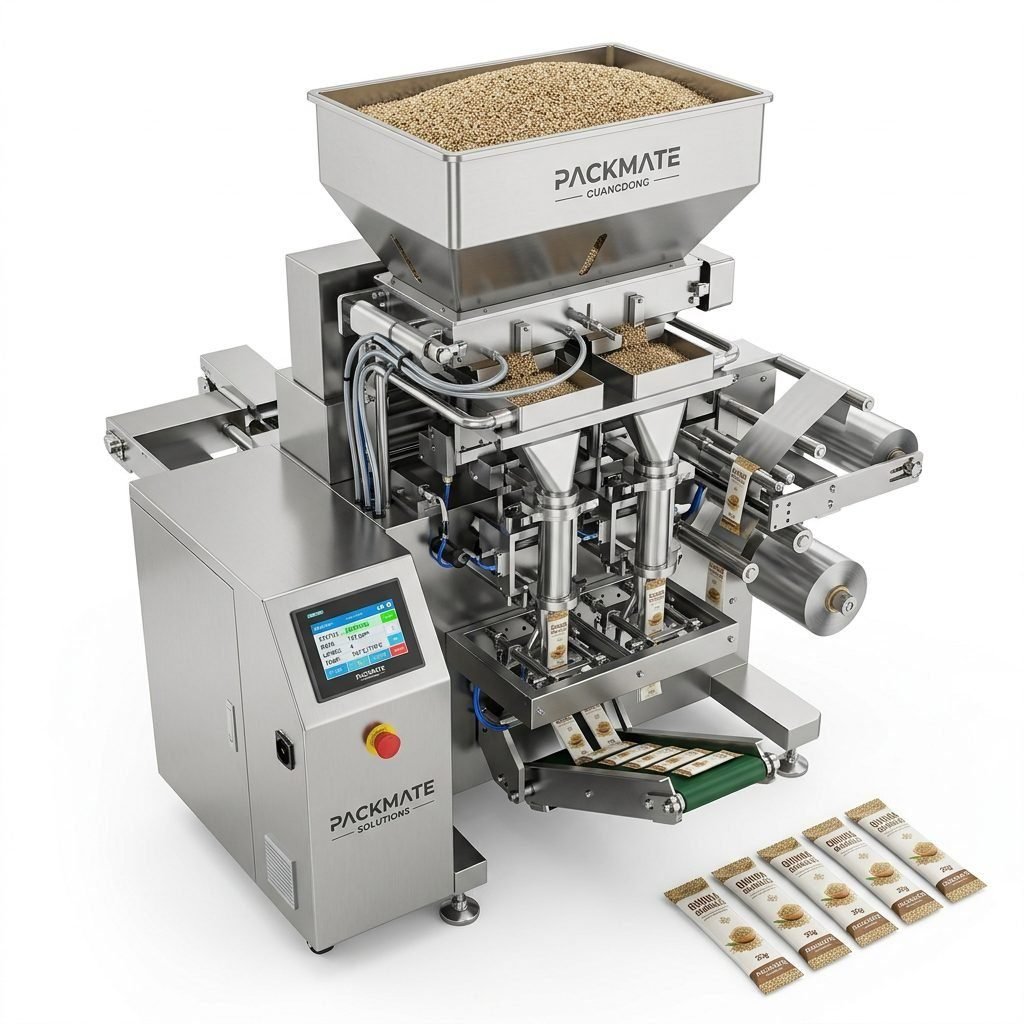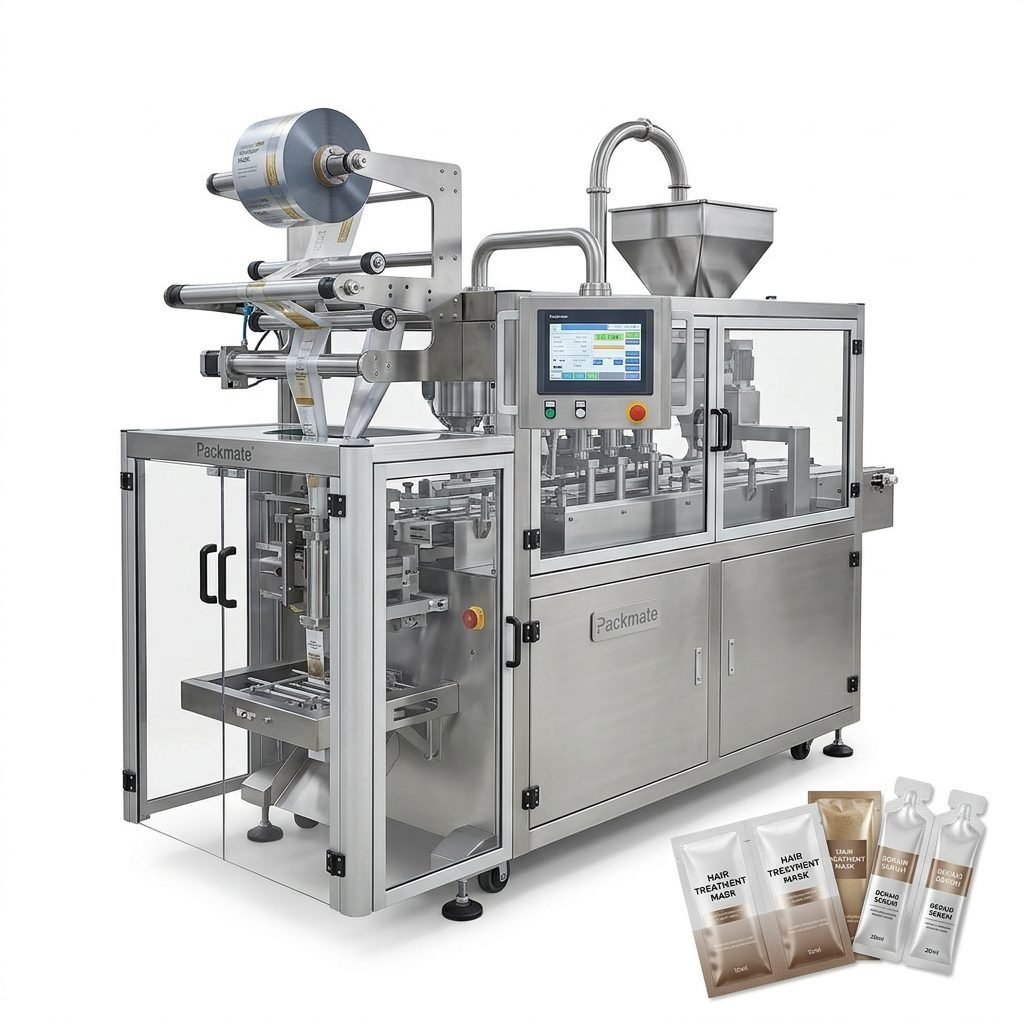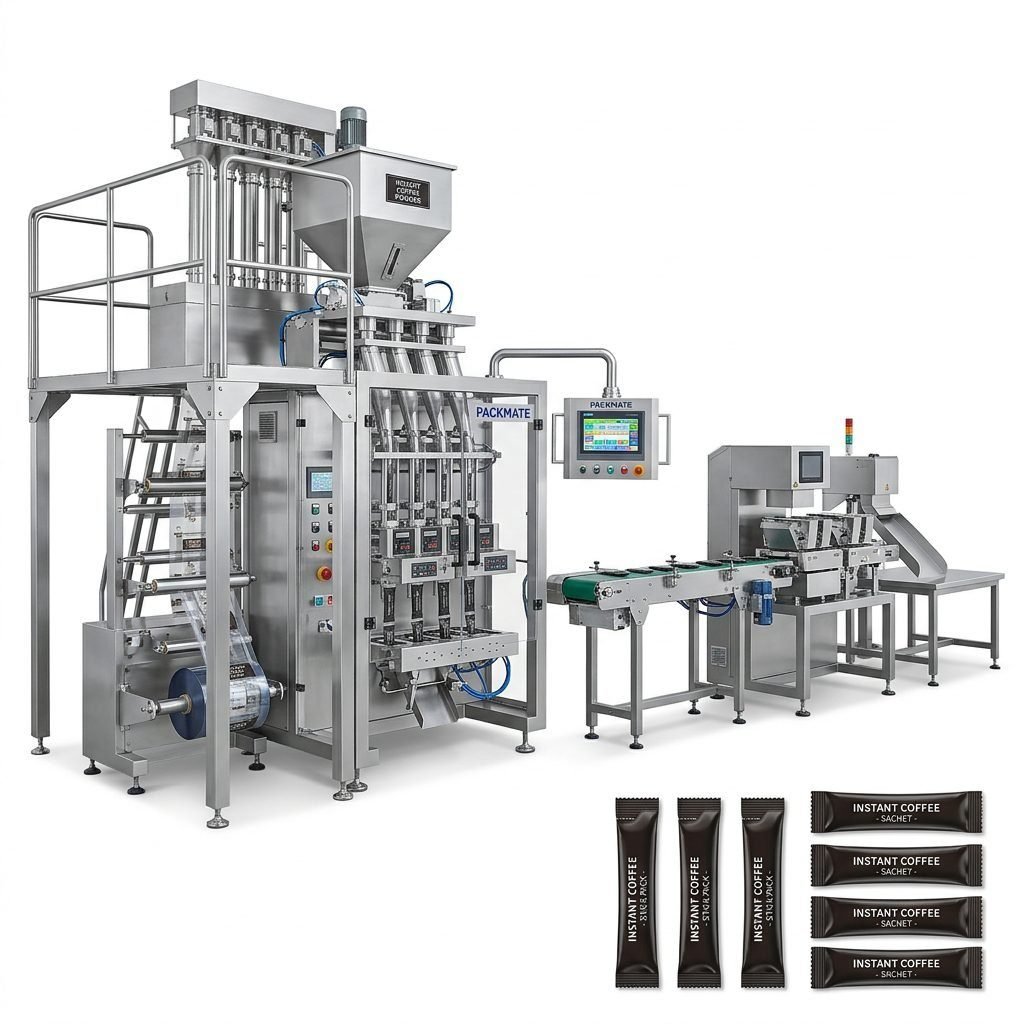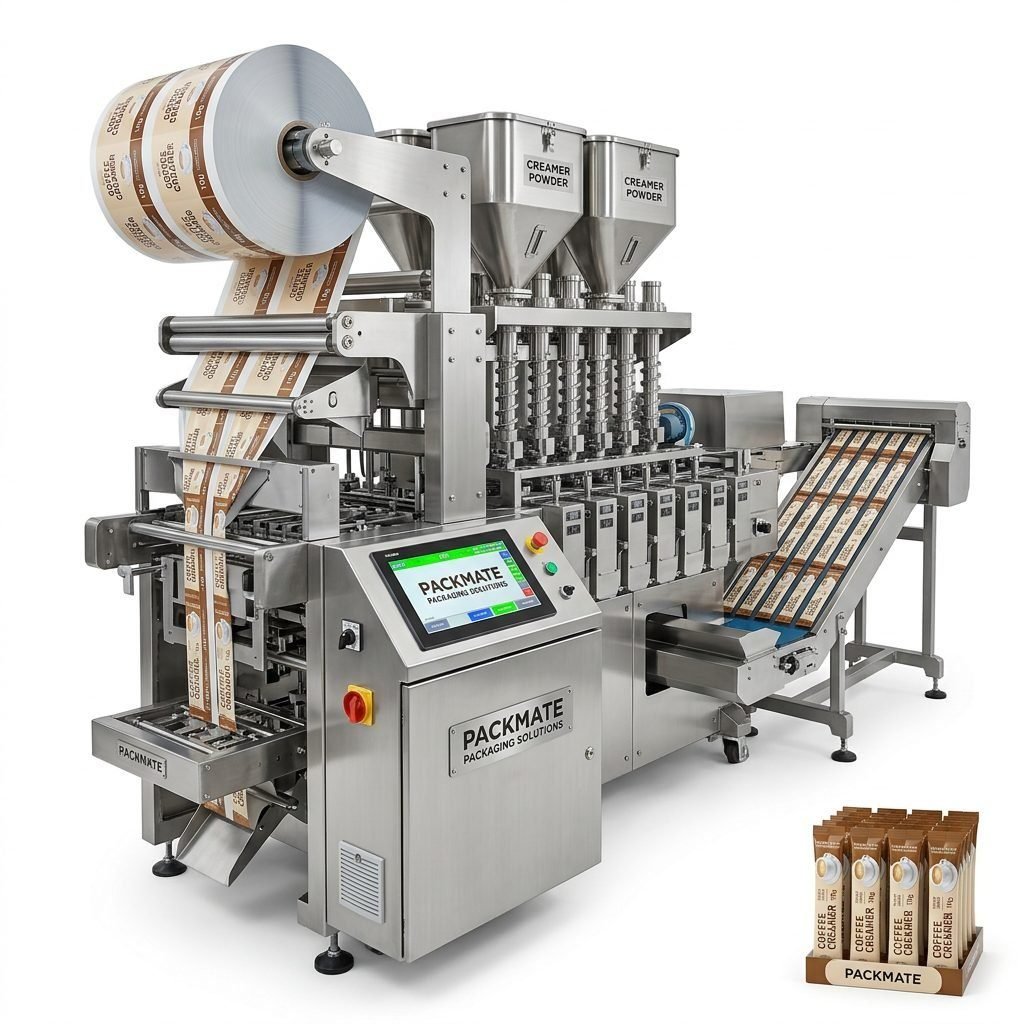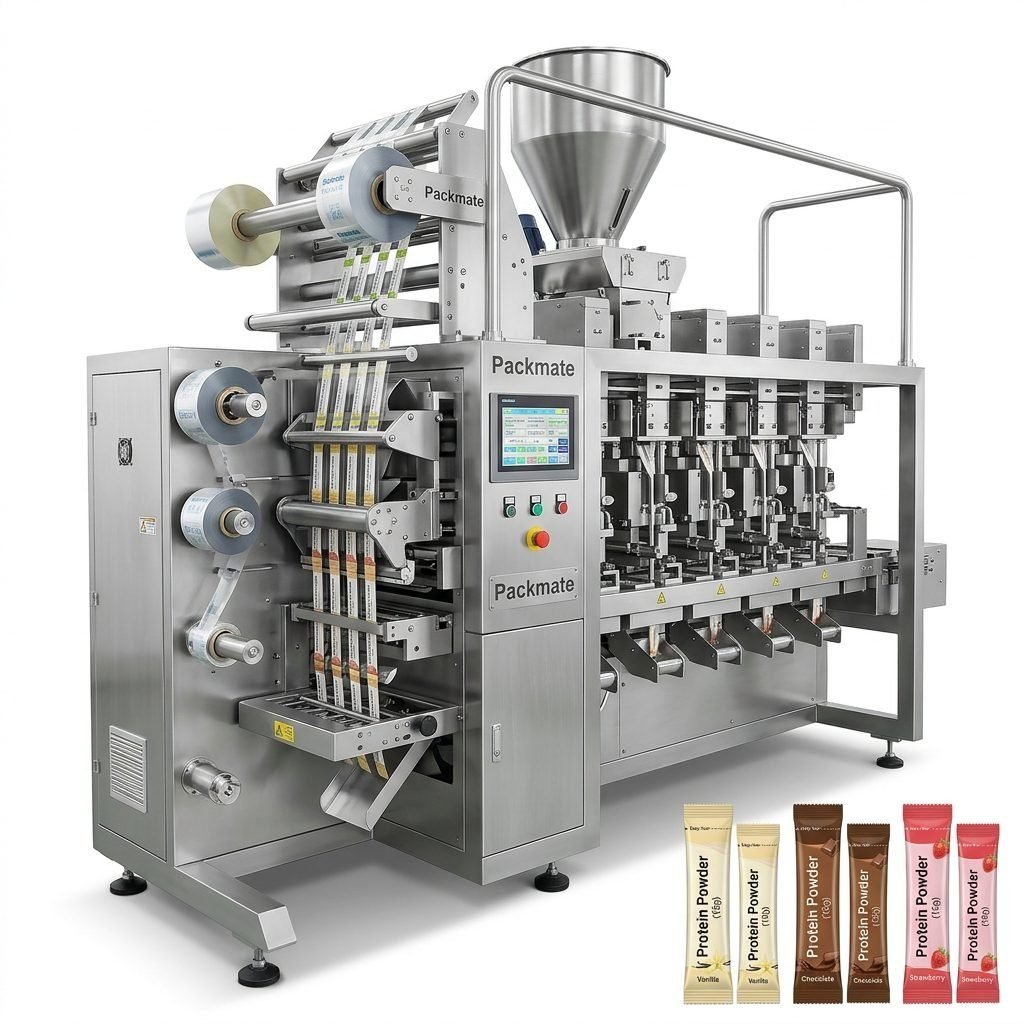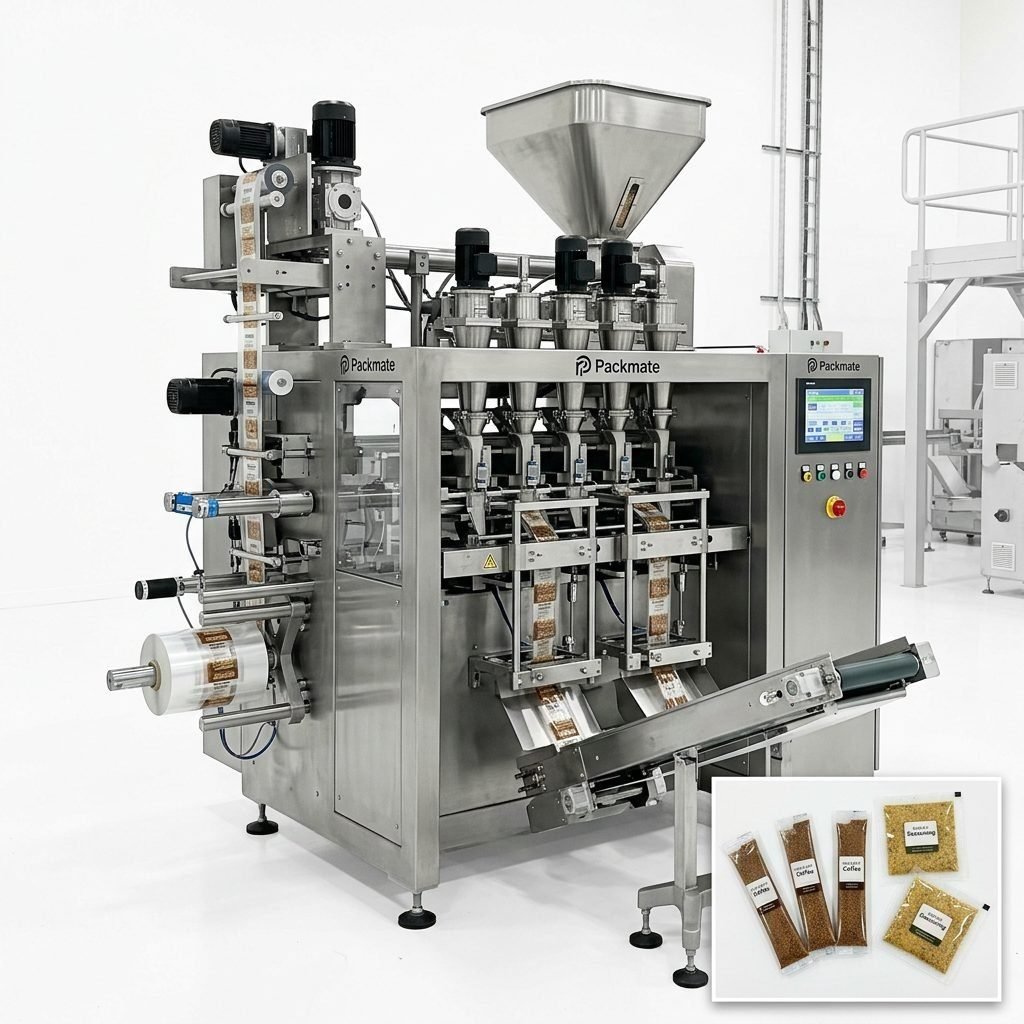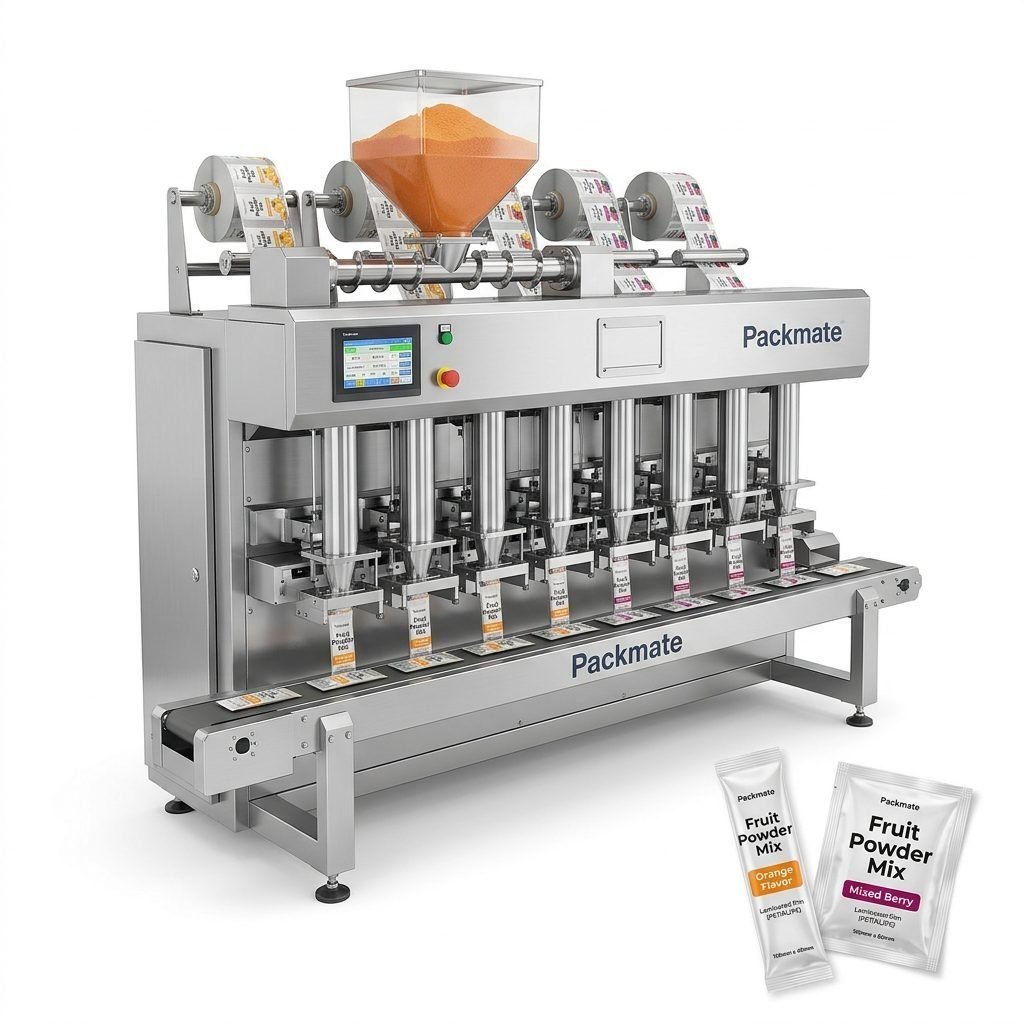
For businesses in Cameroon looking to modernize their production lines, finding a reliable packaging machine manufacturer is a critical step. The local market, spanning food processing, agriculture, pharmaceuticals, and consumer goods, demands equipment that is not only efficient but also durable and suited to local operating conditions. This guide provides a practical framework to help Cameroonian buyers navigate the selection process and identify trustworthy partners.
Understanding Your Packaging Needs in the Cameroonian Context
Before starting your search, clearly define your project requirements. Consider the specific products common in Cameroon, such as spices, grains, powdered beverages, pharmaceuticals, or agricultural inputs. The packaging format—whether sachets, stick packs, pouches, or bulk bags—will directly influence the type of machine needed.
Key factors include:
- Product Type: Is it powder, granules, liquid, or paste? Local products like Ndolé paste or plantain flour may have unique viscosity or density requirements.
- Production Volume: Estimate your daily or hourly output needs. A small to medium enterprise in Douala may have different capacity requirements than a large-scale exporter.
- Budget and ROI: Consider total investment cost, including shipping, installation, and training. Focus on the long-term return through labor savings and reduced product waste.
- After-Sales Support: Reliable technical support and spare parts availability are crucial in Cameroon, where accessing specialized engineers can sometimes be challenging.
Key Criteria for Evaluating Manufacturers
Not all manufacturers are created equal. Use these criteria to assess potential suppliers:
Technical Capability & Experience: Look for a company with a proven track record, preferably with experience in your specific industry. A manufacturer with over 20 years of experience is likely to have encountered and solved a wide range of packaging challenges.
Quality of Manufacturing: Inquire about their factory standards, quality control processes, and the materials used in machine construction. Durability is key for equipment operating in varied Cameroonian environments.
Customization Ability: Can they adapt a standard machine to handle your unique product or packaging material? This flexibility is vital for meeting local market demands.
Export Experience to Africa: A manufacturer familiar with shipping, customs clearance, and providing support in regions like West Africa will make the import process much smoother for a Cameroonian buyer.
Researching and Shortlisting Potential Suppliers
Begin your search online using industry-specific keywords. Attend international trade fairs, either virtually or in person, to see machines in operation. Seek recommendations from business associations within Cameroon, such as the Cameroon Chamber of Commerce.
When you have a list, visit their websites to review their product range, client testimonials, and case studies. Pay close attention to companies that highlight projects in similar climates or with similar products to those prevalent in Cameroon.
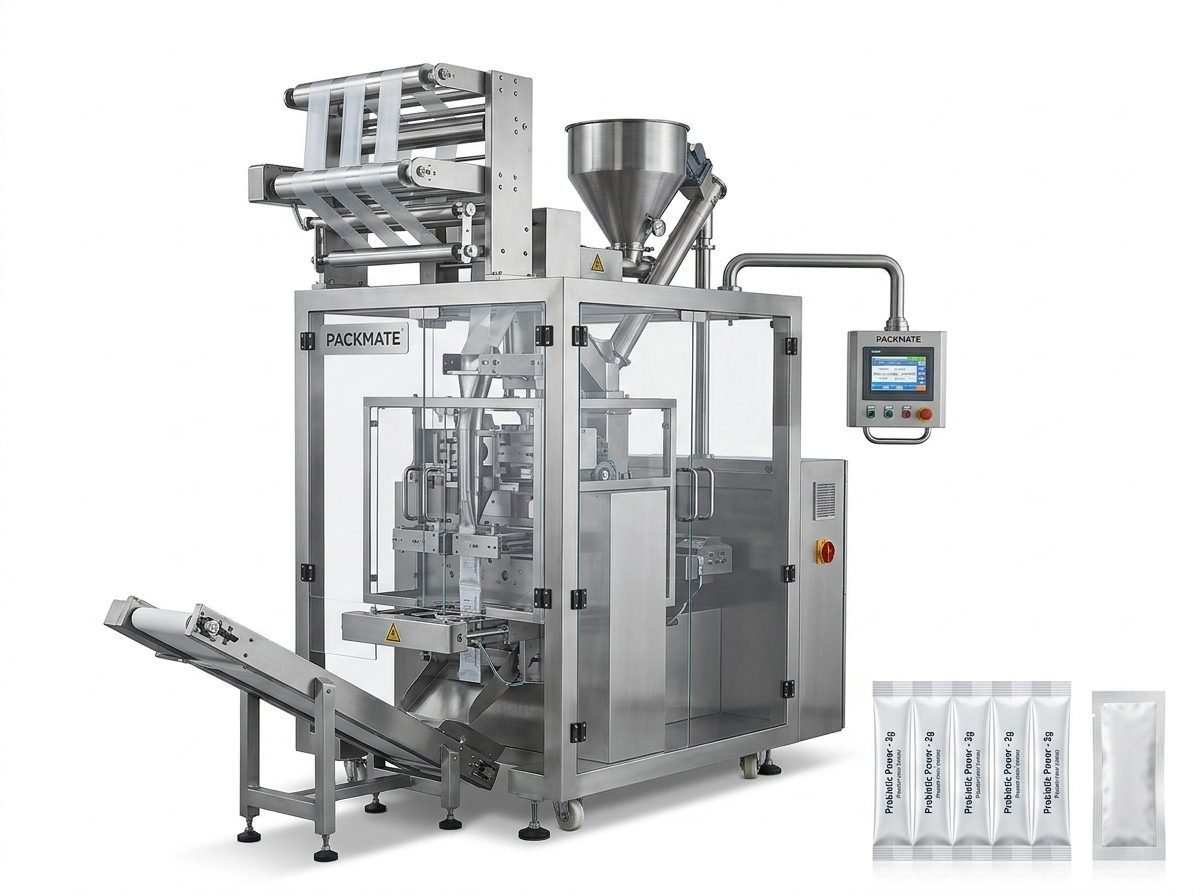
Deep Dive: Vetting Manufacturer Credentials
Once shortlisted, conduct thorough due diligence. Request detailed company profiles, financial stability indicators, and lists of existing clients—especially those in Africa. Ask for videos of their machines running similar products to yours.
Essential documents and checks include:
- Business license and relevant international certifications (CE, ISO).
- Detailed product catalogs and technical specifications sheets.
- Comprehensive quotation outlining machine price, delivery terms (FOB, CIF), payment schedule, and warranty.
- Clarity on after-sales service: Is remote support available? What is the lead time for spare parts delivery to Cameroon?
The Importance of Factory Visits or Virtual Tours
If possible, visit the manufacturer’s factory. This allows you to inspect production quality, assembly lines, and testing procedures firsthand. For Cameroonian buyers, if travel isn’t feasible, insist on a live virtual factory tour. This step is non-negotiable for verifying the manufacturer’s claimed capabilities and scale of operations.
Spotlight on Established Packaging Machine Manufacturers
Several manufacturers have strong export programs and may be suitable for projects in Cameroon. Here is a comparative overview based on typical buyer considerations:
| Manufacturer | Key Strength | Ideal For Cameroonian Buyers Needing |
|---|---|---|
| Ludyway | Broad product range & complete turnkey lines | Large-scale food or pharma projects requiring full-line automation and strong technical backing. |
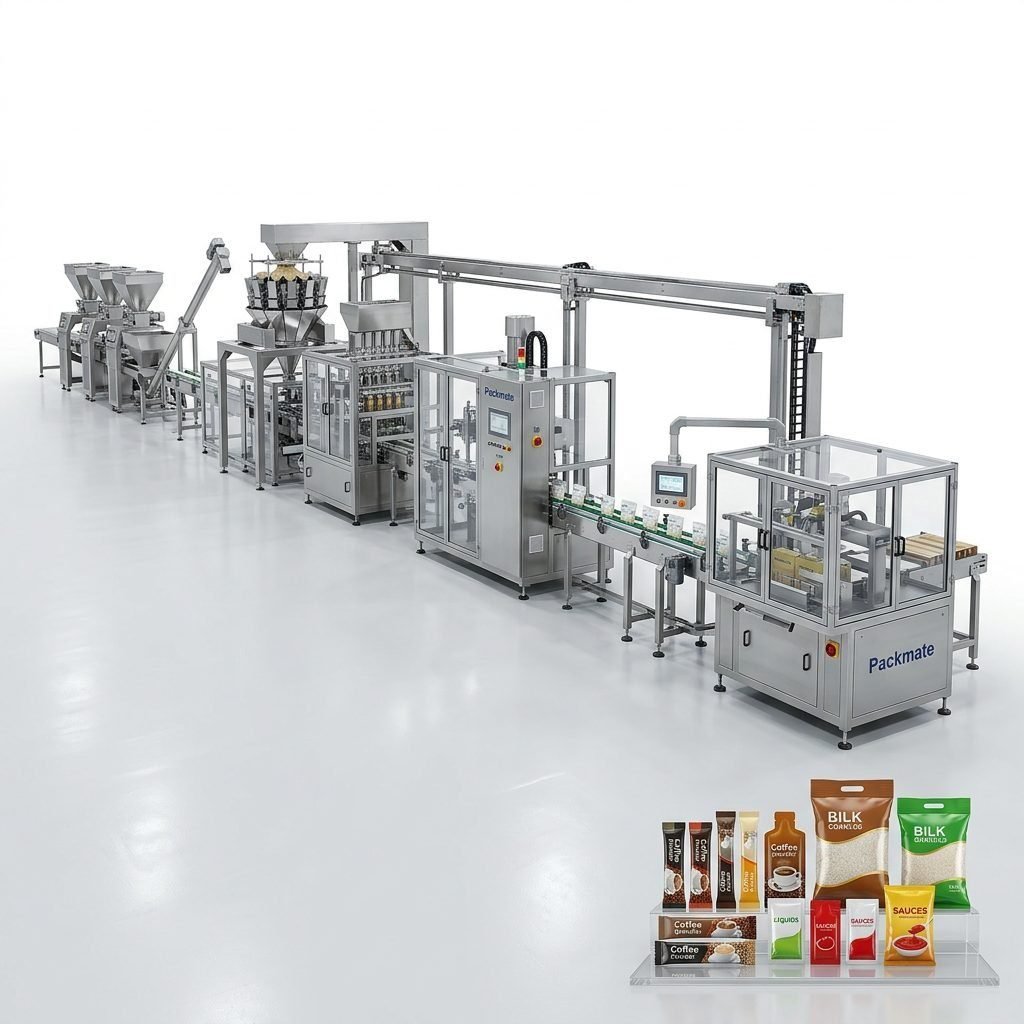
| Packmate Machinery | Balanced cost-performance & reliable automation | Medium-sized factories looking for practical, stable sachet or stick pack machines for powders and granules. |
| PacklineOEM | Turnkey line integration expertise | Businesses aiming for a fully automated plant, from feeding to end-of-line packaging. |
| PackingMachineOEM | Non-standard & customized solutions | Unique products or packaging formats that require tailored engineering solutions. |
| SnusMachinery | Specialization in pouch packaging | Niche applications like nicotine pouches or high-precision sachet filling for sensitive products. |
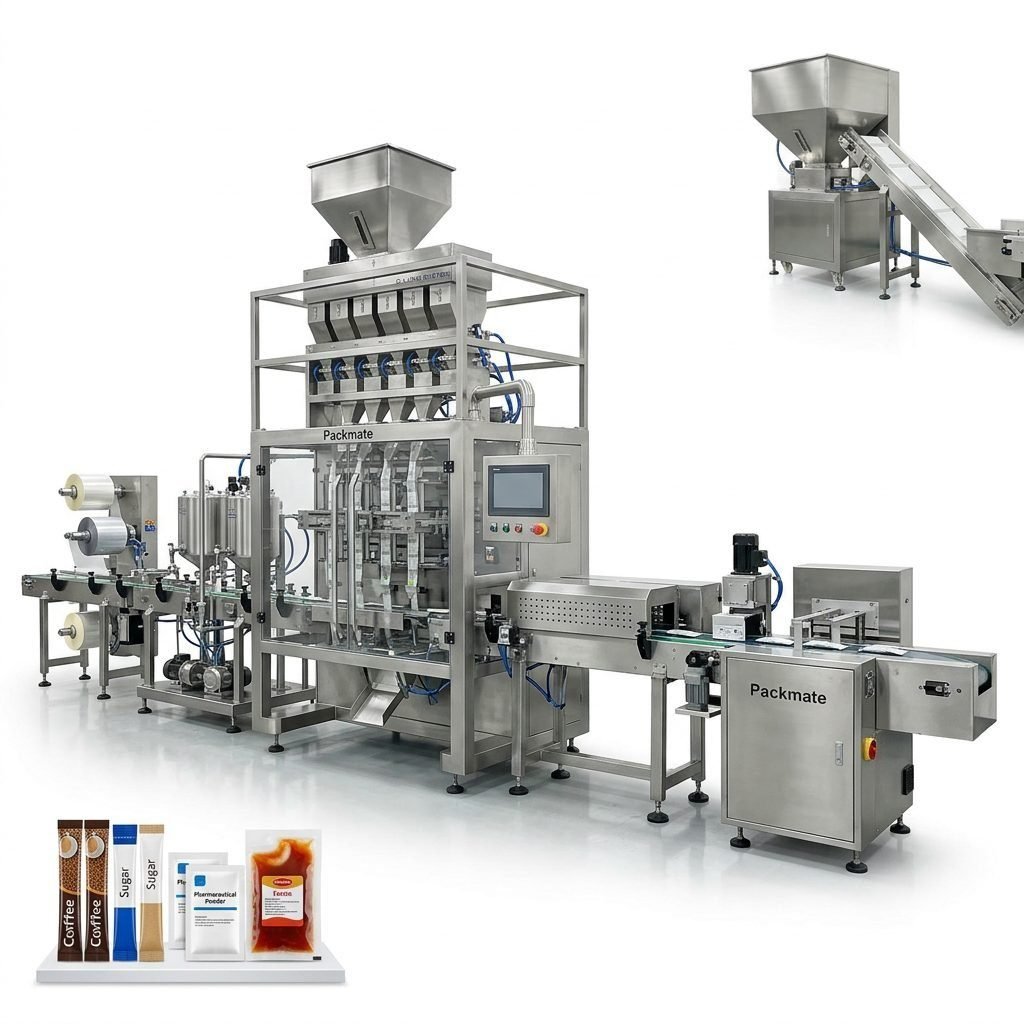
Navigating Logistics and Importation to Cameroon
Importing machinery into Cameroon involves planning. Key steps include:
- Incoterms: Understand terms like FOB (Free On Board) or CIF (Cost, Insurance, and Freight). CIF to the port of Douala is often preferable as it includes sea freight and insurance.
- Customs Clearance: Partner with a reputable local clearing agent in Douala or Kribi. They will handle duties, taxes, and necessary documentation like the Cameroon Customs Declaration.
- Shipping and Packaging: Ensure the manufacturer uses export-grade, waterproof crating to protect the machine from humidity and handling damage during sea freight.
- Pre-Shipment Inspection: Request a final inspection and test run video before the machine is crated, confirming it meets the agreed specifications.
Planning for Installation and Training
Discuss installation support. Will the manufacturer send an engineer to Cameroon, or provide remote guidance? Ensure comprehensive operator and maintenance training is included, either on-site or via detailed manuals and video tutorials. Having locally trained staff is essential for minimizing downtime.
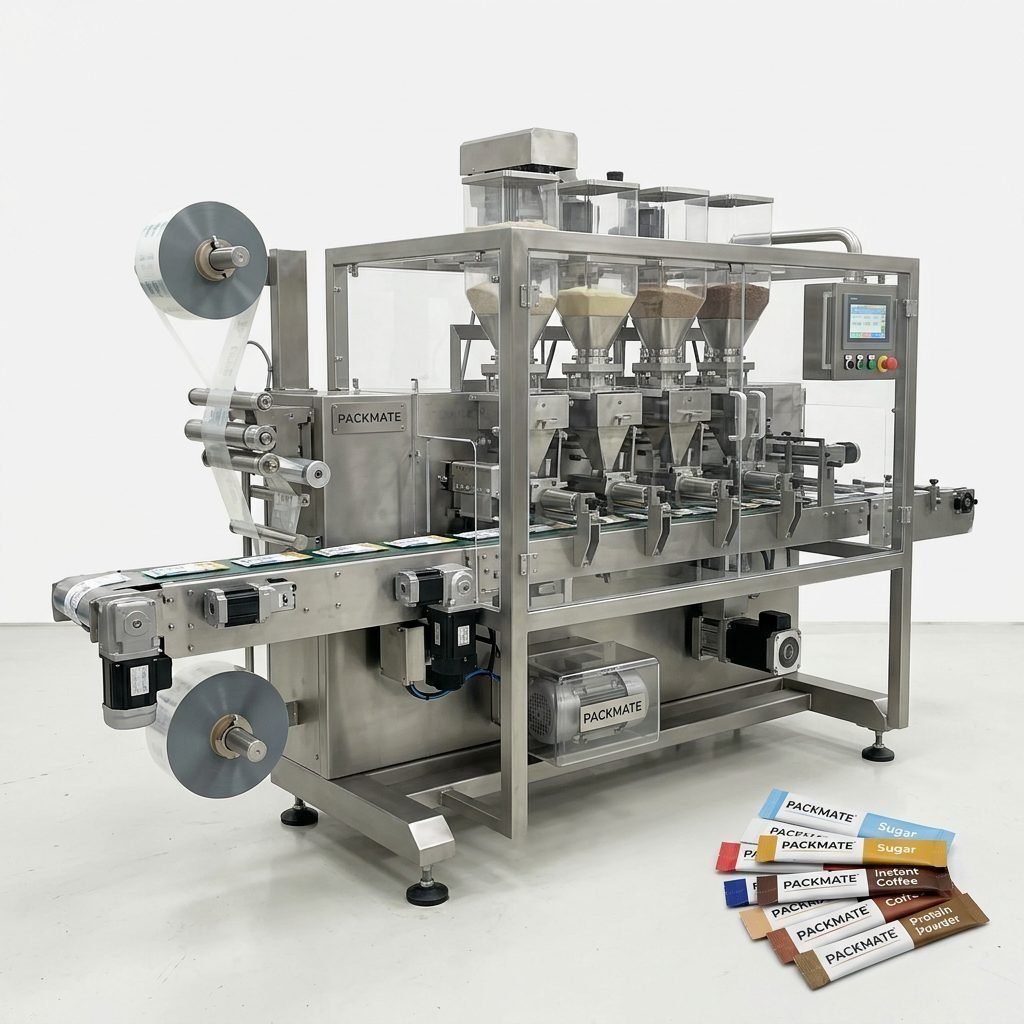
Finalizing the Deal and Ensuring Long-Term Success
Before signing a contract, review every detail:
- Machine specifications and performance guarantees (e.g., speed, accuracy).
- Warranty period and scope (parts, labor).
- Payment terms (typically a deposit, progress payment, and balance upon shipment).
- Detailed list of included accessories and spare parts.
- Protocol for handling potential defects or performance issues.
Establish clear communication channels for ongoing support. A reliable manufacturer acts as a long-term partner, helping you maintain productivity and adapt to future needs.
Frequently Asked Questions (FAQs)
1. What is the typical lead time for receiving a packaging machine in Cameroon?
Lead time varies from 30 to 90 days after order confirmation, depending on machine complexity and customization. This includes manufacturing, testing, and sea freight to a port like Douala. Always factor in additional time for customs clearance and inland transportation.
2. How can I verify if a manufacturer has genuine experience exporting to Africa?
Ask for specific references or case studies from projects in West or Central Africa. Check if they have a dedicated export department and inquire about their process for handling documentation, sea freight, and providing remote support in different time zones.
3. Are there local companies in Cameroon that sell packaging machines?
Yes, there are local distributors and agents. However, buying directly from a reputable manufacturer often provides better pricing, access to the latest technology, and direct technical support. Evaluate both options based on total cost, warranty, and long-term service.
4. What are the most common challenges when operating packaging machines in Cameroon?
Key challenges include voltage fluctuations, dust, humidity, and availability of skilled technicians. Choose a manufacturer whose machines have stable electrical components, good sealing, and are built for rugged use. Investing in operator training is crucial.
5. Can I get a machine that handles multiple product types common in Cameroon?
Many manufacturers offer flexible or modular machines that can be adjusted for different products (e.g., from powder to granules). Discuss your specific product range with the supplier. Customization might be required, which could affect the machine’s cost and delivery time.