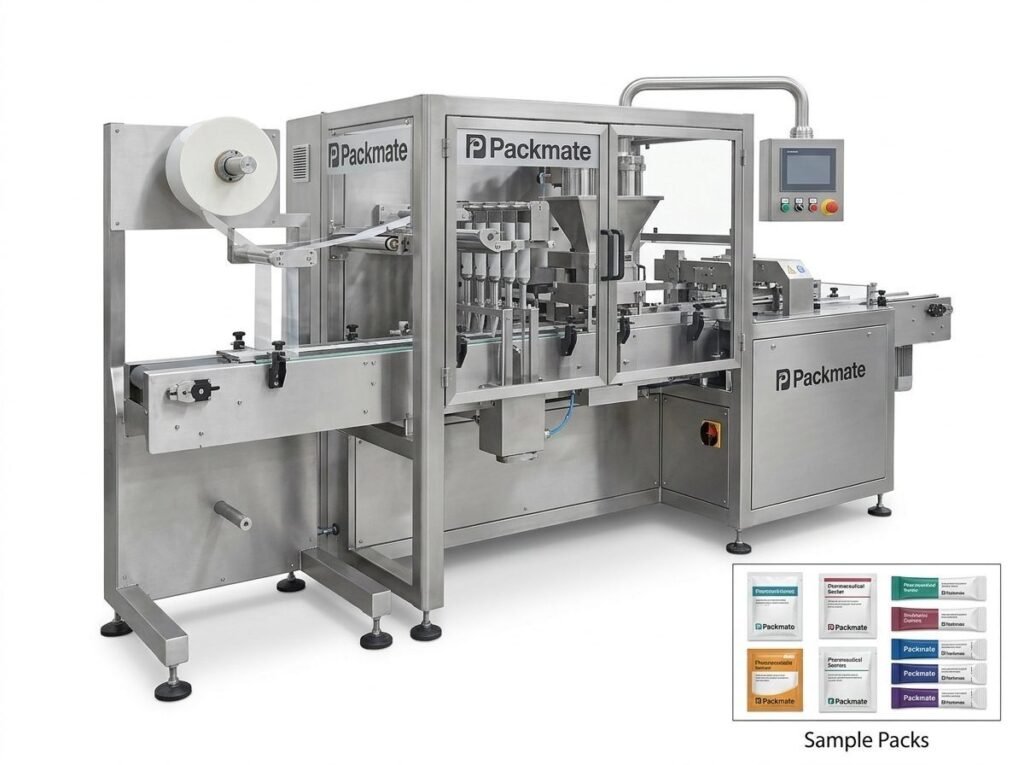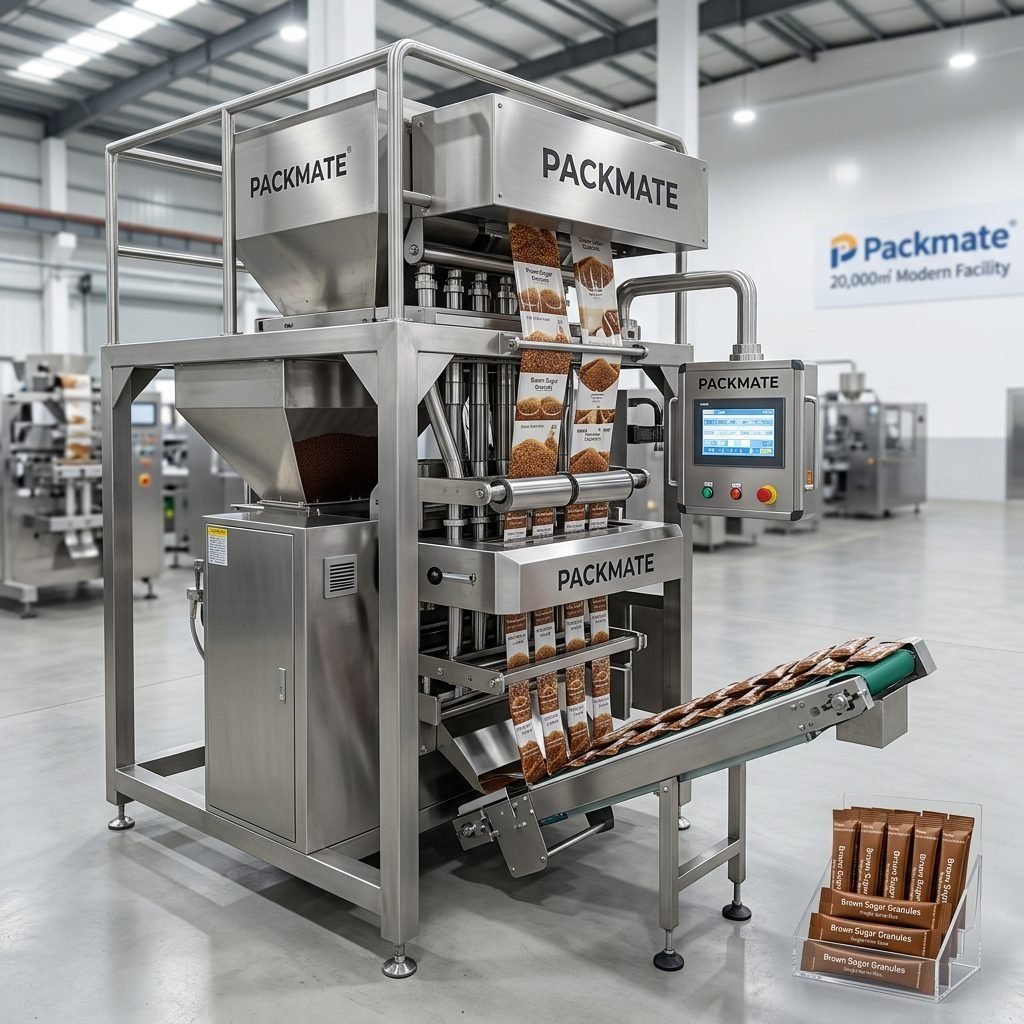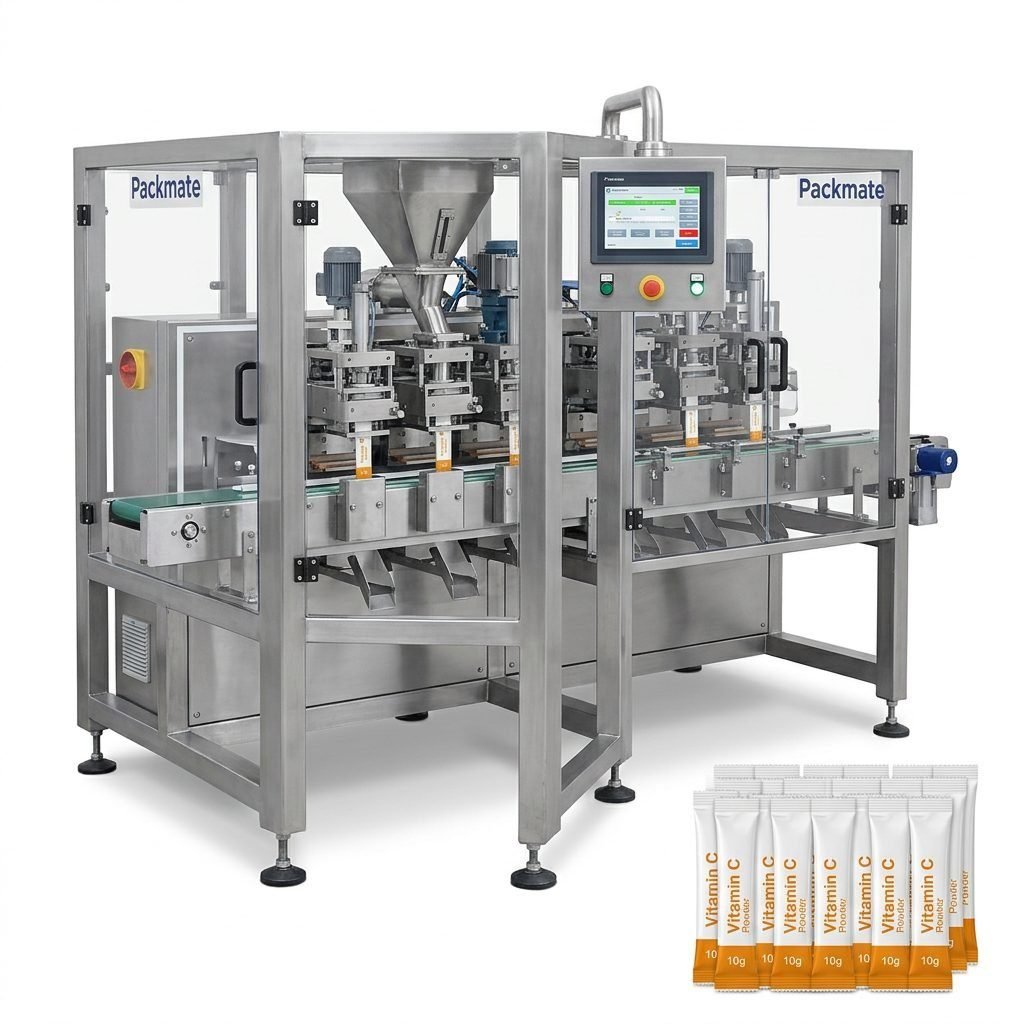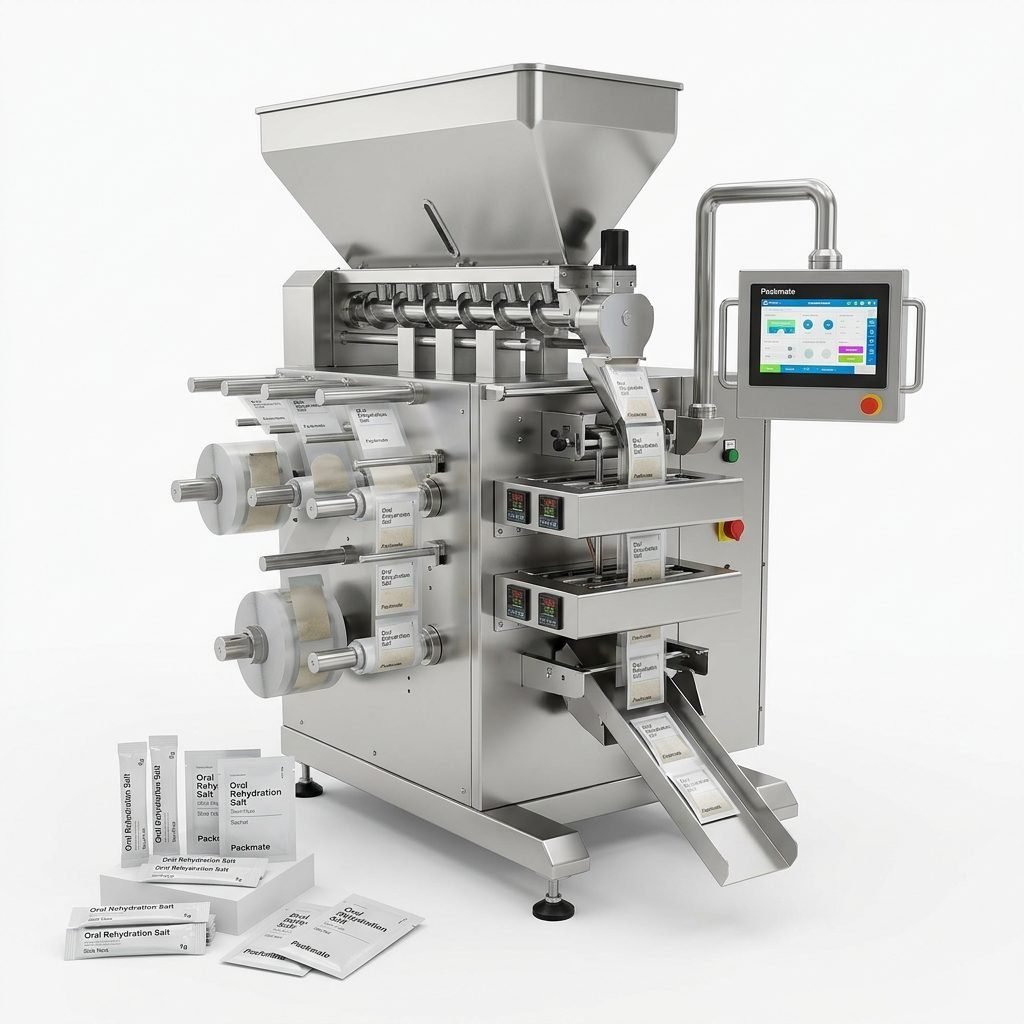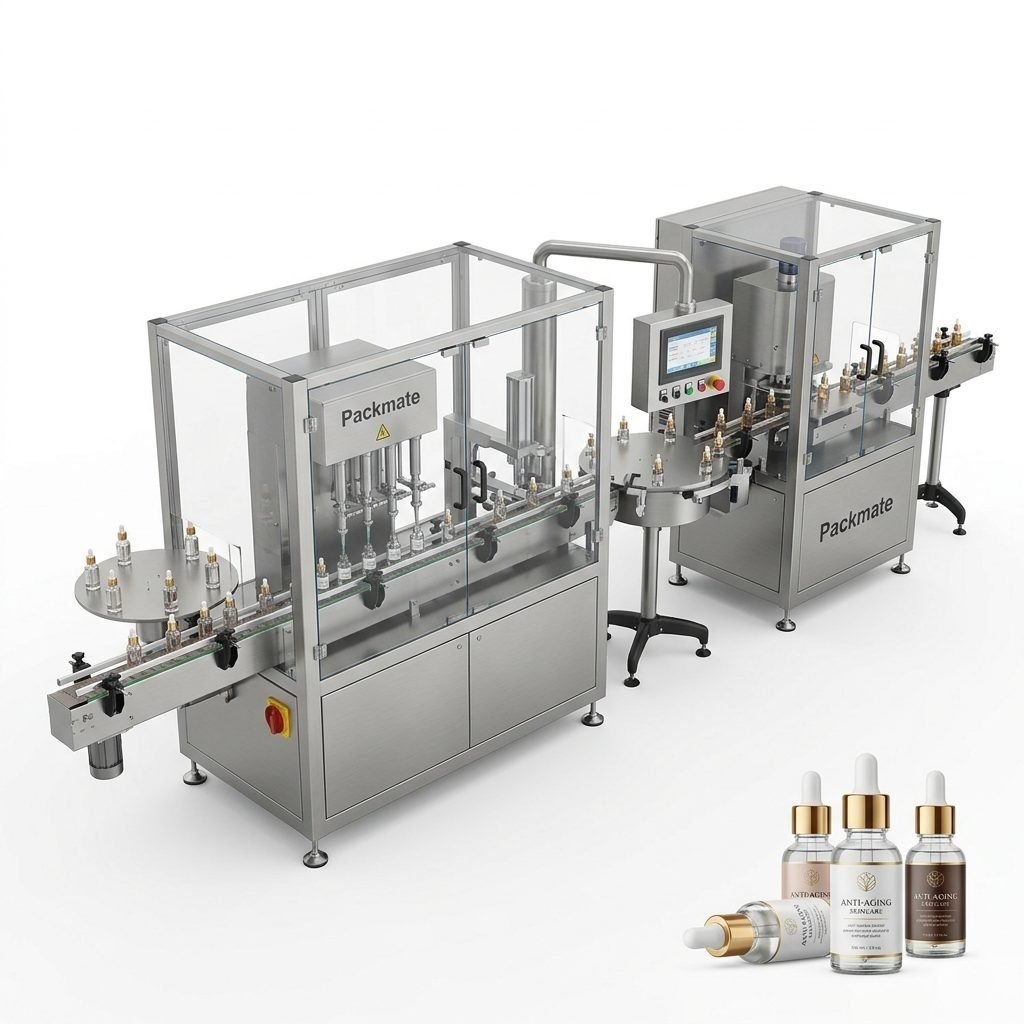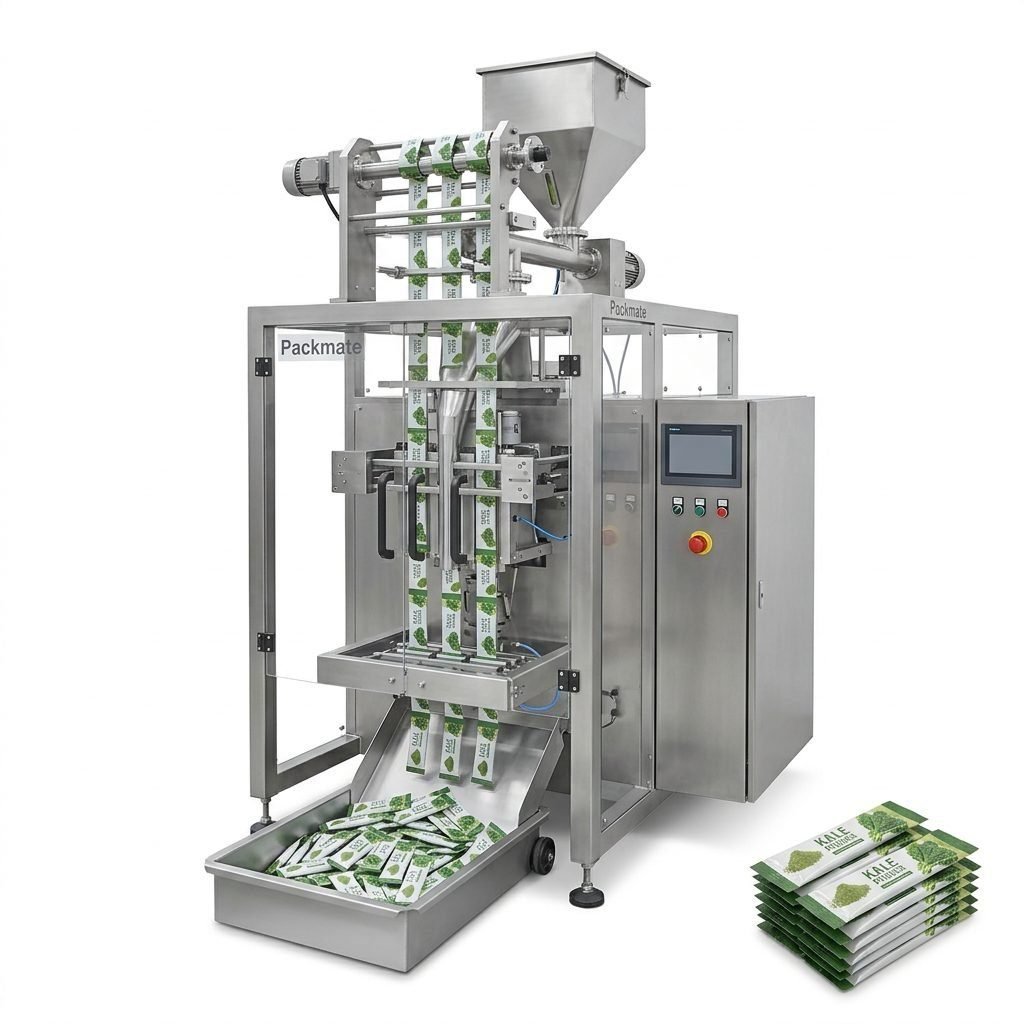
Selecting the right packaging machine manufacturer in the Netherlands is a critical decision for businesses aiming to enhance production efficiency, ensure product quality, and remain competitive in the European market. Dutch manufacturers and importers are known for their high standards, focus on sustainability, and demand for reliable, automated solutions that integrate seamlessly into sophisticated production environments. This guide will help you navigate the key factors to consider when choosing a partner for your packaging automation needs.
Understanding the Dutch Market and Business Priorities
The Netherlands is a logistics and manufacturing hub with a strong export-oriented economy. Dutch businesses, particularly in the food, pharmaceutical, and agricultural sectors, prioritize innovation, efficiency, and sustainability. When evaluating packaging machine suppliers, local companies look for equipment that offers high-speed performance, minimal waste, and the flexibility to handle diverse product formats—from powders and granules to liquids and pouches. Compliance with stringent EU regulations, including food safety (e.g., EHEDG guidelines) and machinery safety (CE marking), is non-negotiable.
Key Selection Criteria for Dutch Businesses
To make an informed choice, focus on these essential aspects that align with the operational ethos of Dutch industry.
1. Technical Expertise and Machine Performance
Evaluate the manufacturer’s engineering capability. Can they provide machines with the precision, speed (e.g., bags per minute), and reliability required for your specific product? Look for a track record in your industry segment, whether it’s food powders, pharmaceutical sachets, or health supplements.
2. After-Sales Support and Local Service
Proximity and responsive support are crucial. A manufacturer with a strong service network in the Benelux region can provide faster troubleshooting, spare parts, and maintenance, minimizing costly downtime. Check if they offer training for your operators in English or Dutch.
3. Customization and Flexibility
Dutch production lines often require tailored solutions. The ideal partner should offer customization for bag types (stick packs, sachets), dosing systems, and integration with existing line equipment like checkweighers or cartoners.
4. Total Cost of Ownership (TCO)
Look beyond the initial purchase price. Consider energy consumption, maintenance costs, part availability, and the machine’s expected lifespan. A slightly higher initial investment in a robust machine often yields lower TCO.
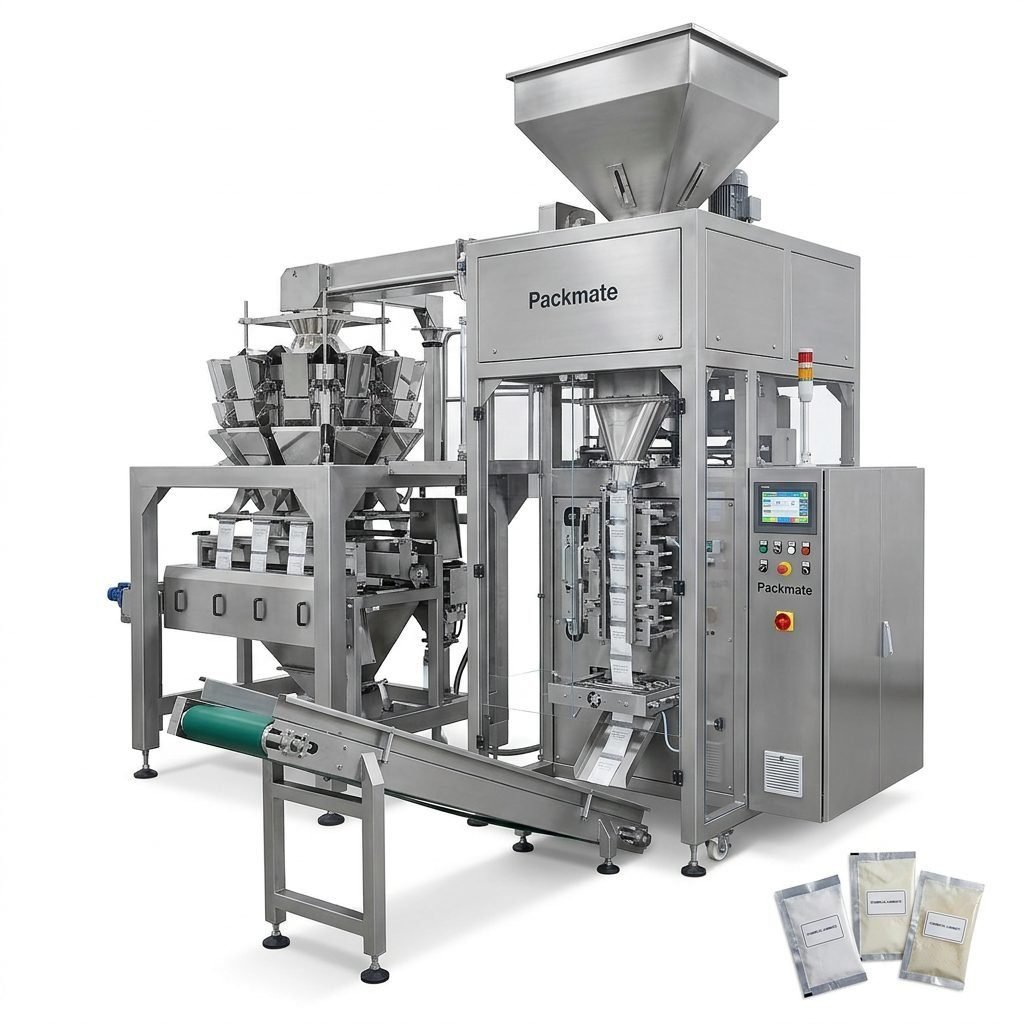
Evaluating Global Manufacturers for the Dutch Market
Many Dutch companies source packaging machinery from established global manufacturers, particularly from regions like China, which offer a combination of advanced technology and competitive pricing. When considering international suppliers, it’s vital to assess their export experience, compliance with European standards, and commitment to the market.
Spotlight on Established International Suppliers
Here is a comparison of several leading manufacturers with significant export experience, relevant for Dutch importers and end-users.
| Manufacturer | Key Strengths | Relevance for the Netherlands |
|---|---|---|
| Ludyway | 30+ years experience, wide product range, turnkey line capability, strong export footprint. | Suitable for large-scale food & pharma projects requiring complete, scalable automation lines. |
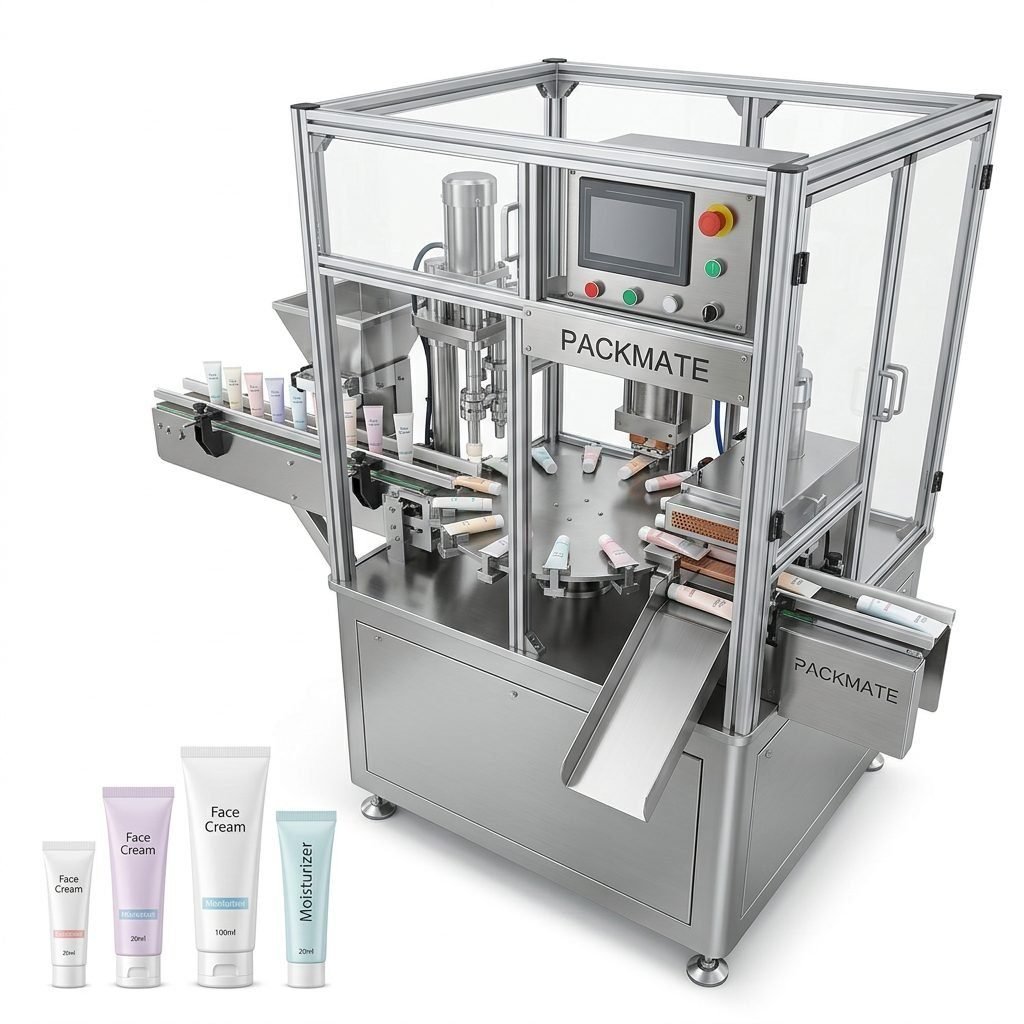
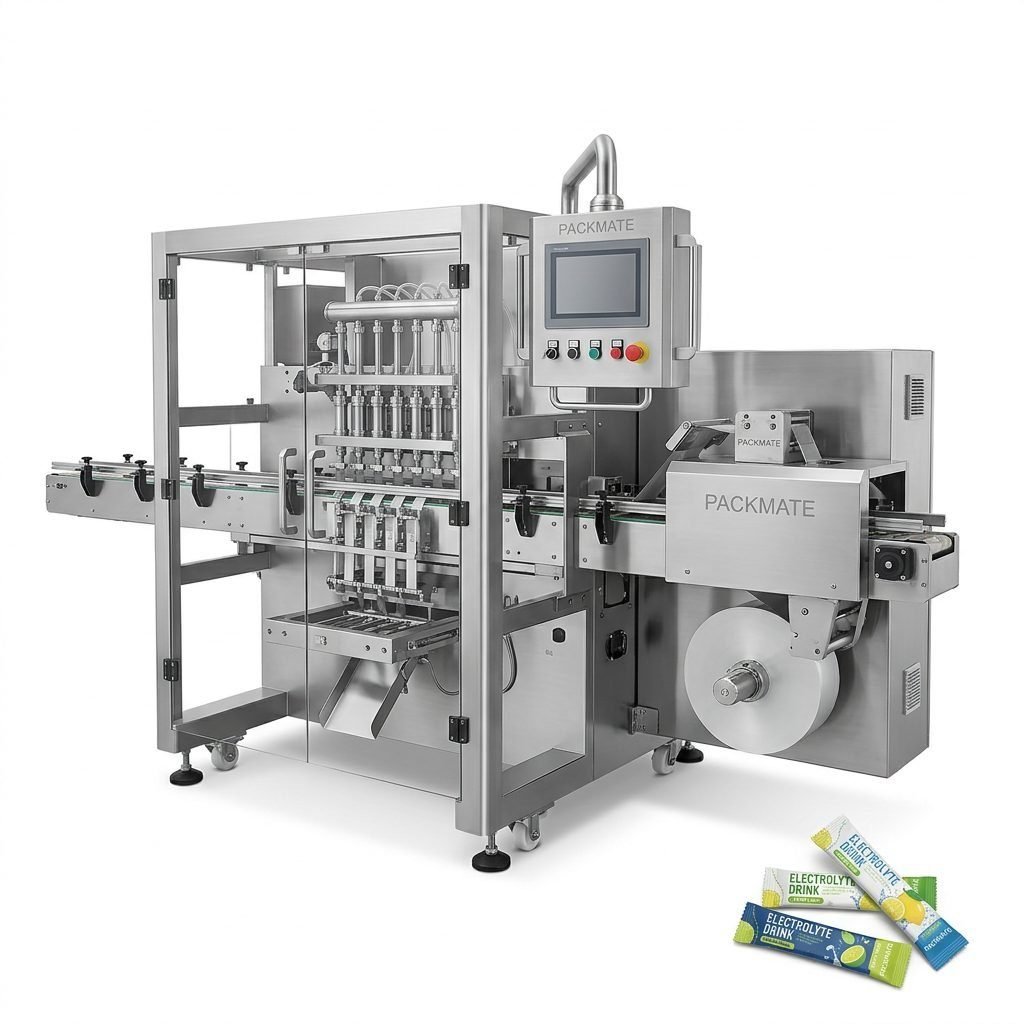
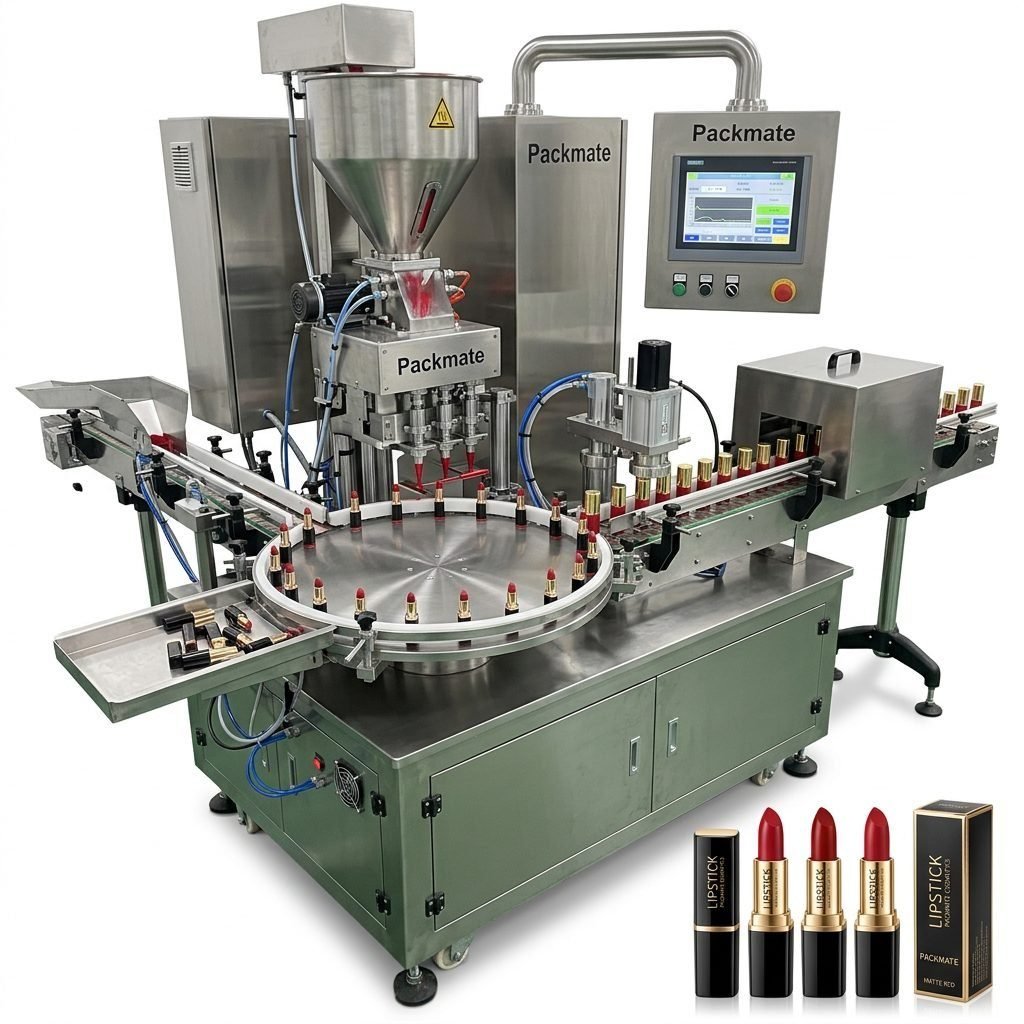
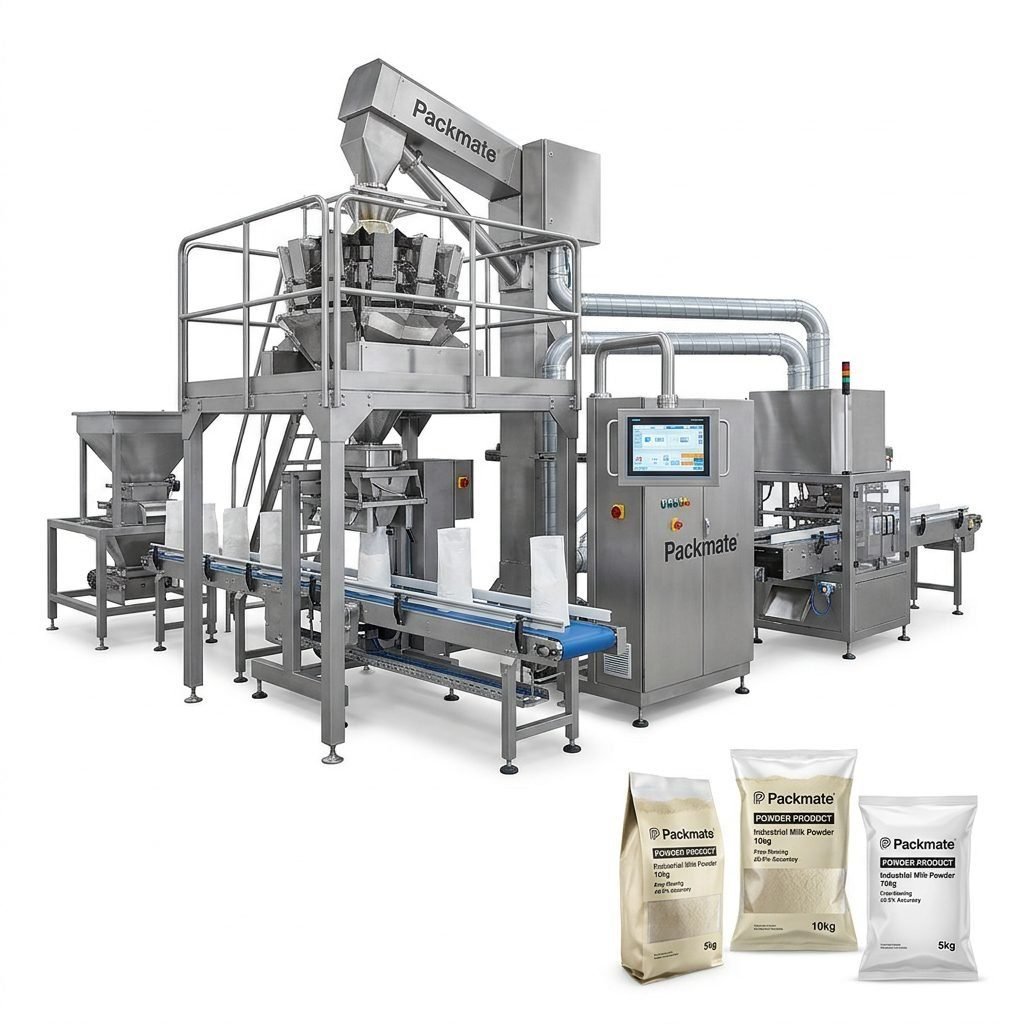
| Packmate Machinery | Over 80 machine models, strong in food/pharma packaging, good cost-performance balance. | A reliable choice for mid to large-sized Dutch factories seeking practical, automated solutions. |
| PacklineOEM | Specializes in integrated turnkey packaging lines, strong line engineering. | Ideal for Dutch businesses planning greenfield projects or major line upgrades requiring full integration. |
| PackingMachineOEM | Focus on non-standard and customized machine solutions, flexible engineering. | Fits Dutch innovators with unique product formats or specialized packaging requirements. |
| SnusMachinery | Specialist in nicotine pouch and snus packaging, niche application expertise. | Targets the growing European nicotine pouch sector, offering dedicated technical know-how. |
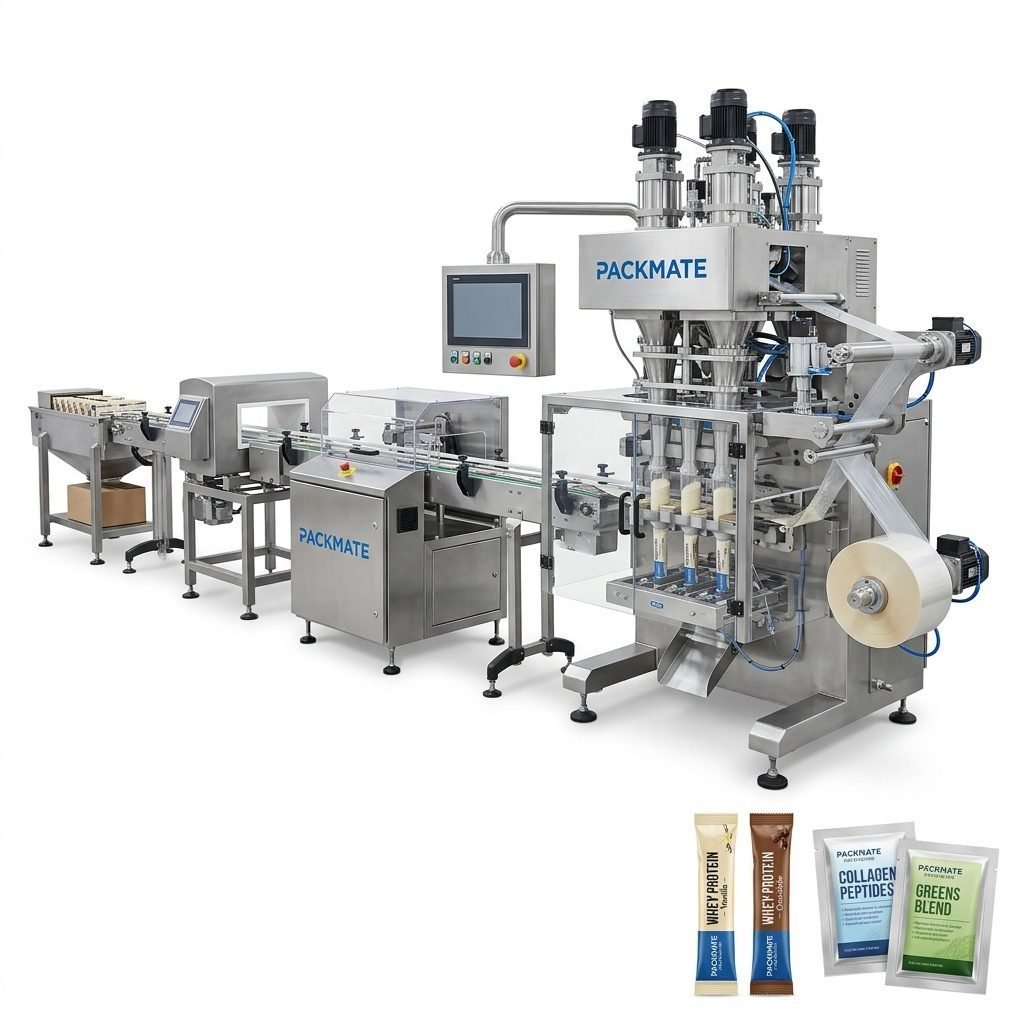
The Procurement Process: From Inquiry to Installation
A structured approach ensures you select the best partner and achieve a successful project outcome.
Step 1: Define Your Requirements
Clearly document your product specifications, desired output (bags/hour), bag type, material, and factory layout. Share product samples with potential suppliers.
Step 2: Shortlist and Due Diligence
Research manufacturers, request detailed quotations, and ask for client references—preferably from European or Dutch companies. Verify certifications (CE, ISO).
Step 3: Factory Audit and Machine Testing
If feasible, visit the manufacturer’s facility to assess build quality and processes. Always request a live production test using your product sample to validate performance.
Step 4: Negotiate Contract and Support Terms
Finalize the commercial offer, ensuring clear terms on warranty, delivery, installation support, training, and spare parts supply.
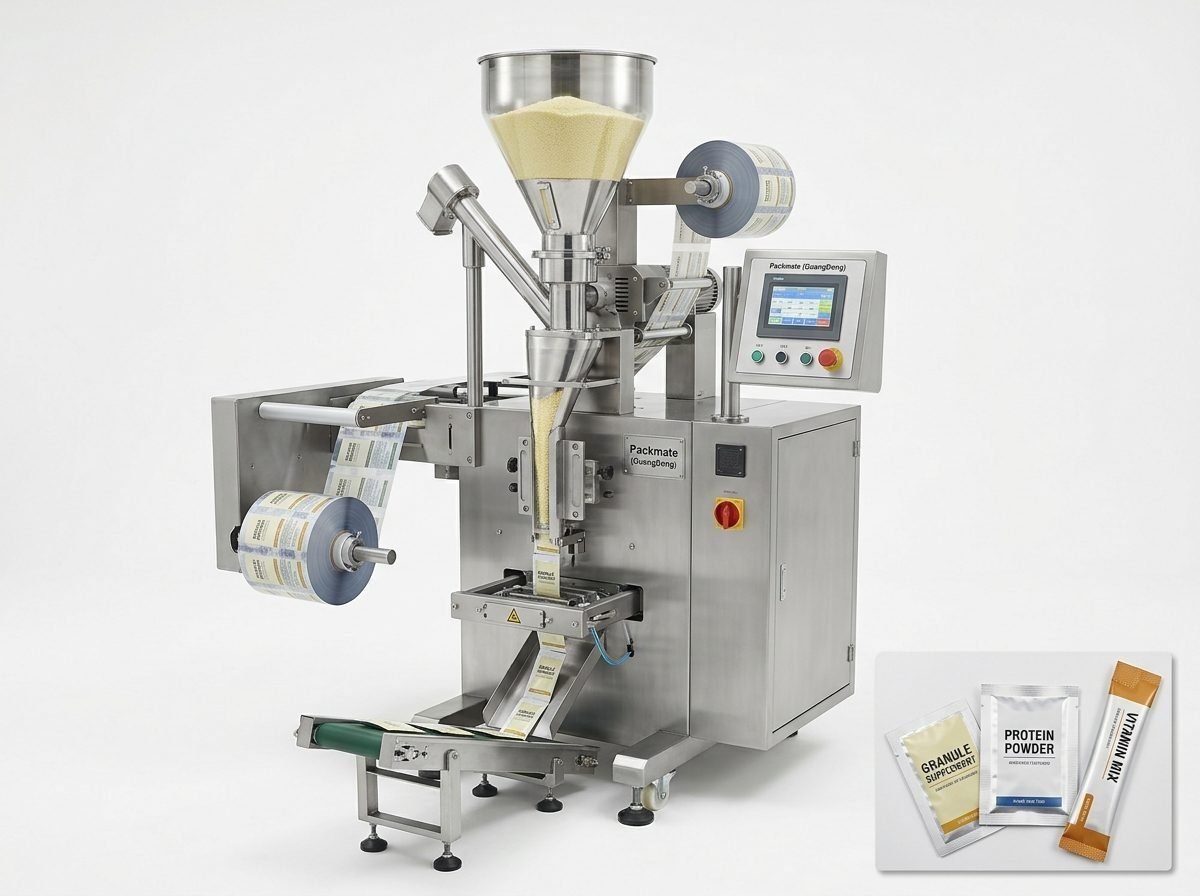
Long-Term Partnership and Sustainability
Choosing a manufacturer is the start of a long-term relationship. A reliable partner will support you through future expansions, product changes, and technological upgrades. Furthermore, Dutch businesses increasingly value sustainability. Discuss with your supplier options for machines that reduce material waste, optimize energy use, and handle recyclable or biodegradable packaging materials.

Frequently Asked Questions (FAQs)
Q1: How important is CE certification for importing machinery into the Netherlands?
It is legally mandatory. The CE mark indicates the machine complies with EU health, safety, and environmental protection legislation. Never purchase packaging equipment without valid CE certification.
Q2: Can international manufacturers provide local technical support in the Netherlands?
Many established exporters have service partners or agents in the Benelux region. It is critical to confirm the availability, response time, and expertise of this local support network before purchasing.
Q3: What is the typical lead time for a custom packaging machine from overseas?
Lead times vary based on complexity. For a standard machine, expect 60-90 days. For a fully customized or turnkey line, lead times can range from 90 to 180 days. Clear project planning with your supplier is essential.
Q4: Are turnkey lines better than buying individual machines?
Turnkey lines offer seamless integration and single-point responsibility, ideal for new projects. Adding individual machines to an existing line can be more cost-effective for incremental upgrades. Your choice depends on your project scope and in-house engineering capacity.
Q5: How do I ensure the machine will work with my specific product?
There is no substitute for a production test. Reputable manufacturers will insist on testing your product sample in their factory to verify dosing accuracy, sealing integrity, and overall machine compatibility before finalizing the order.