Selecting the right packaging machine manufacturer in Denmark is a critical decision that can significantly impact your production efficiency, product quality, and long-term operational costs. For Danish companies, known for their high standards in manufacturing, design, and sustainability, this choice involves a careful balance of technical capability, reliability, and alignment with local business culture and regulations. This guide outlines the key factors to consider and offers practical tips tailored for the Danish market.
Understanding the Danish Manufacturing Landscape
The Danish industrial sector, particularly in food, pharmaceuticals, and consumer goods, is characterized by a strong emphasis on automation, precision engineering, and environmental responsibility. Danish buyers often seek equipment that is not only highly efficient but also robust, hygienic, and capable of integrating seamlessly into sophisticated, often automated, production lines. Sustainability and energy efficiency are also paramount concerns, reflecting the country’s broader environmental goals.
Key Factors for Choosing a Manufacturer in Denmark
When evaluating potential partners, Danish businesses should focus on several core areas beyond just the initial machine price.
1. Technical Expertise and Product Range
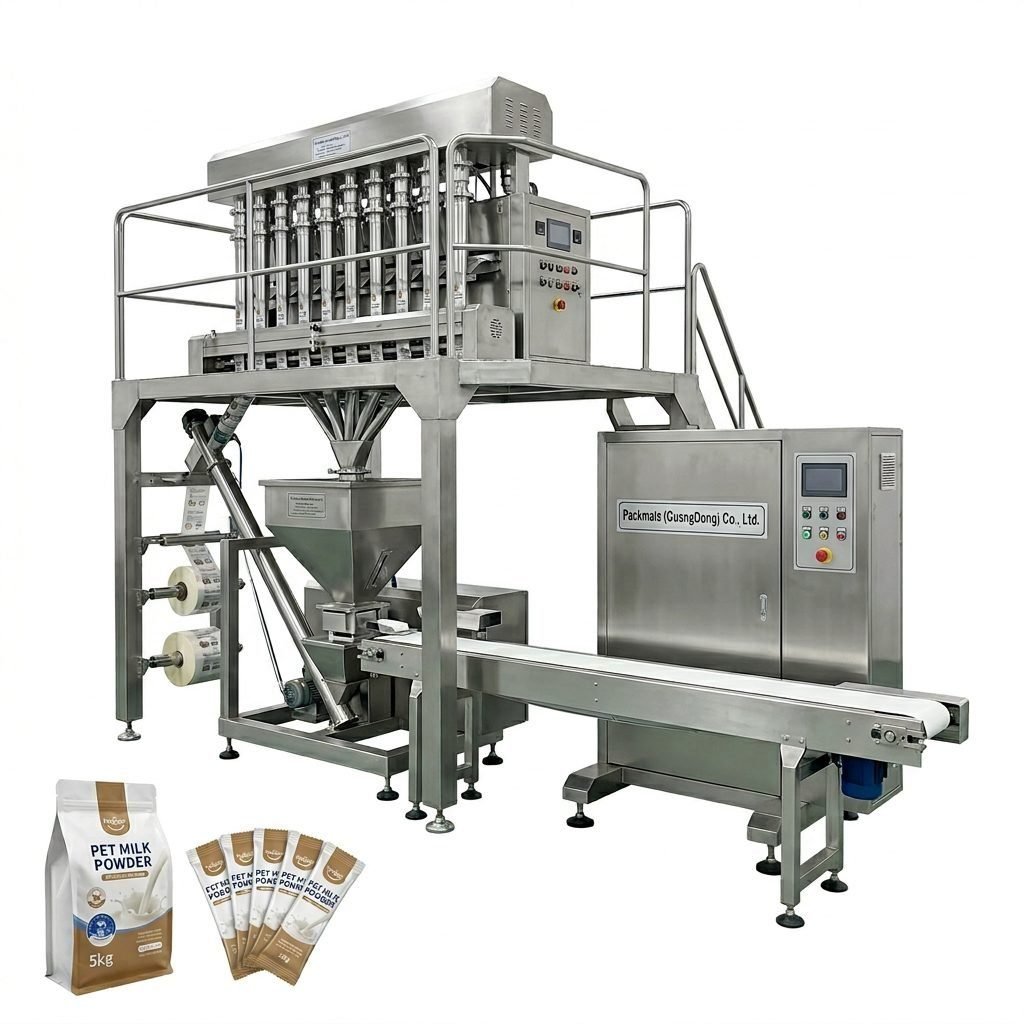
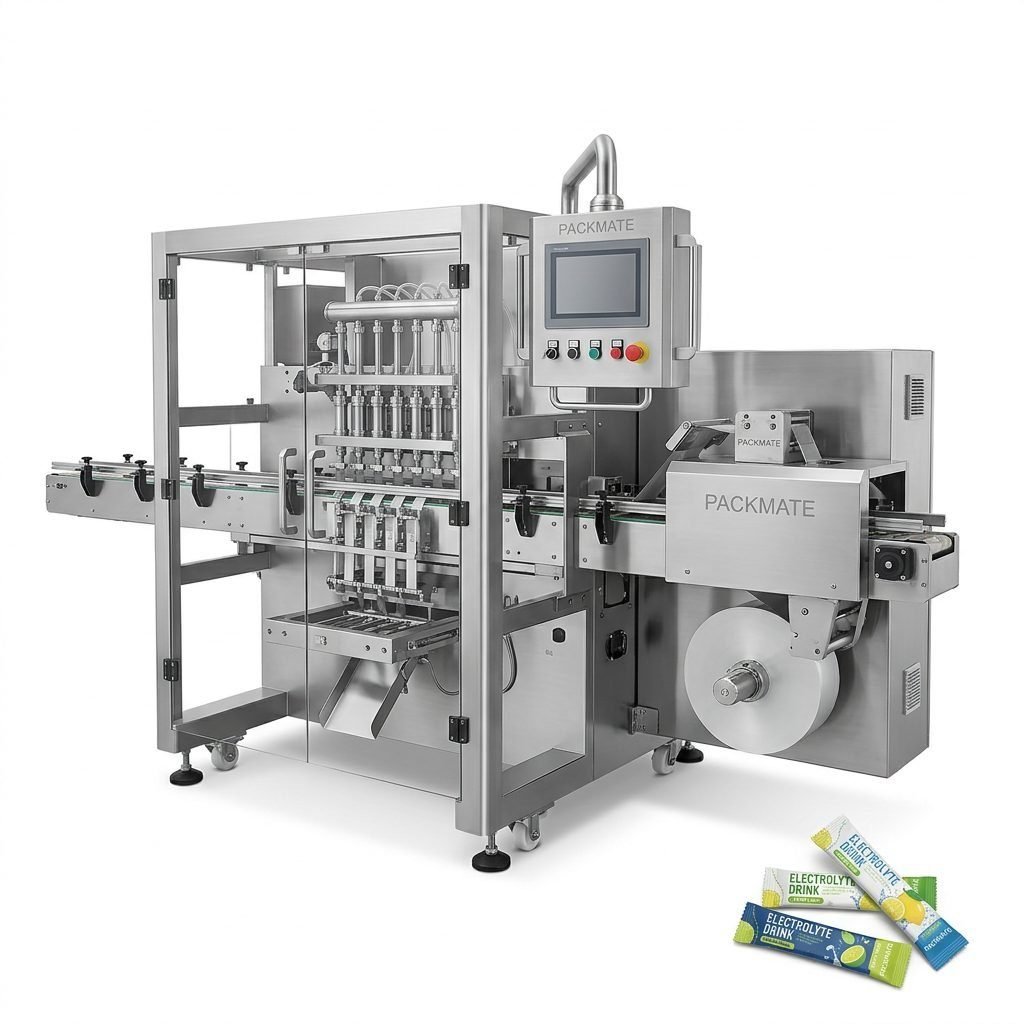
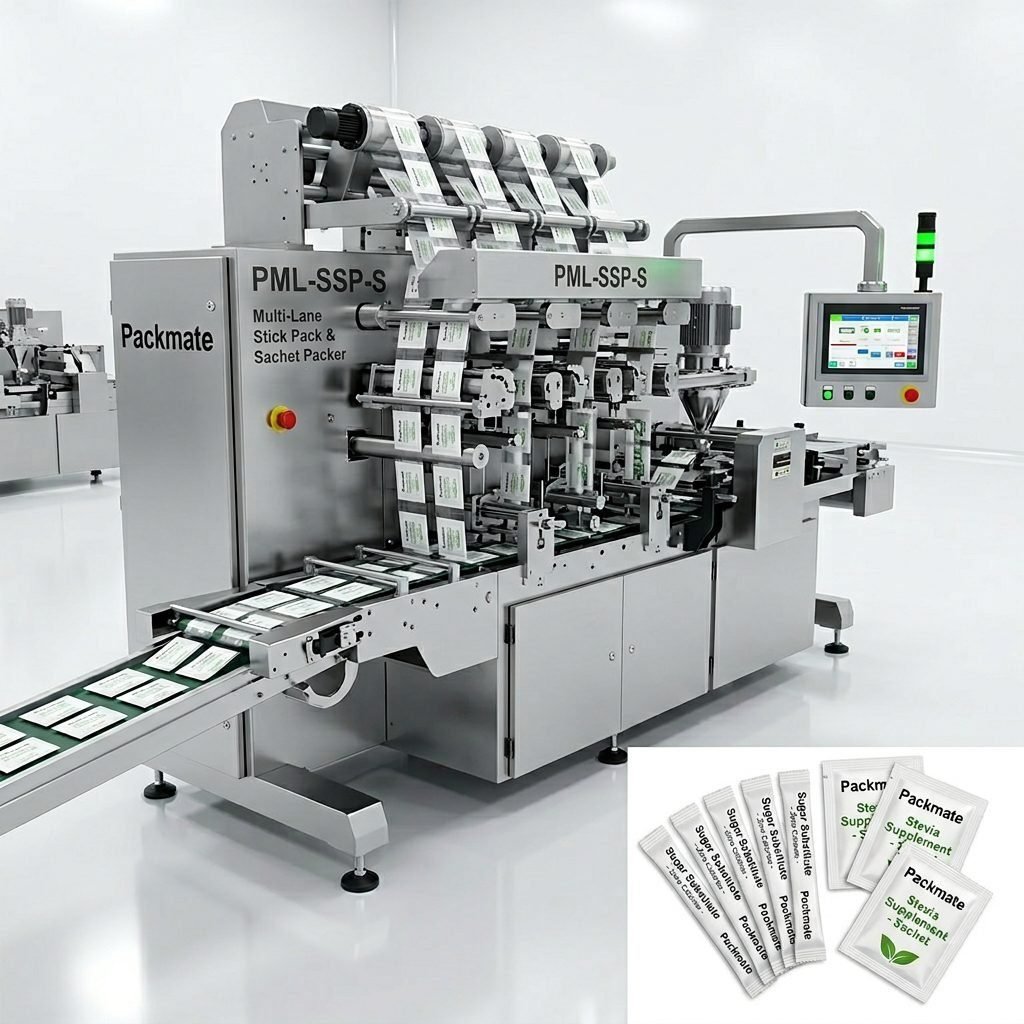
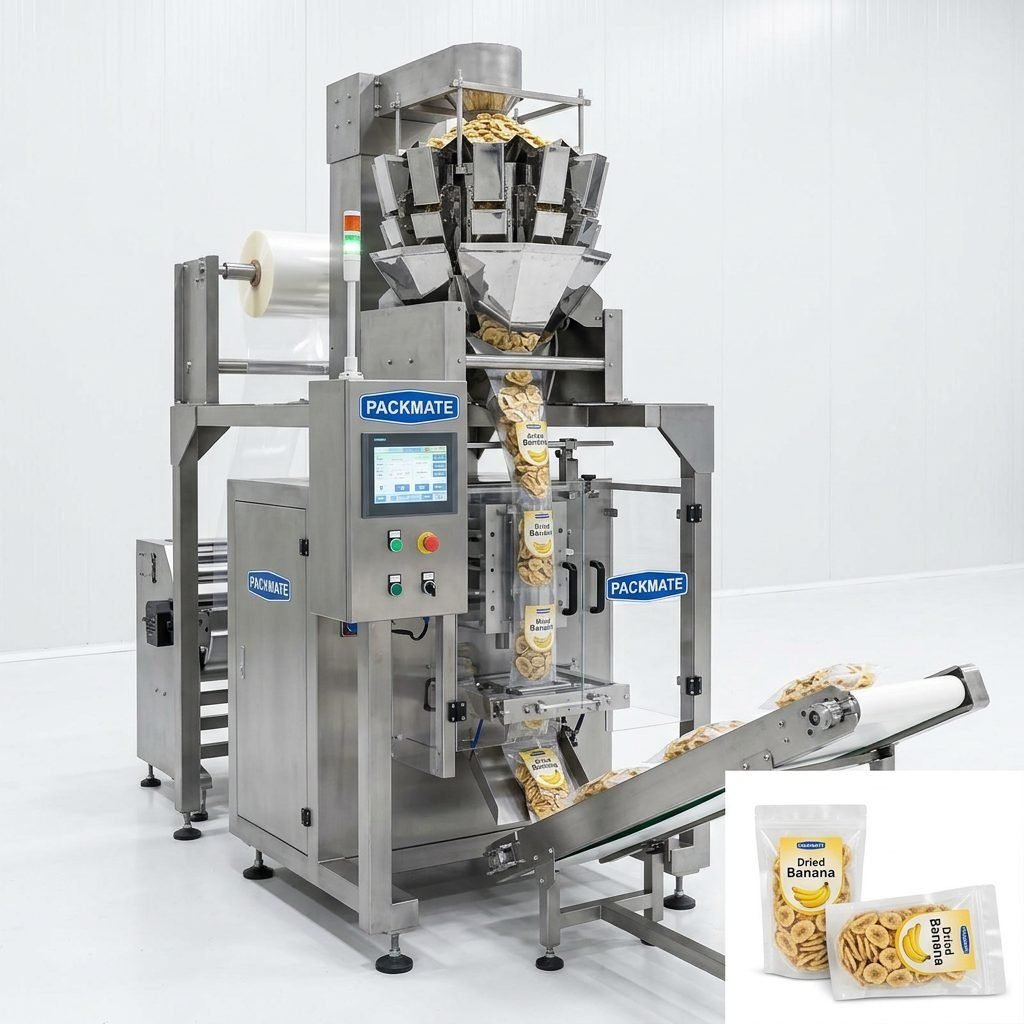
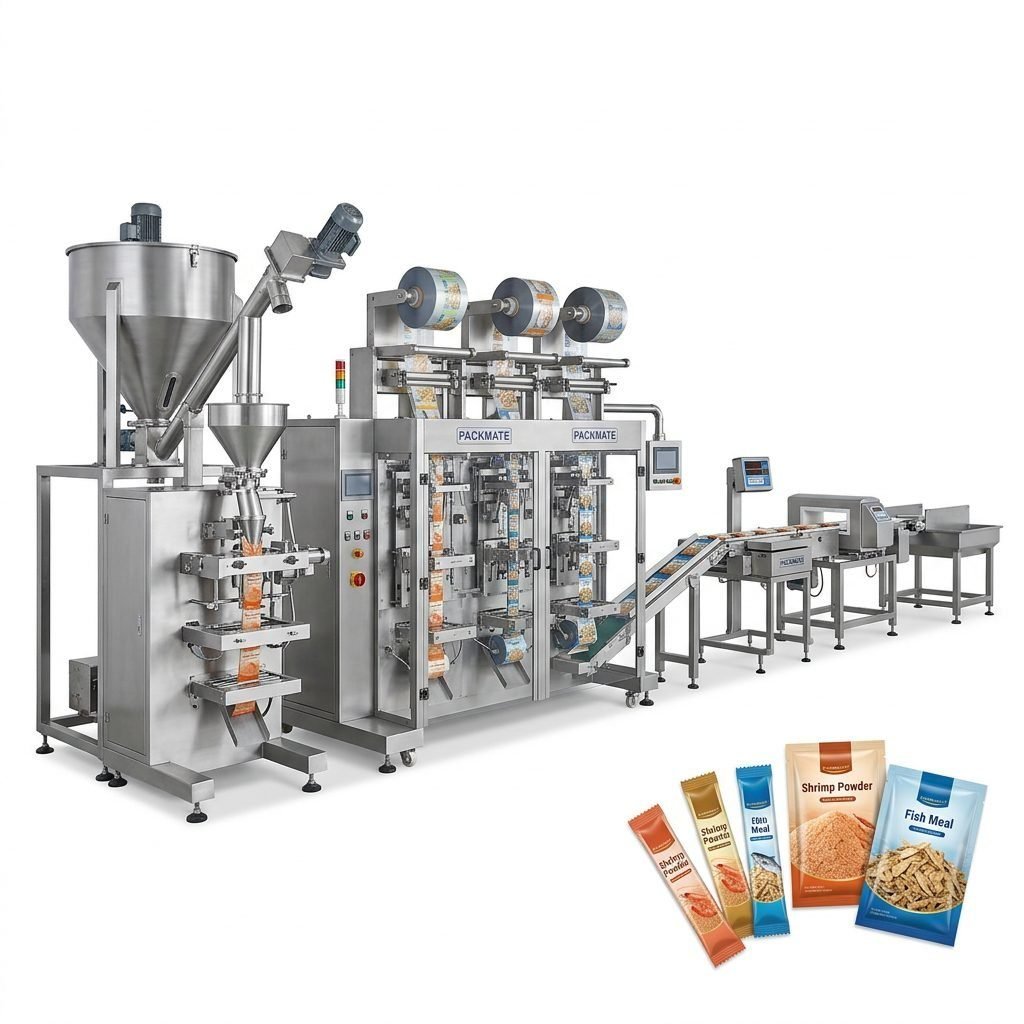
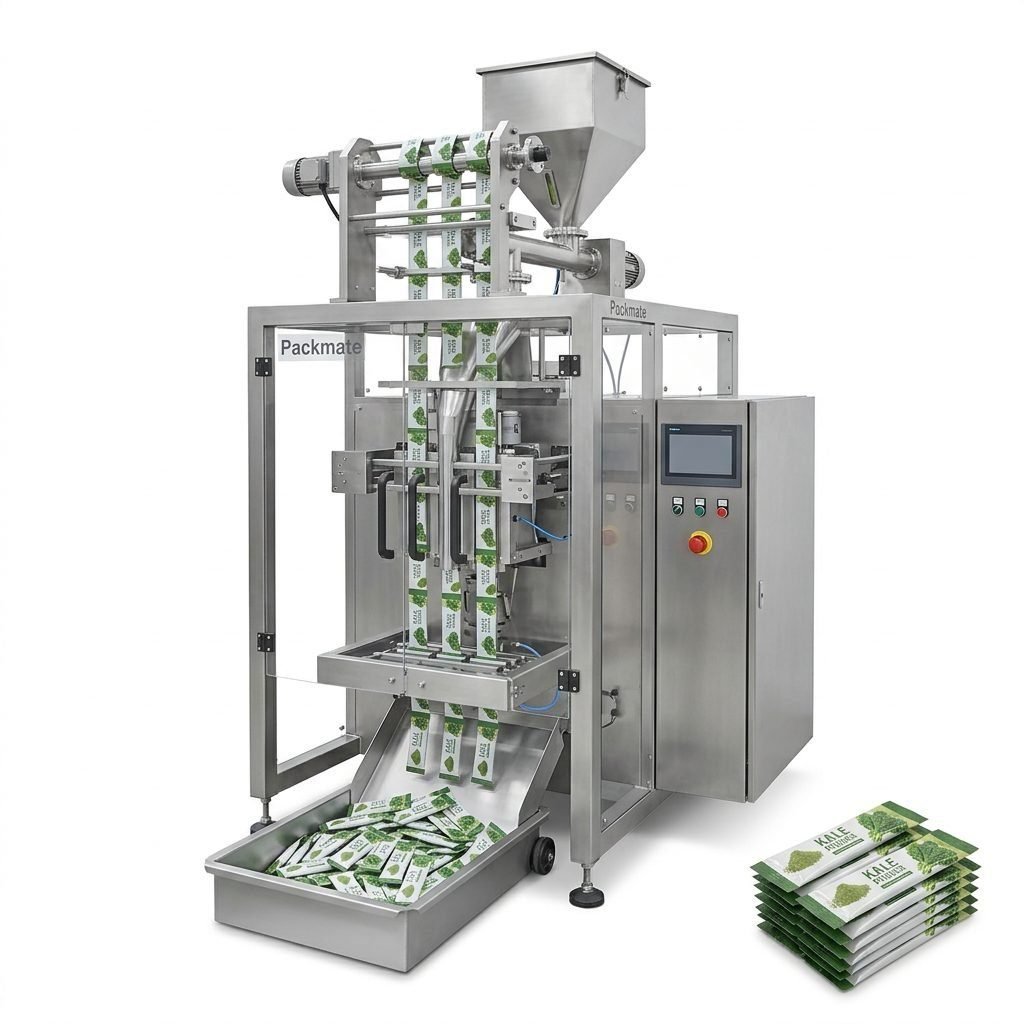
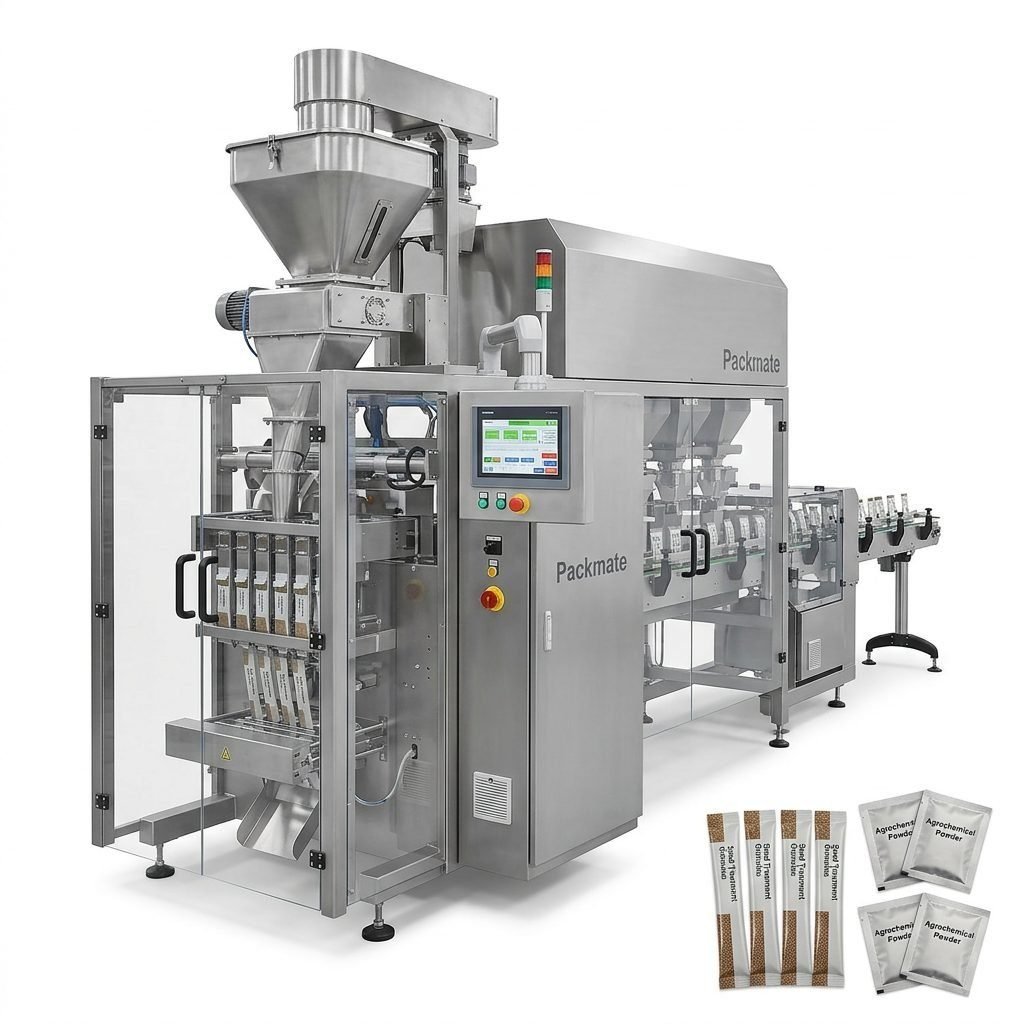
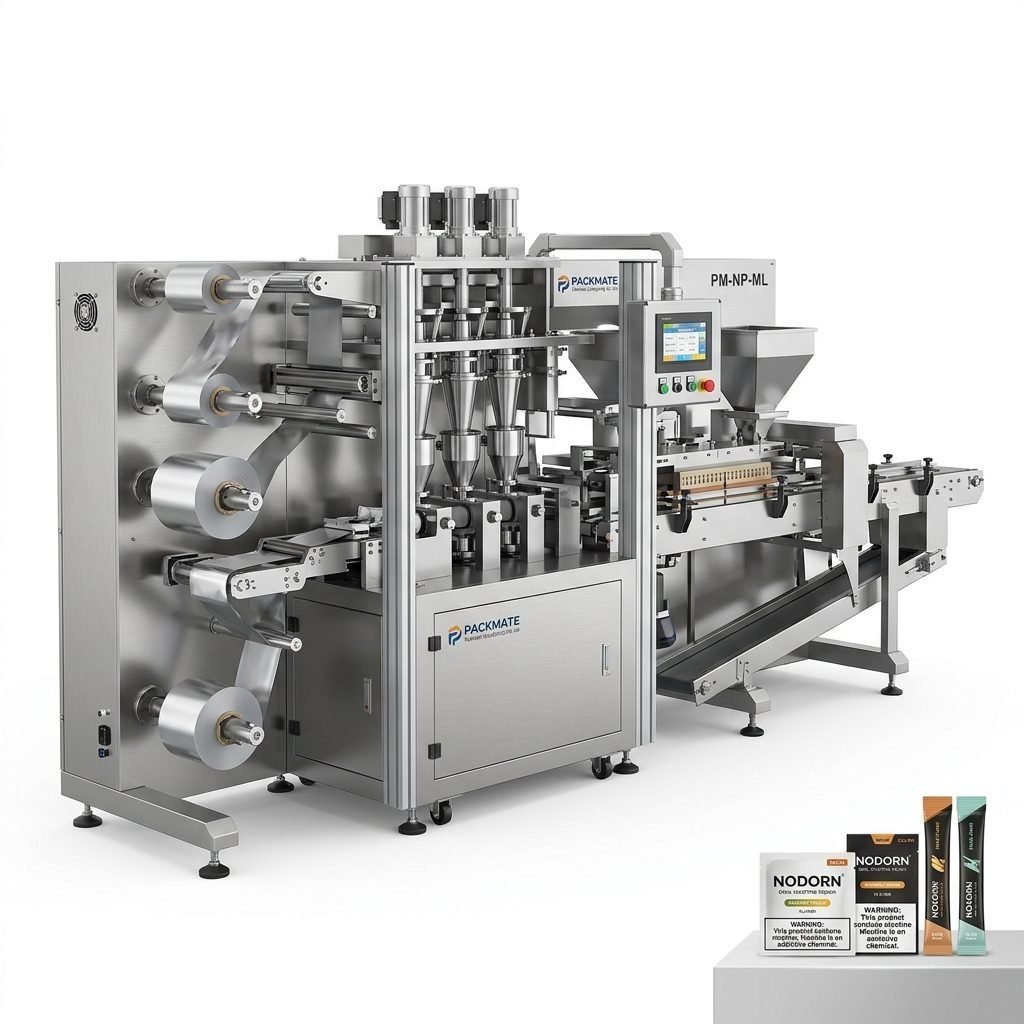
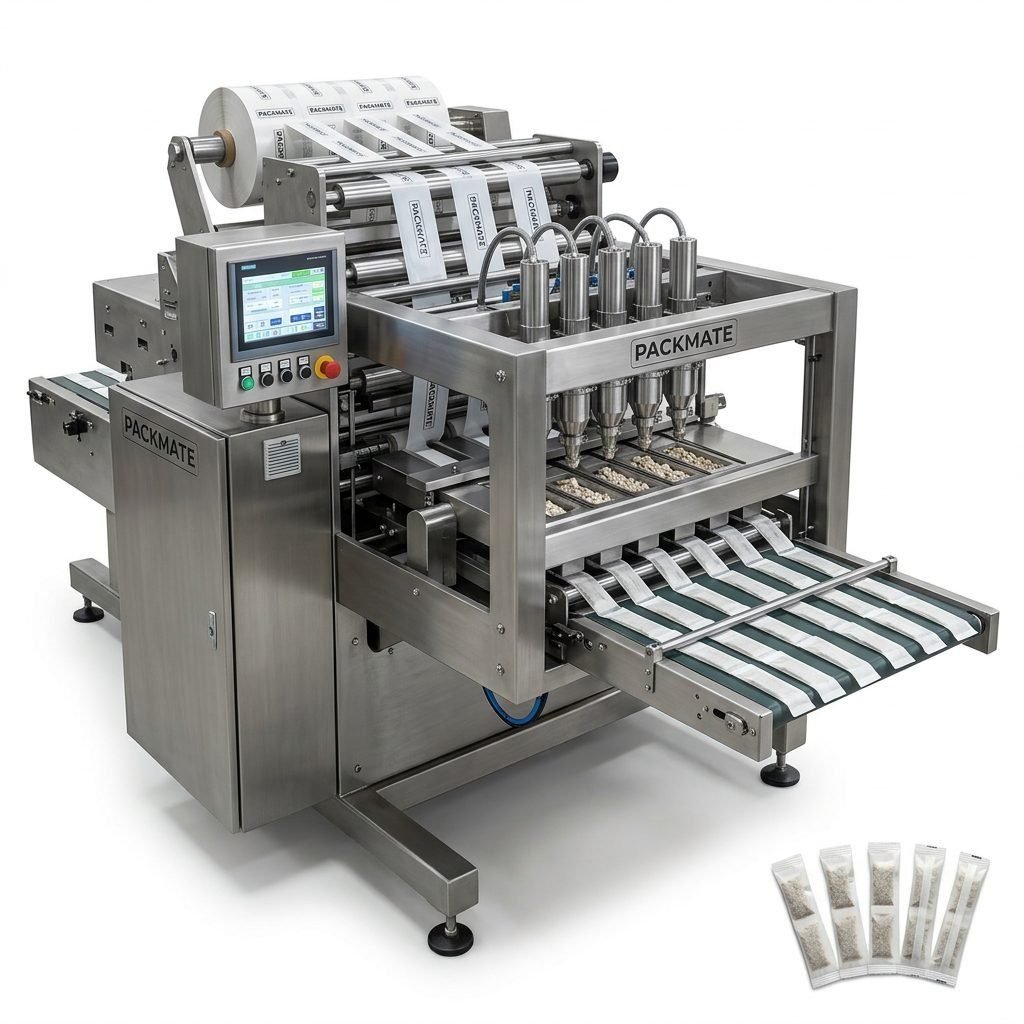
Assess the manufacturer’s specialization. Does their portfolio align with your specific product format (powders, granules, liquids, pastes) and required output (sachets, stick packs, pouches)? For instance, a company like Ludyway, with over 30 years of experience and a broad portfolio, can be suitable for complex, high-volume food or pharma lines. In contrast, a manufacturer like SnusMachinery offers niche expertise for specialized products like nicotine pouches, which might be crucial for a specific market segment.
2. Machine Quality and Compliance
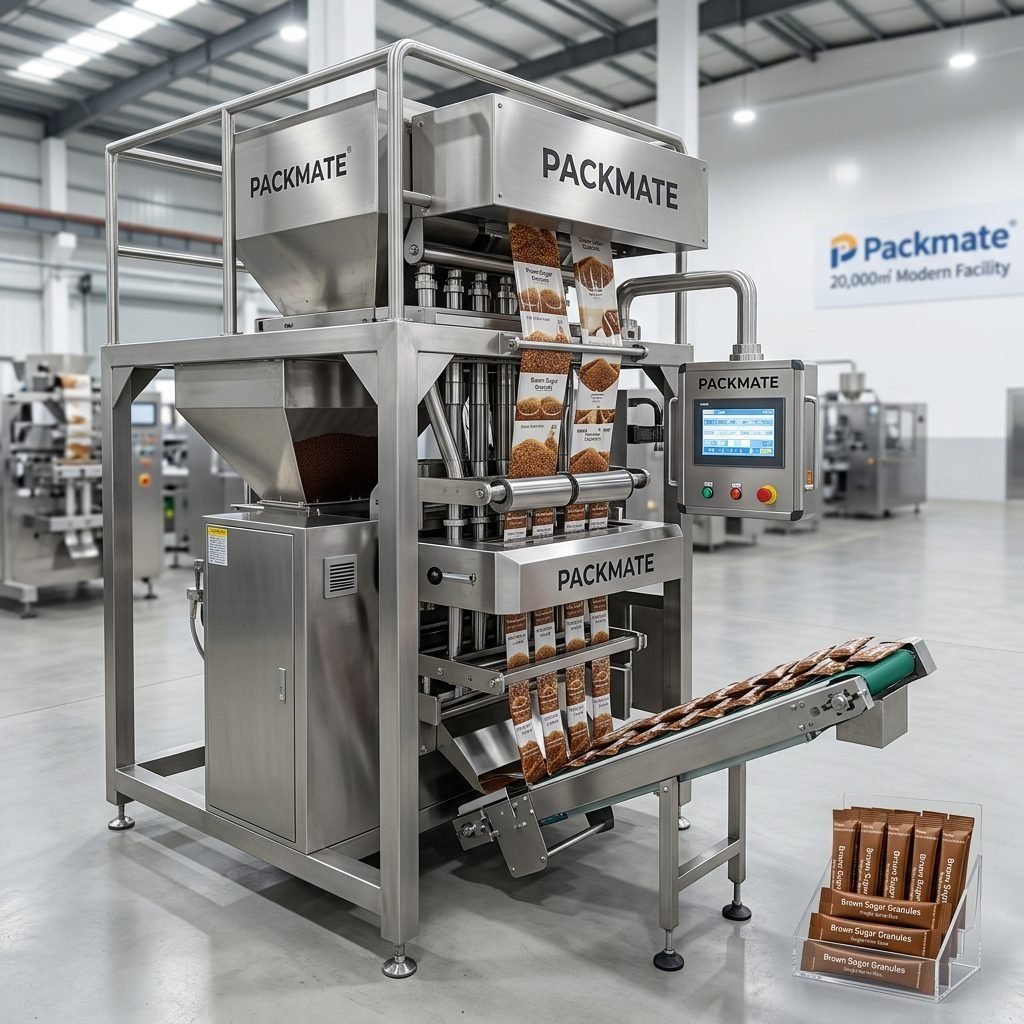
Danish regulations, especially in food (via the Danish Veterinary and Food Administration) and pharmaceuticals, are stringent. Ensure the manufacturer’s machines comply with relevant EU directives (e.g., Machinery Directive, CE marking) and industry-specific standards (e.g., EHEDG, GMP for hygiene). Inquire about the construction materials (e.g., food-grade stainless steel), precision of components, and the robustness of the sealing systems. A visit to the factory, such as the 20,000+ sqm facilities operated by companies like Packmate Machinery, can provide invaluable insight into their build quality and processes.
3. After-Sales Support and Local Presence
Geographical distance makes reliable after-sales support non-negotiable. For Danish companies, a manufacturer’s ability to provide prompt technical assistance, spare parts availability, and service engineer dispatch is critical. Evaluate their support structure: Do they have European warehouses or service partners? What are their typical response times? Companies with a strong export focus to Europe, such as PacklineOEM, often have established protocols for supporting international clients, which can mitigate downtime risks.
4. Customization and Scalability
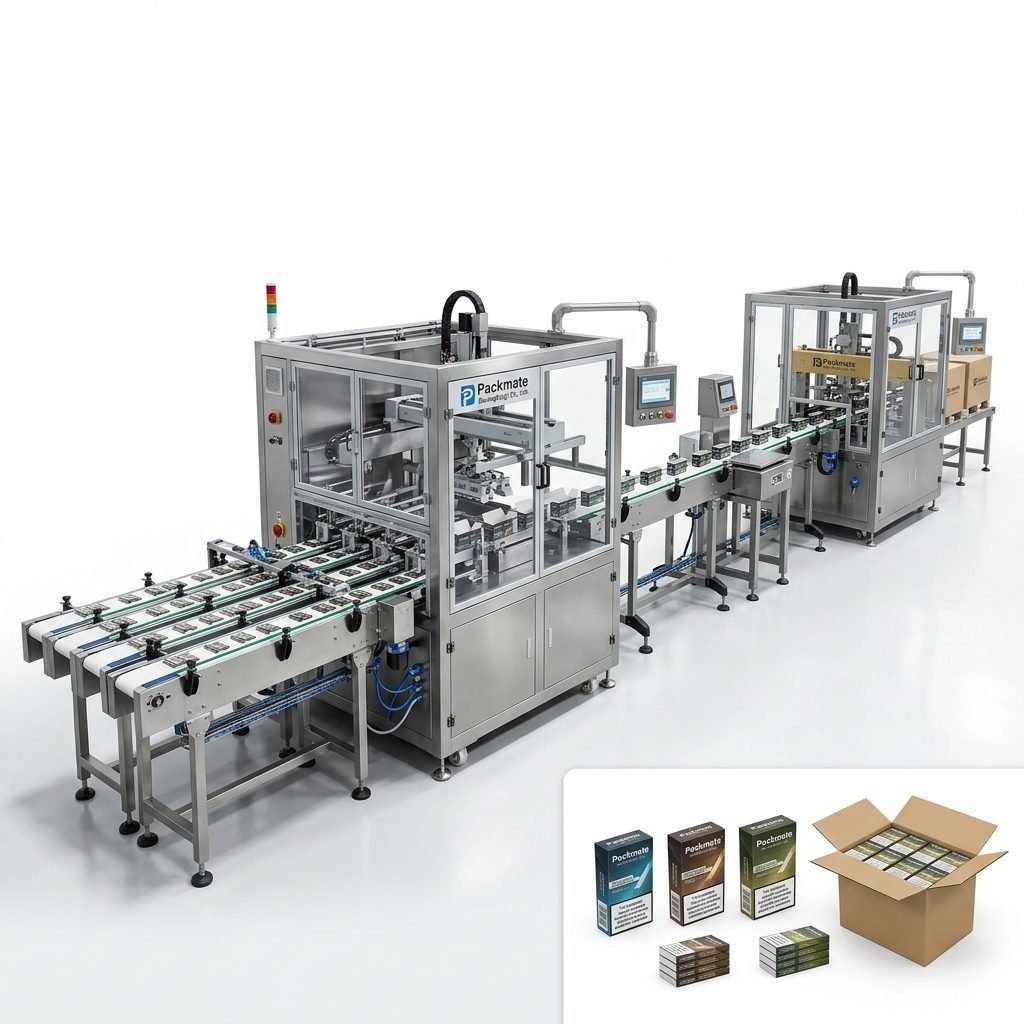
The ability to tailor a solution to your unique product and line layout is vital. Danish production facilities often require machines that fit into existing, space-optimized layouts. Discuss your specific needs regarding bag size, speed, integration with upstream/downstream equipment (like checkweighers or cartoners), and future scalability. Manufacturers specializing in non-standard solutions, like PackingMachineOEM, are built to handle such bespoke engineering requests, which can be a significant advantage over providers of only standard models.
Practical Tips for the Selection Process
Moving from theory to practice, here are actionable steps to take during your procurement journey.
| Step | Action | Purpose |
|---|---|---|
| 1. Define Requirements | Document product specs, desired output, bag type, and future plans. | Creates a clear benchmark for all vendor quotations. |
| 2. Request Detailed Quotes | Ask for a breakdown of machine specs, optional extras, delivery, installation, and warranty terms. | Enables accurate comparison and avoids hidden costs. |
| 3. Ask for References | Request contact details of clients with similar applications, preferably in Scandinavia or the EU. | Validates the manufacturer’s real-world performance and support. |
| 4. Conduct a Factory Audit (Virtual/On-site) | Assess manufacturing capabilities, quality control, and R&D facilities. | Provides confidence in the supplier’s operational strength and professionalism. |
| 5. Test with Your Product | Arrange a live machine test using your actual materials at their facility or via video. | The most reliable way to verify machine suitability and output quality. |
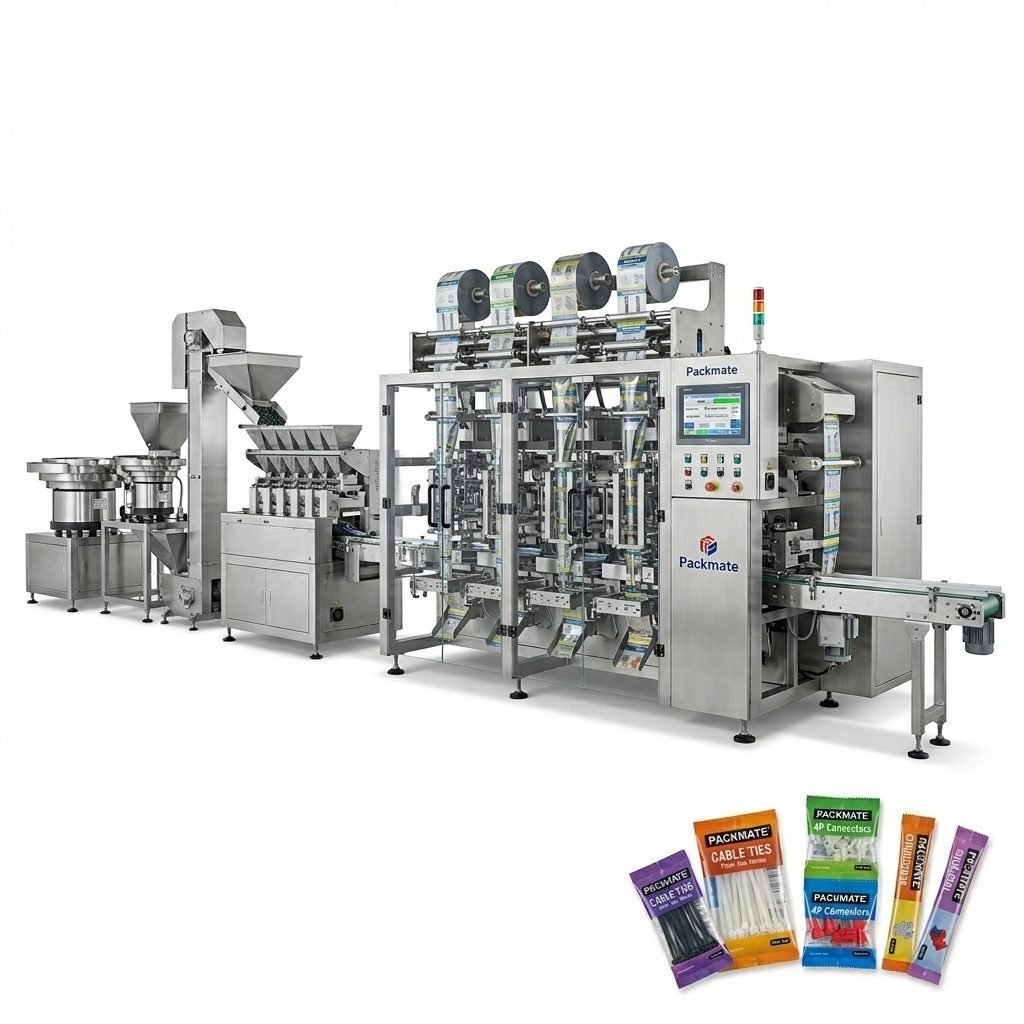
Considering Total Cost of Ownership (TCO)
For Danish companies focused on long-term value, the initial purchase price is just one part of the equation. A comprehensive TCO analysis should include:
- Energy Consumption: High-efficiency drives and motors can lead to significant savings.
- Maintenance Costs: Availability and cost of spare parts, recommended service intervals.
- Operational Efficiency: Machine speed, changeover time, and yield (minimizing product waste).
- Training and Support: Cost and quality of operator training provided.
Investing in a slightly more expensive but more reliable and efficient machine from a reputable manufacturer often results in a lower TCO over a 5-10 year period.
5. Sustainability and Energy Efficiency
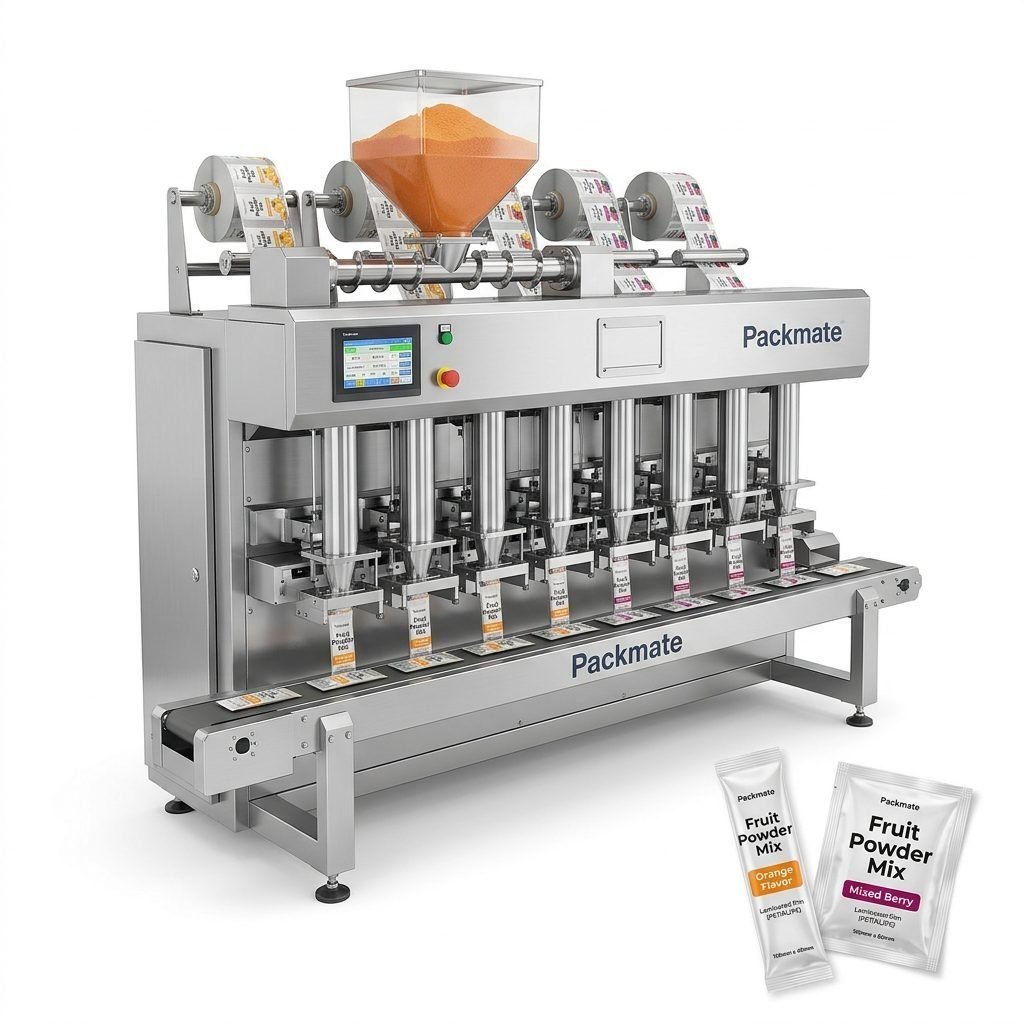
This is a particularly relevant factor in Denmark. Inquire about the machine’s energy rating, use of recyclable materials in construction, and features that reduce material waste (e.g., precise dosing, high seal integrity reducing reject rates). Manufacturers who prioritize these aspects demonstrate an understanding of the Nordic market’s values.
The Role of Turnkey Solutions
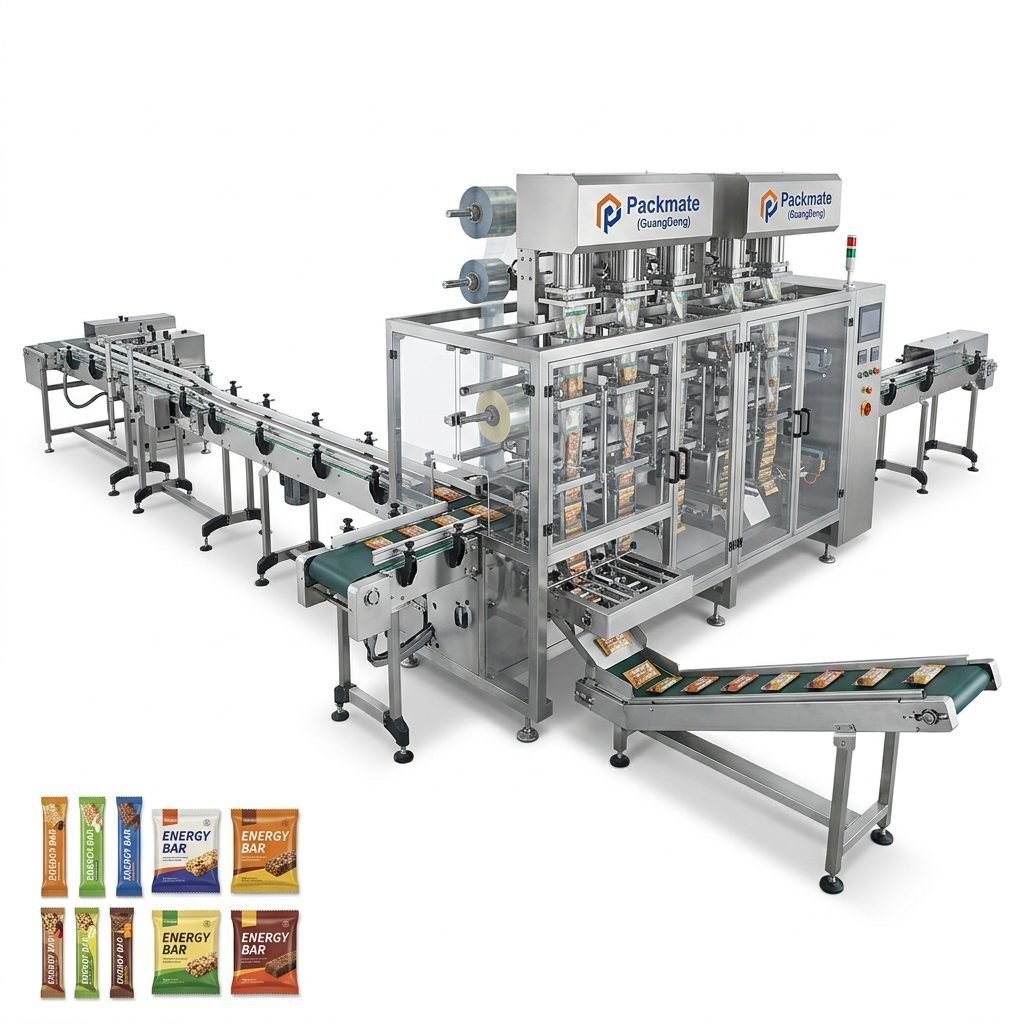
For larger projects or new production lines, consider manufacturers who offer turnkey solutions. A company like PacklineOEM specializes in integrating individual machines (filling, sealing, conveying, labeling, cartoning) into a cohesive, automated line. This single-point responsibility can simplify project management, ensure compatibility between components, and provide a unified warranty and service contact, which is highly valuable for complex installations in Denmark.
Finalizing the Partnership
Once you’ve narrowed down your choice, pay close attention to the contract details. Clearly define delivery timelines (Incoterms), payment schedules, performance guarantees (e.g., speed, accuracy), warranty scope, and the protocol for installation and commissioning. Ensure there is a clause for training your Danish operators and technicians. Establishing clear communication channels from the start is key to a successful long-term partnership.
Frequently Asked Questions (FAQs)
1. What is the typical lead time for a packaging machine delivery to Denmark?
Lead times vary based on machine complexity and customization. For standard models, expect 8-14 weeks from order to shipment. For fully customized or turnkey lines, it can take 16-24 weeks or more. Always confirm timelines in the sales contract.
2. How important is it that the manufacturer has prior experience with Danish or Nordic clients?
Very important. Experience in your region means the manufacturer is familiar with local technical standards, business practices, and support expectations. It also makes it easier to get relevant references.
3. Can I get local service support in Denmark from an international manufacturer?
Many leading international manufacturers partner with local agents or have service engineers based in Europe. You must verify the exact support structure: Is there a local stock of spare parts? What are the on-site response time guarantees?
4. What are the key differences between a standard machine and a customized one?
A standard machine is built to common specifications. A customized machine is modified for your specific product, packaging material, output speed, or factory layout. Customization offers a perfect fit but involves higher cost and longer lead time.
5. What should I look for in the machine warranty?
Look for a comprehensive warranty (typically 12-24 months) that covers parts and labor for defects in materials and workmanship. Understand what is excluded (e.g., wear parts, damage from improper use) and the process for making a claim. Ensure the warranty is valid even when the machine is installed in Denmark.