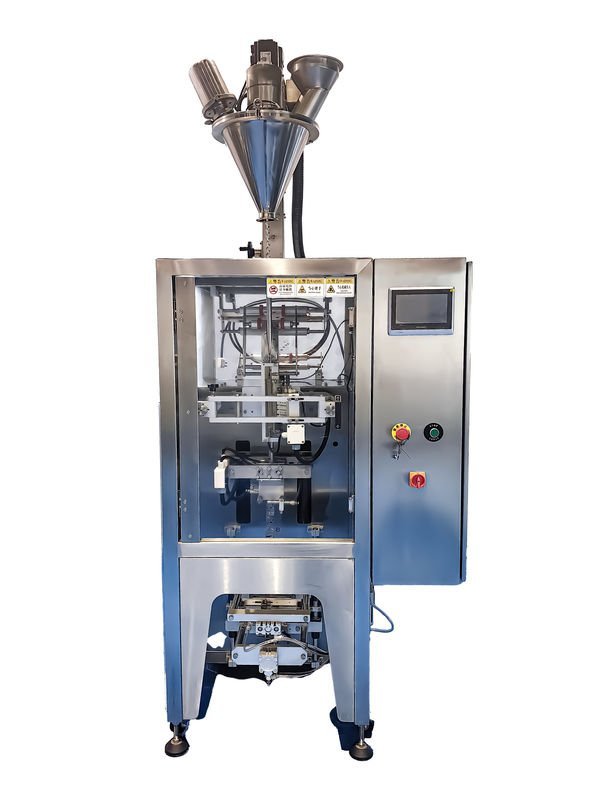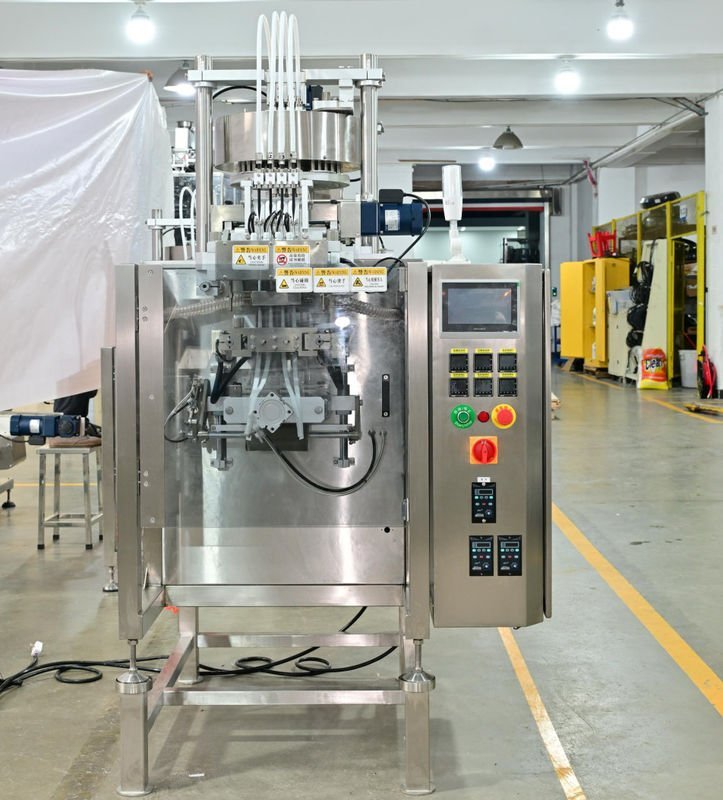
In today’s fast-paced manufacturing landscape, efficiency and reliability are paramount. For businesses involved in packaging powders, granules, liquids, or solid products, the right automatic carton packaging machine can be a game-changer. This guide will walk you through the critical factors for selecting high-efficiency automated cartoning equipment that aligns with your production goals and budget.
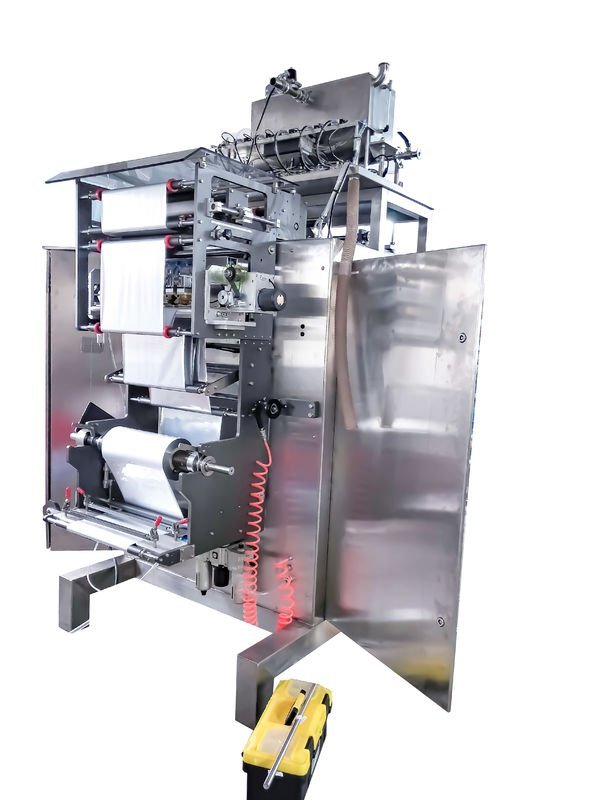
Understanding Your Core Packaging Requirements
Before diving into machine specifications, a thorough analysis of your own needs is essential. This foundational step prevents costly mismatches and ensures the equipment you choose delivers optimal performance.
Product Characteristics
The nature of your product dictates the machine’s design. Consider its physical state: is it a free‑flowing powder, delicate tablets, irregularly shaped solids, or a viscous liquid? Each type requires specific handling mechanisms, from gentle vibration trays for fragile items to precise auger fillers for powders. The product’s weight and dimensions will determine the carton size range the machine must accommodate.
Production Volume & Speed
Your required output, measured in cartons per minute (CPM), is a primary driver of cost and complexity. A low‑speed machine might suffice for a niche product, while high‑volume consumer goods demand high‑speed, multi‑lane systems. It’s crucial to factor in not just current needs but also projected growth to avoid equipment becoming a bottleneck within a few years.
Carton Specifications
Define the carton styles you use: tuck‑end, glue‑end, reverse tuck, or specialty designs. The machine must be compatible with your carton blank size, material (cardboard, corrugated, etc.), and the complexity of the erection and sealing process. Some advanced machines can handle variable carton sizes on the same line with quick changeovers, offering significant flexibility.
Key Features of High‑Efficiency Cartoning Machines
Modern automated cartoners are marvels of engineering. Look for these features that directly contribute to uptime, speed, and ease of use.
1. Advanced Motion Control & Drive Systems
The heart of a reliable machine is its drive system. Servo‑motor driven machines offer superior precision, flexibility, and energy efficiency compared to traditional mechanical cam‑driven systems. Servo technology allows for softer product handling, easier changeovers via touchscreen programming, and more complex motion profiles, reducing wear and tear.
2. Intelligent Product Handling & Infeed
How products are fed into the carton is critical. Look for systems with vision‑guided robots or smart vibratory feeders that can orient products correctly. For bundling multiple items (like blister packs or vials), a precise collation system is necessary. The infeed should be synchronized with the carton erection for seamless operation.
3. Robust Construction & Easy Maintenance
High efficiency means running continuously with minimal downtime. Machines constructed from high‑grade stainless steel and hardened alloys withstand harsh environments, especially in food and pharmaceutical applications. A modular design with tool‑less access panels simplifies cleaning, maintenance, and part replacement. Companies with extensive experience, like Packmate (GuangDong) Co., Ltd., often design machines based on decades of field feedback to maximize robustness.
4. Integrated Safety & Quality Control
Safety features like guarded light curtains, emergency stops, and interlocked doors are non‑negotiable. For quality assurance, modern machines can integrate checkweighers, metal detectors, or vision inspection systems to reject under‑filled, over‑filled, or mislabeled cartons before sealing, ensuring only perfect packages leave the line.
The Selection Process: A Step‑by‑Step Guide
Turning your requirements into a purchasing decision requires a structured approach.
Step 1: Supplier Qualification
Not all manufacturers are created equal. Seek out established suppliers with a proven track record in your specific industry (e.g., food, pharma, cosmetics). Review their case studies and project portfolios. A supplier with a broad range of packaging machinery can often provide a more integrated solution.
Step 2: Request for Quotation (RFQ) & Demo
Provide potential suppliers with detailed RFQ documents including product samples, carton samples, target speed, and factory layout. The most critical step is a live product test. A factory acceptance test (FAT) at the manufacturer’s facility allows you to see the machine run with your actual materials, verifying speed, changeover time, and performance claims.
Step 3: Total Cost of Ownership (TCO) Analysis
Look beyond the initial purchase price. Calculate TCO by factoring in:
🔹 Energy Consumption: Servo‑driven machines typically use less power.
🔹 Changeover Time: Faster changeovers mean less production downtime.
🔹 Spare Parts Cost & Availability: Locally stocked parts reduce waiting time.
🔹 After‑Sales Support: Comprehensive training, warranty, and technical support are invaluable.
Integration with Upstream & Downstream Processes
An automatic cartoner rarely works in isolation. Its efficiency is tied to the entire packaging line.
Upstream Integration: The cartoner must seamlessly connect with equipment like blister packers, vial fillers, or sachet packaging machines. Consistent product flow and timing are crucial to prevent jams or starved infeeds.
Downstream Integration: The output of the cartoner often feeds into case packers, palletizers, or labeling systems. Consider the discharge height and orientation of finished cartons to ensure smooth transfer to the next stage. A holistic line design from a single supplier can minimize integration headaches.
Future‑Proofing Your Investment
Technology evolves rapidly. Choose equipment that offers scalability. Can the machine handle a wider range of carton sizes if your product line expands? Is the control system based on open architecture, allowing for easier future upgrades or connectivity with Factory 4.0 and Industrial Internet of Things (IIoT) platforms for data collection and predictive maintenance?
Frequently Asked Questions (FAQs)
1. What is the typical payback period for an automatic cartoning machine?
The payback period varies widely based on labor costs, production volume, and machine price. For operations replacing multiple manual packing stations, it can often be between 12 to 24 months. The savings come from reduced labor, higher output, lower error rates, and material savings from precise packing.
2. How difficult is it to change over the machine for a different carton size?
Modern servo‑driven machines have greatly simplified changeovers. Many can store recipes for different products, allowing operators to initiate a changeover via the HMI touchscreen. With mechanical adjustments minimized, changeover times can be reduced from hours to under 30 minutes on well‑designed equipment.
3. Can one machine handle both intermittent and continuous product flow from upstream equipment?
Yes, advanced cartoners are designed with buffering systems or intelligent controls to manage this. They can pause carton erection during a temporary upstream stoppage and resume instantly when product flow returns, preventing jams and material waste.
4. What are the most common maintenance requirements?
Regular maintenance typically includes lubrication of moving parts (following the manufacturer’s schedule), inspection and replacement of wear items like sealing jaws, belts, and vacuum cups, and keeping optical sensors clean. A good supplier will provide a detailed preventive maintenance checklist.
5. How do I ensure the machine meets hygiene standards for food or pharmaceutical use?
Specify machines built with food‑grade or pharmaceutical‑grade materials (e.g., 304 or 316L stainless steel contact parts). Look for designs with smooth, crevice‑free surfaces, easy drainage, and tool‑less disassembly for cleaning. Certifications or experience in these regulated industries from the manufacturer, like that demonstrated by industry leaders, are strong indicators of compliance.