In today’s fast-paced food industry, efficiency, hygiene, and consistency are paramount. Automatic food packaging machines have become the backbone of modern production lines, transforming how products from snacks and spices to liquids and powders reach consumers. This comprehensive guide delves into the world of automated packaging, exploring the various types of machines, their wide-ranging applications, and providing a clear framework for selecting the ideal system for your specific needs.
Understanding the Core Types of Automatic Food Packaging Machines
The landscape of automatic packaging equipment is diverse, with each machine designed for specific product formats and materials. Understanding these core types is the first step in making an informed decision.
Vertical Form-Fill-Seal (VFFS) Machines
These are among the most common and versatile packaging systems. A VFFS machine forms a bag from a roll of flat packaging film, fills it with the product, and then seals it—all in a continuous vertical motion. They are exceptionally efficient for granular, powdered, and small-piece products like chips, nuts, coffee, and pasta. Their flexibility in bag size and the ability to integrate with multi-head weighers make them a staple in many facilities.
Horizontal Form-Fill-Seal (HFFS) Machines
Operating on a horizontal plane, HFFS machines are typically used for products that require a specific presentation or are more rigid. They are ideal for creating flow-wrap packages for items like candy bars, biscuits, and frozen foods. The process involves placing the product onto a web of film, forming the package around it, and sealing. This method often provides a tighter, more aesthetically pleasing package for retail display.
Sachet and Stick Pack Machines
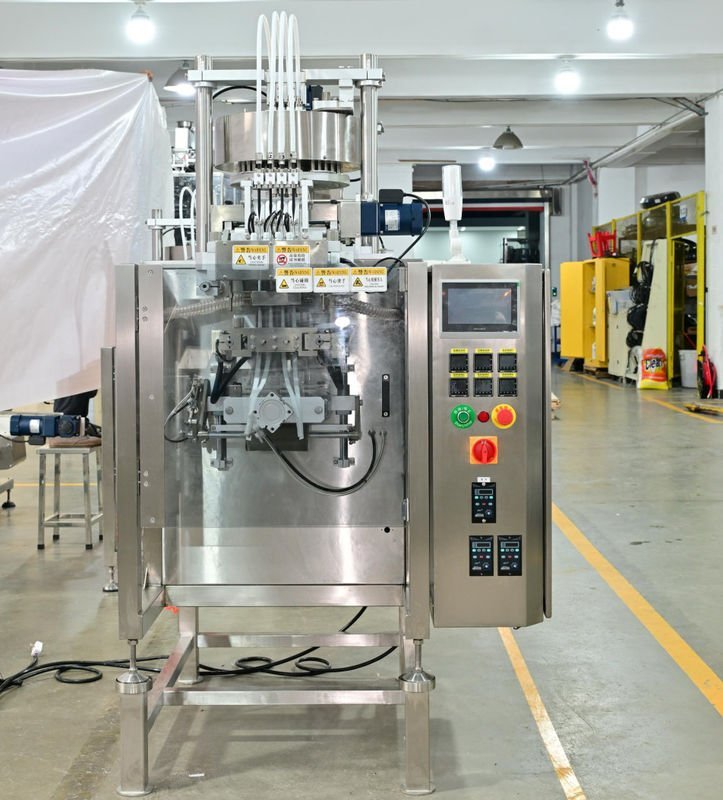
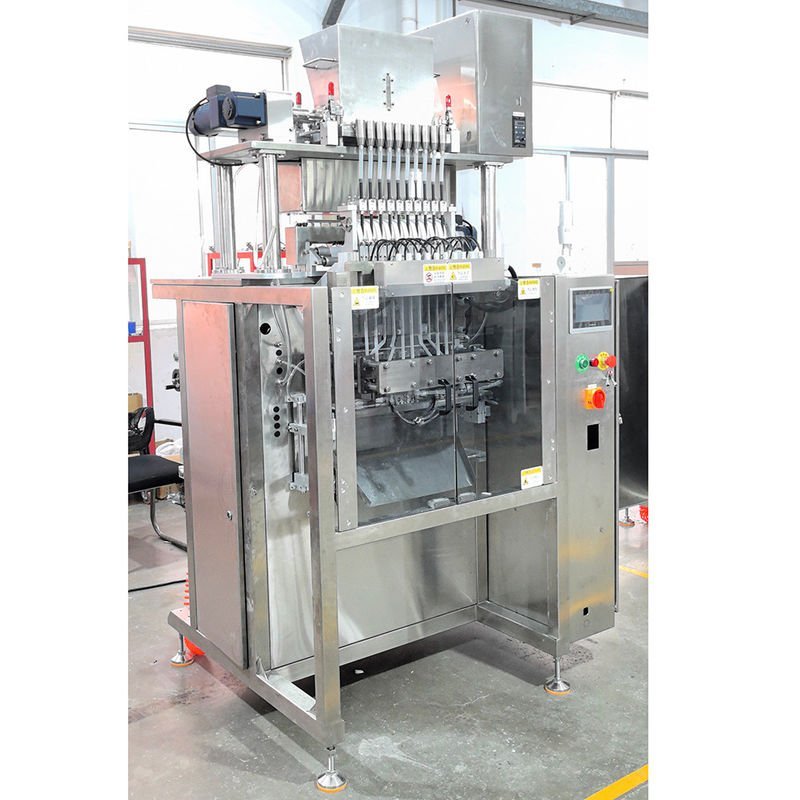
Designed for single-serve portions, these machines are crucial for products like sauces, condiments, sugar, instant coffee, and pharmaceuticals. They produce small, sealed pouches from roll stock. Modern sachet machines often feature multi-lane configurations, dramatically increasing output by producing several sachets simultaneously. This technology is vital for meeting the global demand for convenience and portion control.
Liquid and Pouch Filling Machines
For beverages, oils, sauces, and dairy products, specialized liquid filling systems are required. These range from simple volumetric fillers to sophisticated piston or gravity fillers that ensure precise measurement and prevent spillage. They are often paired with capping, labeling, and cartoning systems to create a complete automated packaging line.
Tray Sealing and Thermoforming Machines
These systems are used for modified atmosphere packaging (MAP), which extends shelf life. Products are placed in pre-formed trays or containers, a lidding film is applied, and the package is hermetically sealed. This method is prevalent for fresh produce, meats, and ready-to-eat meals, offering excellent product visibility and protection.
Key Takeaway:
The choice between VFFS, HFFS, sachet, or liquid filling machinery is fundamentally dictated by your product’s physical state (solid, liquid, powder) and the desired final package format for the retail shelf. There is no one-size-fits-all solution.
Broad Applications Across the Food Sector
Automatic packaging machines are not confined to one niche; they serve the entire spectrum of the food and beverage industry.
Snack Foods: From potato chips and nuts to popcorn and crackers, VFFS machines with integrated scales ensure consistent weight and fast packaging speeds.
Bakery & Confectionery: HFFS machines wrap individual pastries and candy bars, while stick pack machines portion icings, sprinkles, or drink mixes.
Beverages: Liquid fillers handle everything from water and juice to viscous sauces and cooking oils, often in bottles, pouches, or cartons.
Dairy: Yogurt cups, cheese slices, and milk pouches all rely on precise filling and sealing automation for hygiene and speed.
Dry Goods & Ingredients: Flour, sugar, spices, rice, and pasta are efficiently packaged in bags or boxes using automated systems that control dust and ensure accurate filling.
Frozen & Fresh Foods: Tray sealers and thermoformers create protective, airtight packages for meats, vegetables, and prepared meals, crucial for maintaining quality in the cold chain.
A Step-by-Step Guide to Choosing the Right System
Selecting an automatic food packaging machine is a significant investment. Here is a structured approach to ensure you choose a system that delivers a strong return on investment.
Step 1: Define Your Product and Packaging Specifications
This is the most critical step. You must have clear answers to the following:
- Product Characteristics: What is its physical form? Is it abrasive, oily, or fragile? What is its density and flowability?
- Packaging Material: What type of film or laminate will you use? Consider barrier properties for moisture or oxygen.
- Bag/Pouch Size & Style: What are the dimensions? Do you need a pillow bag, gusseted bag, stand-up pouch, or a stick pack?
- Production Speed (Output): How many packages per minute (PPM) or per hour (PPH) do you need to meet current and future demand?
Step 2: Assess Your Production Environment and Goals
Consider the bigger picture of your operation:
- Floor Space: Measure the available area for the machine and any necessary peripherals like conveyors or auxiliary equipment.
- Automation Level: Do you need a fully automated line with robotic palletizing, or a semi-automatic machine operated by a few staff?
- Changeover Frequency: How often will you switch between different products or bag sizes? Look for machines with quick-change features to minimize downtime.
- Hygiene & Compliance: For certain products, you may need machines with specific sanitary designs, easy-clean surfaces, or certifications for food contact.
Step 3: Evaluate Machine Features and Supplier Credentials
Not all machines are created equal. Scrutinize the technical details and the company behind them.
- Construction & Durability: Look for robust frames, high-quality stainless steel contact parts, and reputable brand components (e.g., PLCs, servos).
- Accuracy & Consistency: Investigate the filling technology. For dry products, what is the weighing accuracy? For liquids, what is the filling tolerance?
- Ease of Use & Maintenance: A user-friendly touchscreen HMI (Human-Machine Interface) and accessible components for cleaning and servicing are vital for daily operations.
- Supplier Support: Choose a manufacturer with a proven track record. Do they offer installation, training, and reliable after-sales service? Can they provide spare parts quickly? A company like Packmate Machinery, with decades of experience, can be a valuable partner in this journey.
⚠️ Critical Consideration: Total Cost of Ownership (TCO)
Do not base your decision solely on the initial purchase price. Consider the Total Cost of Ownership, which includes:
• Energy consumption.
• Required consumables (film, seals).
• Expected maintenance costs and downtime.
• Cost and availability of spare parts.
A slightly more expensive, reliable machine from a reputable supplier often has a lower TCO than a cheaper, less reliable alternative.
Step 4: Request a Product Test and Review Case Studies
Before finalizing your decision, always request a live product test. Send your actual product and packaging material to the supplier. This test will reveal the machine’s true performance, speed, and package quality. Additionally, review the supplier’s case studies or project portfolio to see examples of similar successful installations in your industry.
Frequently Asked Questions (FAQs)
What is the typical payback period for an automatic food packaging machine?
The payback period varies widely based on machine cost, labor savings, increased output, and reduced material waste. For many small to medium operations replacing manual labor, a period of 12 to 24 months is common. High-speed lines for large-scale production justify their cost through massive volume efficiencies.
Can one machine handle multiple different products or bag sizes?
Yes, many modern machines are designed for flexibility. Look for models with “quick-change” features for forming tubes, sealing jaws, and filling heads. However, extensive changeovers will require time and adjustment. If you run many vastly different products, dedicating a machine to each major product type might be more efficient.
How important is after-sales service and technical support?
It is absolutely critical. Even the best machines require maintenance, occasional repairs, and operator training. A supplier with a responsive, knowledgeable service team and a readily available inventory of spare parts is essential for minimizing costly production downtime. This support is a key part of your investment’s security.
What are the key hygiene considerations for food packaging machines?
Machines should use food-grade stainless steel (e.g., 304 or 316) for all product contact parts. Design should minimize crevices where product can accumulate. Features like tool-less disassembly for cleaning, CIP (Clean-in-Place) systems for liquid fillers, and smooth, easy-to-wipe surfaces are major advantages for maintaining food safety standards.
Should I buy a standalone machine or a complete integrated line?
This depends on your current and future needs. A standalone machine (e.g., a VFFS bagger) is a great start. An integrated line, which might include a bagger, checkweigher, metal detector, and case packer, offers higher end-to-end automation. Consider your budget, space, and labor strategy. Many suppliers, including Packmate, offer modular systems that can be expanded into full lines as your business grows.