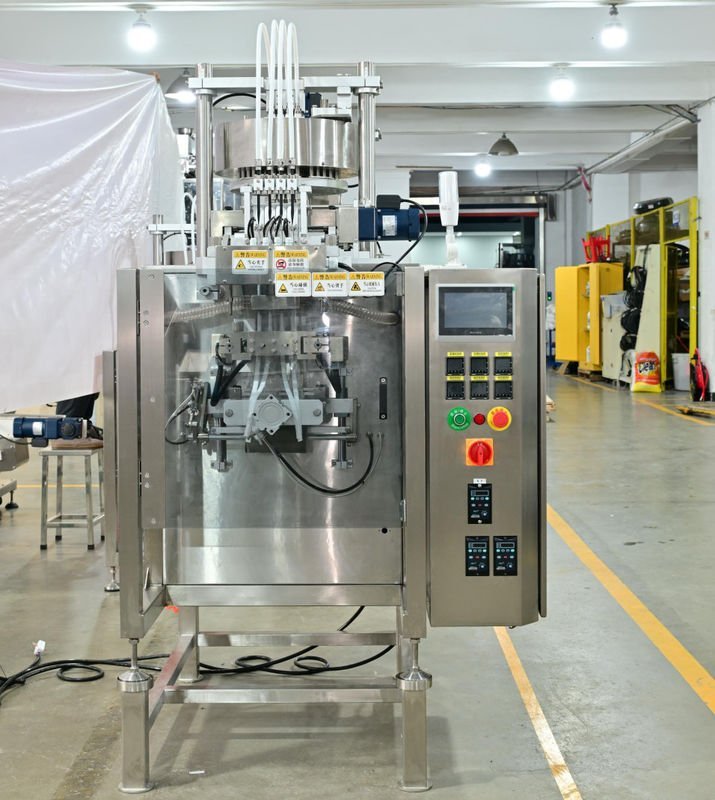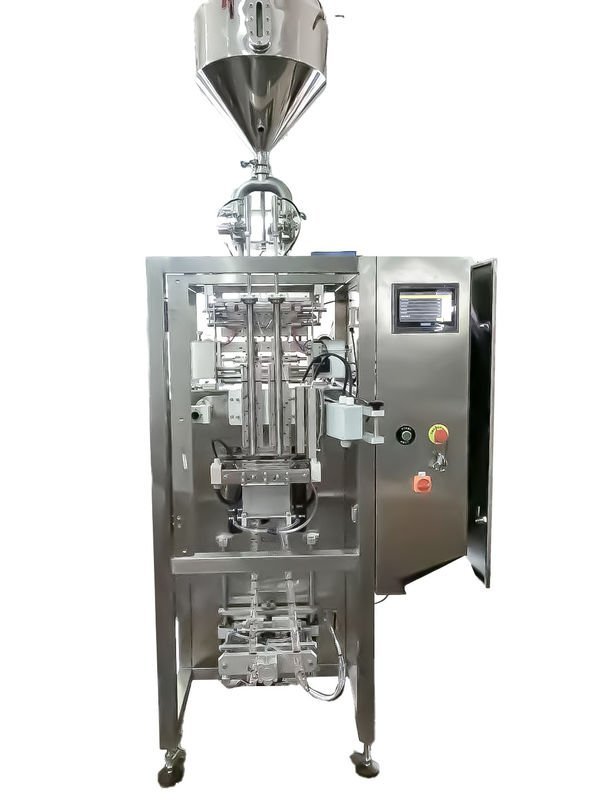
The world of tea production is a delicate balance of art and science. From the rolling hills where leaves are plucked to the final cup enjoyed by consumers, every step matters. In modern manufacturing, the packaging stage is critical—it protects the tea’s aroma, flavor, and quality while presenting the product attractively to the market. For businesses looking to scale, improve efficiency, and ensure consistency, investing in an automatic tea bag packaging machine is a transformative decision. However, with various models and technologies available, selecting the right automated solution requires careful consideration of your specific production needs, output goals, and the unique characteristics of your tea products.

Understanding Your Production Requirements
Before diving into machine specifications, a thorough analysis of your current and future production landscape is essential. This foundational step ensures the machine you choose aligns perfectly with your business objectives.
Assessing Your Output Volume and Speed
The core purpose of automation is to increase output. You must define your required production speed, typically measured in bags per minute (BPM). Are you a specialty producer needing a few hundred bags per minute, or a large-scale manufacturer targeting several thousand? Your answer will directly filter available machine types. Furthermore, consider your growth trajectory. Investing in a machine that can handle a 20-30% increase in future demand is often more cost-effective than needing a full upgrade shortly after purchase.
Identifying Your Tea Product Type and Bag Style
Tea is not a monolithic product. The packaging needs for fine herbal powder, whole-leaf oolong, or rooibos granules differ significantly. The machine must be compatible with your product’s flow characteristics, density, and abrasiveness. Equally important is the final bag style:
- Traditional Tagged Bags: The classic single-chamber bag with a string and tag.
- Pyramid Bags: Popular for whole-leaf teas, allowing more space for leaves to unfurl.
- Double-Chamber Bags: Often used for teas that require even infusion.
- Stick Packs or Sachets: Common for powdered instant teas, milk teas, or single-serve portions. For these formats, exploring dedicated sachet & stick pack machines is highly recommended.
Key Features of an Automatic Tea Bag Packaging Machine
Modern machines are equipped with a suite of features designed to optimize the packaging process. Understanding these will help you compare models effectively.
Weighing and Dosing Precision
This is arguably the most critical feature. Consistent fill weight is non-negotiable for product quality, cost control, and regulatory compliance. Look for machines with advanced multi-head weighers or auger filler systems that offer high precision, often with tolerances as tight as ±0.1 grams. Some systems include feedback loops to auto-correct drift during operation.
Bag Forming, Sealing, and Material Handling
The machine should reliably form bags from a roll of filter paper (often a paper/heat-seal plastic blend). Check the sealing method—ultrasonic sealing is excellent for delicate materials and creates a strong bond, while thermal sealing is more common. The system must handle the chosen packaging material without tearing or misfeeds. For more robust pouch formats, you might consider broader bag & pouch packaging machines.
Tagging, Stringing, and Finishing Attachments
For traditional tea bags, the attachment of the string, tag, and optional staple is a complex mechanical process. Ensure the machine’s tagging unit is robust, has a low misfeed rate, and can handle your specific tag size and shape. Some machines offer integrated systems that fold the bag and place it directly into the final envelope or carton, creating a complete filling & packaging line.
Automation and Control Systems
Today’s machines are governed by Programmable Logic Controllers (PLCs) and feature user-friendly Human-Machine Interface (HMI) touchscreens. Key capabilities to look for include:
- Recipe storage for quick changeovers between different tea products.
- Production counters and efficiency reports.
- Diagnostic alerts for low material, jams, or weight deviations.
- Connectivity options for integration into factory monitoring systems.
Evaluating Machine Reliability and Supplier Support
The machine’s hardware and software are only part of the equation. The reliability of the manufacturer and the support structure behind the machine are vital for long-term success.
Build Quality and Durability
Inspect the construction. Critical components like frames, cams, and shafts should be made from hardened steel or high-grade stainless steel for food contact areas. The overall build quality directly correlates with long-term reliability, minimal vibration, and lower maintenance needs. A machine built to last decades is a better investment than one with a lower upfront cost but higher lifetime cost of ownership.
Manufacturer Expertise and After-Sales Service
Choose a supplier with a proven track record in tea and food packaging. Companies with deep experience, like Packmate Machinery, understand the unique challenges of the industry. Evaluate their after-sales service: Do they offer comprehensive installation, training, and commissioning? What is their spare parts availability and response time for technical support? A reliable partner is as crucial as the machine itself.
Integration and Operational Considerations
Finally, think about how the machine will fit into your existing or planned factory environment.
Footprint and Utility Requirements
Measure your available floor space. Automatic packaging machines require not only space for the unit itself but also for operator access, infeed conveyors, and outfeed collection. Confirm the machine’s requirements for electrical power (voltage, phase), compressed air (PSI, CFM), and any other utilities.
Changeover Time and Flexibility
If you produce multiple tea varieties or bag styles, the time required to change from one product to another (changeover time) significantly impacts overall equipment effectiveness (OEE). Machines with quick-change parts and digital recipe recall can reduce changeover from hours to minutes, maximizing your production flexibility. For complex integrations, a full turnkey solution from your supplier can streamline the entire process.
Safety and Hygiene Standards
The machine must comply with relevant food safety standards (e.g., FDA, CE, ISO standards for food machinery). Design features should facilitate easy cleaning and prevent product accumulation in dead spaces. Safety guards, emergency stop buttons, and lock-out/tag-out features are mandatory to protect your operators.
Conclusion: Making an Informed Investment
Choosing the right automatic tea bag packaging machine is a strategic investment that impacts your product quality, brand reputation, and bottom line. By systematically evaluating your production needs, understanding key machine features, and partnering with a reputable and experienced supplier, you can implement a solution that drives efficiency, ensures consistency, and scales with your business growth. The goal is to find a machine that not only packages tea but does so in a way that preserves the craftsmanship and quality your customers expect.
Frequently Asked Questions (FAQs)
What is the typical speed range for an automatic tea bag machine?
Speeds vary widely based on machine type and bag complexity. Standard single-tag bag machines range from 80 to 200 bags per minute (BPM). High-speed, multi-lane machines for simpler sachets or stick packs can reach 600 to 1,200 BPM or more. The key is to match the speed to your actual output requirement.
Can one machine handle different types of tea and bag styles?
Many machines are designed for flexibility, but there are limits. A machine configured for traditional tagged bags may not switch to pyramid bags without significant part changes. However, within a category (e.g., tagged bags), modern machines with quick-change tooling can often handle different leaf types, weights, and tag sizes efficiently by recalling digital recipes.
How important is after-sales service when purchasing?
Extremely important. Even the most reliable machine will require maintenance, spare parts, and occasional troubleshooting. A supplier with a strong global service network, readily available spare parts, and responsive technical support is crucial for minimizing downtime and ensuring the long-term productivity of your investment.
What are the main cost factors besides the machine price?
Total cost of ownership includes installation & commissioning, training for operators, ongoing costs for packaging materials (filter paper, tags, string), utilities (electricity, compressed air), preventive maintenance, spare parts, and potential future upgrades. Always request a detailed breakdown from the supplier.
How do I ensure the machine meets food safety regulations?
Select a machine from a manufacturer that designs according to international hygiene standards (e.g., EHEDG guidelines). Key features include the use of food-grade stainless steel on contact parts, smooth surfaces without crevices, easy-clean design, and proper documentation (CE marking, technical file). Your supplier should be able to provide all necessary compliance certificates.