In the demanding worlds of food and pharmaceutical manufacturing, precision, hygiene, and efficiency are not just goals—they are absolute necessities. The packaging stage is a critical juncture where product integrity, safety, and brand presentation converge. This is where specialized bag packaging equipment becomes indispensable. From high-speed automatic bagging machines to fully integrated, turnkey packaging lines, the right technology safeguards your product and supercharges your production.
The Critical Role of Specialized Packaging in Food & Pharma
The requirements for packaging food and pharmaceutical products are among the most stringent across all industries. For food, packaging must protect against contamination, preserve freshness, extend shelf life, and often provide a clear view of the product. In pharmaceuticals, the stakes are even higher. Packaging must ensure sterility, maintain precise dosage integrity, comply with rigorous regulatory standards (like cGMP), and often incorporate tamper-evident or child-resistant features. Standard packaging solutions simply cannot meet these complex needs. Specialized bag packaging equipment is engineered specifically to handle these sensitive products with the required care, speed, and consistency.
Key Challenges Addressed by Specialized Equipment:
- Product Protection: Shielding contents from moisture, oxygen, light, and microbial contamination.
- Dosing Accuracy: Ensuring every bag contains the exact weight or volume, critical for both recipe consistency and medicinal dosage.
- Hygienic Design: Machines built with smooth surfaces, easy-clean access, and often stainless-steel construction to meet sanitary standards.
- Traceability: Integrated systems for batch coding, date stamping, and serialization to support supply chain transparency.
Automatic Bagging Machines: The Heart of Modern Packaging
Automatic bagging machines represent the core technology for placing products into pre-made pouches or forming bags from roll stock. These systems are highly versatile and can be configured for a vast array of products, from coffee granules and soup powders to pharmaceutical tablets and medical device kits.
Types of Automatic Bagging Systems
Understanding the different machine types is key to selecting the right solution for your application.
Vertical Form-Fill-Seal (VFFS) Machines
The most common and flexible type, VFFS machines form a bag from a roll of flat film, fill it with product, and then seal it—all in one continuous vertical motion. They are ideal for granules, powders, liquids, and small solid items. Their ability to handle various bag styles (pillow, gusseted, block-bottom) makes them a powerhouse in both food and pharma lines.
Horizontal Form-Fill-Seal (HFFS) Machines
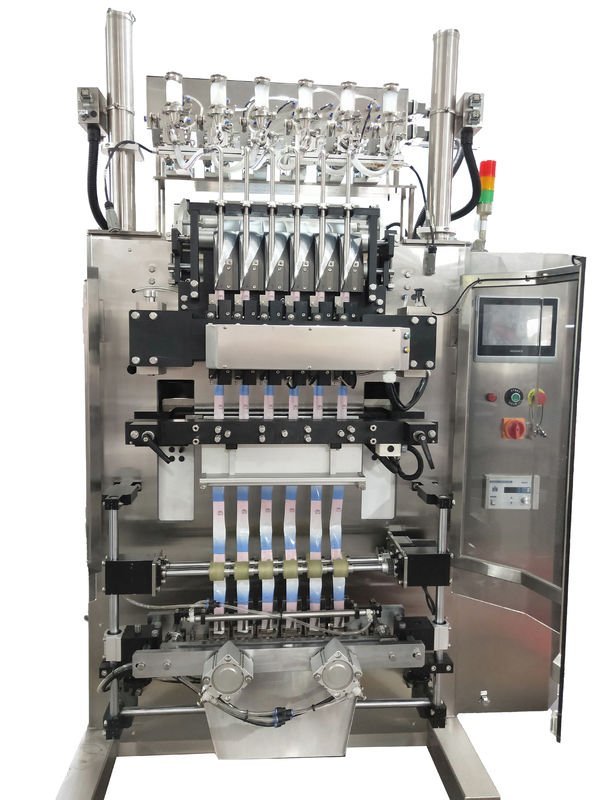
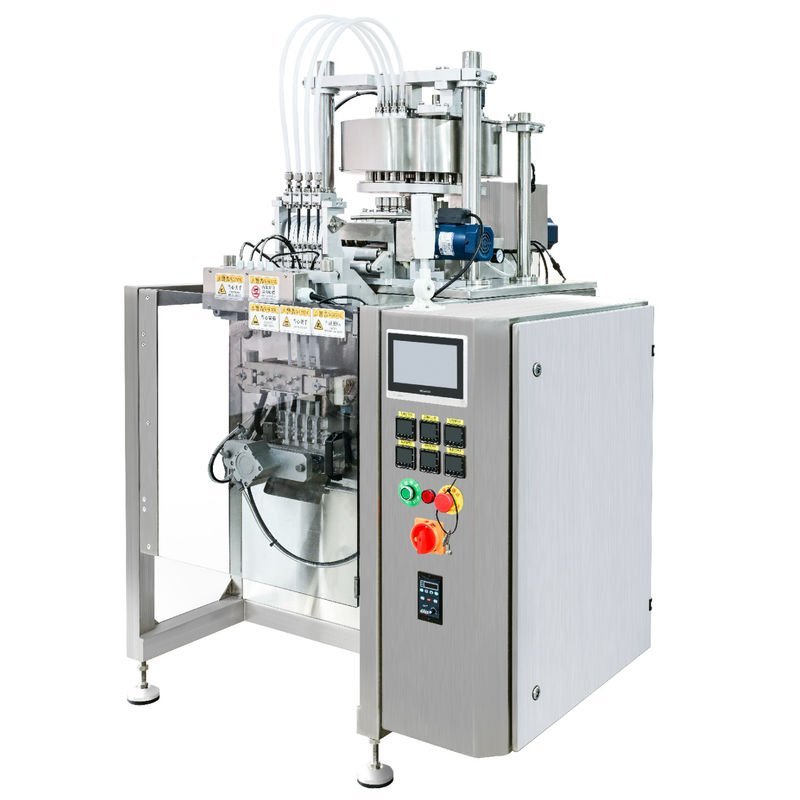
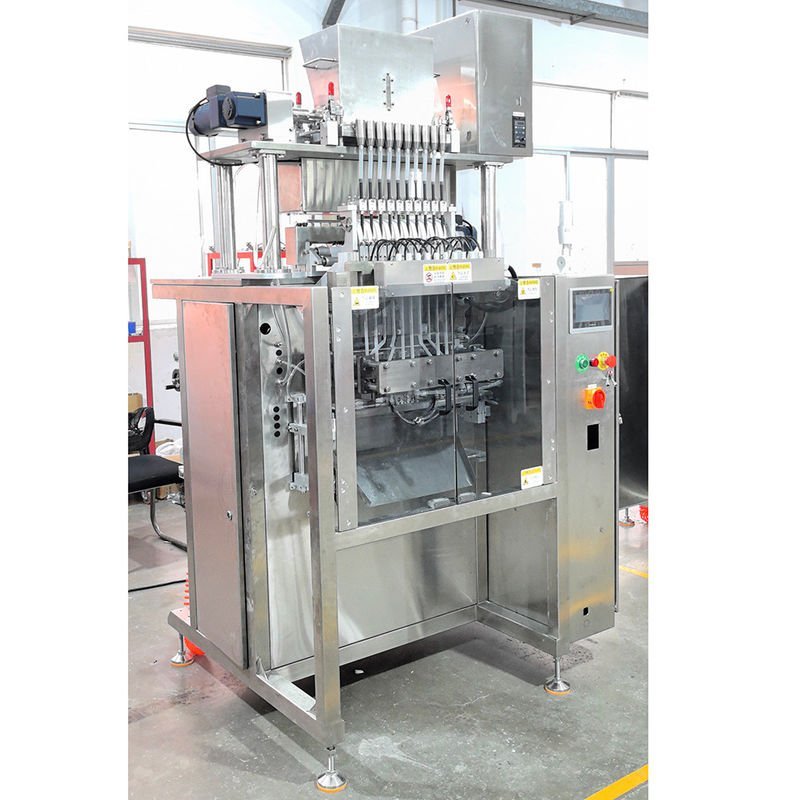
HFFS machines are typically used for more rigid structures or when placing multiple items neatly into a single pouch. They form and fill bags on a horizontal plane, making them excellent for biscuits, candy bars, medical device trays, and stick packs. For high-volume production of small unit-dose packs like sugar, instant coffee, or pharmaceutical powders, multi-lane stick pack machines are a specialized and highly efficient form of HFFS technology. You can explore our range of such solutions on our Sachet & Stick Pack Machines page.
Pre-Made Pouch Bagging Machines
These systems use already-formed, often stand-up or Doy-style pouches. They are perfect for products where premium branding and shelf presence are paramount, or for applications requiring unique zippers or spouts. The machine automatically opens the pouch, fills it, and then seals it closed.
🔄 Essential Features for Food & Pharma Applications
When evaluating automatic baggers, look for these non-negotiable features:
Sanitary Construction: Extensive use of 304 or 316 stainless steel, IP-rated electrical components, and designs with minimal crevices to prevent bacterial harborage.
Precision Weighing & Filling: Integration with multi-head weighers, auger fillers, or liquid pumps that deliver accuracies within ±0.5-1%, crucial for cost control and compliance.
Advanced Sealing Technology: Robust heat sealing jaws with precise temperature control to ensure perfect, hermetic seals every time, even on complex multi-laminate films.
Easy Changeover: Quick-release mechanisms and recipe storage to minimize downtime when switching between different products or bag sizes, boosting overall equipment effectiveness (OEE).
Complete Packaging Lines: Integrating for Peak Performance
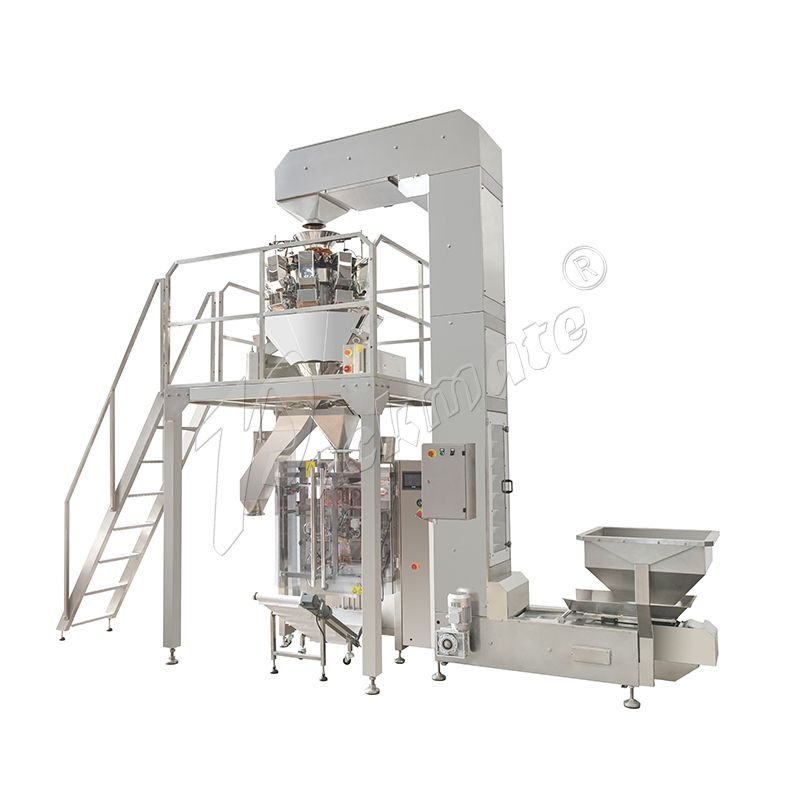
While a single bagging machine is powerful, its true potential is unlocked when integrated into a complete, synchronized packaging line. A turnkey line connects all processes—from product feeding and bagging to checkweighing, labeling, cartoning, and palletizing—into one seamless flow.
The benefits of a complete line are transformative. It dramatically reduces manual handling, which minimizes labor costs and the risk of human contamination. It ensures consistent throughput by eliminating bottlenecks between standalone machines. Most importantly, it provides end-to-end control and traceability, with data collected at every stage for quality assurance and production analytics. For a comprehensive look at integrated solutions, visit our Filling & Packaging Lines section.
Core Components of a Bag Packaging Line
A typical advanced line for food or pharma includes several key modules working in harmony:
1. Product Handling & Feeding System
This could be a vibratory feeder, conveyor, or elevator that gently and consistently delivers product to the bagging machine hopper. For powders, de-aeration systems might be included.
2. The Primary Bagging Machine
The VFFS, HFFS, or pouch machine, as described above, serves as the heart of the line. Its speed and reliability set the pace for the entire system.
3. Checkweigher & Metal Detector
A critical quality control checkpoint. The checkweigher rejects under or over-filled bags, while the metal detector ensures no metallic contaminants are present—a vital step for consumer safety and regulatory compliance.
4. Downstream Handling & Secondary Packaging
This can include bag flatteners, collators, and automatic cartoners that group filled bags into retail boxes or shipping cases. For high-level automation, robotic palletizers can then stack cases onto pallets. Discover supporting equipment on our Auxiliary Packaging Equipment page.
Choosing the Right Partner for Your Packaging Investment
Selecting bag packaging equipment is a significant capital decision. The right partner does more than sell a machine; they provide a solution tailored to your specific product, output goals, and factory environment.
A reliable manufacturer like Packmate (GuangDong) Co., Ltd. brings over two decades of focused experience in automating packaging for sensitive industries. With a modern 20,000㎡ facility and a portfolio of over 50 machine models, they understand the nuances of handling everything from food granules to pharmaceutical powders. Their approach involves deep consultation to recommend not just a machine, but the optimal packaging solution—whether it’s a standalone bagger or a fully integrated line.
Due Diligence Checklist:
- Request Product Trials: Always test your actual product on the machine to verify performance, accuracy, and seal integrity.
- Evaluate Service & Support: Ensure the supplier offers comprehensive training, readily available spare parts, and responsive technical support. Learn about our commitment on the Our Service page.
- Review Compliance: Verify that the equipment meets relevant industry standards (e.g., CE, FDA guidelines for food contact surfaces).
- Consider Scalability: Choose a partner whose equipment can grow with your business, allowing for future upgrades or line expansions.
Conclusion: Packaging as a Strategic Advantage
In the competitive landscapes of food and pharmaceuticals, your packaging line is far more than a cost center. It is a strategic asset that directly impacts product quality, operational efficiency, brand reputation, and ultimately, profitability. Investing in advanced, reliable bag packaging equipment—from precision automatic baggers to synchronized complete lines—delivers a clear return through reduced waste, lower labor dependency, higher output, and unwavering quality assurance. By partnering with an experienced and innovative equipment manufacturer, you secure not just machinery, but the foundation for sustainable growth and market leadership.
Frequently Asked Questions (FAQ)
1. What type of bagging machine is best for packaging fine powders like protein or pharmaceutical blends?
For fine, aerated powders that can be difficult to handle, a Vertical Form-Fill-Seal (VFFS) machine equipped with a precision auger filler is often the best choice. Look for models with features like anti-bridging hoppers, de-aeration systems, and dust extraction ports to ensure accurate, clean, and consistent filling. The auger system provides excellent control over the fill volume, which is critical for product give-away and dosage accuracy.
2. How can I ensure my packaging line meets pharmaceutical GMP requirements?
To meet Good Manufacturing Practice (GMP) standards, the entire line must prioritize hygienic design and traceability. Key elements include: stainless steel construction with polished welds, easy-clean access panels, validated cleaning procedures, and integrated systems for batch coding and data logging. Work closely with your equipment supplier from the design phase to ensure every component is suitable for a GMP environment and that the system supports the necessary documentation protocols.
3. What is the typical lead time for a custom-configured complete packaging line?
Lead times can vary significantly based on complexity, customization, and current manufacturer backlog. For a standard VFFS-based line with moderate customization, expect a timeline of 16 to 24 weeks from order to delivery. This includes design finalization, manufacturing, factory acceptance testing (FAT), and shipping. Always discuss and confirm the detailed project schedule with your supplier during the quotation process.
4. Can one bagging machine handle multiple different bag sizes and products?
Yes, most modern automatic bagging machines are designed for quick changeover. This is achieved through features like tool-less adjustments, change parts kits, and digital controls that store “recipes” for different products. Changeover time can range from 15 minutes to an hour depending on the complexity of the switch (e.g., just changing bag length vs. changing the entire film reel and forming collar). This flexibility is essential for manufacturers with diverse product portfolios.
5. What are the most important factors in choosing the right packaging film for my product?
Film selection is critical for product protection and machine performance. The key factors are: Barrier Properties (against moisture, oxygen, light), Sealability (compatibility with your machine’s heat seals), Machinability (tensile strength and slip for reliable running on high-speed equipment), and Compliance (food-grade or pharmaceutical-grade certifications). It is highly recommended to conduct trials with your chosen film on the actual equipment before finalizing your purchase.