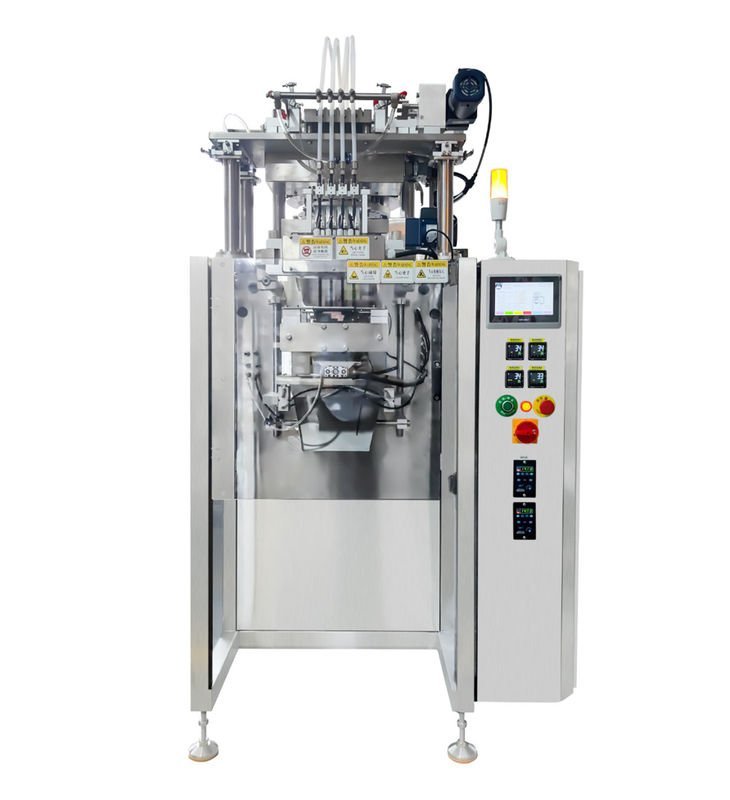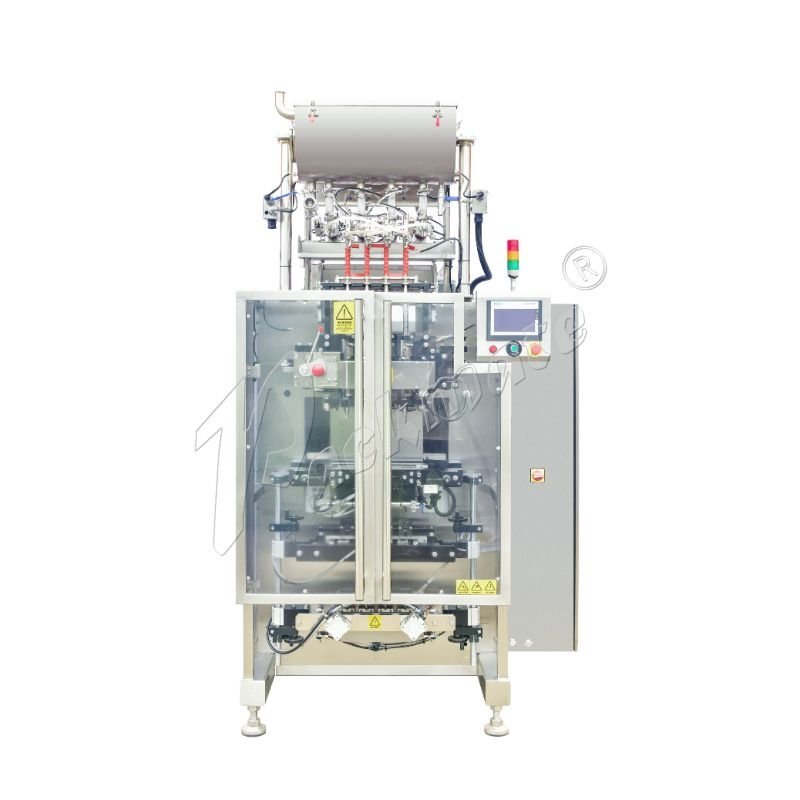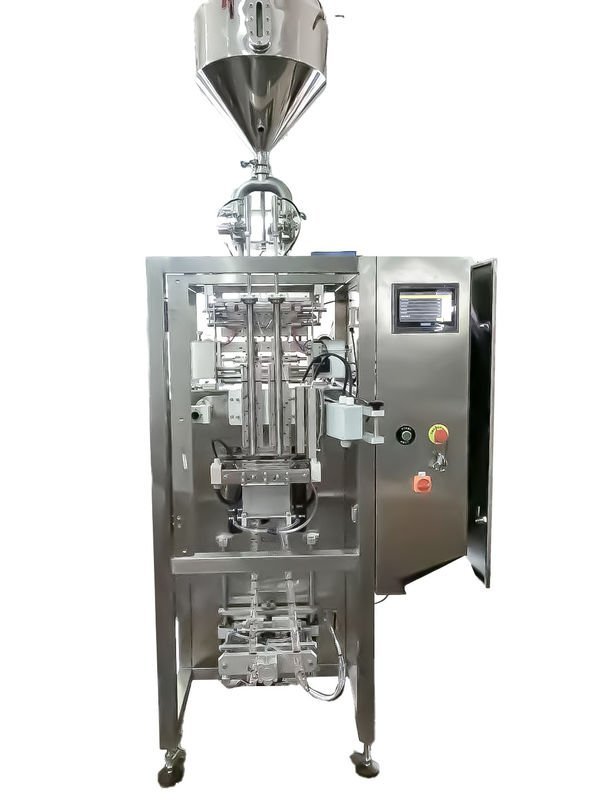
In today’s fast-paced beverage industry, efficiency and reliability are not just goals—they are necessities. Beverage carton packaging machinery stands at the heart of modern production lines, transforming how juice, milk, plant-based drinks, and other liquid products are filled, sealed, and prepared for market. This automated technology is the cornerstone for brands aiming to scale production, ensure product safety, and meet the ever-growing consumer demand for convenience and quality.
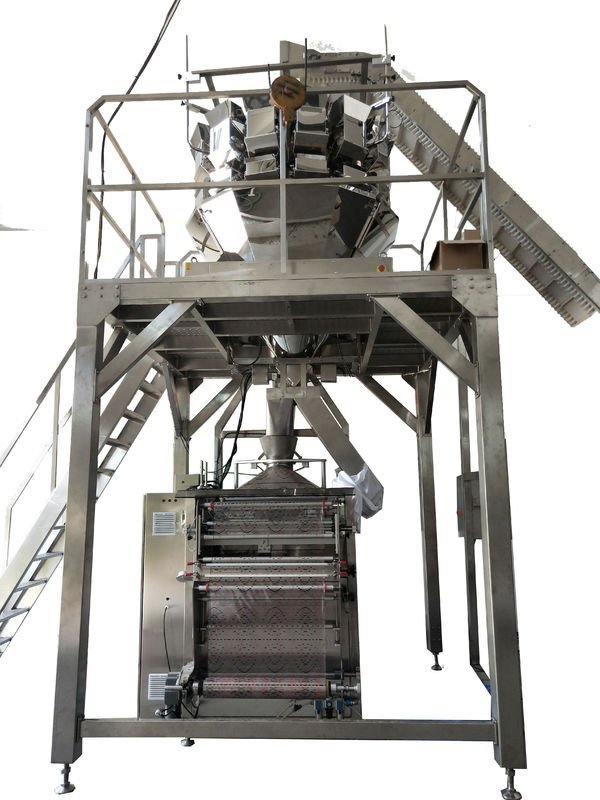
The Core Components of a Modern Beverage Carton Line
A complete, efficient beverage packaging solution is more than a single machine; it’s a synchronized system. The journey begins with the unwinding and forming of flat carton blanks. Precision is key here, as any misalignment can lead to leaks or jams. The formed cartons then move to the filling station, which is arguably the most critical phase.
Advanced Filling Technology for Diverse Beverages
Modern filling systems are engineered for versatility and hygiene. Whether handling viscous fruit nectar, sensitive dairy milk, or carbonated wellness drinks, the machinery must maintain consistent fill volume, prevent oxidation, and operate with absolute cleanliness. Aseptic filling systems take this further, sterilizing both the carton material and the product inside, enabling ambient shelf storage without preservatives—a major advantage for global distribution.
Key Benefits of Automated Cartoning:
- Dramatically Increased Output: Machines can fill and seal hundreds, even thousands, of cartons per hour, far surpassing manual capabilities.
- Unmatched Consistency & Hygiene: Automated processes eliminate human error and contamination risks, ensuring every product meets strict quality standards.
- Significant Cost Reduction: Savings are realized through lower labor costs, reduced product waste from over/under-filling, and optimized material usage.
- Enhanced Flexibility: Quick changeover systems allow the same line to handle different carton sizes and beverage types, ideal for short production runs.
Integration with Secondary Packaging
The process doesn’t end with a sealed carton. Efficient lines integrate seamlessly with downstream equipment. This includes carton collating, multipacking into sleeves or trays, and final case packing. This end-to-end automation creates a continuous flow from raw material to palletized goods, ready for warehouse storage or direct shipping. For a comprehensive look at integrated systems, explore our Filling & Packaging Lines.
The Role of Smart Controls and Industry 4.0
Today’s top-tier beverage carton machinery is intelligent. Equipped with Programmable Logic Controllers (PLCs) and Human-Machine Interfaces (HMIs), operators can monitor speed, fill accuracy, and downtime in real-time. Predictive maintenance alerts, driven by data analytics, prevent unexpected breakdowns. This connectivity is a pillar of Industry 4.0, allowing for seamless data exchange with factory-wide Enterprise Resource Planning (ERP) systems for unparalleled production oversight.
Choosing the Right Machinery Partner
Selecting equipment is a strategic decision. Beyond specifications, consider the manufacturer’s expertise, after-sales support, and ability to provide a complete turnkey solution. A partner with deep industry experience will understand the unique challenges of beverage packaging, from managing different liquid viscosities to ensuring compliance with food safety regulations like FDA and EHEDG standards.
Companies like Packmate (GuangDong) Co., Ltd. exemplify this approach. With decades of specialization in automated packaging, they bring proven reliability and innovation to the table. Their journey from a focused workshop to a modern manufacturer with a global portfolio of successful case studies demonstrates a commitment to evolving with market needs.
Future Trends in Beverage Carton Packaging
The future points towards even greater sustainability and customization. Machinery is adapting to handle a wider range of recyclable and bio-based carton materials. Furthermore, digital printing technology integrated into packaging lines allows for economical short-run, personalized packaging—perfect for seasonal promotions or limited-edition products. Staying ahead means partnering with a supplier committed to continuous innovation and service.
Implementing automated beverage carton packaging machinery is a transformative investment. It streamlines operations, safeguards product integrity, and provides the scalability needed for growth in a competitive market. By focusing on integrated solutions, smart technology, and a reliable partnership with an experienced equipment provider, beverage producers can build a robust, future-ready production foundation. For specialized needs, such as packaging granular additives or powders often used in beverage premixes, complementary equipment like sachet and stick pack machines can be integral to a complete production ecosystem.
Frequently Asked Questions (FAQs)
1. What types of beverages can be packaged with this machinery?
Modern beverage carton packaging machines are highly versatile. They are commonly used for juices, dairy milk, plant-based milk alternatives (soy, almond, oat), liquid nutritional supplements, ready-to-drink teas, coffees, and even viscous products like yogurt drinks and soups. The key is matching the machine’s filling technology (e.g., gravity, piston, volumetric) to the product’s viscosity and characteristics.
2. How does aseptic filling differ from standard hot-fill?
Both methods extend shelf life but in different ways. Hot-fill involves filling the beverage at a high temperature (typically 85-95°C) into a pre-sterilized container, relying on the heat to sterilize the container’s interior. Aseptic filling sterilizes the product and the packaging material separately using methods like steam or hydrogen peroxide, then fills and seals them in a sterile environment. This allows heat-sensitive products to be stored at room temperature without refrigeration.
3. What is the typical output speed of an automated cartoning line?
Output speeds vary significantly based on carton size and machine configuration. Entry-level or semi-automatic machines may handle 1,000 to 3,000 cartons per hour. High-speed, fully automated lines for standard 1-liter cartons can achieve speeds of 6,000 to over 12,000 cartons per hour. The exact speed should be determined by your production volume and growth projections.
4. Can one machine handle different carton sizes and shapes?
Yes, most modern machines are designed with quick-changeover systems. By changing specific tooling parts like forming mandrels, fill nozzles, and sealing jaws, a single line can be adapted to run different carton sizes (e.g., from 200ml to 1 liter) and sometimes shapes (e.g., rectangular vs. gable-top). The changeover time can range from 30 minutes to a few hours.
5. What kind of after-sales support is crucial when investing in this equipment?
Comprehensive support is vital for minimizing downtime. Essential services include detailed installation and commissioning, thorough operator and maintenance training, ready availability of genuine spare parts, and access to remote technical support. A reliable supplier will offer service contracts and have technicians available for on-site repairs if needed. Always inquire about the supplier’s support network and warranty terms before purchase.