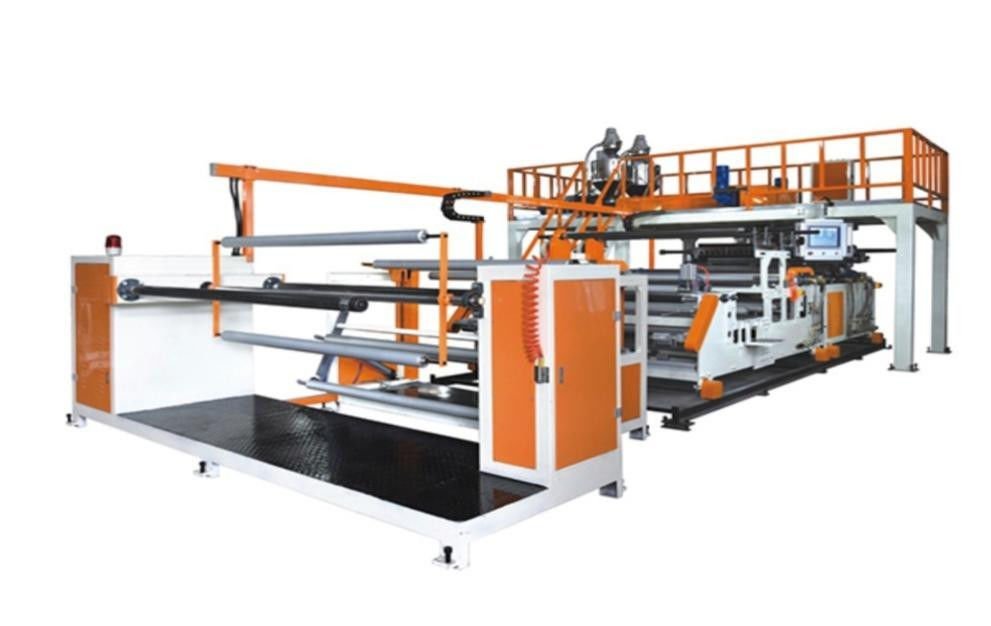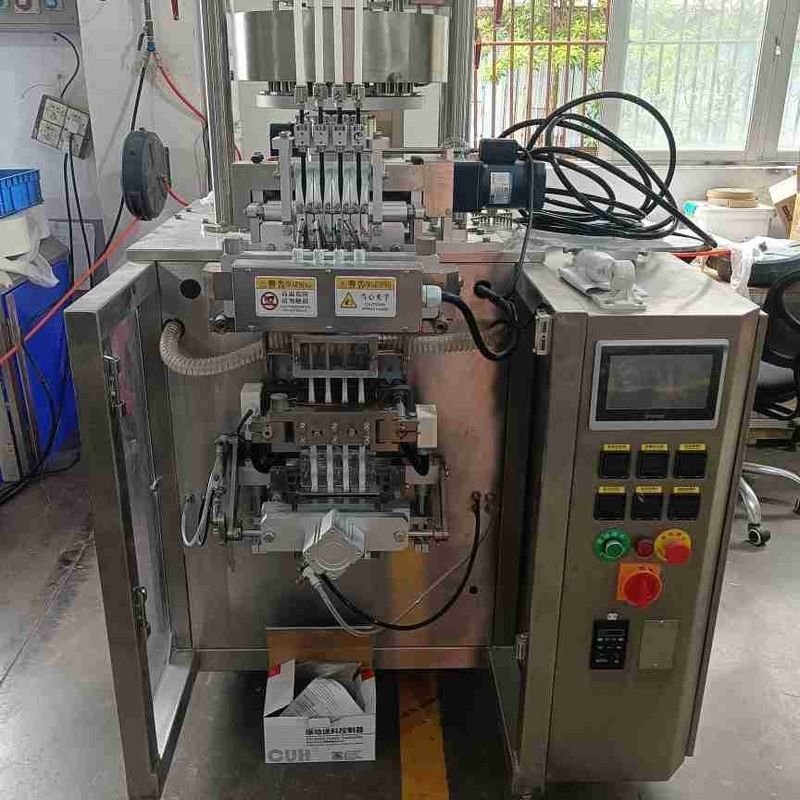
In today’s fast-paced manufacturing landscape, efficiency and space optimization are not just goals—they are necessities for survival and growth. The adoption of automated compression packaging systems represents a pivotal shift for businesses aiming to streamline operations, reduce waste, and maximize their physical footprint. This guide delves into the core principles of these machines and how they fundamentally transform packaging lines.

The Core Principle: More Than Just Squeezing
At its heart, a compression packaging machine is designed to reduce the volume of a product or its primary package before the final sealing or boxing stage. Unlike simple compaction, modern automated systems perform this task with precision and intelligence. The process typically involves controlled pneumatic or mechanical pressure applied to the product, effectively removing excess air and creating a denser, more uniform package. This is crucial for items that are bulky or have irregular shapes, such as soft goods, textiles, or certain food products. The result is a package that is not only smaller but also more stable and protective.
Key Takeaway:
Compression packaging is a volumetric reduction process that enhances product stability and protection while minimizing material use and shipping space.
How Automation Drives Unprecedented Efficiency
Integrating compression into an automated packing line eliminates manual bottlenecks and introduces a new level of speed and consistency. Here’s how:
1. Accelerated Throughput
Manual compression is slow and labor-intensive. An automated machine, seamlessly integrated with upstream filling and downstream sealing units, maintains a continuous, high-speed flow. This synchronization is key to achieving higher overall line efficiency (OEE).
2. Consistent Package Quality
Human operators naturally introduce variation. Automated systems apply the exact same pressure, for the exact same duration, every single cycle. This uniformity ensures every package leaving the line has identical dimensions and integrity, which is critical for automated palletizing and customer presentation.
3. Labor Reallocation and Cost Savings
By automating the compression task, companies can redeploy skilled workers to more value-added areas like quality control, machine supervision, or maintenance. This reduces direct labor costs associated with the packaging process and minimizes the risk of repetitive strain injuries.
For businesses looking to build or upgrade a complete line, exploring integrated Filling & Packaging Lines that incorporate compression stages can provide a seamless solution from product handling to final case sealing.
The Space-Saving Revolution: From Warehouse to Retail
The benefits of volume reduction cascade through the entire supply chain, creating tangible savings at every touchpoint.
Impact on Logistics & Storage
- Warehouse Storage: Compressed packages occupy significantly less cubic space. This allows for more product to be stored in the same facility or enables downsizing of storage requirements.
- Transportation: More units can be loaded onto each pallet, into each truck, or inside each shipping container. This directly lowers freight costs per unit and reduces the carbon footprint associated with transportation.
- Retail Shelf Space: Smaller, neater packages allow retailers to stock more SKUs in the same area or create more appealing displays. This can directly influence sales velocity.
Specialized sectors, like the smokeless tobacco industry, have particularly stringent requirements for package consistency and protection. Machines designed for this niche, such as Snus & Nicotine Packaging Machines, often incorporate precise compression features to ensure portion pouches are perfectly formed and compact.
Selecting the Right Compression Packaging System
Choosing a system is not a one-size-fits-all decision. Key factors to consider include:
Product Type: Is it granular, powdered, fibrous, or a solid object? The product’s characteristics dictate the compression mechanism (e.g., vertical press, horizontal tamping).
Production Speed: The machine must match or exceed the speed of your upstream filling equipment to avoid becoming a bottleneck.
Level of Automation: Options range from semi-automatic stand-alone units to fully integrated robotic cells that handle compression, orientation, and placement.
Integration Capability: The system must communicate effectively with PLCs or line controllers from other equipment providers.
Partnering with an experienced manufacturer is crucial. A provider with deep industry knowledge can offer a comprehensive packaging Solution tailored to your specific product and throughput needs, ensuring all components work in harmony.
Beyond the Machine: The Role of a Trusted Partner
Investing in advanced packaging technology is a significant decision. The manufacturer behind the machine plays a vital role in its long-term success. Look for a partner with a proven track record, substantial R&D capability, and global support infrastructure.
For instance, Packmate (GuangDong) Co., Ltd., with over two decades of experience, exemplifies this approach. Starting from a focused workshop, the company has evolved into a provider of over 50 machine models, serving a global clientele. Their journey from specializing in small sachet machines to offering complete multi-lane stick pack and large bag lines demonstrates an ability to innovate with market demands. This history of growth, supported by a modern 20,000㎡ facility, ensures they deliver not just equipment, but reliable, turnkey packaging solutions. You can see their machinery in action across various applications in their detailed project Case studies.
The future of compression packaging lies in smarter, more connected systems. Integration with IoT sensors will allow for real-time monitoring of pressure and package density, enabling predictive maintenance and even finer quality control. The goal remains constant: to create the most efficient, space-saving, and cost-effective package possible.
Frequently Asked Questions (FAQs)
1. What types of products benefit most from compression packaging?
Products that are soft, bulky, or have high air content see the greatest benefits. This includes items like wipes, diapers, textiles, pillows, snacks (like chips in bags), and certain frozen foods. The process reduces “slack-fill,” creating a tighter, more professional-looking package.
2. Can compression damage my product?
When correctly configured, no. Modern machines allow for precise control of pressure, dwell time, and compression area. Proper testing during the machine selection and commissioning phase is essential to find the optimal settings that reduce volume without compromising product integrity.
3. How does an automated compression system integrate with my existing line?
Reputable manufacturers design machines to be modular and adaptable. Integration typically involves mechanical conveyors to link the units and electronic communication (often via PLC) to synchronize speeds and functions. A thorough line audit by the supplier is the first step to ensure compatibility.
4. What is the typical ROI (Return on Investment) for such a system?
ROI is realized through multiple channels: reduced material costs (smaller bags/boxes), lower shipping and storage costs, decreased labor costs, and increased line output. Many businesses see a full return on investment within 12-24 months, depending on scale and application.
5. Where can I learn more about specific machine models and capabilities?
The best starting point is to consult directly with a manufacturer’s technical sales team. You can also review their full range of packing machine Products, which often include detailed specifications and application guides for different machine types, from sachet machines to full weighing systems.