In today’s fast-paced manufacturing landscape, your packaging line is the final, critical touchpoint before your product reaches the customer. Its efficiency, reliability, and output quality directly impact your bottom line and brand reputation. While investing in high-quality automated packaging equipment is the first step, unlocking its full potential requires a skilled team. This is where Customized Packaging Equipment Training becomes not just an option, but a strategic necessity. Tailored programs designed to teach your staff how to expertly operate, maintain, and optimize your specific machinery are the key to maximizing your return on investment and ensuring seamless production.

Why Generic Training Falls Short for Modern Packaging Lines
Off-the-shelf training modules or generic machine manuals often fail to address the unique complexities of your integrated production line. Every facility has a different mix of equipment, product specifications, and operational goals. A one-size-fits-all approach leaves gaps in knowledge, leading to:
→ Increased downtime due to improper operation or slow troubleshooting.
→ Higher wear and tear from incorrect maintenance procedures.
→ Suboptimal line speed and efficiency, capping your output potential.
→ More product waste and packaging material loss.
→ Over-reliance on external technicians, raising long-term costs.
The Core Philosophy of Tailored Training Programs
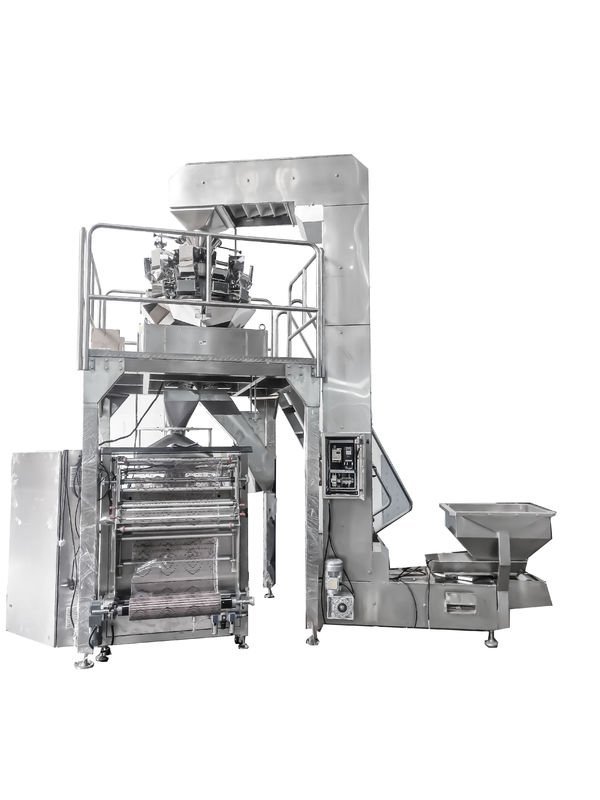
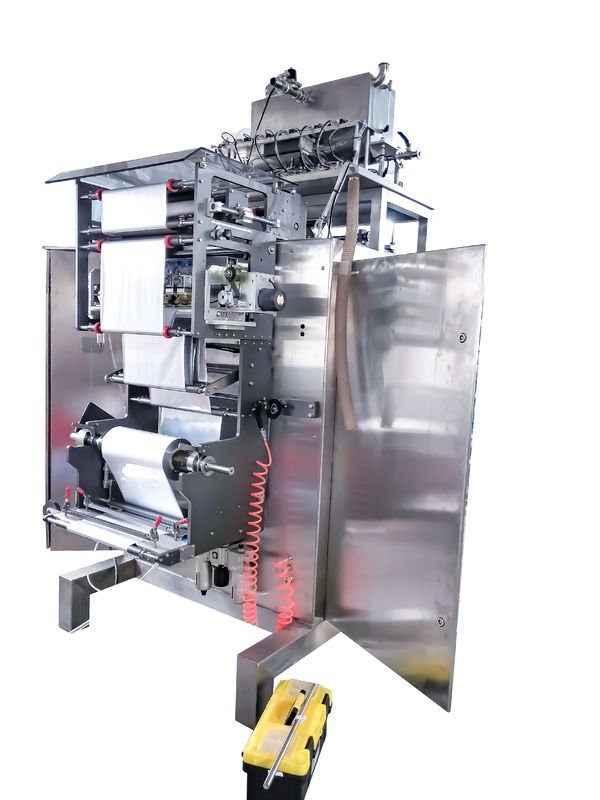
Customized training flips the script by starting with your reality. It involves a collaborative assessment of your line, your team’s current skill level, and your production targets. For instance, a facility running high-speed sachet & stick pack machines for pharmaceuticals has vastly different precision and hygiene protocol needs compared to a plant packaging bulk food granules. A tailored program is built from the ground up to bridge your specific knowledge gaps, ensuring the training is immediately relevant and applicable.
Key Components of a Comprehensive Customized Training Program
An effective tailored program is modular, hands-on, and covers the entire lifecycle of your equipment interaction.
1. Operational Proficiency: Mastering the Controls
This module moves beyond basic “start” and “stop.” Operators receive in-depth training on the human-machine interface (HMI), recipe management for different products, changeover procedures to minimize downtime, and advanced operational settings. They learn to understand the cause-and-effect relationship between adjustments on the machine and the final package quality, empowering them to be proactive rather than reactive.
2. Systematic Maintenance: From Preventive to Predictive
Preventing failure is cheaper than fixing it. Customized maintenance training provides a clear, scheduled plan for your specific filling & packaging lines. Technicians learn daily, weekly, and monthly tasks—such as lubrication, calibration, part inspection, and replacement of wear items. They are trained to recognize early signs of component fatigue or misalignment, shifting maintenance from a scheduled chore to a predictive science that prevents unplanned stops.
3. Optimization & Fine-Tuning: Squeezing Out Every Ounce of Efficiency
This is where expertise translates directly into profit. Engineers and senior operators learn how to analyze line performance data, identify bottlenecks (often in weighing & packaging systems or sealing units), and fine-tune machine synchronization. Training covers optimizing speeds for different packaging materials, reducing giveaway in weight-filling systems, and improving seal integrity rates. The goal is to achieve the theoretical maximum output of your line while maintaining the highest quality standards.
4. Safety & Compliance: Non-Negotiable Foundations
Embedded within every module is a strong emphasis on safety protocols specific to your machinery and industry. This includes lockout-tagout (LOTO) procedures, emergency stop sequences, safe-guarding awareness, and material handling. For industries like food and pharma, training also reinforces Good Manufacturing Practices (GMP) and hygiene standards critical for compliance.
The Packmate Advantage: Training Rooted in Deep Expertise
As a professional manufacturer with over 22 years of development, Packmate (GuangDong) Co., Ltd. understands that our partnership doesn’t end at machine installation. Our training philosophy is an extension of our commitment to delivering complete turnkey solutions. Our programs are developed and delivered by the same engineers who design and build our bag & pouch packaging machines, ensuring an unparalleled depth of system knowledge.
What Our Customized Training Delivers:
• Faster Time-to-Competence: Staff become proficient on your specific line much quicker than with self-guided learning.
• Reduced Operational Risk: Fewer errors, accidents, and compliance issues.
• Maximized Equipment Lifespan: Proper care extends the service life of your capital investment.
• Empowered Workforce: Employees gain confidence and valuable skills, boosting morale and retention.
• Sustained Peak Performance: Your packaging line consistently runs at its designed efficiency and quality level.
Implementing Your Tailored Training Program
The process begins with a consultation. Our specialists will visit your facility (or connect remotely) to audit your packaging line, discuss challenges, and define training objectives. We then develop a customized curriculum, which can be delivered on-site at your plant for maximum relevance, at our facility, or through a blended approach using digital tools. Training includes detailed manuals, hands-on practice, and performance assessments to ensure knowledge transfer is complete.
Investing in customized packaging equipment training is an investment in the future productivity and resilience of your operation. It transforms your packaging line from a complex piece of machinery into a well-understood, finely-tuned engine of your business growth.
Frequently Asked Questions (FAQs)
1. How long does a typical customized training program last?
The duration varies significantly based on the complexity of your packaging line and the depth of training required. A basic operational course for a single machine might take 3-5 days, while a comprehensive program covering operation, maintenance, and optimization for a full line can span 1-2 weeks. We design the schedule to ensure proficiency without overwhelming your staff.
2. Can training be provided for older or non-Packmate machinery?
While our deepest expertise lies with our own equipment, our engineering team can often develop effective operational and maintenance training for integrated lines that include legacy or third-party equipment. The initial audit will determine the precise scope we can effectively cover.
3. What is the cost structure for tailored training?
Costs are project-based and depend on the program’s scope, duration, location (on-site vs. at our facility), and the number of trainees. We view training as a value-added service that protects your larger equipment investment, and we provide transparent quotations after the initial needs assessment.
4. Do you provide ongoing training support or refresher courses?
Yes. We recommend and offer refresher courses, especially after significant staff turnover or when introducing new products or procedures on the line. We also provide access to updated digital resources and technical support as part of our long-term service partnership.
5. How do you measure the effectiveness of the training?
Effectiveness is measured through a combination of hands-on skill assessments at the end of the training, written tests on key knowledge points, and, most importantly, tracking operational KPIs before and after training. These KPIs often include metrics like Overall Equipment Effectiveness (OEE), mean time between failures (MTBF), changeover time, and waste reduction.