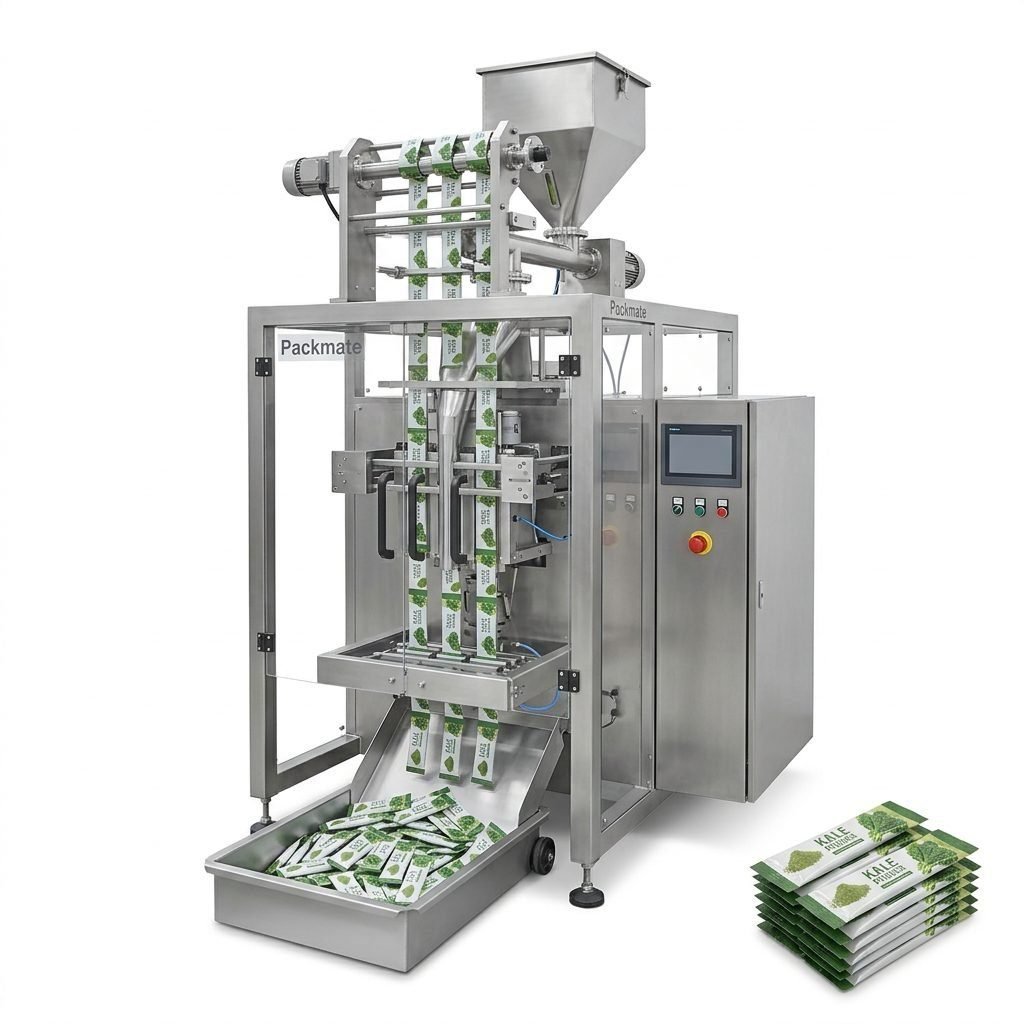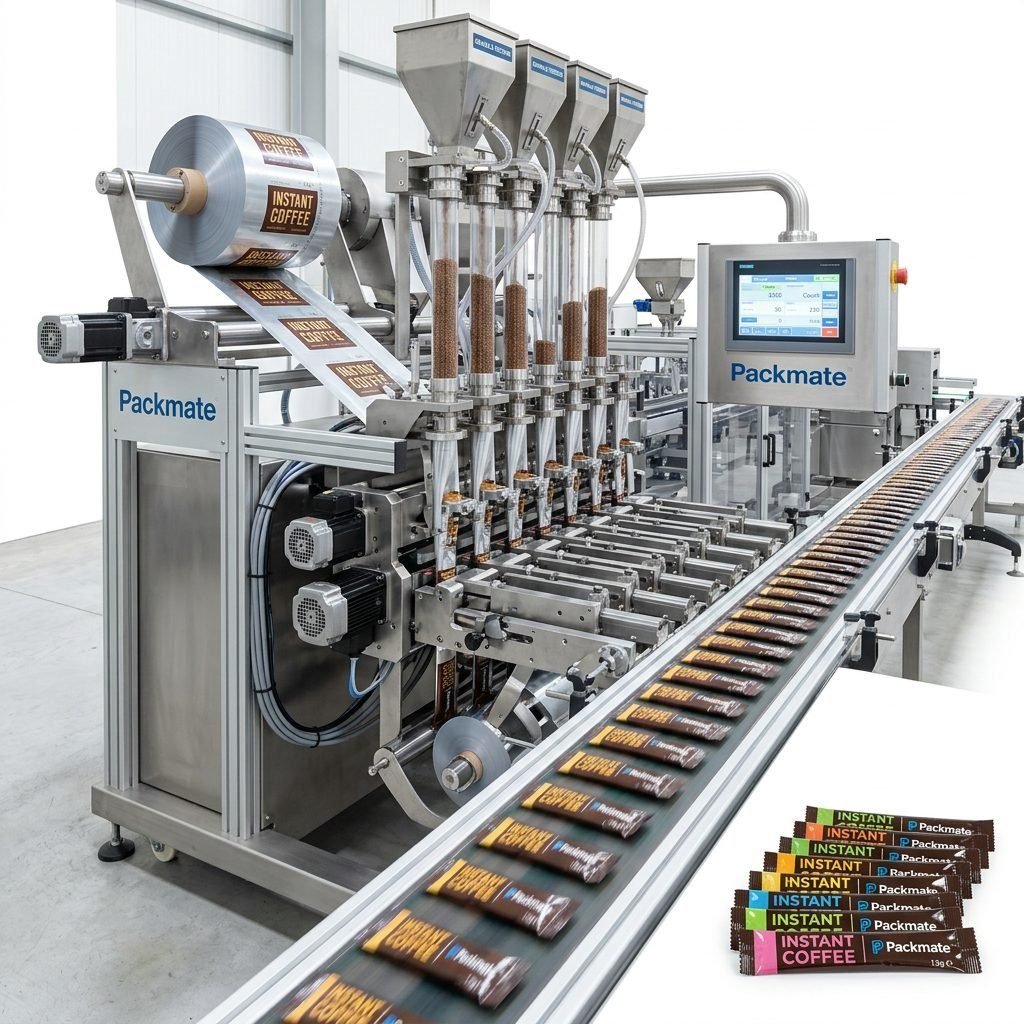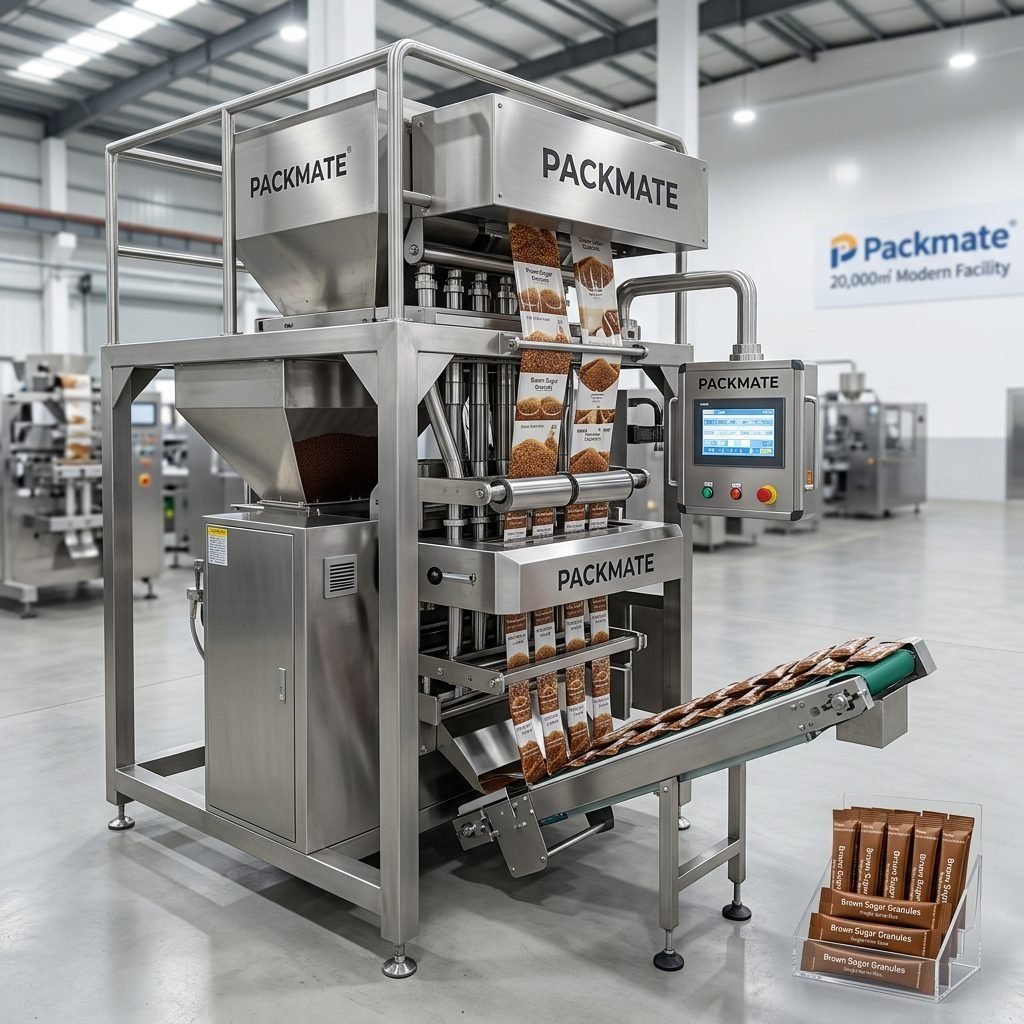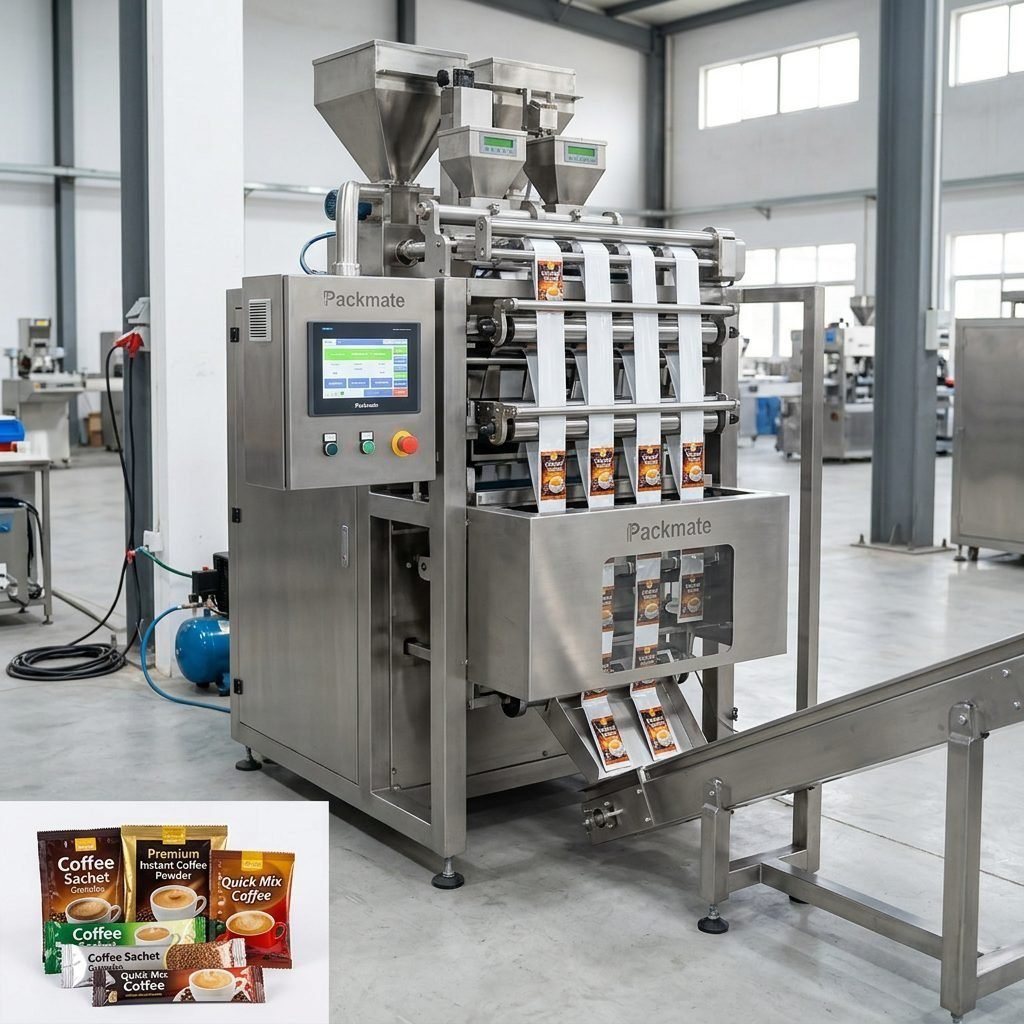
Choosing the right detergent powder packing machine is crucial for manufacturers aiming to boost efficiency, maintain product consistency, and reduce operational costs. This guide explores the main types of equipment, key features to consider, and practical buying tips to help you select the optimal solution for your production needs.
Main Types of Detergent Powder Packing Machines
The packaging process for detergent powder can be handled by several machine types, each suited to different bag formats and production scales.
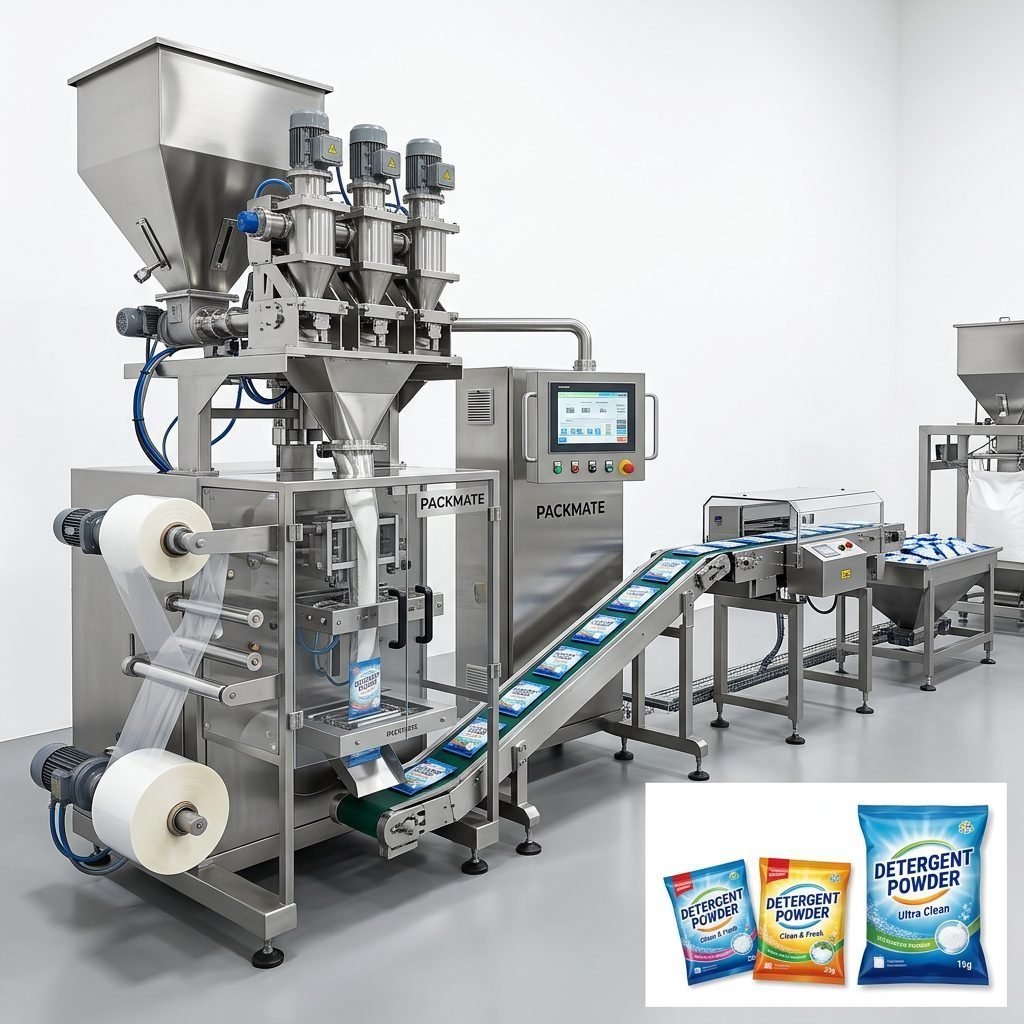
Vertical Form-Fill-Seal (VFFS) Machines
These are the most common systems for packaging powders into pillow-type bags. A roll of film is formed into a tube, filled with a measured dose of powder, and then sealed and cut. They are highly versatile for producing various bag sizes.
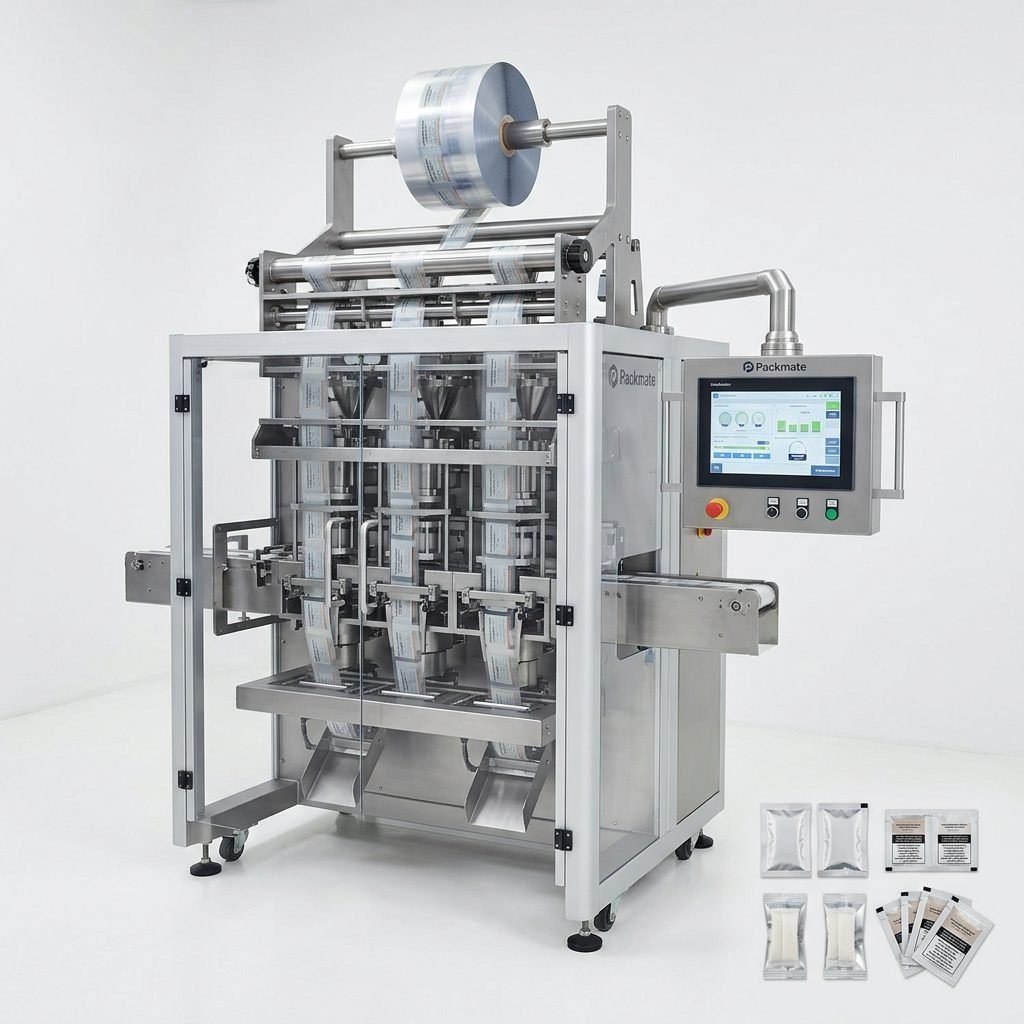
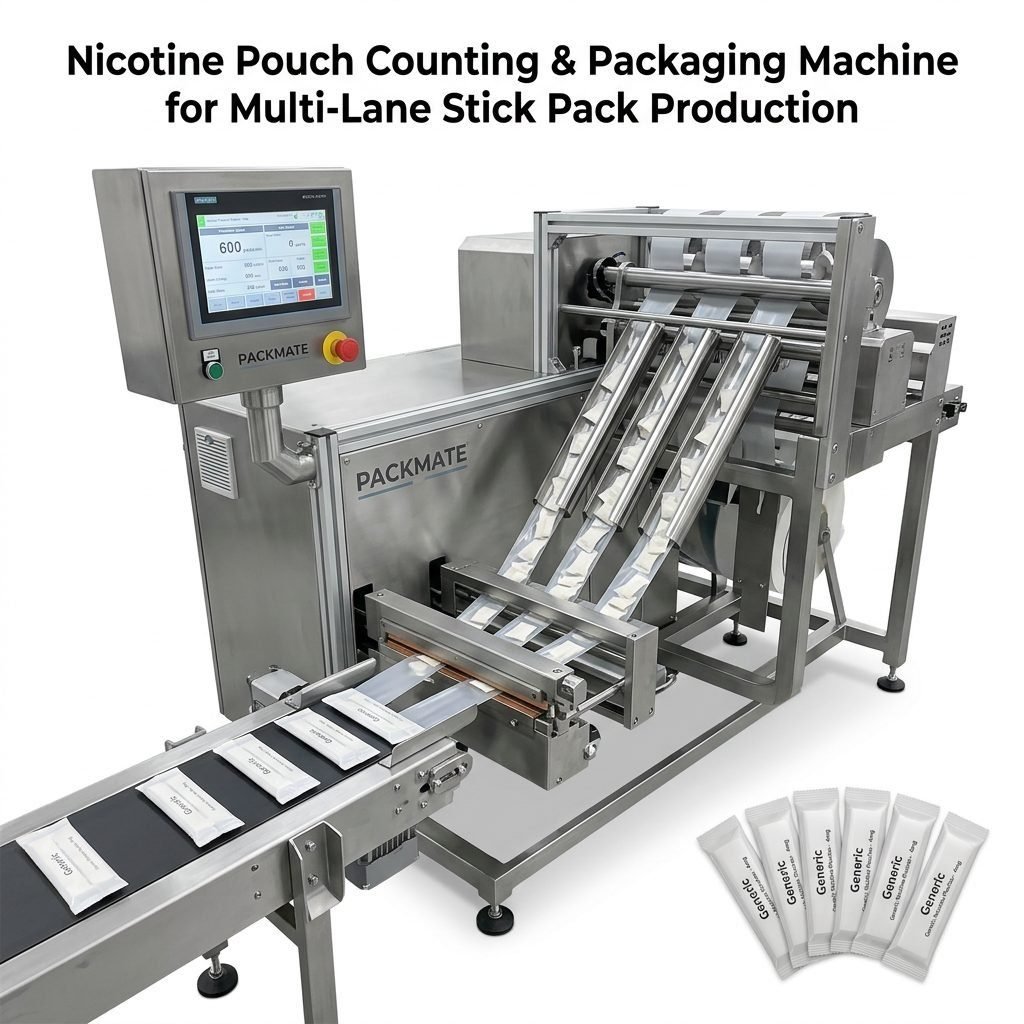
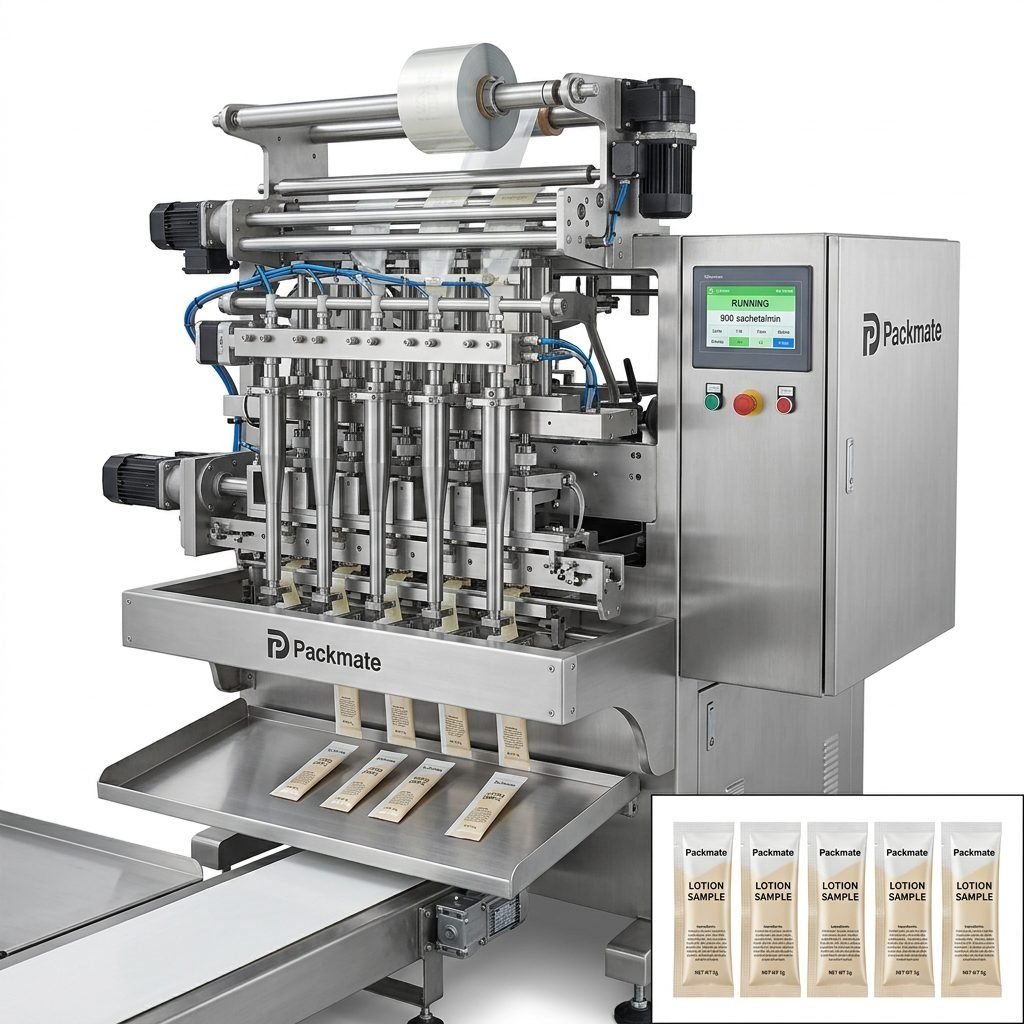
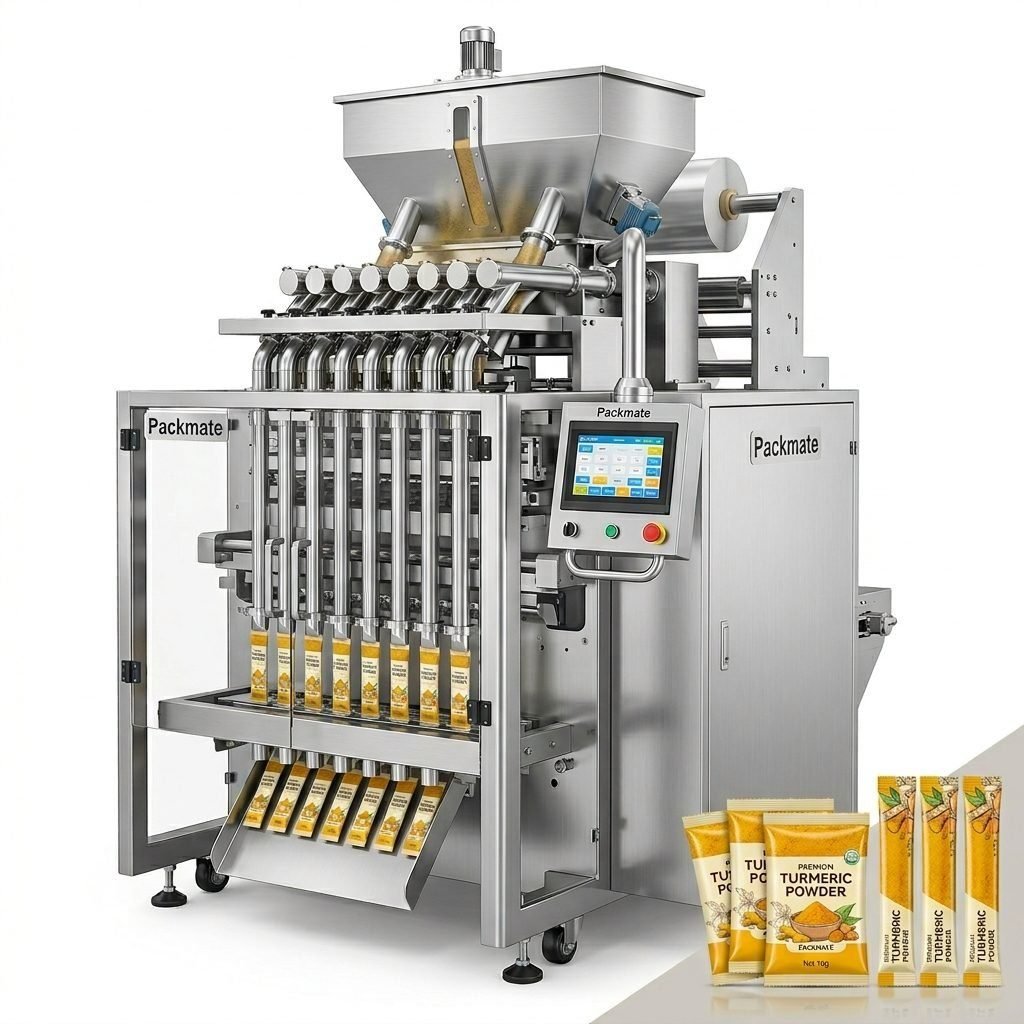
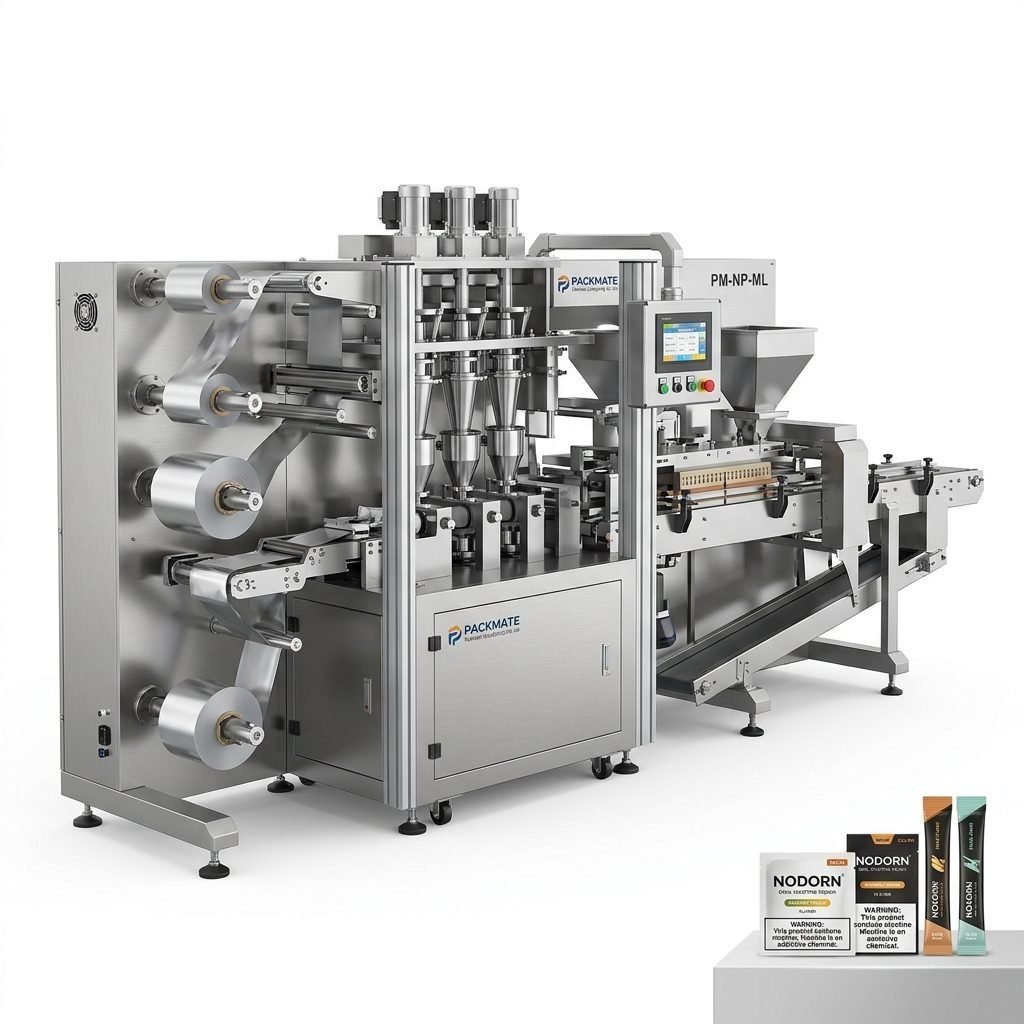
Multi-Lane Stick Pack & Sachet Machines
Designed for high-speed production of small, single-use portions. Multiple lanes run in parallel, dramatically increasing output. Ideal for laundry detergent sachets, dishwashing powder portions, and other single-dose products.
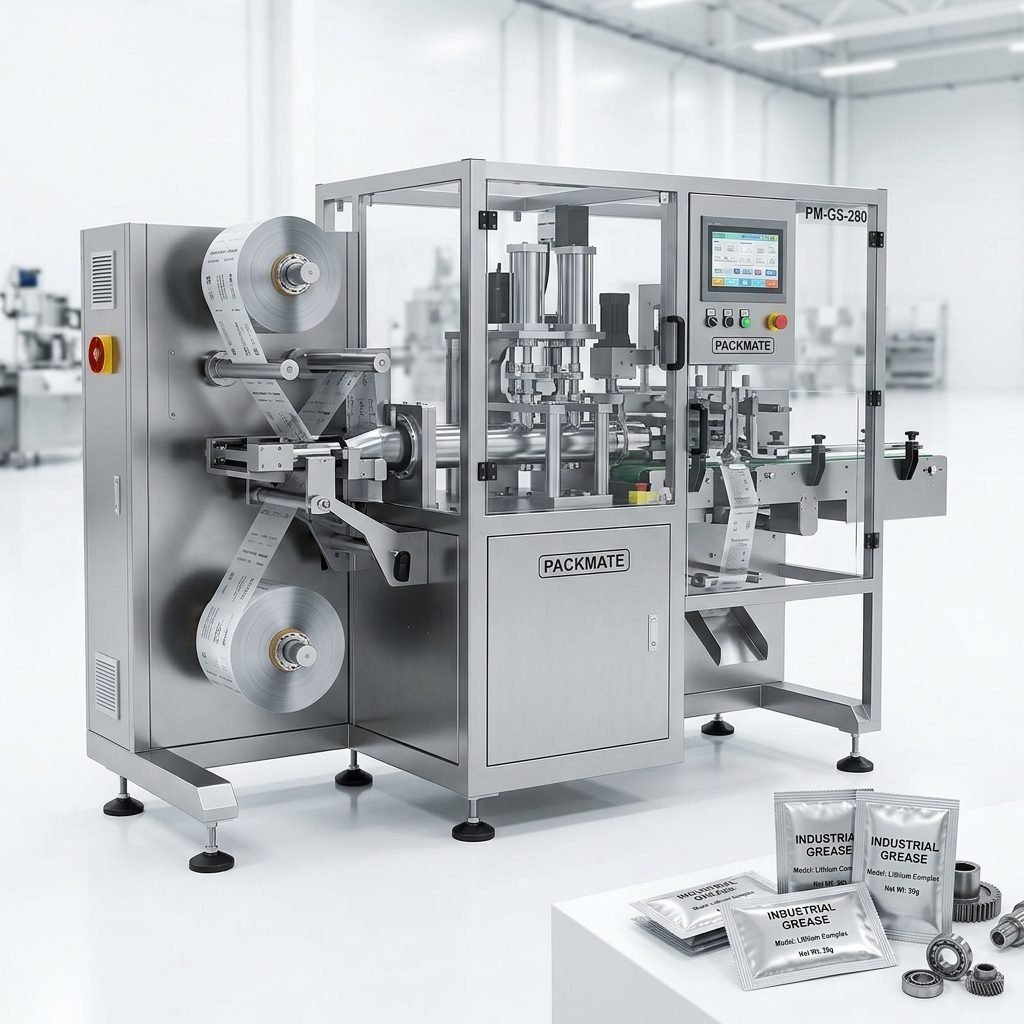
Pre-Made Pouch Packers
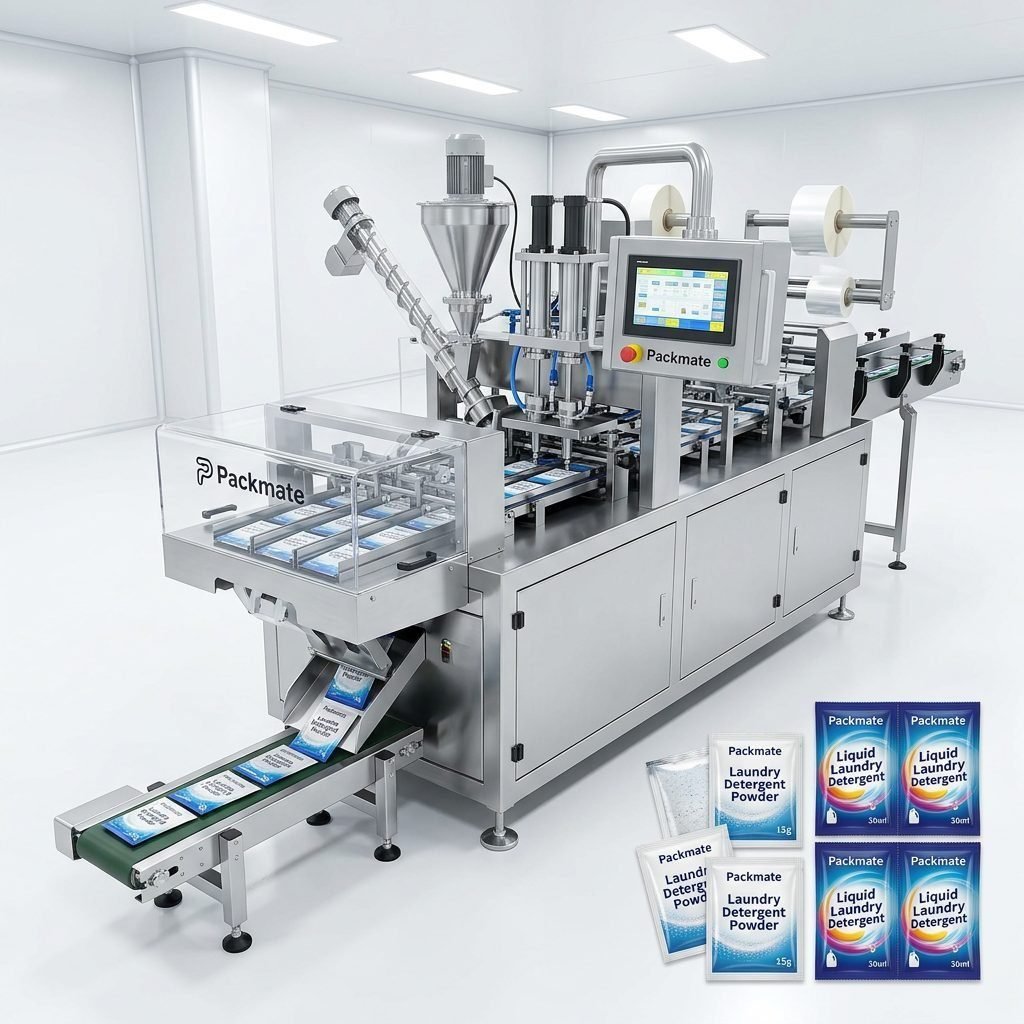
These machines use pre-manufactured bags (stand-up pouches, Doypacks, etc.). They are often chosen for premium detergent brands where bag quality and graphics are critical, as they offer excellent print quality and structural integrity.
Open-Mouth Bagging Systems
Used for larger quantities, typically from 1kg to 25kg bags. They involve filling valve bags or open-mouth bags which are then sewn or heat-sealed. Essential for bulk industrial or commercial detergent packaging.
Essential Features for Efficient Detergent Packaging
When evaluating machines, focus on features that address the specific challenges of detergent powder, such as dust, flowability, and accurate dosing.
Critical Performance Features
- Precision Weighing System: Look for multi-head weighers or auger fillers with high accuracy to minimize giveaway and ensure consistent bag weight.
- Dust Control & Sealing: Effective dust extraction systems and robust sealing jaws are vital to prevent product loss, ensure clean seals, and maintain a safe working environment.
- Material Handling: The machine must handle your specific powder characteristics (hygroscopic, abrasive, etc.). Screw feeders or vibratory trays should be designed for consistent flow.
- Changeover Flexibility: Quick-adjust mechanisms for bag size and format reduce downtime when switching between different SKUs.
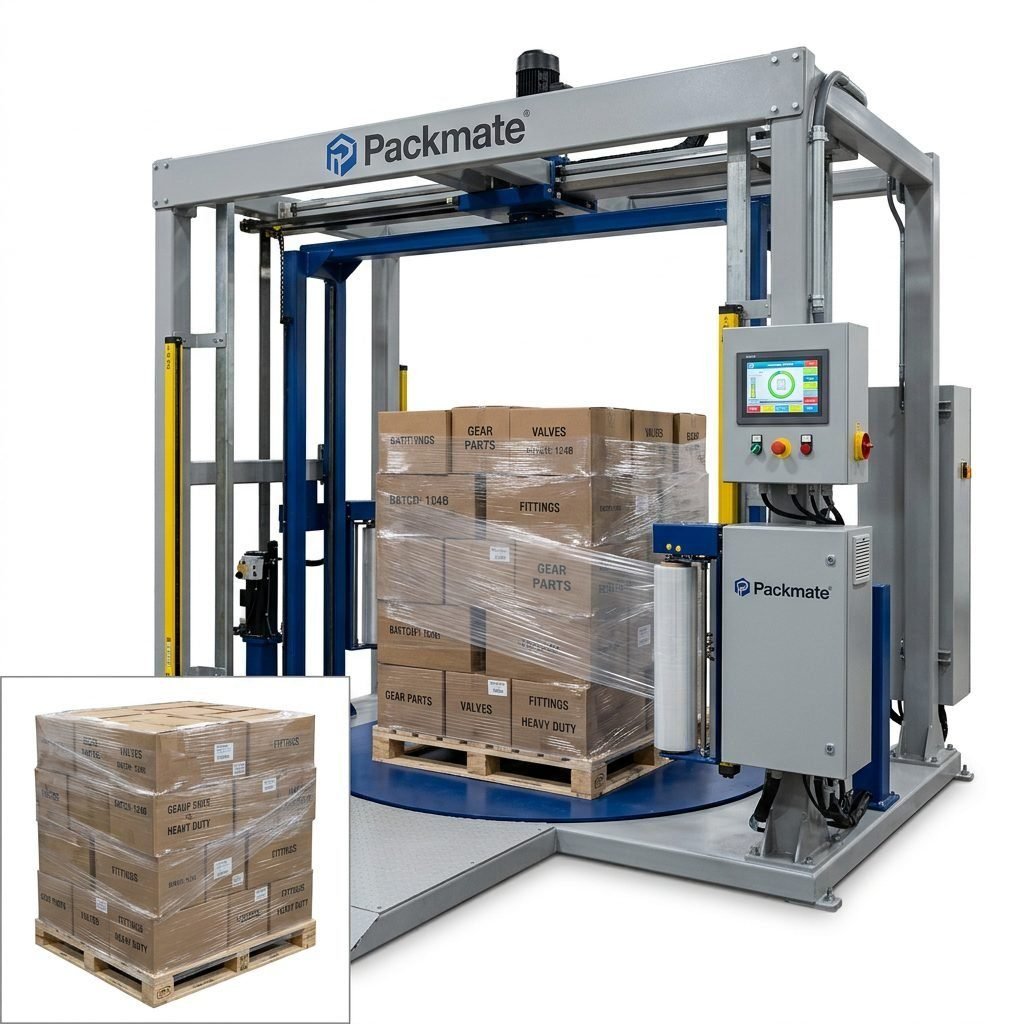
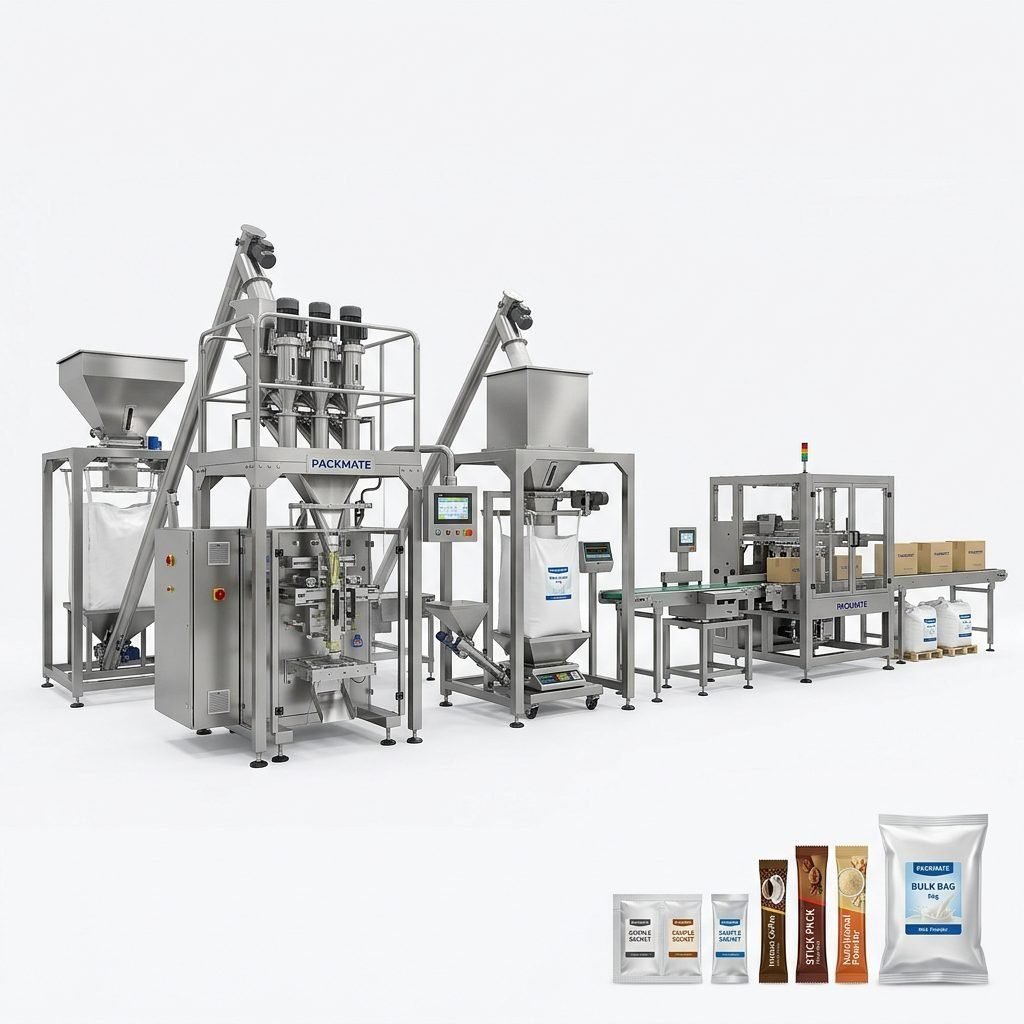
- Automation Level: Options range from semi-automatic to fully integrated lines with automatic cartoning, case packing, and palletizing.
Key Buying Considerations
Selecting a machine is an investment. Beyond the initial price, consider these factors for long-term success.
| Factor | Questions to Ask | Why It Matters |
|---|---|---|
| Production Speed & Output | What is the bags-per-minute (BPM) rate for my target bag size? Can it scale with future demand? | Directly impacts your capacity to meet orders and ROI. Underspeeding creates bottlenecks; overspeeding wastes capital. |
| Machine Flexibility | How quickly can I change bag sizes/materials? Can it run both sachets and stick packs? | Reduces downtime for changeovers, allowing you to produce a wider product range efficiently. |
| Build Quality & Durability | What is the construction (stainless steel contact parts)? What is the expected lifespan? | Detergent can be abrasive. Robust construction minimizes wear, maintenance, and unplanned stoppages. |
| After-Sales Support | Is technical support, spare parts supply, and operator training readily available locally or from the supplier? | Ensures minimal disruption. Reliable support is critical for maintaining high overall equipment effectiveness (OEE). |
| Total Cost of Ownership (TCO) | Beyond purchase price, what are the costs for energy, maintenance, spare parts, and potential downtime? | A machine with a slightly higher initial cost but lower operating expenses often provides better long-term value. |
Considering Regional Market Needs
Machine selection can be influenced by regional market trends. In price-sensitive markets across Southeast Asia and Africa, there is high demand for robust, cost-effective sachet packers for single-use detergent portions. In Europe and North America</strong, the trend leans towards sustainable packaging, requiring machines that handle recycled or compostable films and support refill pouch formats. Manufacturers in the Middle East often require machines capable of handling high-volume production for both local consumption and export, with a strong emphasis on reliability in dusty environments.
Leading Manufacturers in the Market
Several established manufacturers offer specialized solutions for powder packaging. Companies like Ludyway provide a wide range from single machines to complete turnkey lines, known for strong export performance. Packmate Machinery offers reliable, cost-effective solutions with a focus on food and pharmaceutical-grade powder packaging. For buyers needing complete integrated systems, PacklineOEM specializes in turnkey production lines. If your project requires heavy customization or non-standard solutions, PackingMachineOEM is a strong contender. For specialized pouch formats, including those for single-use detergents, SnusMachinery brings focused expertise in high-speed multi-lane pouch packaging.
Steps for a Successful Purchase
- Define Your Requirements: Clearly outline your product specs, target output (BPM), bag dimensions, and film material.
- Request Product Testing: Always send your actual detergent powder to the supplier for a live machine test. This validates dosing accuracy, sealing quality, and dust handling.
- Evaluate Total Support: Scrutinize the supplier’s warranty, spare parts lead time, and training program. Check references from existing clients in similar industries.
- Plan for Integration: Consider how the new machine will fit into your existing line. Discuss upstream (feeding) and downstream (checkweighing, cartoning) integration needs with the supplier.
- Consider Future-Proofing: Assess if the machine can accommodate potential future needs, like adding more lanes, different bag styles, or IoT connectivity for data monitoring.
Frequently Asked Questions (FAQs)
What is the typical accuracy range for a detergent powder packing machine?
For auger filler-based systems, expect accuracy within ±0.5% to ±1.5% of the target weight, depending on powder characteristics and machine sophistication. Multi-head weighers can achieve even higher precision, often within ±0.1g to ±0.5g for smaller portions.
How do I control dust during the packaging process?
Effective dust control combines machine design and ancillary equipment. Key elements include: sealed feeding systems, integrated dust extraction ports at the filling point, use of dust-reducing film with anti-static properties, and maintaining optimal humidity levels in the packaging area.
What maintenance is required for these machines?
Regular daily cleaning to remove powder residue is essential. Periodic maintenance includes lubricating moving parts, inspecting and replacing worn sealing jaws, checking auger or weigher components for wear, and calibrating the weighing system. A preventive maintenance schedule from the supplier is highly recommended.
Can one machine handle different bag sizes and materials?
Yes, most modern machines are designed for changeover. However, the speed and complexity vary. Look for machines with quick-change tooling for forming tubes and sealing jaws, and digital settings for adjusting film length and dose. Switching between very different materials (e.g., polyethylene to paper laminate) may require more adjustment and testing.
What is the lead time for procuring a new detergent packing line?
Lead times vary significantly. For a standard model from stock, it could be 8-12 weeks. For a customized machine or a complete turnkey line with integration, lead times can range from 16 to 30 weeks or more, depending on complexity. Always confirm this timeline during the quotation process.