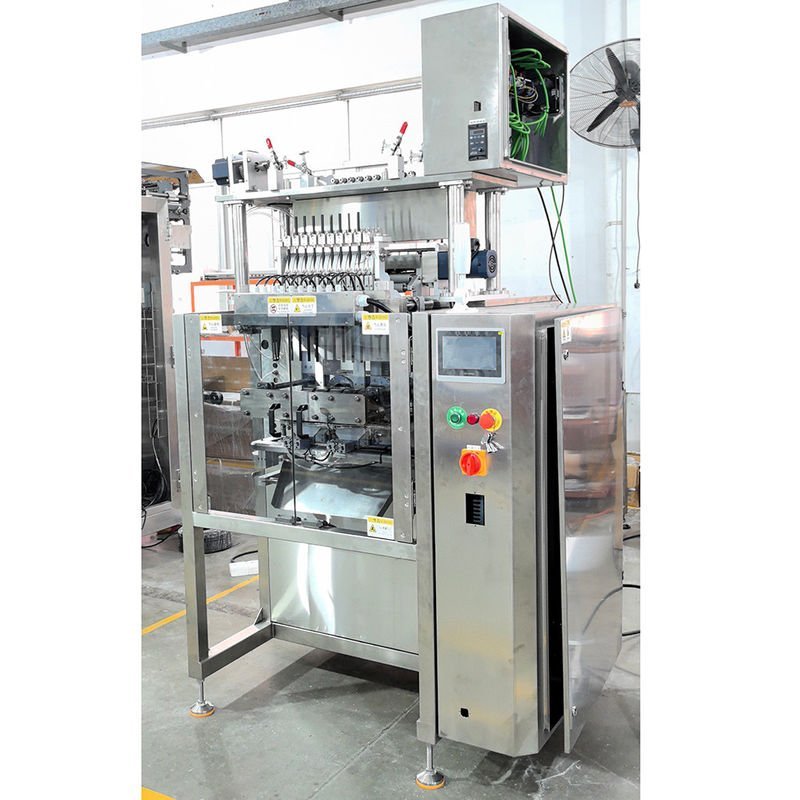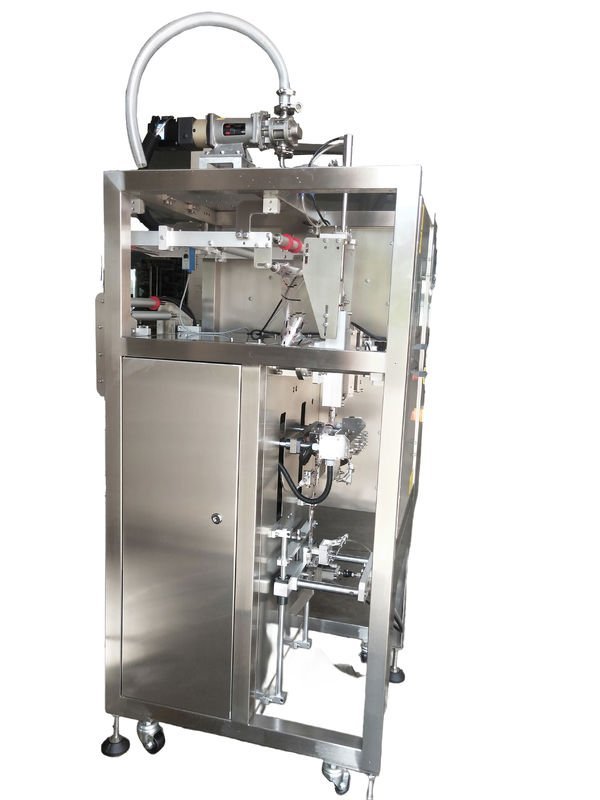
The world of edible oil packaging is a critical junction where product integrity, brand presentation, and operational efficiency converge. Choosing the right packaging machine is not merely a purchase; it’s a strategic investment that impacts your production line’s speed, reliability, and overall cost-effectiveness. This comprehensive guide delves into the various types of edible oil packaging machines, their defining features, and provides a clear framework to help you select the best solution for your specific needs.
Primary Types of Edible Oil Packaging Machines
Edible oils are packaged in diverse formats, from small consumer sachets to large industrial containers. The machinery is thus specialized to handle these different volumes and packaging styles efficiently.
Volumetric and Gravimetric Filling Machines
These are the workhorses of liquid filling. Volumetric fillers use pistons or pumps to dispense a pre-set volume of oil. They are highly accurate for consistent viscosity products and are often more cost-effective. Gravimetric fillers, or weigh fillers, fill by weight. They are superior for achieving extreme precision, especially valuable for high-value oils or when filling by net weight is a strict regulatory requirement. The choice often hinges on the required accuracy versus budget constraints.
Pouch Packaging Machines
For retail-sized portions, pouch machines are dominant. This category includes:
Stand-up Pouch (Doypack) Machines: Create the popular self-standing bags with excellent shelf presence. These machines form, fill, and seal the pouches from a roll of laminated film, often integrating spout applicators.
Three-Side Seal & Four-Side Seal Pouch Machines: Produce flat or gusseted pouches. They are versatile and can handle a wide range of pouch sizes, ideal for everything from small sunflower oil sachets to larger 1-liter or 5-liter bags.
For businesses looking at bag and pouch packaging solutions, understanding the film compatibility and sealing integrity of these machines is paramount.
Bottle Filling and Capping Lines
For traditional bottled oil, automated lines combine several processes. A typical line includes a bottle unscrambler, an air cleaner, the filling machine (often rotary piston fillers for accuracy), a cap sorter and capper (screw capping or press-on), and a labeling machine. These integrated filling and packaging lines are designed for high-speed, continuous production with minimal manual intervention.
Specialized Machines: Stick Packs and Sachets
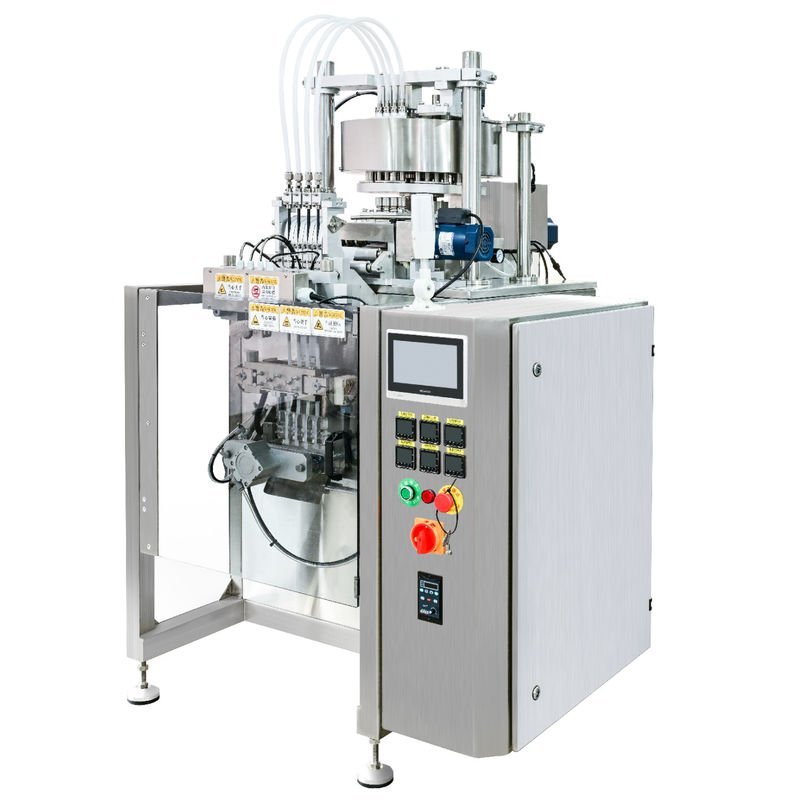
The demand for single-serve portions in food service or promotional samples has grown. Sachet and stick pack machines are engineered for this niche. They form small, sealed packets from roll film at very high speeds. While similar in concept, stick packs produce a long, narrow packet, while sachets can be more square or rectangular. These are perfect for portion-controlled olive oil, dressing oils, or premium culinary oils.
Key Features and Technological Considerations
Beyond the basic type, several features differentiate a standard machine from a high-performance, reliable asset.
Construction and Hygiene Design
Contact parts must be made of food-grade stainless steel (e.g., SS304 or SS316). Look for a smooth, crevice-free design that allows for easy cleaning and prevents oil residue buildup, which can lead to rancidity and contamination. Machines compliant with sanitary standards are essential for maintaining product quality.
Accuracy and Speed (Output)
Filling accuracy is non-negotiable to avoid “giving away” product or facing regulatory issues for underfilling. Speed, measured in pouches, bottles, or cycles per minute, directly correlates with production capacity. There’s always a balance: ultra-high speeds can sometimes challenge accuracy. Reputable manufacturers like Packmate design machines to optimize this balance using advanced servo technology.
Automation Level and Control System
Modern machines feature Programmable Logic Controllers (PLCs) and touch-screen Human-Machine Interfaces (HMIs). These allow for easy recipe storage (for different oil types and package sizes), precise parameter adjustment, and detailed production data tracking. Higher automation reduces operator error and labor costs.
Flexibility and Changeover
If you plan to package multiple oil varieties or different package sizes, quick changeover capability is vital. Machines with tool-less adjustments or pre-configured change parts significantly reduce downtime when switching production runs.
Sealing Technology
For pouch packaging, a consistent, strong seal is critical to prevent leaks. Machines should offer precise temperature control for the sealing jaws. For laminated films containing aluminum layers, cold sealing might be necessary to avoid damaging the barrier properties.
How to Choose the Best Edible Oil Packaging Solution
Selecting the ideal machine requires a structured evaluation of your own requirements.
Step 1: Define Your Product and Packaging Specifications
List all details: Oil type(s) and viscosity, target package size(s) and format (pouch, bottle, stick pack), and the packaging material (type of plastic film, bottle PET/glass). This is the foundation of your search.
Step 2: Assess Your Production Requirements
Determine your required output per hour/shift. Consider future growth—can the machine scale? Evaluate your available factory space (footprint), utilities (power, compressed air), and the skill level of your operators.
Step 3: Evaluate Machine Suppliers
Look beyond the price tag. Research the manufacturer’s reputation, experience in the edible oil sector, and after-sales support. Review their case studies or project portfolios. A supplier with a strong track record, like Packmate with over two decades of experience, offers invaluable peace of mind.
Step 4: Consider the Total Cost of Ownership (TCO)
Initial cost is just one component. Factor in long-term costs: energy consumption, spare parts availability and pricing, expected maintenance needs, and potential costs of downtime. A slightly more expensive but robust and reliable machine often has a lower TCO.
Step 5: Request a Live Test or Simulation
Whenever possible, provide your actual oil and packaging materials to the supplier for a factory acceptance test (FAT). This demonstrates the machine’s real-world performance with your product, checking for filling accuracy, sealing quality, and handling efficiency.
Investing time in this selection process ensures the machine you choose becomes a reliable partner in your production, safeguarding your product quality and boosting your operational efficiency for years to come.
Frequently Asked Questions (FAQs)
What is the typical accuracy range for edible oil filling machines?
High-quality volumetric piston fillers can achieve accuracies within ±0.5% to ±1.0% of the target volume. Advanced gravimetric (weight-based) fillers can achieve even tighter tolerances, often within ±0.1% to ±0.2%, making them ideal for high-value oils or strict net content compliance.
Can one machine handle different types of edible oils and package sizes?
Many machines are designed for flexibility. However, switching between oils of vastly different viscosities (e.g., thick coconut oil vs. light sunflower oil) or between very different package sizes may require adjustments, change parts, or even different pump types. It’s crucial to discuss your full product range with the supplier during the planning stage.
How important is after-sales service and technical support?
Extremely important. Packaging machines are complex mechanical systems. Access to timely technical support, readily available spare parts, and quality training for your operators is critical to minimize downtime. Always choose a supplier with a proven, responsive support network.
What are the key maintenance routines for these machines?
Daily cleaning of all product contact parts is essential. Regular lubrication of moving parts as per the manual, inspection of seals and gaskets for wear, and calibration checks of the filling system should be performed on a scheduled basis (weekly, monthly). Preventive maintenance prevents major breakdowns.
Are there specific safety features to look for?
Yes. Modern machines should include emergency stop buttons, safety interlocks on guards and access panels, and overload protection for motors and drives. For pouch machines, proper guarding around heating elements and cutting knives is mandatory for operator safety.