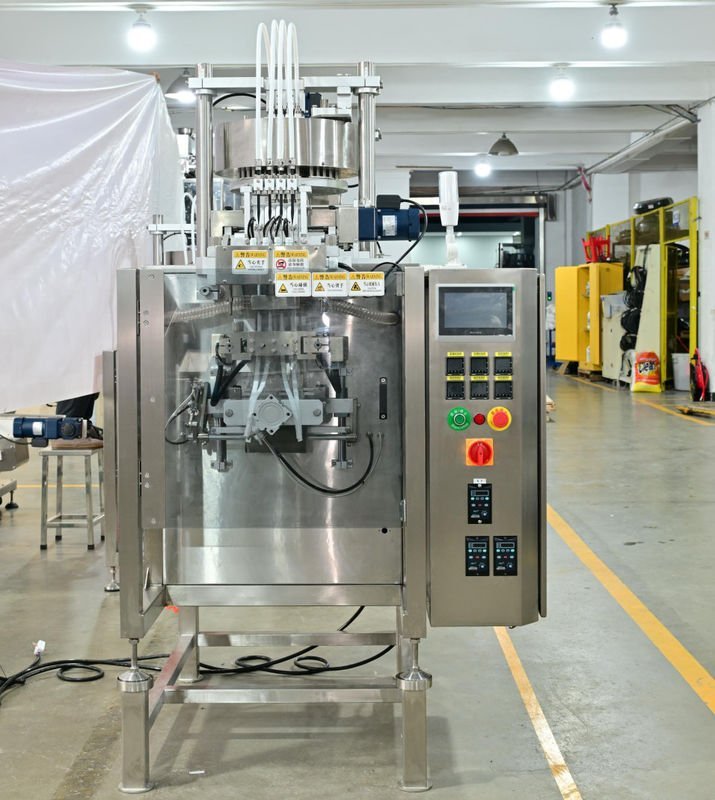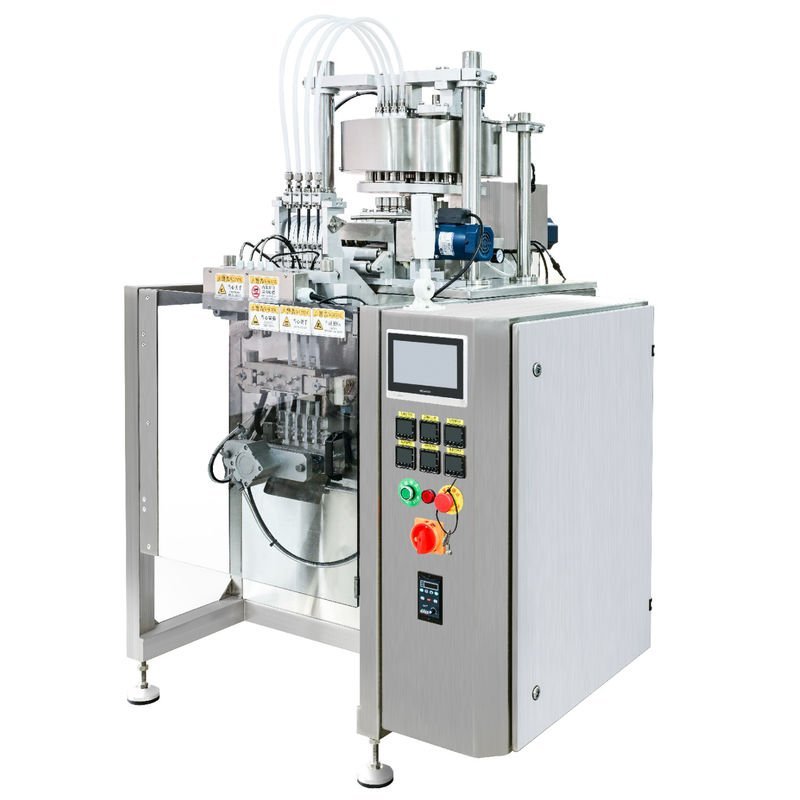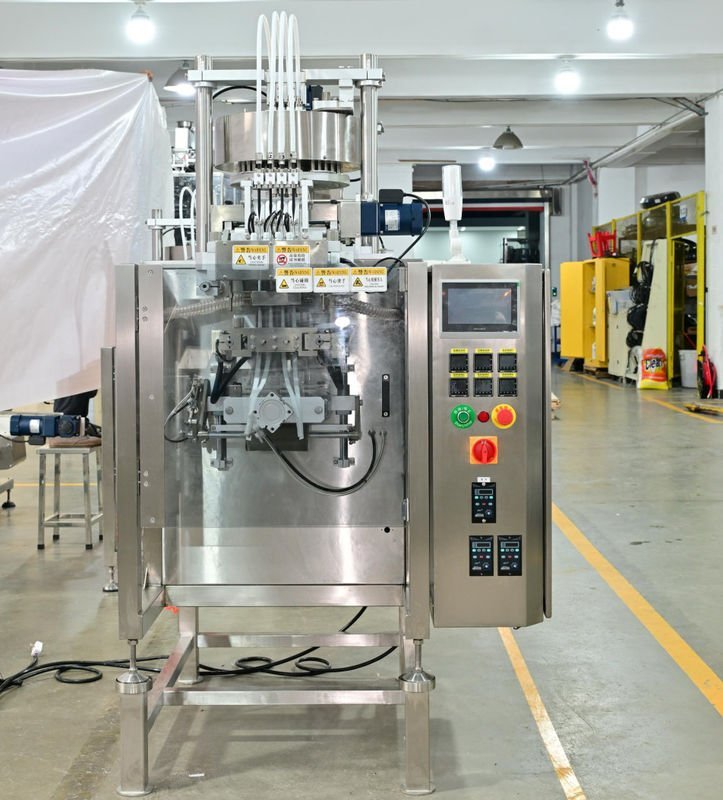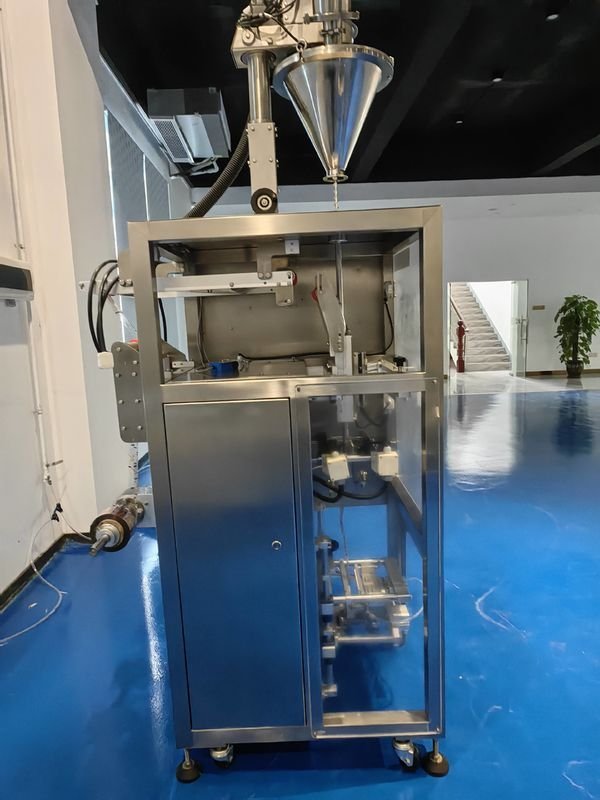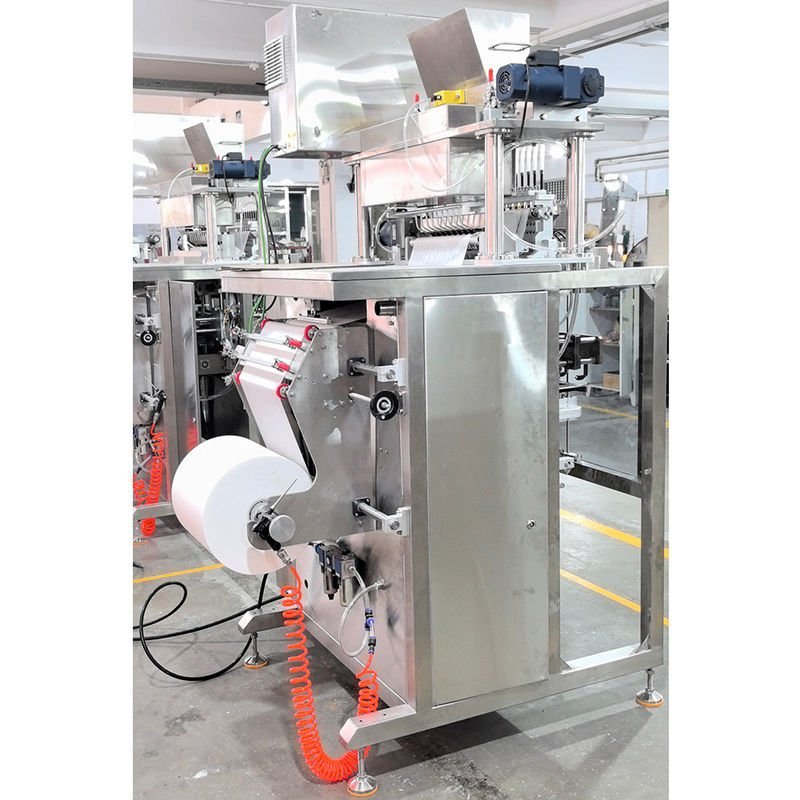
In the competitive and highly regulated worlds of food and pharmaceutical production, packaging is far more than just a final step. It is a critical operation that ensures product integrity, safety, shelf life, and brand presentation. For businesses looking to scale, improve efficiency, and guarantee compliance, the choice of packaging machinery is paramount. Among the most versatile and widely adopted solutions is the Form-Fill-Seal (FFS) machine, a marvel of automation that creates the package, fills it with product, and seals it—all in one continuous, integrated process. This guide will navigate you through the essential considerations for selecting the right automatic FFS equipment for your specific needs in the food and pharma sectors.
Understanding FFS Packaging Technology
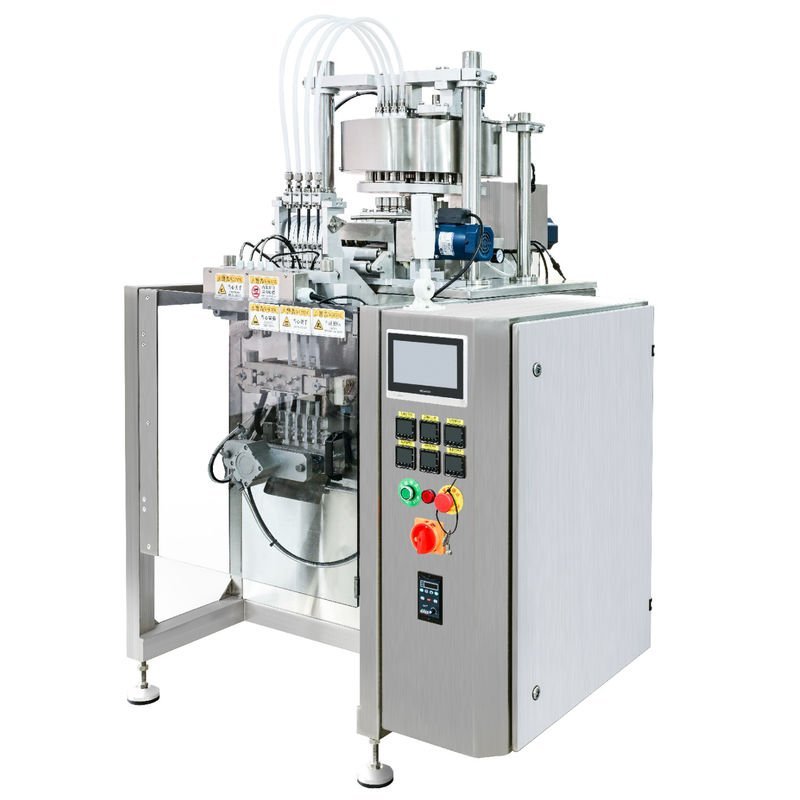
At its core, an FFS machine transforms rolls of flat packaging film into finished, filled pouches or sachets. The process is elegantly sequential: Form the film into a tube or pouch shape, Fill it with a pre-measured amount of product, and Seal it to create a hermetic, tamper-evident package. This technology eliminates the need for pre-made bags, saving storage space and reducing material costs. For high-volume production of items like instant drink mixes, spices, pharmaceutical powders, or single-dose supplements, FFS systems are indispensable. You can explore various configurations, from compact sachet & stick pack machines to larger pouch systems, on our dedicated product pages.
Key Advantages of Automatic FFS Systems
Why are so many manufacturers switching to automated FFS lines? The benefits are compelling and directly impact the bottom line:
✔ Enhanced Hygiene & Contamination Control: The closed, automated process minimizes human contact with the product, which is a non-negotiable requirement in pharmaceutical packaging and critical for food safety standards like HACCP and GMP.
✔ Superior Operational Efficiency: High-speed automation dramatically increases output (pouches per minute) while reducing labor costs and human error. This allows you to meet large orders and scale production seamlessly.
✔ Remarkable Material & Cost Savings: Using film from rolls is typically more economical than pre-formed bags. Precise dosing also reduces product giveaway, and the integrated process cuts down on energy and floor space compared to multi-machine setups.
✔ Unmatched Consistency & Quality: Every seal is identical in strength and appearance. Every fill weight is accurate. This ensures every product that leaves your line meets the same high standard, protecting your brand reputation.
✔ Exceptional Flexibility: Modern FFS machines can be quickly adjusted to handle different bag sizes, shapes (such as pillow, gusseted, or stand-up pouches), and materials. Quick changeover tools are essential for short production runs.
Critical Selection Criteria for Food & Pharma Applications
Choosing an FFS machine is not a one-size-fits-all decision. The demands of packaging seasoning blends are vastly different from those of sterile medical powders. Here are the pivotal factors to evaluate:
1. Product Characteristics: The Heart of the Matter
Your product dictates the machine’s design. Is it a free-flowing powder, a sticky granule, a viscous liquid, or a solid piece? Each requires a specific type of filling system:
- Volumetric Cup Fillers: Ideal for uniform granules, powders, or flakes (e.g., coffee, sugar).
- Auger Fillers: Perfect for fine powders, sticky products, and spices. They offer excellent accuracy.
- Liquid Piston Fillers: Used for oils, sauces, shampoos, and liquid pharmaceuticals.
- Combination Weighing Systems: For snack mixes, nuts, or irregular pieces where weight accuracy is critical. These can be integrated into complete weighing & packaging systems.
2. Packaging Material & Seal Integrity
The machine must be compatible with your chosen film structure (e.g., PET/AL/PE, OPP/CPP). Pharma applications often require high-barrier, sterilizable laminates. The sealing mechanism—whether constant heat, impulse, or ultrasonic—must create a perfect, leak-proof seal that can withstand transportation and shelf life. Consider if you need gas flushing (for nitrogen) or vacuum capabilities for product preservation.
3. Production Speed & Output Requirements
Calculate your required output in pouches per minute (PPM). Bench-top machines may run at 60-120 PPM, while high-speed, multi-lane bag & pouch packaging machines can exceed 1000 PPM. Align the machine’s capacity with your current and projected future volumes to ensure a good return on investment.
4. Regulatory Compliance & Hygienic Design
This is the most crucial differentiator for pharma and sensitive food products. The machine must facilitate cleaning and prevent cross-contamination. Look for:
Stainless Steel Construction (304 or 316L): For all product contact parts.
Smooth, Rounded Surfaces: With no cracks or crevices where bacteria can hide.
Easy Disassembly: For cleaning-in-place (CIP) or sterilization-in-place (SIP) protocols.
Documentation: Full validation documentation (IQ/OQ/PQ) and compliance with standards like cGMP, FDA, and CE is essential. A manufacturer’s commitment to quality is often reflected in their certifications and accreditations.
5. Integration & After-Sales Support
Will the FFS machine stand alone, or will it be part of a larger filling & packaging line with checkweighers, metal detectors, and cartoners? Ensure the supplier can provide or integrate compatible auxiliary equipment. Equally important is the supplier’s reputation for technical support, training, spare parts availability, and service response times. A reliable partner like Packmate, with over two decades of experience, ensures your investment is protected for the long term.
Making the Final Decision: Partner with an Expert
Selecting an FFS machine is a significant capital investment. The safest path is to partner with a knowledgeable manufacturer who understands your industry’s nuances. Provide a detailed product sample for testing. Request a live or recorded machine demonstration with your exact material. Review the supplier’s track record by examining their project case studies and client testimonials.
A true expert will not just sell you a machine; they will provide a complete turnkey solution, from initial consultation and factory testing to installation, operator training, and ongoing maintenance. They act as an extension of your engineering team, ensuring the system delivers on its promises for years to come.
Frequently Asked Questions (FAQs)
Q1: What is the typical lead time for a new FFS packaging machine?
A: Lead times vary based on machine complexity and customization. For standard models from established manufacturers, expect 8-14 weeks from order to shipment. Always confirm the timeline with your supplier during the quotation process.
Q2: Can one FFS machine handle both food and pharmaceutical products?
A: It is possible, but not recommended without rigorous cleaning and changeover procedures. Due to strict cross-contamination risks, most regulated pharmaceutical producers dedicate machinery to specific product lines. The machine’s hygienic design must support a validated cleaning process.
Q3: How do I ensure the accuracy of the filling weight on my FFS line?
A: Accuracy depends on the filling system (auger, volumetric, weigh scale) and product characteristics. High-precision servo-driven augers or integrated multi-head weighers offer the best accuracy. Regular calibration, operator training, and installing a downstream checkweigher for 100% weight verification are standard best practices.
Q4: What maintenance does an automatic FFS machine require?
A: Daily cleaning and visual inspection are essential. Periodic maintenance includes lubricating moving parts (with food-grade lubricants if applicable), checking seal jaw alignment and temperature, inspecting cutting blades, and verifying sensor functionality. Your supplier should provide a detailed maintenance schedule and training.
Q5: Are used or refurbished FFS machines a good option?
A: They can be a cost-effective entry point for startups or for packaging non-sensitive products. However, for food and pharma applications, the risks are higher: outdated hygiene design, lack of modern safety features, unavailable spare parts, and no validation support. A new machine from a reputable supplier often provides better long-term value and reliability.