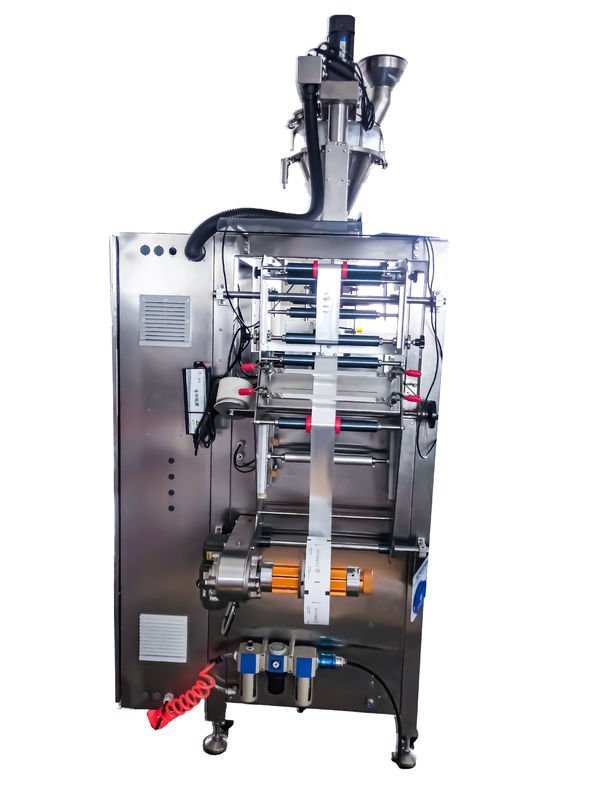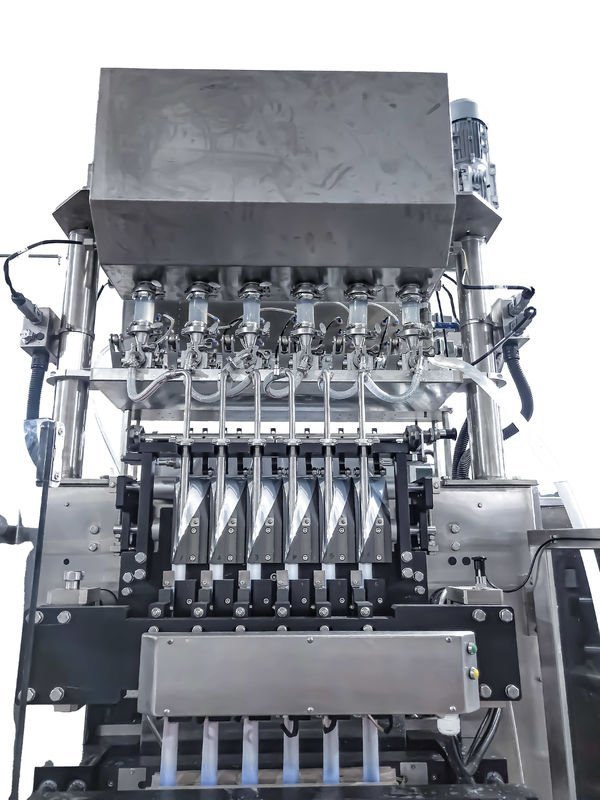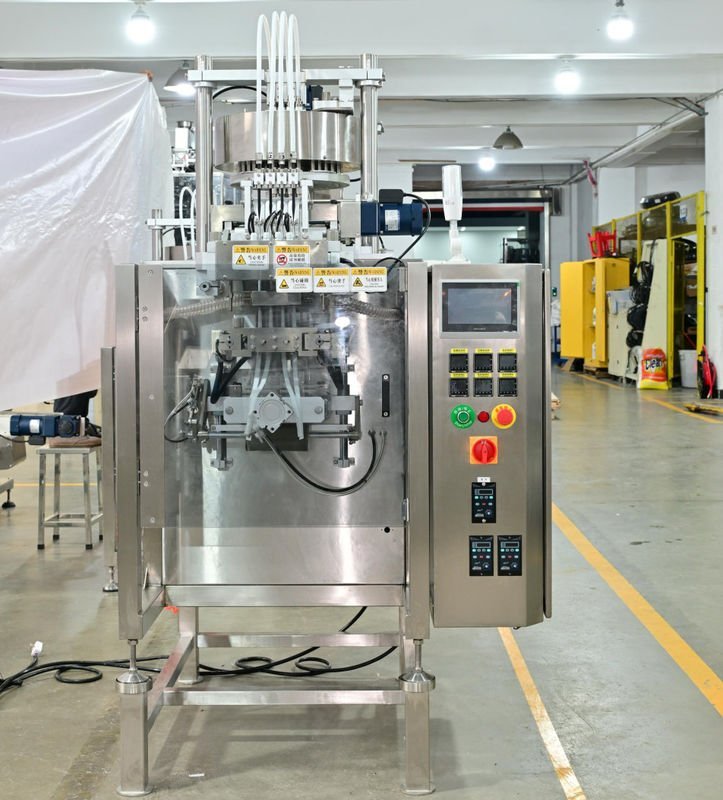
In the fast-paced world of manufacturing, efficiency and product presentation are paramount. For countless industries, from food and confectionery to pharmaceuticals and hardware, the flow wrapper packaging machine stands as a silent workhorse, transforming loose products into neatly sealed, market-ready packages. This guide delves into the intricacies of flow wrappers, exploring their types, working principles, applications, and crucial factors for selection.

Understanding the Core: What is a Flow Wrapper?
A flow wrapper, also known as a horizontal form-fill-seal (HFFS) machine, is an automated system designed to create pillow-style packages from a continuous roll of flexible film. The product is fed horizontally into the machine, where the film is formed around it, sealed longitudinally and transversely, and then cut into individual packs. This method is renowned for its high speed, efficiency, and excellent product presentation, making it ideal for a vast array of solid items.
Key Advantage
The primary strength of flow wrapping lies in its versatility and speed. It can handle products of various shapes and sizes with minimal changeover time, producing a consistent, tight, and visually appealing package that protects the product from moisture, dust, and contamination.
Diverse Types of Flow Wrapper Packaging Machines
Not all flow wrappers are created equal. The choice depends heavily on production volume, product characteristics, and budget. Here are the main categories:
1. Continuous Motion Flow Wrappers
These are the speed champions of the packaging world. The film and product move continuously at a synchronized speed, allowing for extremely high output—often exceeding 1,000 packs per minute. They are perfect for high-volume production of uniform items like candy bars, biscuits, or frozen foods.
2. Intermittent Motion Flow Wrappers
In this design, the film stops momentarily for the sealing and cutting actions. While generally slower than continuous motion machines, they offer greater precision and flexibility for handling fragile, irregularly shaped, or heavier products. They are a versatile choice for medium-volume production runs.
3. Horizontal Wrappers with Specialized Features
Modern flow wrappers often incorporate advanced features to meet specific needs:
- Gas Flushing Systems: For Modified Atmosphere Packaging (MAP) to extend the shelf life of perishable foods like meat, cheese, and salads. You can explore our integrated Filling & Packaging Lines for such solutions.
- Checkweighers & Reject Systems: Integrated quality control to ensure every pack meets the specified weight.
- Multi-Lane Feeding: For packaging multiple small items simultaneously, dramatically increasing output. Our range of Sachet & Stick Pack Machines utilizes similar principles for granular products.
How Does a Flow Wrapper Work? The Step-by-Step Principle
The operation of a flow wrapper is an elegant dance of mechanical precision. The process can be broken down into several key stages:
Stage 1: Film Unwinding & Forming
A roll of packaging film (laminated polypropylene, polyethylene, etc.) is mounted on the back of the machine. The film is drawn over a forming shoulder, which gently shapes it from a flat web into a vertical tube around the product inlet.
Stage 2: Product Feeding
Products are fed into the formed film tube via a conveyor or feeding system. Timing is critical to ensure the product is centered within the film.
Stage 3: Longitudinal Sealing
As the film tube (now containing the product) moves forward, a longitudinal sealer (often a heated fin or impulse sealer) creates a continuous seal along the film’s overlap, forming a tight back seal.
Stage 4: Transverse Sealing & Cutting
A pair of heated sealing jaws, synchronized with the product movement, close to create the front seal of the current pack and the back seal of the next pack simultaneously. A cutting blade within the jaws then separates the individual package.
Stage 5: Discharge
The finished, pillow-style package is discharged onto a takeaway conveyor for collection, cartoning, or further downstream processing.
Wide-Ranging Applications Across Industries
The adaptability of flow wrapping technology makes it indispensable in numerous sectors. For a deeper look at industry-specific solutions, visit our Solution page.
Food & Beverage
The largest application area. It is used for wrapping candy bars, chocolate, biscuits, bread slices, frozen foods, cheese slices, pasta, and snack bars. The seal integrity is crucial for maintaining freshness.
Pharmaceutical & Healthcare
Used for packaging blister packs, syringe kits, surgical tools, and medical device components. Cleanliness and precision are non-negotiable here.
Consumer Goods & Hardware
Ideal for batteries, light bulbs, stationery sets, small tools, and razor blades. The transparent film allows for product visibility while providing protection.
Other Industries
Applications extend to cosmetics, horticulture (seed packets), and electronics. The technology is also fundamental in creating the outer wrap for Bag & Pouch products that are bundled together.
How to Choose the Right Flow Wrapper: A Practical Guide
Selecting the optimal machine requires careful consideration of several factors to ensure a return on investment and seamless integration into your production line.
1. Product Specifications
Dimensions & Shape: What are the length, width, and thickness of your product? Is it uniform or irregular?
Fragility: Is the product delicate (like crackers) or robust (like a tool)? This influences the feeding system and machine motion type.
Surface Characteristics: Is it oily, dusty, or sticky? This may affect film selection and sealing performance.
2. Production Requirements
Output Speed (Packs Per Minute): Determine your current and future throughput needs. Continuous motion for very high speed, intermittent for flexibility.
Packaging Material: What type of film will you use? The machine must be compatible with its sealing temperature and characteristics.
Changeover Frequency: How often will you switch products? Look for machines with quick-change tooling and recipe memory.
3. Machine Features & Support
Sealing Technology: Heated jaws, impulse seal, or ultrasonic seal? Choose based on your film type and desired seal quality.
Automation Level: Do you need integration with upstream feeders, downstream cartoners, or checkweighers?
Supplier Reliability: Choose a manufacturer with a strong track record, like Packmate, which offers comprehensive support, spare parts, and service. Reviewing real-world Case studies can be invaluable.
Investing in a flow wrapper is a significant decision that impacts your operational efficiency and product quality. By thoroughly understanding your product, production goals, and the capabilities of different machines, you can select a system that not only meets today’s demands but also scales for tomorrow’s growth. The right partnership with a knowledgeable equipment provider is the final key to unlocking the full potential of automated horizontal packaging.
Frequently Asked Questions (FAQ)
What is the main difference between a flow wrapper and a vertical form-fill-seal (VFFS) machine?
Flow wrappers (HFFS) package products horizontally and are typically used for solid, already-formed items. VFFS machines create bags from film, fill them with product (often granules, powders, or liquids) from above, and then seal them, operating in a vertical orientation.
What packaging films can be used with a flow wrapper?
Flow wrappers are compatible with a wide range of heat-sealable films, including polypropylene (OPP, BOPP), polyethylene (PE), laminates (e.g., PET/PE, MET-PET/PE), and sometimes paper-based composites. The choice depends on barrier requirements, clarity, and machinability.
How difficult is it to change over a flow wrapper for a different product?
Changeover complexity varies. Modern machines often feature tool-less adjustments, digital settings, and saved product recipes, making changeovers relatively quick (often under 30 minutes). Older or more basic models may require manual adjustment of multiple components, taking longer.
Can a flow wrapper handle fragile products?
Yes, but careful configuration is essential. Intermittent motion wrappers are generally better suited for fragile items as they provide more controlled handling. Gentle feeding systems (like belt feeders) and adjustable film tension are critical to prevent breakage.
What kind of maintenance does a flow wrapper require?
Regular daily cleaning of sealing jaws and product contact areas is vital. Periodic lubrication of moving parts, inspection of seals and bearings, and calibration of temperature controls and sensors are part of standard preventative maintenance, as outlined in the machine manual.