The landscape of food production is undergoing a radical transformation, driven by consumer demand for quality, safety, and variety, coupled with intense market competition. At the heart of this transformation lies the strategic integration of advanced food processing and packaging equipment. These solutions are no longer just about wrapping a product; they are the core enablers of efficient, automated production systems that ensure consistency, reduce waste, and enhance profitability. For manufacturers looking to scale and thrive, investing in the right equipment is not an option—it’s a necessity.
The Pillars of Modern Food Production: Processing Meets Packaging
Modern food manufacturing is a seamless symphony where processing and packaging are interdependent movements. Efficient processing—whether mixing, cooking, slicing, or filling—prepares the product, but its value is preserved and presented through precise packaging. The synergy between these two stages defines the efficiency of the entire operation. Disruptions in one area cascade into the other, causing downtime, product loss, and compromised quality. Therefore, a holistic approach to equipment selection, focusing on integration and workflow continuity, is paramount for achieving truly automated production lines.
Key Driver: The Demand for Automation
The push towards automation stems from several critical industry pressures:
- Labor Challenges: Rising costs and shortages of skilled labor make automated systems a reliable and cost-effective alternative.
- Hygiene & Safety: Automated, closed systems minimize human contact with food, significantly reducing contamination risks and ensuring compliance with stringent standards like HACCP and FDA regulations.
- Precision & Consistency: Machines deliver unparalleled accuracy in portioning, filling, and sealing, eliminating human error and ensuring every product meets exact specifications.
- Scalability & Speed: Automated lines can operate 24/7, dramatically increasing output to meet market demands and seasonal peaks.
Core Equipment for an Automated Production Line
Building an efficient line requires a combination of specialized machines. Here’s a breakdown of essential equipment categories:
1. Advanced Processing Equipment
This forms the foundation where raw materials are transformed. Key machinery includes high-speed mixers and blenders for consistent recipes, precision cutters and slicers for uniform product size, and intelligent cooking or pasteurization systems with precise temperature control. Modern systems often feature CIP (Clean-in-Place) technology, which automates cleaning and reduces downtime between batches.
2. Intelligent Weighing and Filling Systems
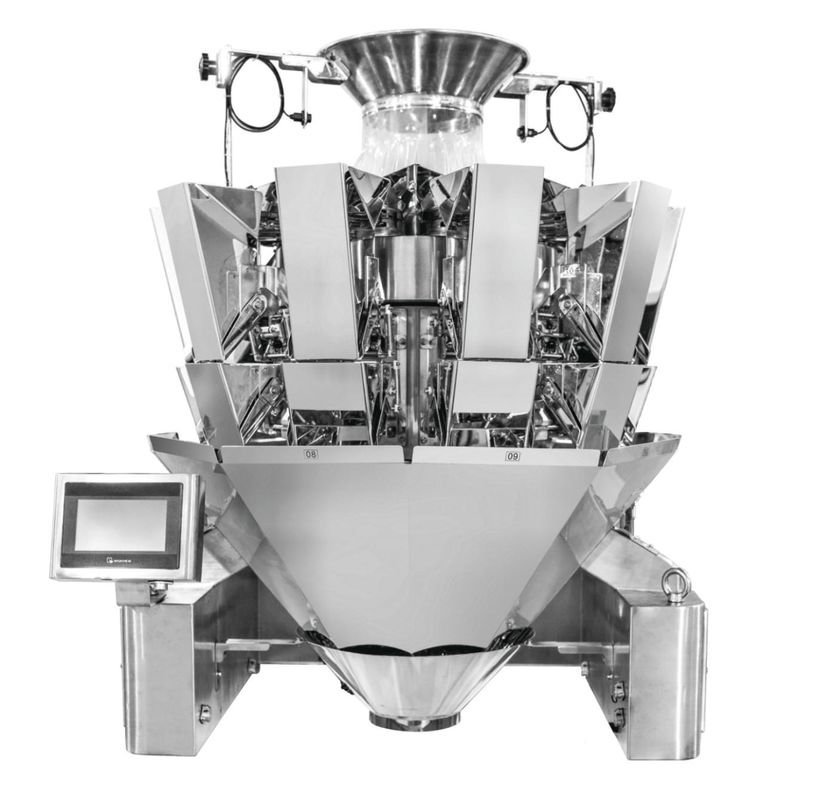
The bridge between processing and packaging. Multi-head weighers use advanced computer controls to achieve lightning-fast and precise weight measurements, crucial for cost control. Volumetric fillers, piston fillers, and auger fillers handle everything from liquids and pastes to granules and powders with minimal spillage. Integration with checkweighers ensures every package meets the declared weight, maintaining compliance and consumer trust.
3. High-Speed, Flexible Packaging Machinery
This is where the product is contained and protected. The choice of machinery depends heavily on the package format:
- Vertical Form-Fill-Seal (VFFS) Machines: The workhorses of the industry, creating bags from a roll of film, filling them, and sealing them in one continuous motion. Ideal for snacks, grains, and frozen foods.
- Horizontal Flow Wrappers: Perfect for wrapping individual items like candy bars, biscuits, or grouped products.
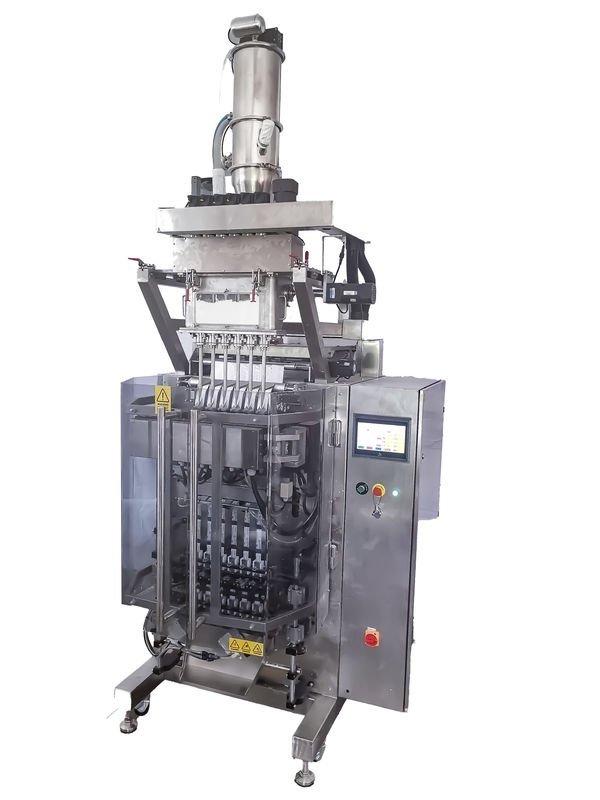
- Sachet & Stick Pack Machines: Essential for single-serve portions of sauces, condiments, supplements, and instant beverages. Companies like Packmate specialize in high-speed, multi-lane versions of these machines, offering exceptional efficiency for high-volume applications.
- Bag & Pouch Packaging Machines: For stand-up pouches, spouted pouches, and other value-added formats that enhance shelf appeal and functionality.
4. Essential Auxiliary and End-of-Line Equipment
To complete the automated flow, several supporting systems are vital. Conveyor systems with smart routing connect all stations. Cartoning machines erect, load, and seal cartons, while case packers and palletizers automate the final steps for shipping. Integrating robust auxiliary packaging equipment ensures a smooth, uninterrupted flow from start to finish.
Integrating for Maximum Efficiency: The Turnkey Solution Advantage
Purchasing individual machines is one thing; making them work together harmoniously is another. The greatest gains in efficiency come from a fully integrated, turnkey packaging line. This approach involves designing the entire process—from raw material intake to palletized finished goods—as a single, cohesive system. Benefits include:
💡 Seamless Communication
Machines from different vendors often use different control protocols. A turnkey solution, often provided by a single supplier or a systems integrator, ensures all components “speak the same language” through a centralized PLC or SCADA system. This allows for synchronized operation, centralized monitoring, and quick diagnostics.
📈 Optimized Material Flow
Experts design the layout to minimize product travel distance, prevent bottlenecks, and allow for smooth changeovers. This holistic planning, which you can explore in our detailed packaging solutions, is critical for maximizing line efficiency (OEE).
⚙️ Simplified Training & Support
Having one point of contact for installation, training, maintenance, and spare parts simplifies operations and reduces long-term support complexity.
Selecting the Right Partner for Your Equipment Needs
Choosing a machinery supplier is a strategic decision. Look beyond the price tag and evaluate:
- Proven Experience & Industry Specialization: Does the supplier have a deep understanding of your specific product category? Review their project case studies for validation.
- Technological Capability & Innovation: Do they offer modern controls, hygienic design, and energy-efficient solutions? Are they committed to R&D?
- Manufacturing Quality & Compliance: Inspect their factory standards and the quality of components used. Certifications like CE and ISO are good indicators.
- Comprehensive Service & Support: Evaluate their after-sales service network, availability of spare parts, and technical support responsiveness. A strong service ethos is a cornerstone of our company profile and commitment.
Future Trends Shaping the Industry
The evolution continues. Smart factories are incorporating Industrial Internet of Things (IIoT) sensors to collect real-time data on machine performance, predictive maintenance needs, and production metrics. Artificial Intelligence (AI) and machine vision are being used for ultra-precise quality inspection, detecting defects invisible to the human eye. Furthermore, there is a growing demand for equipment that can handle sustainable packaging materials—like compostable films or mono-material structures—without compromising speed or seal integrity.
In conclusion, investing in modern food processing and packaging equipment is the definitive path to building a resilient, competitive, and profitable manufacturing operation. By focusing on automation, integration, and choosing the right technology partner, food producers can achieve unprecedented levels of efficiency, quality, and agility to meet the challenges of today’s dynamic market.
Frequently Asked Questions (FAQs)
1. What are the primary benefits of automating a food packaging line?
The core benefits include significantly increased production speed and output, improved consistency and accuracy in filling and sealing, enhanced food safety by reducing human contact, lower long-term labor costs, and better overall equipment effectiveness (OEE) through reduced downtime and waste.
2. How do I choose between a Vertical Form-Fill-Seal (VFFS) machine and a pre-made pouch machine?
The choice depends on your package design and volume. VFFS machines are highly efficient and cost-effective for standard pillow bags, using roll stock film. Pre-made pouch machines are used for more complex, premium stand-up or spouted pouches that are pre-manufactured. VFFS offers lower per-unit packaging cost, while pre-made pouches offer superior graphic quality and structural features.
3. Can one packaging line handle multiple different products or package sizes?
Yes, with the right equipment. Look for machines designed with quick-changeover features, such as tool-less adjustments for film width, pouch length, and filling heads. The level of flexibility will impact the changeover time; more automated changeovers reduce downtime but may involve a higher initial investment.
4. What is a “turnkey” packaging solution, and why is it beneficial?
A turnkey solution is a complete, ready-to-operate production line supplied by a single vendor or integrator. It includes all machinery, integration, installation, commissioning, and training. The benefit is a guaranteed working system from day one, with single-point responsibility, optimized compatibility between machines, and significantly reduced project management burden for the buyer.
5. How important is after-sales service and support when investing in packaging equipment?
It is critically important. Even the most reliable equipment requires maintenance, occasional repairs, and spare parts. A supplier with a strong global service network, readily available technical support (remote or on-site), and a comprehensive inventory of genuine spare parts ensures maximum uptime and protects your long-term investment. Always inquire about the service structure before purchasing.