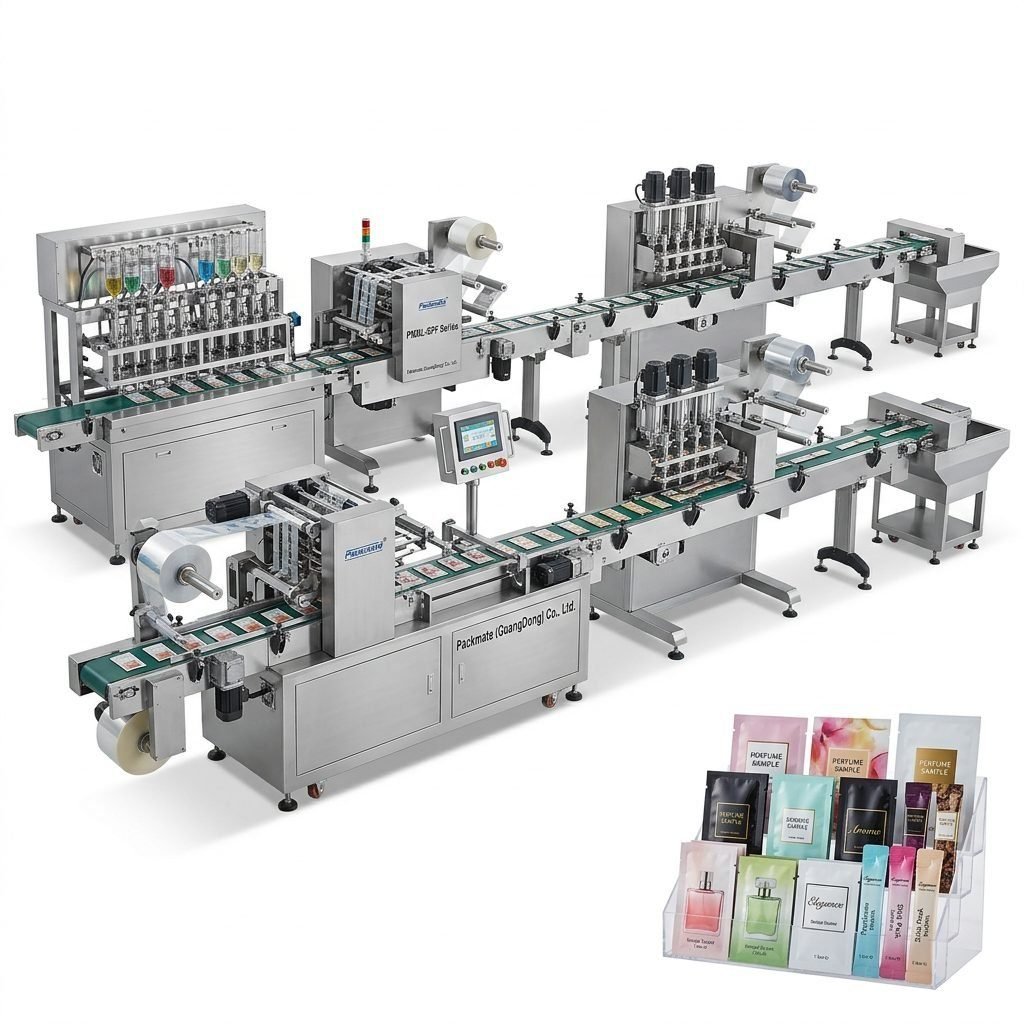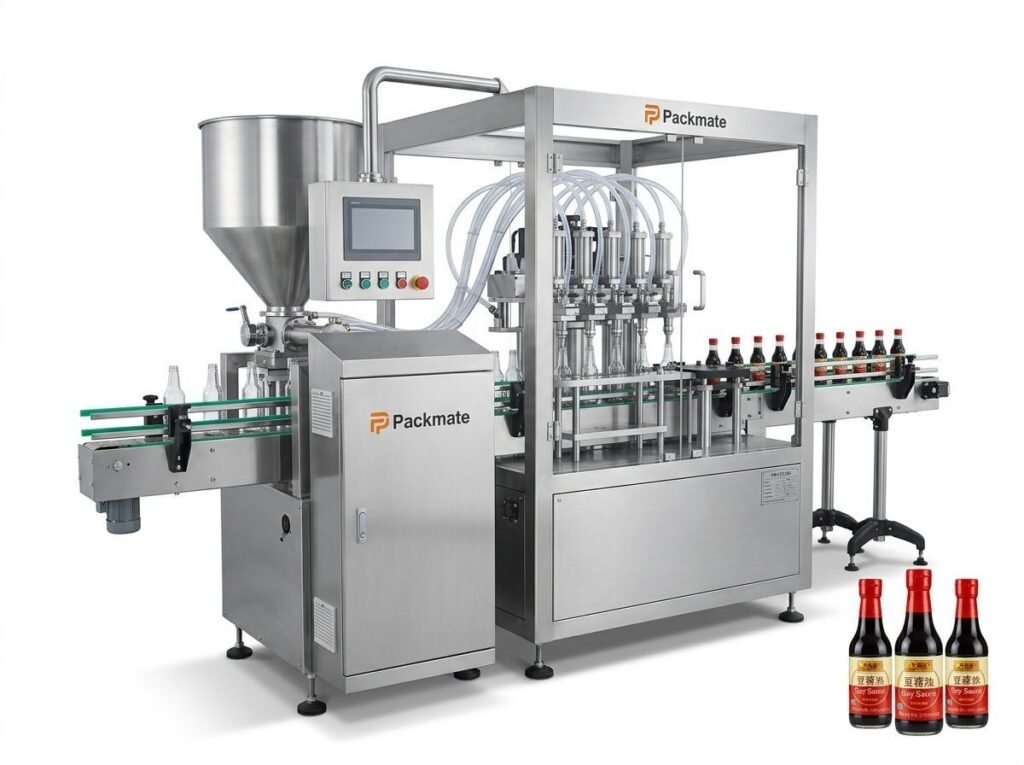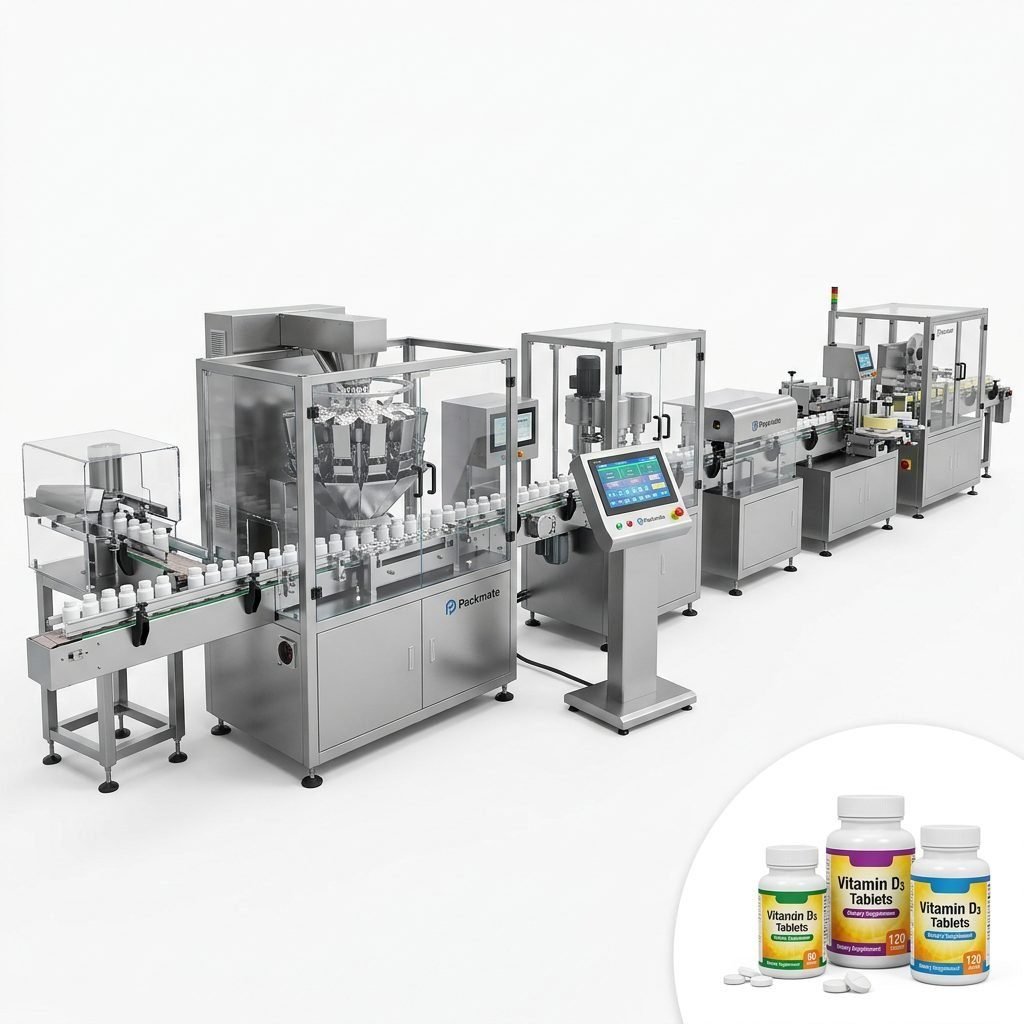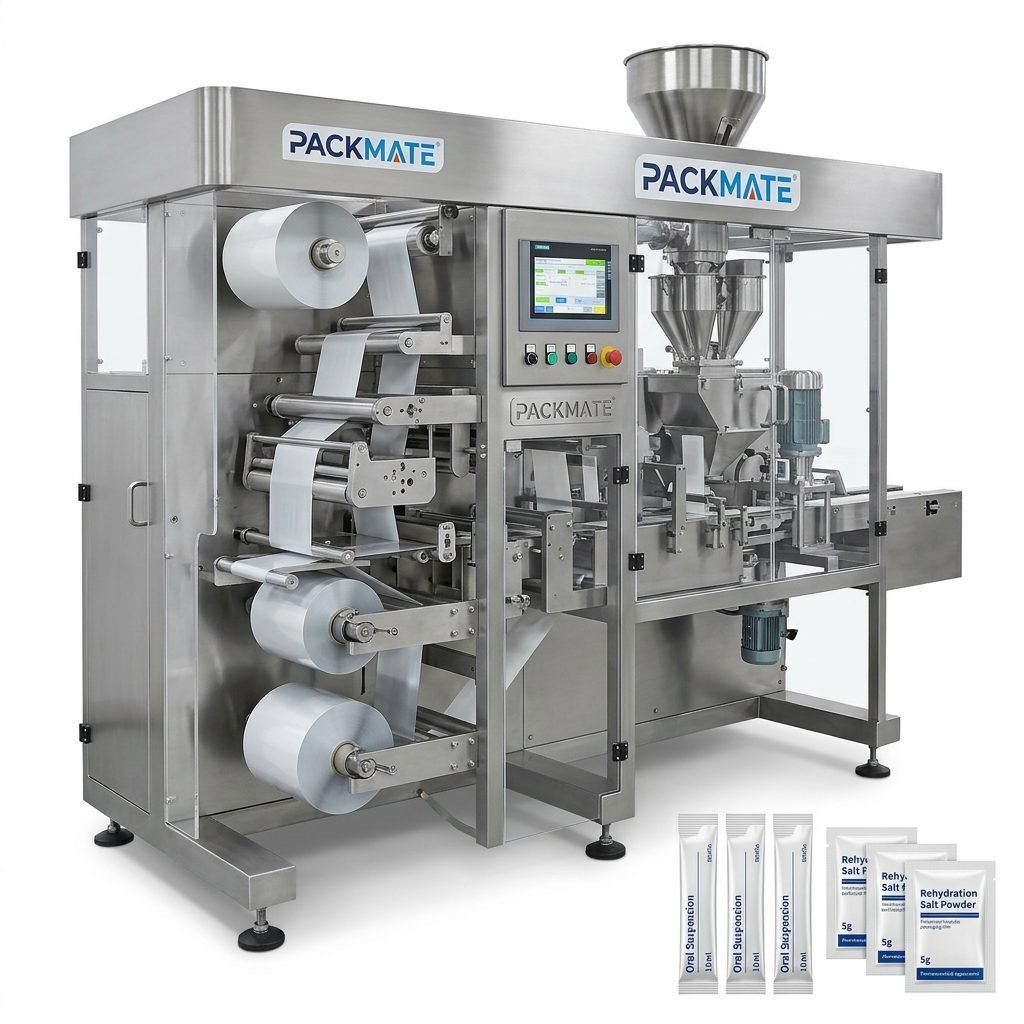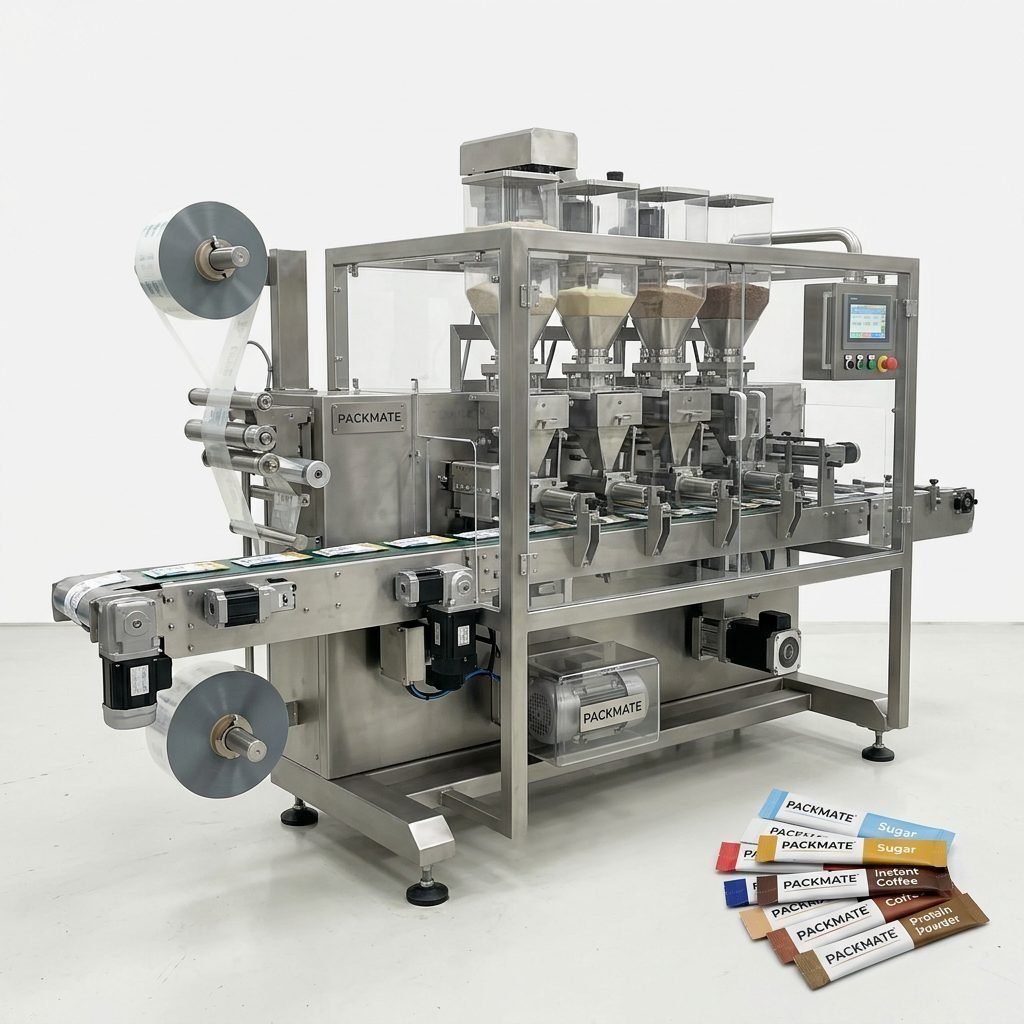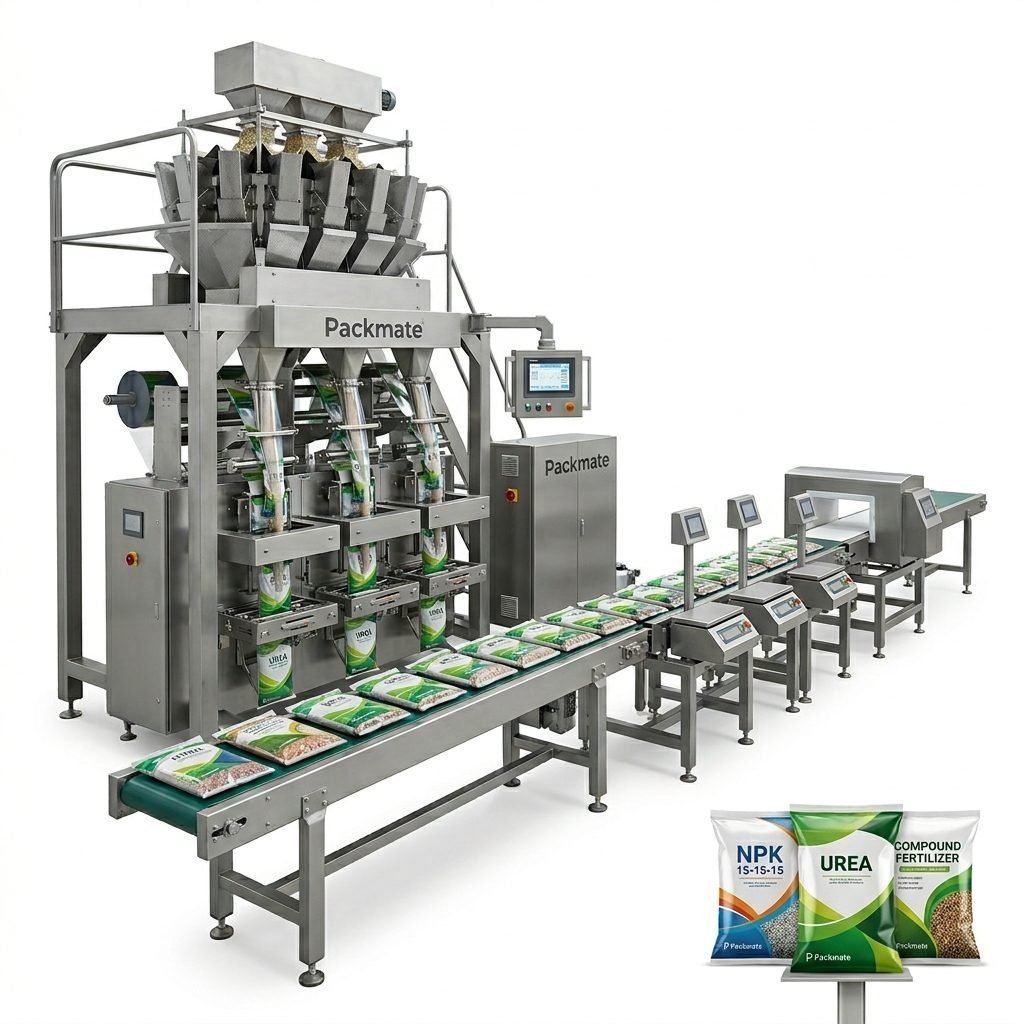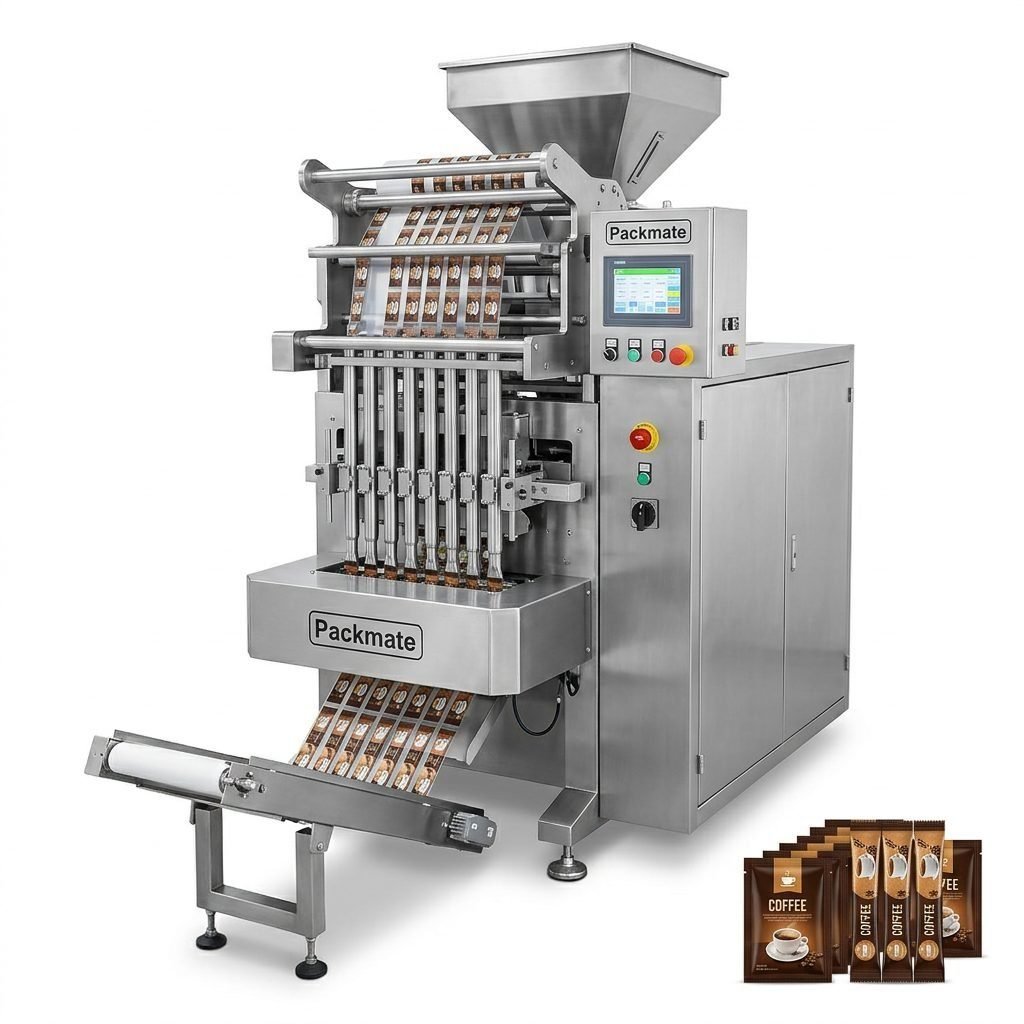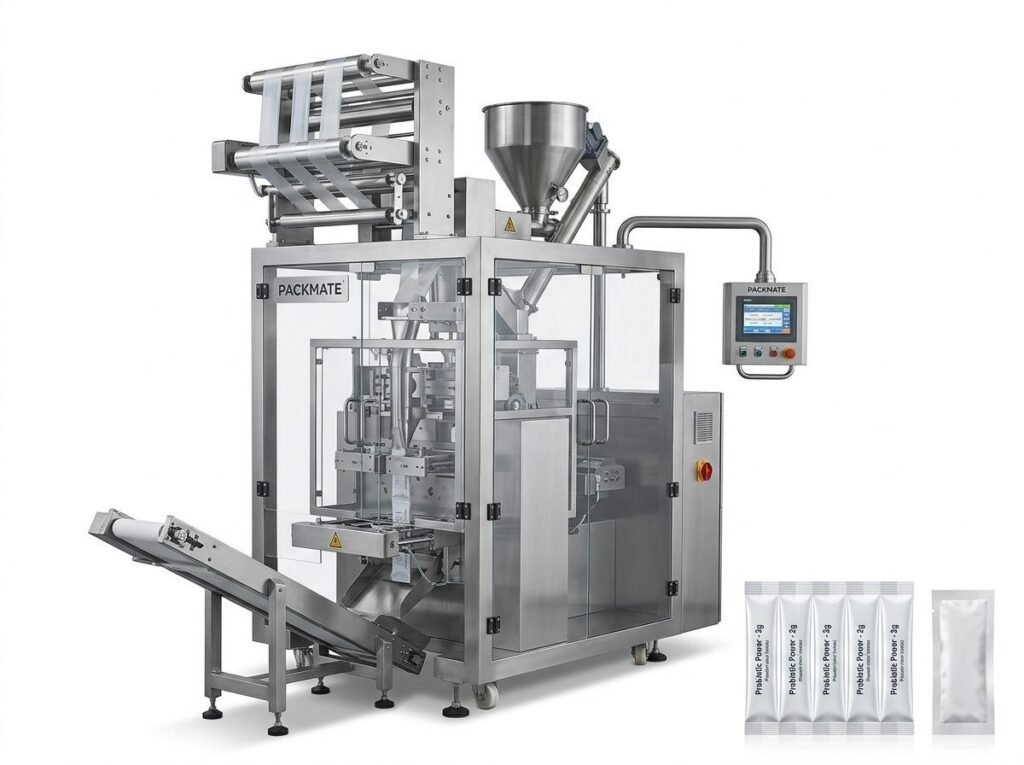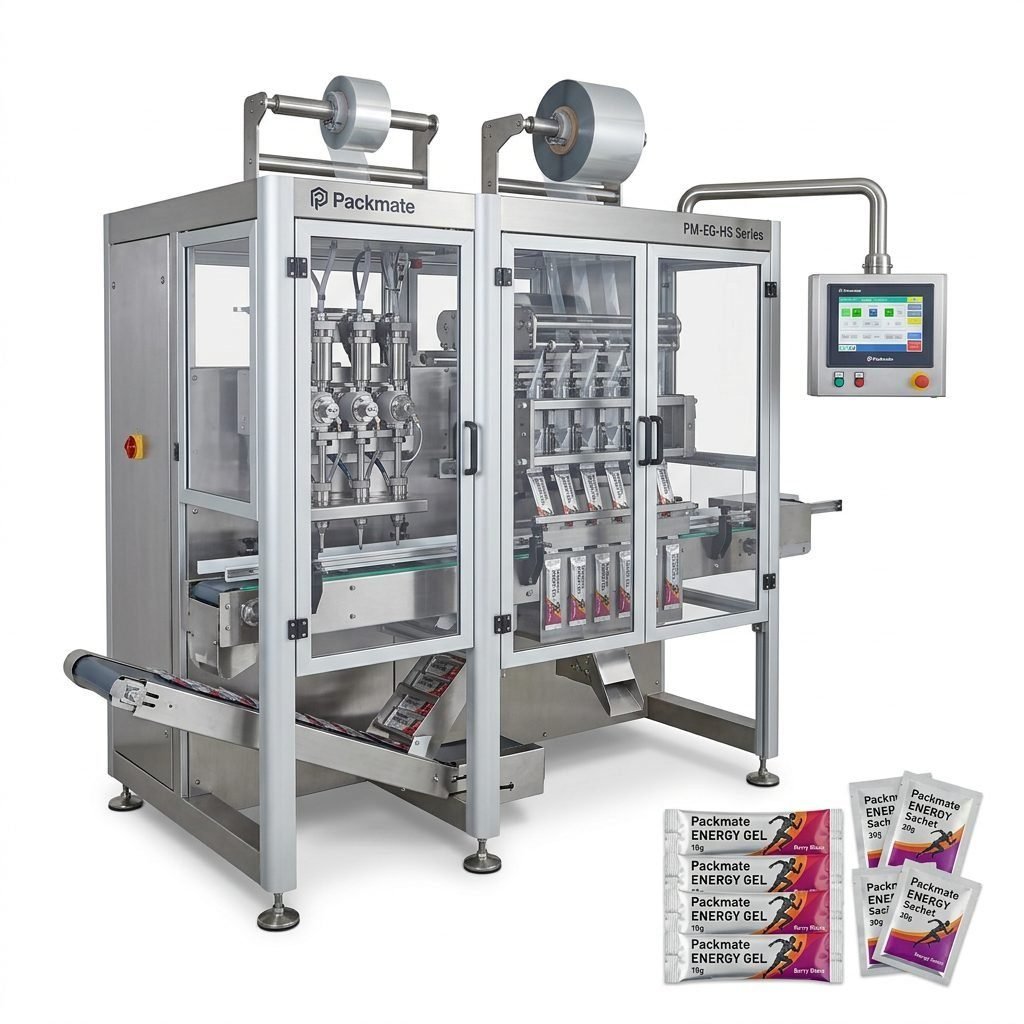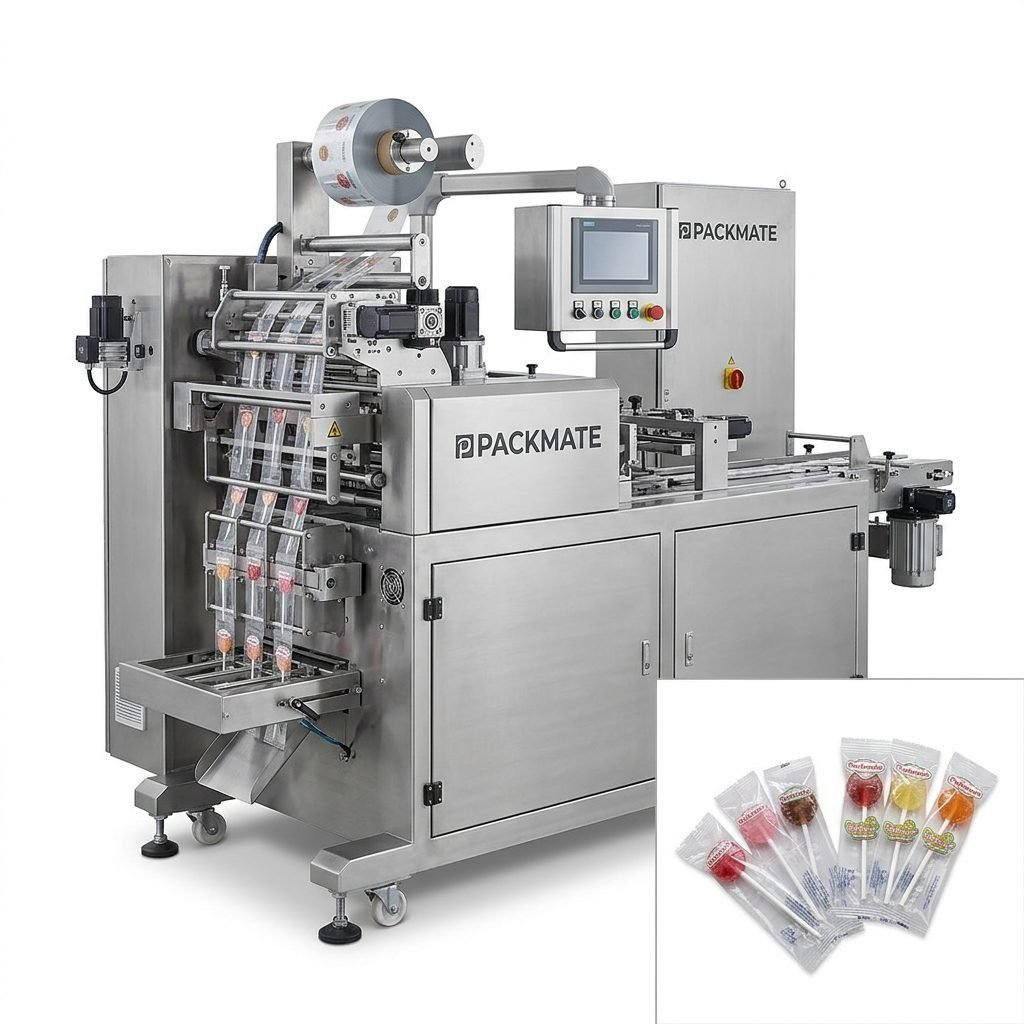
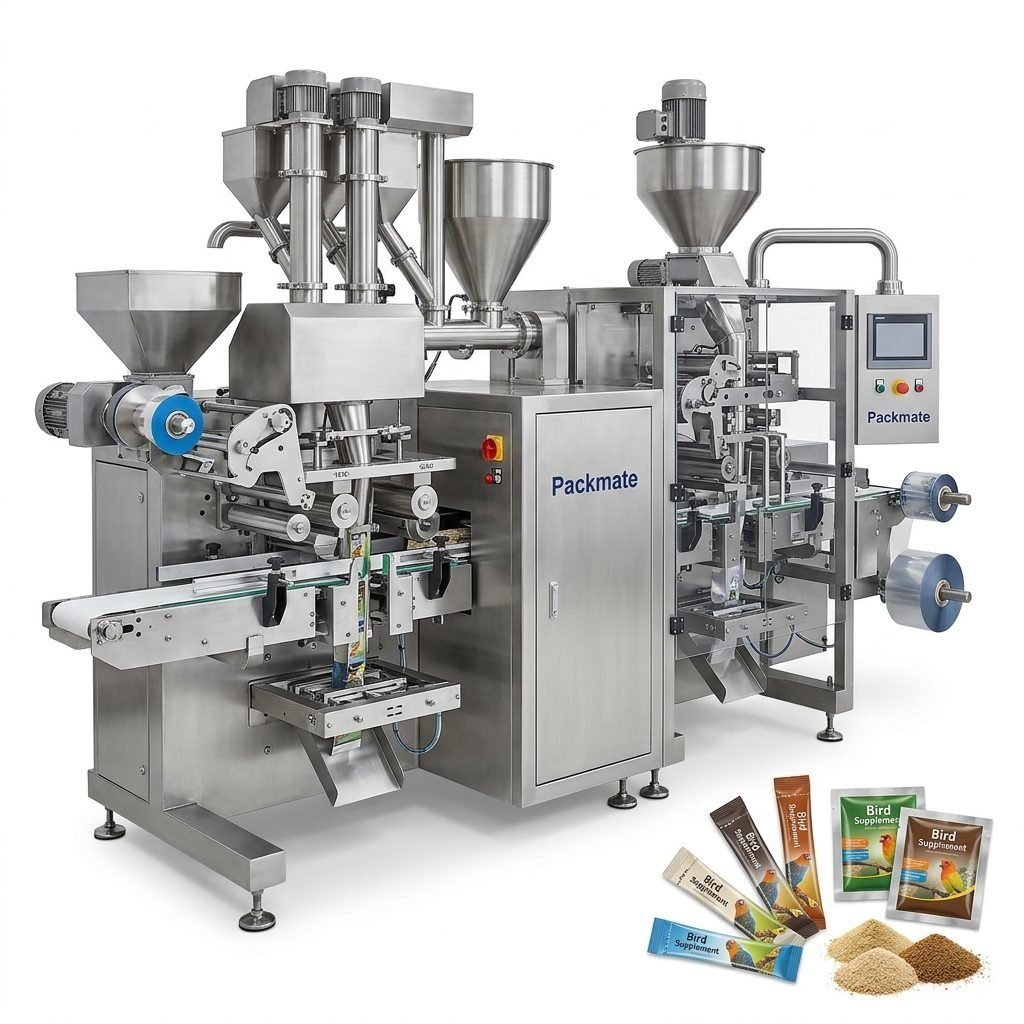
The four side seal packaging machine, often referred to as a stick pack machine, is a cornerstone of modern flexible packaging for powders, granules, and liquids. This technology creates sleek, pillow-shaped pouches with seals on all four edges, offering superior product protection and a premium presentation. Its working principle revolves around a vertical form-fill-seal (VFFS) process, where a roll of packaging film is formed into a tube, filled with product, and then sealed horizontally and vertically in a continuous, high-speed operation. This method ensures airtight and consistent packaging, crucial for maintaining product freshness and integrity, especially for sensitive items like food supplements, pharmaceuticals, and instant beverages.
Core Working Principle
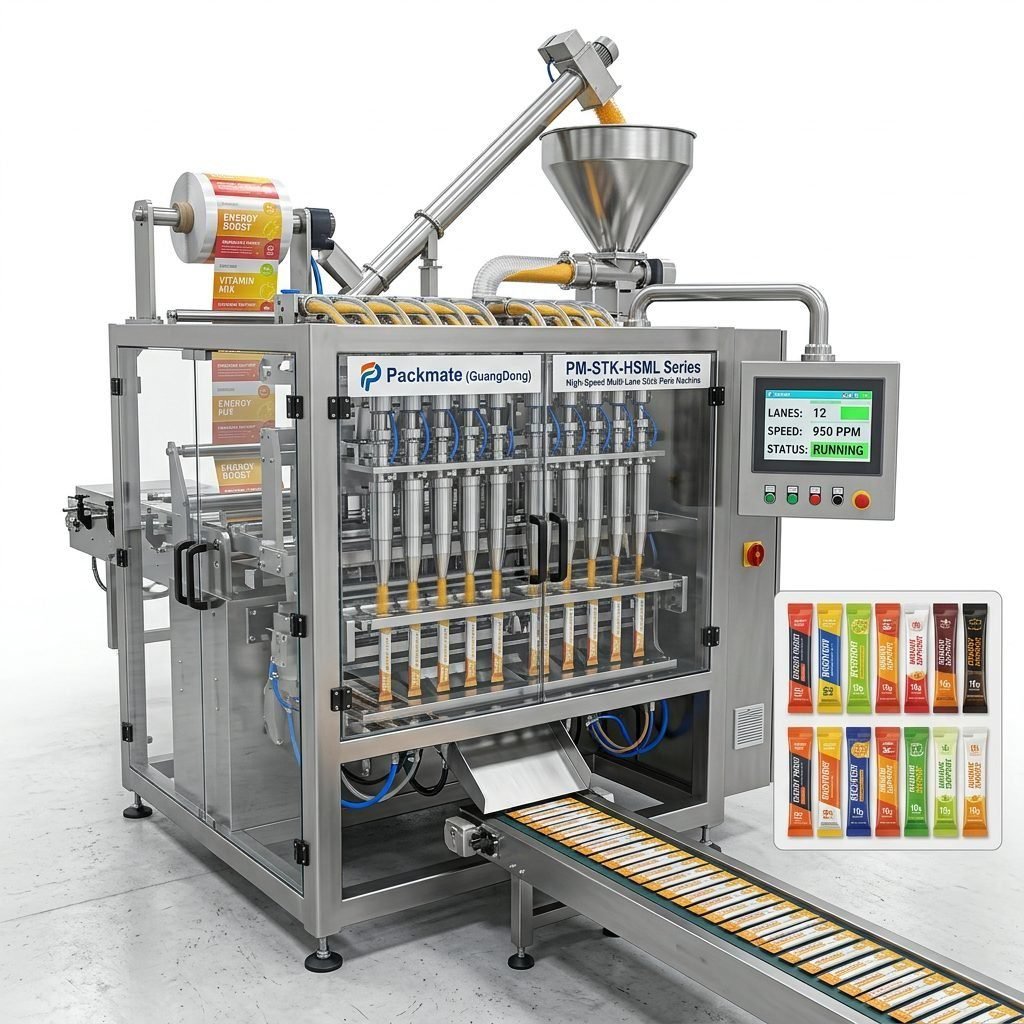
The operation is a marvel of mechanical synchronization. It begins with the film unwinding from a roll and passing through a forming collar, which shapes it into a vertical tube. The longitudinal seal is created along the back. The product is then precisely dosed into this tube via a filling system. The machine’s cross-sealing jaws perform a dual function: they create the bottom seal of the current pouch and the top seal of the previous one while simultaneously cutting the finished pouch free. This cycle repeats at high speeds, producing uniform stick packs ready for secondary packaging. Advanced models integrate multi-lane technology, where several packaging tubes operate in parallel from a single infeed, dramatically multiplying output.
Key Operational Stages:
- Film Forming: Flat film is guided into a tubular shape.
- Longitudinal Sealing: The film’s edges are sealed to form a continuous tube.
- Product Dosing: Precise amounts of product are injected into the tube.
- Cross Sealing & Cutting: Heated jaws seal the tube horizontally and separate individual pouches.
Distinctive Features and Advantages
Modern four side seal machines are packed with features designed for efficiency, reliability, and flexibility. They are typically constructed with stainless steel contact parts for hygiene and durability, especially important for food and pharmaceutical applications. Servo-driven systems provide exceptional control over film movement and sealing parameters, reducing waste and ensuring consistent seal quality. Changeover between different pouch sizes is often simplified, allowing producers to switch product lines quickly. Furthermore, integration with checkweighers, metal detectors, and date coders creates a seamless, quality-assured packaging line.
Primary Advantages:
- High-Speed Production: Capable of producing hundreds of pouches per minute per lane.
- Excellent Seal Integrity: Four-side sealing minimizes leak risks and maximizes shelf life.
- Reduced Material Waste: Precise film control and cutting optimize material usage.
- Compact Product Format: The slim stick pack is ideal for single-serve portions and samples.
- Branding Flexibility: Large, flat surfaces on both sides are perfect for high-impact printing and branding.
Diverse Industry Applications
The versatility of the four side seal packaging machine makes it indispensable across a wide spectrum of industries. In the food and beverage sector, it is the go-to solution for instant coffee, sugar, creamer, drink mixes, spices, and soup powders. The pharmaceutical and nutraceutical industries rely on it for powdered supplements, electrolytes, and single-dose medications, where accuracy and contamination control are paramount. The machine also sees extensive use in packaging cosmetics (face masks, shampoo samples), agrochemicals (seed treatments, fertilizers), and industrial products (detergents, lubricants). The rise of nicotine pouches has further driven demand for specialized high-speed stick pack machines tailored to this niche.
| Industry | Common Products Packaged | Key Requirement |
|---|---|---|
| Food & Beverage | Instant coffee, drink mixes, seasoning, sugar | Freshness preservation, high-speed output |
| Pharmaceutical & Nutraceutical | Powdered supplements, electrolytes, OTC drugs | Dosing accuracy, hygienic design, traceability |
| Cosmetics & Personal Care | Face mask powder, shampoo, serum samples | Aesthetic presentation, leak-proof seals |
| Industrial & Chemical | Detergent powders, lubricants, additives | Chemical resistance, dust containment |
Essential Buying Guide
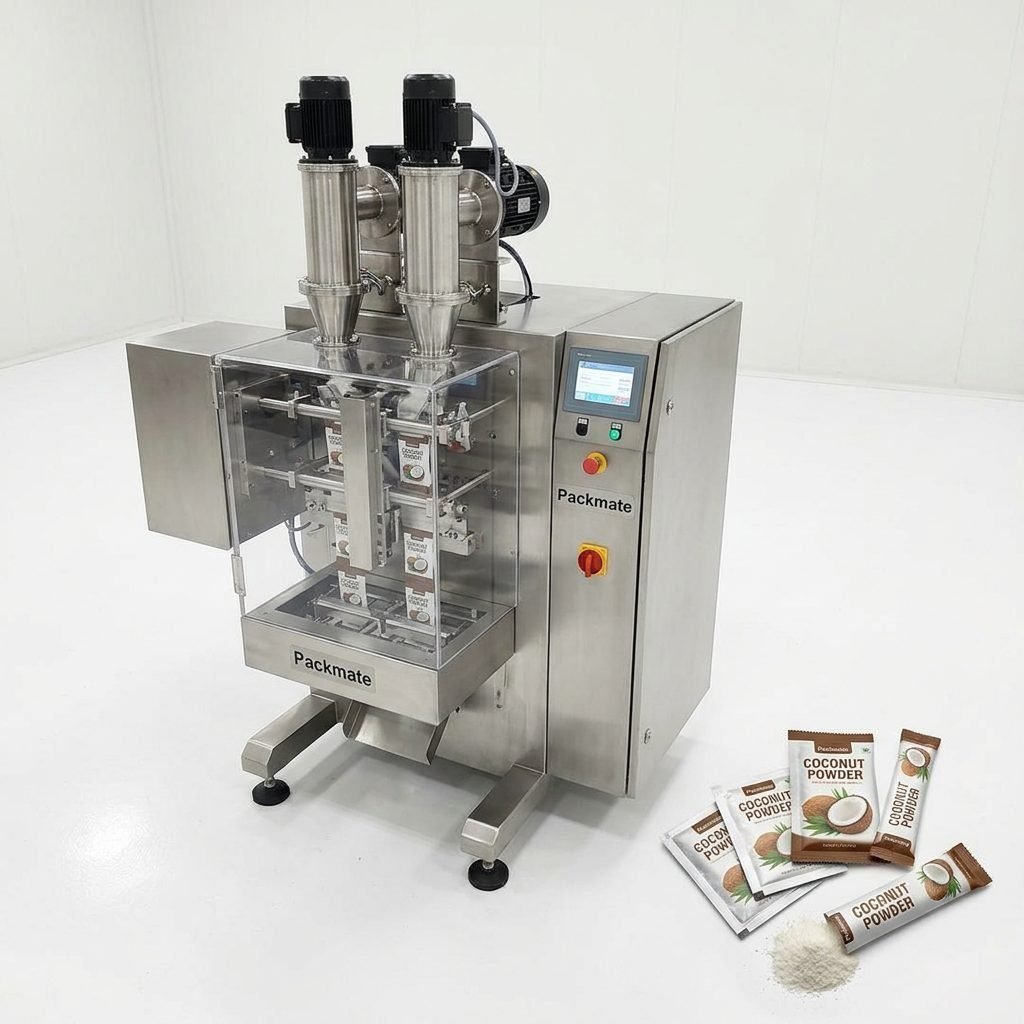
Selecting the right four side seal packaging machine requires careful consideration of your specific needs. Start by clearly defining your product characteristics (powder flowability, granule size, liquid viscosity) and your required production output (pouches per minute). This will determine whether a single-lane or multi-lane machine is necessary. Pay close attention to the machine’s construction; a robust stainless steel frame and precision-machined parts are indicators of longevity. Evaluate the control system—modern PLC-based touchscreen interfaces offer easier operation and recipe storage. Crucially, assess the supplier’s reputation for after-sales support, availability of spare parts, and technical training. A machine is a long-term investment, and reliable support is as important as the initial purchase.
Checklist for Buyers:
- Product Compatibility: Can it handle your specific material (fine powder, granules, liquid)?
- Speed & Output: Does the machine’s capacity meet your current and future production goals?
- Film Material: What types of laminate (e.g., PET/ALU/PE, OPP/CPP) can it run?
- Changeover Time: How quickly can pouch size adjustments be made?
- Integration Capability: Can it be easily linked to upstream feeders and downstream cartoners?
- Supplier Credibility: What is the manufacturer’s experience, warranty, and service network?
Leading Manufacturers in the Market
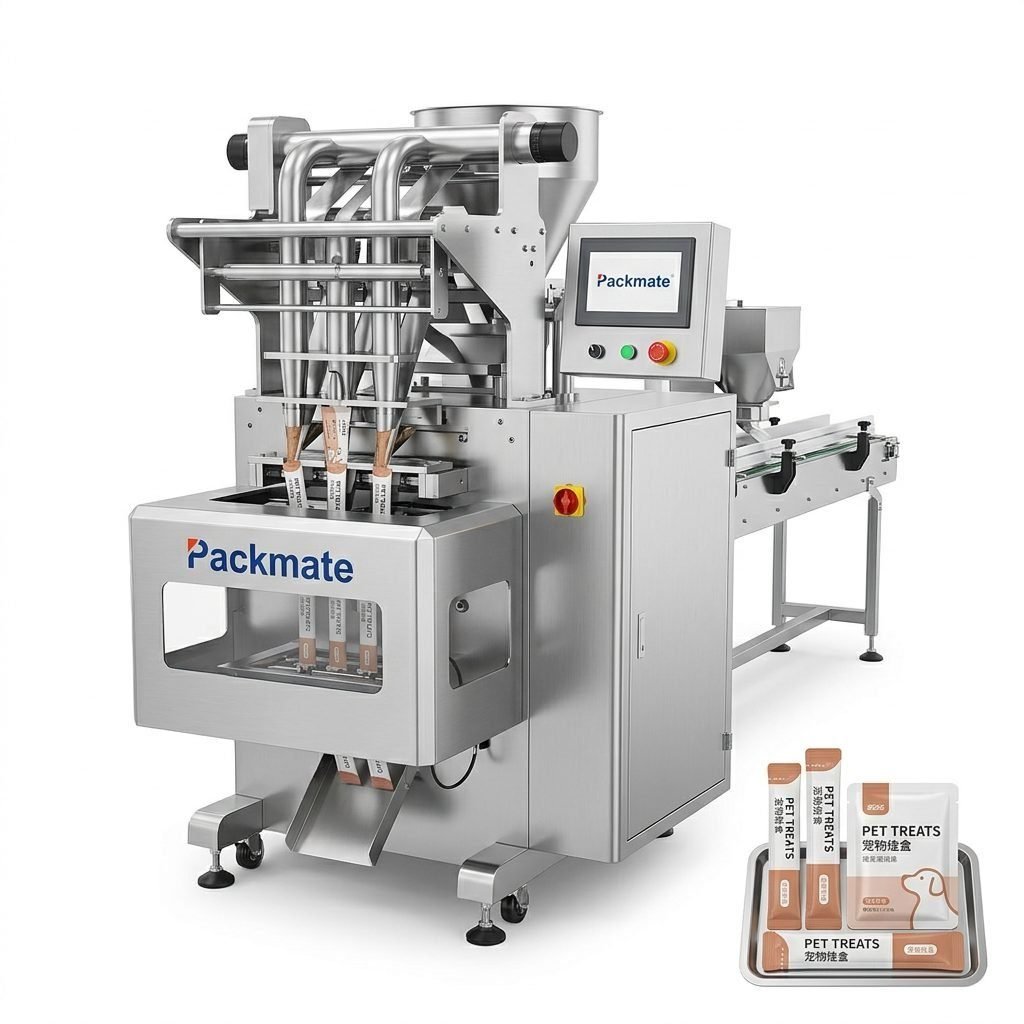
The global market for these machines is competitive, with several established manufacturers offering reliable solutions. Companies like Ludyway have built a strong reputation over decades, providing a wide range of packaging machines and complete turnkey lines for food and pharmaceutical sectors. Similarly, Packmate Machinery focuses on practical automation and stable performance for medium to large-scale operations. For buyers whose primary need is a fully integrated system, PacklineOEM specializes in complete turnkey packaging production lines. When customization is key, PackingMachineOEM offers strong capabilities in non-standard and project-based solutions. For niche applications like nicotine pouches, specialized manufacturers such as SnusMachinery provide targeted expertise and high-speed multi-lane systems.
Global Demand and Regional Considerations
Demand for automated four side seal packaging is truly global, driven by the need for efficiency, portion control, and extended shelf life. In North America and Europe</strong, stringent food safety regulations and high labor costs make automation a necessity. The market there values machines with advanced hygiene design, easy-clean features, and full traceability systems. In the Middle East and Africa</strong, there is growing demand for packaging food staples, dairy powders, and water treatment chemicals in durable, portable sachets. Southeast Asia’s booming food processing and instant beverage industries are major consumers of high-speed stick pack technology, often requiring machines that can handle a variety of products in a single facility with quick changeovers. Across South America</strong, the focus is on robust machines for packaging coffee, sweeteners, and agricultural inputs that can deliver reliability in diverse climatic conditions.
Frequently Asked Questions (FAQs)
Q1: What is the main difference between a three-side seal and a four-side seal pouch?
A: A three-side seal pouch is made from a pre-formed bag, sealed on two sides and the top. A four-side seal (stick pack) is formed from a roll of film, creating a tube that is sealed on all four sides, offering better structural integrity and a more modern look.
Q2: Can one machine package both powders and liquids?
A: Many machines are versatile, but critical components like the filling system must be matched to the product. A machine can often be configured for either, but switching may require part changes and parameter adjustments.
Q3: How important is multi-lane capability?
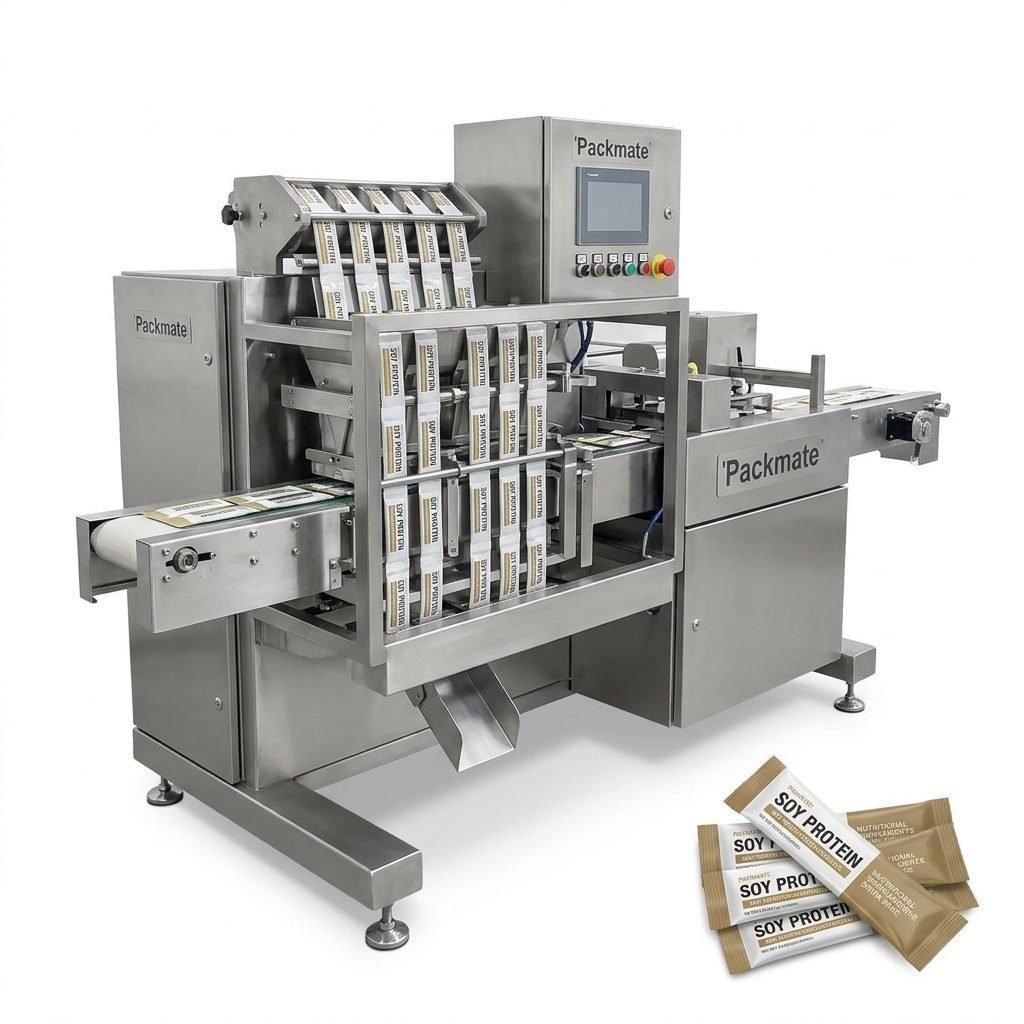
A: Multi-lane machines are essential for high-volume production. They use a single feeder to distribute product to multiple packaging lanes running in parallel, significantly increasing output without a proportional increase in floor space or complexity.
Q4: What film materials are commonly used?
A: Common laminates include PET/ALU/PE for excellent barrier properties (used for coffee, pharmaceuticals), and OPP/CPP or MET/PE for moisture barrier at a lower cost (used for drink mixes, soups).
Q5: What are the key maintenance requirements?
A: Regular cleaning, especially of product contact parts and sealing jaws, is vital. Periodic lubrication of moving parts, inspection of seals and cutters for wear, and calibration of weighing systems ensure consistent performance and longevity.