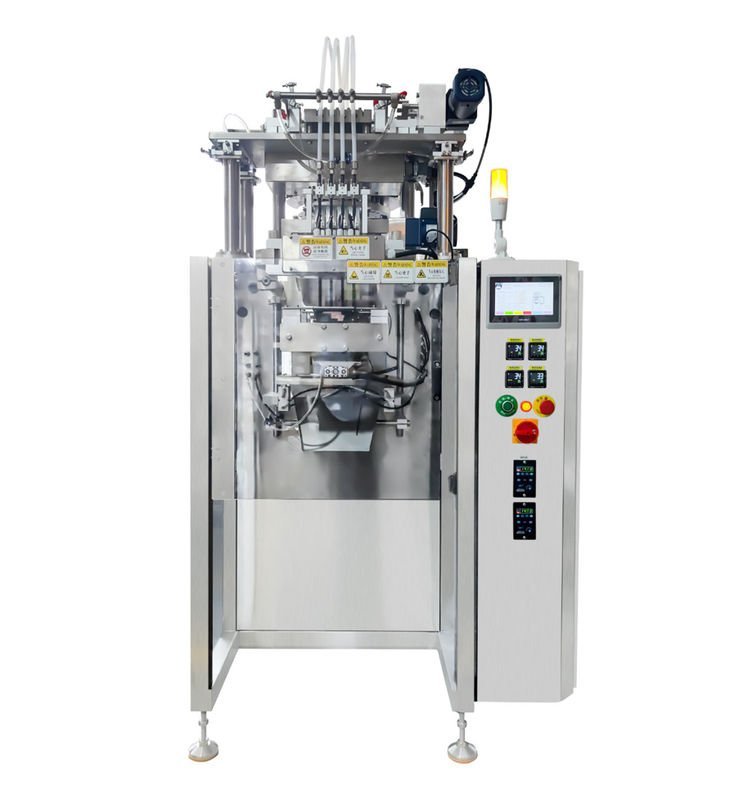
The landscape of modern food and pharmaceutical production is defined by an uncompromising demand for speed, precision, and hygiene. At the heart of meeting these rigorous demands lies fully automatic packaging machinery. These sophisticated systems are no longer mere accessories; they are the critical backbone of efficient, profitable, and compliant production lines. By automating the entire packaging sequence—from feeding and weighing to filling, sealing, and coding—these machines eliminate human error, dramatically increase output, and ensure product integrity from the factory floor to the consumer’s hands.
The Core Advantages of Automation in Critical Industries
Implementing fully automatic packaging machinery delivers transformative benefits that directly impact a company’s bottom line and brand reputation.
Unmatched Production Efficiency & Speed
Manual packaging is a significant bottleneck. Automatic machines operate continuously at high speeds, capable of producing hundreds, even thousands, of perfectly packaged units per minute. This relentless pace allows manufacturers to scale operations, meet large-volume orders, and reduce lead times, providing a decisive competitive edge in fast-moving markets.
Guaranteed Precision & Consistency
In both food and pharmaceuticals, dosage accuracy and fill weight are non-negotiable. Automated systems utilize advanced servo motors and precision weighing systems to dispense product with microscopic accuracy. Every sachet, stick pack, or bottle contains the exact specified amount, ensuring compliance with regulations, preventing product giveaways, and building unwavering consumer trust.
Enhanced Hygiene & Contamination Control
This is paramount, especially in pharmaceutical and sensitive food production. Fully enclosed automatic machines minimize human contact with the product. Constructed from food-grade stainless steel with smooth, easy-clean surfaces, they are designed to meet stringent GMP (Good Manufacturing Practice) and FDA standards. This closed environment drastically reduces the risk of microbial or particulate contamination, safeguarding product safety.
Significant Operational Cost Reduction
While the initial investment is considerable, the long-term savings are substantial. Automation reduces direct labor costs, minimizes material waste from overfilling, and lowers costs associated with product recalls due to packaging errors. The consistency and speed also lead to better utilization of raw materials and energy, optimizing the entire production cost structure.
Tailored Solutions for Food & Pharmaceutical Lines
The “one-size-fits-all” approach does not apply here. Leading manufacturers like Packmate (GuangDong) Co., Ltd. design machinery with the unique needs of each sector in mind.
For Food Production: Versatility & Freshness
Food packaging machinery must handle a diverse range of products—granules (like coffee, sugar), powders (spices, protein), liquids (sauces, oils), and viscous pastes. Key features include:
- Adaptable Filling Systems: Auger fillers for powders, volumetric cups for granules, and piston pumps for liquids.
- Gas Flushing Capability: Integrated nitrogen or CO2 flushing to extend shelf life by removing oxygen from the package.
- Multi-format Flexibility: Quick changeover mechanisms to switch between different pouch sizes or styles, such as stick packs and sachets, with minimal downtime.
For Pharmaceutical Production: Compliance & Traceability
Pharmaceutical packaging is governed by the most rigorous global standards. Machinery for this sector prioritizes:
- Clean-in-Place (CIP) Systems: Allows for thorough internal cleaning without disassembly, essential for batch integrity.
- Complete Documentation & Validation Support: Machines provide data logs for critical parameters (fill weight, seal temperature) to support audit trails and IQ/OQ/PQ validation protocols.
- Serialization & Aggregation: Integration with vision systems and printers to apply unique serial codes on each unit, bundle (aggregation) for complete track-and-trace as mandated by regulations like the U.S. DSCSA.
Key Components of a Fully Integrated Packaging Line
A complete turnkey solution involves the seamless integration of several specialized machines. Exploring a comprehensive product range is crucial for planning.
1. Feeding & Conveying System
This is the starting point, ensuring a consistent and oriented supply of empty packaging materials (pre-made pouches, bottles) or roll film to the machine.
2. Precision Filling & Weighing System
The core of accuracy. Multi-head weighers for snacks, auger fillers for powders, and liquid fillers ensure exact measurement. Advanced weighing systems often include feedback loops to auto-correct any drift.
3. Forming, Sealing & Cutting Unit
For form-fill-seal (FFS) machines, this unit shapes the package from roll film, fills it, and creates a hermetic seal. The seal integrity—critical for shelf life—is monitored via temperature and pressure sensors.
4. Secondary Packaging & Robotics
After primary packaging, products are collated, cartoned, and case-packed. Robotic arms provide flexible, high-speed handling for this stage, interfacing with auxiliary equipment like case erectors and sealers.
5. Inspection, Coding & Control
The final checkpoint. Vision systems check for fill level, label presence, and seal defects. Inkjet or laser coders print batch codes and expiry dates. A centralized PLC (Programmable Logic Controller) orchestrates the entire line.
Choosing the Right Machinery Partner
Selecting a supplier is a strategic decision. Look beyond the machine specs to the company’s expertise and support.
- Industry-Specific Experience: Choose a partner with a proven track record in your specific sector, whether it’s snack foods or sterile pharmaceuticals.
- Technology & Innovation: Evaluate their commitment to R&D. Do they offer IoT connectivity for predictive maintenance? Are their controls user-friendly?
- Service & Support Network: Global operations require global support. Ensure they offer installation, training, and readily available spare parts. Reviewing real-world application cases can provide valuable insight.
- Compliance Assurance: The manufacturer should provide documentation and design features that help you meet relevant safety and quality standards (CE, UL, GMP).
Future Trends: Smart Packaging Lines
The future is intelligent and connected. Industry 4.0 is transforming packaging machinery into data-generating assets. Expect greater integration of AI-driven vision inspection for zero-defect output, IoT sensors for real-time monitoring of machine health (predicting failures before they happen), and seamless MES (Manufacturing Execution System) integration for end-to-end production visibility and optimization.
In conclusion, fully automatic packaging machinery is the definitive solution for food and pharmaceutical producers aiming for excellence. It is an investment that pays dividends in quality, efficiency, compliance, and scalability. By carefully selecting a technology partner that understands the nuances of your industry, you can build a packaging line that not only meets today’s challenges but is also ready for the innovations of tomorrow.
Frequently Asked Questions (FAQs)
1. What is the typical ROI (Return on Investment) for a fully automatic packaging line?
ROI varies based on line complexity and production volume, but most operations see a payback period of 1 to 3 years. Savings are realized through labor reduction, increased output, minimized waste, and fewer quality-related losses. A detailed analysis factoring in your specific throughput and labor costs is recommended.
2. How difficult is it to changeover an automatic machine for a different product or package size?
Modern machines are designed for rapid changeover. While complexity varies, many models feature quick-release parts, recipe storage in the PLC, and servo-driven adjustments that can change settings at the touch of a button. This reduces changeover time from hours to minutes, enabling efficient small-batch production.
3. Can automatic machinery handle fragile or irregularly shaped products?
Yes, with specialized handling systems. Gentle vibration feeders, soft-touch robotic grippers, and custom-designed buckets on multi-head weighers can handle products like chips, biscuits, or delicate confectionery without damage. The key is to discuss your specific product characteristics with the machine supplier during the design phase.
4. What kind of maintenance do these machines require?
Preventive maintenance is crucial for longevity. This includes daily cleaning, regular lubrication of moving parts, inspection of seals and wear components, and calibration of weighing systems. A reputable supplier will provide a comprehensive maintenance schedule and training for your technicians.
5. How do we ensure the machine complies with our local food or pharmaceutical safety regulations?
Work with a manufacturer that has experience exporting to your region. They should construct machines using certified materials (e.g., FDA-approved polymers, 316L stainless steel) and provide necessary documentation like CE certification, risk assessment reports, and material declarations. Always validate the machine in your own facility against your specific quality protocols.