Granule packaging machines are essential equipment in numerous industries, from food and pharmaceuticals to agriculture and chemicals. They automate the process of measuring, filling, and sealing granular products into various packaging formats, ensuring efficiency, hygiene, and consistency. This guide will explore the different types of machines, their working principles, and provide a framework for selecting the ideal system for your production needs.

Understanding Granule Packaging Machines
At its core, a granule packaging machine is designed to handle free-flowing particulate materials like rice, sugar, seeds, coffee beans, nuts, and pharmaceutical pellets. The primary goal is to replace slow, inconsistent, and potentially unhygienic manual packaging with a high-speed, accurate, and reliable automated process. This not only boosts output but also significantly reduces product giveaway and waste.
Key Benefit: Automation in granule packaging directly translates to higher throughput, precise weight control, and improved product presentation, which are critical for brand reputation and regulatory compliance in sectors like food and pharma.
Core Working Principles
Despite the variety in types, most granule packaging systems operate on a similar sequence of automated steps:
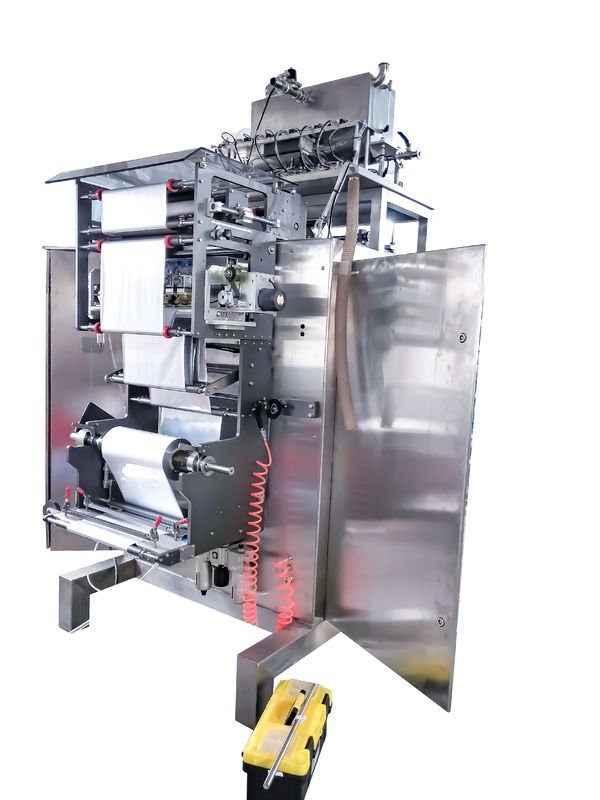
- Film Unwinding & Forming: A roll of packaging film (e.g., laminates, polyethylene) is fed into the machine. It passes through a forming collar where it is shaped into a tube.
- Vertical Sealing: The longitudinal seam of the film tube is sealed continuously by a vertical sealer.
- Product Feeding & Dosing: Granules are fed from a hopper into a dosing mechanism. This is the heart of accuracy, typically using a combination of a volumetric cup auger filler or a multi-head weigher for precision.
- Horizontal Sealing & Cutting: The filled tube is pulled down by a belt system. Horizontal sealers then create the top seal of the current bag and the bottom seal of the next bag simultaneously, after which a cutter separates the individual packs.
Main Types of Granule Packaging Systems
Choosing the right machine depends heavily on your product characteristics, required output, and packaging style. Here are the primary categories:
1. Vertical Form Fill Seal (VFFS) Machines
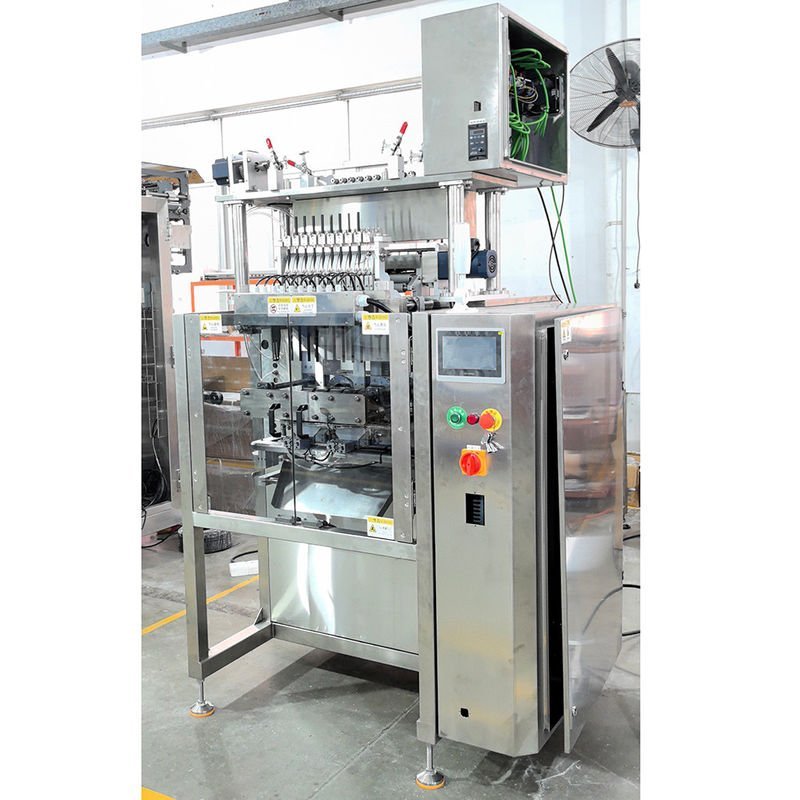
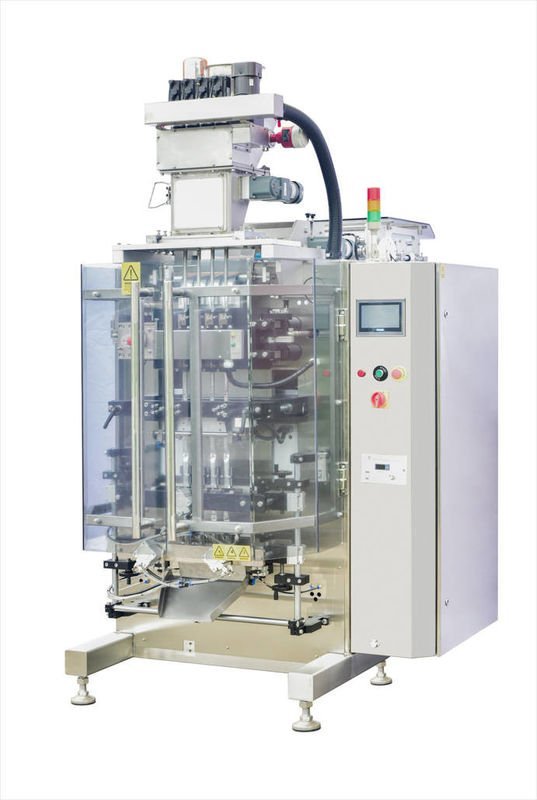
The most common and versatile type. VFFS machines create bags from a roll of film, fill them, and seal them in a continuous vertical process. They are ideal for a wide range of granule sizes and are perfect for producing pillow bags, gusseted bags, or block-bottom bags. For high-speed applications like packaging nuts or candy, a multi-lane VFFS system can be employed. You can explore advanced Filling & Packaging Lines that integrate VFFS technology for complete solutions.
2. Pre-Made Bag Packaging Machines
These systems use bags that are already manufactured (pre-made pouches or stick packs). The machine’s function is to open the bag, dose the product accurately, and then seal it. This is often preferred for premium products or complex bag shapes that are difficult to form from a roll. They are widely used for sachet and stick pack formats in the tea, sugar, and instant beverage industries.
3. Weighing and Dosing Systems
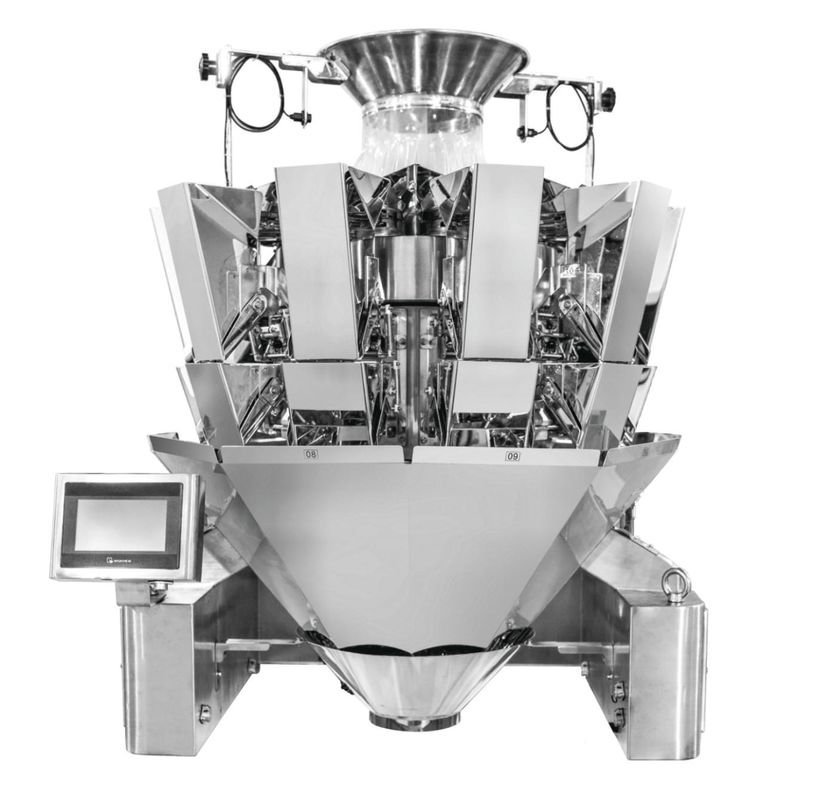
Accuracy is paramount. While auger fillers are excellent for consistent volumetric dosing, the gold standard for weight accuracy is the multi-head weigher. These systems use a combination of bulk and fine feed hoppers to achieve precise target weights at very high speeds, essential for expensive products or where weight regulations are strict. Standalone Weighing & Packaging Systems can often be integrated with various baggers.
4. Specialized Granule Packers
Certain products require tailored solutions. For example, dense or non-free-flowing granules might need a vibratory tray or forced feeding system. Similarly, packaging formats like stand-up pouches or zipper bags require specific machine adaptations. For niche markets, such as the tobacco-free oral product sector, specialized Snus & Nicotine Packaging Machines are designed to handle moist, fine granules with extreme precision.
Type Selection Quick Reference
- VFFS: Best for high-volume, cost-effective packaging from film roll.
- Pre-Made Bag: Best for premium packaging, unique shapes, and moderate speeds.
- Multi-Head Weigher: Essential for ultra-high precision (±0.1-1g) on expensive products.
- Auger Filler: Ideal for consistent, free-flowing granules at good speeds.
How to Choose the Right Granule Packaging System
Selecting equipment is a significant investment. A systematic evaluation based on your specific parameters is crucial for long-term success and ROI.
1. Analyze Your Product
This is the starting point. Define your granule’s properties: size, shape, density, flowability, abrasiveness, and fragility. Is it hygroscopic? Does it generate dust? These factors determine the suitable hopper design, feeding mechanism (auger, vibratory, pump), and material contact parts (stainless steel grades, food-grade coatings).
2. Define Packaging Requirements
What is your target bag style? (Pillow bag, gusseted, stand-up pouch, stick pack). What film material will you use? (Single-layer PE, multi-layer laminate, paper composite). The machine must be compatible with your desired packaging material’s thickness and sealing properties. Also, consider future flexibility—might you change bag sizes or styles frequently?
3. Determine Production Capacity
Calculate your required output in bags per minute (BPM) or packs per hour. Be realistic about both current needs and projected growth. A machine running at 90% of its max capacity is more sustainable than one constantly at 110%. Remember, speed is often a trade-off with accuracy; ensure the quoted speed matches your required weight tolerance.
4. Evaluate Accuracy Needs
What are your legal or internal weight tolerances? For retail goods, “average weight” systems and compliance with regulations like the FDA’s or EU’s weights and measures directives are critical. High-value products demand multi-head weighers, while standard items may perform well with a well-calibrated auger filler.
5. Consider Integration and Support
Will the machine be a standalone unit or part of a larger line integrated with checkweighers, metal detectors, cartoners, or case packers? Choose a supplier with experience in providing complete turnkey solutions. Equally important is the supplier’s reputation for after-sales service, availability of spare parts, and technical support. A partner like Packmate, with decades of experience, can offer invaluable guidance from initial consultation to installation and maintenance.
⚠️ Critical Decision Factor: Total Cost of Ownership (TCO)
Look beyond the initial purchase price. Consider:
• Energy Consumption: How efficient is the drive system?
• Film Waste: Efficient machines minimize film trim loss.
• Changeover Time: Quick adjustments between products reduce downtime.
• Maintenance Costs: Robust construction and accessible parts lower long-term expenses.
A slightly higher upfront cost for a reliable, efficient machine often results in a much lower TCO.
Frequently Asked Questions (FAQs)
1. What is the typical accuracy range for a granule packaging machine?
Accuracy varies by dosing technology. A standard auger filler can achieve ±1-2% of the target weight. Volumetric cup fillers are around ±1-3%. For high precision, multi-head weighers can consistently deliver accuracies within ±0.1 to 0.5 grams, depending on product and target weight.
2. Can one machine handle different granule sizes and bag types?
Many modern machines are designed for flexibility. With quick-change parts (like augers, forming tubes, and sealing jaws) and programmable recipes, a single VFFS machine can often handle a range of similar granule sizes and switch between several bag dimensions. However, switching between vastly different products (e.g., fine powder to large nuts) may require more extensive reconfiguration.
3. How important is the choice of packaging film?
Extremely important. The film must be compatible with the machine’s sealing technology (e.g., thermal, impulse, ultrasonic) and must provide the necessary barrier properties (moisture, oxygen, light) for your product’s shelf life. Always test your film on the machine during trials.
4. What are the key maintenance routines for these machines?
Daily cleaning of product contact parts is essential for hygiene. Regular lubrication of moving parts as per the manual, inspection and cleaning of sealing jaws, and calibration of the weighing system are crucial. Scheduled preventive maintenance by a qualified technician helps prevent unexpected breakdowns.
5. How do I choose between a volumetric filler and a weigher?
The choice hinges on cost, speed, and accuracy. Volumetric fillers (auger/cup) are generally more cost-effective and faster for products where density is very consistent. Weighers (linear or multi-head) are chosen when weight-based accuracy is legally or commercially critical, and they can compensate for minor product density variations. For the highest speed and accuracy combination, a multi-head weigher is the industry standard.