In the dynamic world of product packaging, efficiency, presentation, and protection are paramount. Horizontal pouch packaging machines have emerged as a cornerstone technology for countless industries, offering a versatile and reliable method for creating sleek, stand-up pouches from roll film. This comprehensive guide delves into the types, working principles, applications, and crucial buying tips for these essential machines.
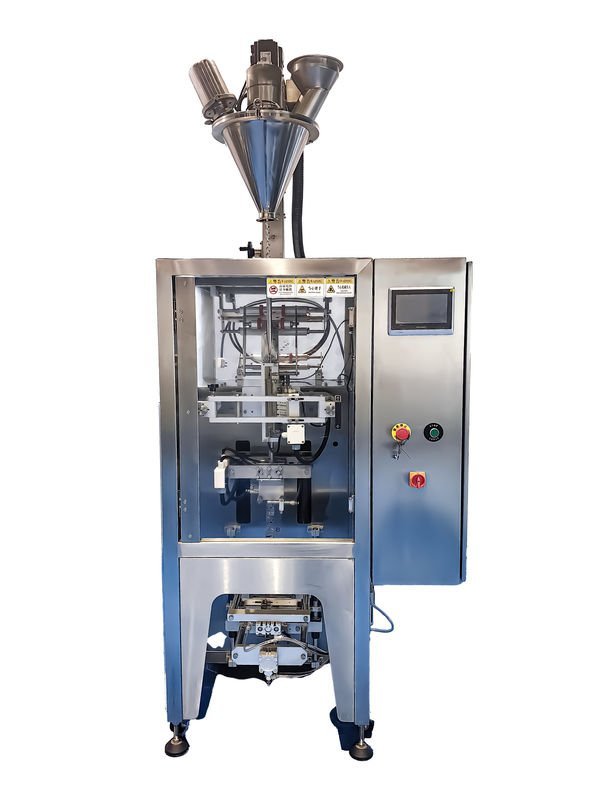
Core Types of Horizontal Pouch Packaging Machines
The market offers several configurations of horizontal pouch machines, each suited to specific production needs and product characteristics.
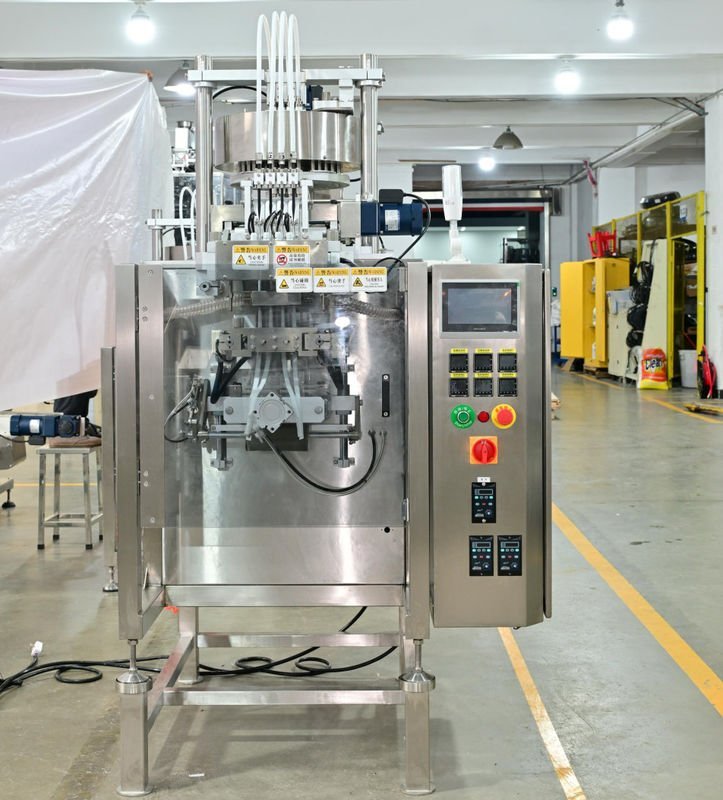
Single-Track Machines
Ideal for low to medium-volume production or businesses with a limited product range. They form, fill, and seal one pouch at a time in a sequential process. Their simplicity makes them easier to operate and maintain, offering a cost-effective entry point into automated pouch packaging.
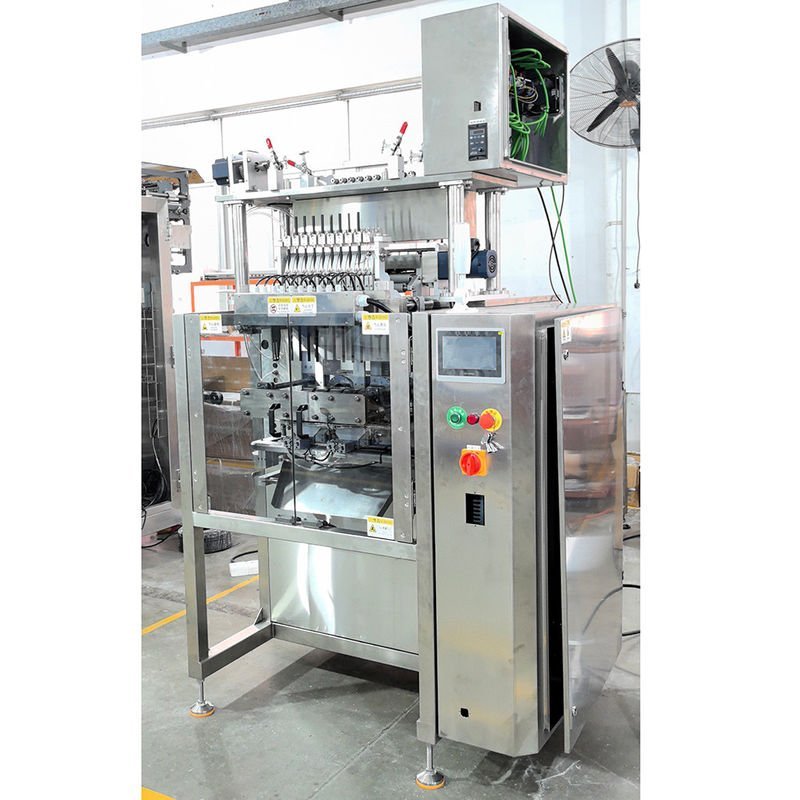
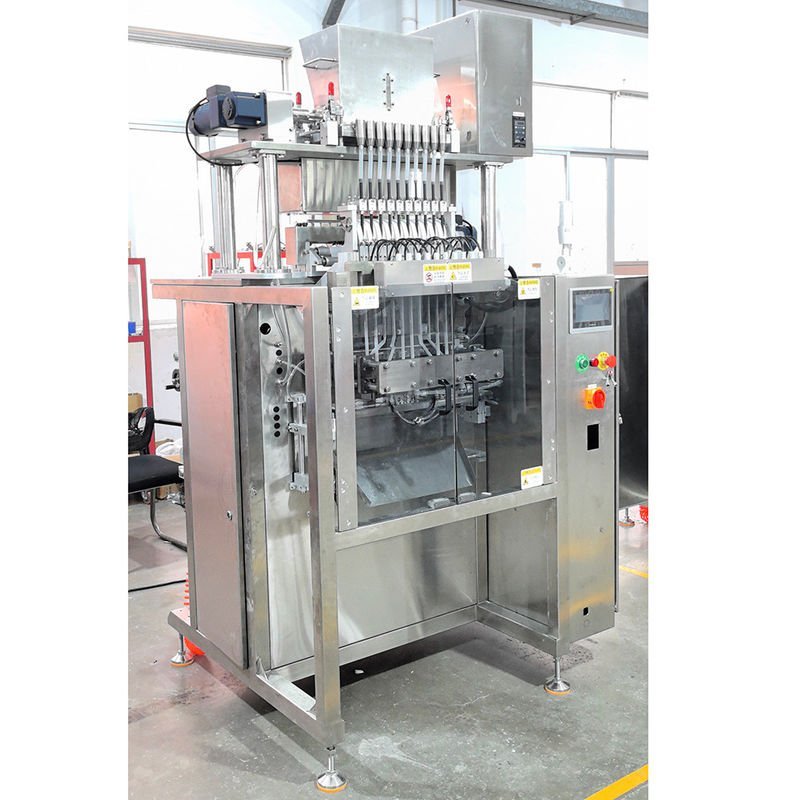
Multi-Track Machines
Designed for high-speed, high-volume output. These machines operate multiple packaging lanes simultaneously, dramatically increasing production capacity. They are the preferred choice for large-scale manufacturers in sectors like food, pharmaceuticals, and fast-moving consumer goods (FMCG).
Integrated Weighing & Filling Systems
These are advanced systems where the horizontal pouch machine is seamlessly coupled with precision weighing equipment, such as multi-head weighers or auger fillers. This integration is critical for products sold by weight (like snacks, granules, or powders) and ensures exceptional accuracy and consistency in every pouch, minimizing giveaway and maximizing profitability.
Key Differentiator: Form-Fill-Seal (FFS) Technology
All modern horizontal pouch packagers are built on Form-Fill-Seal technology. This integrated process uses a single machine to perform three critical steps: forming the pouch from a flat roll of film, filling it with the precise amount of product, and sealing it to ensure freshness and integrity. This eliminates the need for pre-made bags, reducing material costs and storage space.
How Does a Horizontal Pouch Machine Work?
The operation of a horizontal pouch packaging machine is a symphony of mechanical precision and electronic control. The process typically follows these stages:
1. Film Unwinding & Registration
A roll of packaging film (laminated or co-extruded) is mounted on an unwind stand. A photoelectric sensor detects registration marks on the film to ensure precise alignment for accurate printing and sealing.
2. Pouch Forming
The flat film is drawn into the machine and guided through a forming shoulder or collar. This tool gently shapes the film into a tube. The longitudinal (vertical) seal is then created, turning the flat material into a continuous tube.
3. Product Filling
The product is delivered into the formed tube via a filling system. This can be a volumetric cup, auger screw for powders, pump for liquids, or a free-fall chute for solid items. For weight-critical applications, the machine receives a signal from an integrated weighing system to dispense the exact amount.
4. Cross Sealing & Cutting
Simultaneously, horizontal sealing jaws close to create the top seal of the finished pouch and the bottom seal of the next pouch. A cutting mechanism, often integrated into the jaws, then separates the individual pouches. Advanced machines feature servo-driven jaws for higher speeds and cleaner seals.
5. Discharge & Optional Secondary Operations
The finished pouches are discharged onto a conveyor belt. The line can be extended with additional modules for functions like gas flushing (for modified atmosphere packaging), date coding, checkweighing, or cartoning.
Diverse Industry Applications
The flexibility of horizontal pouch packaging makes it indispensable across a wide spectrum of industries.
Food & Beverage
This is the largest application sector. Machines package items like snacks (chips, nuts), dried fruits, coffee, sugar, spices, powdered drinks, and liquid condiments. The excellent barrier properties of modern films extend shelf life and preserve flavor.
Pharmaceutical & Healthcare
Used for packaging powdered supplements, oral rehydration salts, medicinal herbs, and single-dose liquids. Machines for this sector often require compliance with stricter hygiene standards (like GMP) and may include dust extraction systems.
Chemical & Industrial
Packaging products such as detergent powders, lubricants, additives, and hardware items. These machines are built to handle more abrasive or corrosive materials with appropriate material contact parts.
Other significant applications include pet food, agricultural seeds, and cosmetic samples. For specialized needs like nicotine pouch packaging, customized solutions with specific dosing and sealing requirements are available.
Essential Buying Tips for Your Investment
Selecting the right horizontal pouch machine is a strategic decision. Here are key factors to consider:
1. Define Your Product & Requirements
Start with your product’s specifics: physical form (powder, granule, liquid), characteristics (abrasive, oily, hygroscopic), and required packaging speed. Determine your pouch size range and the type of film you plan to use. Clarity here will narrow down suitable pouch packaging machine models.
2. Prioritize Machine Construction & Reliability
Look for robust frames, high-quality sealing jaws (often coated with non-stick materials like Teflon), and precision servo motors for critical movements. Stainless steel contact parts are essential for food and pharmaceutical applications. A machine’s build quality directly impacts its uptime, seal integrity, and long-term operational cost.
3. Evaluate the Control System & Ease of Use
A user-friendly Human-Machine Interface (HMI) with touchscreen controls simplifies operation, recipe storage, and changeovers. Look for features like automatic film tracking, self-diagnostic alarms, and production data logging. Good controls reduce training time and minimize operator error.
4. Consider Flexibility & Changeover Time
If you run multiple products or pouch sizes, a machine with quick-change parts and tool-less adjustments is vital. Modular designs allow you to add functions like gas flushing or a different filler later. This future-proofs your investment.
5. Assess Supplier Support & Reputation
Choose a manufacturer with a proven track record. Evaluate their after-sales service, availability of spare parts, and technical support. Reviewing client case studies can provide real-world insights into machine performance. A partner like Packmate Machinery, with decades of experience, offers not just a machine but a complete packaging solution and partnership.
Final Checklist Before Purchase:
- Request a live or video product test with your actual materials.
- Clarify warranty terms, delivery lead time, and installation support.
- Understand the total cost of ownership, including energy consumption and recommended spare parts.
- Ensure the machine complies with relevant safety and industry standards for your region.
Frequently Asked Questions (FAQs)
1. What is the typical production speed of a horizontal pouch machine?
Speeds vary widely based on the machine type and pouch size. Single-track machines may produce 40-80 pouches per minute (ppm), while high-speed multi-track machines can exceed 200 ppm. The actual speed for your product is best determined through a factory test.
2. Can one machine handle different types of products, like powders and granules?
Many machines are versatile, but the filling system is key. A machine equipped with a versatile filler (e.g., an auger with changeable screws) or one that allows easy swapping of filling heads can handle different product types, though changeover and cleaning procedures will apply.
3. How important is the packaging film quality?
Extremely important. The film must have the correct seal layer composition to bond with the machine’s sealing jaws at the set temperature and pressure. Poor-quality or inconsistent film is a leading cause of sealing problems and production downtime. Always consult with your machine supplier for film specifications.
4. What maintenance does a horizontal pouch machine require?
Daily cleaning of product contact parts and wiping down of the machine is essential. Regular maintenance includes lubricating moving parts, checking seal jaw alignment and coating, inspecting electrical connections, and calibrating scales (if equipped). A preventative maintenance schedule from your supplier is highly recommended.
5. What training is provided with a new machine?
Reputable suppliers typically provide on-site installation, commissioning, and operator training. This covers machine operation, basic troubleshooting, routine maintenance, and safety procedures. Ensure this training is included in your purchase agreement.