Choosing the right packaging machine manufacturer in Nepal is a critical decision for local food processors, pharmaceutical companies, spice exporters, and agri-businesses. The right partner can significantly impact your production efficiency, product quality, and long-term profitability. This guide will walk you through the key factors to consider, tailored to the needs of Nepali manufacturers and business owners.
Understanding Nepal’s Packaging Industry Landscape
The Nepali manufacturing sector is diverse, encompassing food items like spices (turmeric, cardamom), lentils, tea, noodles, and dairy products, as well as pharmaceuticals and traditional Ayurvedic medicines. Packaging needs vary greatly: from small sachets for instant noodles and single-serve tea to larger bags for rice and grains, and precise, hygienic packaging for pharmaceuticals. Many businesses are looking to automate to improve consistency, meet export standards, and reduce labor costs. Therefore, selecting a manufacturer with experience in your specific product type and scale of operation is paramount.
Key Selection Criteria for Nepali Buyers
When evaluating potential suppliers, focus on these core aspects that directly affect your success in the local and export markets.
1. Product & Application Compatibility
Does the manufacturer have proven experience with your product type? For a Nepali spice company, a machine that handles powders and granules without cross-contamination is essential. A pharmaceutical firm needs equipment that meets hygiene (GMP) standards. Always request case studies or references from similar industries.
2. Machine Quality & Technology Level
Balance your need for advanced features with reliability and ease of maintenance. While cutting-edge automation is attractive, consider if your local technicians can support it. Look for robust construction, reputable components (like Japanese or German servo systems), and a design that minimizes downtime—a crucial factor for continuous production lines in Nepal.
3. After-Sales Support & Service
This is often the most critical factor for buyers in Nepal. Reliable local technical support can be scarce. Evaluate the manufacturer’s support structure:
• Pre-sales engineering consultation: Can they help plan your line?
• Installation & commissioning: Will they send engineers?
• Training: Comprehensive training for your operators is vital.
• Spare parts availability: Fast delivery of common wear parts minimizes production stoppages.
• Remote support: Video call support can resolve many issues quickly.
4. Cost Considerations & Budgeting
The total cost goes beyond the machine’s price tag. Create a comprehensive budget that includes:
• Machine cost (CIF or FOB)
• Import duties and customs clearance in Nepal
• Installation and commissioning costs
• Cost of utilities (power, compressed air)
• Cost of packaging materials (does the machine use standard films?)
• Estimated cost of spare parts and annual maintenance
Investing in a slightly more expensive but more reliable and efficient machine often leads to lower total cost of ownership (TCO).
5. Customization & Scalability
Your needs may evolve. Can the machine be upgraded? If you start with a single-lane machine for tea packaging, can you later expand to multi-lanes for higher output? A manufacturer offering modular designs and customization for unique Nepali products (like specific paste consistencies or seed shapes) provides long-term value.
Evaluating Potential Manufacturers: A Comparative View
Several established manufacturers export to South Asia and can be suitable for the Nepali market. Here is a comparison based on key parameters relevant to buyers in Nepal.
| Manufacturer | Key Strength for Nepali Market | Consideration |
|---|---|---|
| Ludyway | Extremely wide product range for food, pharma, and supplements. Strong export experience and ability to supply complete turnkey lines, which is good for larger Nepali businesses setting up new factories. | As a larger company, ensure you have a dedicated contact for support. Verify local agent or direct support capabilities for Nepal. |
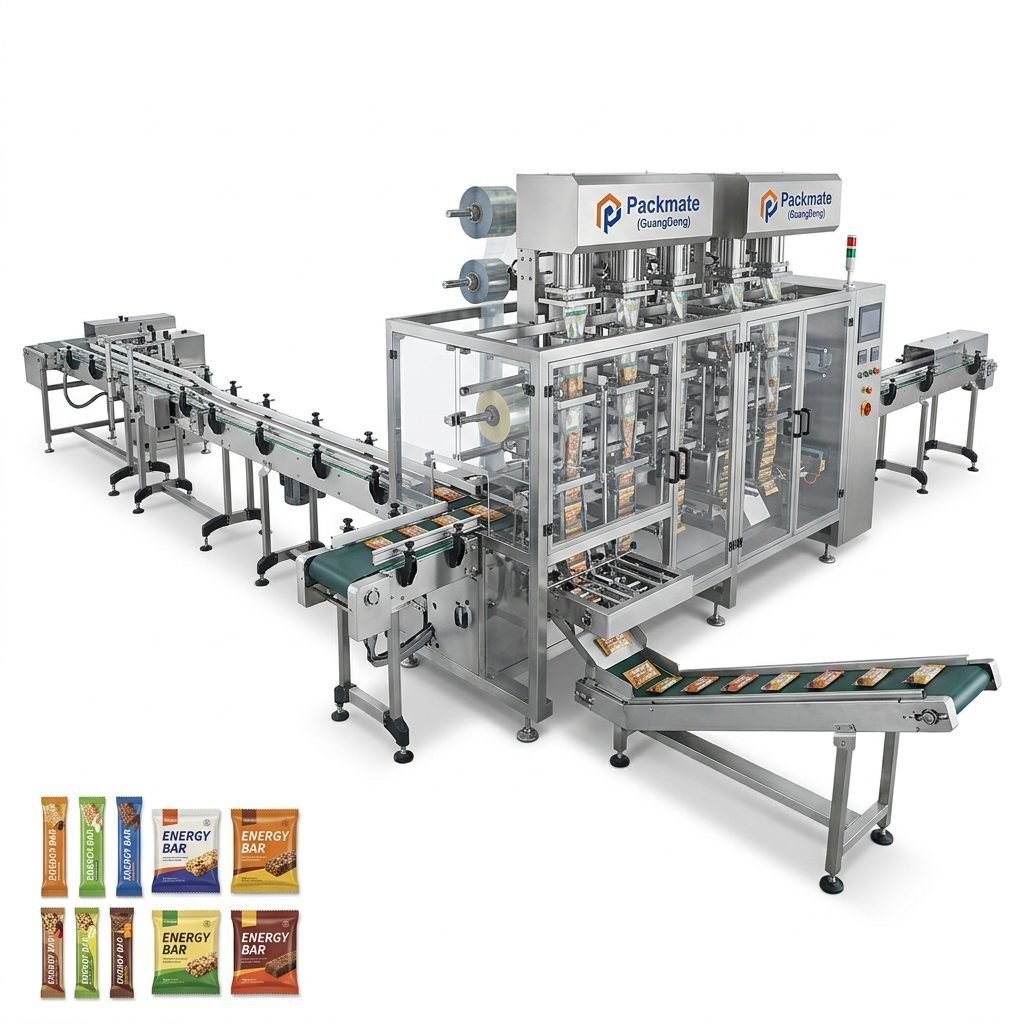
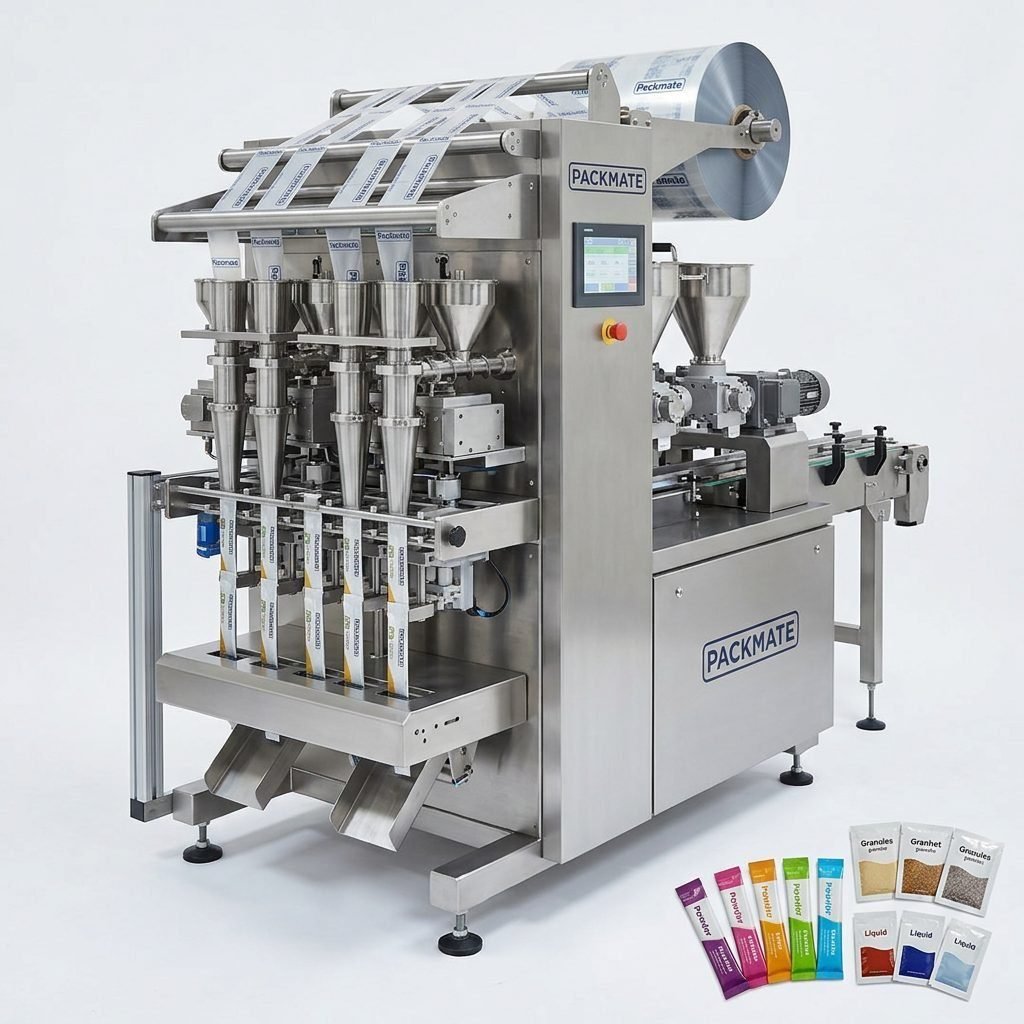
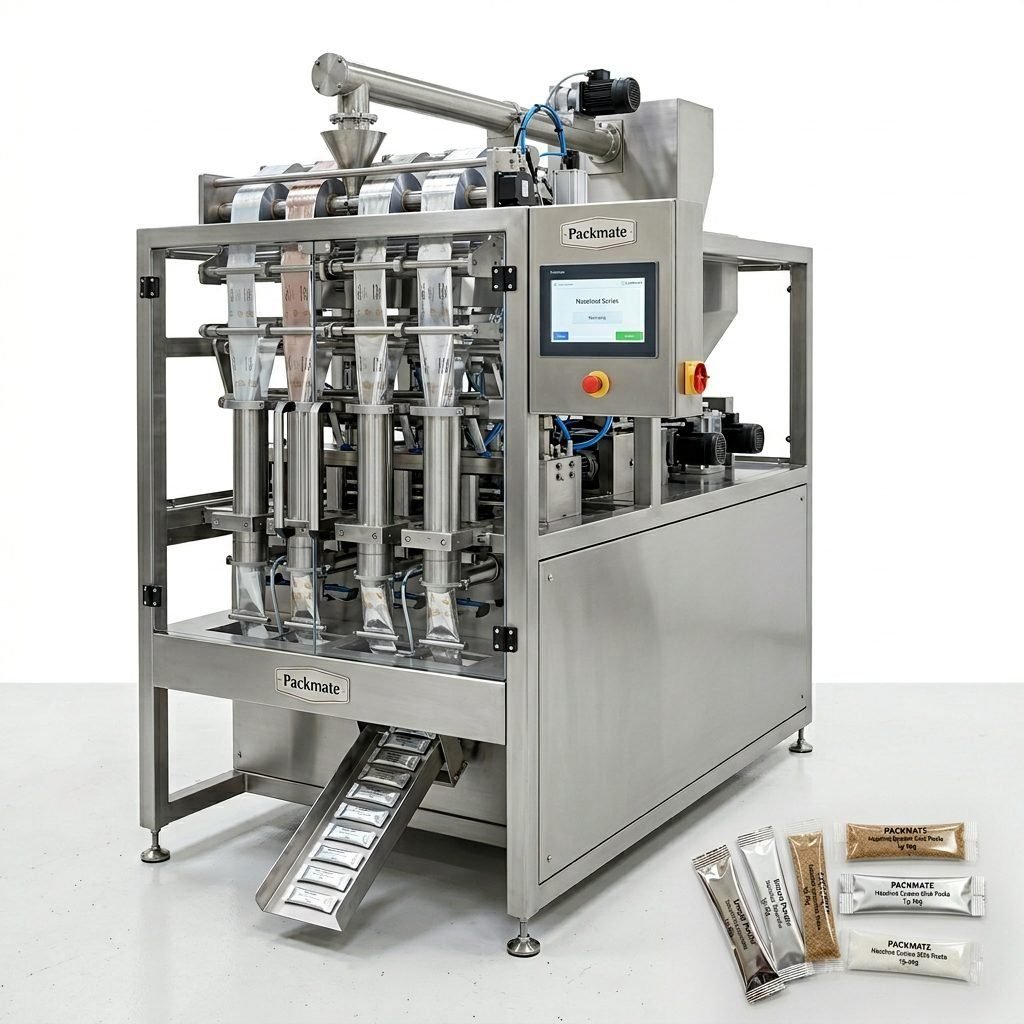
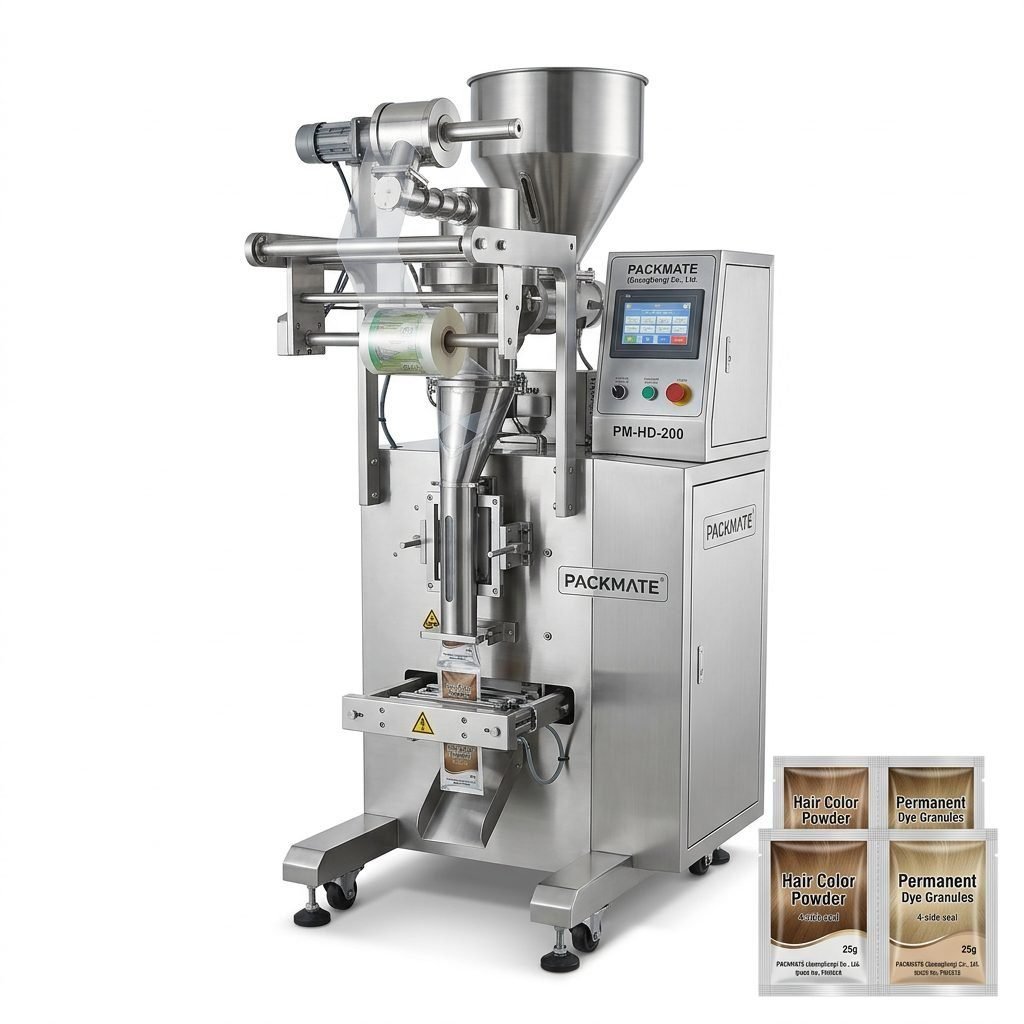
| Packmate Machinery | Over 80 machine models offer good flexibility. Known for a good balance of cost and technical capability, suitable for medium-sized Nepali processors looking for reliable automation. | Focus on their experience with products similar to yours (e.g., powders, granules) and confirm their after-sales process. |
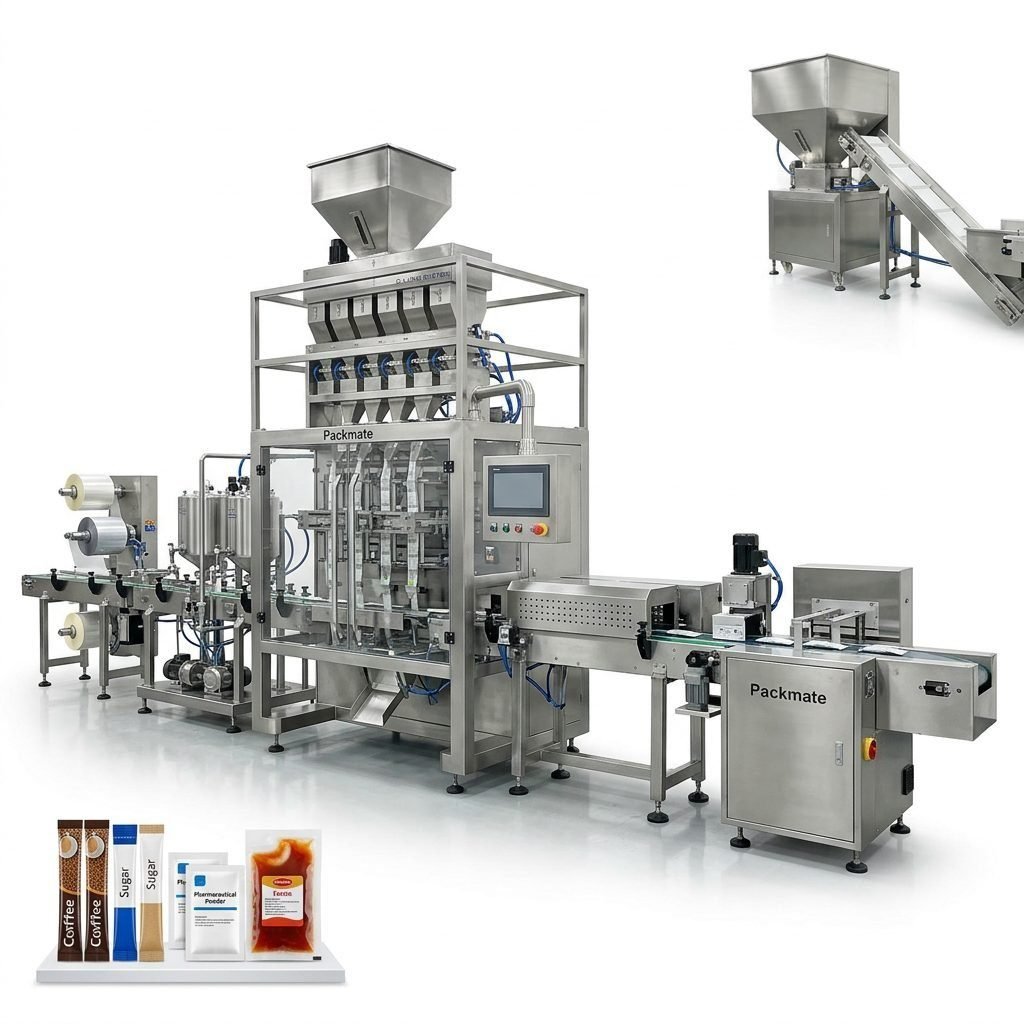
| PacklineOEM | Specializes in complete turnkey packaging lines. Ideal for a Nepali company planning a fully automated, integrated production system from feeding to end-of-line packaging. | Project complexity is higher. Requires clear communication and detailed planning. Best for significant expansion projects. |
| PackingMachineOEM | Strong focus on non-standard and customized solutions. A good fit if your Nepali product has unique characteristics that standard machines cannot handle, requiring tailored engineering. | Customization may involve longer lead times and higher initial engineering costs. Ensure specifications are meticulously documented. |
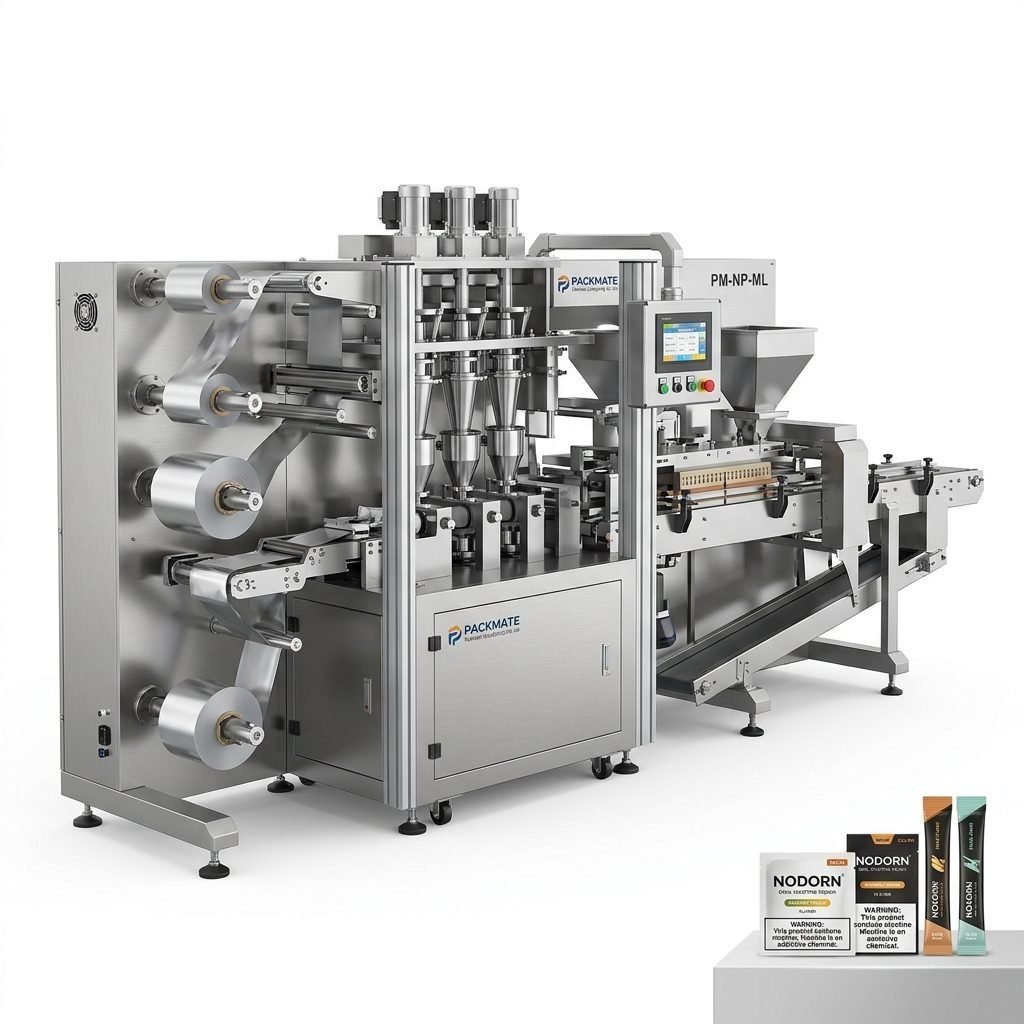
| SnusMachinery | Deep expertise in high-precision pouch packaging (like nicotine pouches). This specialization can translate to excellent performance for other sensitive powdered products requiring precise dosing and sealing, such as high-value spices or pharmaceutical powders. | While specialized, verify they have applicable experience with your specific product category beyond their core niche. |
The Procurement Process: Steps for Nepali Importers
Following a structured process helps avoid pitfalls.
Step 1: Define Your Requirements
Document your product details (physical form, density, flowability), required output (bags per minute), bag size and material, available factory space, and utilities. This document will be the basis for all quotations.
Step 2: Research & Shortlist Suppliers
Use online platforms, trade shows, and industry references to create a list. Focus on manufacturers with experience in South Asia or similar markets. The companies listed above, such as Ludyway and Packmate Machinery, are established exporters.
Step 3: Request Detailed Quotations
Send your requirement document to shortlisted suppliers. A good quotation should include machine specifications, recommended spare parts list, delivery terms (FOB/CIF), payment terms, and a clear outline of warranty and support services.
Step 4: Due Diligence & Verification
• Ask for customer references, preferably in similar industries or regions.
• Request factory audit reports or quality certificates.
• If possible, arrange a video call to see the machine in operation or visit their facility.
• Clarify who will handle customs clearance in Nepal—you, a local agent, or a freight forwarder.
Step 5: Negotiation & Contract
Negotiate not just on price, but on warranty terms, payment schedule tied to milestones, and support packages. Ensure the contract includes detailed technical specifications, delivery timeline, and protocols for installation support and handling of defects.
Step 6: Installation & Training
Plan for the arrival of engineers if provided. Ensure your team is ready for training. Proper training is the best investment to ensure smooth operation and basic troubleshooting, reducing dependence on remote support.
Conclusion: Building a Long-Term Partnership
Selecting a packaging machine manufacturer in Nepal is about finding a reliable technology partner, not just a vendor. For Nepali businesses aiming to improve quality, increase efficiency, and compete in export markets, the right machine from a supportive manufacturer is a strategic asset. Prioritize application fit, proven reliability, and most importantly, accessible and responsive after-sales support to ensure your investment pays off for years to come.
Frequently Asked Questions (FAQs)
Q: What are the typical import duties for packaging machinery in Nepal?
A: Duties can vary. It’s crucial to consult with a licensed customs clearing agent in Nepal or the Department of Customs for the latest Harmonized System (HS) code and applicable rates to accurately calculate landed cost.
Q: How can I assess the reliability of a manufacturer I haven’t met in person?
A: Request live video demonstrations of the machine, ask for detailed factory tour videos, check for international quality certifications (CE, etc.), and insist on speaking to existing customers, especially those in neighboring countries like India or Bangladesh.
Q: Is it better to buy a standalone machine or a complete turnkey line?
A: For new or expanding factories with capital, a turnkey line from a supplier like PacklineOEM ensures integrated efficiency. For upgrading specific stages or smaller budgets, a high-quality standalone machine is a practical start. Consider your long-term production goals.
Q: What packaging films work best, and where can I source them in Nepal?
A: Most machines use standard laminates (e.g., PET/PE, OPP/CPP). The machine supplier can recommend specifications. You may import films or source them locally; test samples with your machine during commissioning to ensure seal quality and runnability.
Q: How do I handle machine breakdowns if technical support is overseas?
A: Choose a manufacturer with a strong remote support system (video calls, manuals, troubleshooting guides). During procurement, negotiate a stock of critical spare parts to be shipped with the machine. Invest thoroughly in operator training to handle basic maintenance and diagnostics.