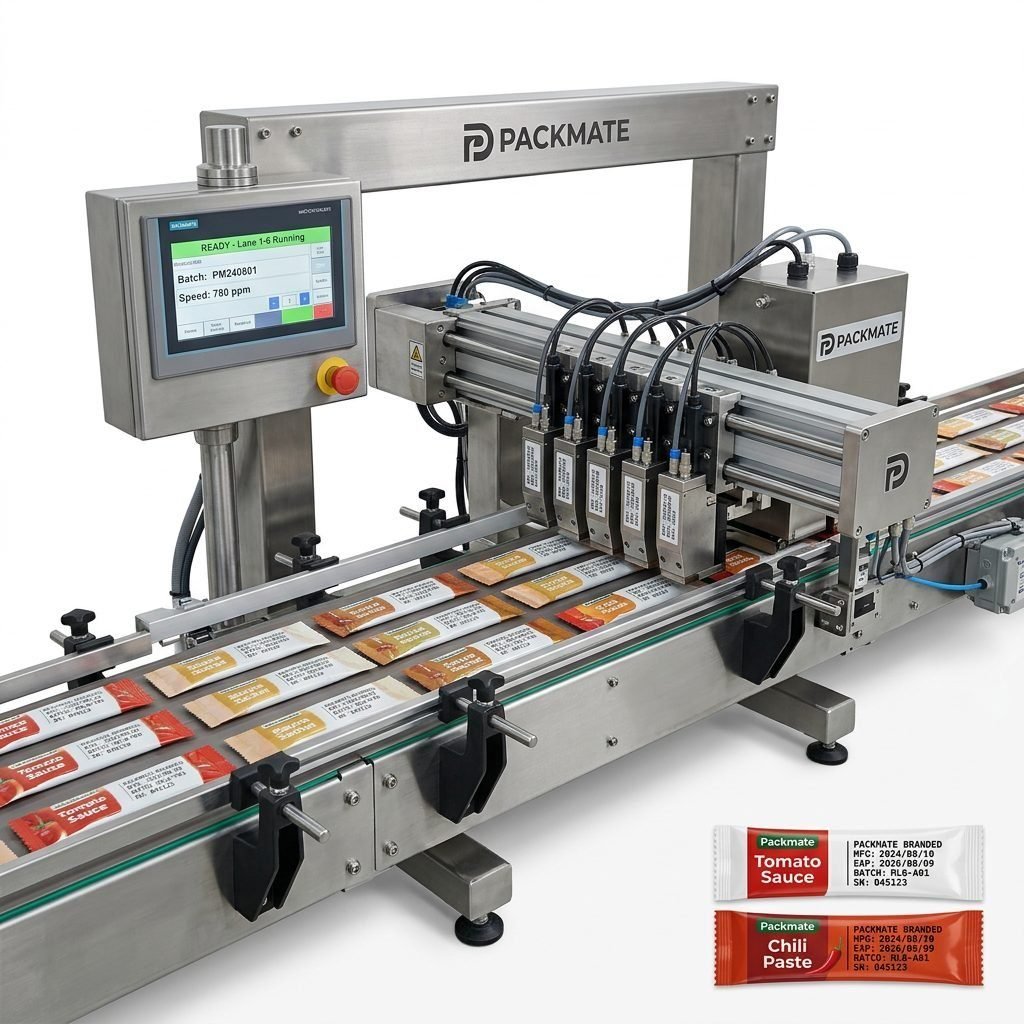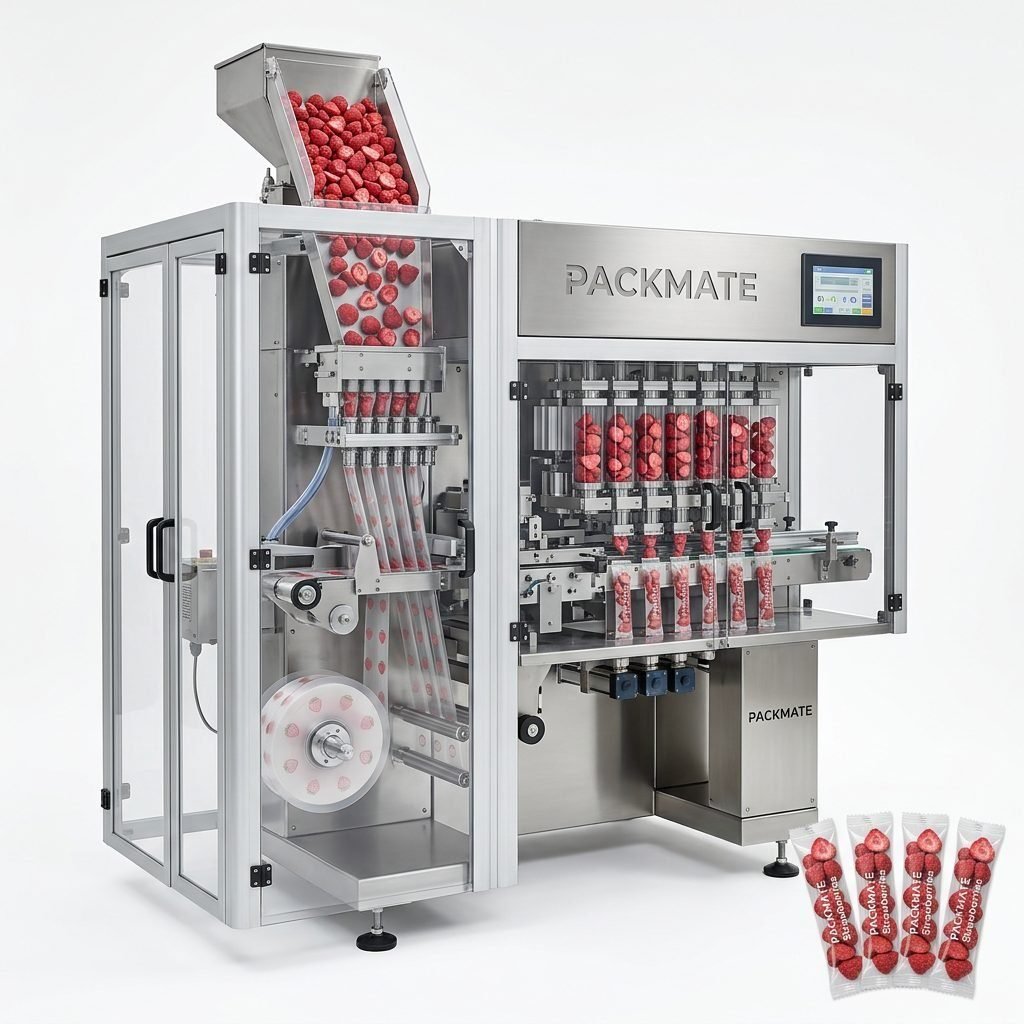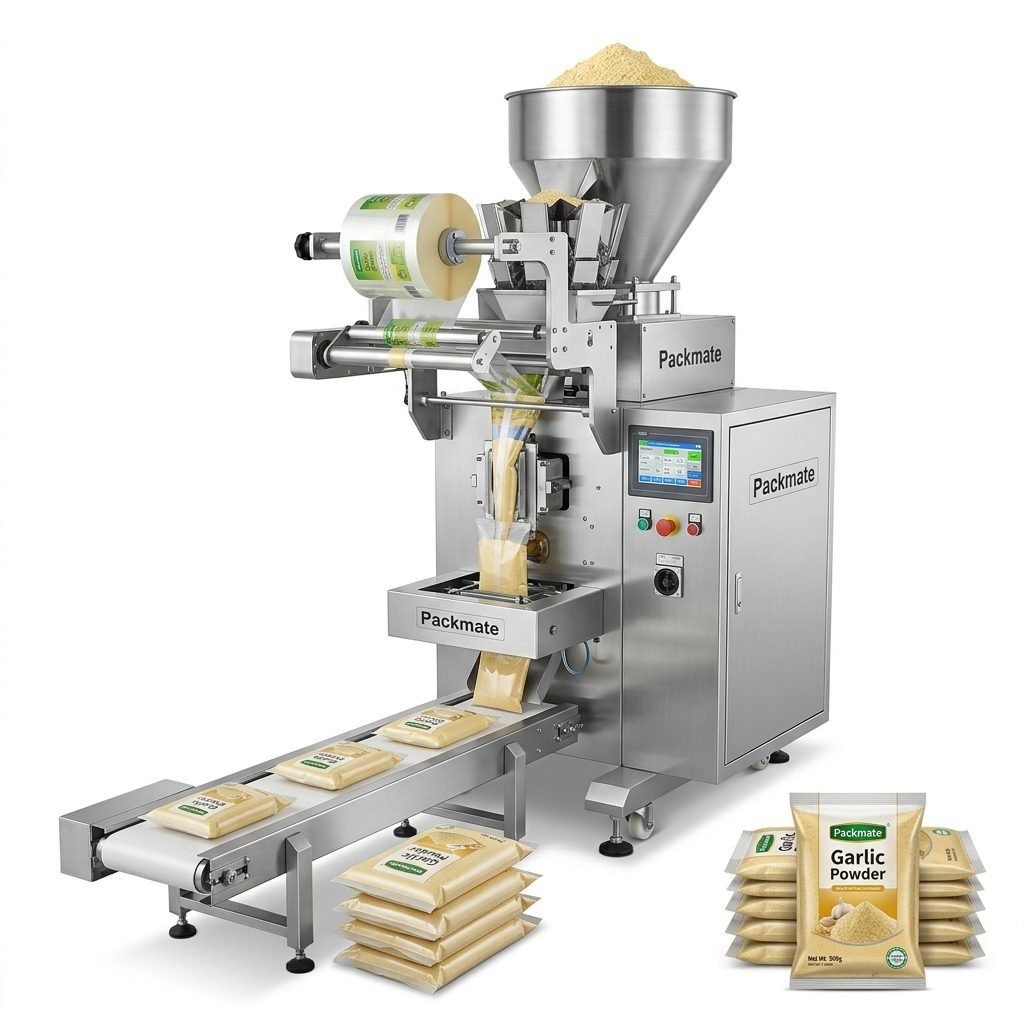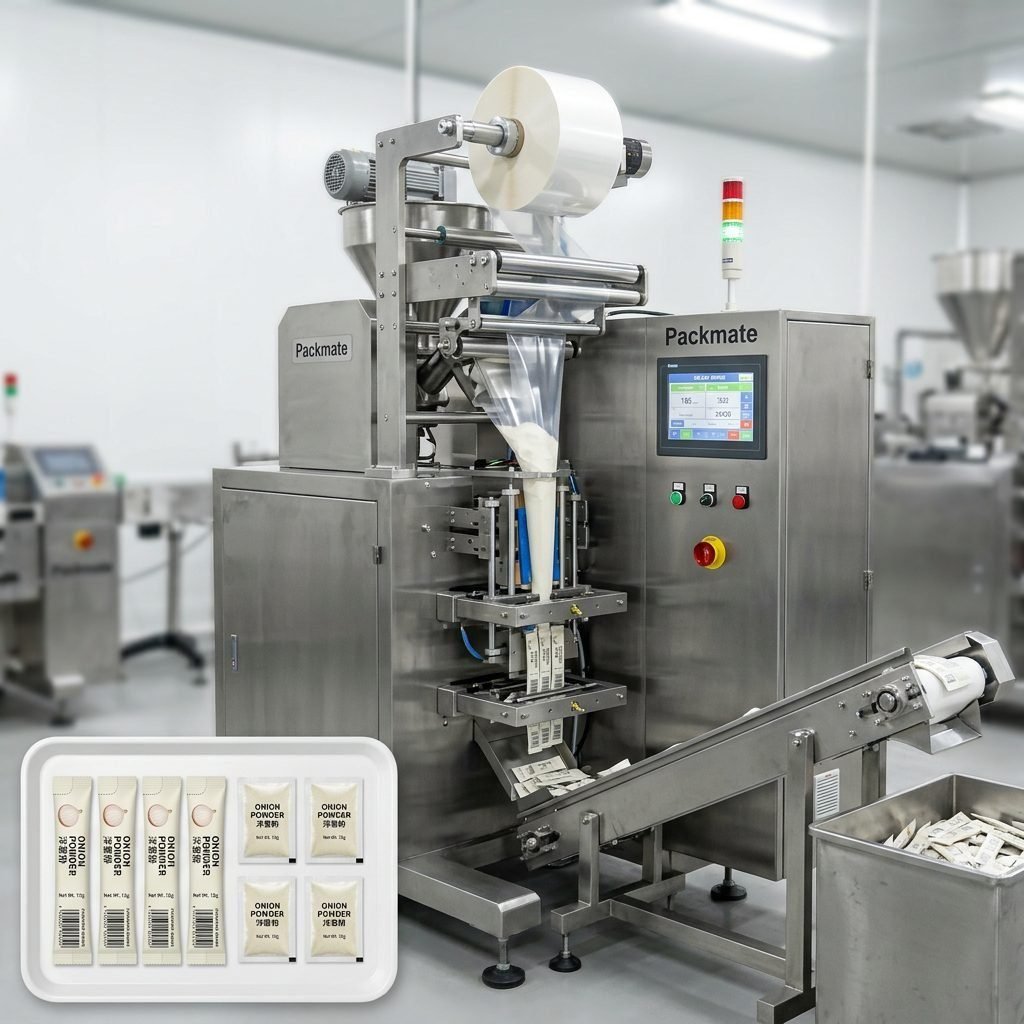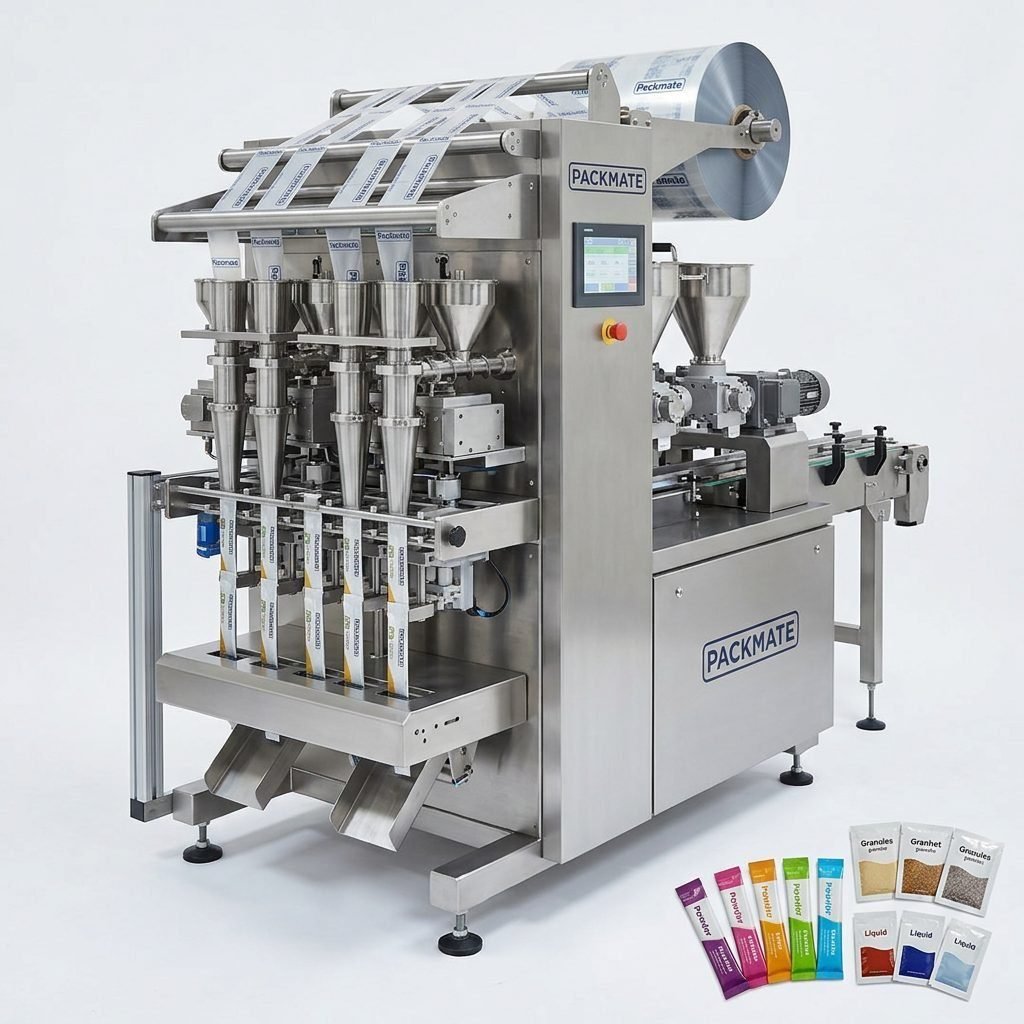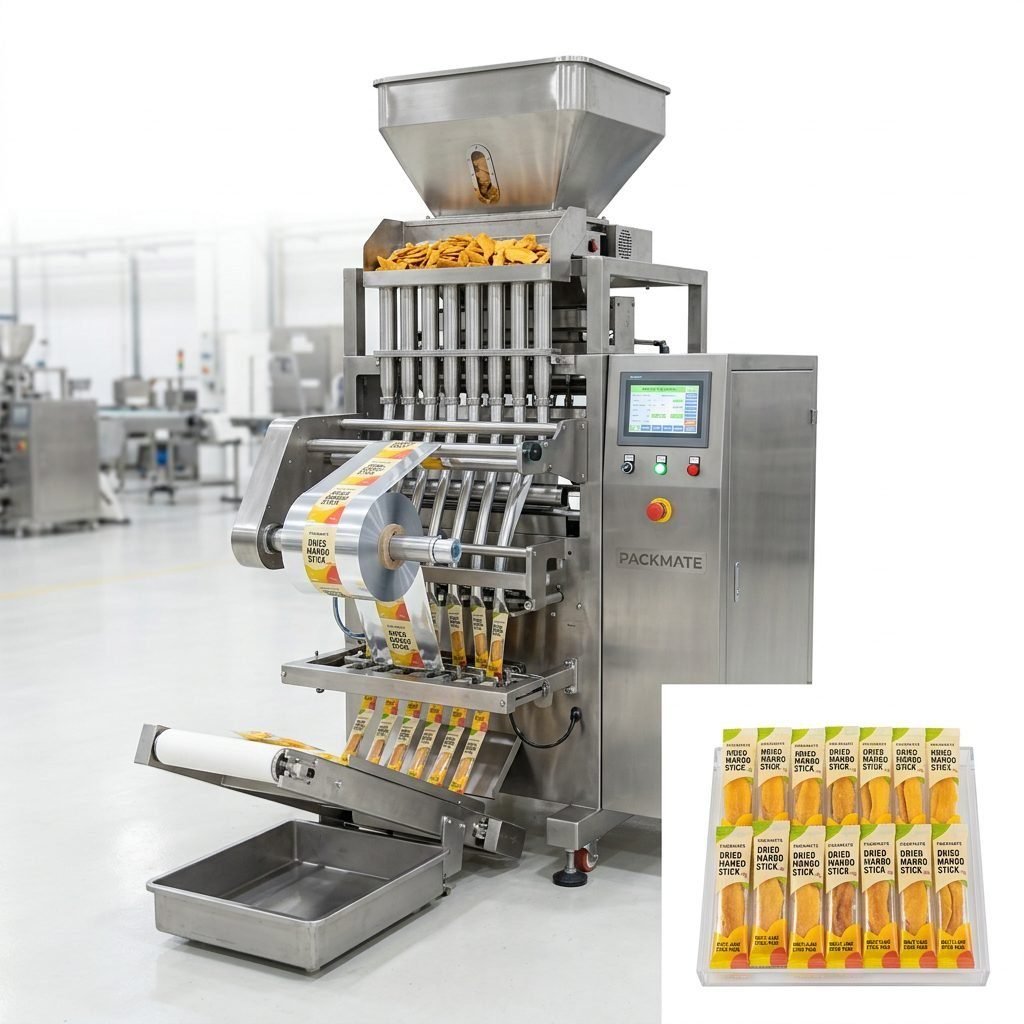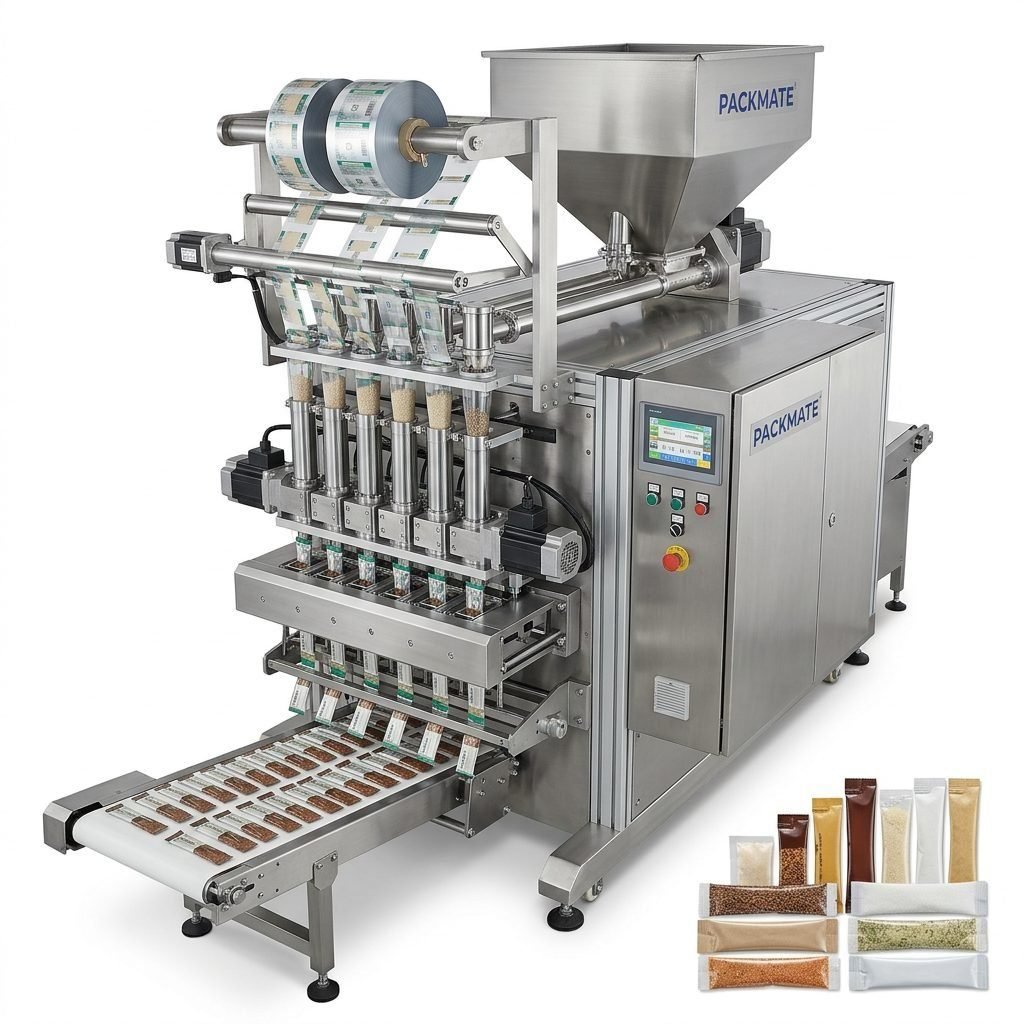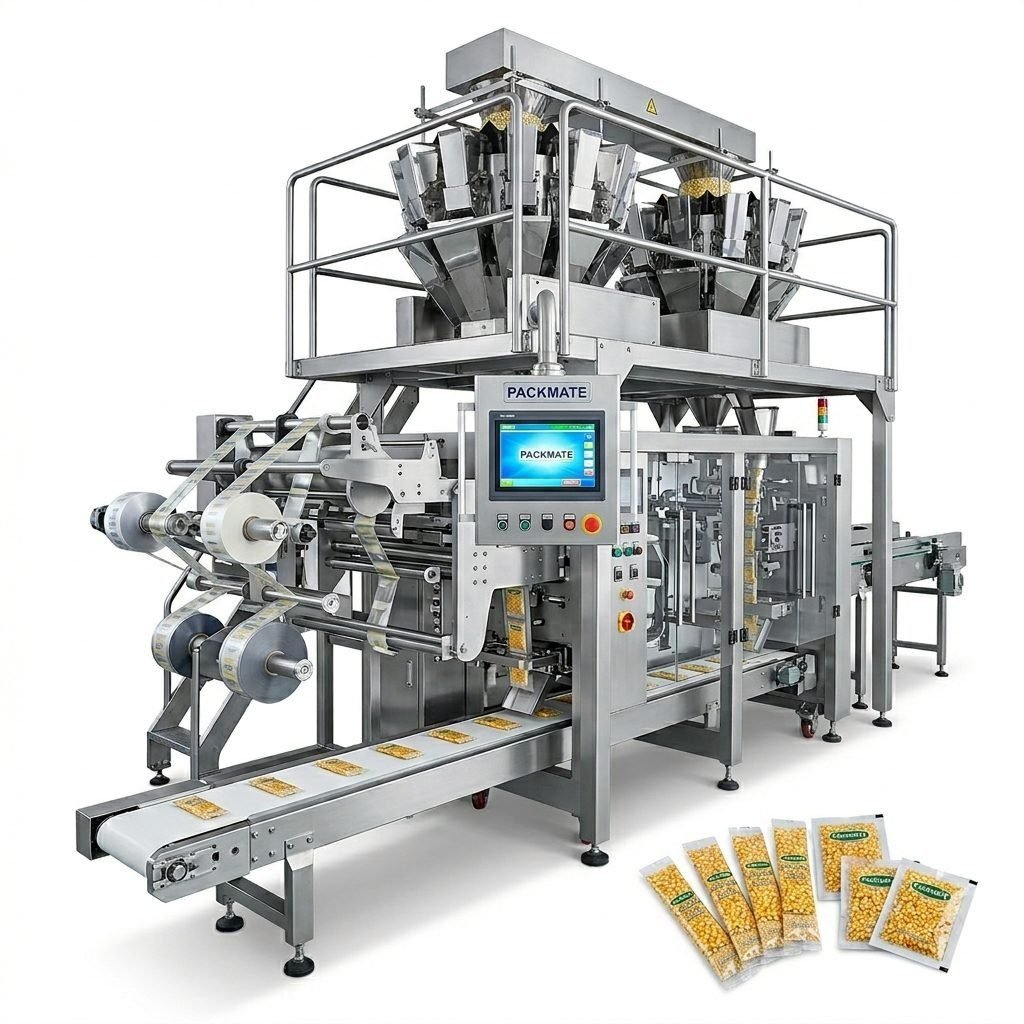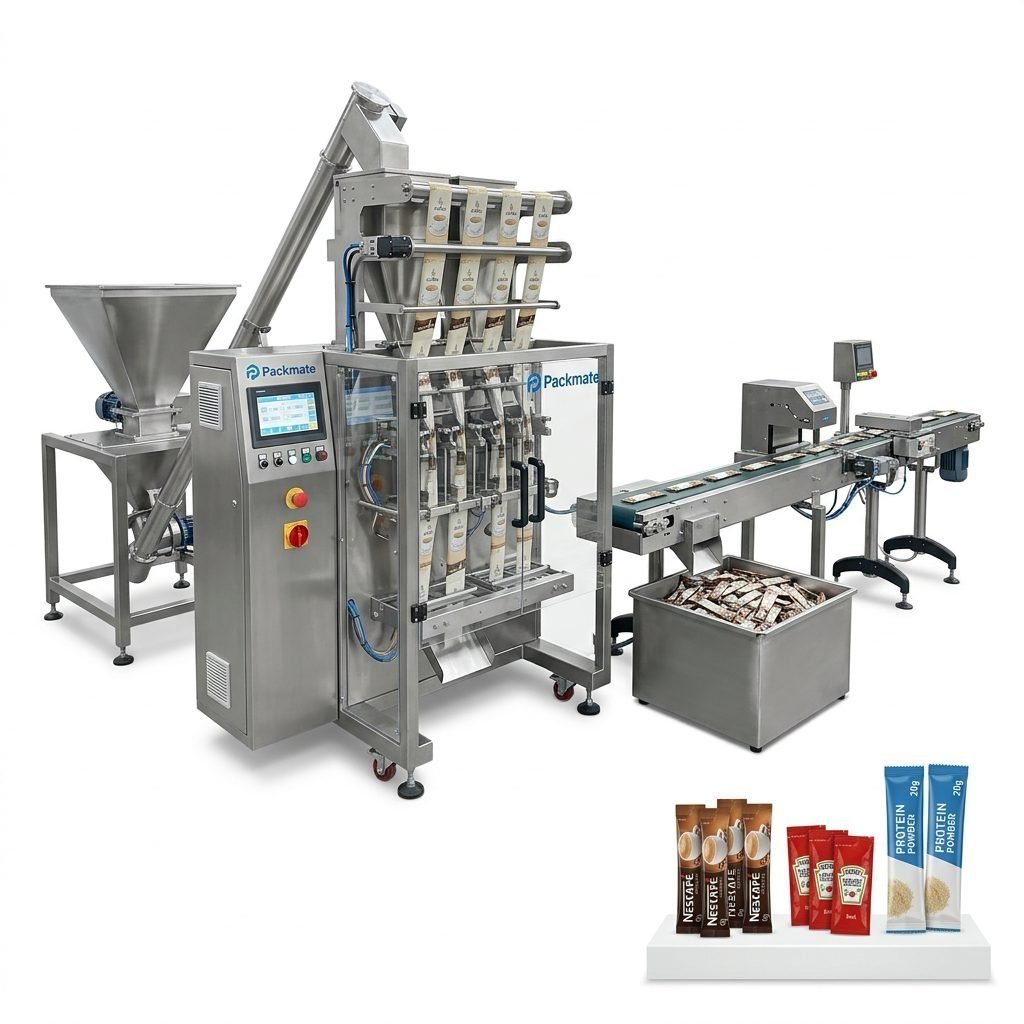
Selecting the right packaging machine manufacturer in North America is a critical decision that impacts your production efficiency, product quality, and long-term operational costs. The market is diverse, with options ranging from established domestic players to experienced international suppliers. For buyers across the United States and Canada, the choice often balances technical capability, after-sales support, cost-effectiveness, and the ability to meet specific industry standards. This guide outlines the key factors to consider and provides a practical framework for making an informed purchase decision.
Understanding Your Production Requirements
Before evaluating manufacturers, clearly define your operational needs. North American manufacturers, particularly in food, pharmaceutical, and supplement sectors, face strict regulatory requirements from bodies like the FDA and Health Canada. Your packaging process must comply with these standards.
Key questions to ask:
- What is your primary product form (powder, granule, liquid, paste)?
- What are your target output speed (bags/minute) and annual production volume?
- What bag types and materials are required (stick packs, sachets, pouches)?
- Do you need a standalone machine or a complete integrated packaging line?
- What are your factory’s space, utility (power, air), and layout constraints?
Having detailed answers will help you communicate effectively with potential suppliers and narrow down manufacturers whose equipment portfolio aligns with your project scope.
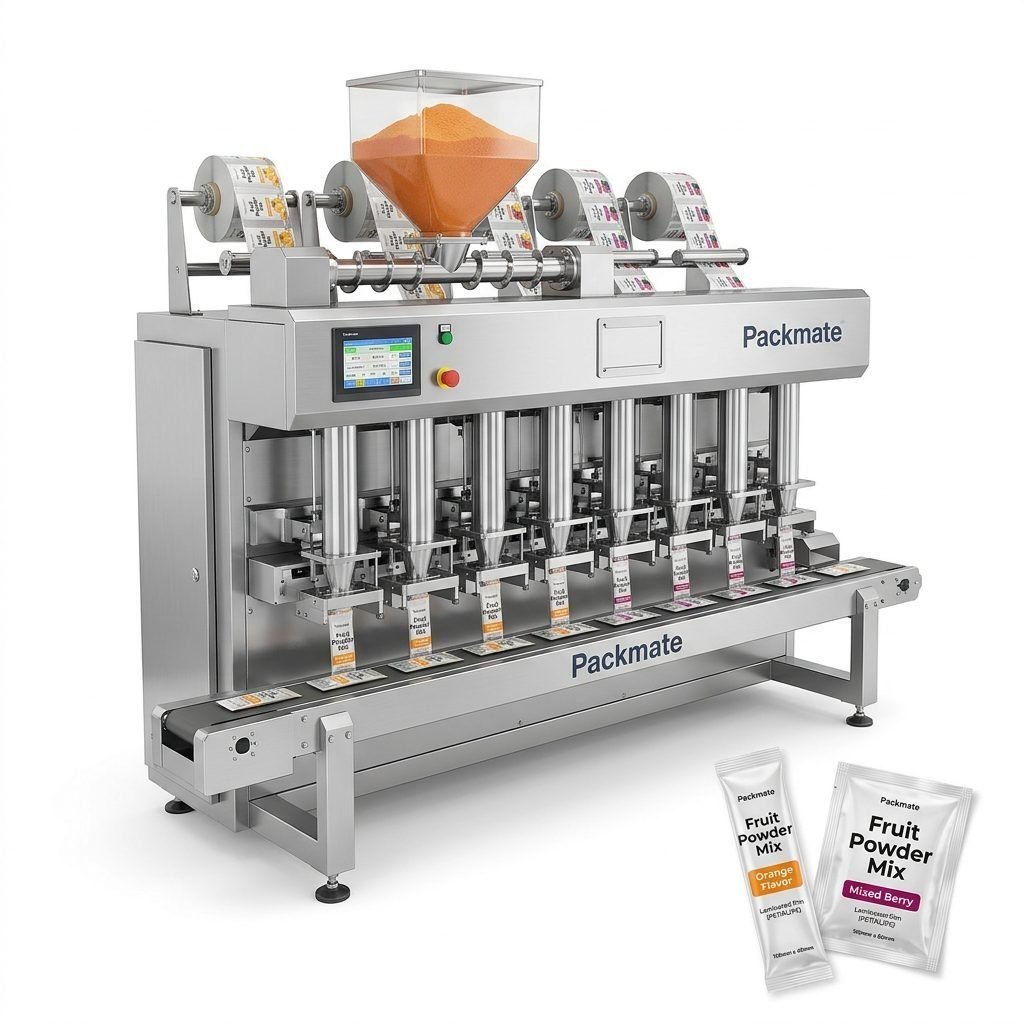
Key Factor 1: Technical Capability and Machine Range
The manufacturer’s technical expertise should match your product’s complexity. Look for a proven track record in your specific industry. For example, packaging nutraceutical powders requires different precision than packaging viscous sauces.
Evaluate their machine range. Can they supply the core machine and necessary peripherals like feeders, checkweighers, or cartoners? Some manufacturers specialize in complete turnkey lines, which is advantageous for large-scale automation projects.
| Capability Area | What to Look For | Importance for NA Market |
|---|---|---|
| Precision & Accuracy | Dosing consistency, weight control systems | Critical for compliance, reducing giveaway, and consumer trust. |
| Speed & Uptime | Guaranteed output (BPM), machine reliability metrics | Directly impacts production throughput and ROI. |
| Hygiene & Safety Design | Stainless steel contact parts, easy-clean design, safety guards | Mandatory for food/pharma and to meet OSHA standards. |
| Flexibility & Changeover | Quick-adjust mechanisms, recipe memory | Vital for producers with multiple SKUs to minimize downtime. |
Key Factor 2: Manufacturer’s Experience and Reputation
Experience matters. A manufacturer with decades in the industry has likely encountered and solved a wide array of packaging challenges. Investigate their history, especially their experience in the North American market. Ask for client references, preferably from companies with similar products and scale in the US or Canada.
Review their project portfolio. Do they have case studies or videos of machines running similar products? A strong reputation is often built on consistent delivery of reliable equipment and professional project management.
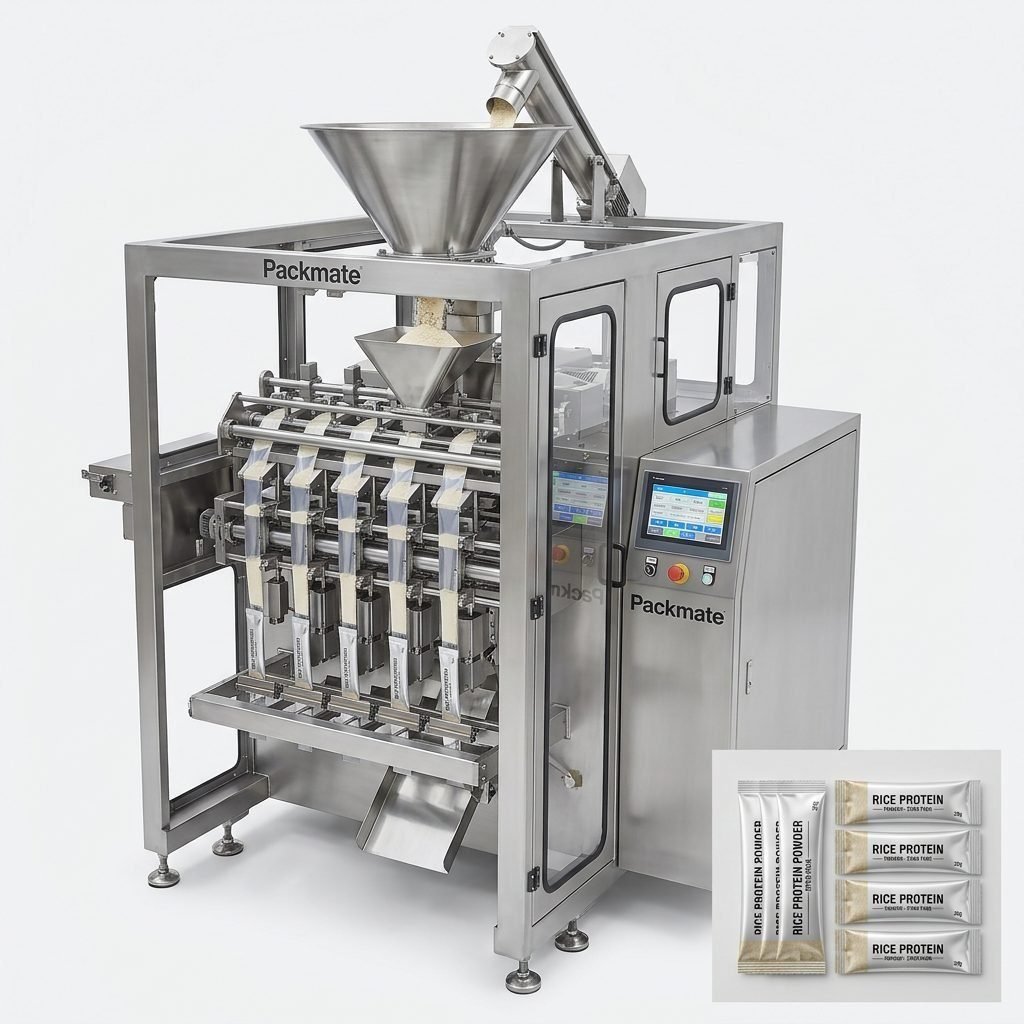
Key Factor 3: After-Sales Support and Local Presence
This is arguably the most critical factor for North American buyers. The geographic distance from the manufacturer can become a significant hurdle without proper support.
Essential support elements include:
- Local Service Engineers: Are there technicians based in North America for installation, training, and emergency repairs?
- Spare Parts Inventory: Is there a local warehouse for critical spare parts to minimize machine downtime?
- Technical Support: Availability of remote support (video call) and clear communication channels in your time zone.
- Warranty Terms: Understand the warranty coverage, duration, and what it includes (parts, labor, travel).
Proactively discuss the support structure. A manufacturer with a dedicated North American service partner or subsidiary often provides more responsive support than one operating solely from overseas.
Key Factor 4: Customization and Project Collaboration
Off-the-shelf machines may not suit specialized needs. Whether you require unique bag dimensions, specific dosing technology, or integration with existing line equipment, the manufacturer’s ability to customize is key.
Evaluate their engineering process. Do they offer detailed factory acceptance tests (FAT) where you can see your machine run with your product samples before shipment? A collaborative approach during the design phase can prevent costly modifications later.
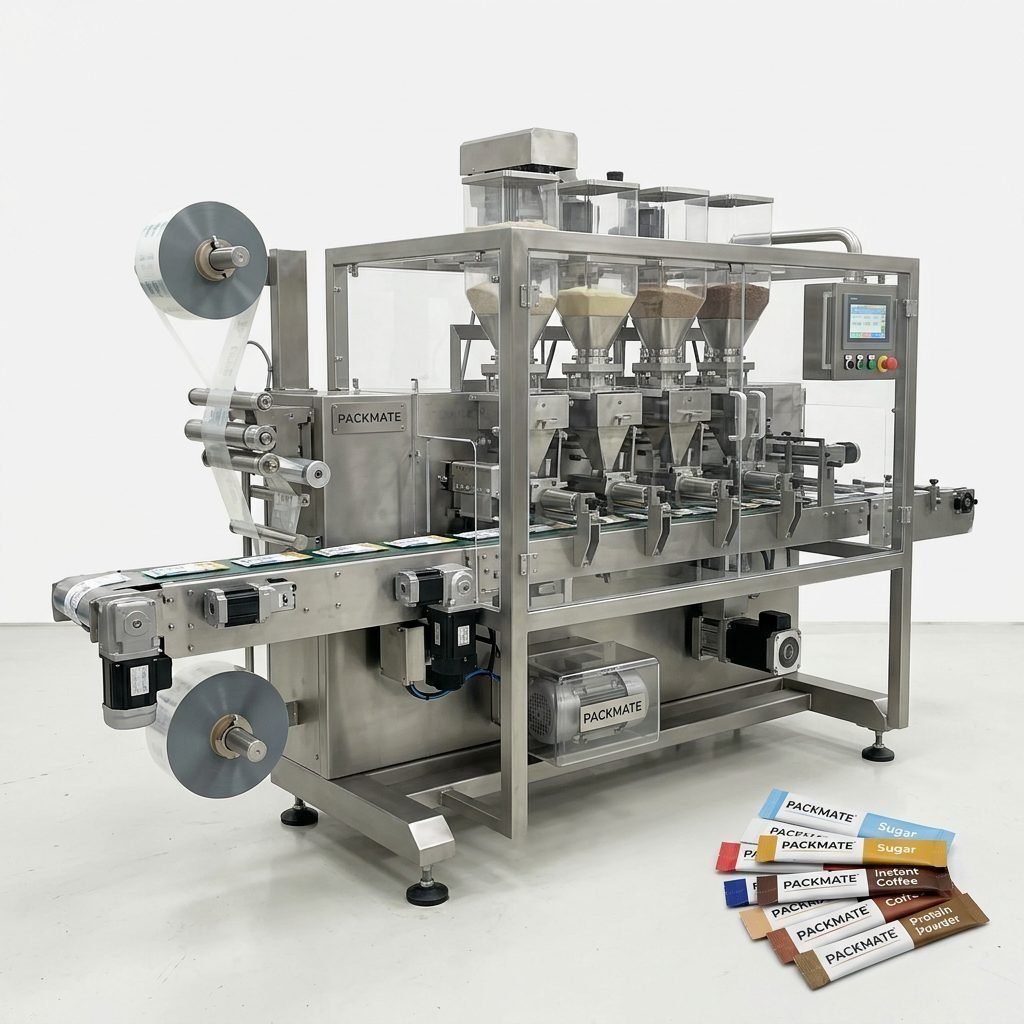
Key Factor 5: Total Cost of Ownership (TCO) and Value
Look beyond the initial machine price. The Total Cost of Ownership includes installation, maintenance, energy consumption, spare parts, potential downtime, and expected machine lifespan.
A slightly higher upfront investment in a robust, efficient machine from a reputable supplier like Ludyway or Packmate Machinery can lead to significant long-term savings through higher productivity and lower maintenance costs. Request detailed quotations that break down all costs and compare the value proposition of each supplier.
Practical Buying Guide: Steps to Selection
Follow a structured process to manage your procurement effectively.
Step 1: Internal Assessment & Specification
Document all technical and commercial requirements in a detailed request for quotation (RFQ) document. Include product samples, desired bag samples, target speeds, and facility layout drawings.
Step 2: Market Research & Supplier Shortlisting
Identify 4-6 potential manufacturers. Sources include industry trade shows (like PACK EXPO), B2B platforms, and referrals. Consider a mix of domestic and international suppliers with proven North American exposure, such as PacklineOEM for turnkey lines or SnusMachinery for niche applications like nicotine pouches.
Step 3: Deep Due Diligence
Scrutinize shortlisted suppliers.
- Factory Audit: If possible, visit the manufacturing facility to assess build quality, processes, and scale.
- Reference Checks: Contact past clients, especially those in North America.
- Technical Review: Have your engineering team evaluate machine designs and control systems.
Step 4: Quotation & Contract Negotiation
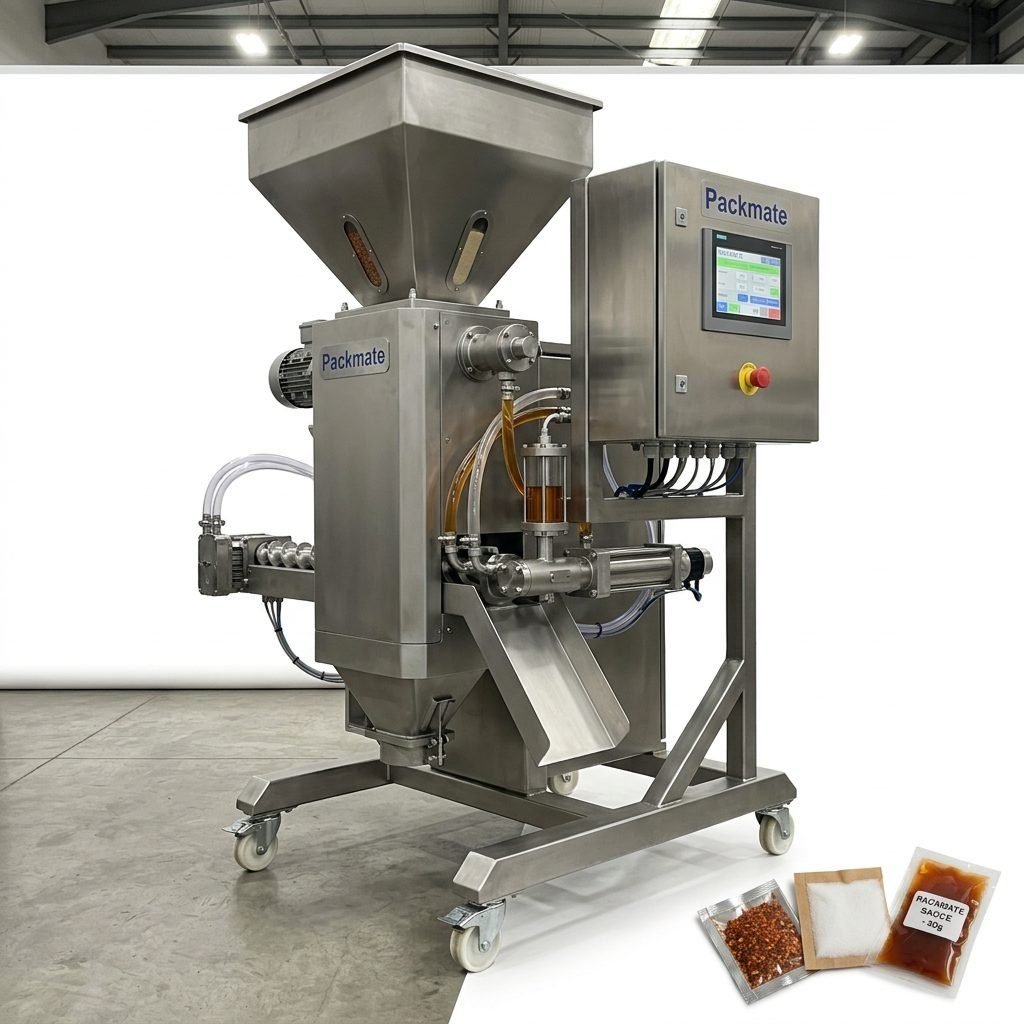
Compare quotes line-by-line. Ensure the scope of supply is identical. Pay close attention to payment terms, delivery schedule (FOB, CIF), warranty, and penalties for delays. Clearly define responsibilities for installation and commissioning.
Step 5: Factory Acceptance Test (FAT) & Commissioning
Insist on a FAT before shipment. Witness the machine running at the manufacturer’s site to verify performance against agreed specifications. Plan for thorough training of your operators and maintenance staff during commissioning at your plant.
Considering International Manufacturers (e.g., from China)
Many North American buyers source from established international manufacturers to achieve a favorable cost-performance ratio. Companies like PackingMachineOEM have built strong export businesses by focusing on customization and project support.
When evaluating an international supplier:
- Verify their export experience, specifically to North America.
- Confirm communication fluency and the presence of a project manager who speaks fluent English.
- Clarify Incoterms and logistics responsibility. Who handles customs clearance?
- Assess their after-sales model. Is support provided directly or through a local agent?
The key is to partner with an internationally-oriented manufacturer that understands the expectations for quality, documentation, and support in the North American market.
Common Questions (FAQs)
Q1: Should I choose a local North American manufacturer or an international one?
A: There’s no one-size-fits-all answer. Local manufacturers offer proximity for service and easier communication but often at a higher capital cost. International manufacturers can provide competitive pricing and broad customization but require diligent vetting of their support structure. The decision hinges on your budget, project complexity, and risk tolerance regarding after-sales support.
Q2: What is the typical lead time for a packaging machine?
A: Lead times vary widely. For a standard machine, expect 3-6 months. For a customized or complete turnkey line, 6-12 months is common. Factors affecting lead time include the level of customization, current factory workload, and complexity of the FAT. Always get a confirmed delivery schedule in writing.
Q3: How important is a Factory Acceptance Test (FAT)?
A: It is highly recommended, especially for custom projects. The FAT allows you to verify machine performance, output, and quality before it leaves the factory. It’s the best opportunity to identify and resolve issues early, avoiding costly delays and modifications after installation in your plant.
Q4: What are the hidden costs I should budget for?
A: Beyond the machine price, budget for: shipping and insurance, import duties and customs brokerage, installation and foundation work, utility connections (electrical, compressed air), initial spare parts kit, and training costs for your staff. Also, consider potential costs for plant layout modifications.
Q5: How do I ensure the machine meets North American safety and electrical standards?
A: Specify your requirements clearly in the RFQ. The machine should be equipped with safety guarding that meets ANSI/RIA or CSA standards. Electrical components (control panels, motors, switches) must be UL/CSA certified or equivalent, and the machine should be configured for the local voltage and frequency (e.g., 120/240V 60Hz in the US). A reputable manufacturer will be familiar with these requirements.