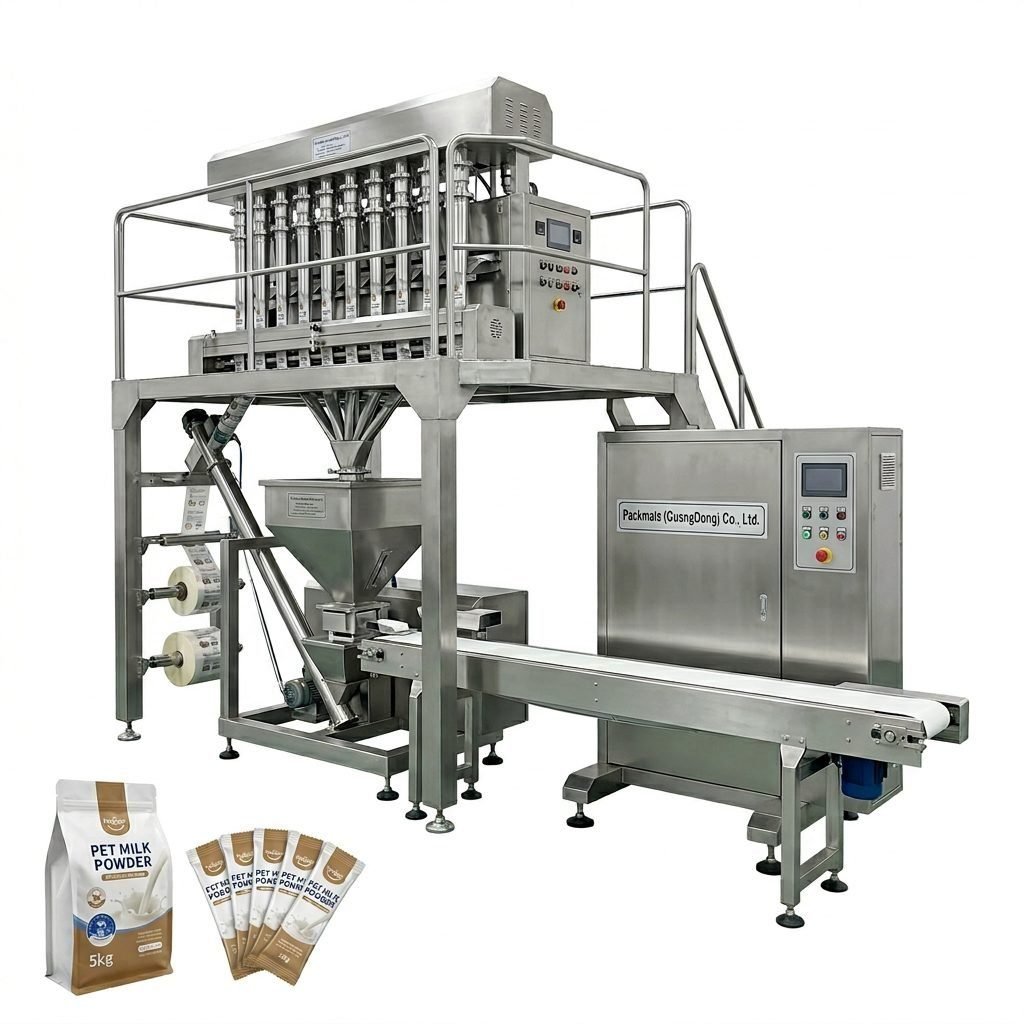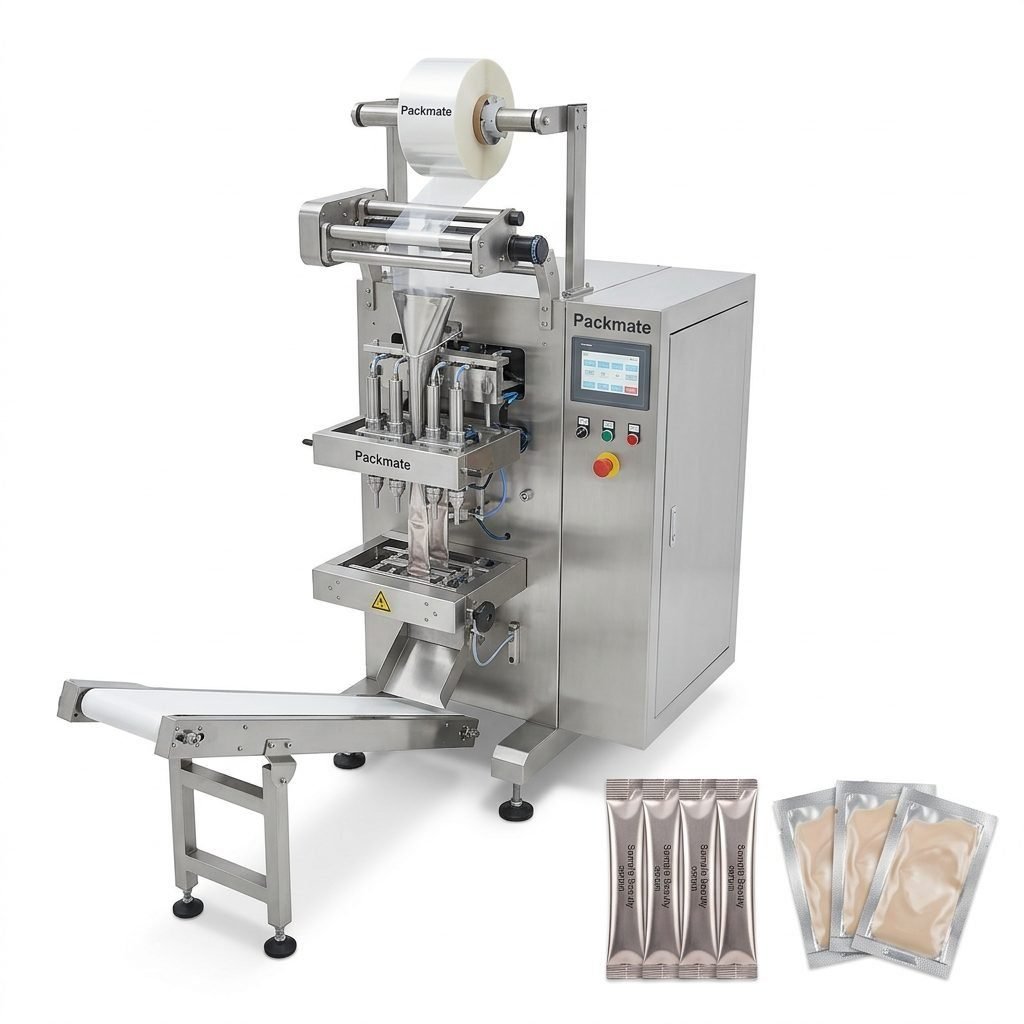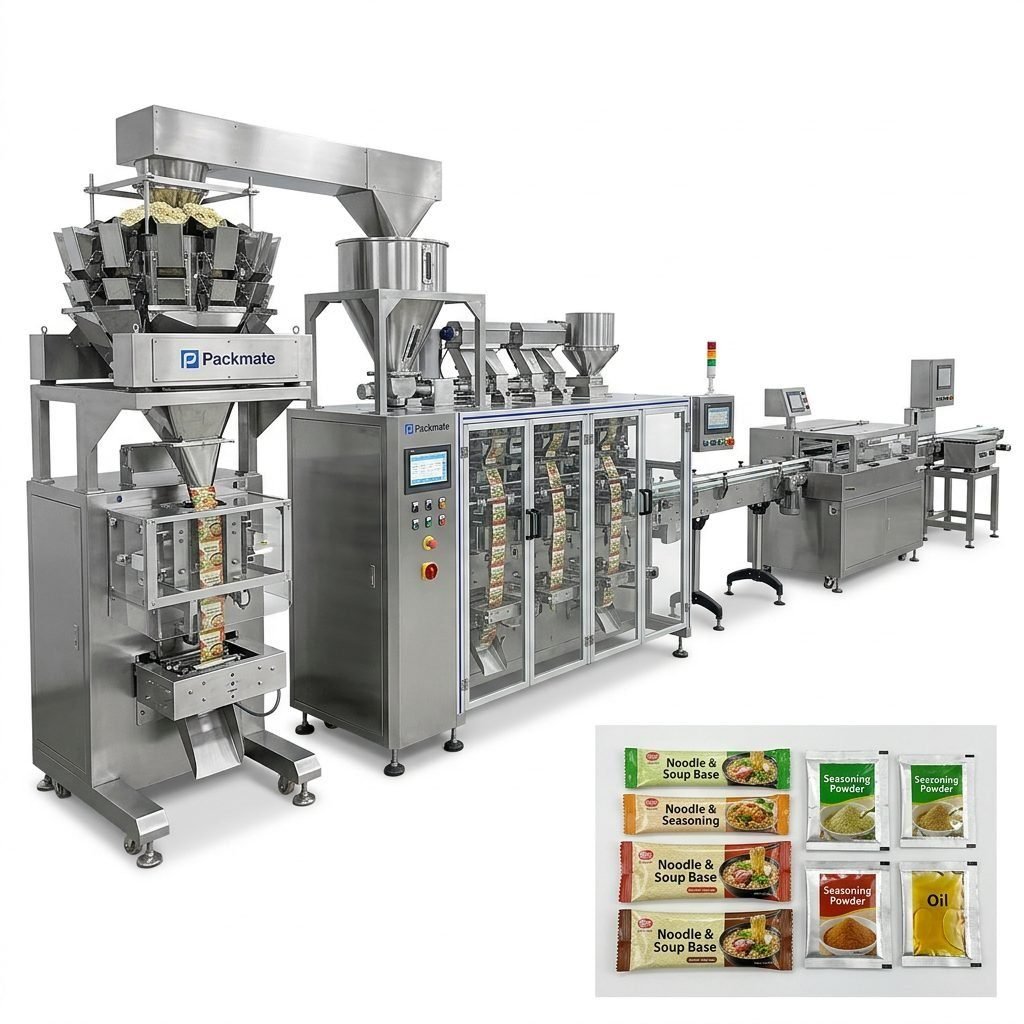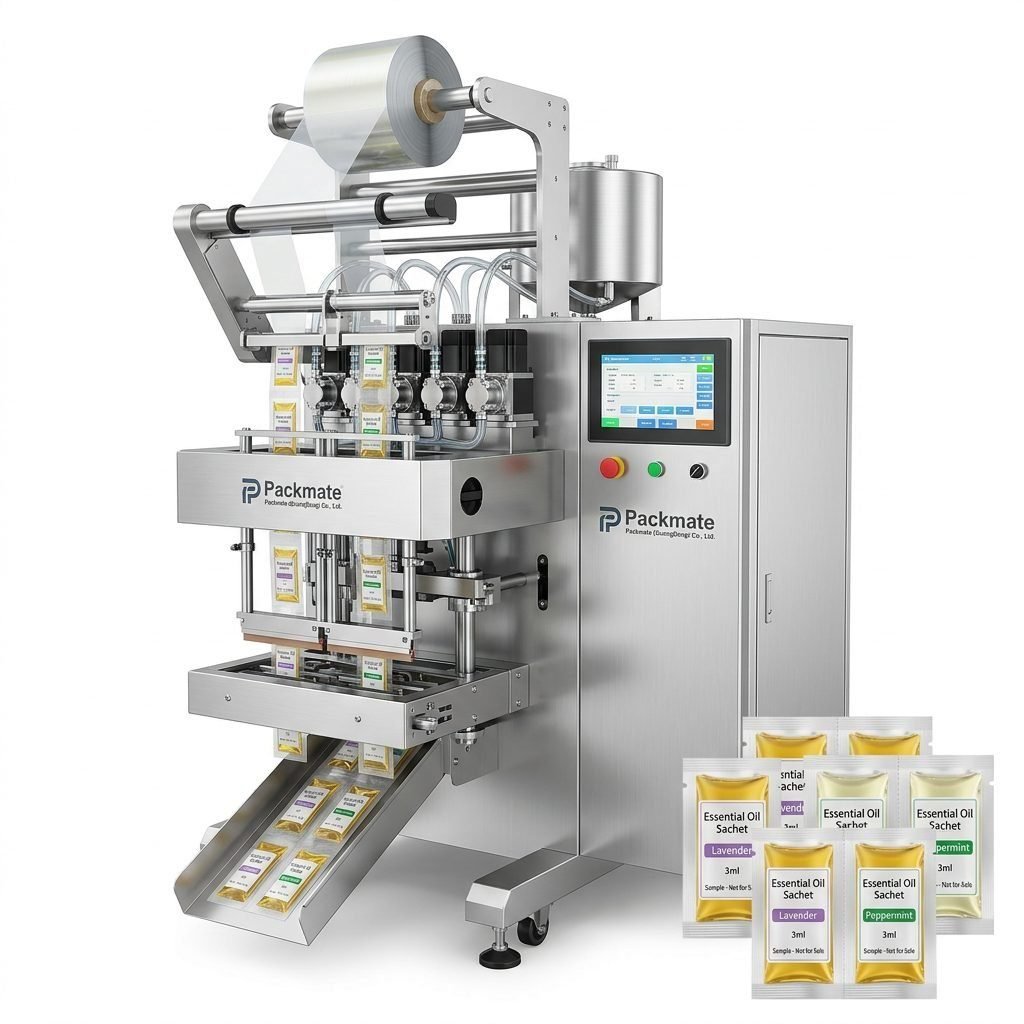
Choosing a reliable packaging machine manufacturer is a critical decision for any business in Brazil looking to improve efficiency, ensure product consistency, and scale production. The Brazilian market, with its diverse food, pharmaceutical, and consumer goods sectors, demands robust and adaptable packaging solutions. This guide will help you navigate the key factors to consider when selecting a manufacturer, ensuring your investment drives long-term value for your operation.
Understanding Your Specific Packaging Needs in Brazil
Before starting your search, clearly define your requirements. Brazil’s production landscape varies significantly from the industrial south to the agricultural heartlands. Consider your product format (powder, granule, liquid, paste), desired output speed, bag type (stick pack, sachet, pouch), and level of automation needed. Also, factor in local supply chains for packaging materials and any industry-specific regulations, especially for food and pharmaceuticals.
Key Evaluation Criteria for Manufacturers
Not all manufacturers are created equal. Focus your assessment on these core areas to identify a partner that aligns with your business goals in the Brazilian context.
1. Technical Capability and Product Range
Evaluate the manufacturer’s engineering strength. Can they handle your specific product, whether it’s fine coffee powder, viscous sauces, or pharmaceutical granules? A broad portfolio, like that offered by Ludyway, indicates experience across different applications. For specialized needs like nicotine pouches, a focused supplier like SnusMachinery may offer deeper application expertise.
2. Manufacturing Scale and Quality Control
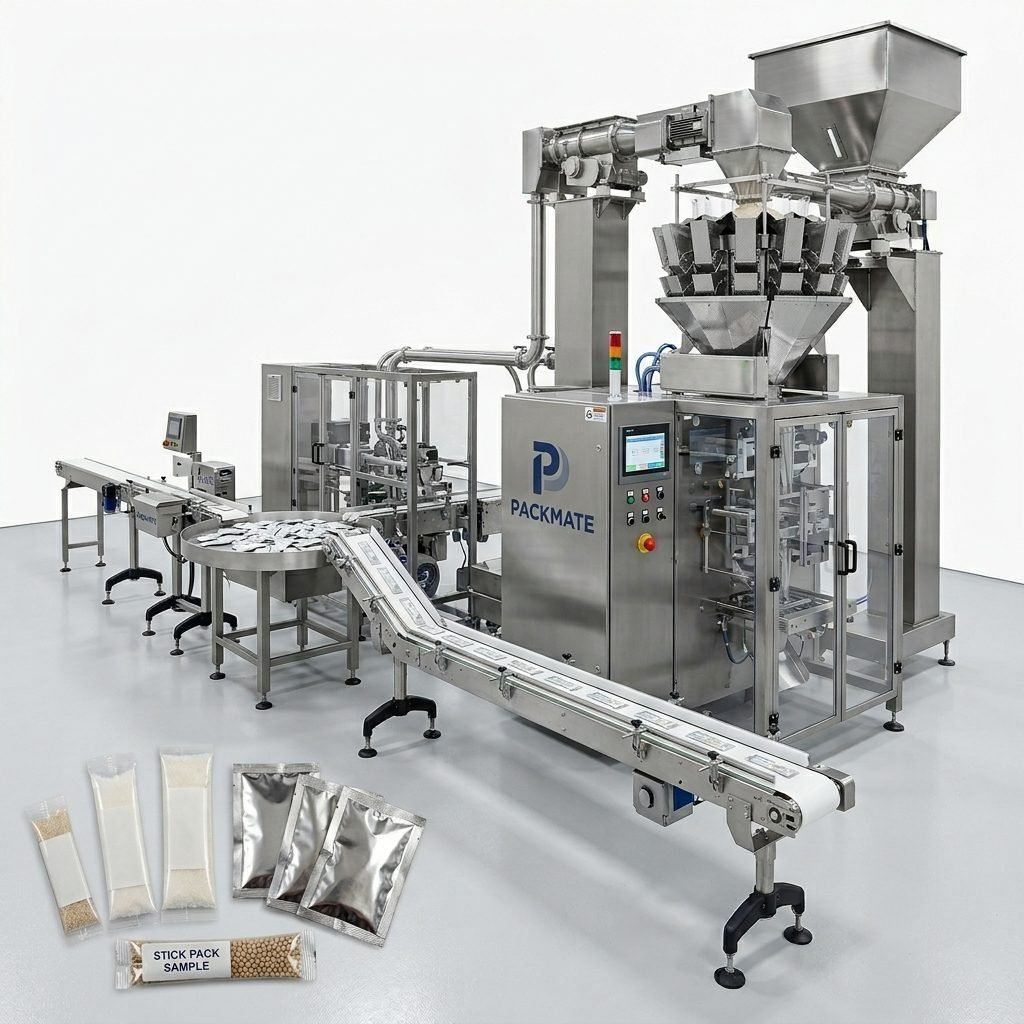
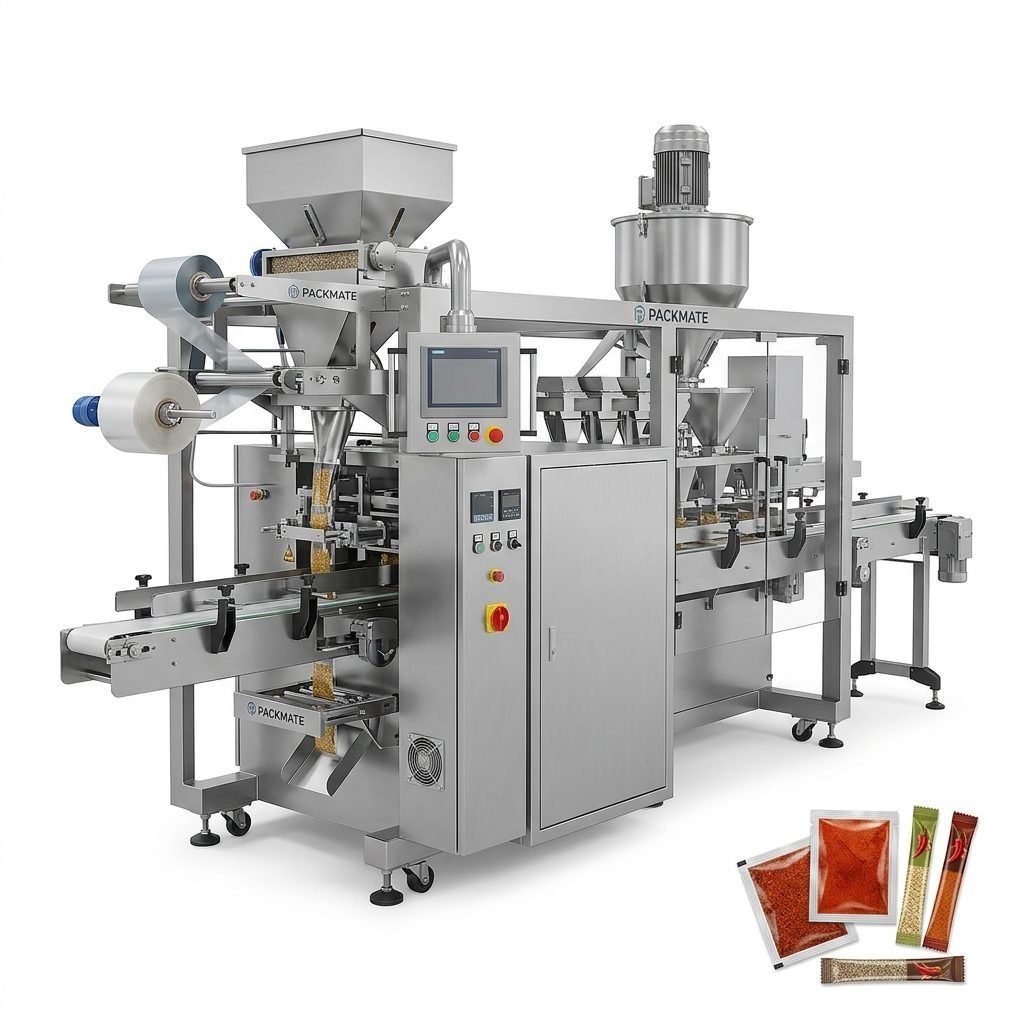
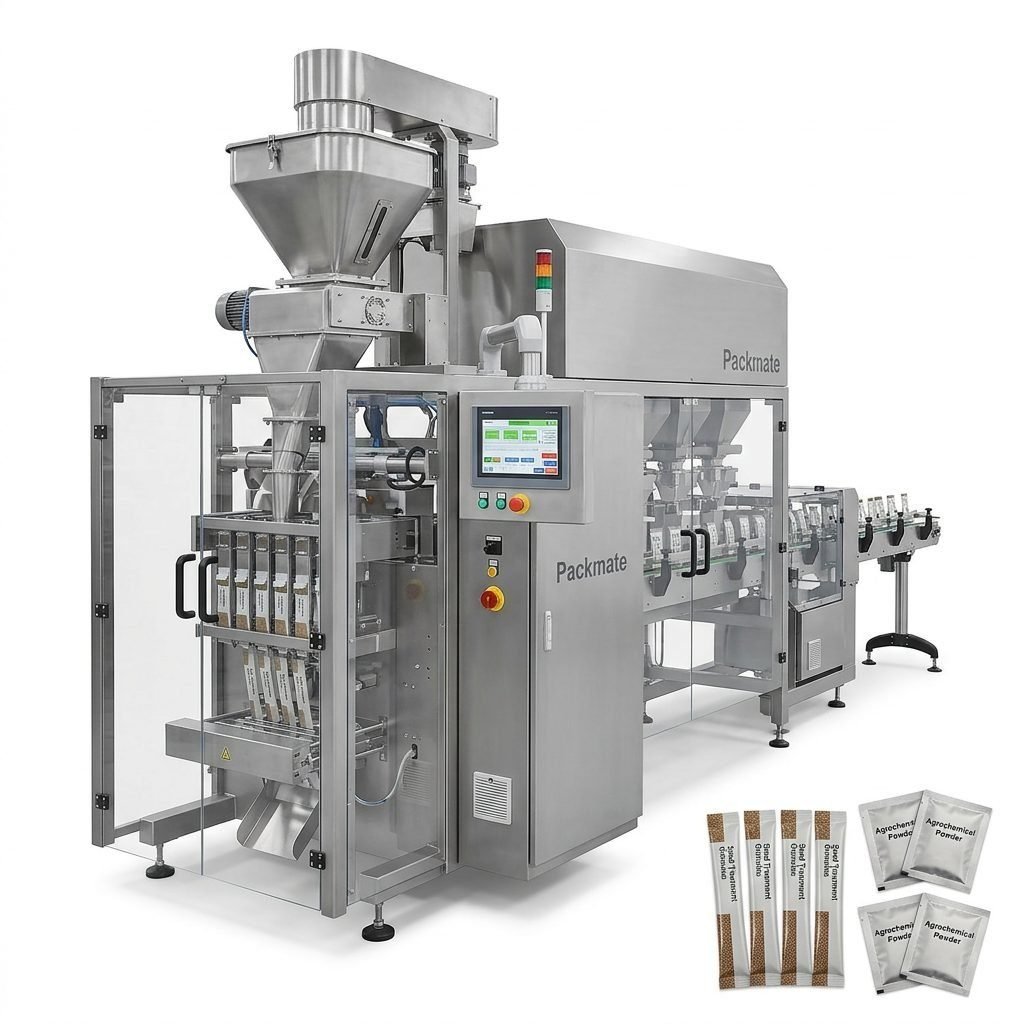
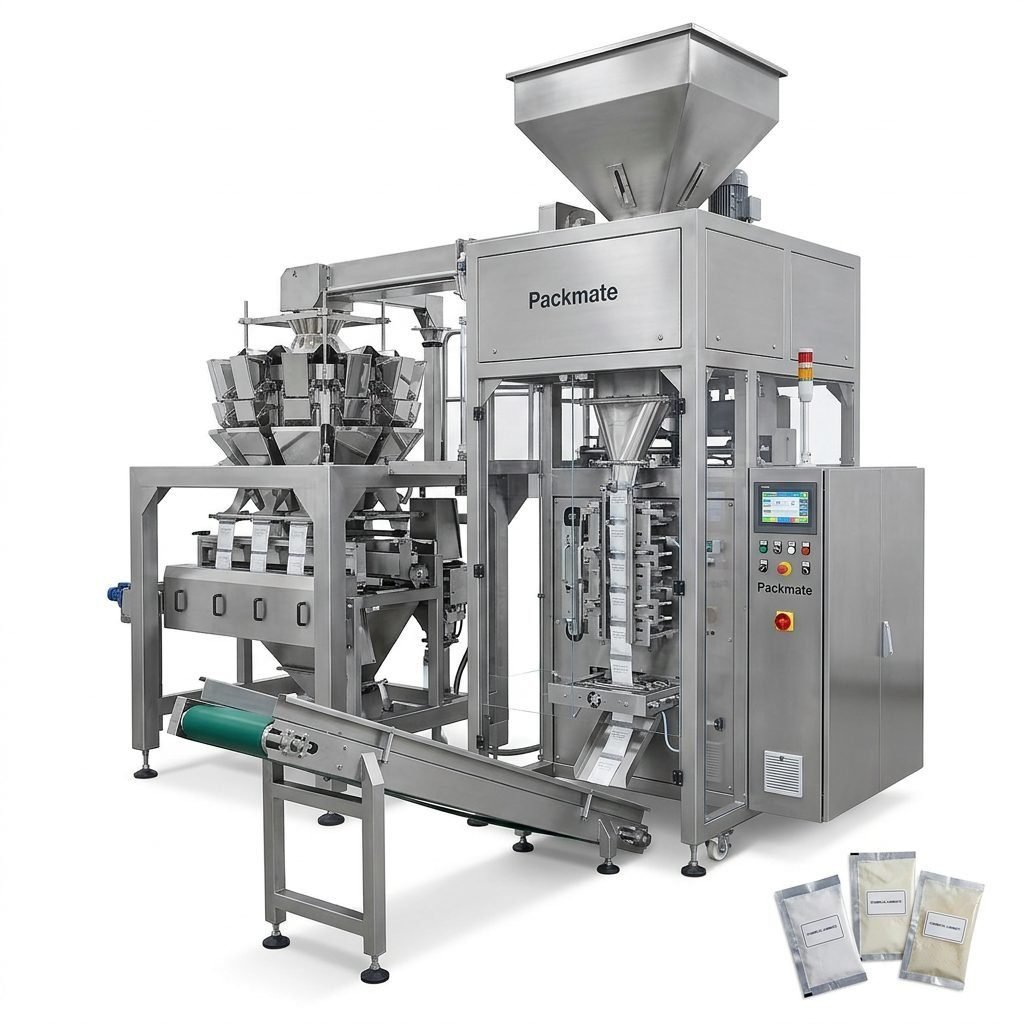
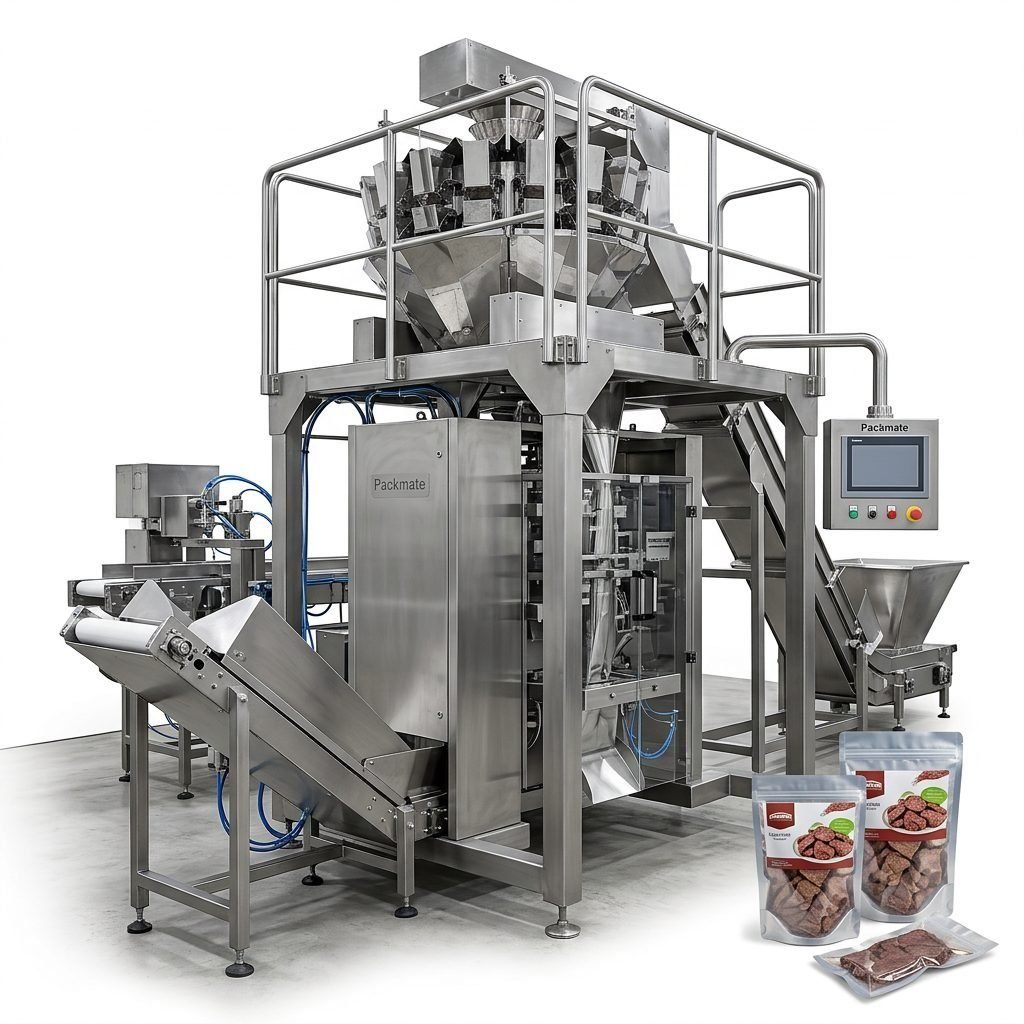
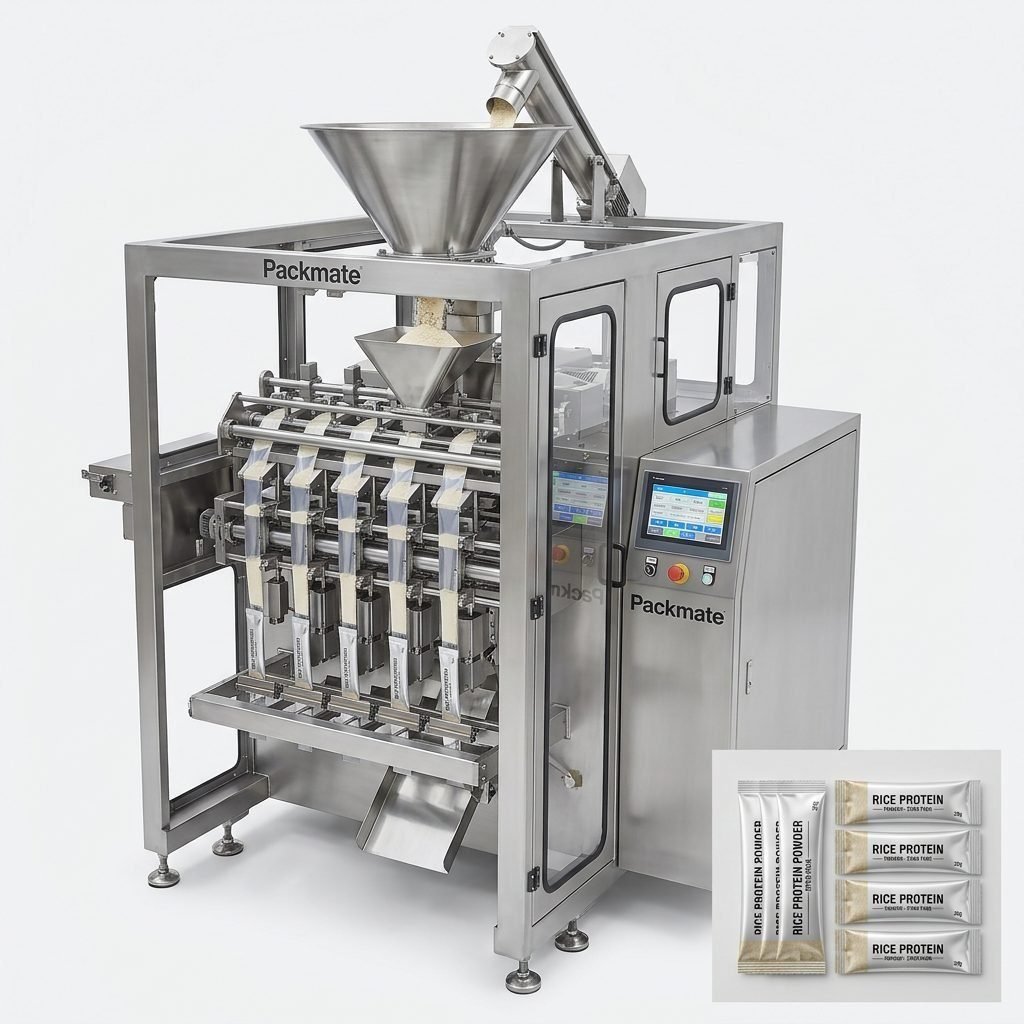
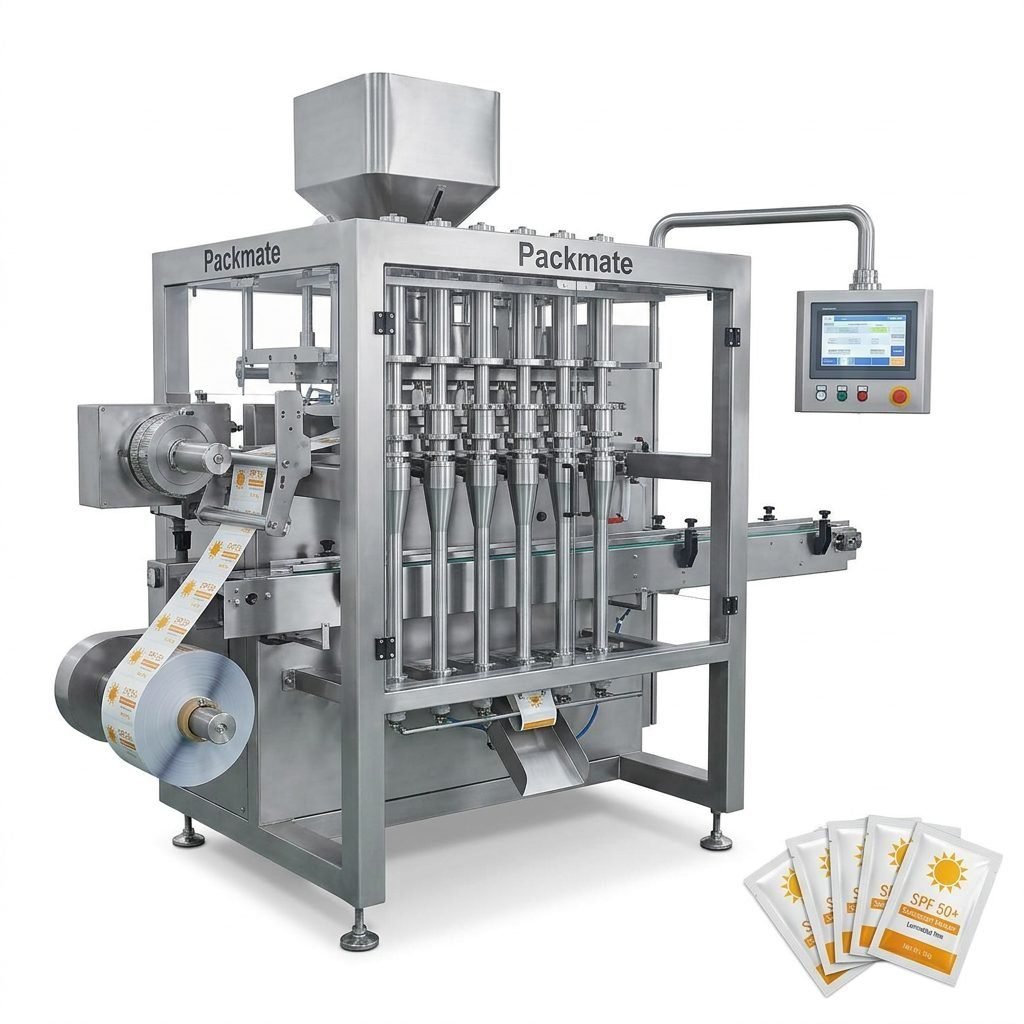
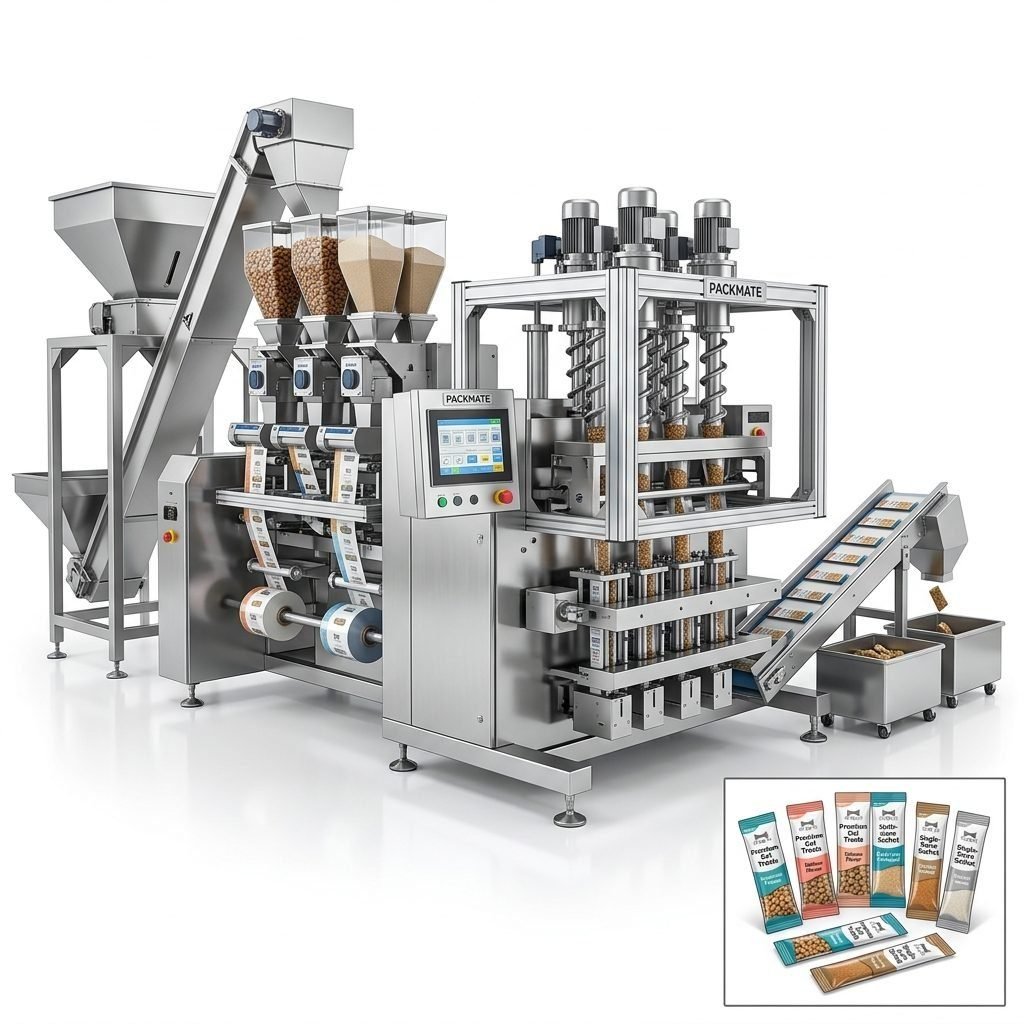
The size and modernity of a factory often correlate with production consistency and capacity. Manufacturers with facilities over 20,000 square meters, such as Packmate Machinery, typically have structured assembly lines and rigorous quality inspection processes, which are crucial for machine reliability and longevity in demanding production environments.
3. Customization and Project Support
Standard machines may not fit unique layouts or novel products. Assess the manufacturer’s flexibility for non-standard solutions. Companies like PackingMachineOEM specialize in this area. For complete line integration—from feeding to end-of-line packaging—consider turnkey specialists such as PacklineOEM.
The Importance of After-Sales Service and Local Support
Strong technical support is non-negotiable, especially from an overseas supplier. Inquire about warranty terms, availability of spare parts, remote diagnostic capabilities, and the presence of service engineers in South America. A manufacturer with a strong export history to Brazil will better understand logistical challenges and communication needs.
| Consideration | Why It Matters for Brazilian Buyers | Key Questions to Ask |
|---|---|---|
| Machine Robustness | Ensures consistent uptime in high-volume or multi-shift operations common in Brazilian industries. | What is the expected operational lifespan? What are the key wear parts? |
| Energy Efficiency | Helps manage long-term operational costs, a significant factor in production planning. | What is the power consumption profile? Are there energy-saving modes? |
| Local Agent or Partner | Facilitates faster communication, parts sourcing, and on-ground support, reducing downtime. | Do you have a representative or service partner in Brazil or South America? |
| Training and Documentation | Empowers your local team to operate and perform basic maintenance effectively. | Is training provided (onsite or remote)? Are manuals available in Portuguese? |
Financial and Logistical Considerations
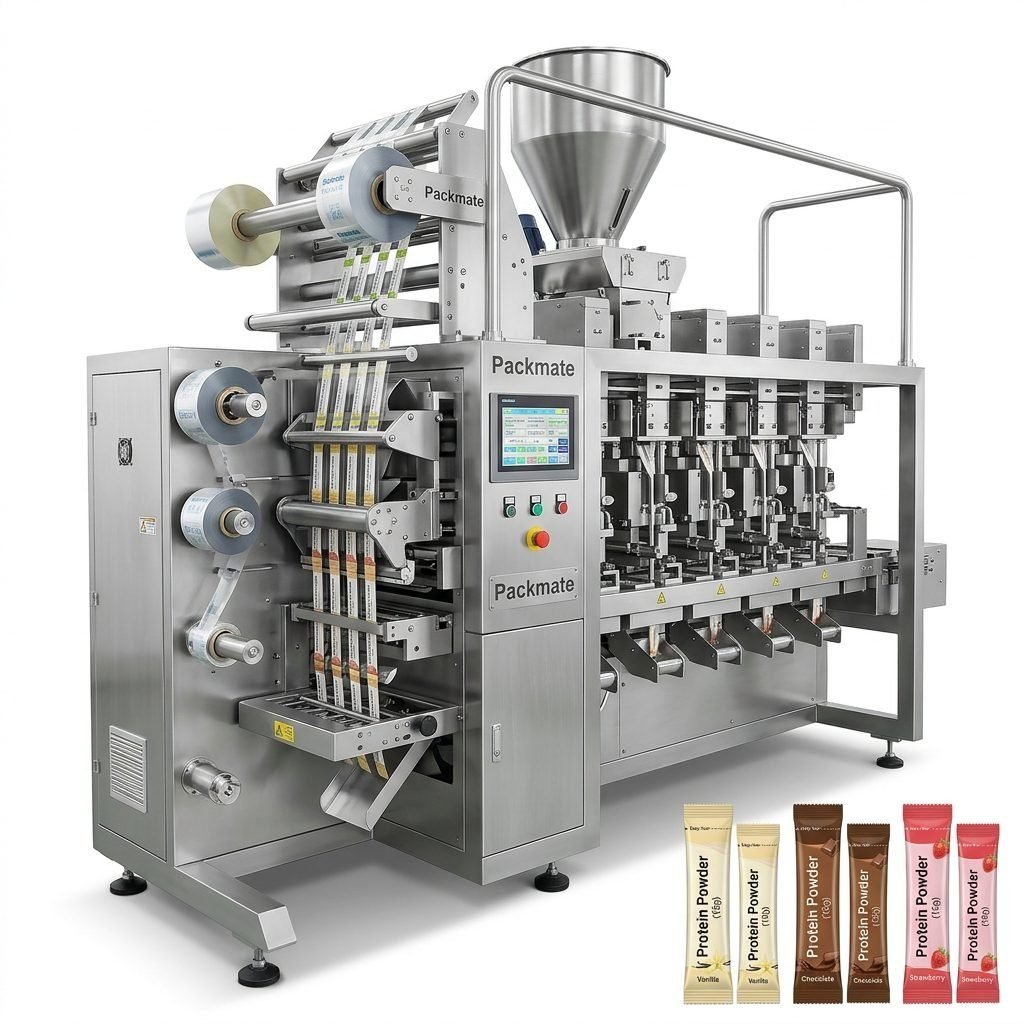
Beyond the machine price, consider the total cost of ownership. This includes shipping, import duties (applicable to Brazil), installation, and potential costs for voltage/phase adaptation. A manufacturer with experience exporting to South America can often provide valuable guidance on these processes. Also, clarify payment terms and project milestones to ensure financial alignment.
Building a Long-Term Partnership
View your chosen manufacturer as a strategic partner, not just a vendor. A reliable partner will support you through production scaling, recipe changes, and future automation upgrades. Their ability to provide ongoing technical advice and supply compatible upgrade modules is a sign of a company invested in your long-term success.
Frequently Asked Questions (FAQs)
Q1: How do I verify a manufacturer’s reputation and experience?
Request client references, preferably from companies in Brazil or similar markets. Ask for case studies or videos of machines running products similar to yours. Check their company history, export volume, and participation in international trade shows.
Q2: Should I choose a standalone machine or a complete turnkey line?
This depends on your current and future needs. A standalone machine from a supplier like Ludyway is suitable for upgrading a single step. If you are setting up a new line or seeking full automation, a turnkey solution from a specialist like PacklineOEM ensures seamless integration of all components.
Q3: What are the common challenges when importing machinery to Brazil?
Key challenges include navigating import regulations and taxation, ensuring customs clearance goes smoothly, and managing shipping logistics to your factory door. Working with a manufacturer experienced in Brazilian imports can mitigate many of these issues.
Q4: How important is it for the machine to handle local packaging materials?
Very important. Provide samples of the films or laminates you plan to use to the manufacturer for testing. A reliable partner will test your materials to ensure the sealing parameters, film tension, and feeding mechanisms are correctly configured for optimal performance.
Q5: What is a realistic timeline from order to commissioning?
Timelines vary based on machine complexity and customization. For a standard machine, expect 60-90 days for production plus shipping and customs time. For complex turnkey lines, the timeline can extend to 4-6 months. Always get a detailed project schedule from the supplier.