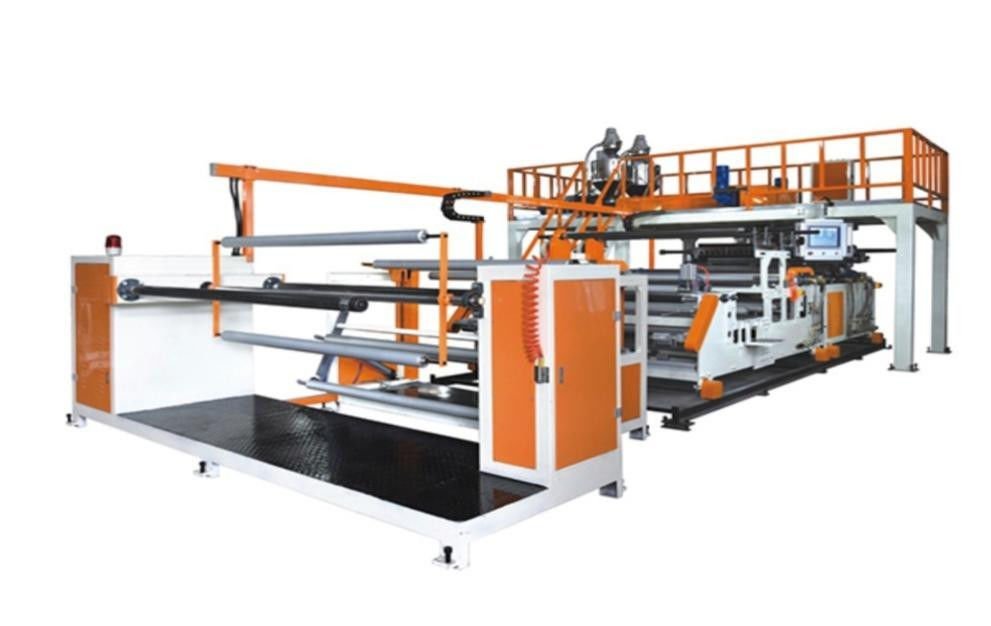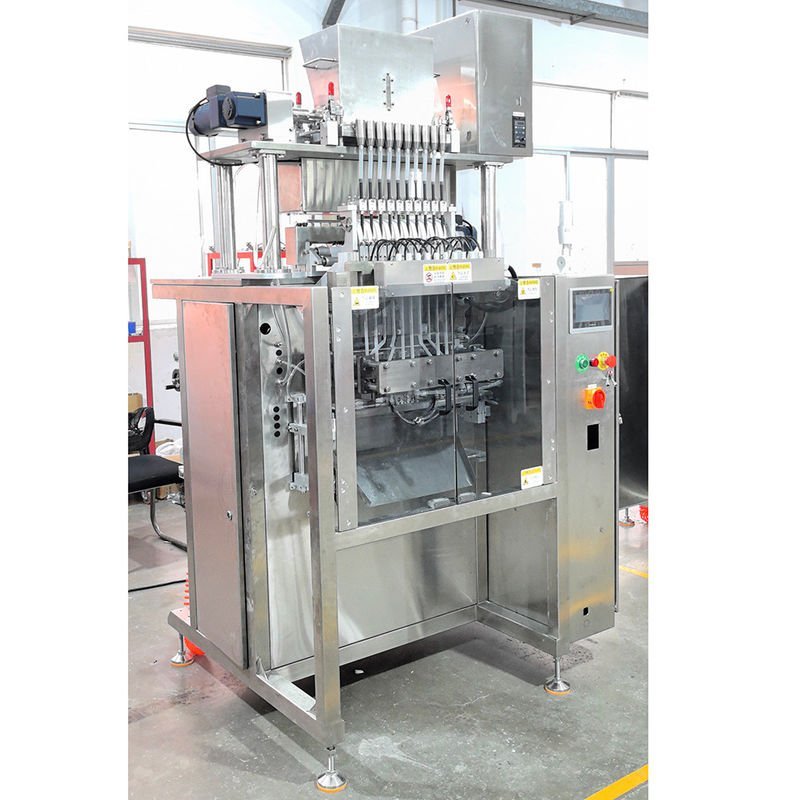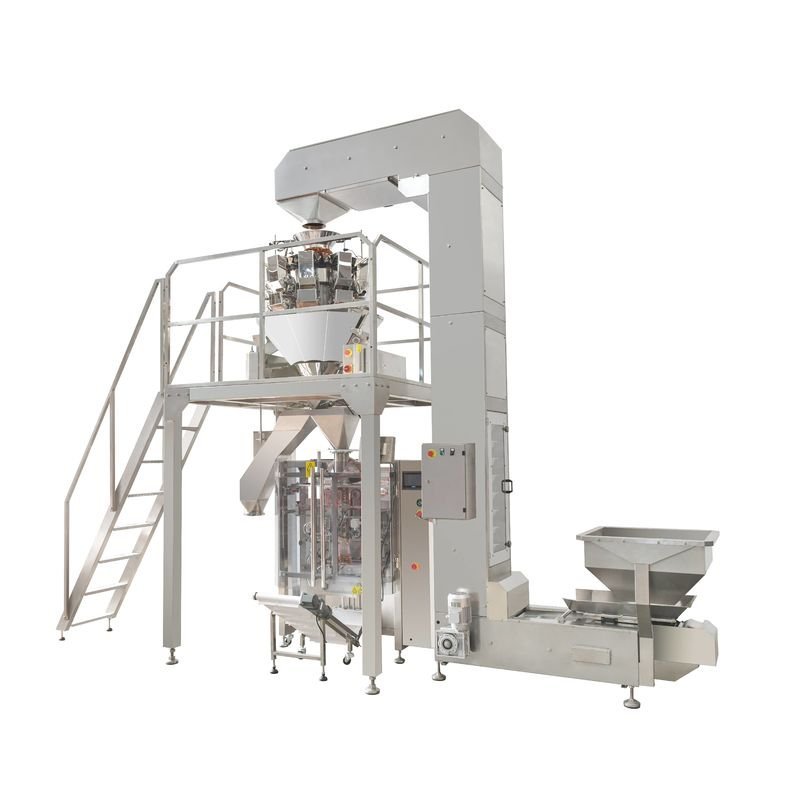
Selecting the perfect packaging machine is a critical decision that impacts your product’s quality, production efficiency, and overall operational cost. It’s not just about buying a piece of equipment; it’s about investing in a solution that aligns with your specific product characteristics, production volume, and long-term business goals. A well-chosen machine enhances brand consistency, minimizes waste, and ensures your products reach customers in pristine condition.

Step 1: Define Your Product’s Packaging Requirements
Before exploring machinery, you must have absolute clarity about what you are packaging. This foundational step dictates every subsequent choice.
Product Form and Characteristics
Is your product a granule, powder, liquid, paste, or solid piece? Each form presents unique challenges. Powders can be dusty and require precise auger filling systems, while liquids need leak-proof seals and specialized pumps. Granules might be best served by multi-head weighers for speed and accuracy.
Packaging Type and Material
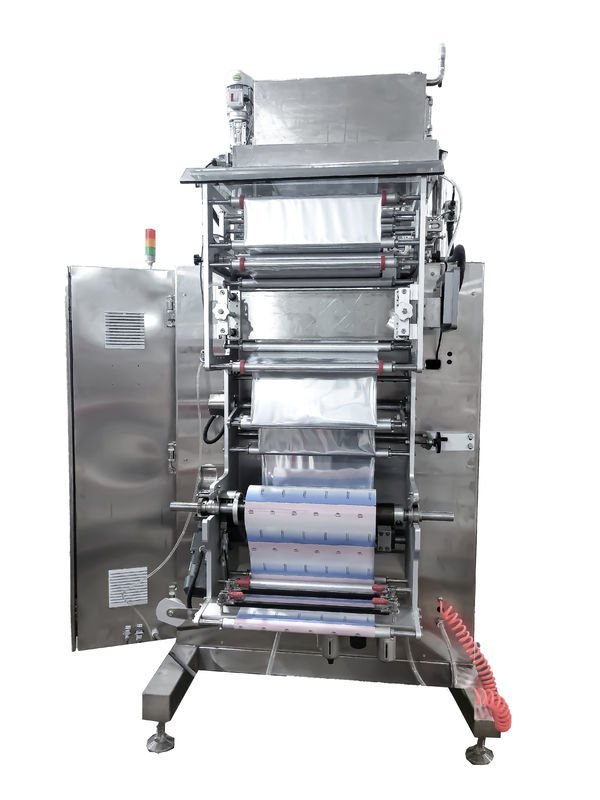
Determine your desired final package: stick packs, sachets, pouches, bags, or bottles. The machine must be compatible with your chosen film or laminate material (e.g., PET/AL/PE, OPP). Consider barrier properties for product protection (moisture, oxygen, light) and whether you need features like zippers, spouts, or tear-notches. For sachet and stick pack formats, specialized machines are engineered for high-speed, precise forming, filling, and sealing.
Step 2: Analyze Your Production Line Needs
The machine must integrate seamlessly into your existing or planned workflow. Think of it as a component of a larger system.
Required Output Speed (Capacity)
Calculate your required output in packs per minute (PPM) or per hour. Be realistic about your current needs and future growth projections. A machine that is too slow creates bottlenecks, while an overly fast, complex machine for low-volume runs is a poor capital investment. High-speed production often necessitates integrated complete packaging lines with automated feeding and cartoning.
Level of Automation
Evaluate your labor availability and cost. Options range from:
• Semi-automatic: Operator loads product and/or film; machine performs the core functions. Lower initial cost, higher labor dependency.
• Fully Automatic: Integrated systems handle feeding, forming, filling, sealing, and counting with minimal human intervention. Higher efficiency and consistency.
• Turnkey Line: A complete, synchronized system from product handling to case packing. Ideal for large-scale production.
Footprint and Utility Requirements
Measure your available floor space. Check the machine’s requirements for power (voltage, phases), compressed air (PSI, CFM), and any special utilities like inert gas for nitrogen flushing. Ensure your facility can support it.
Step 3: Evaluate Key Machine Features and Technology
Dive into the technical specifications. This is where quality and reliability are built-in.
Filling System Accuracy
The heart of the machine. For non-liquid products, the choice is crucial:
• Volumetric Cup Filler: Cost-effective for uniform granules.
• Auger Filler: Excellent for powders and fine granules; accuracy depends on auger design and control system.
• Weighing Filler (Multi-head Weigher): The gold standard for accuracy (±0.1-1g) for snacks, nuts, hardware. Essential for high-value products.
Sealing System and Quality
Consistent seals prevent leaks and preserve product integrity. Look for:
• Heated Jaw Sealers: Common for most poly-based films.
• Impulse Sealers: Good for certain laminates.
• Cooling Jaws: Ensure seals are set firmly before being handled, reducing risk of seal failure.
Control System and Human-Machine Interface (HMI)
A user-friendly, PLC-based touchscreen HMI is essential. It should allow for easy recipe storage (for quick changeovers), real-time monitoring of speed and output, and clear diagnostic messages for troubleshooting. Modern machines often offer data export capabilities for production analysis.
Step 4: Consider the Manufacturer and After-Sales Support
The machine’s origin and the support behind it are as important as its hardware.
Manufacturer’s Reputation and Experience
Choose a supplier with a proven track record in your industry. A company like Packmate (GuangDong) Co., Ltd., with over two decades of specialization in food and pharmaceutical packaging, brings invaluable application knowledge. Review their case studies to see machines in action on similar products.
Comprehensive Service Package
Reliable support minimizes downtime. Essential services include:
• Installation & Commissioning: On-site setup by factory engineers.
• Operator and Maintenance Training: Empowering your team.
• Availability of Spare Parts: A local or responsive global parts inventory.
• Technical Support: Remote and on-demand service. Check the warranty terms and the responsiveness of the support team.
Compliance and Safety Standards
Ensure the machine meets relevant safety standards (e.g., CE, UL) for your region. For food or pharmaceutical products, construction materials (often 304 or 316 stainless steel) and design should facilitate easy cleaning and comply with hygiene regulations like GMP.
Step 5: Conduct a Total Cost of Ownership (TCO) Analysis
Look beyond the initial purchase price. The true cost is spread over the machine’s lifetime.
Initial Investment vs. Long-Term Value
A cheaper machine may have higher long-term costs due to frequent breakdowns, poor efficiency, and high waste rates. A robust, slightly more expensive machine from a reputable manufacturer often delivers a lower TCO through reliability, energy efficiency, and better material yield.
Operational and Maintenance Costs
Factor in ongoing costs: energy consumption, required consumables (like sealing jaws), preventive maintenance kits, and the labor cost of operation. Machines with easier access for cleaning and maintenance reduce labor time and costs.
By methodically working through these five steps—Product, Production, Features, Manufacturer, and Cost—you move from a generic search to a targeted evaluation. This structured approach significantly increases your chances of selecting a packaging machine that becomes a reliable, profitable asset for your business for years to come. For a comprehensive overview of available technologies, exploring a manufacturer’s catalog is an excellent next step.
Frequently Asked Questions (FAQs)
What is the most important factor when choosing a packaging machine?
While all factors are interconnected, achieving a perfect match between your specific product characteristics and the machine’s filling system is paramount. An inaccurate or incompatible filling system will lead to constant waste, giveaway, and quality issues, undermining every other benefit.
How do I know if I need a semi-automatic or fully automatic machine?
The decision hinges on production volume and labor economics. For lower volumes (< 30 packs/minute) or frequent product changeovers, semi-automatic offers flexibility. For high-volume, single-SKU runs (> 60-100 packs/minute), a fully automatic machine improves efficiency, consistency, and reduces long-term labor costs, justifying the higher initial investment.
Can one machine handle different package sizes or products?
Yes, most modern machines are designed with changeover capabilities. However, the time and complexity involved vary. Look for machines with “quick-change” features, such as tool-less adjustments for film width, pouch length, and filling heads. Storing recipes in the PLC can make changeovers between established products a matter of minutes.
What kind of after-sales support should I expect?
You should expect a comprehensive package: detailed installation guidance or on-site commissioning, thorough training for your operators and maintenance staff, a clear warranty period (typically 12 months), and prompt access to technical support and genuine spare parts. Always discuss and confirm these terms before purchase.
How long does it typically take from order to machine installation?
Lead times vary widely based on machine complexity and manufacturer backlog. For standard models, expect 8 to 16 weeks. For fully custom or large turnkey lines, it can take 20 weeks or more. Always get a detailed project timeline from your supplier, including factory acceptance testing (FAT) before shipment.