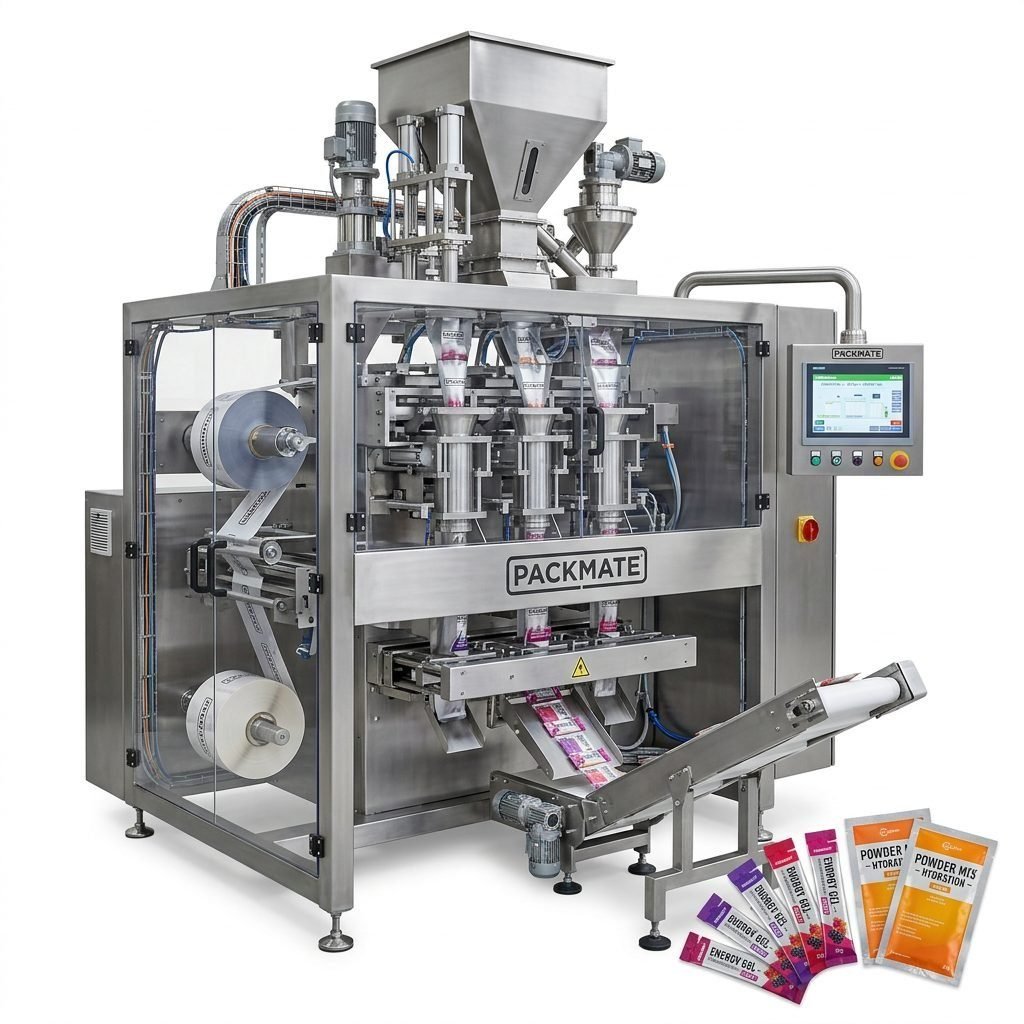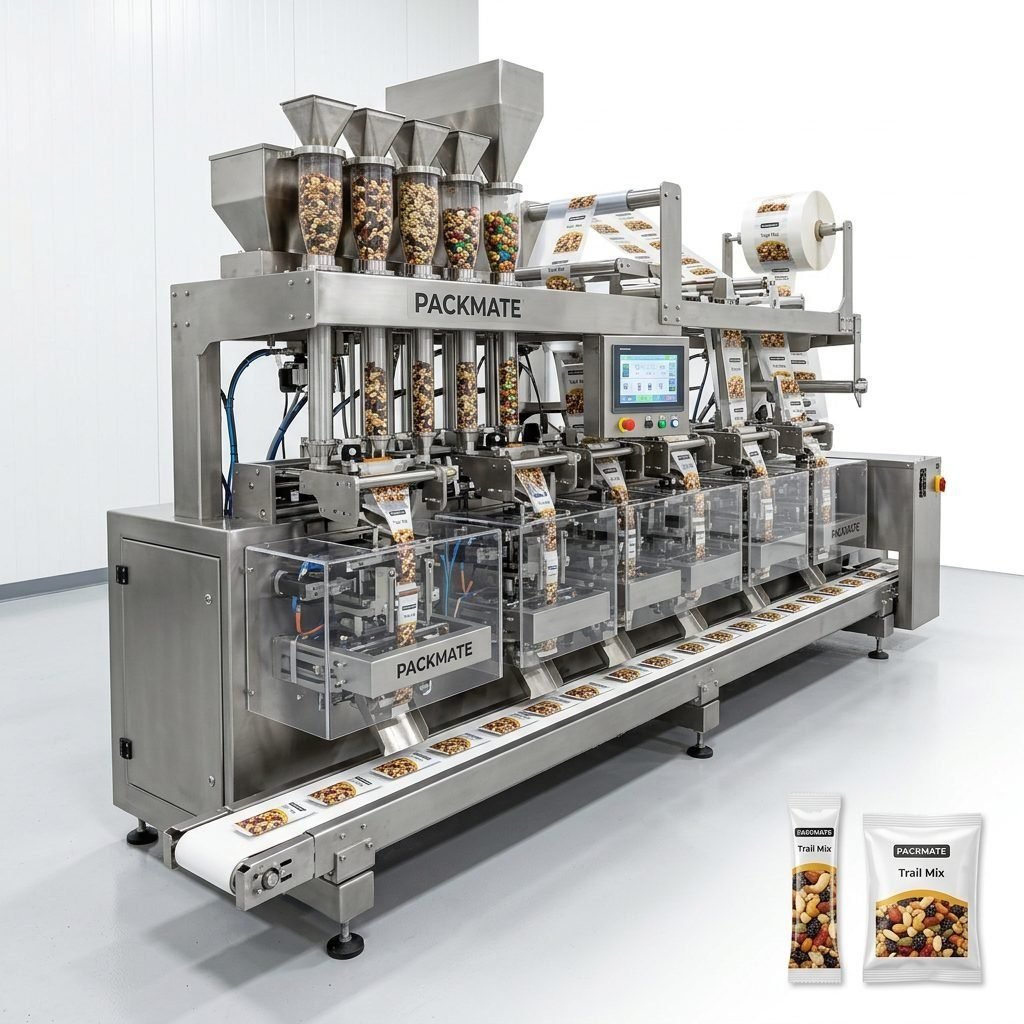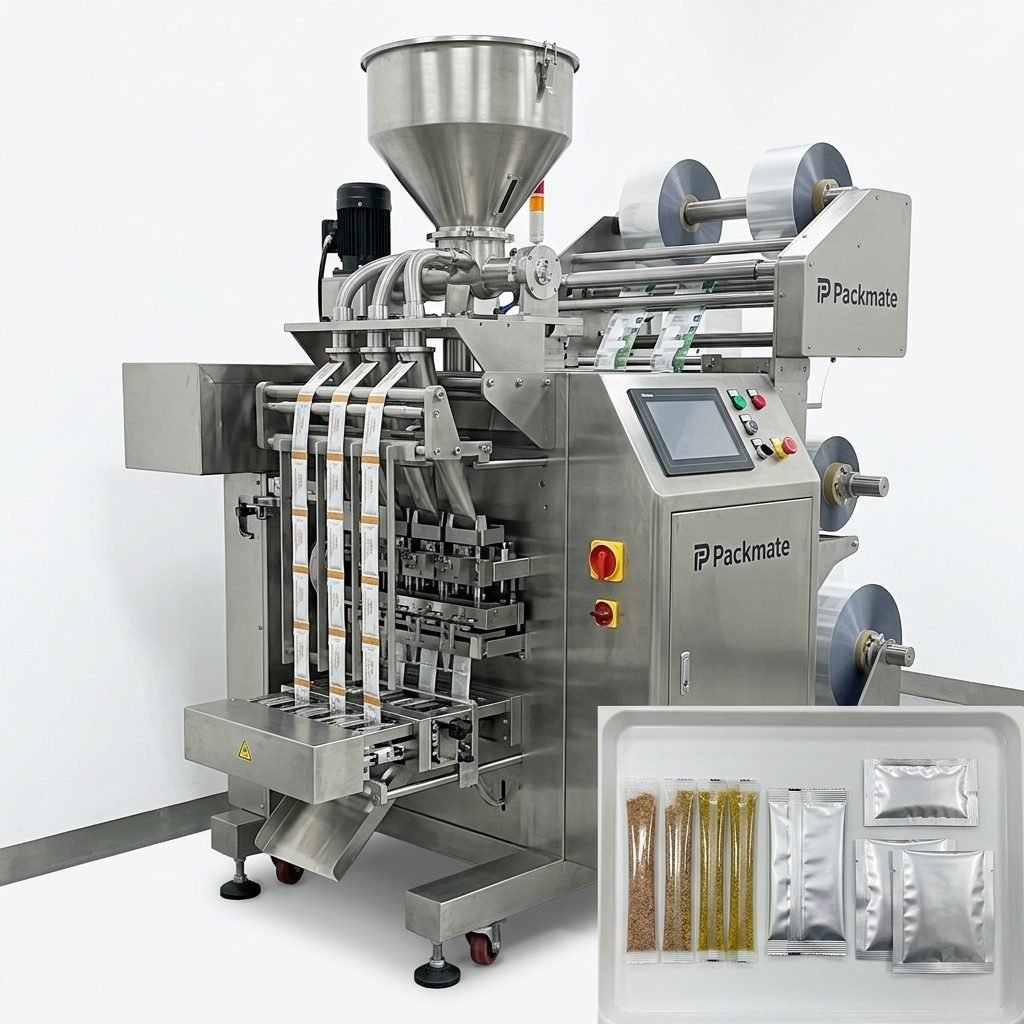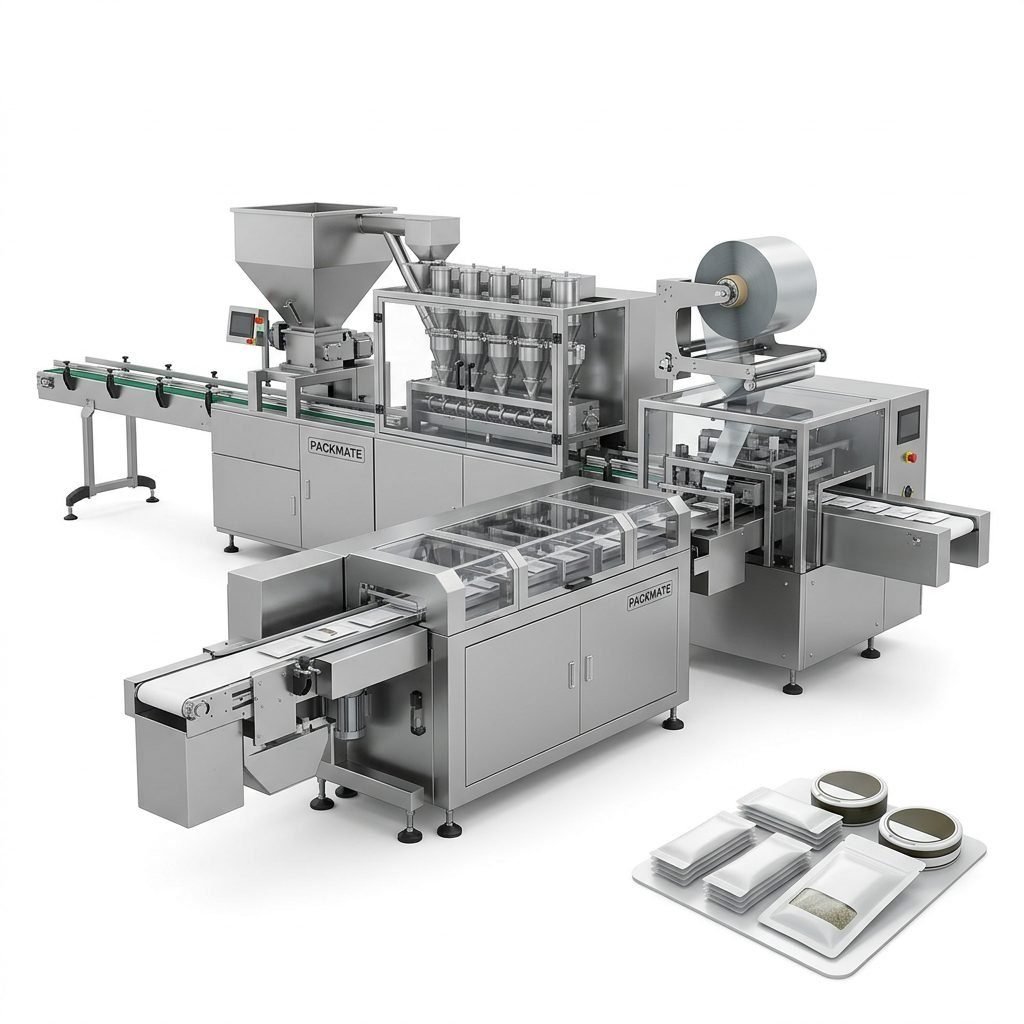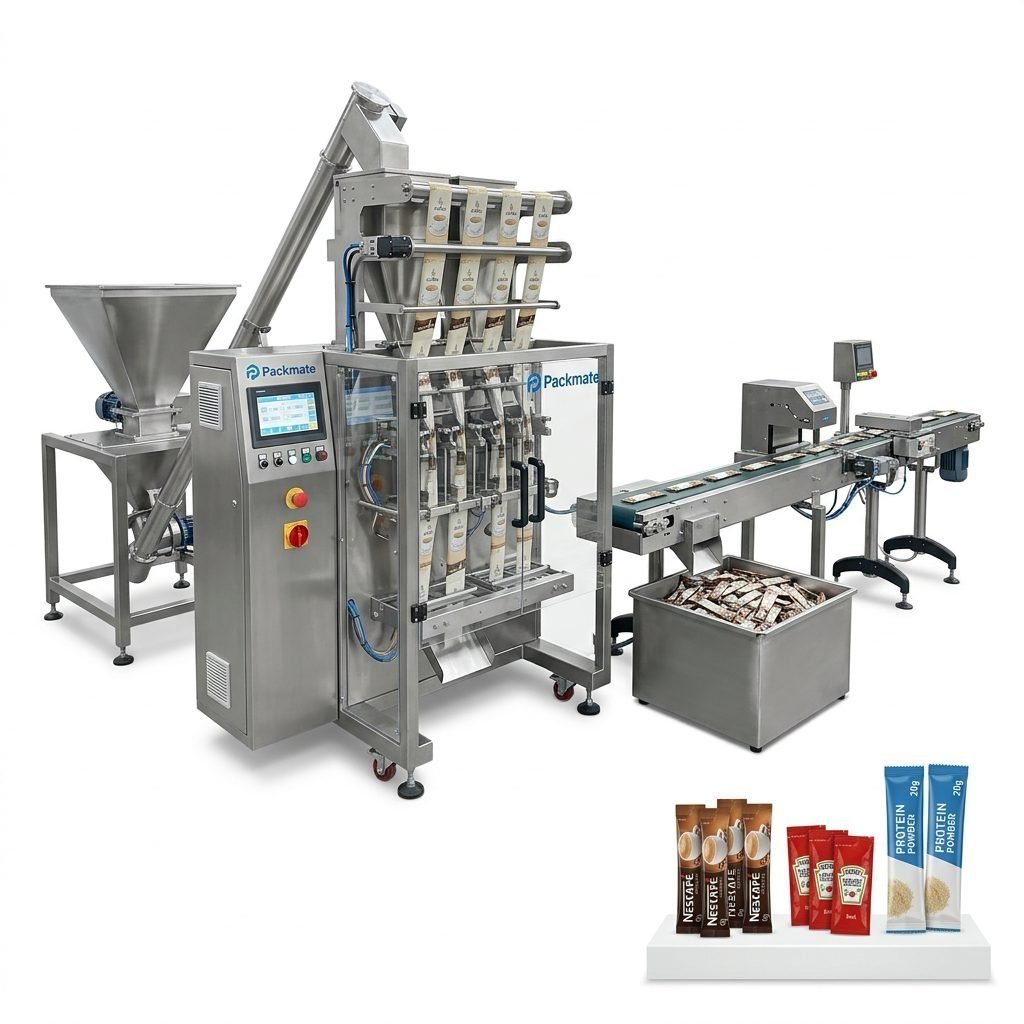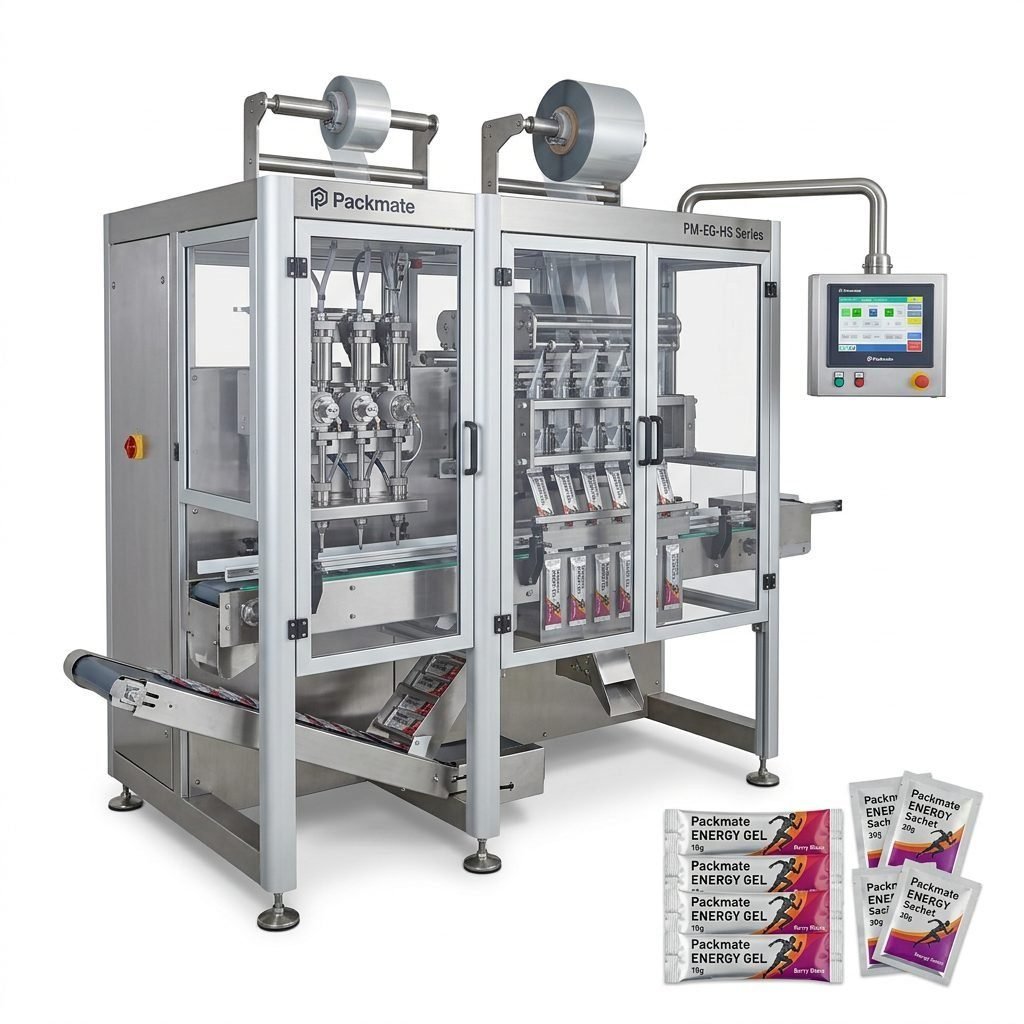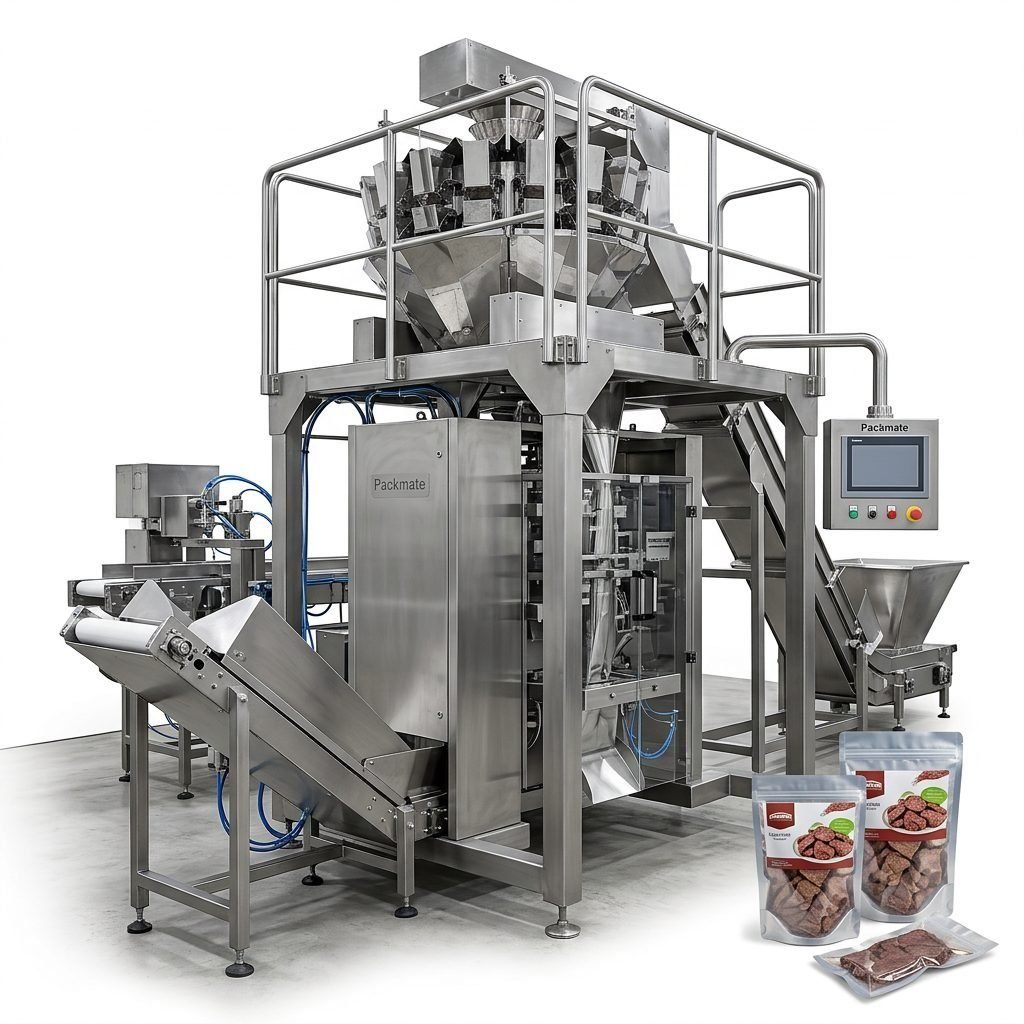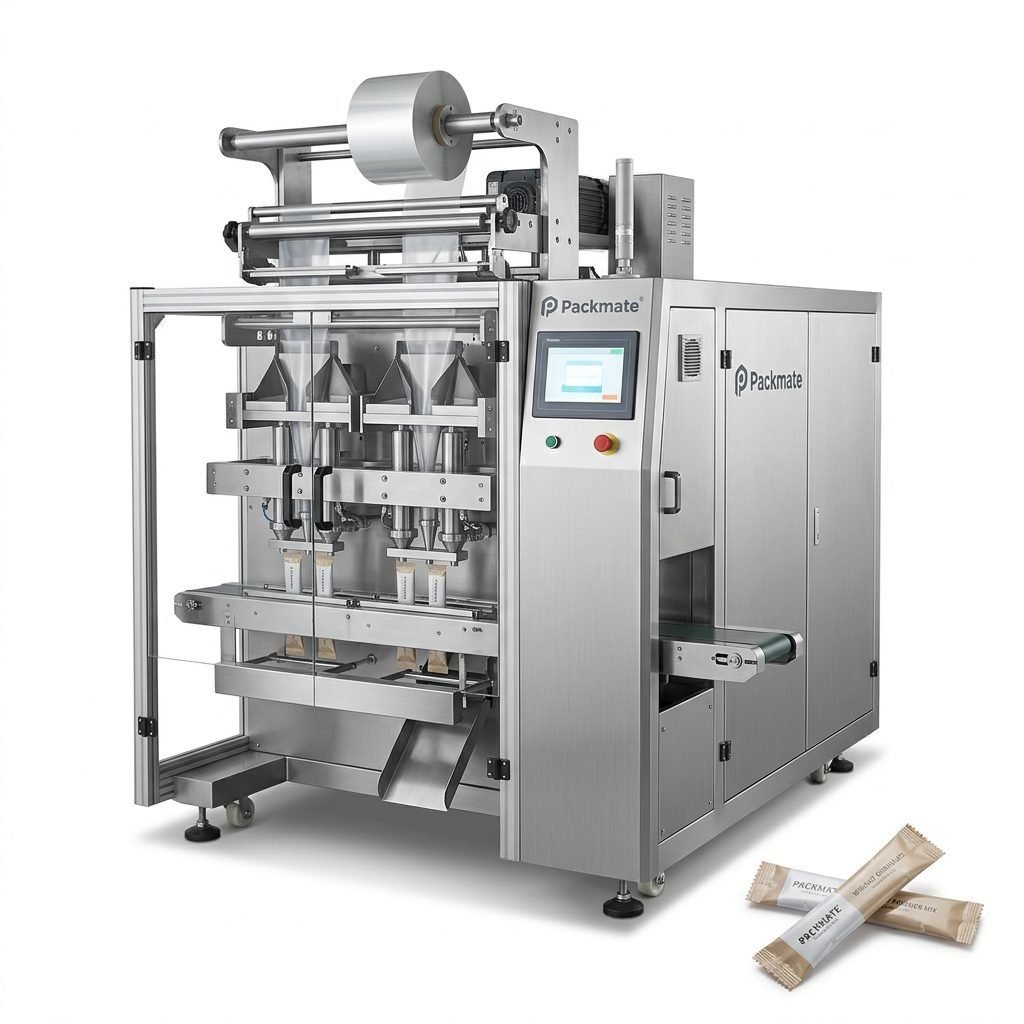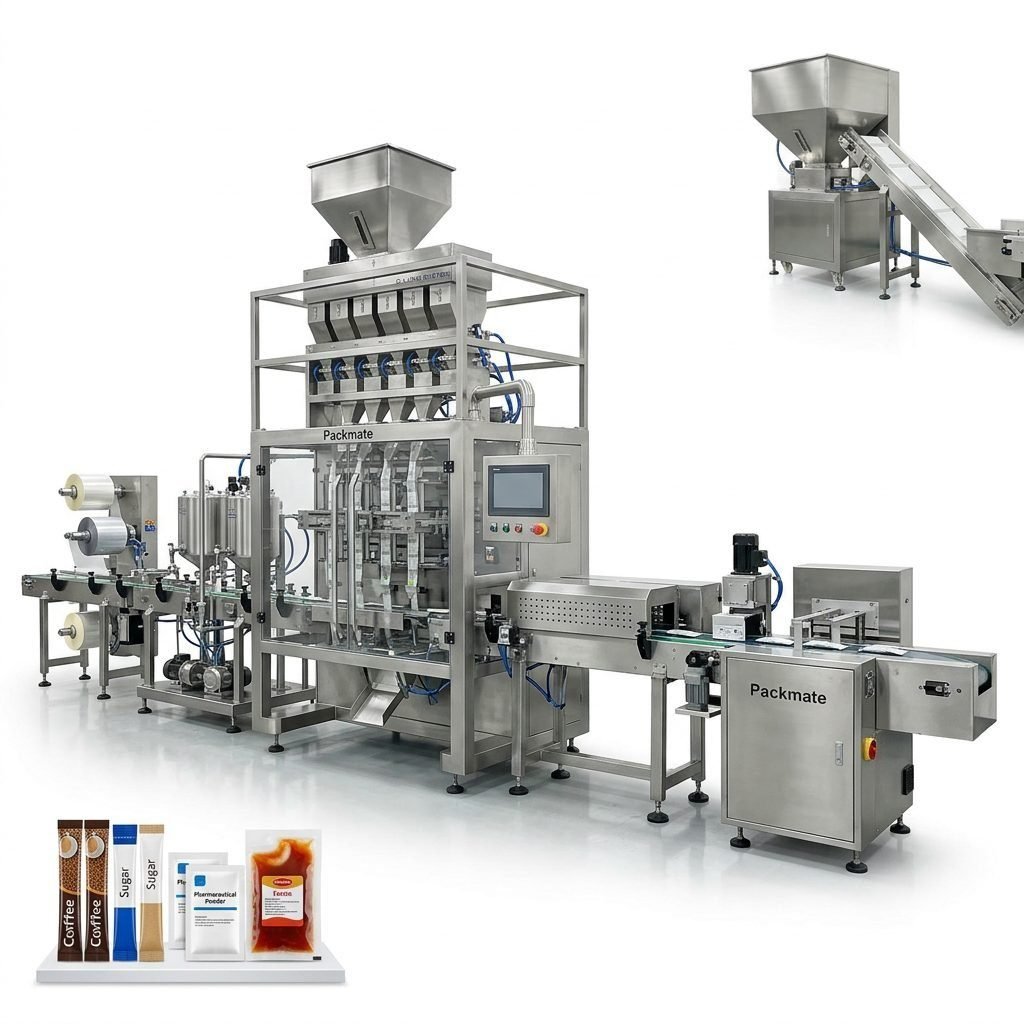
Choosing the right packaging machine manufacturer in Cameroon is a critical decision for local businesses in the food processing, pharmaceutical, agricultural export, and fast-moving consumer goods (FMCG) sectors. With Cameroon’s economy increasingly focused on value addition for exports like coffee, cocoa, spices, and processed foods, reliable and efficient packaging automation is key to maintaining product quality, meeting international standards, and improving competitiveness. This guide outlines the essential factors Cameroonian business owners and plant managers should consider to make an informed investment.
Understanding Your Local Production Requirements
Before starting your search, clearly define your operational needs. Consider the type of product you are packaging—whether it’s granules (like instant coffee or spices), powders (milk powder, flour), liquids (sauces, oils), or pastes. The required packaging format (stick packs, sachets, pouches, bottles) and your target production speed (packs per minute) are fundamental. Also, factor in your factory’s available space, power supply stability common in regions like Douala or Yaoundé, and the skill level of your local workforce for operation and maintenance.
1. Manufacturer’s Experience and Industry Specialization
Prioritize manufacturers with a proven track record. A company with decades of experience, like Ludyway (founded in 1993), has likely encountered and solved a wide array of technical challenges. Look for specialization relevant to your sector. For instance, if you are in nicotine pouch production, a specialist like SnusMachinery offers targeted expertise. For general food or pharma, manufacturers with broad experience across these industries are preferable.
Key Question: Does the manufacturer have a history of successful projects with products similar to yours? Request case studies or references from clients in Africa or with similar production profiles.
2. Technical Capability and Customization Support
Standard machines may not fit unique product characteristics or packaging materials sourced in Cameroon. The ability to provide customized or non-standard solutions is crucial. Manufacturers like PackingMachineOEM explicitly focus on this area. Assess their engineering team’s willingness to adapt machine parameters, feeding systems, or sealing jaws for your specific needs.
3. Machine Quality, Durability, and After-Sales Service
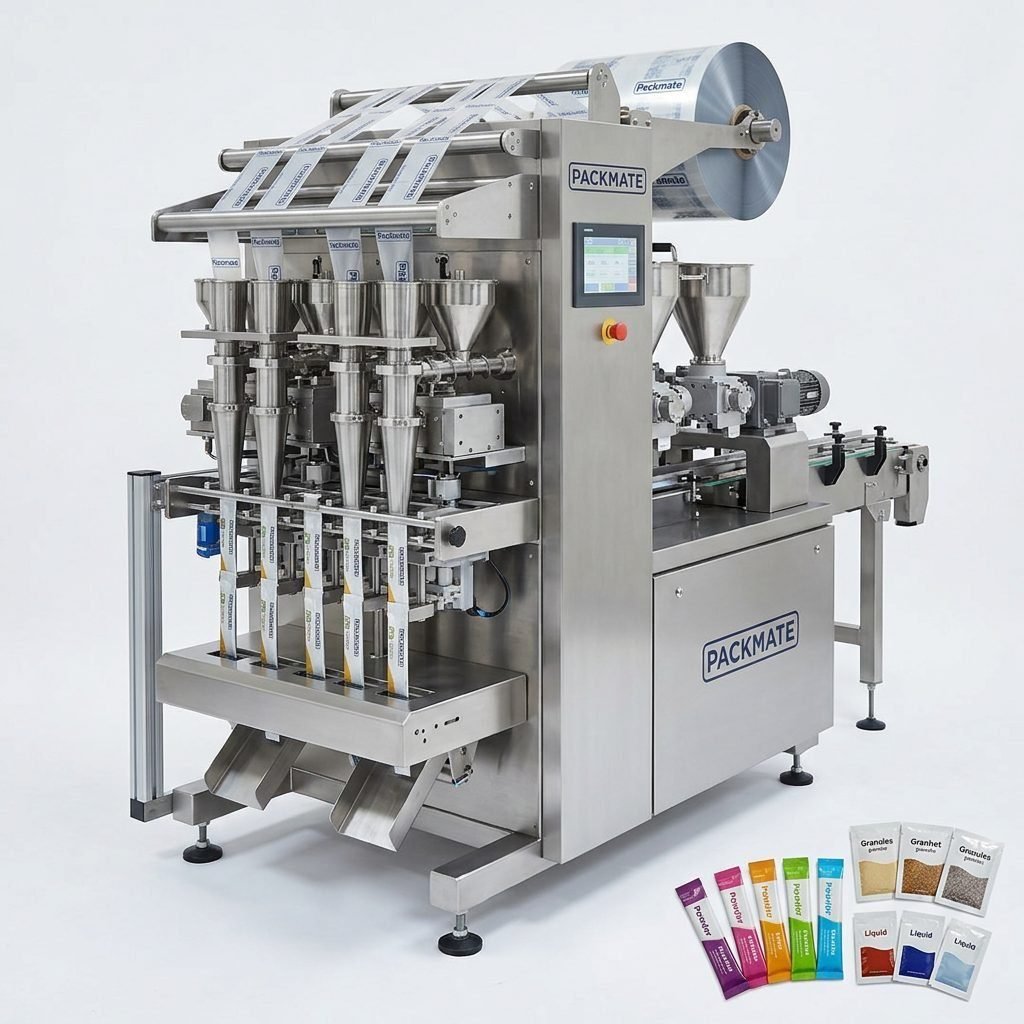
Investing in durable machinery minimizes costly downtime. Inquire about the quality of core components (PLC, servos, sensors, stainless-steel grade). A strong after-sales service framework is non-negotiable, especially given the distance from manufacturing hubs in China. Verify the availability of:
- Technical support: Remote assistance and timely response.
- Spare parts supply: Guaranteed availability and reasonable delivery times to Cameroon.
- Training: Comprehensive training for your engineers and operators, either on-site or at the factory.
Companies with a significant export footprint, such as Packmate Machinery, often have more structured international support channels.
4. Scale of Solution: Standalone Machine vs. Turnkey Line
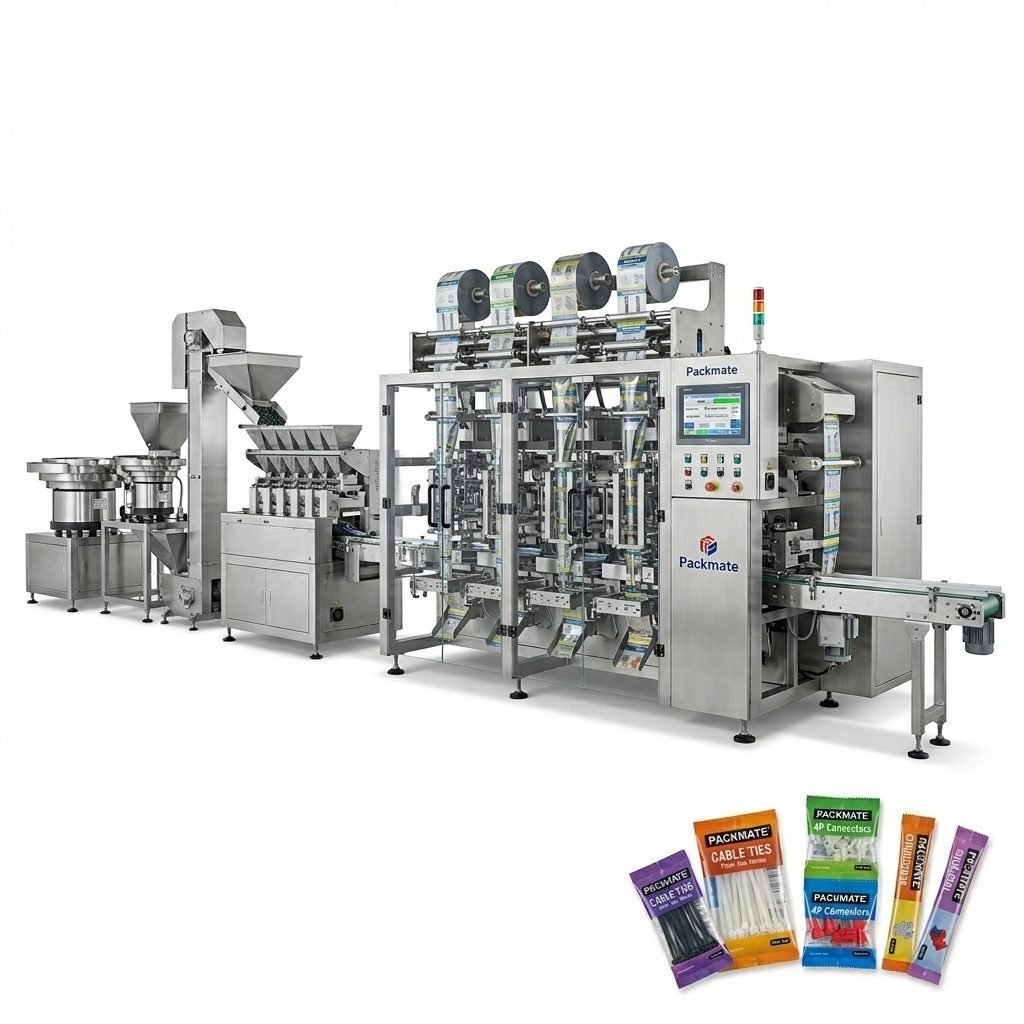
Determine whether you need a single machine to augment an existing line or a complete, integrated packaging system. For new factories or major expansions, a turnkey packaging line from a supplier like PacklineOEM can streamline the process. They handle everything from design and machinery supply to installation supervision and commissioning, which can be highly beneficial for complex projects in Cameroon.
Comparison Table: Standalone vs. Turnkey Solutions
| Factor | Standalone Machine | Turnkey Production Line |
|---|---|---|
| Project Scope | Replaces or adds one specific function (e.g., filling). | Complete line from raw material feeding to cartoning. |
| Responsibility | Integration and layout are the buyer’s responsibility. | Single supplier manages entire system integration. |
| Best For | Capacity upgrade or process improvement. | Greenfield projects or full automation overhaul. |
5. Cost Analysis and Return on Investment (ROI)
Look beyond the initial purchase price. Consider the total cost of ownership, which includes energy consumption, maintenance costs, potential production waste, and the machine’s lifespan. A slightly higher initial investment in a more reliable and efficient machine from a reputable manufacturer often leads to a better long-term ROI through higher uptime, lower waste, and consistent output quality—critical for export-oriented Cameroonian businesses.
6. Export Experience and Local References
A manufacturer experienced in exporting to Africa understands the logistical, documentation, and voltage adaptation requirements. Check if they have supplied machines to neighboring countries or have agents in the region. Request contact information for past clients, preferably in similar industries, to get firsthand feedback on machine performance and supplier reliability.
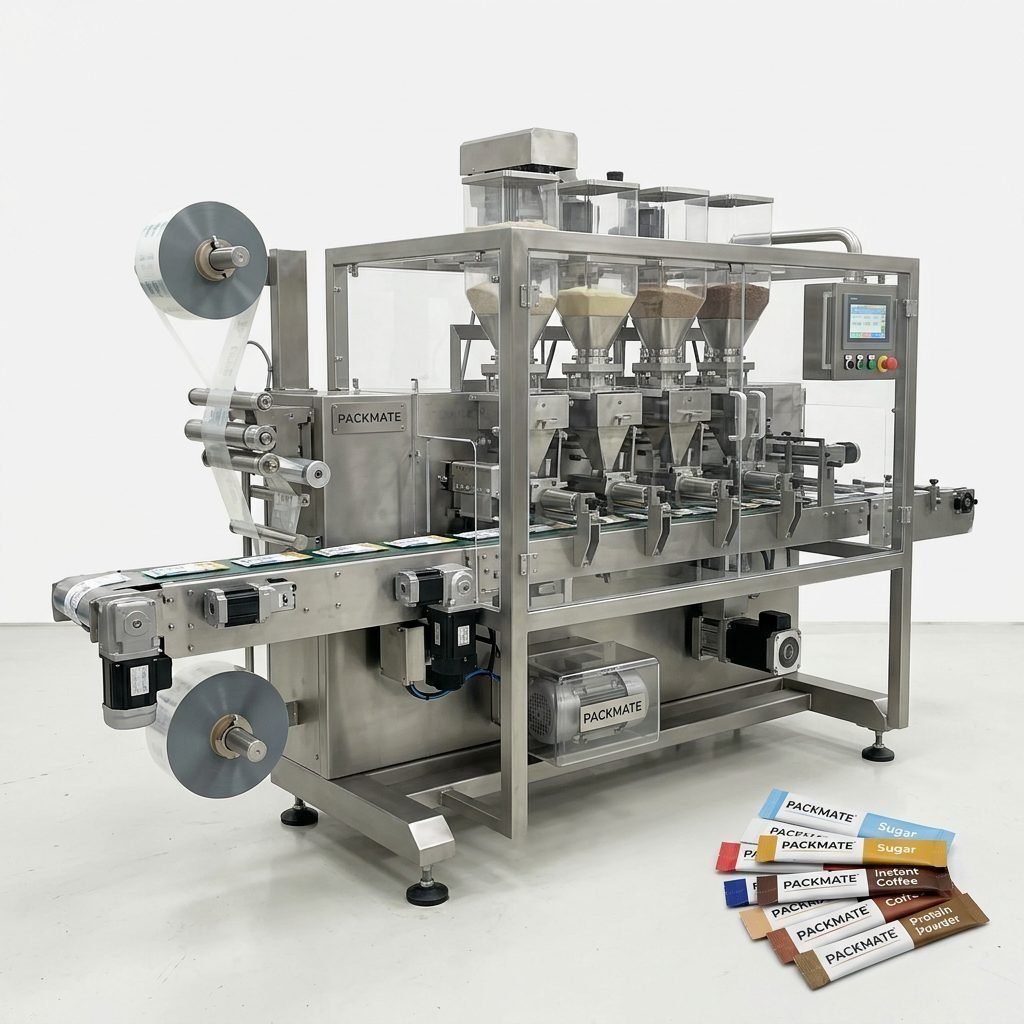
Evaluating Potential Suppliers: A Practical Checklist
Use this checklist when shortlisting manufacturers:
- ✅ Company history and financial stability (e.g., >20 years in business).
- ✅ Factory tour (virtual or in-person) to assess manufacturing capabilities.
- ✅ Request a detailed quotation with clear scope, delivery terms (CIF Douala), and warranty.
- ✅ Ask for a performance test with your own product sample (if feasible).
- ✅ Clarify payment terms, installation, and commissioning support.
- ✅ Review the service agreement and spare parts catalog.
Frequently Asked Questions (FAQs)
Q1: How long does it typically take to receive and install a packaging machine in Cameroon?
Lead times vary but generally range from 30 to 90 days after order confirmation, depending on machine complexity and customization. Sea freight to the port of Douala is common. Installation and commissioning may take an additional 1-3 weeks, often requiring a factory engineer to be sent on-site.
Q2: What are the main challenges when importing packaging machinery to Cameroon?
Key challenges include navigating customs clearance, ensuring proper documentation (like the Certificate of Conformity), handling inland transportation from the port, and voltage/power compatibility. Working with an experienced exporter who provides comprehensive shipping support is highly recommended.
Q3: Can I get financing support for such equipment purchases?
Some international manufacturers may partner with financial institutions to offer equipment financing or leasing options. Locally, it’s advisable to explore financing programs from Cameroonian banks or development agencies that support industrial and agricultural modernization.
Q4: How do I ensure the machine is suitable for our local packaging materials?
Provide samples of your exact packaging film (laminate) to the manufacturer for testing. They can adjust sealing temperature, pressure, and dwell time on their machines to ensure a strong, consistent seal before shipment.
Q5: Is training for our operators included?
Reputable suppliers typically include basic operational and maintenance training, either at your factory during commissioning or at their facility in China. Confirm the duration, depth, and language of training (English/French) in the contract.