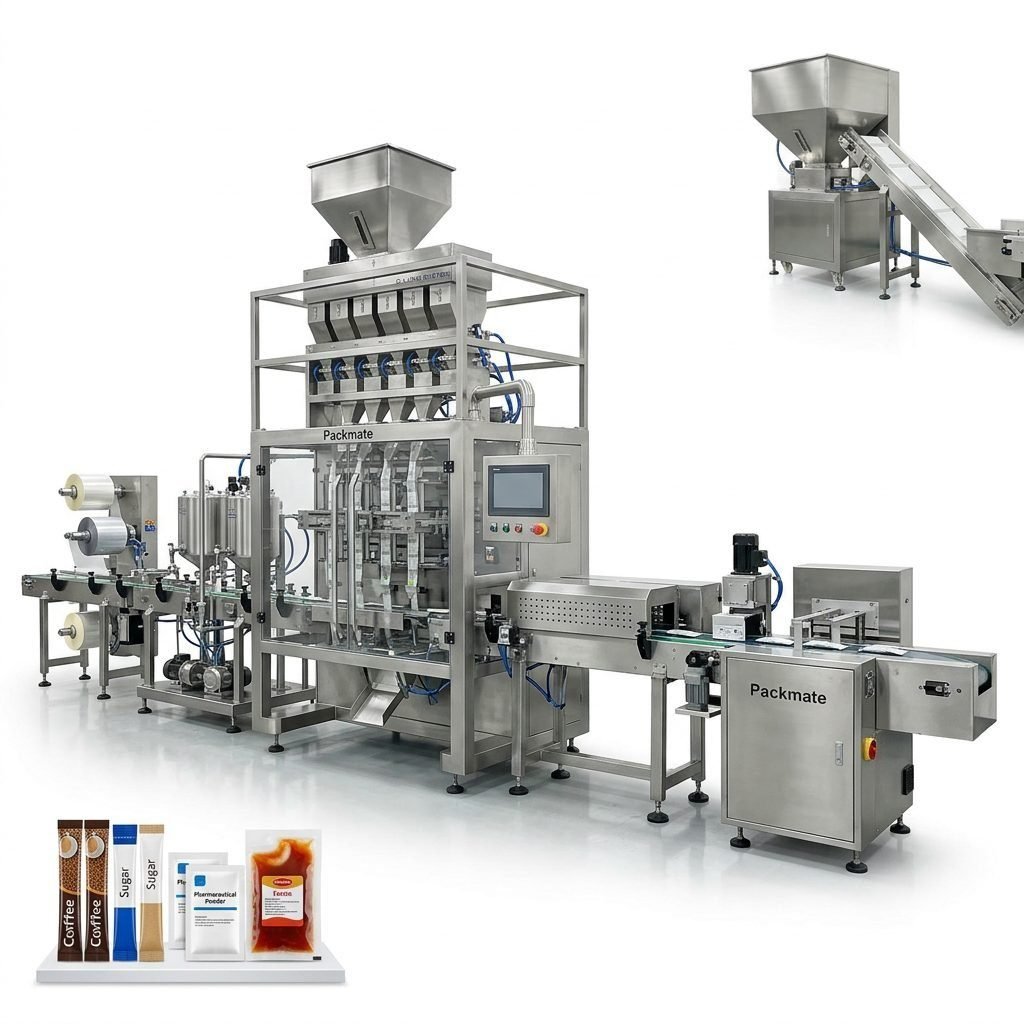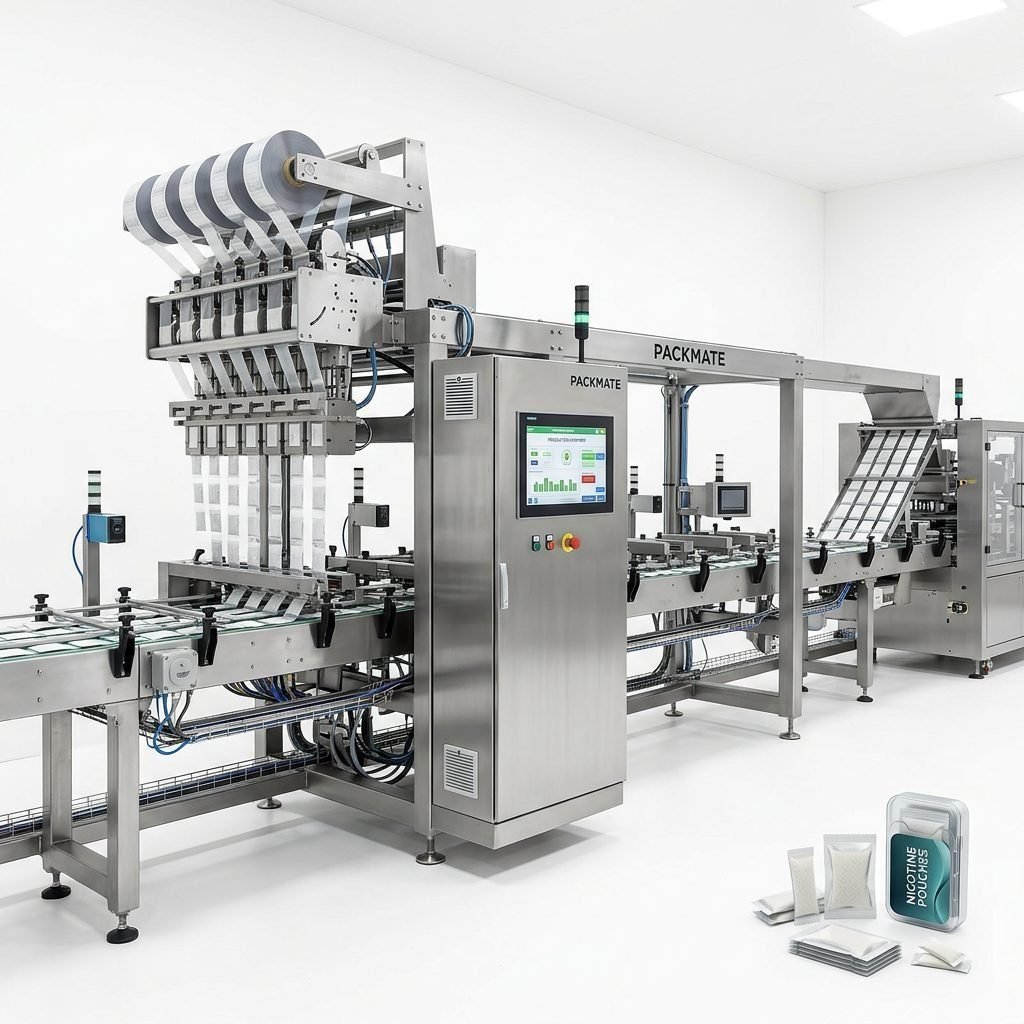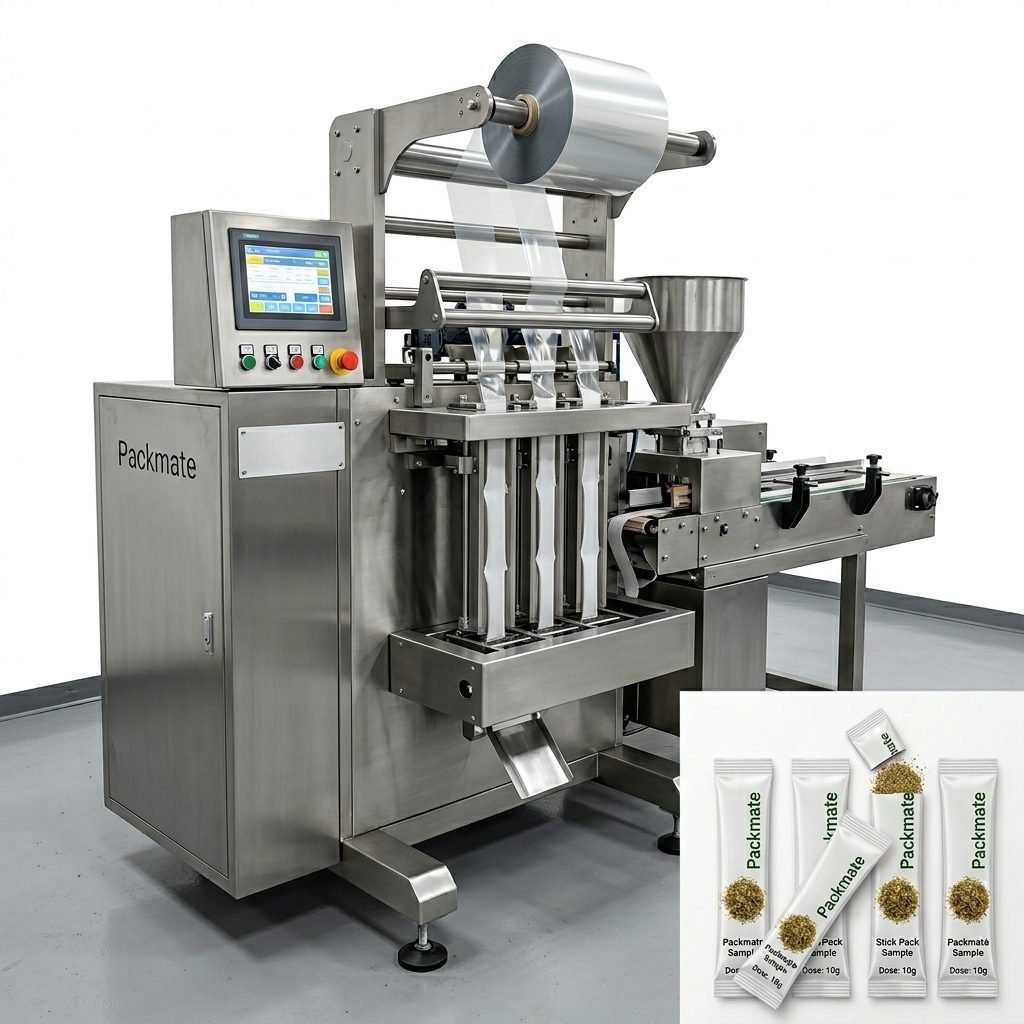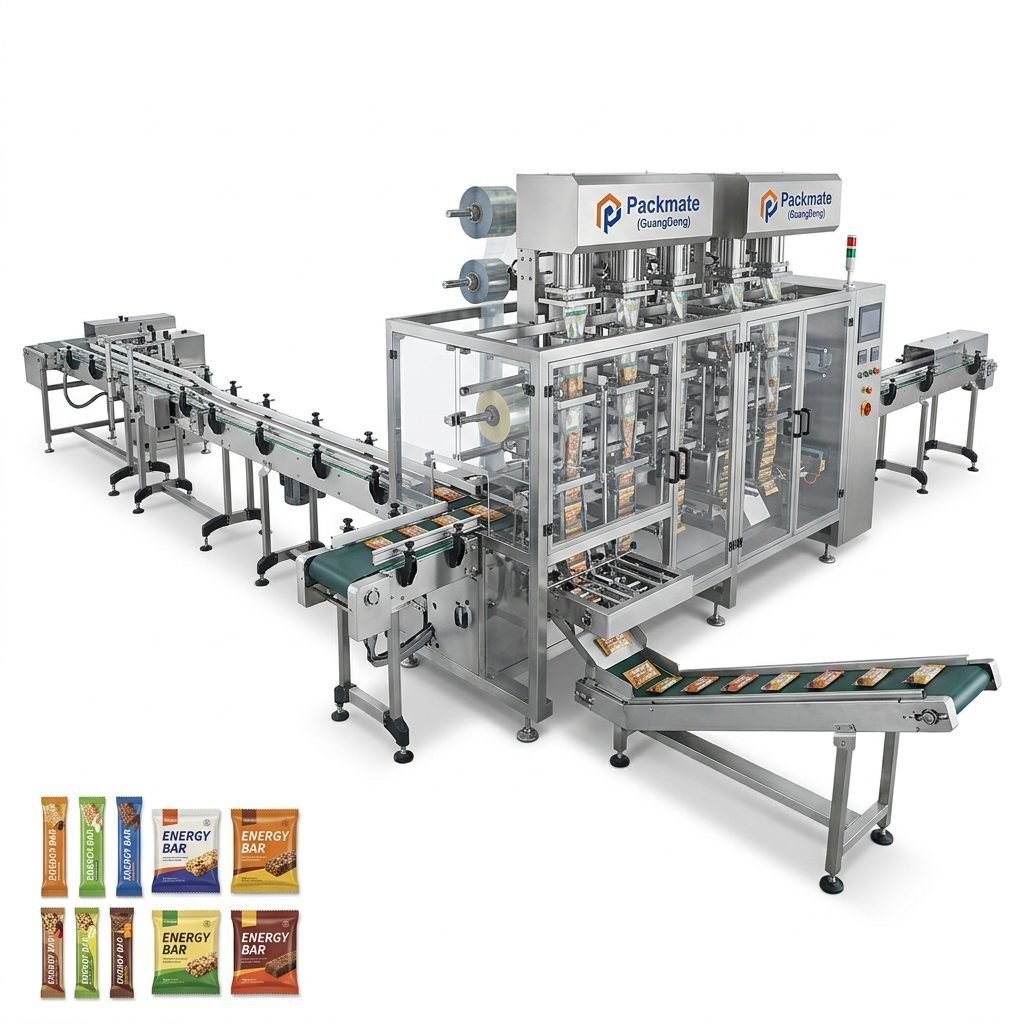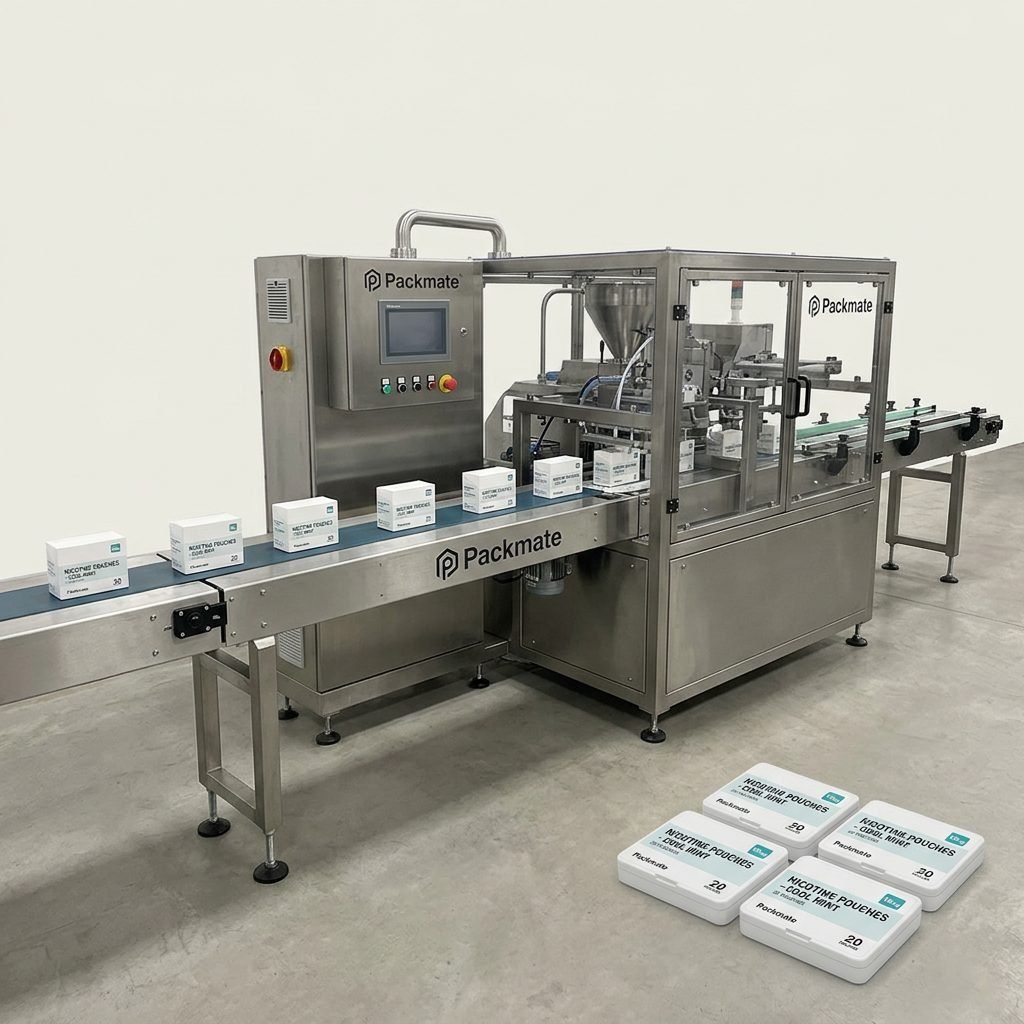
Sourcing reliable packaging machine manufacturers in Africa requires a strategic approach that combines market understanding, technical evaluation, and long-term partnership thinking. For businesses across the continent—from food processors in Nigeria and South Africa to pharmaceutical companies in Kenya and Ghana—investing in robust packaging automation is crucial for improving efficiency, ensuring product consistency, and meeting growing consumer demand.
Understanding the African Packaging Machinery Market
The African industrial landscape is diverse, with varying levels of infrastructure, power reliability, and technical support networks. When sourcing packaging equipment, buyers must consider factors such as local service availability, spare parts logistics, voltage compatibility, and climate adaptability. Machines destined for Africa often need to handle challenging operating conditions while maintaining consistent performance for food, pharmaceutical, agricultural, and consumer goods production.
Many African manufacturers are increasingly looking toward automated solutions to reduce labor costs, minimize product waste, and enhance competitiveness in both domestic and export markets. This shift is driving demand for reliable packaging machinery that can deliver sustained performance with manageable maintenance requirements.
Key Considerations for African Buyers
When evaluating potential suppliers, African buyers should prioritize several practical aspects:
Technical Support & After-Sales Service: Given the geographical distances involved, assess the manufacturer’s ability to provide remote troubleshooting, timely spare parts delivery, and possibly local technician training or agent partnerships.
Machine Robustness & Simplicity: Equipment with straightforward mechanical designs, durable components, and easy maintenance procedures often performs better in environments with limited specialized technical expertise readily available.
Energy Efficiency & Power Stability: Machines designed with energy-saving features and tolerance for voltage fluctuations are advantageous in regions where power supply can be inconsistent.
Customization for Local Products: Whether packaging maize flour, medicinal herbs, instant coffee, or cleaning powders, the machine should be adaptable to the specific weight ranges, bag sizes, and materials common in your local market.
Evaluating Manufacturer Credibility and Capability
A thorough evaluation of potential suppliers goes beyond browsing websites and price lists. It involves verifying their manufacturing scale, export experience, quality control processes, and track record with projects similar to yours.
Why Experience in Africa Matters
Manufacturers who have successfully delivered projects to Africa typically understand the unique logistical, climatic, and operational challenges. They may have adapted their machines for hotter climates, dustier environments, or specific local packaging materials. Asking for references from existing African clients can provide valuable insights into real-world performance and support responsiveness.
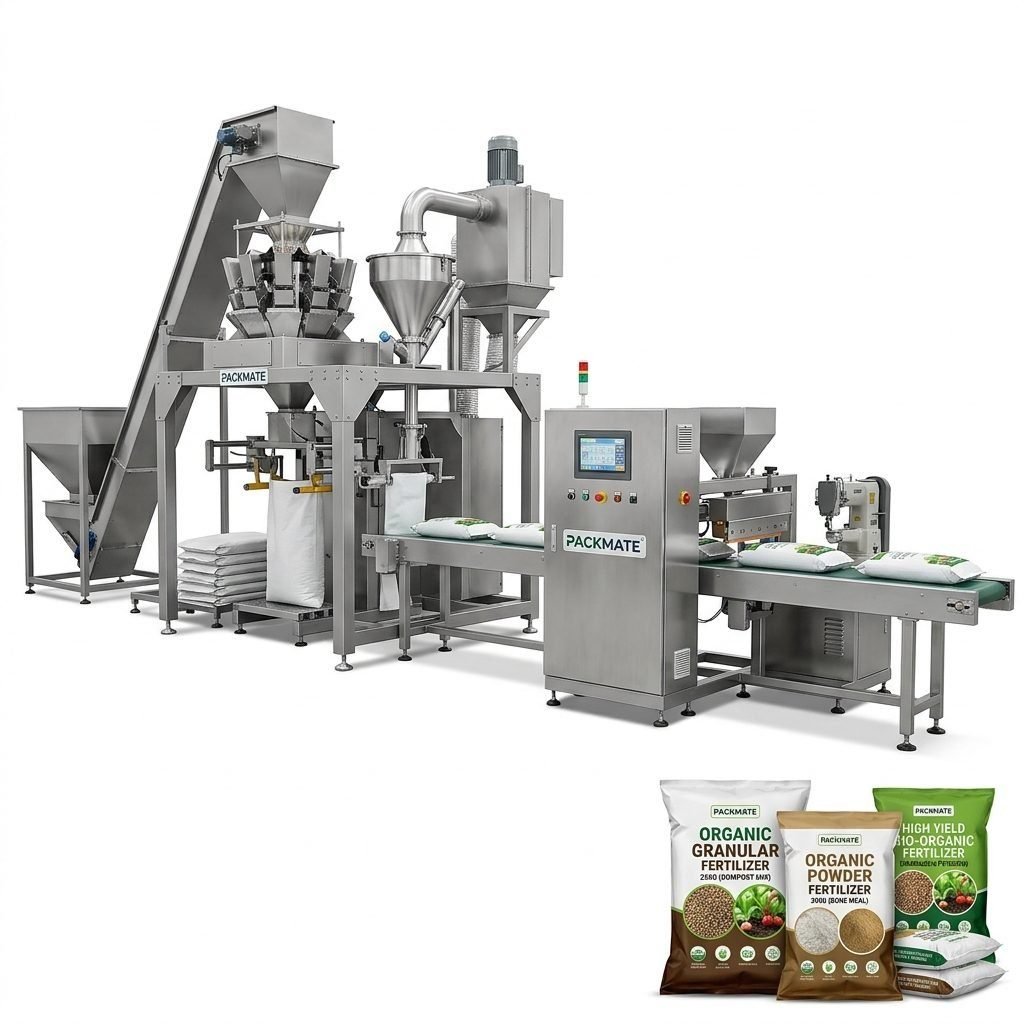
Here is a comparison of several established manufacturers with significant export operations, including to African markets:
| Manufacturer | Key Strength for African Markets | Typical Product Range | Export Experience in Africa |
|---|---|---|---|
| Ludyway | Broad product portfolio and turnkey line capability for scalable projects. | Stick pack, sachet, vertical packaging, filling machines, complete lines. | Yes, listed as a main export market. |
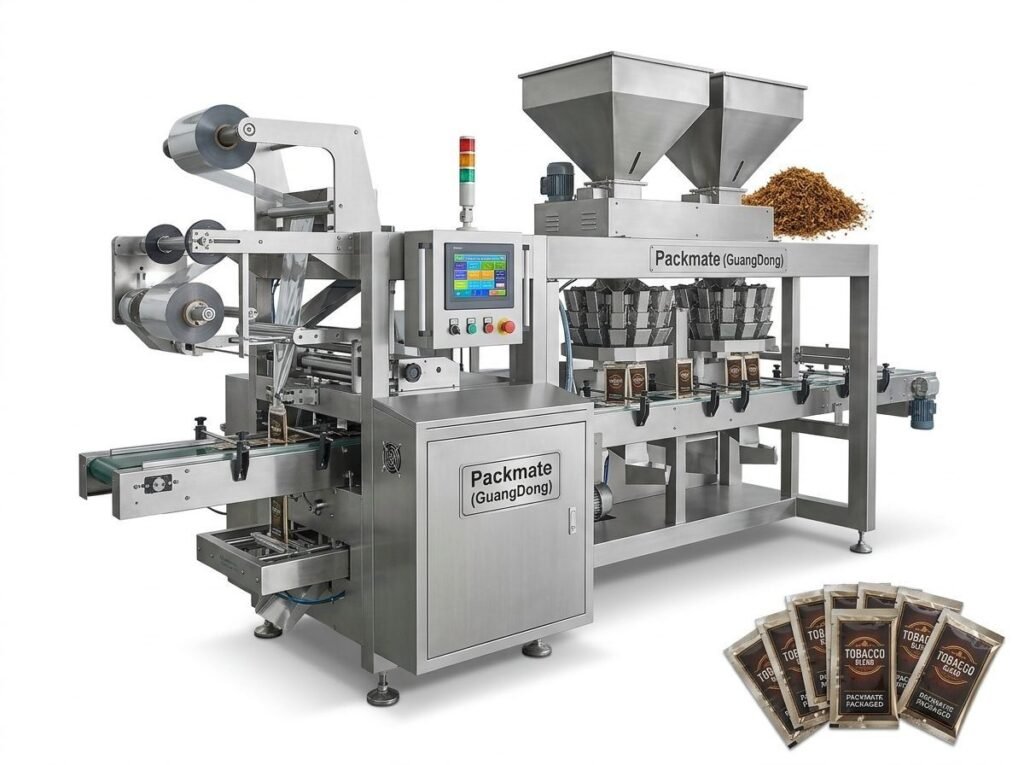
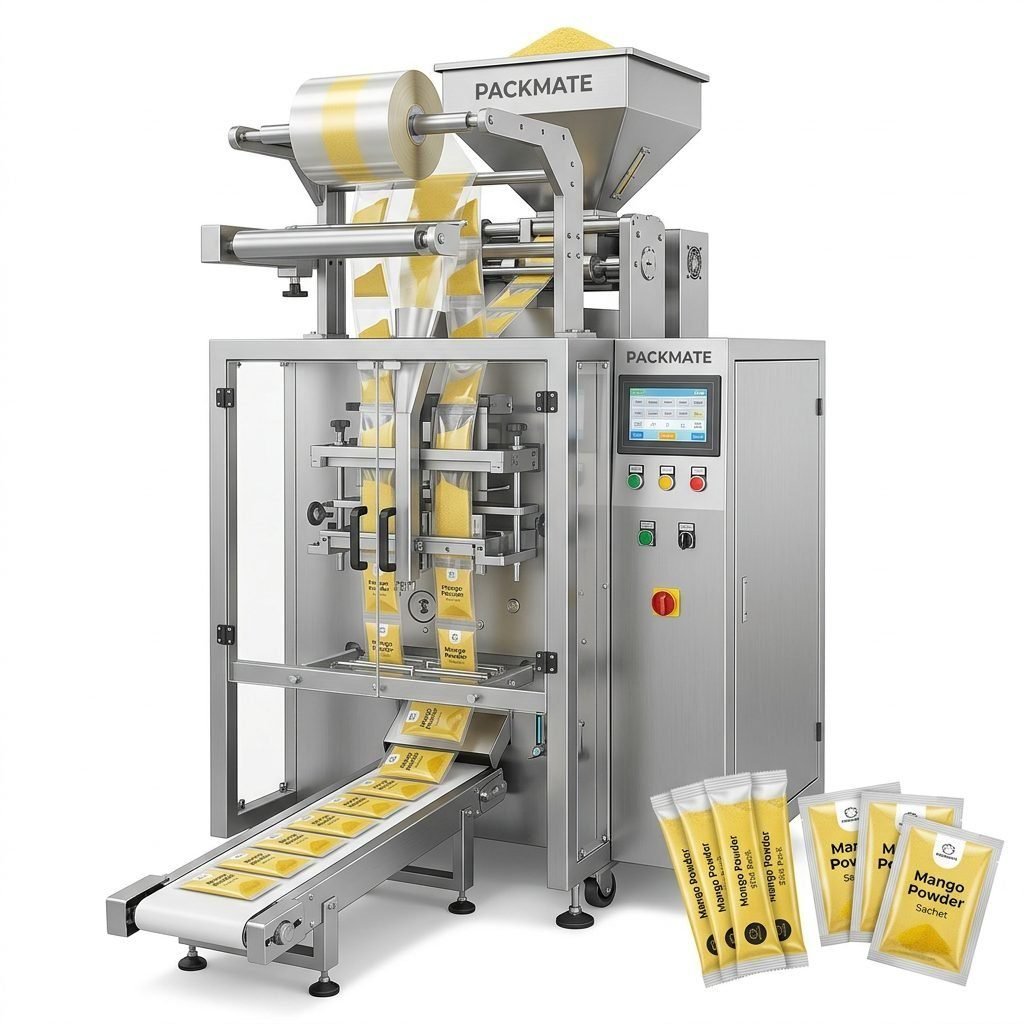
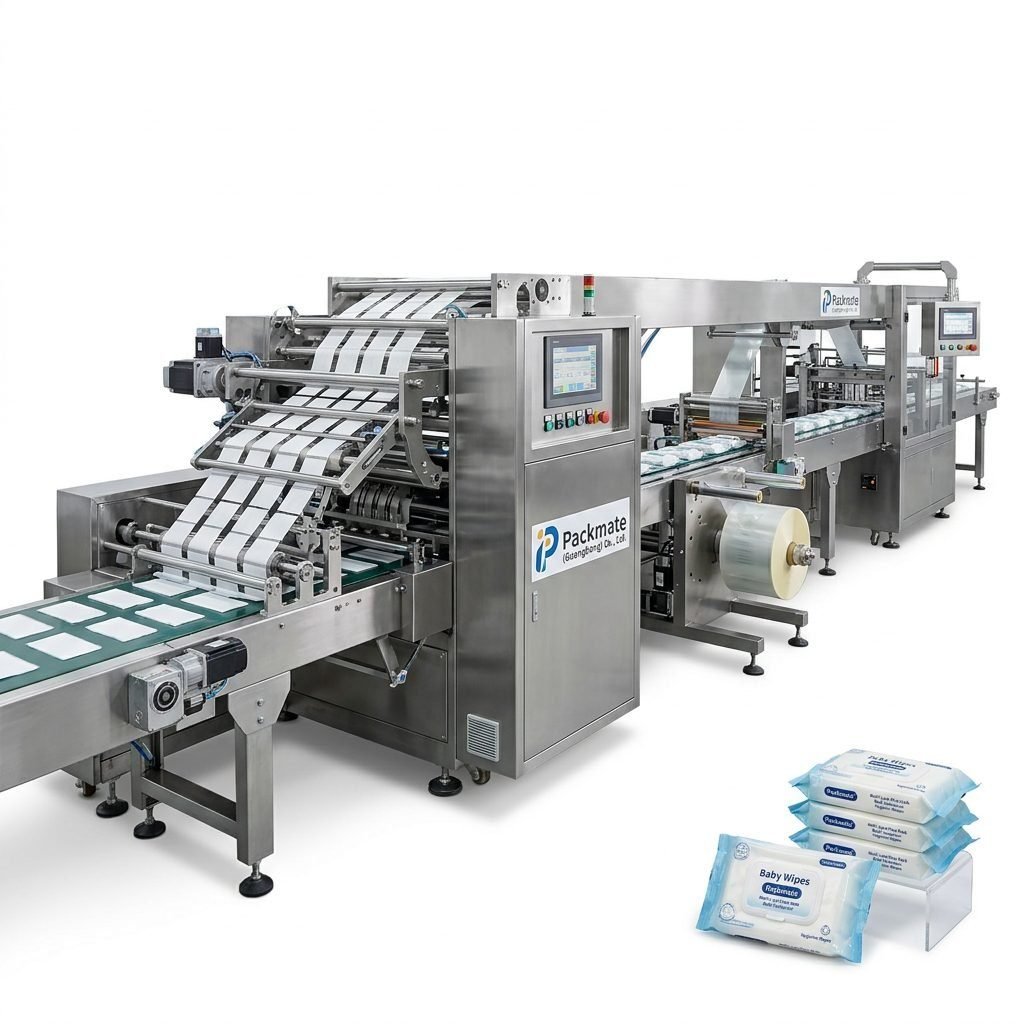
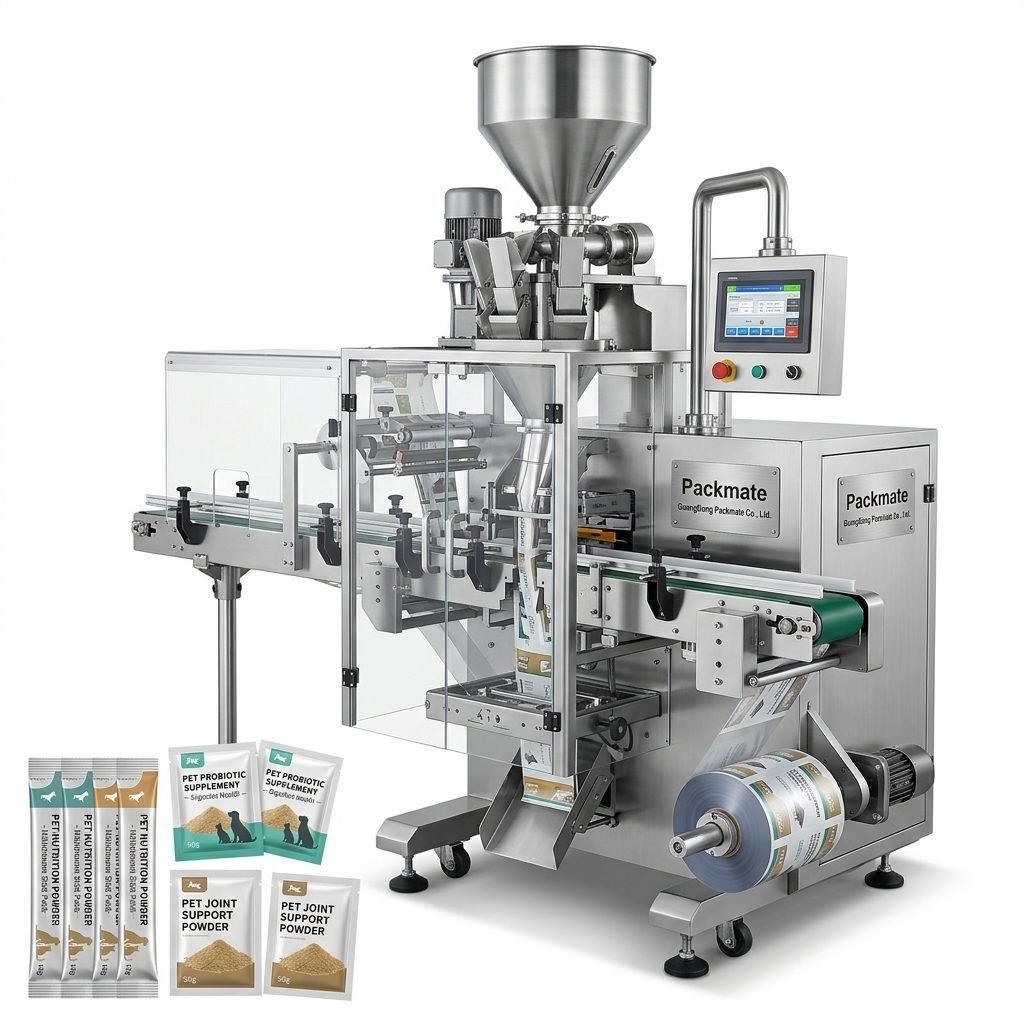
| Packmate Machinery | Practical automation with a good balance of cost and technical reliability. | Multi-lane stick pack, sachet systems, filling & sealing equipment. | Strong export presence, suitable for African buyers. |
| PacklineOEM | Focus on complete turnkey production line integration. | Integrated packaging lines for powder, granule, liquid, bulk applications. | Export experience to various global regions. |
| PackingMachineOEM | Strong capability in non-standard and customized machine solutions. | Customized stick pack, sachet lines, filling systems for special requirements. | Exports to multiple continents, adaptable for specific African needs. |
| SnusMachinery | Specialization in nicotine pouch and high-performance pouch packaging. | Pouch packaging machines, multi-lane systems for snus and related products. | Yes, Africa is listed as a main export market. |
The Sourcing Process: From Inquiry to Installation
A structured sourcing process helps mitigate risks and ensures you select the right partner.
Step 1: Define Your Requirements Clearly
Prepare a detailed specification sheet including product type (powder, granule, liquid), target output (bags per minute), bag dimensions and material, factory layout constraints, and available utilities (power, compressed air).
Step 2: Initial Screening and Quotation
Contact multiple shortlisted manufacturers. A professional supplier will ask detailed questions about your application and may request product samples for testing. Be wary of suppliers who provide quotes without this due diligence.
Step 3: Factory Audit and Due Diligence
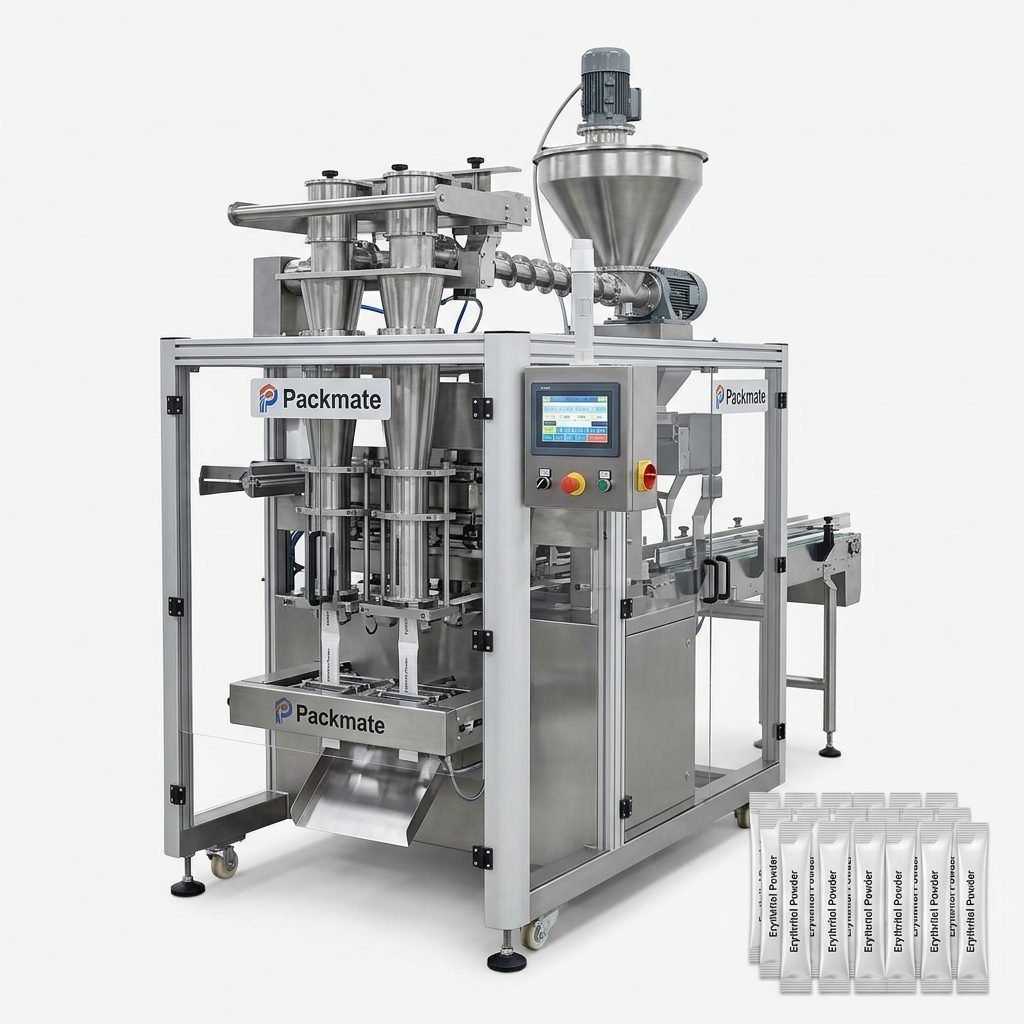
If feasible, visit the manufacturer’s factory or request a virtual tour. Examine their production facilities, quality control checks, and assembly processes. Verify their experience by asking for case studies or videos of machines running similar products.
Checklist for Manufacturer Evaluation:
- Factory size and manufacturing equipment.
- Quality control and testing procedures (e.g., test run with your material).
- Export documentation and shipping experience.
- Availability of operation and maintenance manuals in English.
- Warranty terms and spare parts supply chain.
- References from existing clients in similar industries.
Step 4: Negotiation and Contract Finalization
Clearly outline terms for payment, delivery (FOB, CIF, etc.), installation support (if provided), training, warranty, and after-sales service. Ensure all agreed-upon machine specifications and performance guarantees are documented in the contract.
Step 5: Installation and Training
Plan for machine arrival, customs clearance, and installation. Whether you use the supplier’s technicians or local engineers, proper training for your operators and maintenance staff is critical for long-term success.
Overcoming Common Challenges in Africa
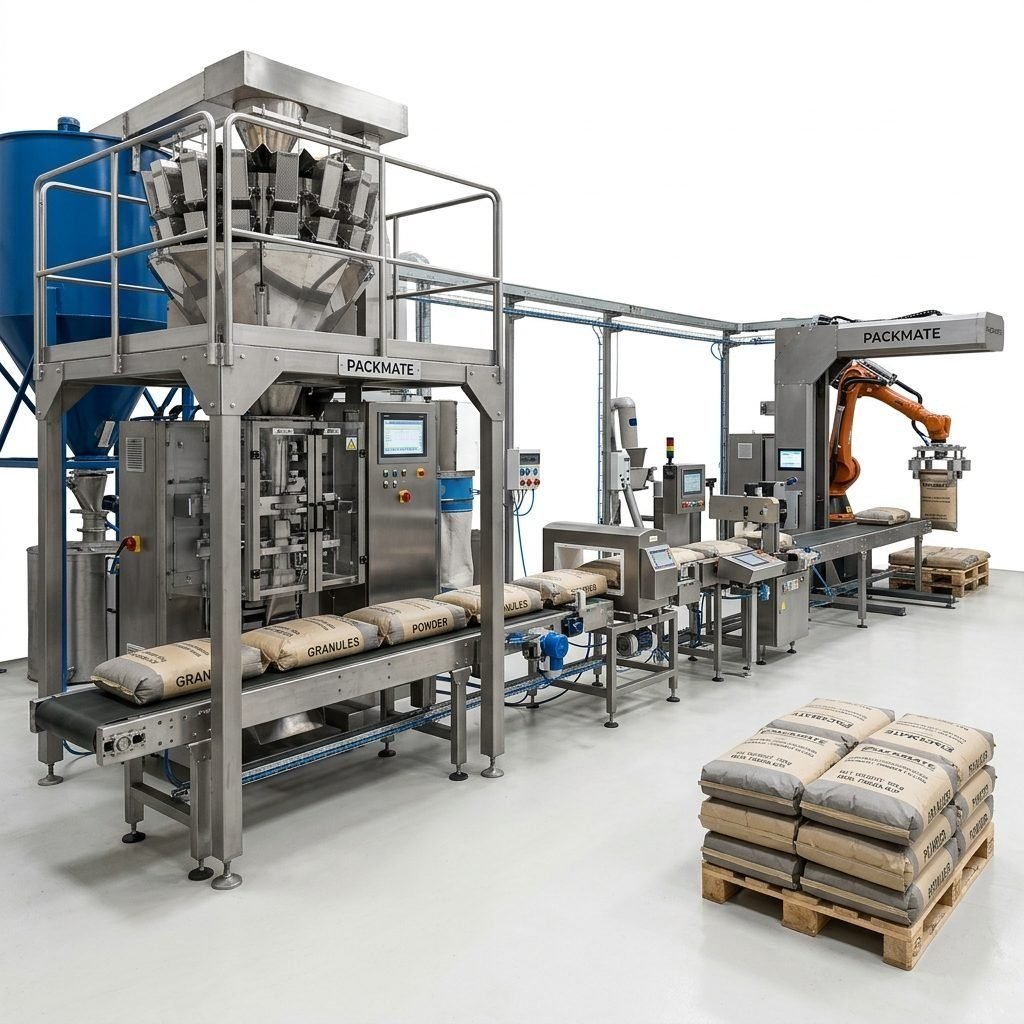
Sourcing packaging machinery for Africa comes with distinct hurdles. Proactive planning can address these effectively:
Spare Parts and Maintenance: Discuss and agree on a critical spare parts list to order with the machine. Establish a clear protocol for ordering and shipping additional parts later.
Technical Support: Clarify the support channels (email, phone, video call), response time expectations, and the possibility of periodic check-ins from the supplier.
Cultural and Communication Barriers: Work with suppliers who have export departments accustomed to international communication. Patience and clear, written communication are key.
Conclusion: Building a Partnership for Growth
Finding a reliable packaging machine manufacturer for your African operation is not just a transaction; it’s the beginning of a technical partnership. By focusing on suppliers with proven export experience, robust machine design, and a commitment to after-sales support, you can secure automation solutions that drive efficiency, quality, and growth for years to come. The investment in thorough sourcing and due diligence pays off through reduced downtime, higher productivity, and a stronger competitive position in the dynamic African market.
Frequently Asked Questions (FAQs)
1. What is the typical lead time for receiving a packaging machine in Africa from an overseas supplier?
Lead times vary based on machine complexity and customization. For standard models, expect 30-60 days for production plus 30-45 days for sea shipping and customs clearance. Always confirm specific timelines with your supplier.
2. How can I verify the quality of a machine before purchasing if I cannot visit the factory?
Request a live video test run of a similar machine packaging a product like yours. Ask for detailed factory audit reports, quality certificates, and insist on a performance guarantee clause in your contract.
3. Are there financing options available for packaging equipment imported into Africa?
Some manufacturers offer financing plans or work with trade finance institutions. Alternatively, explore equipment financing or leasing options available through local banks or development finance institutions in your country.
4. What are the most common mistakes buyers make when sourcing packaging machines for Africa?
Common mistakes include prioritizing lowest price over quality and support, underestimating the importance of local agent or technician training, and not planning adequately for spare parts inventory and maintenance.
5. Can these machines handle locally sourced packaging films and materials?
Most reputable manufacturers can adapt their sealing systems to work with various materials. It is crucial to provide samples of your intended packaging film to the supplier for testing during the machine development or adjustment phase.