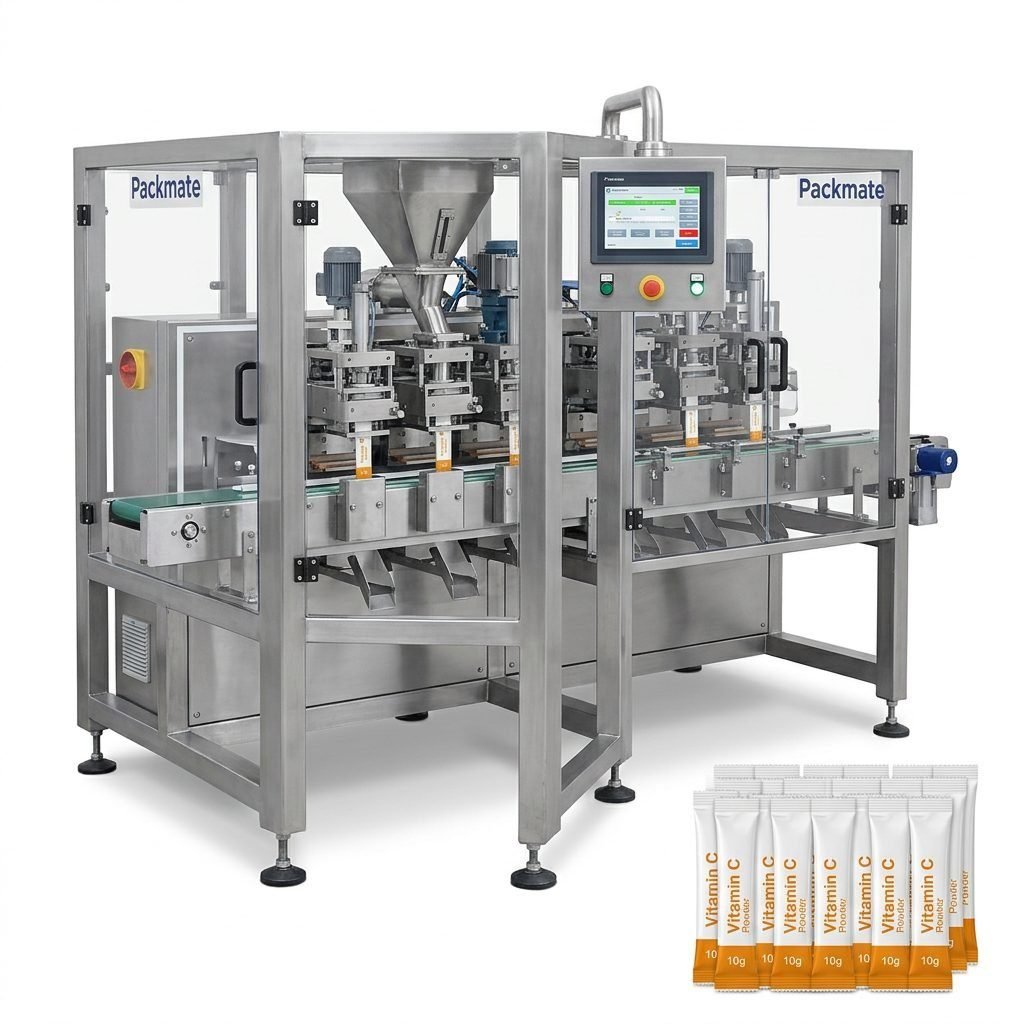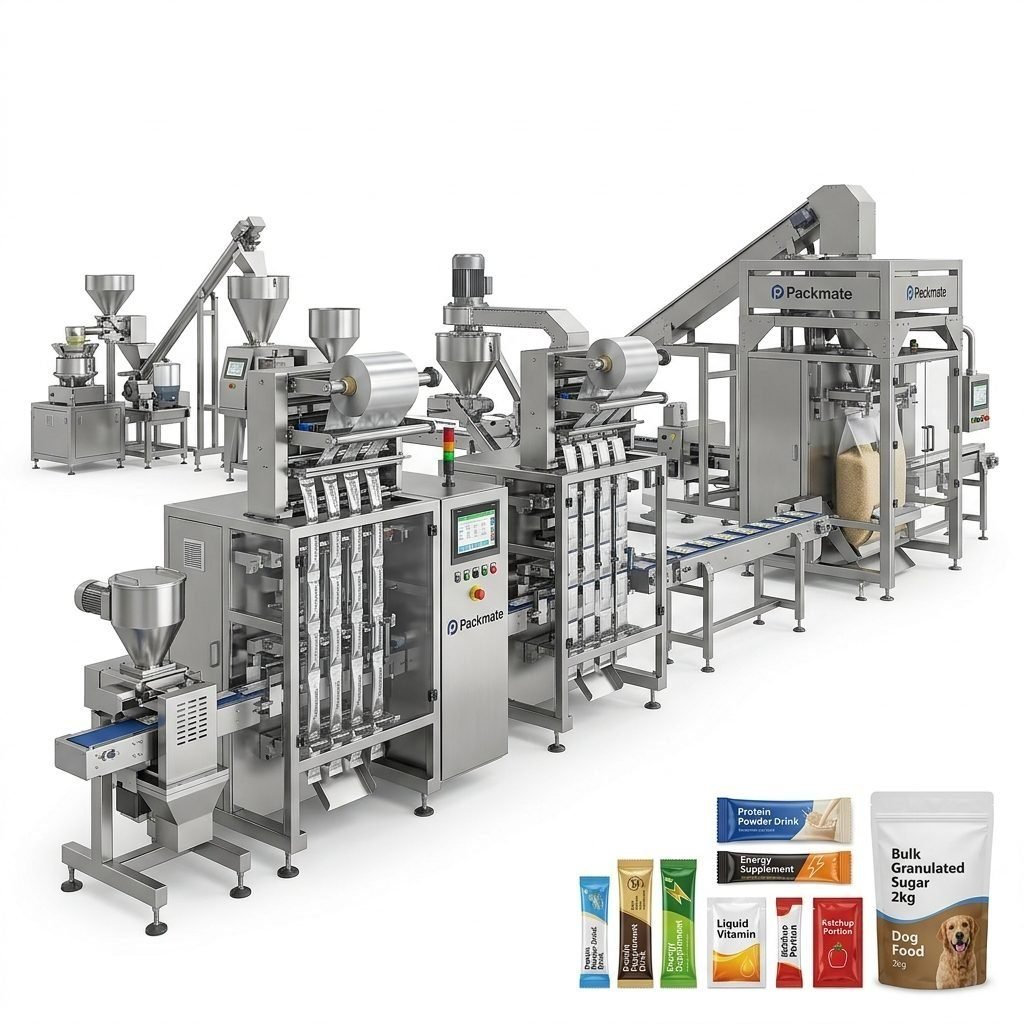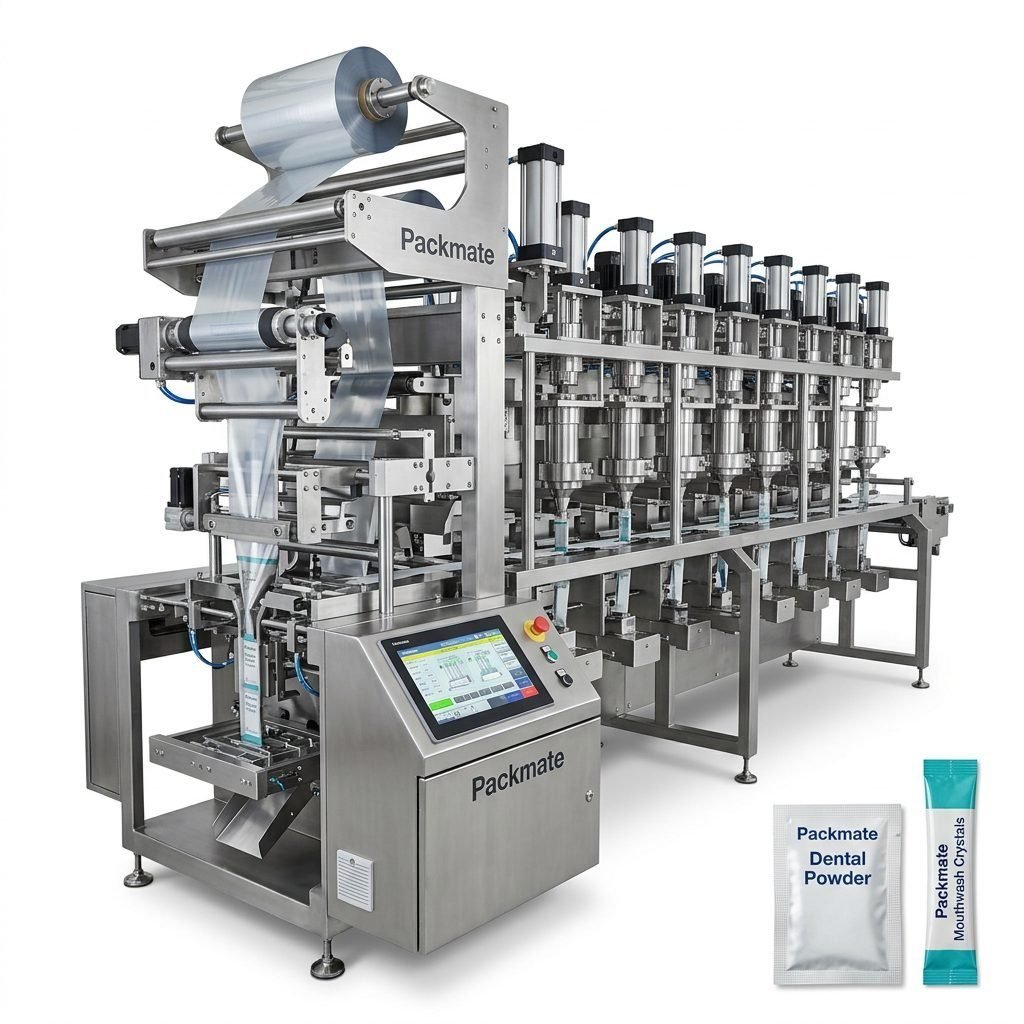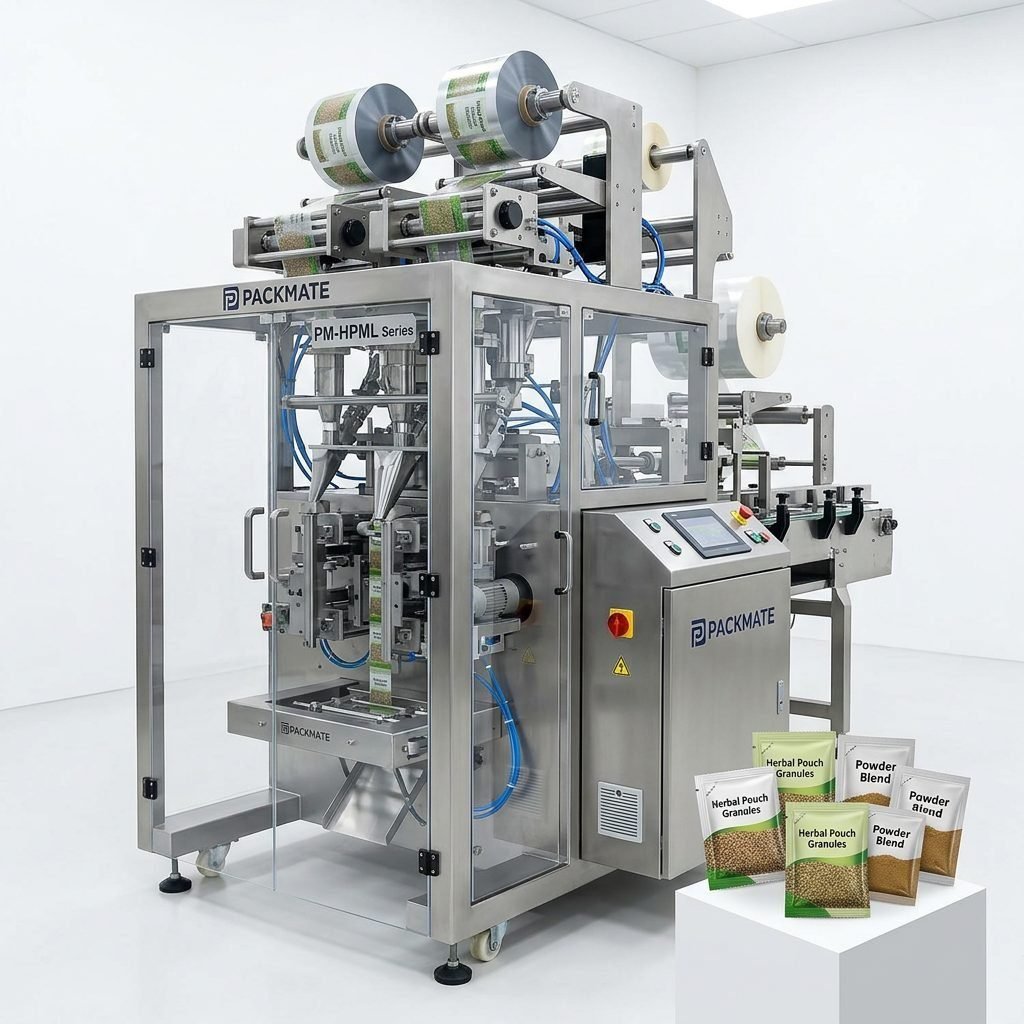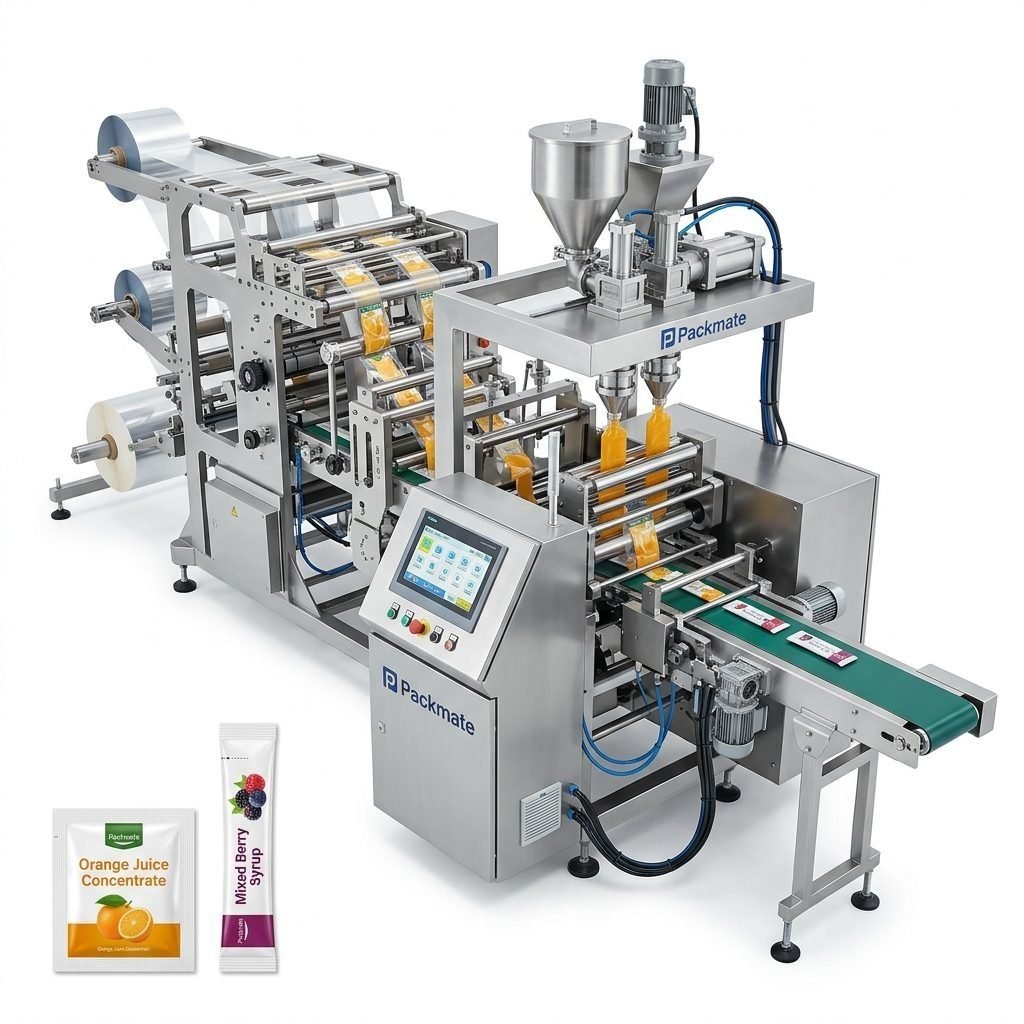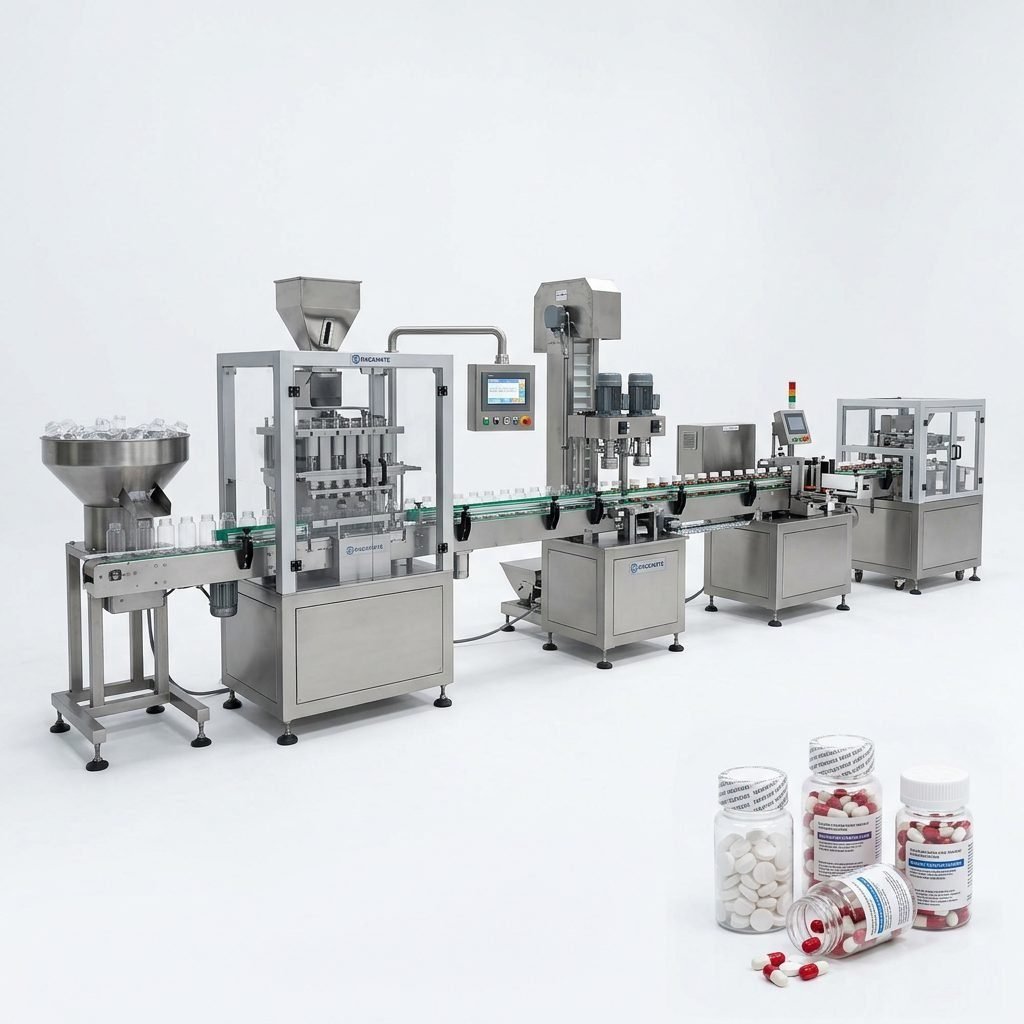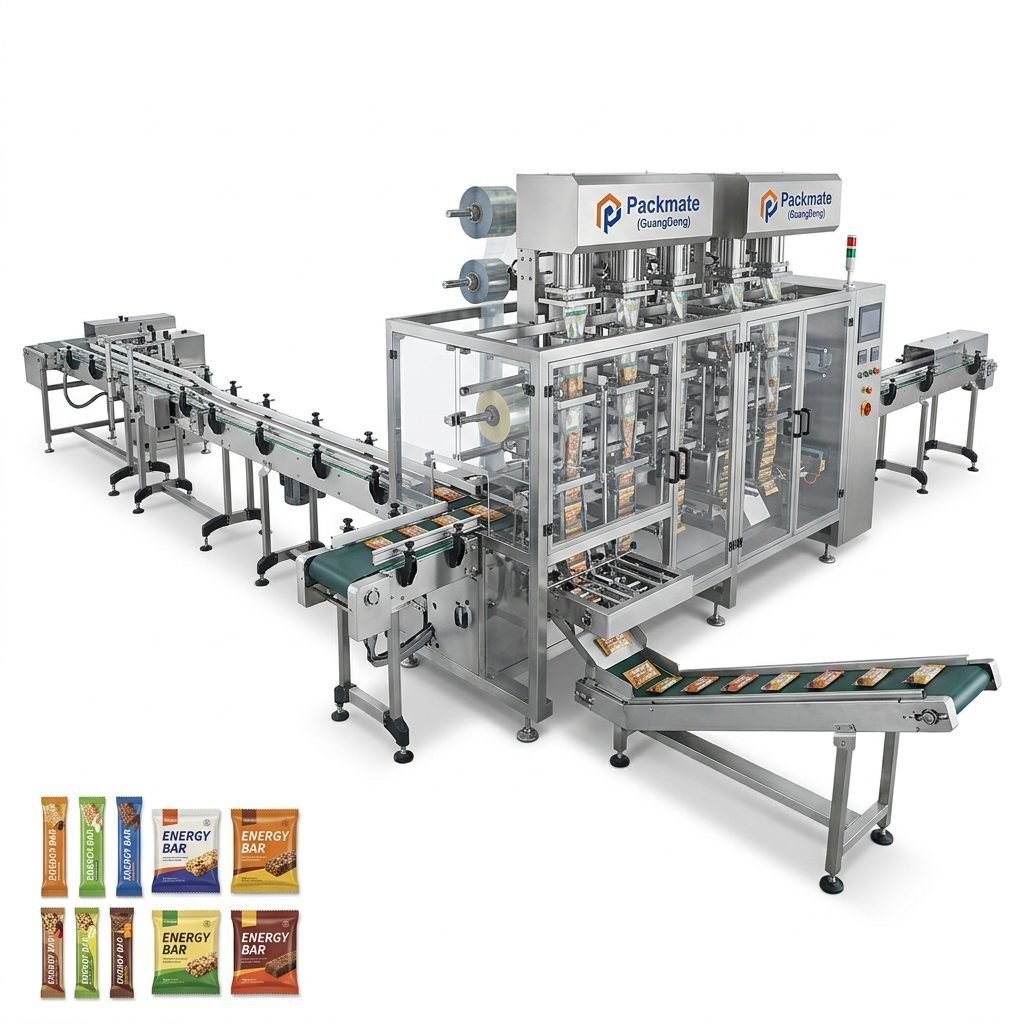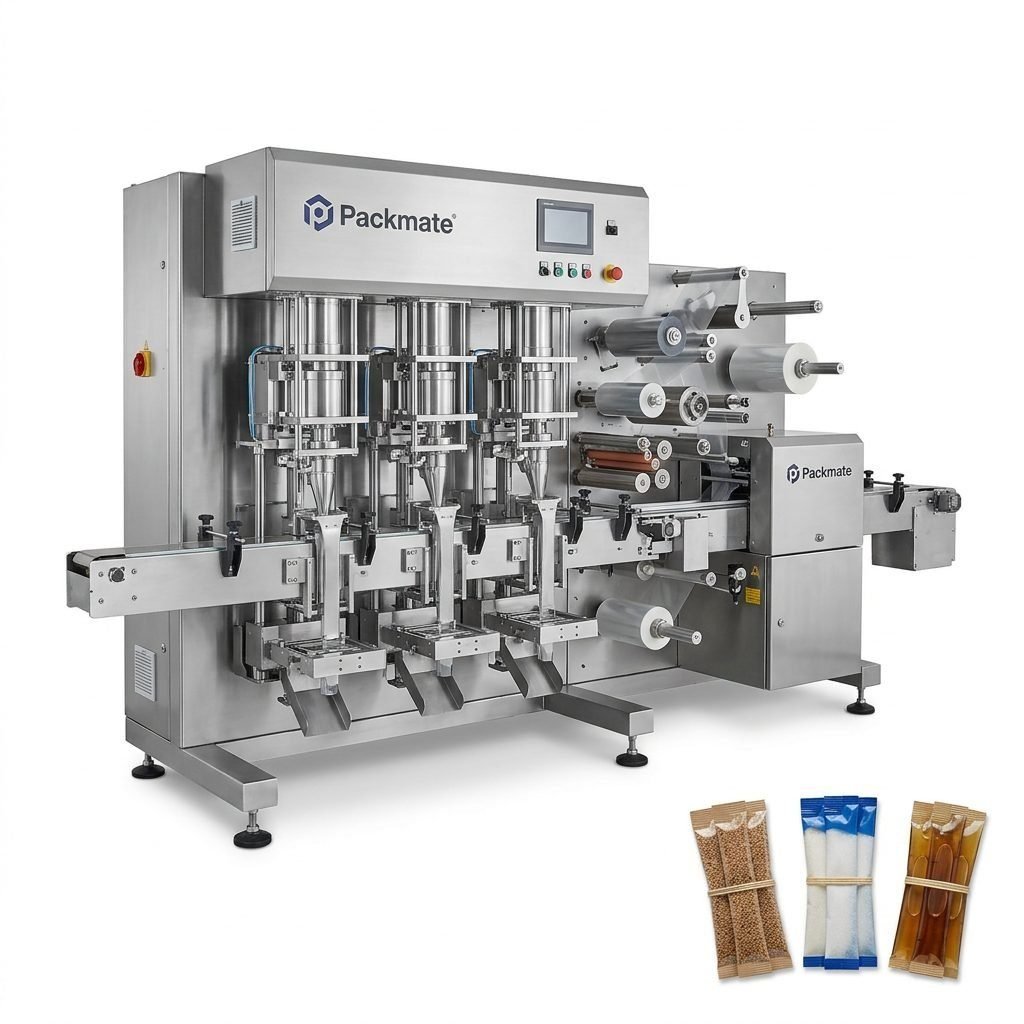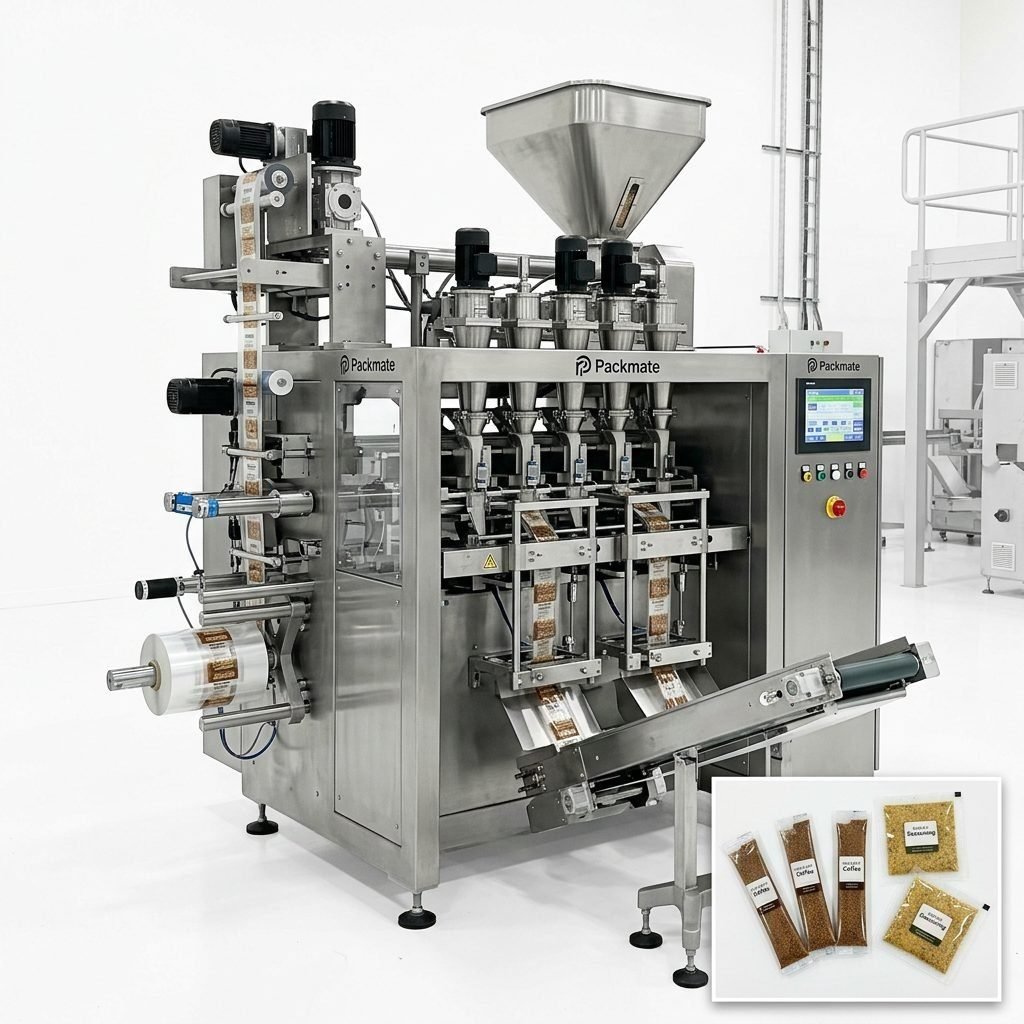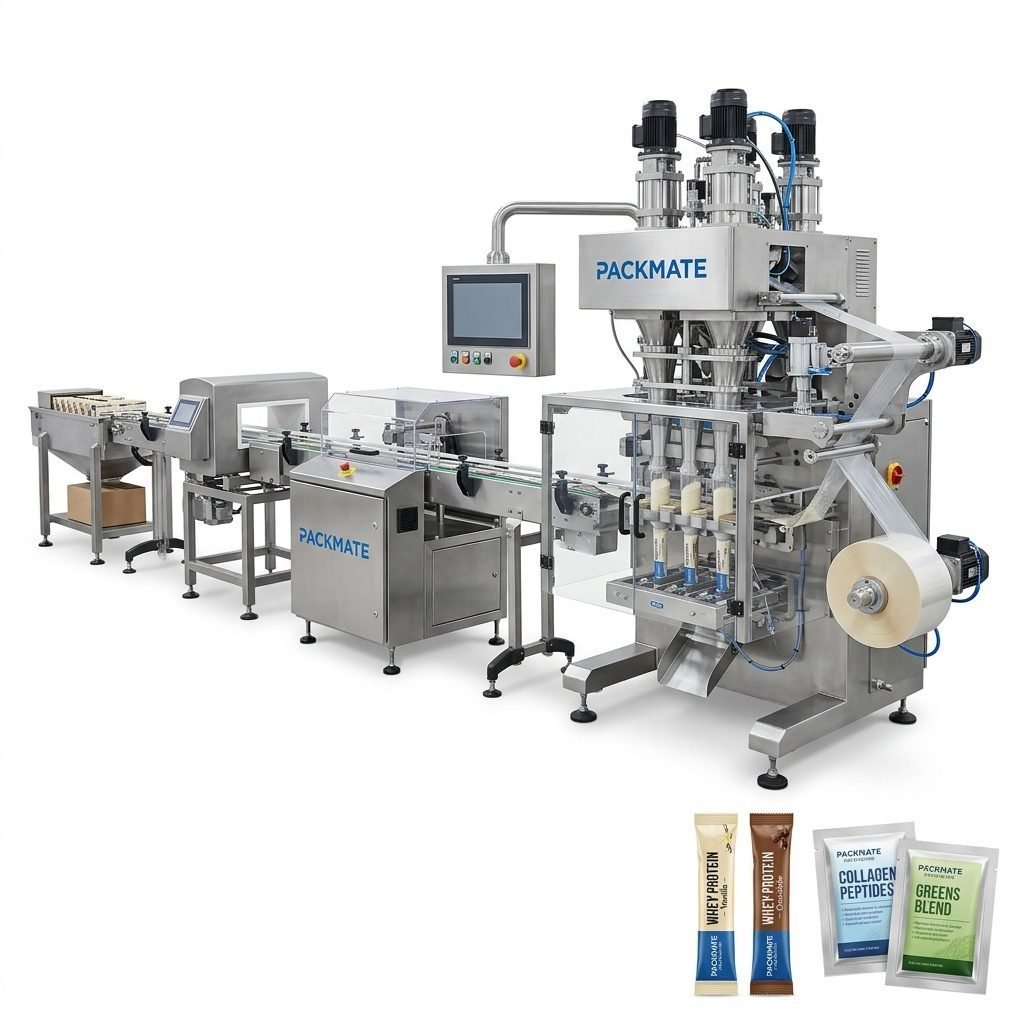
For businesses in Bahrain’s growing food, pharmaceutical, and consumer goods sectors, investing in reliable packaging machinery is a critical decision. Whether you’re a food producer in Manama, a pharmaceutical company in Riffa, or a supplement manufacturer in Muharraq, the right equipment can significantly impact your production efficiency, product quality, and bottom line. This guide provides a practical, step-by-step approach to help you find and vet reliable packaging machine manufacturers, with a focus on the specific needs of the Bahraini market.
Understanding Your Specific Packaging Needs in Bahrain
Before you begin your search, clearly defining your requirements is essential. The local market often demands versatility to handle both regional specialties and imported raw materials. Consider these factors:
Product Type: Are you packaging fine powders (like spices or protein supplements), granules (like rice or coffee), liquids (like sauces or oils), or viscous pastes? Bahrain’s climate can affect material flow, so this is crucial.
Production Volume: Are you a small-batch artisanal producer or a large-scale manufacturer supplying the GCC region? This determines the required machine speed (bags/minute).
Bag/Pouch Type: Do you need stick packs, sachets, pillow bags, or stand-up pouches? Consider popular local retail formats.
Automation Level: Do you need a standalone machine or a fully integrated turnkey line with feeding, weighing, filling, sealing, and cartoning? Labor availability and costs in Bahrain make automation a key consideration.
After-Sales Support: Proximity for technical support and spare parts availability is vital. Look for manufacturers with a strong presence in the Middle East.
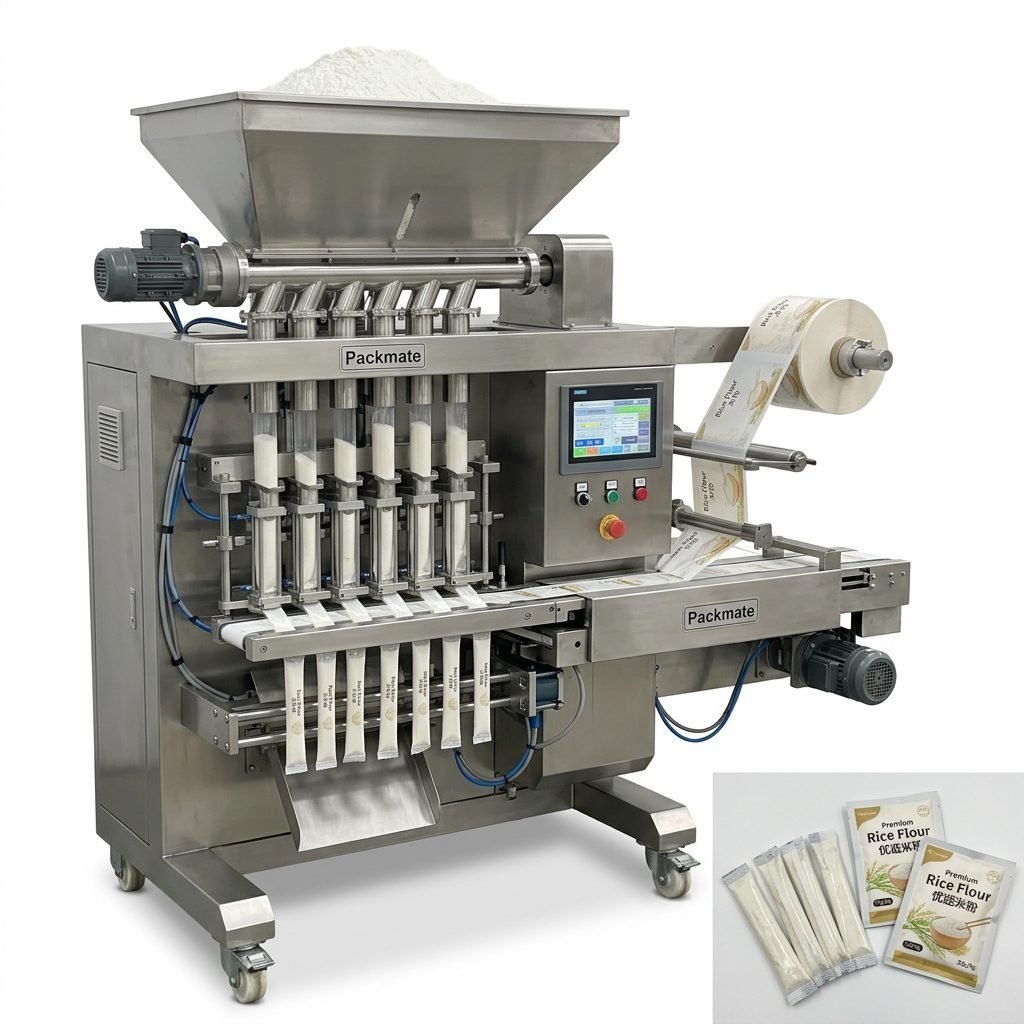
Step 1: Start with Targeted Research and Sourcing
Begin your search online, but be specific. Use keywords like “packaging machine manufacturer for food Bahrain,” “sachet packing machine supplier GCC,” or “turnkey packaging line.” Industry-specific B2B platforms and trade directories are excellent resources. Attending international trade fairs like Gulfood Manufacturing in Dubai can also provide direct access to numerous manufacturers.
Step 2: Evaluate Manufacturer Credentials and Experience
Once you have a list of potential suppliers, dig deeper into their background. A manufacturer with a long history and proven experience in your specific industry (food, pharma, etc.) is generally more reliable. Check their company profile, founding date, and client portfolio.
For instance, Ludyway, established in 1993, has over 30 years of experience and a strong export footprint in the Middle East, making them a familiar supplier to the region. Similarly, companies like Packmate Machinery and PacklineOEM also boast decades of industry experience, which translates into deeper application knowledge and more robust machine designs.
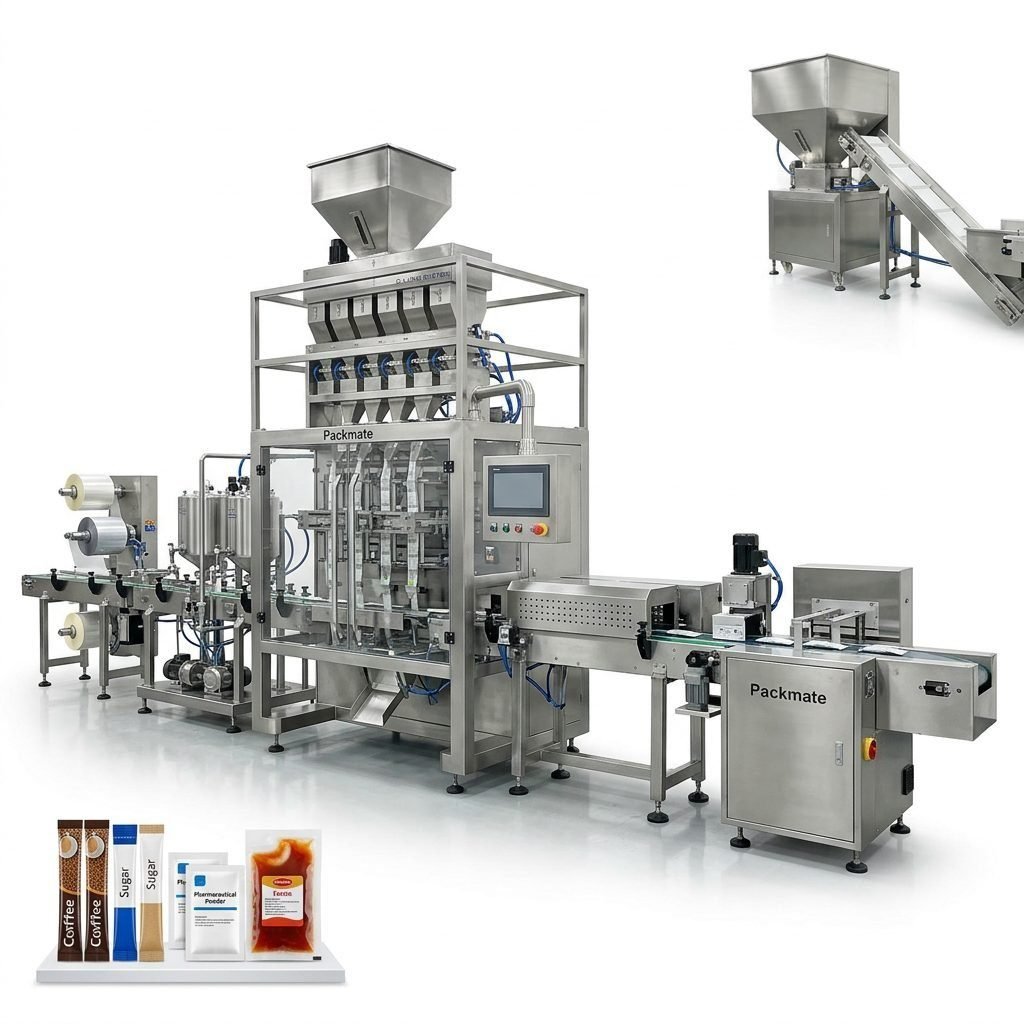
Step 3: Assess Technical Capability and Product Range
Examine the manufacturer’s technical capabilities. Do they offer standard machines or can they provide customized solutions? Bahraini businesses often require flexibility for unique product formats or local packaging materials.
- Standard vs. Custom: Manufacturers like PackingMachineOEM specialize in non-standard and customized solutions, which is ideal if your product has unique characteristics.
- Specialization: If you are in a niche market like smokeless tobacco or nicotine pouches, a specialized manufacturer like SnusMachinery offers focused expertise that general manufacturers may lack.
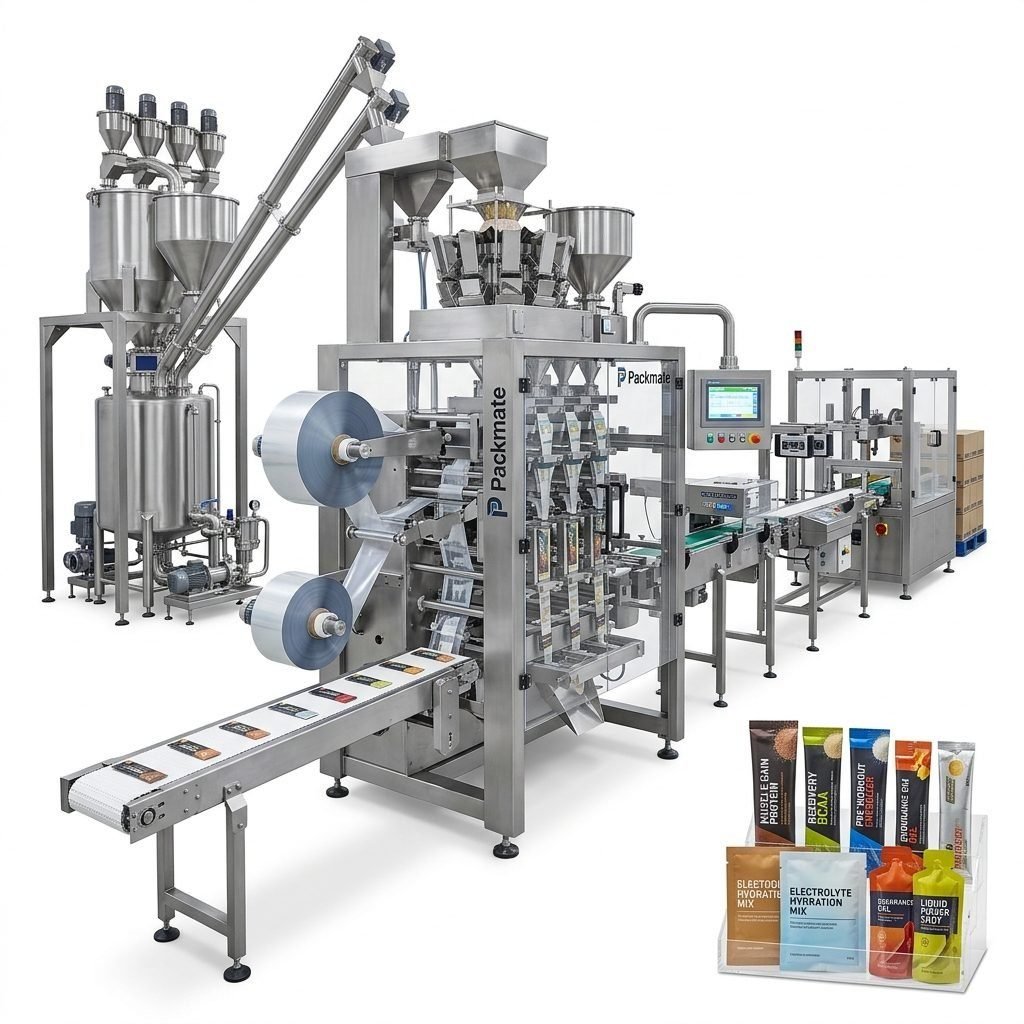
- Scale of Supply: Can they supply a single machine or an entire automated line? Companies like PacklineOEM focus on complete turnkey lines, which simplifies project management for larger operations.
Step 4: Verify Manufacturing and Quality Standards
A reliable manufacturer should have a modern, well-equipped factory. Inquire about their factory size, quality control processes, and the standards their machines comply with (e.g., CE, ISO). A factory tour (or a virtual one) is highly recommended. For example, manufacturers with facilities over 20,000 square meters, as noted in the profiles of Ludyway, Packmate, and others, typically have the scale for consistent production and testing.
| Key Verification Point | What to Look For | Why It Matters for Bahrain |
|---|---|---|
| Quality Certifications | ISO standards, CE marking for electrical safety. | Ensures machines meet international safety and performance benchmarks, aiding in customs clearance and local compliance. |
| Material of Construction | Food-grade stainless steel (e.g., SS304, SS316) for contact parts. | Critical for hygiene in food/pharma and durability against Bahrain’s humid climate. |
| After-Sales Service Network | Availability of local agents, technicians, or spare parts warehouses in the Middle East. | Minimizes downtime. Proximity of support is a major advantage for operational continuity. |
Step 5: Analyze Support, Logistics, and Total Cost
The purchase price is just one part of the total cost of ownership. For a Bahraini buyer, logistics and support are paramount.
Shipping and Logistics: Clarify Incoterms (FOB, CIF, DAP). Who handles shipping to Bahrain and customs clearance?
Installation & Training: Does the price include on-site installation and operator training by factory engineers?
Warranty & Spare Parts: Understand the warranty period and the process for obtaining spare parts. A manufacturer with a strong Middle East presence will likely have better parts logistics.
Payment Terms: Negotiate secure and standard terms, often involving a deposit before production and balance before shipment.
Step 6: Request References and Conduct Due Diligence
Always ask for customer references, especially from clients in the Middle East or with similar products. Contact these references to ask about machine performance, reliability, and the supplier’s responsiveness to service requests. Check the manufacturer’s reputation through independent industry forums or trade associations.
Step 7: The Importance of Sample Testing and Factory Acceptance
Before finalizing an order, it is highly advisable to conduct a sample test. Send your actual product and packaging materials to the manufacturer. They can run a test on a similar machine and provide a video report. For larger turnkey lines, insist on a Factory Acceptance Test (FAT) where you or your agent can visit the factory to see the completed line run under simulated conditions before it is shipped.
Frequently Asked Questions (FAQs)
1. What are the key advantages of sourcing from experienced manufacturers like those mentioned?
Experienced manufacturers (e.g., 30+ years like Ludyway or Packmate) offer proven machine reliability, deeper application knowledge to solve complex packaging challenges, and more robust after-sales support structures. They are also more likely to have successfully exported to the GCC region and understand the logistical and technical requirements.
2. How important is after-sales service for a packaging machine in Bahrain?
Extremely important. Given the distance from primary manufacturing hubs, having reliable local or regional technical support and readily available spare parts is critical to minimize production downtime. Prioritize suppliers who have established service networks or agents in the Middle East.
3. Should I choose a standard machine or a customized solution?
If your product and packaging format are common, a standard machine from a broad-range supplier like Ludyway may be cost-effective. If your product has unique properties (e.g., very viscous, abrasive, requires special dosing) or you need a unique pouch shape, a customized solution from a specialist like PackingMachineOEM is the better path.
4. What is the typical lead time for a packaging machine from order to delivery in Bahrain?
Lead times vary significantly. A standard machine might be delivered in 60-90 days, while a complex custom or turnkey line can take 4-6 months or more. This includes manufacturing, testing, sea freight to Bahrain (e.g., Jebel Ali port), and local customs clearance. Always confirm timelines in your contract.
5. How can I ensure the machine will work with my local packaging materials?
This is where sample testing is non-negotiable. Provide the manufacturer with samples of the exact film/laminate you plan to use locally. They can test seal integrity, film feed, and compatibility with their machine’s sealing jaws to ensure optimal performance in your Bahraini facility.