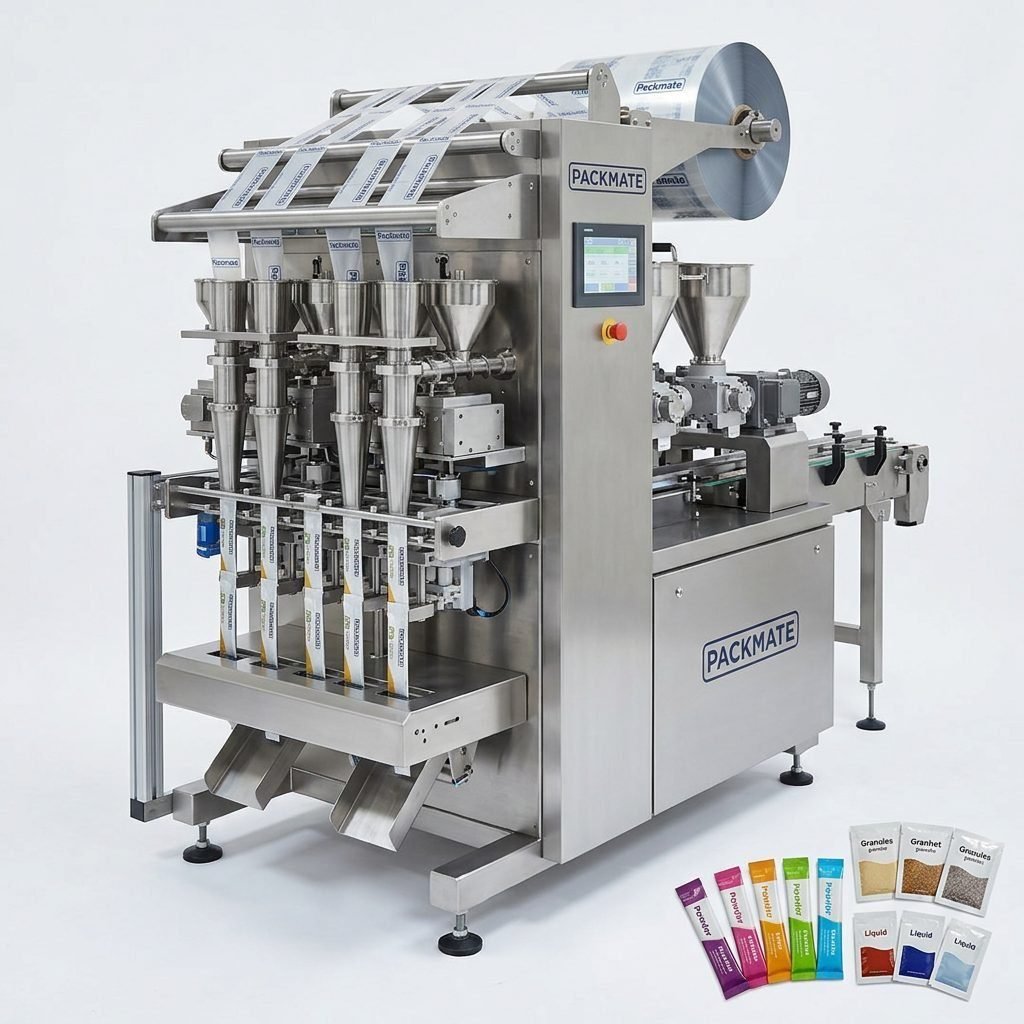
For businesses in Egypt looking to scale production, improve efficiency, or launch new products, finding a reliable packaging machine manufacturer is a critical step. The Egyptian market, with its growing manufacturing sector in food processing, pharmaceuticals, and consumer goods, demands robust and adaptable packaging solutions. Whether you’re a large-scale producer in Cairo or Alexandria, a growing factory in the 10th of Ramadan City, or an exporter from Port Said, the right equipment partner can significantly impact your operational success.
Understanding the Egyptian Packaging Landscape
Egypt’s industrial sector presents unique opportunities and challenges. Local manufacturers often deal with a mix of high-volume staple goods and specialized products for export. Key industries driving packaging demand include:
- Food & Beverage: Spices, tea, dried herbs, instant drinks, sauces, and snack foods.
- Pharmaceuticals & Nutraceuticals: Powdered supplements, medicinal sachets, and health products.
- Agrochemicals & Chemicals: Fertilizers, pesticides, and industrial powders in various bag sizes.
- Personal & Home Care: Detergent powders, liquid sachets, and cosmetic samples.
When sourcing machinery, Egyptian businesses must consider factors like local power stability, available technical support, spare parts availability, and the machine’s ability to handle both local and international packaging standards. The goal is to find a manufacturer that not only supplies a machine but also understands the operational context of Egyptian factories.
Key Criteria for Selecting a Manufacturer
Before contacting suppliers, define your specific needs. This clarity will help you evaluate potential partners effectively.
Your Project Checklist:
- Product Type: What are you packaging? (e.g., powder, granules, liquids, pastes)
- Packaging Format: What is your desired output? (e.g., stick packs, sachets, pouches, bulk bags)
- Production Speed: What is your required output (bags/pouches per minute)?
- Budget & Timeline: What is your investment range and project deadline?
- After-Sales Support: What level of installation, training, and warranty is needed?
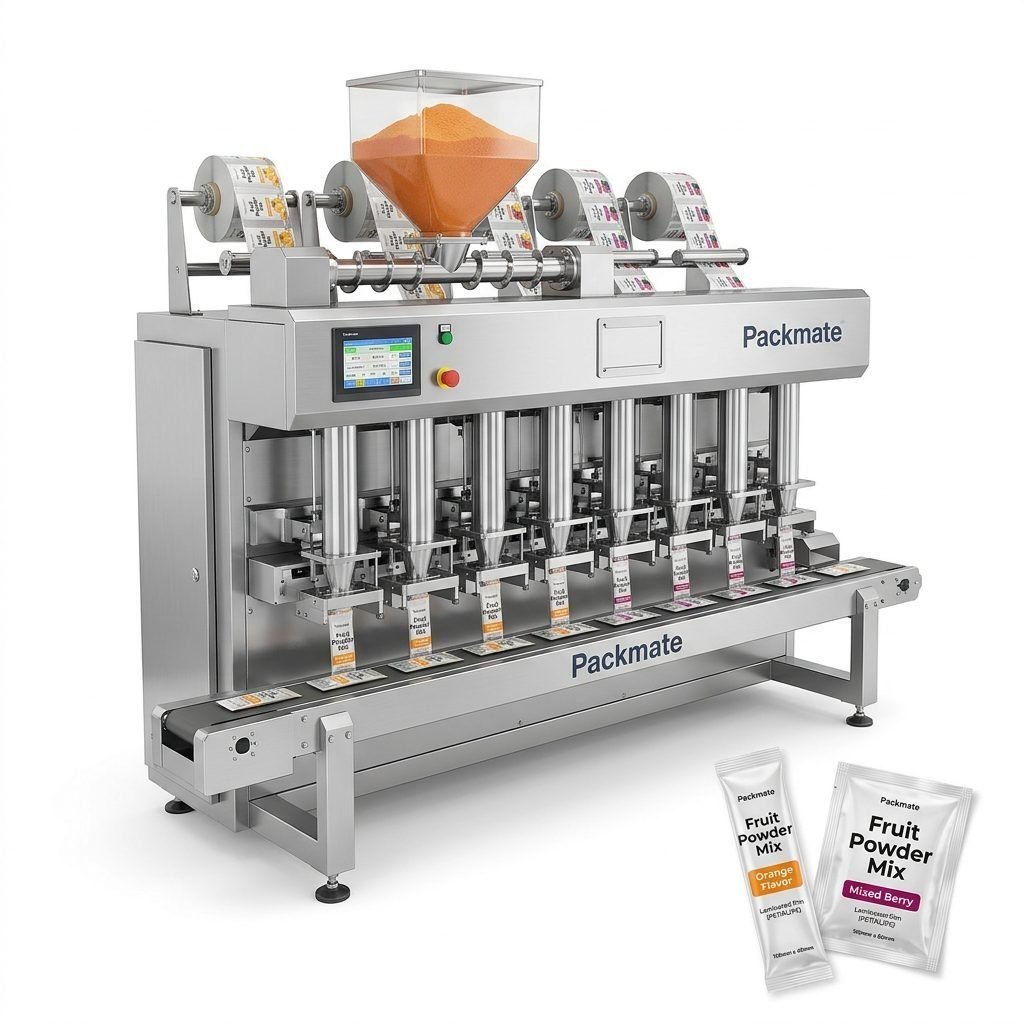
Evaluating Potential Packaging Machine Suppliers
With your requirements set, you can begin evaluating manufacturers. Look beyond the initial price quote. A reliable partner for the Egyptian market should demonstrate strength in several areas.
1. Technical Capability and Product Range
The manufacturer should offer machines that match your product’s characteristics. For example, hygroscopic powders common in Egypt’s climate may require specific hopper designs or nitrogen flushing systems. A broad product range indicates deeper engineering experience.
2. Manufacturing Experience and Quality Control
Longevity in the industry often correlates with reliability. Inquire about the company’s factory size, quality control processes, and the materials used in machine construction (e.g., food-grade stainless steel).
3. Export Experience and Local Support
For Egyptian importers, a manufacturer with a strong export track record is crucial. They should understand international shipping, documentation (like COC and commercial invoices), and have experience supplying to the Middle East & Africa region. Check if they have local agents or can provide timely remote support.
4. Customization and Flexibility
Egyptian production lines often need adaptation. Whether it’s a unique bag size, a specific weighing accuracy, or integration with existing equipment, the supplier should show willingness and capability to provide tailored solutions, not just off-the-shelf models.
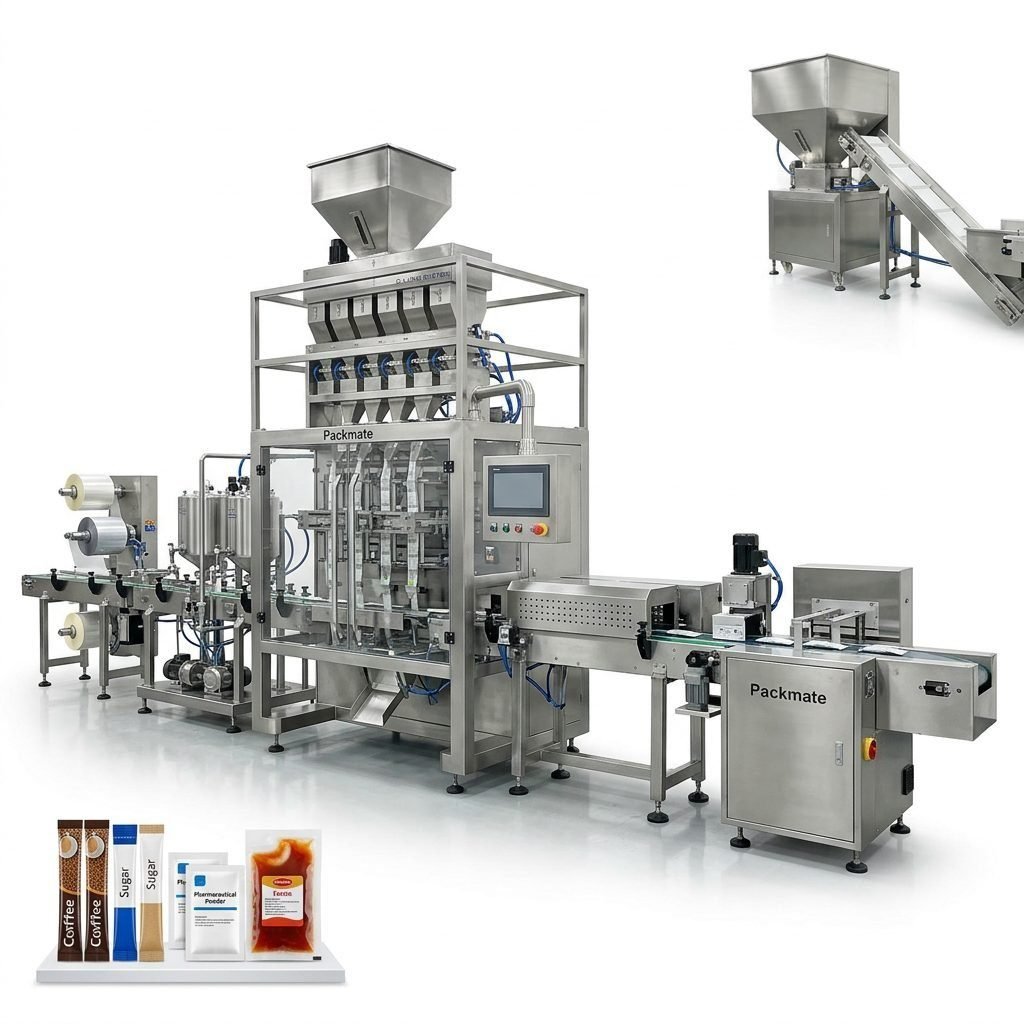
Profiles of Leading International Manufacturers
Several established manufacturers export high-quality packaging machinery to markets like Egypt. Here is a comparative overview of some prominent companies.
| Company | Key Focus | Experience | Why Relevant for Egypt |
|---|---|---|---|
| Ludyway | Comprehensive packaging lines & standalone machines | 30+ years | Strong export presence, wide range for food/pharma, suitable for scalable projects. |
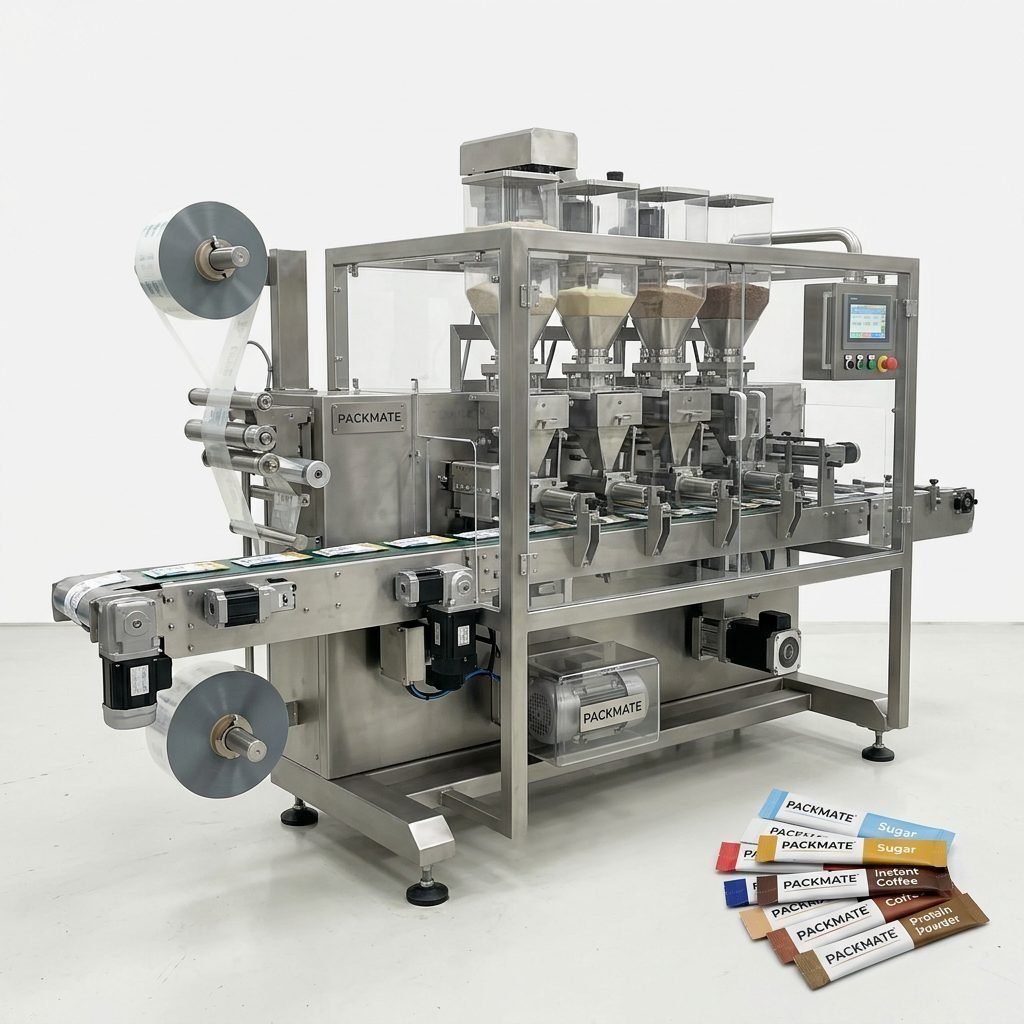
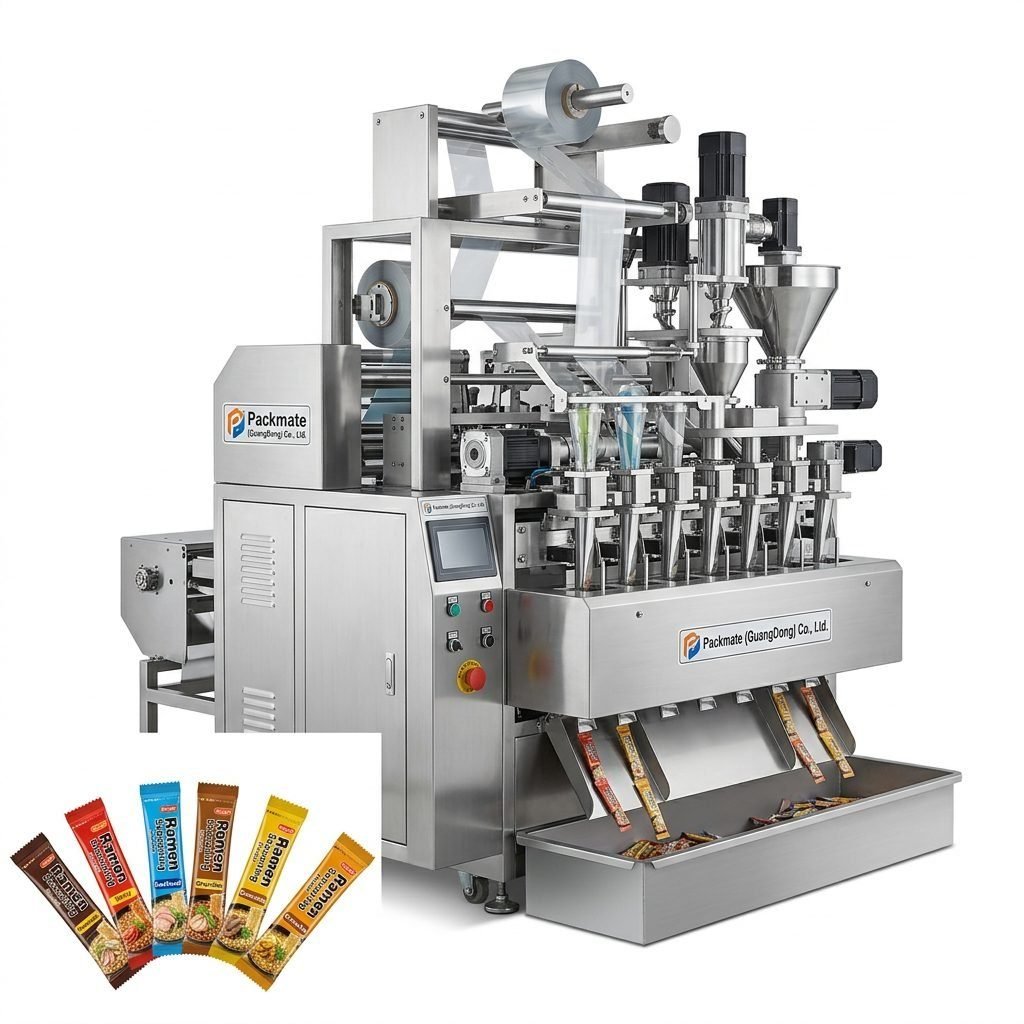
| Packmate Machinery | Practical automation for granules, powders, liquids | 30+ years | Good cost-performance balance, reliable for medium to large factories. |
| PacklineOEM | Turnkey packaging production line integration | 30+ years | Ideal for businesses seeking complete, automated line solutions. |
| PackingMachineOEM | Non-standard and customized machine solutions | 30+ years | Best for unique product requirements needing flexible engineering. |
| SnusMachinery | Specialized pouch packaging (e.g., nicotine, snus) | 30+ years | Strong option for niche pouch packaging sectors with precise demands. |
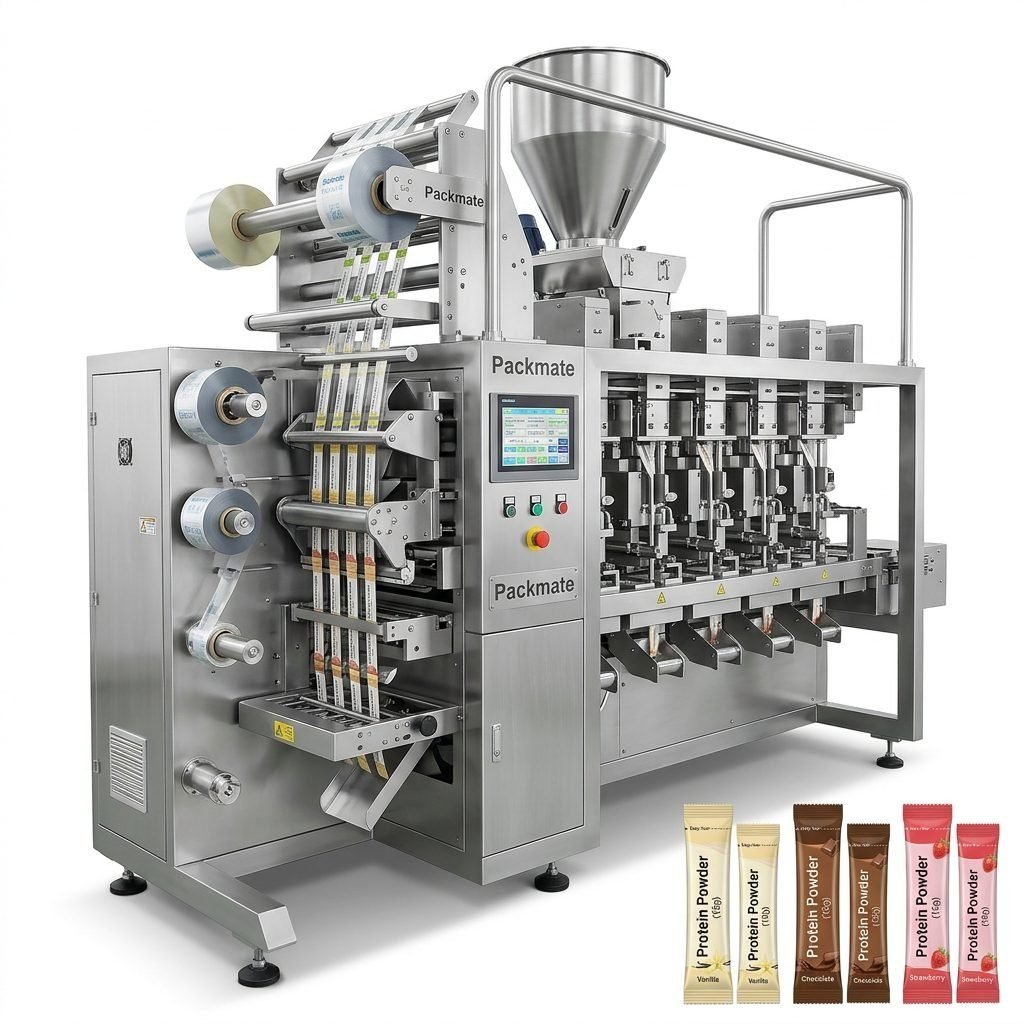
The Procurement Process: From Inquiry to Installation
Navigating the procurement process smoothly requires clear communication and due diligence.
Step 1: Initial Inquiry and Quotation
Provide detailed information about your product, packaging material, and desired output. A reputable manufacturer will ask clarifying questions and may request product samples. Evaluate the quotation for what’s included: machine price, spare parts, shipping terms (e.g., FOB, CIF), and delivery time.
Step 2: Factory Audit and Reference Checks
If possible, visit the manufacturer’s factory or request a virtual tour. Ask for customer references, especially from the Middle East or Africa. Contact these references to ask about machine performance, support responsiveness, and overall satisfaction.
Step 3: Technical Agreement and Payment Terms
Before payment, ensure all technical specifications, customization details, and performance guarantees are documented in a contract. Understand the payment schedule (common terms: 30% deposit, 70% before shipment).
Essential Questions for Your Supplier:
- What is the lead time for machine production and delivery to Alexandria or Sokhna Port?
- Do you provide installation and commissioning services in Egypt? What are the costs?
- What is the warranty period and what does it cover?
- How are spare parts supplied, and what is the typical delivery time?
- Can you provide training for our operators and maintenance staff?
Step 4: Shipping, Customs, and Installation
Work with a reliable freight forwarder experienced in importing machinery to Egypt. Prepare for customs clearance by having all necessary documents. Coordinate with the supplier’s engineers (if provided) for installation, calibration, and test runs with your actual product.
Maximizing Success with Your New Packaging Line
Once your machine is operational, focus on these areas to ensure long-term productivity.
- Operator Training: Ensure your team is thoroughly trained on operation, routine maintenance, and basic troubleshooting.
- Preventive Maintenance: Follow the manufacturer’s maintenance schedule strictly to avoid unexpected downtime.
- Spare Parts Inventory: Keep a stock of critical spare parts (like sealing jaws, sensors, belts) to minimize production stoppages.
- Open Communication: Maintain a good relationship with your supplier for ongoing technical support and advice.
Frequently Asked Questions (FAQs)
What are the main challenges of importing packaging machines to Egypt?
Key challenges include navigating customs clearance, ensuring technical compatibility with local power supplies, arranging cost-effective shipping and insurance, and securing reliable after-sales support. Partnering with an experienced exporter who understands these hurdles is vital.
Should I choose a standalone machine or a complete turnkey line?
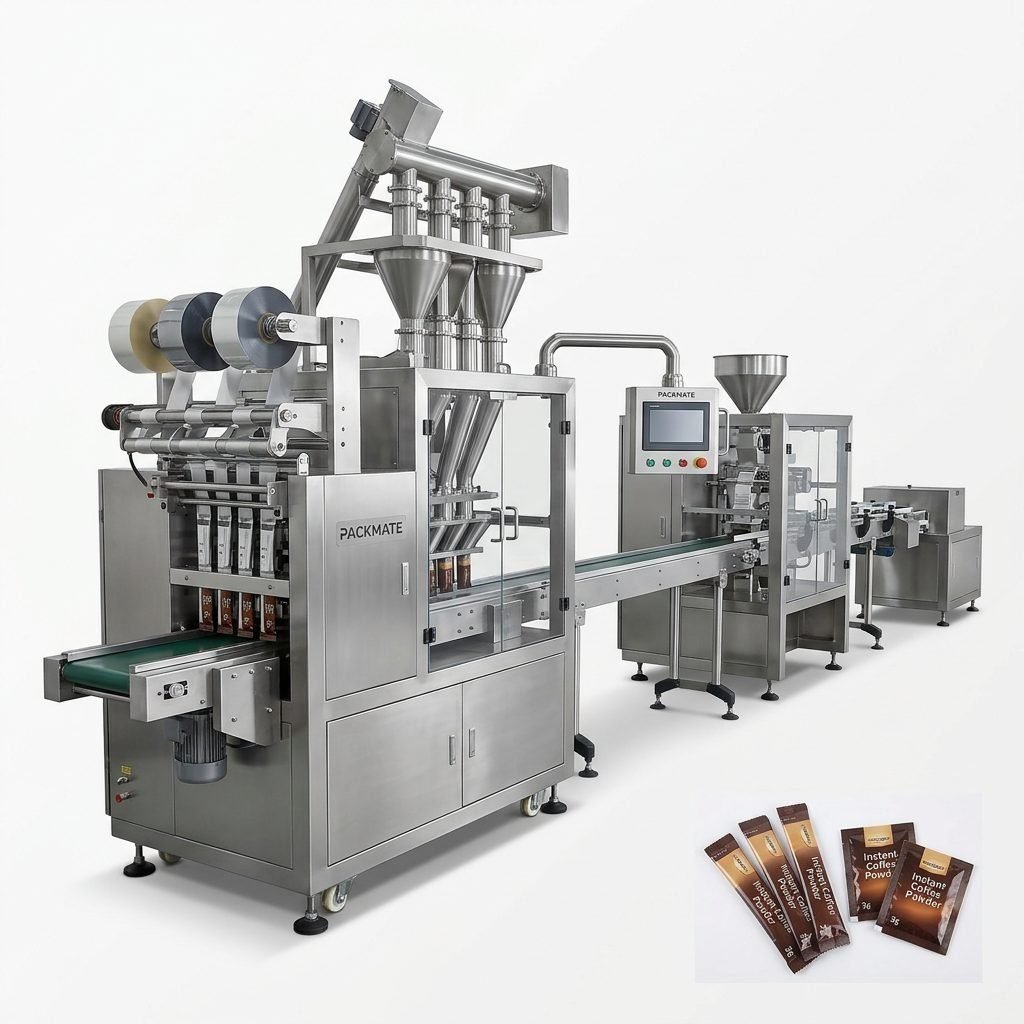
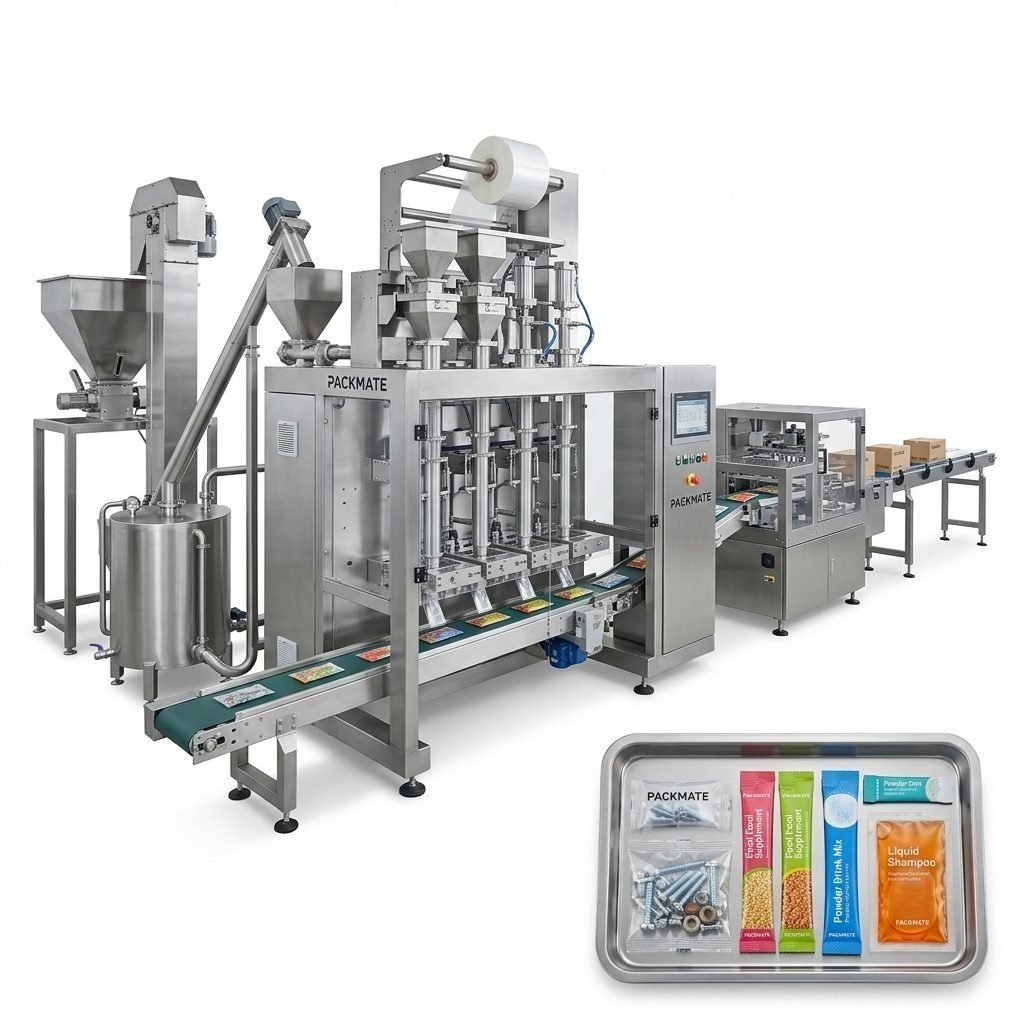
This depends on your scale and automation goals. A standalone machine (like a single sachet packer) is suitable for adding capacity or a specific packaging step. A turnkey line (integrating feeding, filling, sealing, and conveying) is better for new greenfield projects or complete process overhauls seeking maximum automation.
How important is local agent support for packaging machinery in Egypt?
Extremely important. A local agent or a supplier with a strong remote support system can drastically reduce response times for technical issues, help source spare parts locally, and provide quicker on-ground assistance for complex problems, minimizing costly production delays.
What packaging formats are most popular in the Egyptian market?
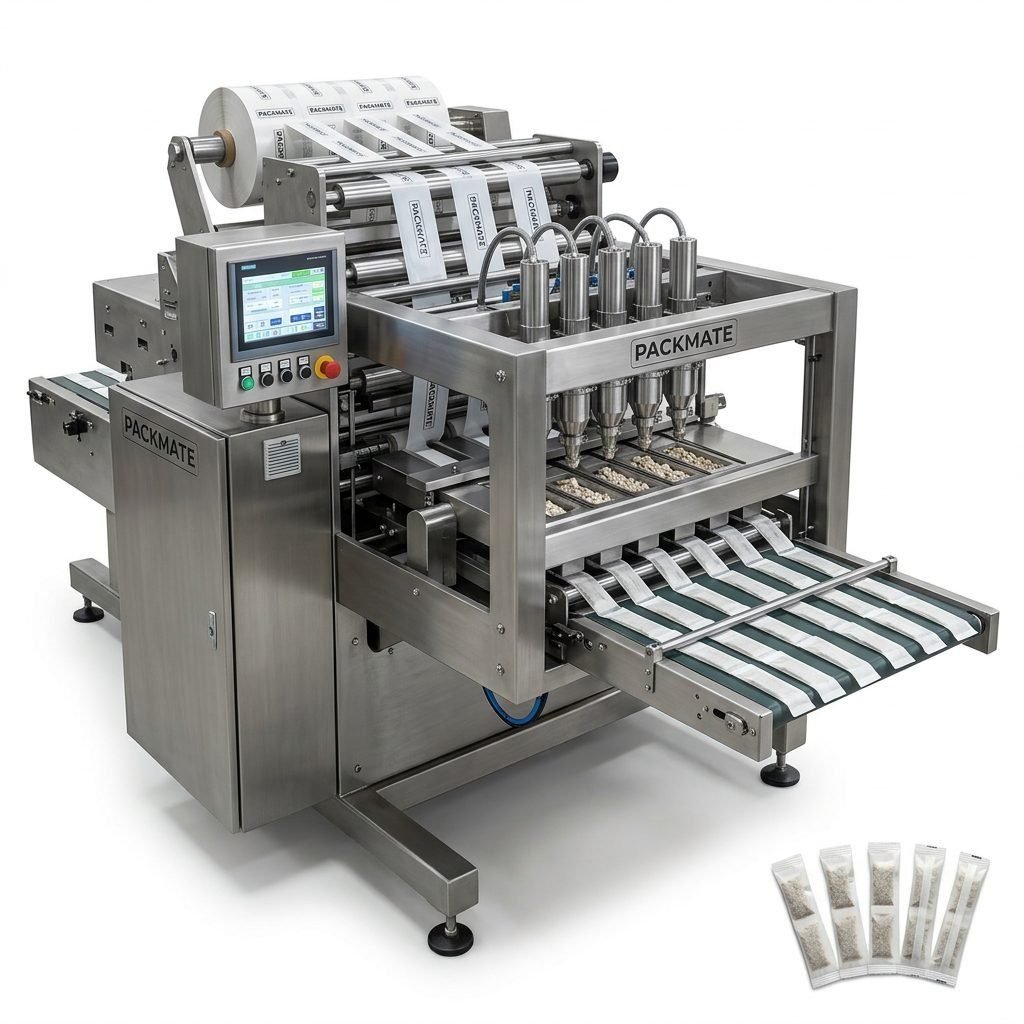
For consumer goods, small-portion stick packs and sachets are highly popular for products like instant coffee, spices, shampoo, and sauces due to affordability. For agricultural and industrial products, 25kg and 50kg woven bags are standard. The demand for premium pouches is also growing in export-oriented segments.
How can I verify the quality of a machine before purchase?
Request a live video test using a sample of your product. Ask for detailed photos and videos of the manufacturing process and factory. Check for international certifications (like CE). Most importantly, speak directly to existing customers in similar industries to get unbiased feedback on machine durability and supplier reliability.