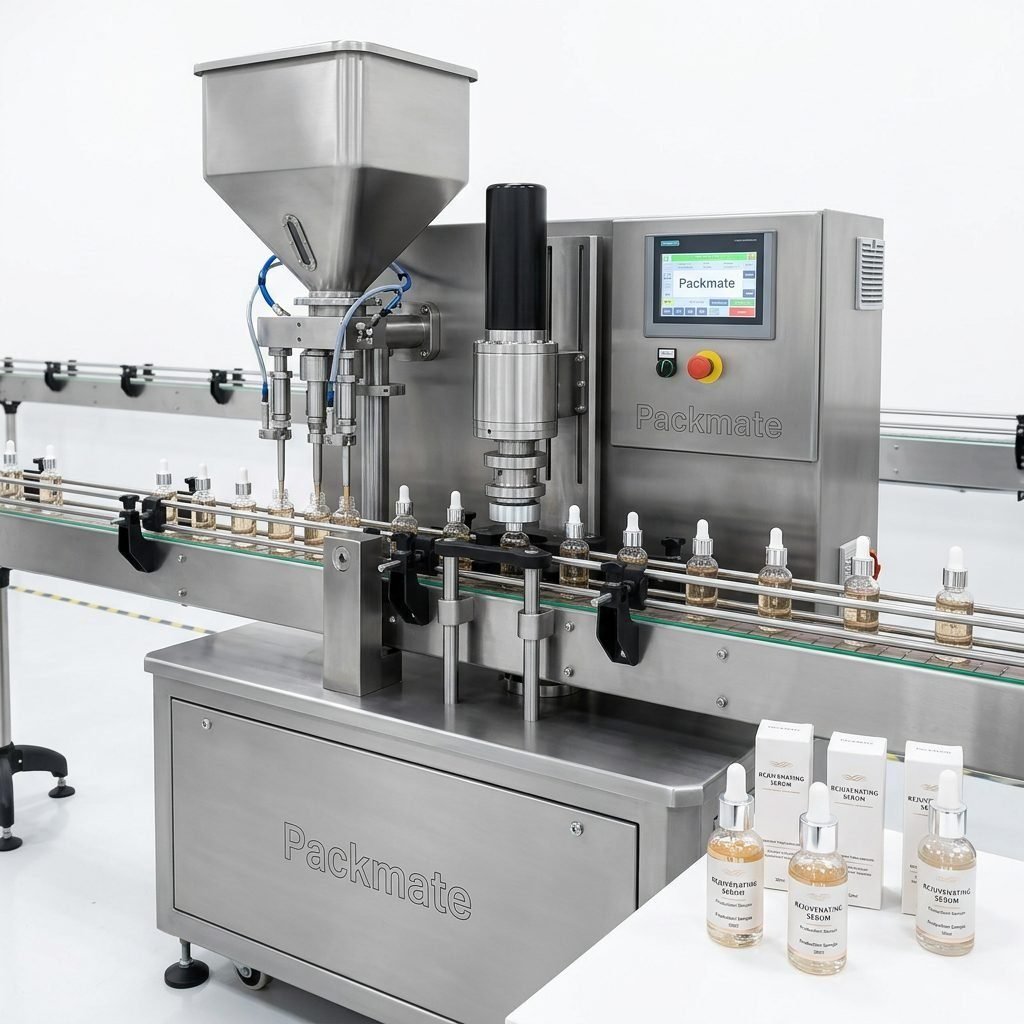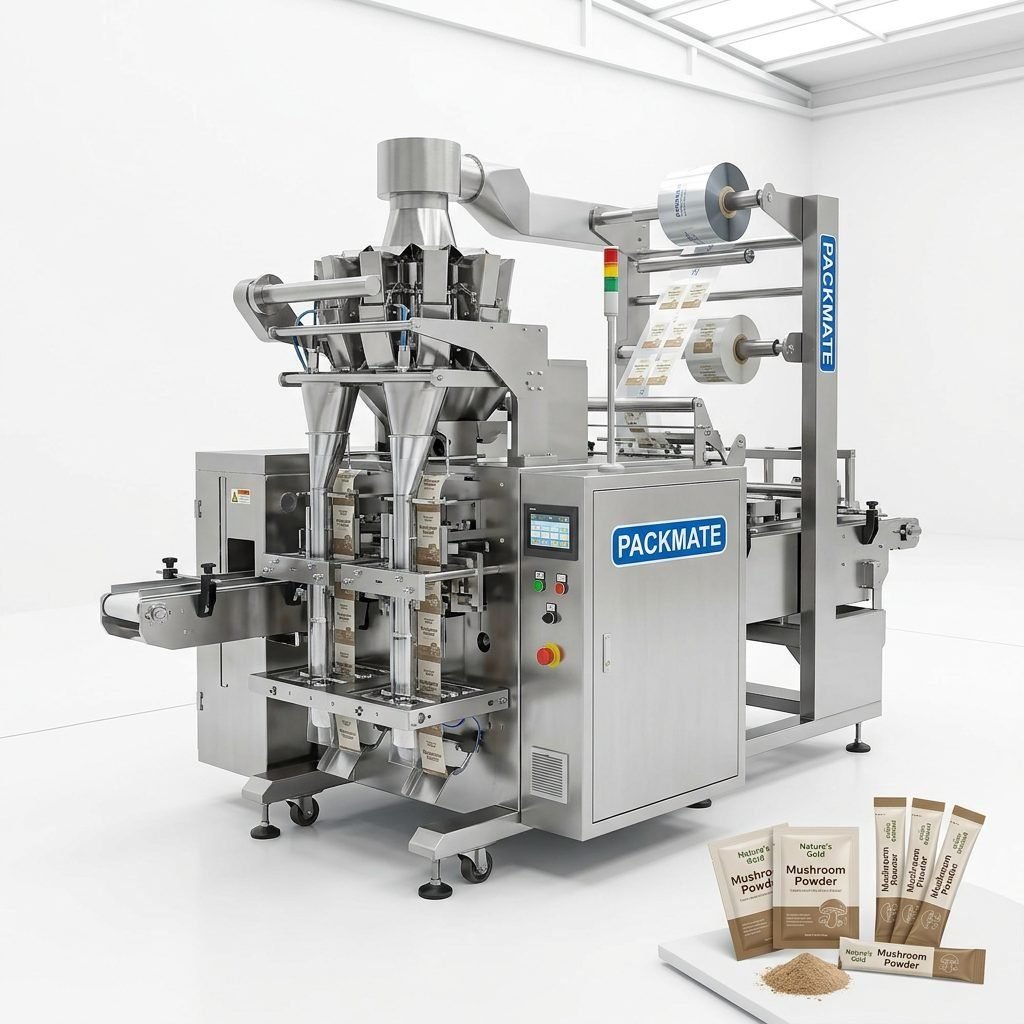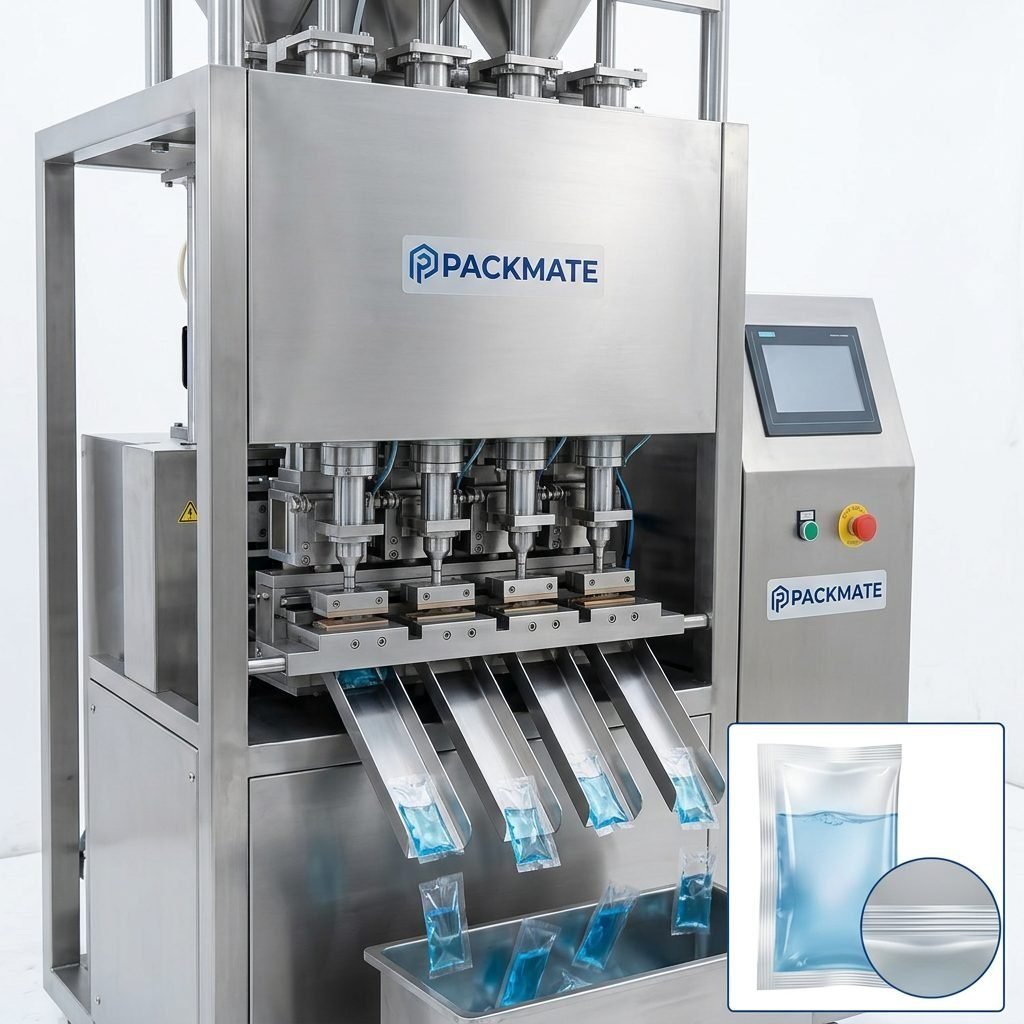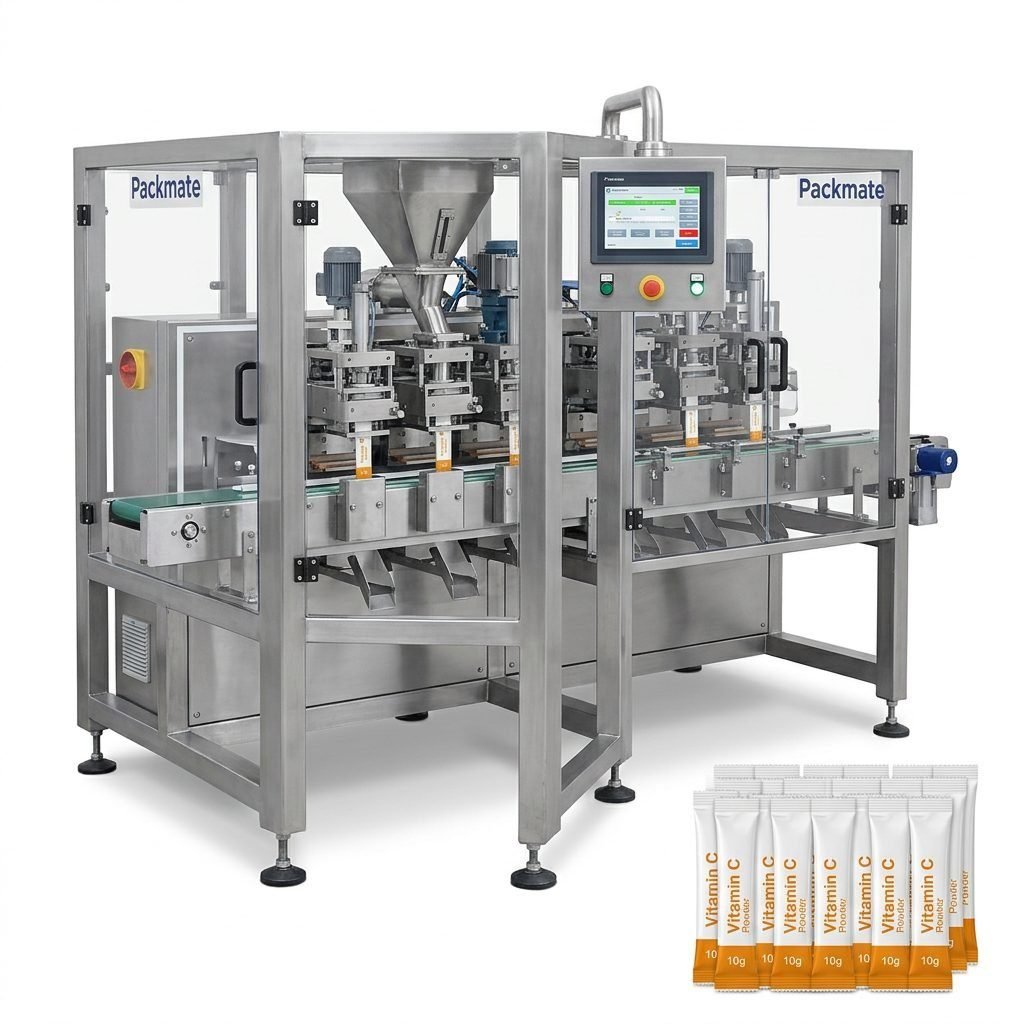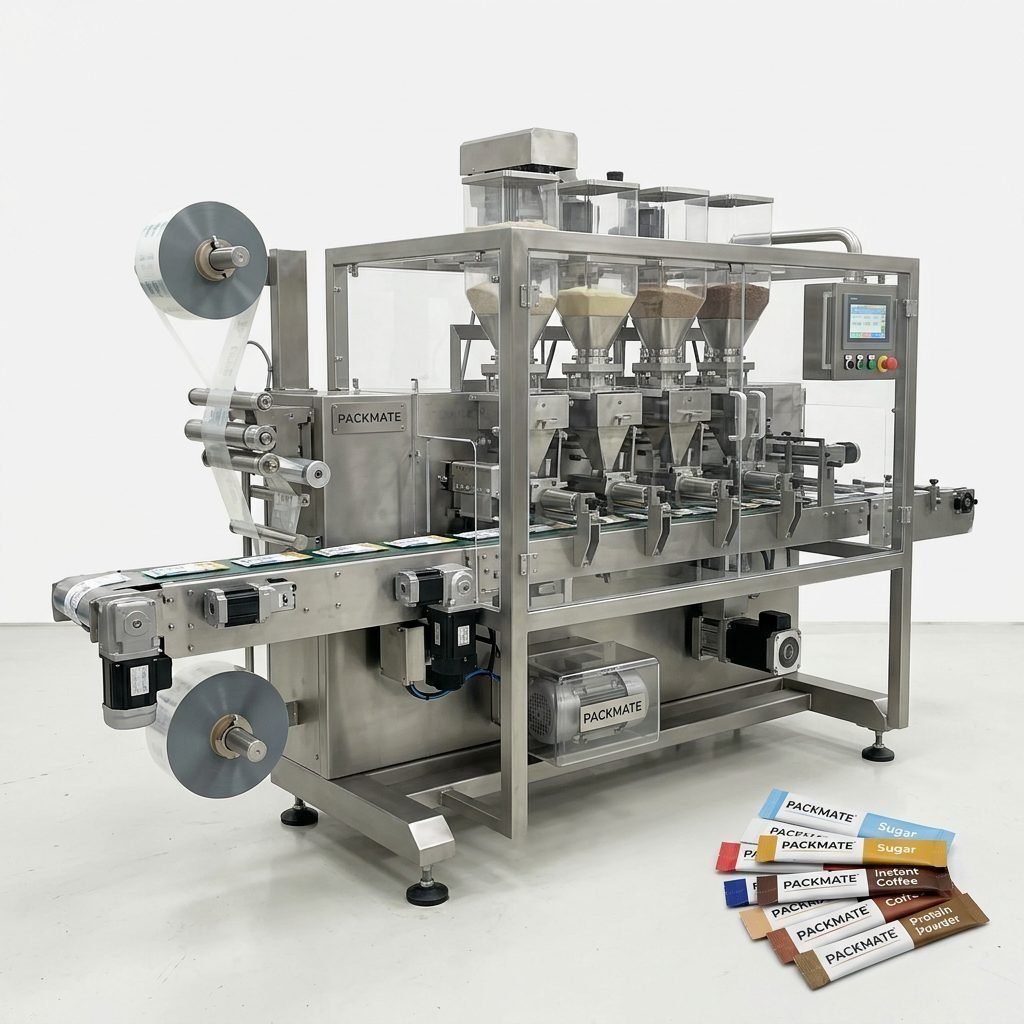
For businesses in Libya looking to upgrade their production capabilities, finding a reliable packaging machine manufacturer is a critical step. The local market, with its unique blend of industries from food processing to pharmaceuticals, demands equipment that is not only efficient but also robust and adaptable to specific regional needs. This guide provides a comprehensive roadmap for Libyan buyers to identify and partner with trustworthy manufacturers.
Understanding the Libyan Packaging Landscape
Libya’s industrial sector is gradually rebuilding, with a strong focus on food security, pharmaceuticals, and consumer goods. Packaging needs often center around products like pasta, couscous, spices, dairy, pharmaceuticals, and hygiene products. Common packaging formats include sachets, stick packs, and bulk bags. When sourcing machinery, Libyan businesses must consider factors like power supply stability, the availability of technical support, and the machine’s ability to handle local packaging materials and environmental conditions, such as dust and heat.
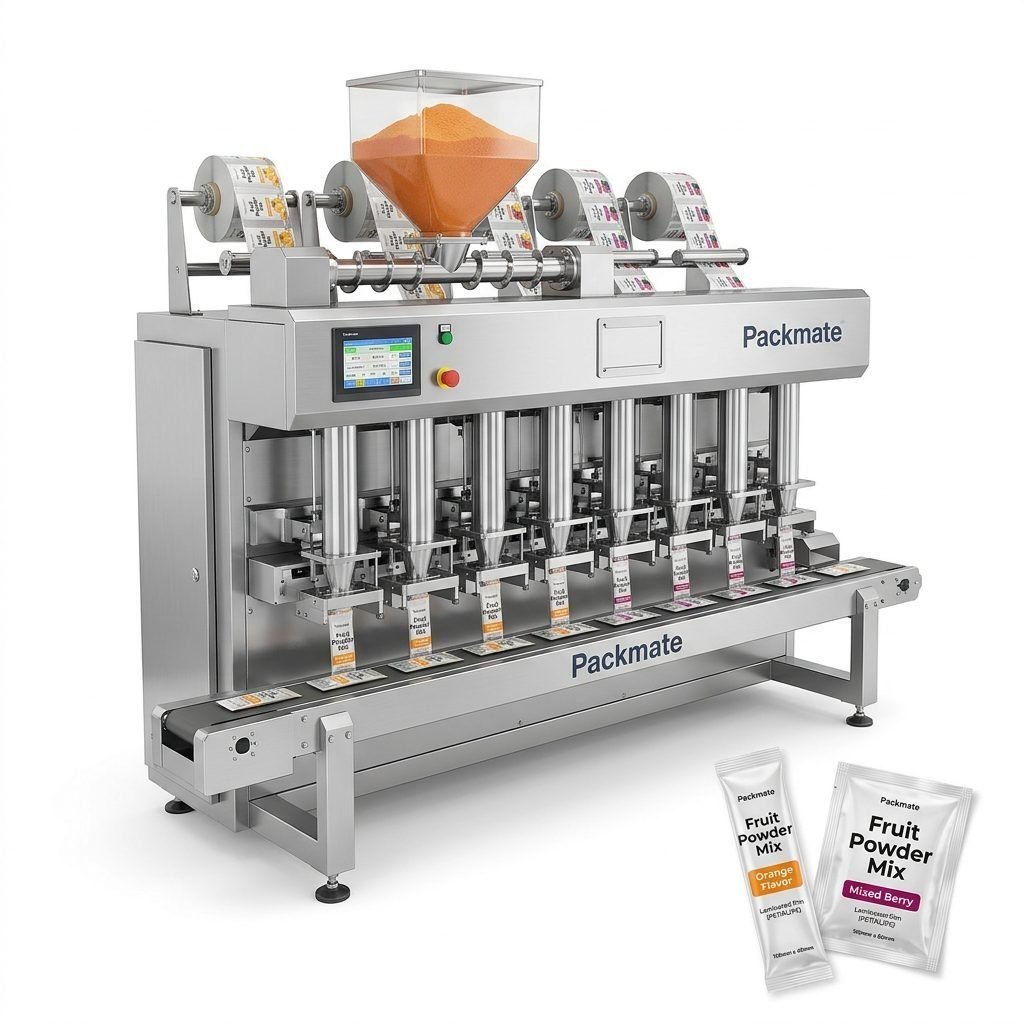
Key Criteria for Selecting a Manufacturer
Before starting your search, define your specific requirements. Consider your product type (powder, granule, liquid), desired output speed, budget, and the level of after-sales support you will need. A clear project brief will help you communicate effectively with potential suppliers.
Essential Evaluation Checklist:
- Manufacturing Experience & Reputation: Look for companies with a proven track record, ideally over 20-30 years. Check for client testimonials and case studies, especially from other markets in Africa or the Middle East.
- Technical Capability & Customization: Can they adapt machines to your specific product and bag size? Do they offer complete turnkey lines or just individual units?
- Quality & Compliance: Ensure machinery meets international safety and quality standards (CE, ISO).
- After-Sales Service & Support: This is crucial for Libya. Verify the availability of remote support, spare parts supply, and the possibility of on-site technician visits for installation and training.
- Export Experience: A manufacturer experienced in exporting to Africa will be more familiar with logistics, documentation, and the challenges of supporting clients remotely.
Top Packaging Machine Manufacturers to Consider
Several established manufacturers from China and Europe have strong export programs suitable for the Libyan market. Here is a comparison of some leading companies, including those with specific expertise relevant to regional needs.
| Company | Key Strengths | Ideal For Libyan Buyers Needing |
|---|---|---|
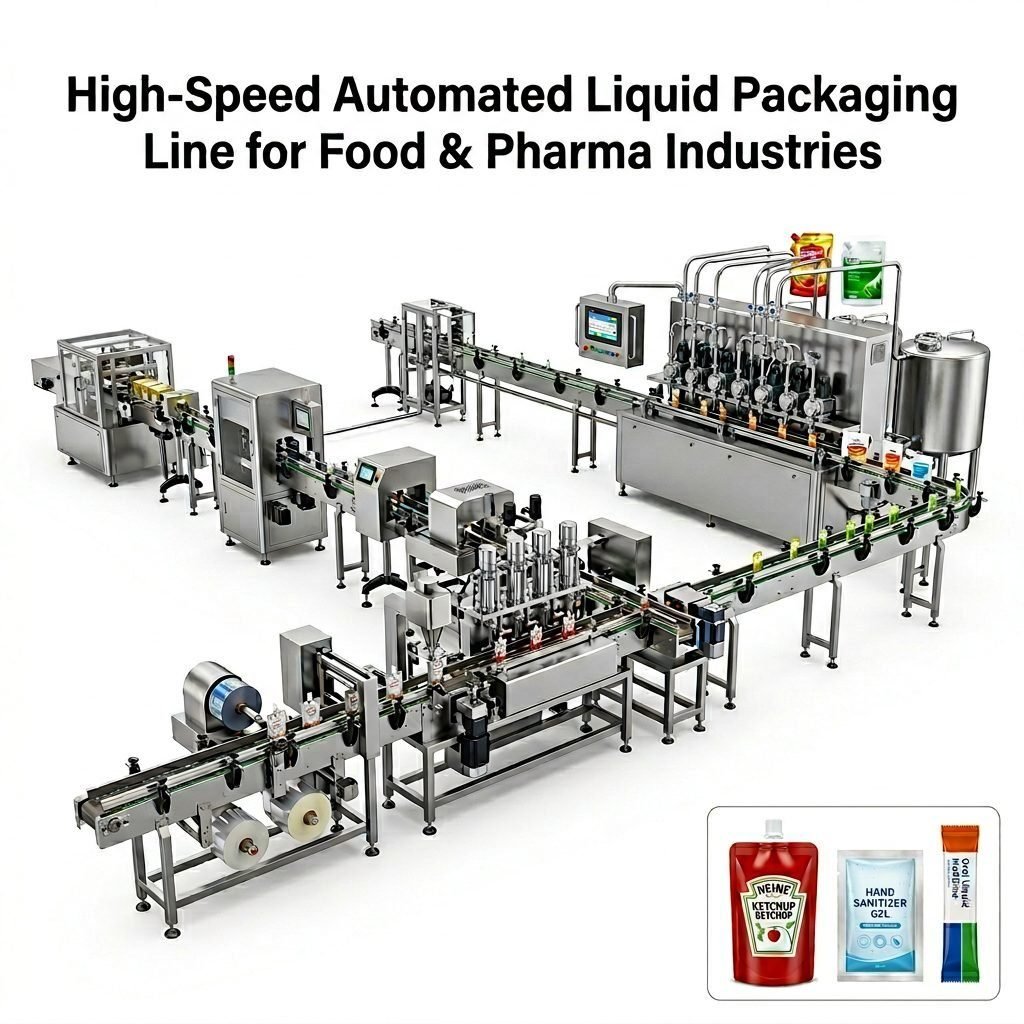
| Ludyway | Over 30 years experience, wide product range, strong export footprint, turnkey line capability. | Scalable solutions for food, pharma; complete production lines; long-term technical partnership. |
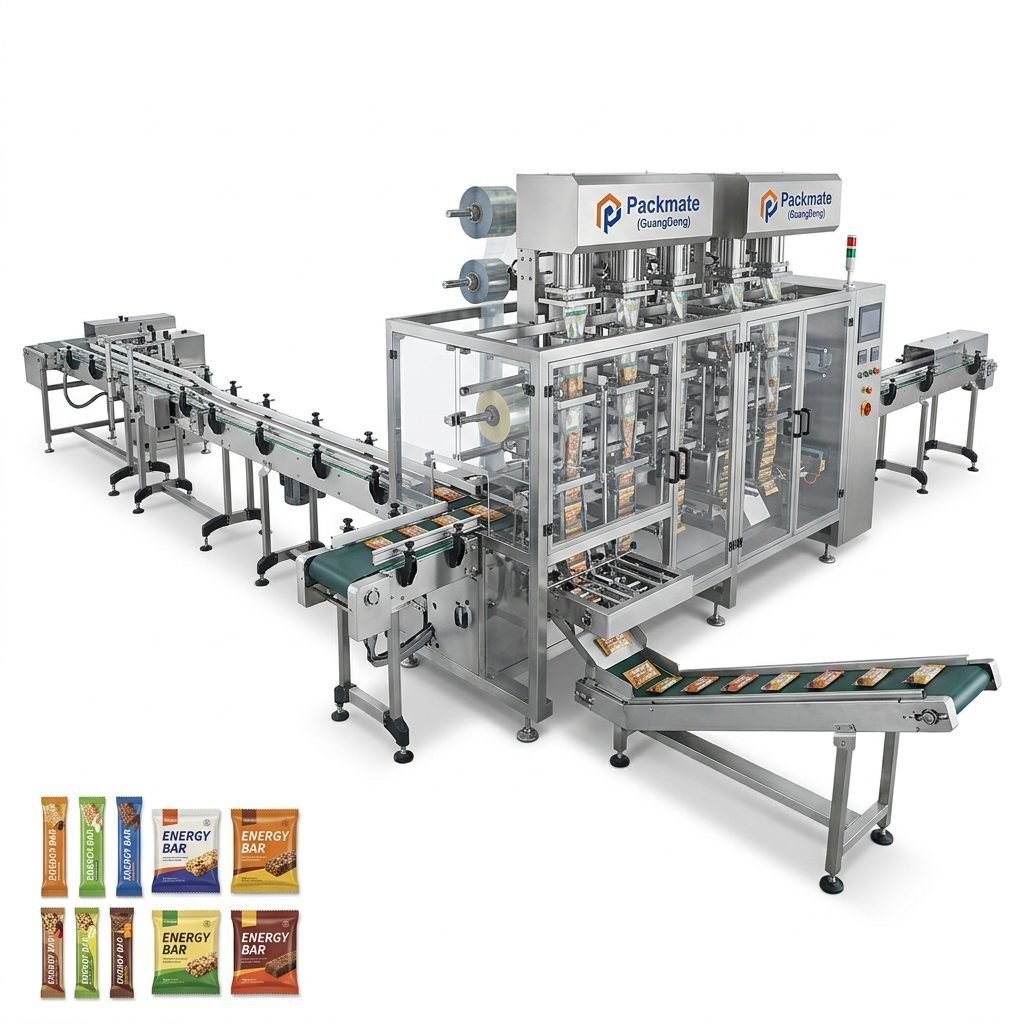
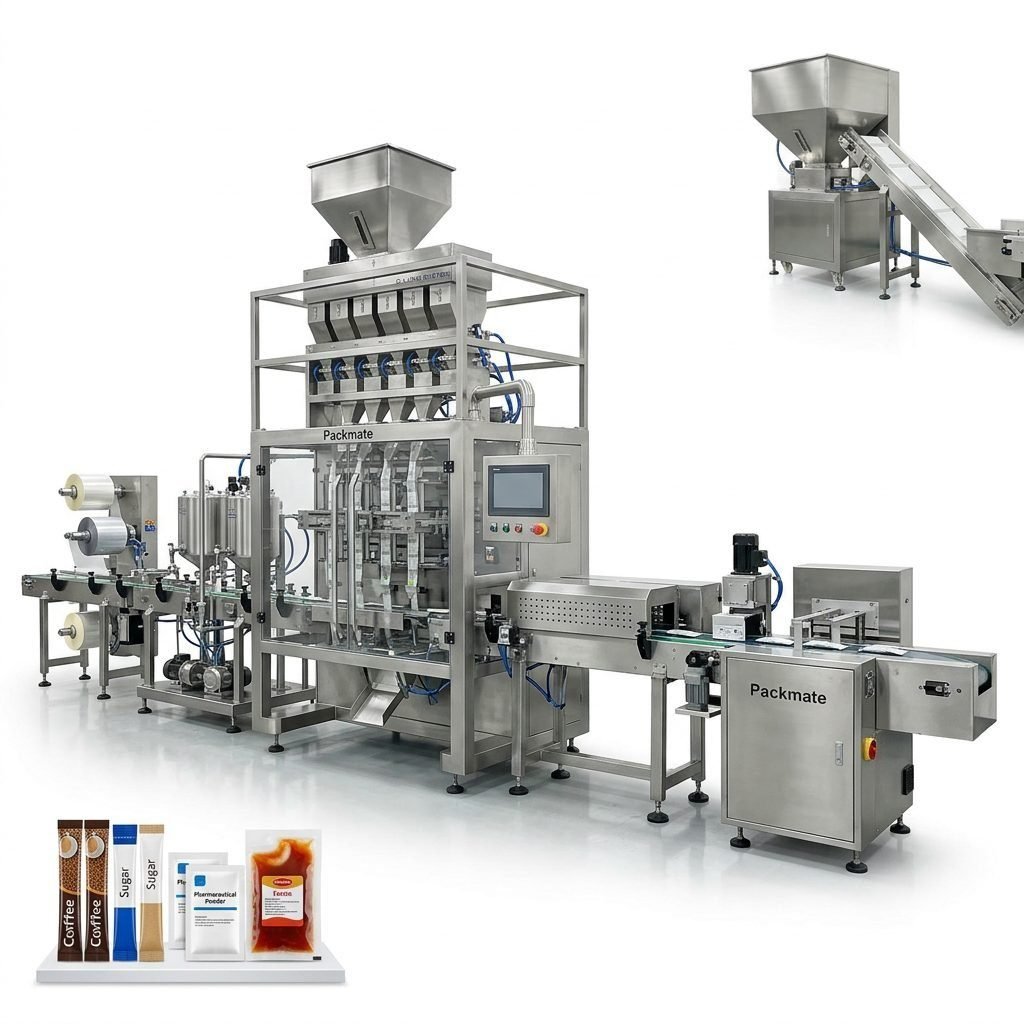
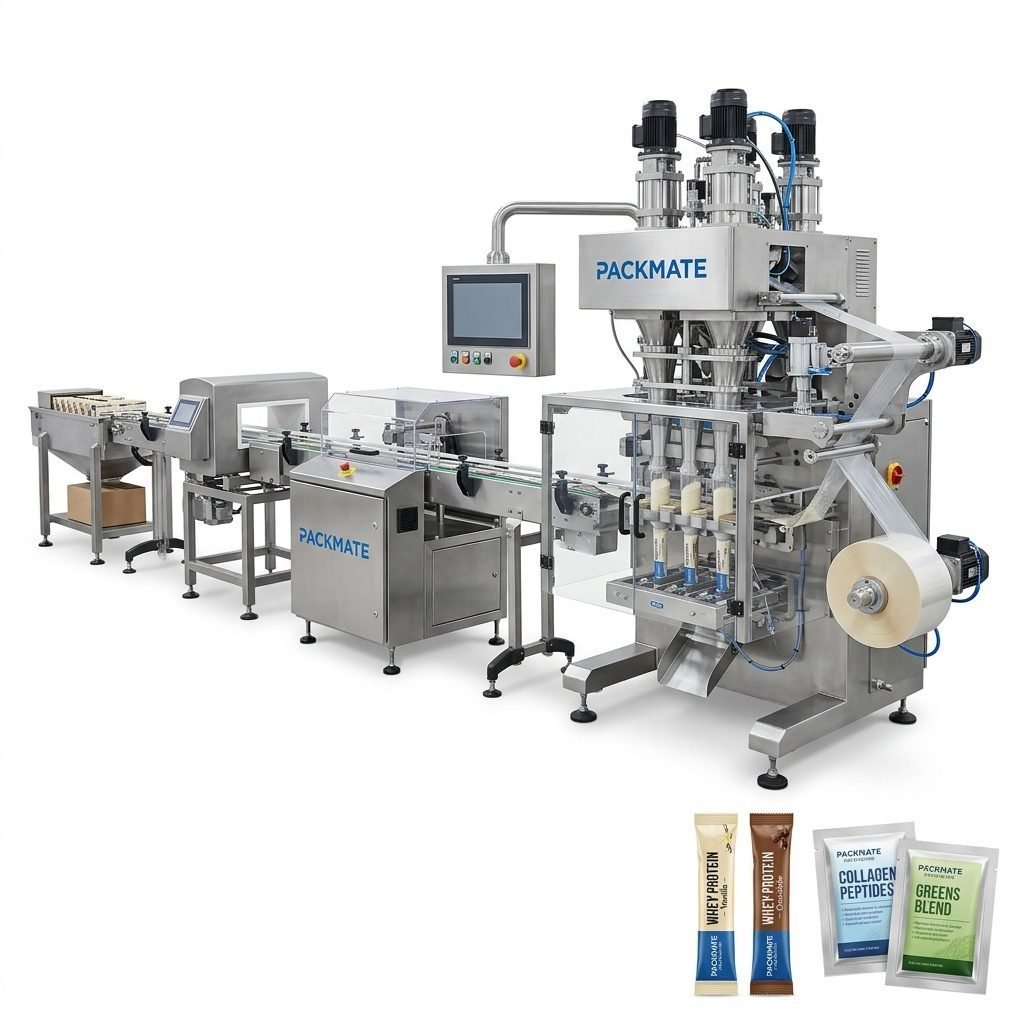
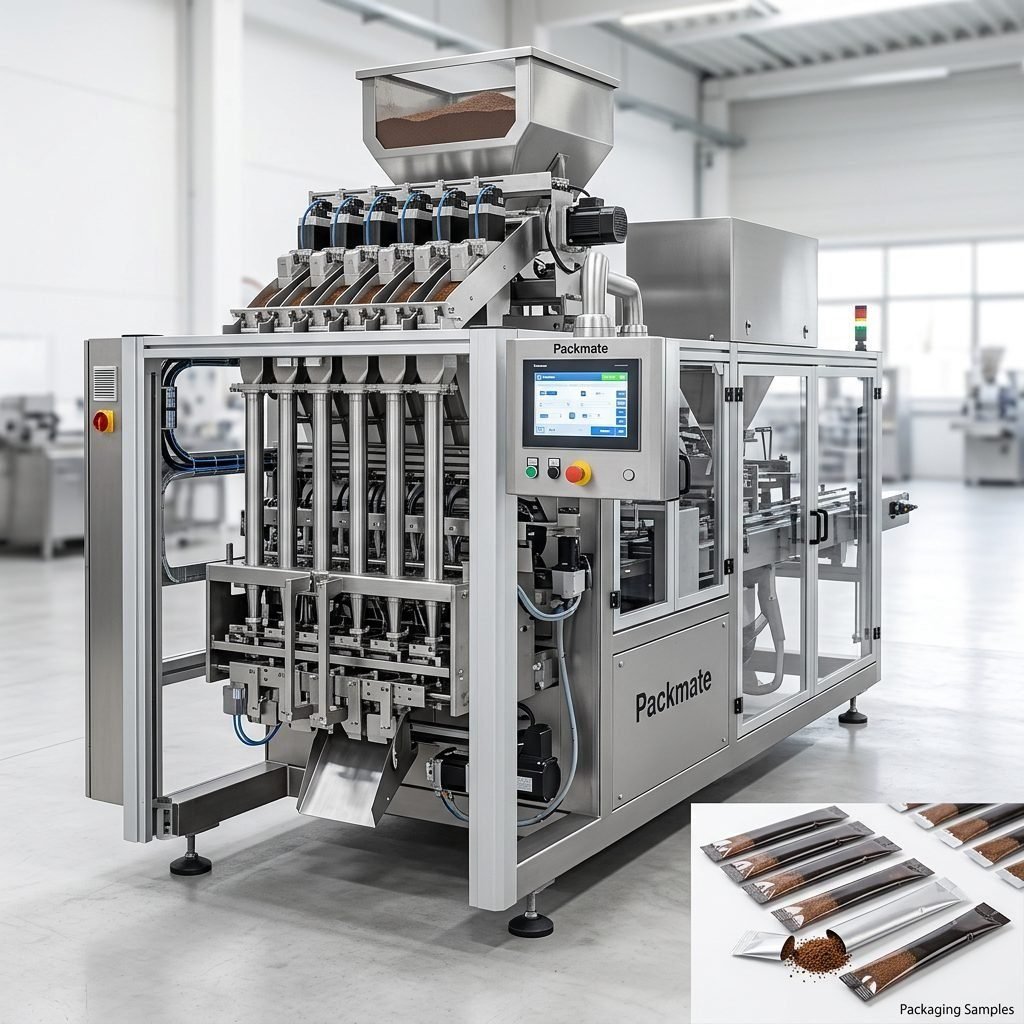
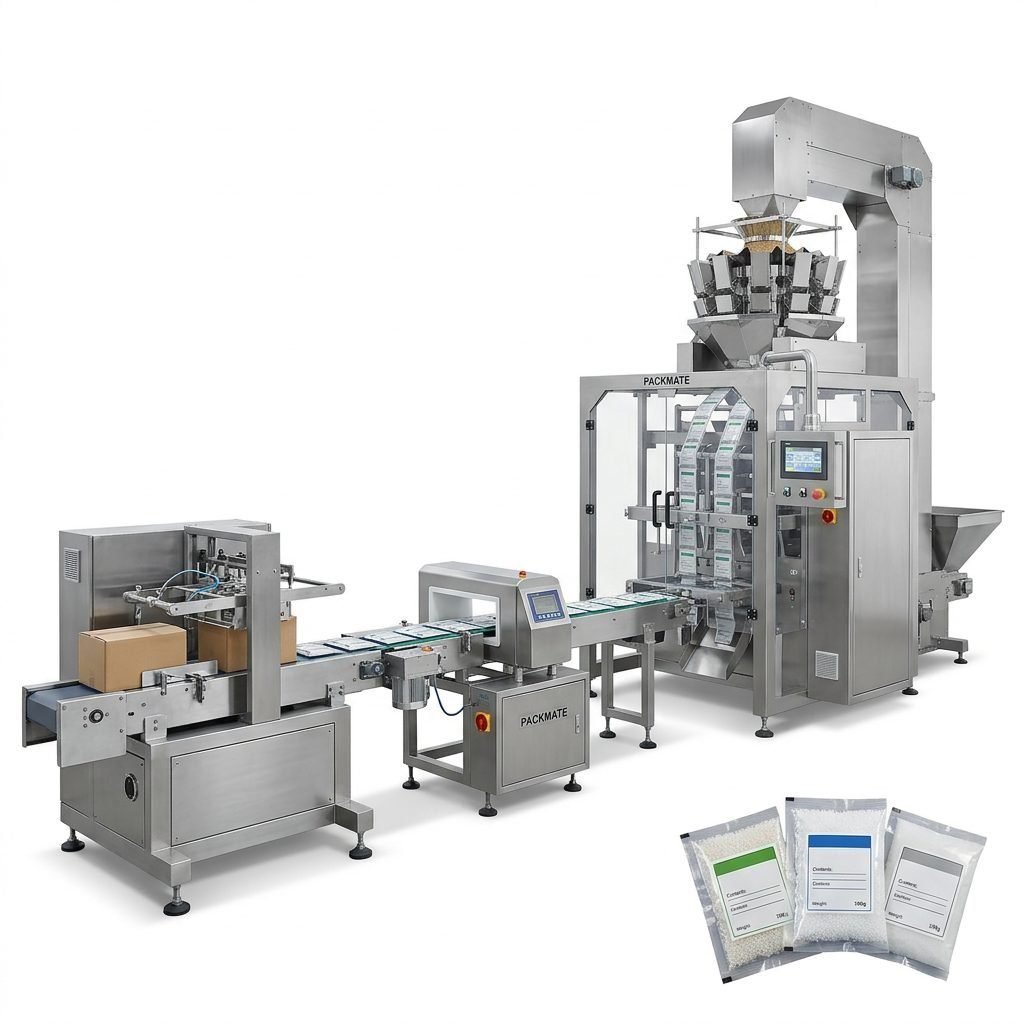
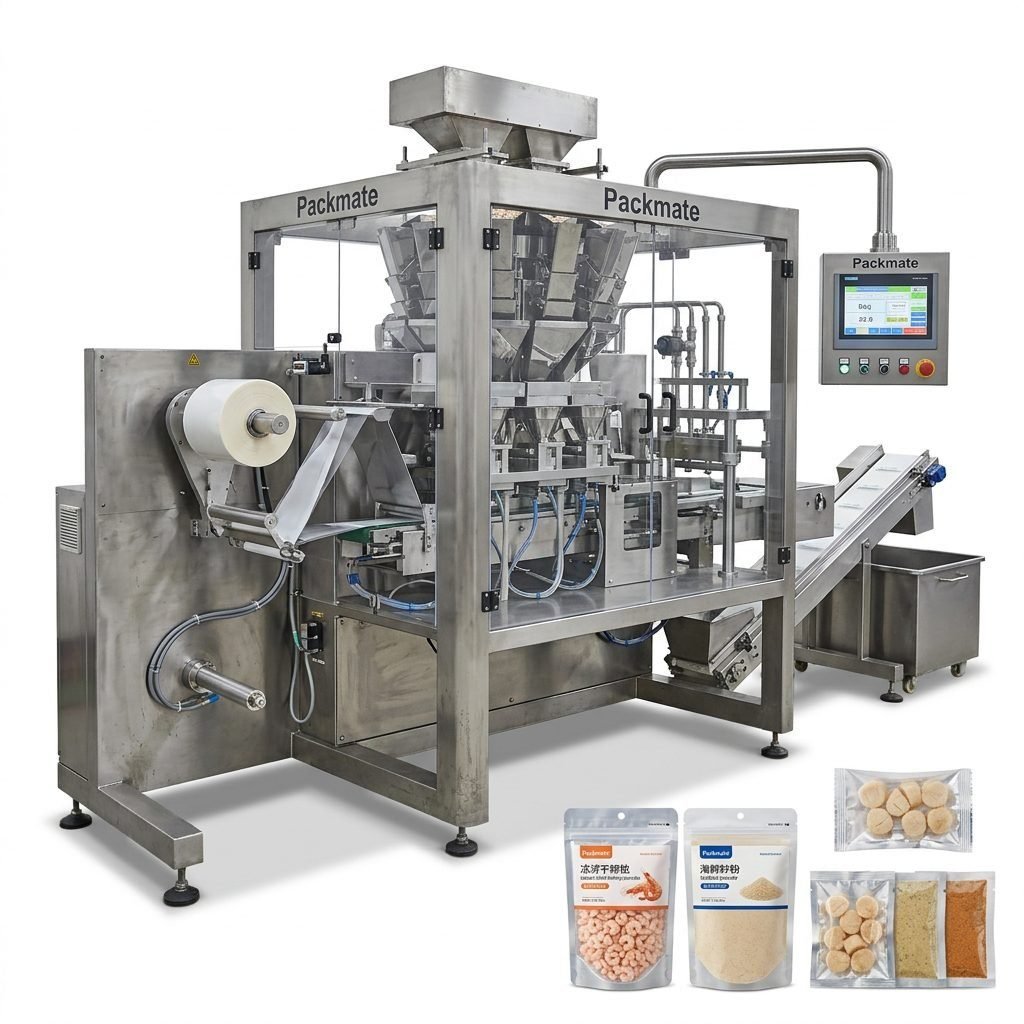
| Packmate Machinery | 30+ years experience, strong in food/pharma packaging, good cost-performance balance. | Reliable, cost-effective machines for powders, granules; practical automation solutions. |
| PacklineOEM | Specializes in complete turnkey packaging lines, strong integration capability. | Full factory automation projects, integrated weighing, filling, and sealing lines for bulk goods. |
| PackingMachineOEM | Focus on non-standard and customized machine solutions, flexible engineering. | Unique product shapes, specialized packaging materials, or bespoke OEM projects. |
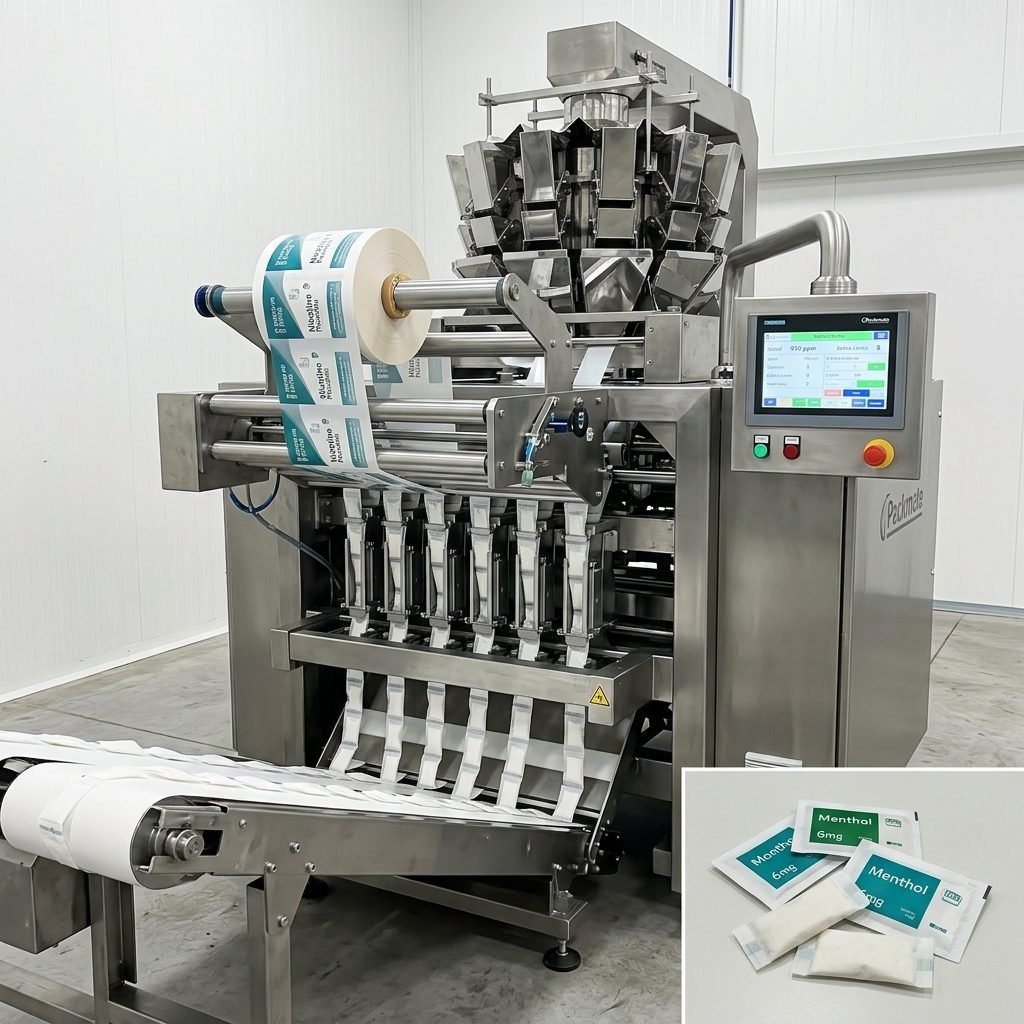
| SnusMachinery | Specialist in nicotine pouch and sachet packaging, high-precision dosing. | High-precision pouch packaging for pharmaceuticals, tea, or specialty food powders. |
The Procurement Process: From Inquiry to Installation
Once you have shortlisted potential suppliers, engage them with a detailed request for quotation (RFQ). The process typically involves:
- Initial Contact & Needs Assessment: Share your product samples and specifications.
- Quotation & Proposal Review: Compare technical specs, pricing, delivery time, and payment terms.
- Factory Audit & Reference Checks: If possible, visit the factory or request a virtual tour. Contact their existing clients in similar regions.
- Contract Negotiation: Clearly define warranty, payment schedule (e.g., TT, LC), delivery terms (FOB, CIF), and responsibilities for installation and training.
- Pre-Shipment Inspection: Arrange for a third-party or your agent to inspect the machine before shipping.
- Logistics & Customs Clearance: Work with a reliable freight forwarder experienced in shipping to Libya. Ensure all documentation (commercial invoice, packing list, certificate of origin, etc.) is accurate.
- Installation & Commissioning: Plan for the manufacturer’s engineer to visit for installation, or ensure comprehensive remote support is available.
Navigating Challenges in the Libyan Market
Libyan importers may face specific challenges such as complex customs procedures, fluctuating import regulations, and securing reliable international payments. Building a strong relationship with a manufacturer who has export experience to North Africa is invaluable. They can often advise on documentation and help navigate these hurdles. Furthermore, prioritize suppliers who offer comprehensive remote diagnostic support and maintain a good stock of commonly needed spare parts to minimize downtime.
Building a Successful Long-Term Partnership
Your relationship with the manufacturer shouldn’t end after the machine is installed. A reliable partner will provide ongoing technical support, operator training programs, and timely spare parts supply. Discuss and agree upon a service level agreement (SLA) upfront. Regular communication and feedback can also help the supplier understand your evolving needs and provide better support for future expansions.
Conclusion and Next Steps
Finding the right packaging machine manufacturer in Libya requires diligent research, clear communication, and a focus on long-term partnership rather than just the initial purchase price. By thoroughly evaluating manufacturers based on experience, technical support, and regional expertise, Libyan businesses can invest in automation that boosts productivity, ensures product quality, and supports sustainable growth in the local market.
Frequently Asked Questions (FAQs)
Q: What is the typical lead time for a packaging machine to Libya?
A: Lead times vary from 30 to 90 days after order confirmation, depending on machine complexity and customization. Factor in additional time for sea freight and customs clearance in Libya.
Q: Can I get local technical support in Libya?
A: Most Chinese manufacturers do not have local offices in Libya. Support is typically provided remotely via video call, with the option for an engineer to travel for installation and major repairs. It’s crucial to verify their responsiveness and travel policy.
Q: Are spare parts readily available?
A: Reputable manufacturers keep an inventory of critical spare parts. Discuss and potentially purchase a recommended spare parts kit with your initial order to avoid long waiting times.
Q: What payment terms are commonly used?
A: Standard terms include 30-50% deposit with order, balance before shipment, or against copy of shipping documents. Letters of Credit (LC) are also common for international trade to Libya.
Q: How do I ensure the machine will work with my local power supply?
A: Libya uses 230V/50Hz. Specify this requirement clearly during the ordering process. The manufacturer should supply the machine with a motor and electrical components configured for this standard.