For businesses in Samoa looking to upgrade their production capabilities, finding a reliable packaging machine manufacturer is a critical step. The local market, with its unique mix of agricultural exports (like taro, coconut products, and fish), growing tourism-related food processing, and small-scale manufacturing, requires packaging solutions that are both efficient and adaptable. Whether you are a Samoan agro-processor needing to package dried root crops into retail sachets, a supplement producer targeting the health-conscious tourist market, or a distributor of imported goods requiring local repackaging, the right equipment can significantly impact your productivity, product quality, and bottom line.
Understanding Your Packaging Needs in the Samoan Context
Before starting your search, clearly define your operational requirements. Consider the specific challenges and opportunities within Samoa’s business environment.
Key considerations should include:
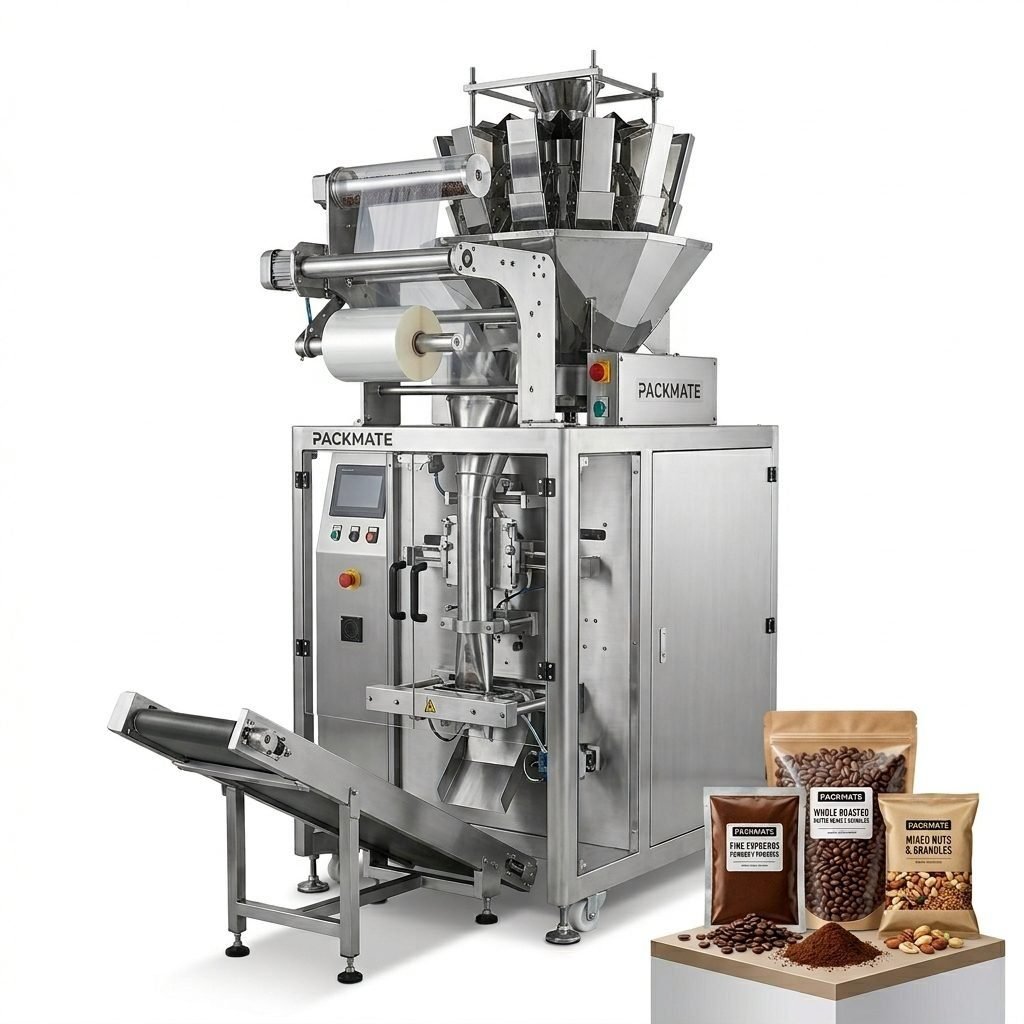
Product Type: Are you packaging powders (like cocoa or flour), granules (dried fruit, rice), liquids (coconut oil, sauces), or pastes? The physical properties of your product dictate the machine type (e.g., auger filler for powders, piston filler for liquids).
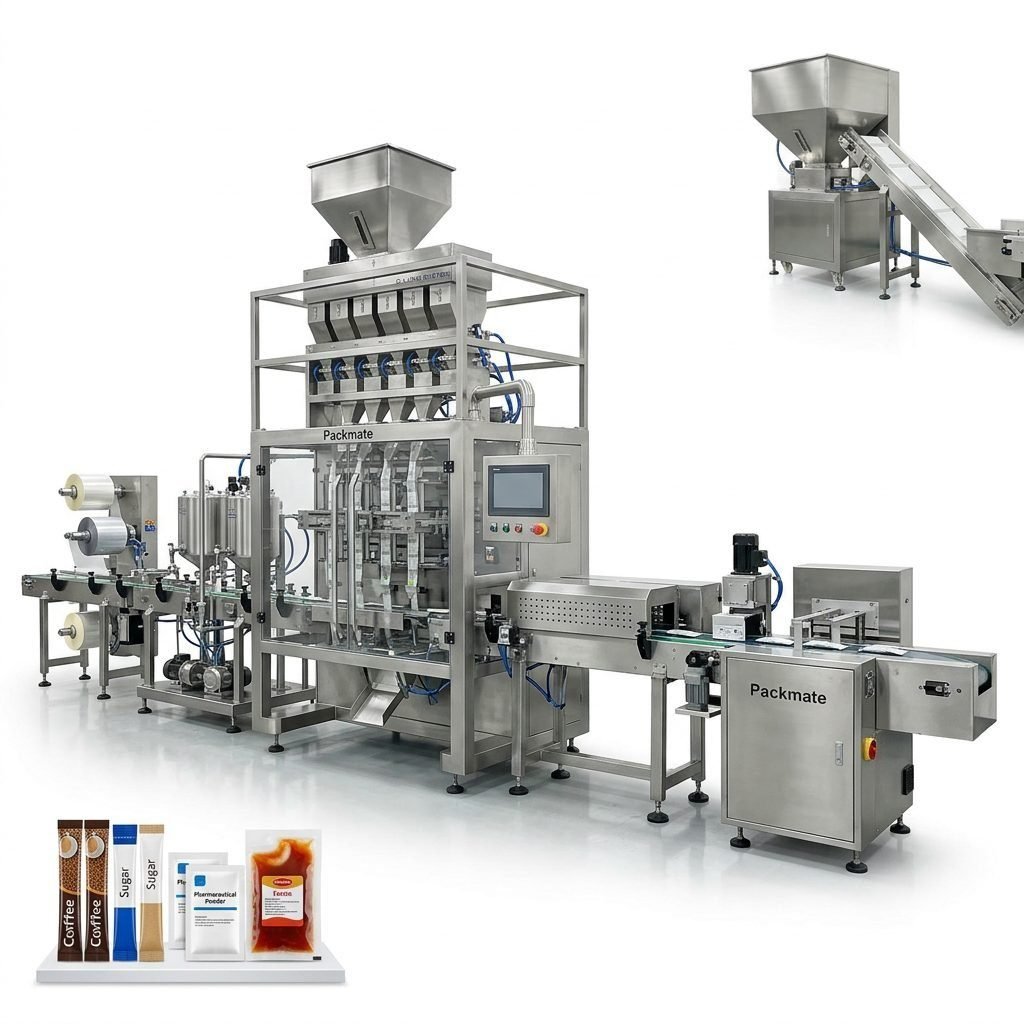
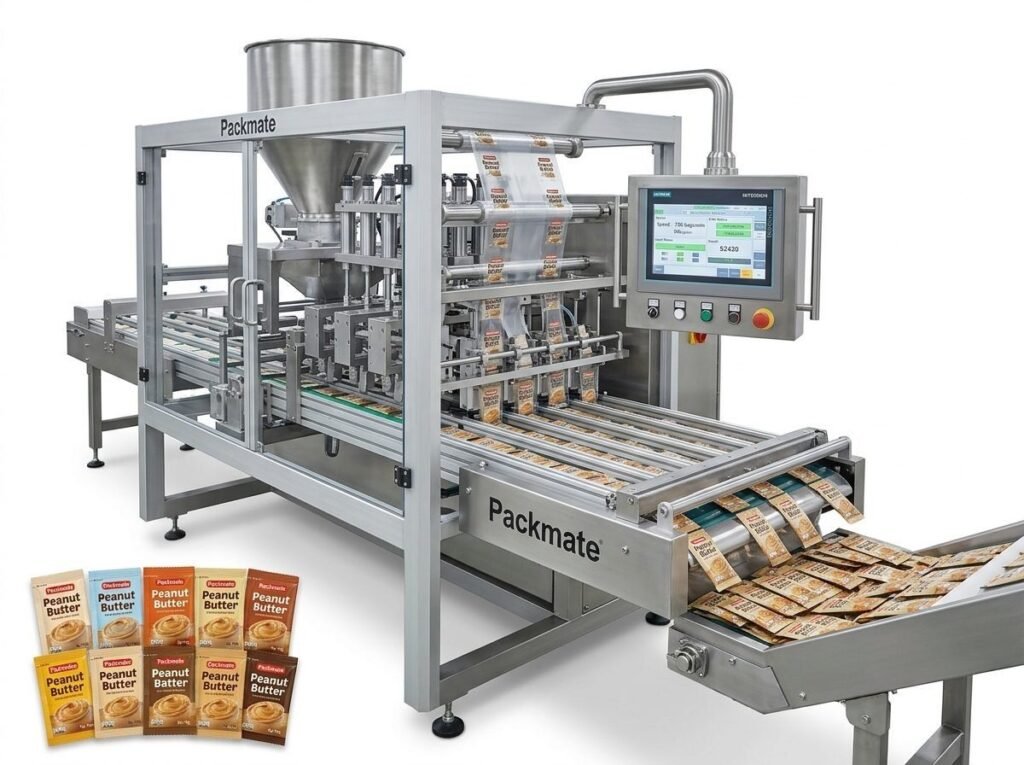
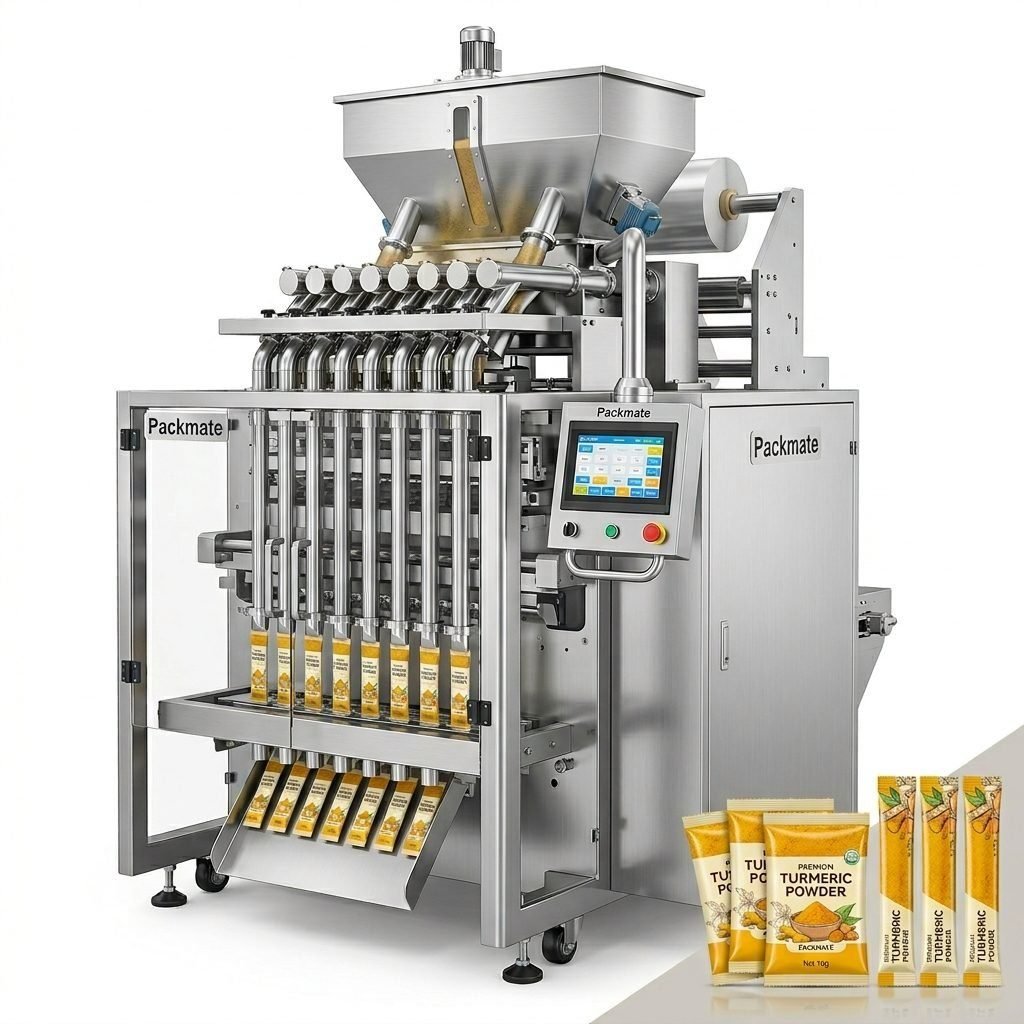
Production Volume & Speed: Estimate your current and projected output. For local Samoan consumption, a single-lane machine may suffice, but for export-oriented businesses, multi-lane systems from suppliers like Ludyway might be necessary to meet larger orders efficiently.
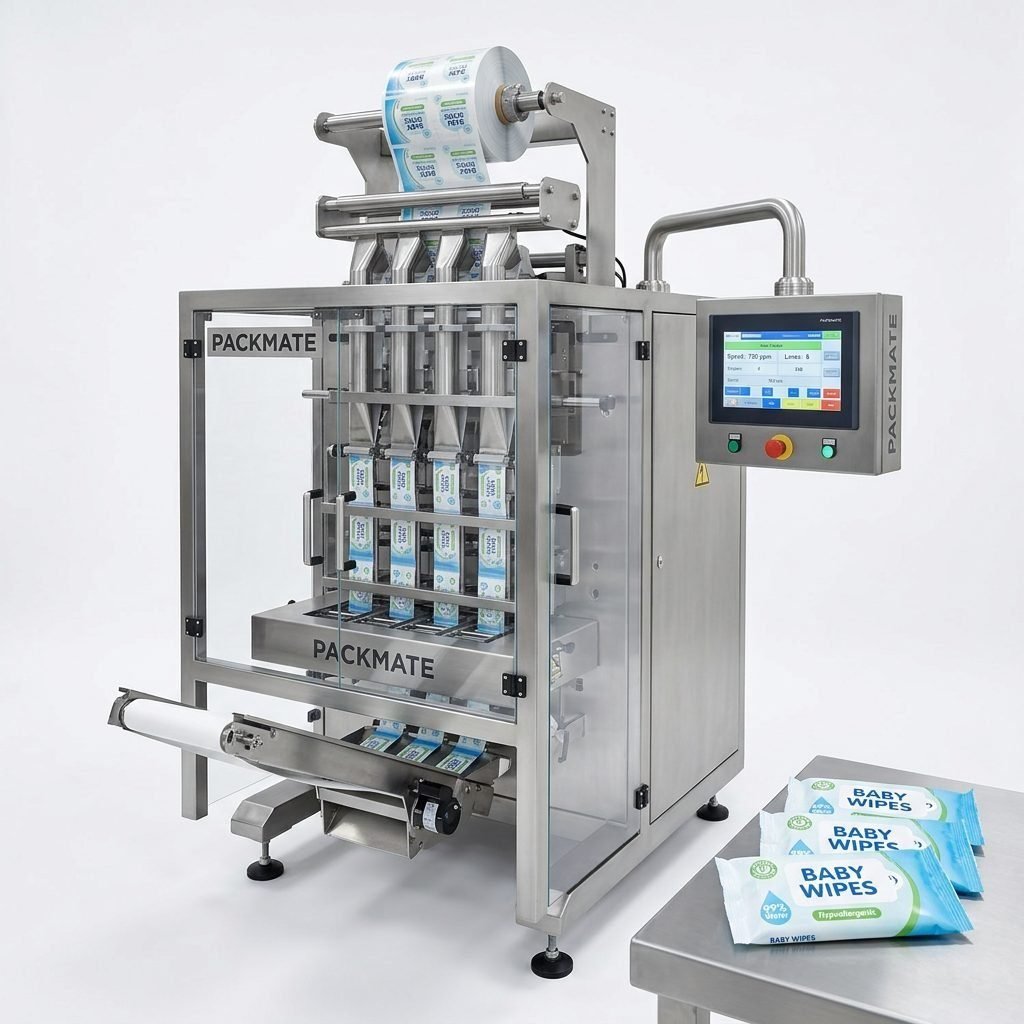
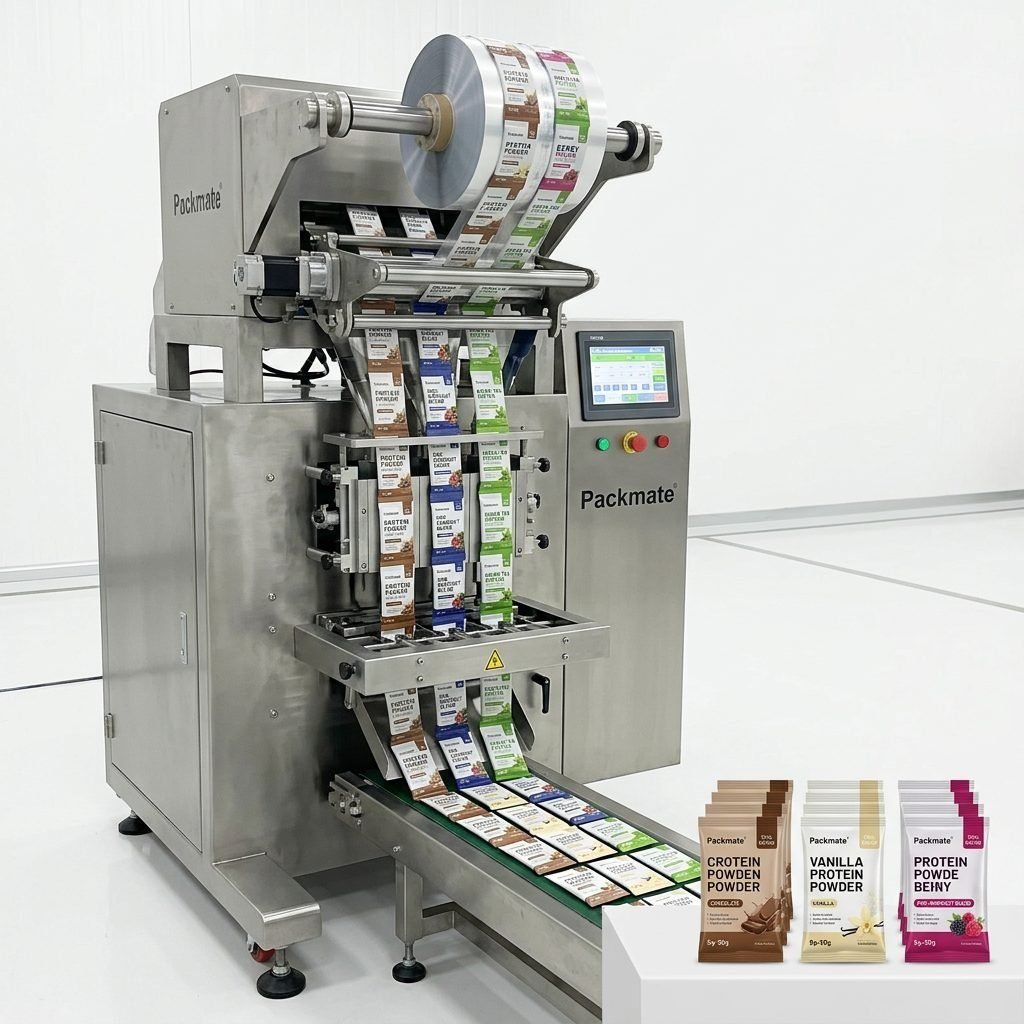
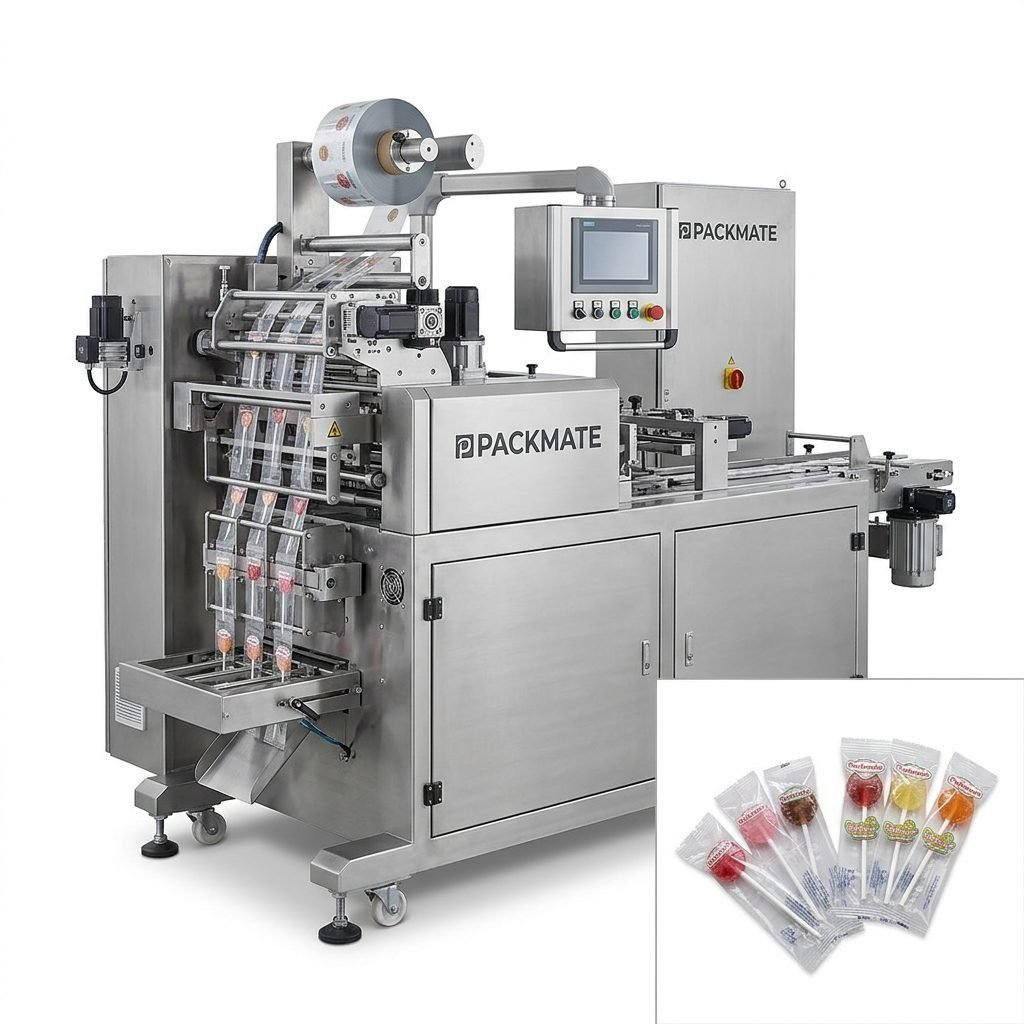
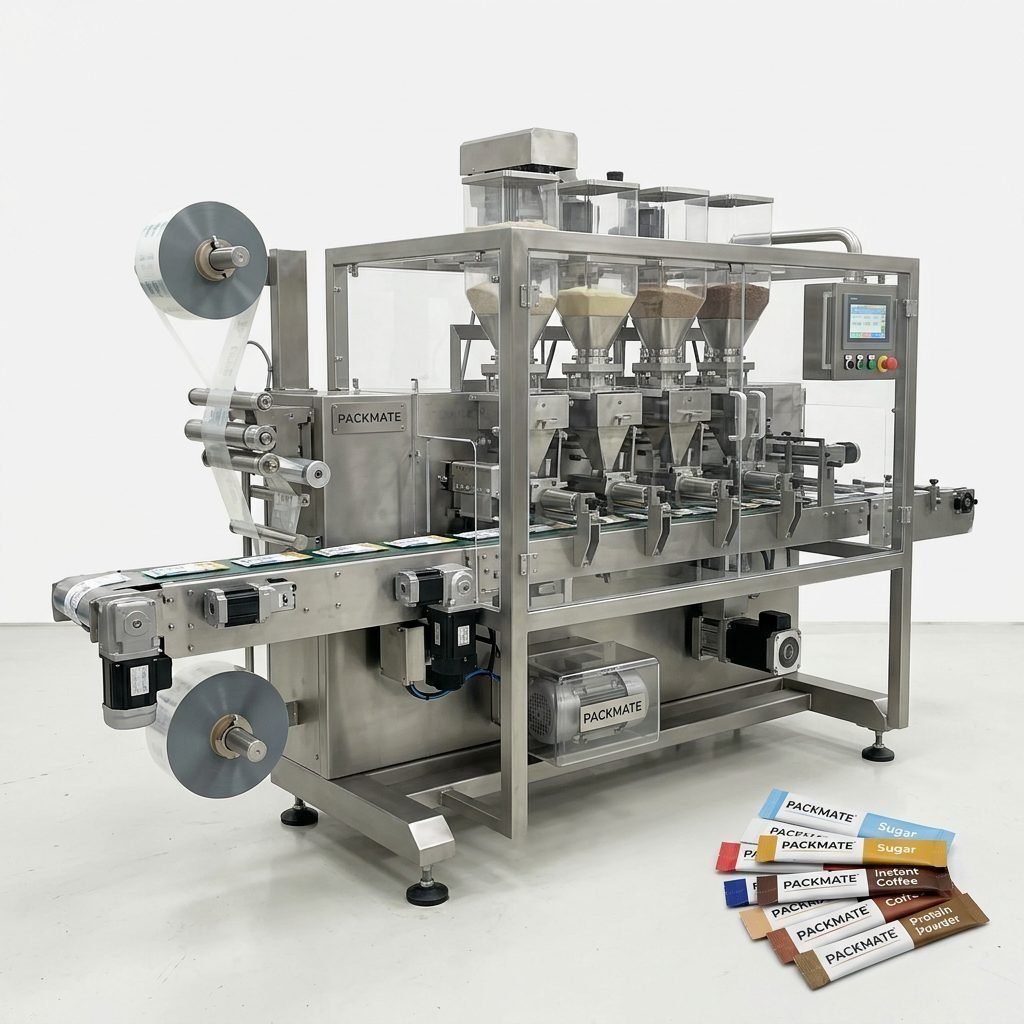
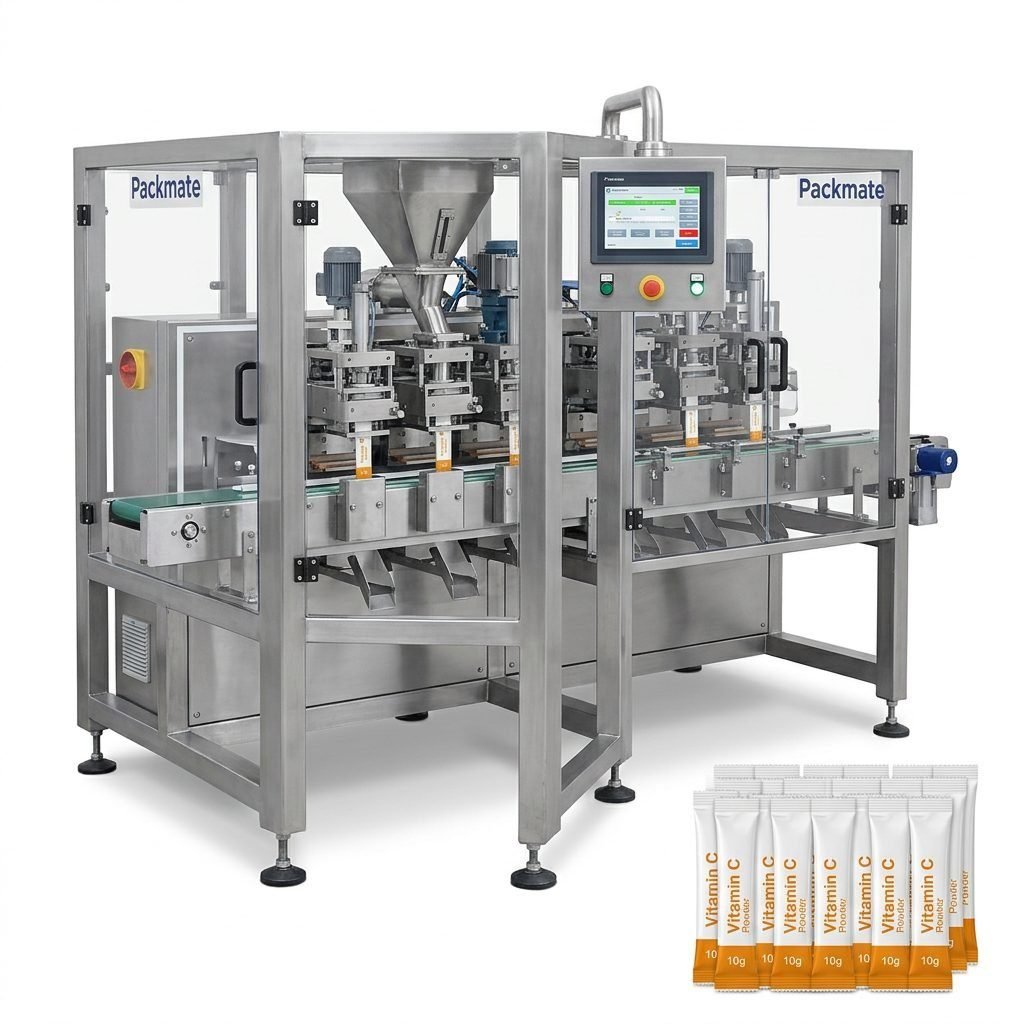
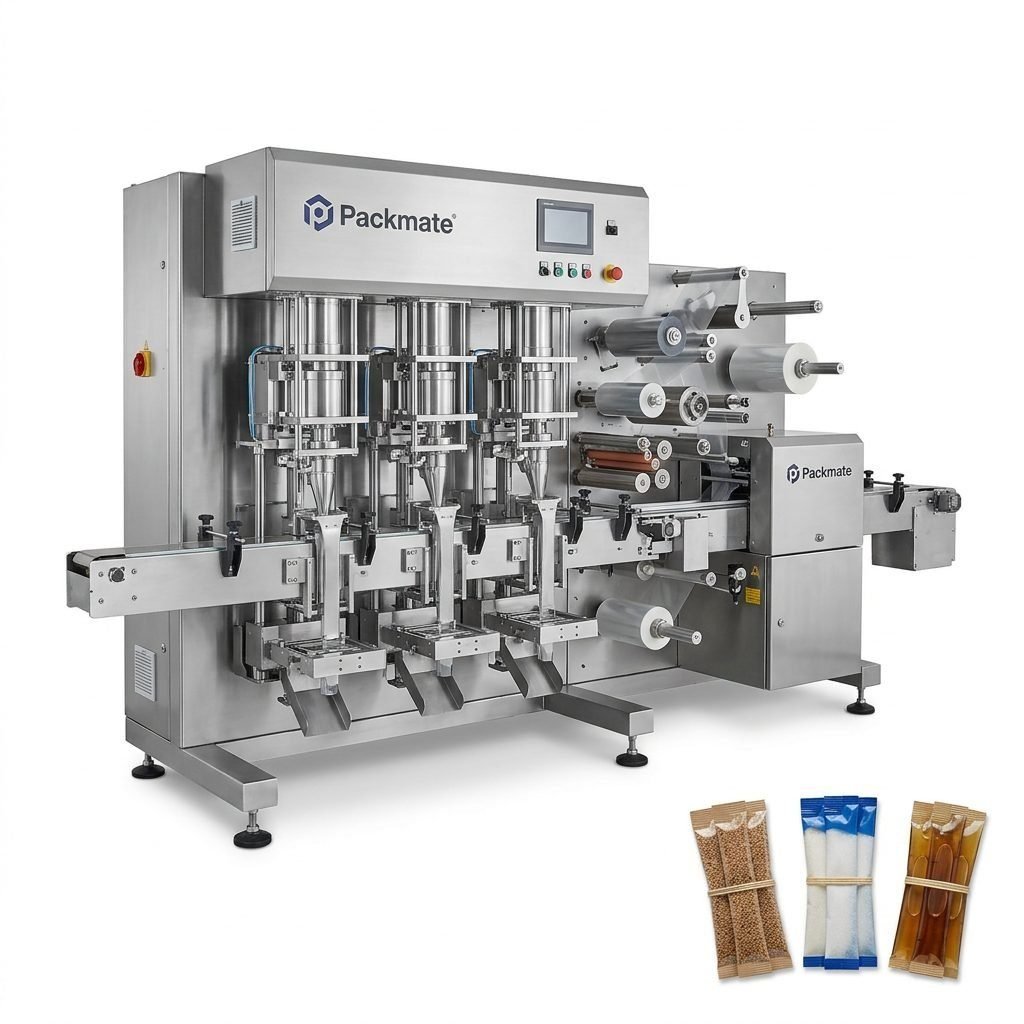
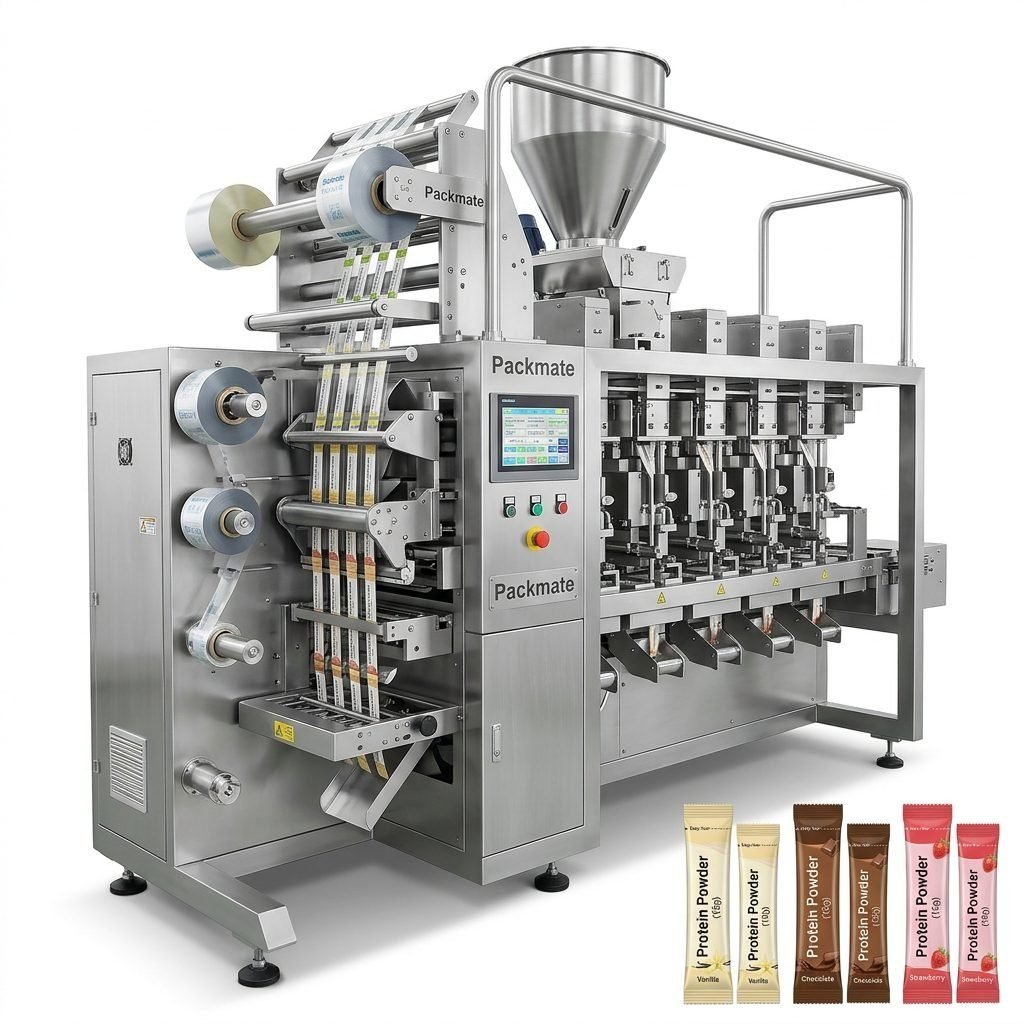
Packaging Format: Do you need stick packs, sachets, pouches, or bottles? Stick packs are popular for single-serve instant coffee or seasoning, common in hotel amenities, while sachets are versatile for a wide range of products.
Available Space & Utilities: Assess your factory floor space and power supply. Reliable automation must fit within your existing infrastructure.
Budget & ROI: Factor in not just the machine cost, but also import duties, shipping to Samoa, installation, training, and expected return on investment through labor savings and reduced waste.
Key Criteria for Evaluating Manufacturers
With your needs outlined, you can systematically evaluate potential suppliers. Look beyond the initial price quote to assess long-term value and partnership potential.
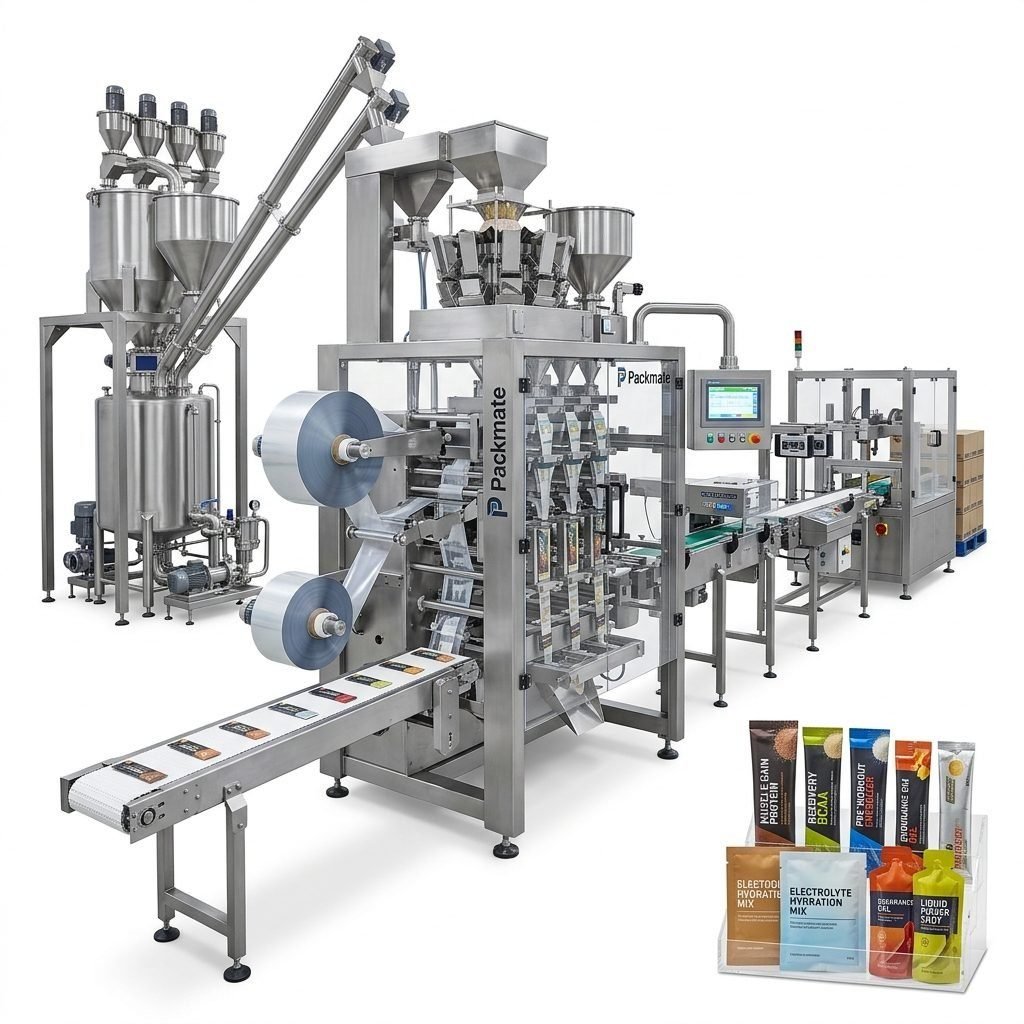
1. Technical Capability & Product Range: Can the manufacturer provide the specific technology you need? A company with a broad portfolio, such as Packmate Machinery, which offers over 80 machine models, is more likely to have a solution that fits or can be slightly adapted to your requirements, saving you from costly over-engineering or under-performance.
2. Manufacturing Experience & Quality Control: Prioritize manufacturers with a long track record (e.g., 20-30+ years) and substantial factory size. This often correlates with better engineering know-how, stable production processes, and rigorous quality control systems, ensuring the machine’s durability—a crucial factor given the distance for repairs from Samoa.
3. Customization & Flexibility: Your product or packaging material might have unique characteristics. Manufacturers like PackingMachineOEM, which specialize in non-standard and customized solutions, are invaluable for projects that don’t fit standard molds, ensuring the machine works perfectly with your specific Samoan products.
4. After-Sales Support & Service: This is arguably the most critical factor for Samoan buyers. Given the geographic isolation, inquire deeply about technical support, availability of spare parts, remote diagnostics, and on-site service plans. A manufacturer with a strong export history will have protocols for supporting overseas clients.
5. Proven Export Experience: A manufacturer experienced in shipping to regions like the Pacific, Southeast Asia, or Africa will be more familiar with the logistics, documentation, and technical adjustments (e.g., voltage compatibility) needed for successful delivery to Samoa.
Research and Shortlisting Process
Begin your search online, using industry-specific keywords. Attend international packaging exhibitions virtually or in person if possible. Request detailed information and quotations from multiple suppliers.
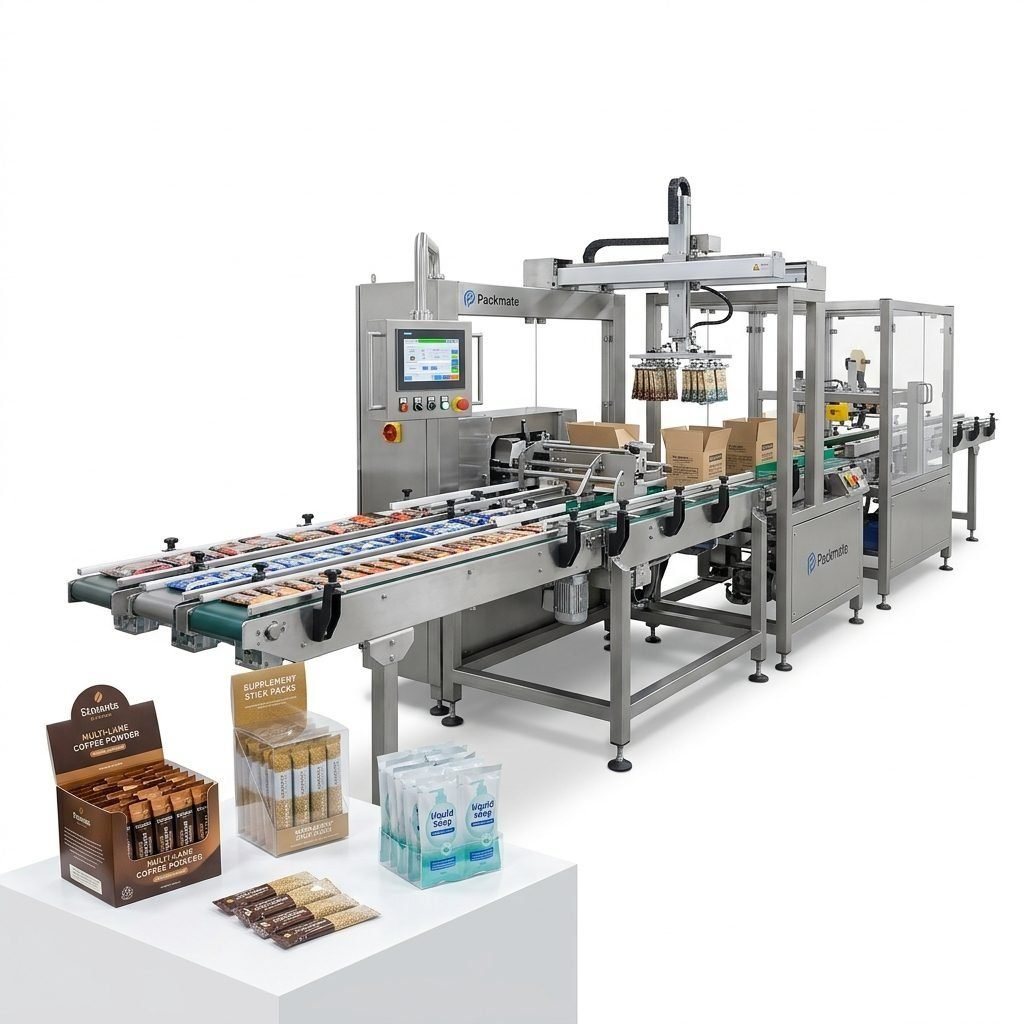
A practical step is to ask for references from clients in similar regions or industries. Contact these references to ask about their experience with machine performance, reliability, and the supplier’s responsiveness to service requests. Furthermore, request a virtual factory tour or detailed videos of the machine in operation with a product similar to yours. For complex projects, especially complete lines, consider manufacturers like PacklineOEM that focus on turnkey solutions, as they can manage the integration of different equipment segments.
| Evaluation Aspect | Questions to Ask the Manufacturer | Why It Matters for Samoa |
|---|---|---|
| Technical Support | What is your remote support process? How quickly can spare parts be shipped? Do you offer on-site installation/training? | Minimizes costly downtime. Fast part shipment and clear remote guidance are essential due to travel distances. |
| Machine Robustness | What materials are used in key components? What is the expected operational lifespan? | Ensures the machine can withstand local conditions and provide a strong return on a significant investment. |
| Supply Logistics | What is the full delivery timeline to Apia? Who handles customs clearance? | Helps in planning the project and budgeting for total landed cost, avoiding unexpected delays or fees. |
Final Selection and Project Implementation
Once you have shortlisted 2-3 manufacturers, move to the final due diligence stage. Negotiate a clear contract that covers machine specifications, delivery terms (FOB, CIF, etc.), payment schedule, warranty (typically 12-18 months), and support terms. For specialized industries, such as nicotine pouch production, a niche supplier like SnusMachinery with dedicated expertise can offer significant advantages in machine design and product understanding.
Pro Tip: If feasible, plan a visit to the manufacturer’s factory in China before finalizing the order. This allows you to verify their manufacturing capabilities, quality control processes, and discuss your project face-to-face with their engineering team. It builds a stronger relationship and provides greater confidence in your investment.
During installation and commissioning, whether done by your team with remote guidance or by the supplier’s technicians, ensure thorough operator training is provided. Document all procedures. A reliable packaging machine is a long-term asset that, when chosen carefully, can propel a Samoan business to new levels of efficiency, consistency, and market competitiveness.
Frequently Asked Questions (FAQs)
What are the main challenges of importing packaging machinery to Samoa?
The primary challenges include managing logistics and shipping costs, ensuring compatibility with local power standards (230V/50Hz), navigating customs clearance procedures, and planning for technical support given the distance from major manufacturing hubs. Working with an export-experienced manufacturer who can provide clear shipping documentation and guidance is crucial.
How can I ensure the machine is suitable for our humid climate?
Discuss environmental specifications with the manufacturer. Request machines with corrosion-resistant materials (e.g., stainless steel contact parts), appropriate sealing for electrical components, and possibly integrated dehumidifiers for control panels. Proper installation in a controlled factory environment will also mitigate climate-related issues.
Are there financing options available for such equipment purchases?
Some larger manufacturers may offer financing partnerships or installment payment plans. It is also advisable to explore local business development loans or grants in Samoa that support manufacturing and export sector growth. Presenting a solid business plan with a clear ROI from the automation project will strengthen financing applications.
What is the typical lead time from order to delivery in Samoa?
Lead time varies greatly depending on the machine’s complexity (standard vs. customized). For a standard machine, expect 30-60 days for production, plus 4-8 weeks for sea freight shipping to Apia. Customized or complete turnkey lines will require more time for design, manufacturing, and testing—often 3-6 months or more before shipping.
Can suppliers help with packaging material sourcing?
Many reputable manufacturers have relationships with packaging film and material suppliers. They can often recommend compatible materials for their machines and may even provide samples or supplier contacts. However, for long-term supply, it’s wise to also establish a direct relationship with a reliable packaging material supplier that can ship to Samoa consistently.